This textbook is intended for the reader interested in mental health and well-being from a professional and general perspective. We also wanted our contributors to bring the reader different perspectives and approaches to the commonality of mental health and wellness.
A historical review of mental health care
Describes and discusses the available literature regarding historical evidence of how people with mental illness were managed and treated. Subsequent chapters will then look at mental health across the 'cradle to grave' spectrum of life.
Mental health within society and societies
Chapters will focus on mental health during pregnancy and early parenthood, childhood, adolescence and youth, adult men, adult women, and the aging population. It will examine the important role that society as a whole and within local communities can play in helping or hindering the resilience or relapse of a mental health illness in individuals.
Mental health within different ethnic groups and minorities
This chapter will also discuss the best available evidence to promote positive mental health status in individuals and how society and government should play its role in promoting a mentally and physically healthier nation. Furthermore, the risks associated with poor mental health, such as rapid social change, work-related stress, gender and racial discrimination, stigma and shame, social exclusion, unhealthy lifestyles, personal safety risks and violence, physical illness and human abuse. rights will be discussed to enable the reader to place societal impacts in context.
Mental health during pregnancy and early parenthood
Mental health during childhood
There will be further discussion and exploration of how poor mental health in childhood can be associated with mental health problems later in one's life. Case scenarios will be presented to help the reader understand some of the mental health issues discussed.
Adolescence and young adult mental health
Family, friends and peers will be explored, along with how these can impact a child's mental health both positively and negatively.
Mental health in adult men
Mental health in adult women
It will be discussed further how poor mental health during the early stages of a woman's life can be linked to mental health problems later. This chapter briefly discusses how professionals can work closely with families and local communities to provide women with support so they can make informed decisions about their mental health and wellbeing.
Mental health in the aged population
In mental health, it refers to a chronic habit state that leads to emotional and physical discomfort. Some cultures and societies do not recognize stress as a mental health condition, but as a natural response to living in the world.
Notes
We are very grateful to Leeanne Ralston, Francesca Sweeting, Paul Holgate, Scott Steen, Ashlee Wells Jackson and Jamie McCartney for giving us permission to use photos. We are also grateful to those who have given permission to use their personal stories in disguised case studies for educational purposes.
Introduction
Mental health is best seen as developments in areas that are intertwined and rely on small advances in one area to drive progress in the others. Using the development of mental health care, this chapter attempts to demonstrate how social, political, and economic forces interact to influence the experiences of the person seeking mental health care and intervention.
Historical overview
The developments of mental health professions and care interventions have often been in response to social and political advances that have responded to technical and economic developments, and studying the historical course of care often requires an understanding of when and where these different areas collide. In the history of mental health care, you can hear their voices and learn from their experiences, but it is rare to find examples where they have influenced mental health interventions and they are more often the focus for, rather than the agent of, change.
This chapter will consider
The early years
In the early fifteenth century, such heresy provoked the implementation of the Inquisition and later the witch trials, which did not take into account mental health problems, and many were caught in their net. This came after another intense period of witchcraft research in the 1680s against vulnerable women and people with mental health problems.
The development of state intervention
This caused such an uproar that the master was dismissed (though not the council of guardians or the doctor who insisted the residents were well fed), leading to the abolition of the Poor Law Commission and its immediate replacement by the Poor Law Board. In 1866, the Paddington Workhouse Inspector discovered that pillows were being taken from the beds of the dying to "go faster" (Fowler.

The rise of the professions
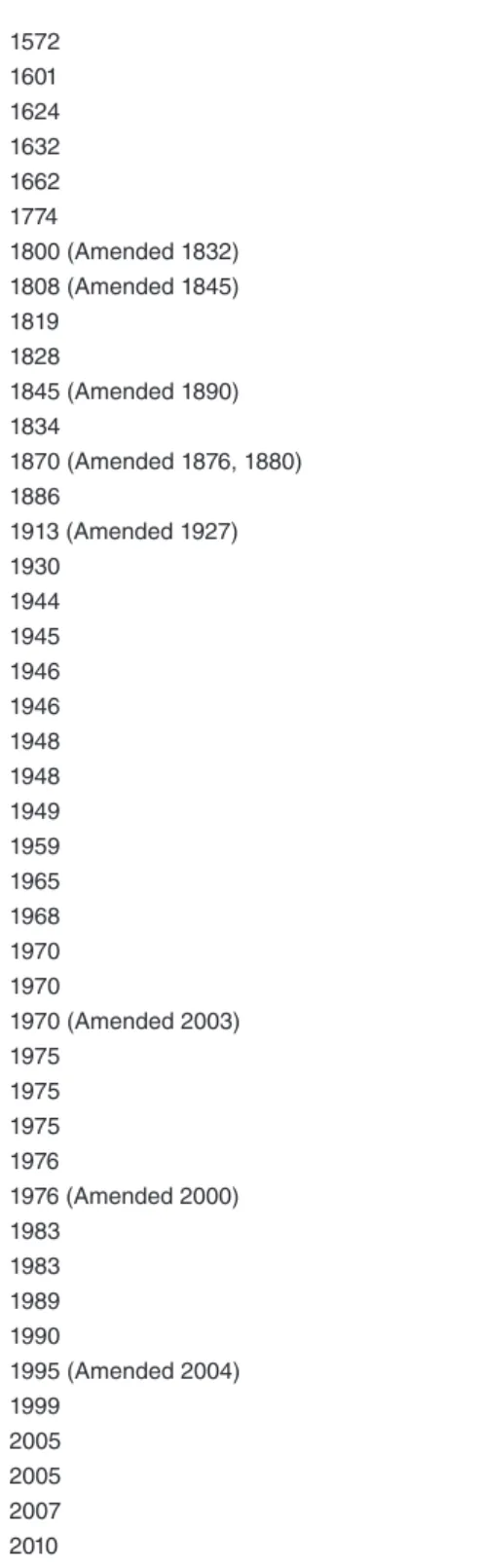
During the nineteenth century, the state passed eleven Acts of Parliament and Amendments (Figure 1.1) in an attempt to balance localism's autonomy with lower exchequer expenditure, but by the end of the twentieth century it was widely recognized that localism was failing and causing deep insult That same year the mental health carers won their own union, the Asylum Workers Union, which evolved into today's mental health nurses.
The rise of managerialism
Psychiatry continued to search for 'cures' and interventions for mental health conditions; Electro-convulsive therapy was widely used from 1938 and the use of sedatives such as camphor was replaced by antipsychotic drugs in the early 1950s. Perhaps the most dominant of all the pressures for improvement is in the area of negligence with increasing fines and financial sanctions against individuals, organizations and the state that have an impact on mental health care.
Reflective exercise
Yet the current trend suggests that the voices of service users and their families are finally being heard, as can be demonstrated by the growing calls for the 'expert user' to be trained and involved in care policies as well as management. History may indicate that the next evolution in mental health care may therefore include a partnership between the service users, families and carers, the state and the law with the potential for those who actually use mental health services to be trained to provide care; it has been coming for several centuries.
A historical review of mental health care 19. evidence-based information showing lapses in care while media coverage of failings in standards of care as found in Staffordshire or the commercial temptation to leave vulnerable older people to fend for themselves when market profits collapse led to increased calls for government interventions . 2011) Experts; cuts create mental health crisis - tests for disability benefit harm most vulnerable people, charities say.
An introduction to mental health within society
Considerations for understanding mental health and mental illness across and within different societies
Towards a global mental health perspective
A manic episode is characterized by at least one week's duration of persistent abnormally elevated or irritable mood with purposeful activity or increased energy and is not caused by a medical condition or drug use. The severe mood disorder has a negative impact on the person's social or occupational functioning and may require emergency treatment to prevent harm to themselves or others.
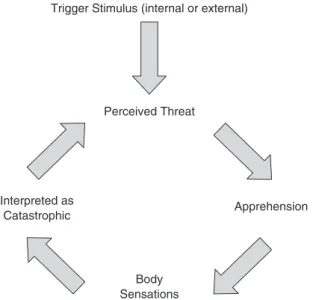
Flashbacks can occur for a short time after exposure to a trigger, but leave the person in a state of hyper-arousal and intense psychological distress. Two of the most common eating and eating disorders are anorexia nervosa and bulimia nervosa.
Social determinants of mental health and mental illness
Other factors can influence mental health more indirectly – for example, lack of access to adequate nutrition can affect mood and concentration (Stansfeld et al. 2008). These can contribute to lower access to mental health care (Australian Government Department of Health 2014).
The impact of living with a mental illness
Loss of relationships for people with a mental illness can range from friends and family members to colleagues or community contacts. Compared to the general population, many people with mental illness receive inferior health care (Mitchell, Malone, and Doebbeling 2009; Viron and Stern 2010).
Promoting mental health within a whole-of-health framework
Another area where mental illness can affect and which can affect mental health outcomes is health care. On the other end of the spectrum, social support and social connectedness can play an important role in an individual's mental health.
Conclusions
Improved mental health literacy – that is, knowledge about prevention of mental illness, symptom recognition, help-seeking and treatment options and mental health first aid to support others (Jorm 2012) – is another aim of these campaigns. Having an understanding of these concepts will promote a comprehensive view of mental health and mental illness.
Reflective exercises
Thoits, PA 2011, 'Mechanisms linking social ties and support to physical and mental health', Journal of Health and Social Behavior, vol. Current understanding of specific mental health challenges in different ethnic and minority groups;.
Background
It has been pointed out that some ethnic communities are intolerant of mental health problems and have great difficulty in talking openly about such health problems (Conner et al., 2010). Barrio, cited in Higgins et al. 2007), suggests that Western models of mental health may not be appropriate for ethnic minority people.
Cultural issues
In the 1990s, clinicians were advised to be cautious in using the Diagnostic and Statistical Manual of Mental Health Disorders, DSM-IV (now DSM-5, APA, 2013), without being culturally sensitive to the needs of individual service users (Lukoff et al., 1992). In the United States, such internalized mental health concerns have been found to be associated with the way 'Black' people are brought up (Conner et al, 2010).
Language
Some ethnic minorities feel disempowered by communication barriers and may sometimes resort to their family and friends as sources of information (Dastjerdi et al., 2012). This then leads to an individual's preference for professional interpreters, which at least to some extent ensures that their information remains confidential (Dastjerdi et al., 2012).
Religion
People seeking mental health services thrive on comfortable conversations with service providers, but this is clearly unachievable if professionals do not understand the person's language and cannot communicate effectively (Donnelly et al., 2011). 2011) argue that while spiritual beliefs can be a source of strength, they can also represent barriers to seeking mental health help.
Stigma, shame and fear
Inconsistencies exist in both access to and quality of mental health care for ethnic minority groups, resulting in their underutilization. Western models of mental health care may not apply to people from ethnic minorities and other countries and may even produce negative outcomes.
Recommendations for future practice provision
More research is needed to understand the cultural and social factors that influence health practitioners' approaches, as people with mental health problems are still often stigmatized. Religion is a dominant force in the lives of many ethnic minority groups and evidence suggests that it has a significant impact on their coping when they have mental health problems.
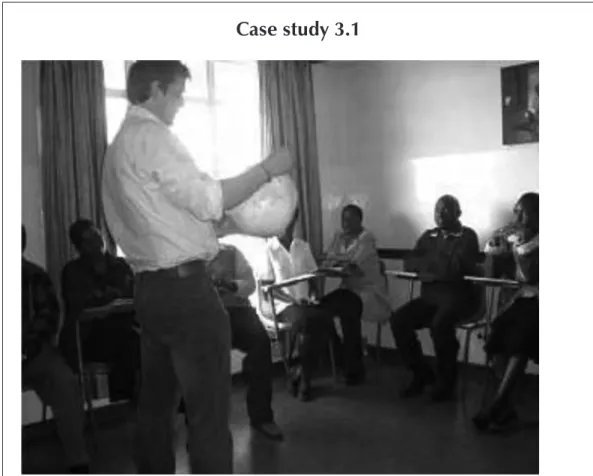
Case study 3.1
Case Study 3.2
Case Study 3.3
The influence of culture on the mental health experiences of immigrant women from the perspective of mental health providers. Risks for mental health problems during pregnancy, childbirth and the first year after childbirth.
Mental health and motherhood Socio-economic and life events
How mental health problems during pregnancy and the transition to motherhood can affect partners and other members of the family;. When family support is lacking, she is vulnerable and may be susceptible to mental health problems.
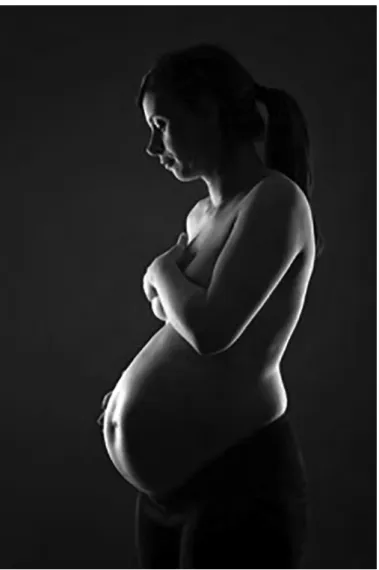
Women and mental health during the childbirth continuum Anxiety and stress during pregnancy
More recently, this resilience model has been tested with pregnant and vulnerable mothers at risk of developing mental health problems (Robinson et al. 2014). Her midwife referred her to the mental health team and arranged weekly visits.

Eating Disorder: a case scenario
This alerted the midwife to the possibility of an eating disorder and this was discussed with her GP and the mental health team. Underlying mental health conditions are associated with illicit drug abuse – conditions such as PTSD, personality disorder, psychosis and alcoholism.
Childbirth and mental health The medicalisation of childbirth
Living with a mental health condition has its challenges and living with someone who has a mental health condition can also be very difficult. PSTD is associated with high trait anxiety, pre-existing fear of childbirth, other physical and/or mental health problems during pregnancy and a previous traumatic birth experience and history of child sexual abuse (Ayers and Pickering 2001; Bailham and Joseph 2003; Soet et al. et al. 2003).
Post-traumatic stress disorder: a case scenario
It is important to promote the normality of the birth and even when complications arise, that the woman and her partner are fully informed and consent is given to the necessary interventions and care. The woman and her partner must be supported in a caring and compassionate way to reduce fear and anxiety.
Mental health following birth
Baby blues: a case scenario
Postnatal depression
In various studies, PND may affect between 5 and 25 percent of mothers (Gaynes et al. 2005). However, there is some evidence that the incidence of PND may be higher in some developing countries (Fisher et al. 2012).
PND: a case scenario
However, at two months and one year postpartum, fathers of twins (both ART and normal conceived) show significantly more depressive symptoms than fathers of singletons (Vilska et al. 2009). Excessive infant crying (using the Wessel criteria, i.e. crying > 3 hours for > 3 days in the past week) is associated with paternal depressive symptoms (van den Berg et al. 2009).
Psychosis: a case scenario
Improved communication between health professionals and others is essential to meeting the needs of women with mental health problems. Can you describe and discuss the risk factors that may predispose pregnant and new mothers to psychological problems.
An introduction to mental health during childhood
Factors within various environments (home, school and wider society) that can affect a child's mental health;. The importance of early intervention approaches to promote children's mental health and reduce the development of mental health conditions.
Children and mental health
For this reason, understanding the state of a child's mental health (and the potential presence of a mental illness). These differences may be due to the way mental health and mental illness are classified and measured.

Influences on mental health/illness in childhood
For example, one study of low-income mothers found that maternal stress was strongly associated with negative parenting (high rejection, low parental control and involvement) and that maternal stress was associated with child internalizing and externalizing problems (Barbot et al. 2014). . . It has further been found to be associated with high parental conflict, drug/alcohol problems, family problems and community disruption (Turner et al. 2013).

Case Study 5.1
Molly's parents learned new management strategies, such as the importance of a consistent approach and response to Molly's behavioral outbursts. The findings of Molly's assessment were also shared with others responsible for Molly's care, such as primary education, health and medical services.
Living with poor mental health
For example, symptoms of a mental health condition can reduce a child's ability to pay attention and stay focused. Poor mental health can affect a child's ability to trust others, especially in the form of forming friendships.
Mental health promotion/supports
The importance of family and early interpersonal relationships was identified earlier in this chapter, and it is important to recognize the impact that a child's poor mental health can have on the relationships they develop within their family system (Herring et al. 2006) . Similarly, there may be consequences for the child's siblings, such as increased susceptibility to behavioral problems and difficulties in adapting to stressors arising from the child's mental health status (Petalas et al. 2012).
Case Study 5.2
These are offered in a number of countries around the world and are usually funded by public mental health services. They may also offer and/or deliver some of the previously mentioned mental health and parenting programs in the community.
Case Study 5.3
In addition to this, they also provide information for children on how to take care of their own physical and mental health (eg tips for exercise and dealing with negative emotions) as well as resources for having fun, such as online games, puzzles and pictures. Resources like these could be a useful way for children to learn skills to actively explore the concept of mental health and take control of their own mental health.
Conclusion
Strohschein, L 2012, 'Parent divorce and child mental health: Accounting for predisruption differences', Journal of Divorce and Remarriage, vol. Turner, HA, Finkelhor, D and Ormrod, R 2006, 'The effect of lifetime victimization on the mental health of children and adolescents', Social Science and Medicine, vol.
Adolescence and young adult mental health
Nevertheless, many of the presenting issues that may occur during this stage can be managed in primary care without the need to refer to specialist services (Dogra et al., 2009, p. 31). However, it is a specialty that is often poorly understood by service users, professionals and commissioners (Richardson et al., 2010).
Recognising vulnerable adolescents
Despite a large proportion of mental health problems occurring in adolescence, treatment tends to occur several years later (Kessler et al., 2007). Moreover, the costs associated with untreated mental health problems in adolescence can be substantial for both the individual and society (McCrone et al., 2008).
Family, friends and peer influence upon adolescent mental health
The impact of parental influence still appears to be evident during this life stage (Cottrell et al., 2007). Likewise, poorer outcomes have been associated with children of mothers who are clinically depressed (Knapp et al., 2011) (see Chapter 4 for more discussion).
Treatments for mental health problems
Antidepressant prescribing rates for adolescents are also low in the US (Merikangas et al., 2013). In Great Britain (England, Scotland and Wales), the prevalence of anxiety disorders in young people is estimated at 4.4 percent (Green et al., 2005).
Eating disorder: a case scenario
Medication usually has a limited effect and should be considered in consultation with a specialist service (Dogra et al., 2009, pp. 155–156). It is important to highlight the harmful effects of the abuse of these substances without making the individual feel criticized or judged (Dogra et al., 2013, pp. 200-201).
Asperger’s/Attention deficit hyperactivity disorder: a case scenario
A systematic review of reviews of interventions to promote mental health and prevent mental health problems in children and young people. Women are diagnosed with more of the common mental health problems than men (for example anxiety and depression), yet there is concern that these problems may be underdiagnosed in men for sociocultural reasons (Wilkins, 2010: 33).
The nature of the problem – key data on men’s mental health and wellbeing
In the UK, official statistics (ONS, 2013) show that 75 per cent of all suicides were male. This compares to just 5 percent of men and 2 percent of women in the general population.

Masculinity, ‘being a man’, and mental health
Having considered some of the main data on men's mental health and well-being, we now turn to consider how social constructions of gender, of 'masculinities', may play a role in helping to understand some of these differences. So far we have discussed issues of 'masculinity', being a man, in isolation from other factors and contexts that influence identity and therefore can affect men's mental health and well-being.
Intersections: ethnicity and age
Mental health in adult men 161 . alcohol use) and 'getting away with it' (through increased risk-taking behavior such as excessive drugs and alcohol, gambling or extramarital affairs). Another important intersection that affects men's mental health and well-being is that of gender and age.
Case studies of interventions
Some skills were relevant to the men's immediate health and social needs, while using skills for leisure activities and making a societal contribution strengthens the men's identity and life satisfaction. The fact that the men showed improved well-being suggests benefits for the NHS, as these men were previously likely to be frequent participants with long-term physical conditions and often mild or moderate mental health problems.
Case study 2. The BRAVE Project: Reducing anger and other violent emotions (UK)
Link to masculinity: The project strongly involved older men, partly because it is embedded in community activity, not segregated or dominated by a particular service, e.g. The men were inspired to take on new initiatives outside the project, such as joining a walking group, remembrance meetings and a photography group.
Case study 3. Muted: Support for men with depression
Further initiatives and actions are progressing and projections from the research and input of the team of organizations indicate possible positive results. The two main areas of benefit stated by those who have engaged to date are: (1) The simplicity and accessibility of the information on the website has helped them recognize and understand the symptoms and made it easier and more acceptable to contact Muted or seek other assistance. 2) The peer-led nature of the work, being able to talk to someone with first-hand experience, helped overcome barriers to engagement and built the trust required to facilitate openness about a range of issues in one context safe .
Case study 4. Veteran’s Transition Program (VTP) (Canada)