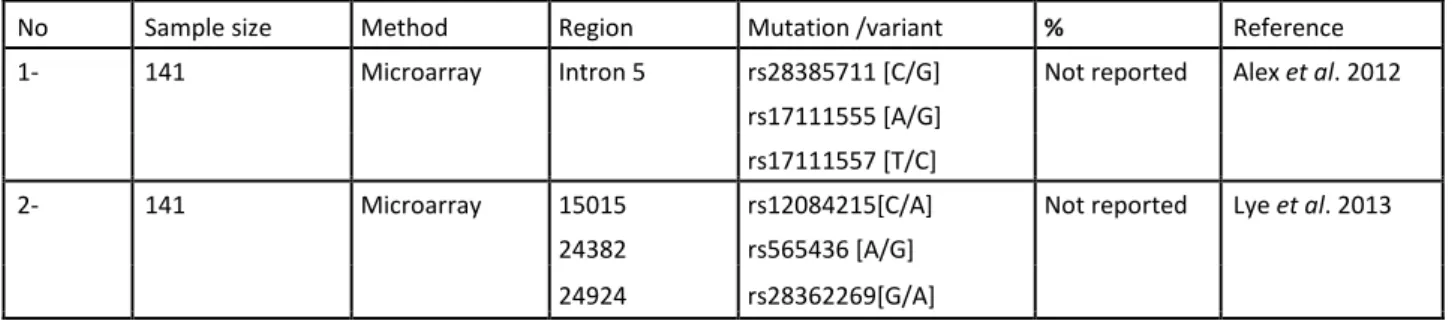
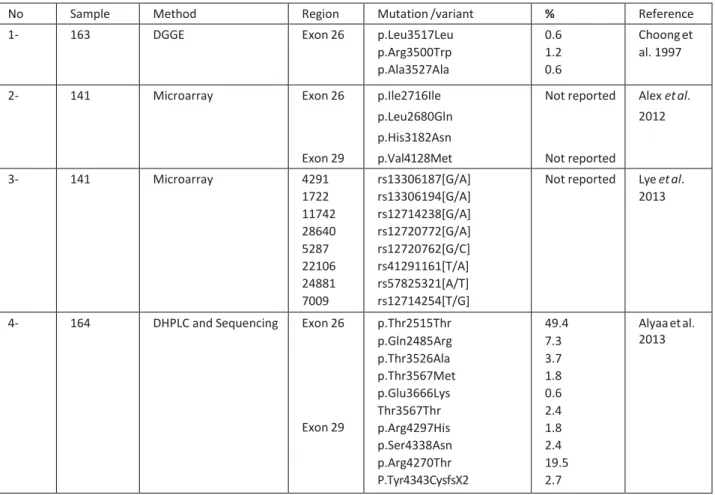
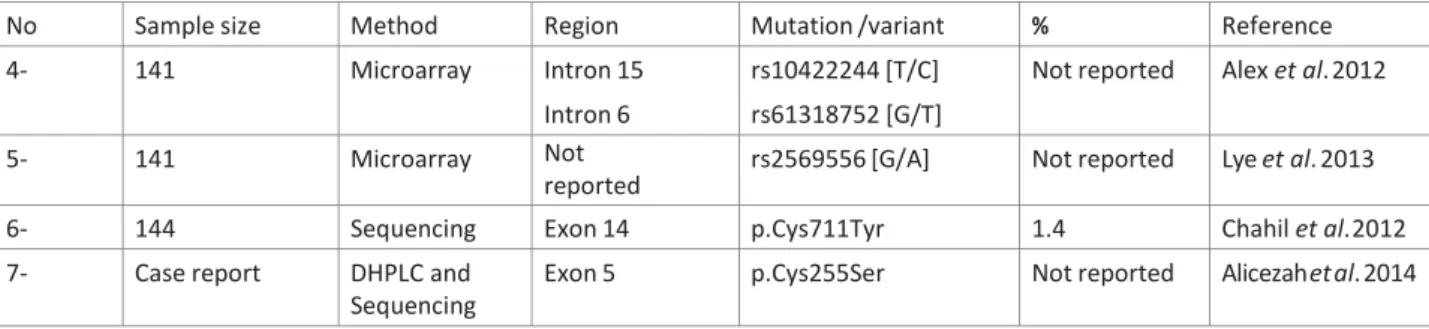
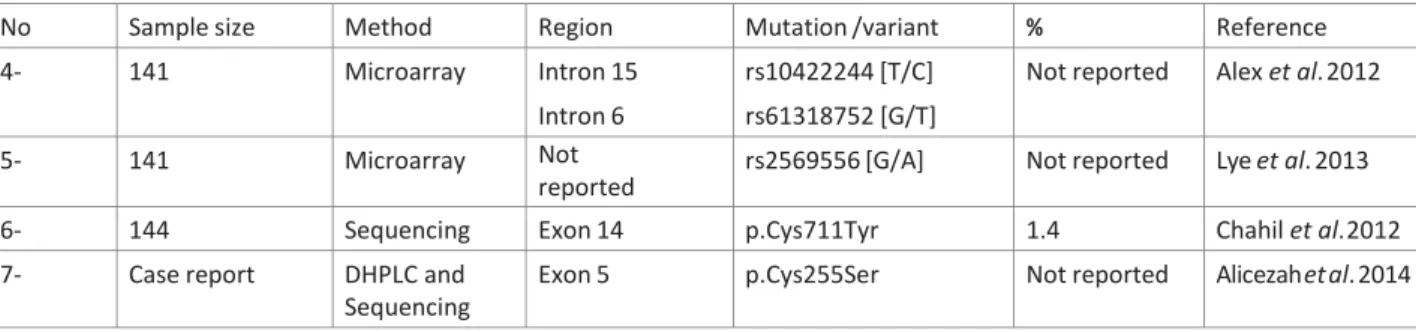
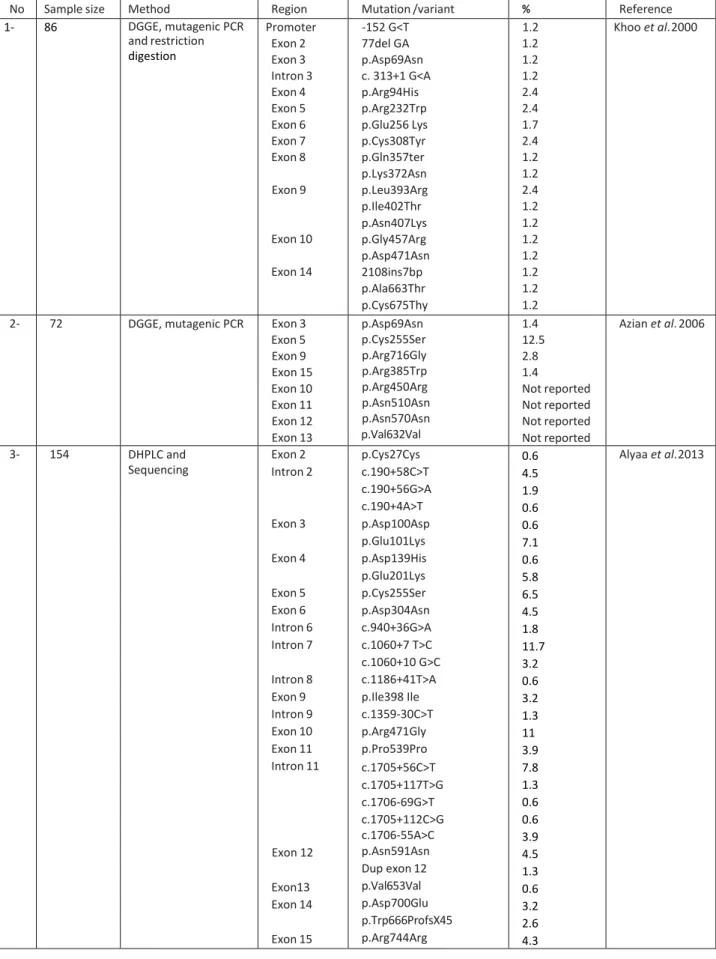
APOE polymorphisms have been estimated to contribute 2-16% of the variation in LDL-C levels. PCR–DGGE analyzes of the promoter and 18 exons of the LDLR gene were performed. Verification of the 18 exons of the LDLR gene was completed by PCR and direct DNA sequencing.
A new missense mutation, p.Cys711Tyr, in exon 14 of the LDLR gene was reported for the first time in Asia. A screening of the LDLR and the APOB-100 genes using DHPLC revealed a homozygous mutation of p.Cys255Ser at exon 5 of the LDLR gene. Many of the reports were unable to identify the APOB -100 gene variant as a causative defect.
In vivo research into the pathogenicity of the gene variants in humans is crucial. Use of the denaturing gradient gel electrophoresis (DGGE) method for mutation screening of patients with familial hypercholesterolemia (FH) and familial defective apolipoprotein B100 (FDB). Detection of mutations and large rearrangements of the low-density lipoprotein receptor gene in Taiwanese patients with familial hypercholesterolemia.
A novel pathogenic variant of the LDLR gene in the Asian population and its clinical correlation with familial hypercholesterolemia.
PARVOVIRUS B19 ASSOCIATED HAEMOPHAGOCYTIC LYMPHOHISTIOCYTISIS IN HEREDITARY SPHEROCYTOSIS
PATIENT: A CASE REPORT
ABSTRACT
Parvovirus B19 infection commonly causes erythema infectiosum in children (12), acute polyarthritis in adults (13), and a transient aplastic crisis in patients with chronic hemolytic anemia such as sickle cell anemia (14) or hereditary spherocytosis (15). More than half of patients have an underlying disease, of which hereditary spherocytosis is the most common (16). The low mortality suggests that parvovirus B19-associated HLH has a better prognosis compared with other virally associated HLH ( 10 ).
We report here a case of HLH associated with acute parvovirus B19 infection in a previously young and healthy patient with underlying hereditary spherocytosis who succumbed to HLH-related complications. In view of this, parvovirus infection was suspected and this was later confirmed with an elevated parvovirus B19 IgM. The etiology of HLH was confirmed with positive parvovirus B19 IgM serology, as well as with.
To date, 32 cases of parvovirus B19-associated HLH have been reported in the literature, including our case (16–23). Most patients with parvovirus B19-associated HLH in other case reports recovered spontaneously without any specific treatment, suggesting a better outcome compared with other virus-associated HLH (10). There is no specific antiviral drug against parvovirus B19, and infection usually does not require treatment in an immunocompetent host (25).
In this previously healthy young boy, the development of HLH secondary to parvovirus B19 infection significantly affected his immune system, rendering ineffective NK and T cell activation to kill parvovirus-infected cells and antigen-presenting cells. The fact that this patient fared worse compared to other parvovirus B19-infected patients may be due to his inability to mount an immune response against infection, as suggested by inappropriately normal serum immunoglobulin levels for someone with overwhelming infection . Although parvovirus B19 infection associated HLH carries a good prognosis without specific treatment in previous reports, there was still significant mortality among children.
Spontaneous resolution of hemophagocytic syndrome associated with acute parvovirus B19 infection and concurrent Epstein-Barr virus reactivation in an otherwise healthy adult. Spontaneous resolution of hemophagocytic syndrome and disseminated intravascular coagulation associated with parvovirus b19 infection in a previously healthy child. Fatal missed case of hemophagocytic lymphohistiocytosis co-infected with parvovirus B19 and Epstein-Barr virus in an infant: test hyperferritinemia early.

INFLUENCE OF MATERNAL FACTORS ON GROWTH PARAMETERS IN LOW-BIRTH-WEIGHT BABIES WITH
KANGAROO MOTHER CARE
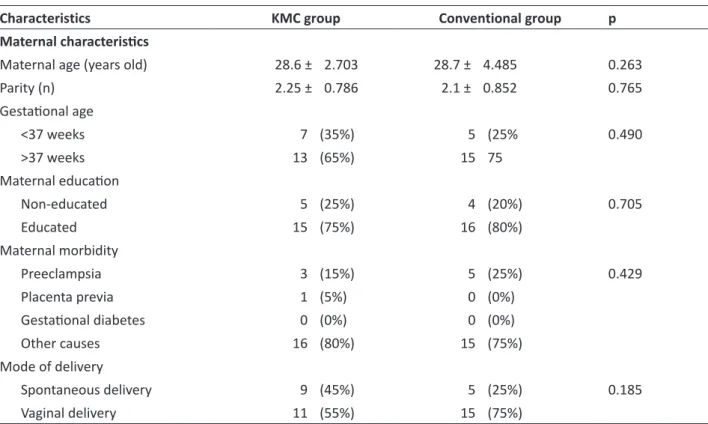
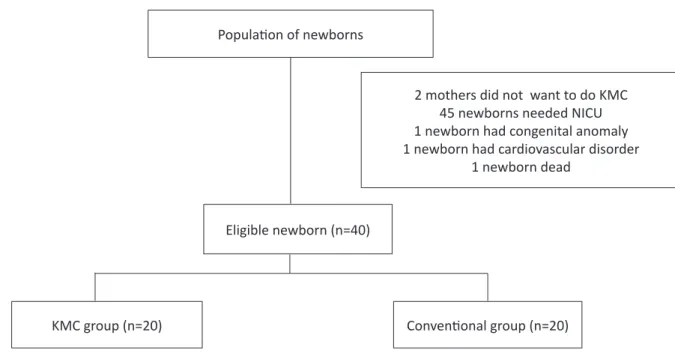
The purpose of the research was to determine the influence of maternal factors on growth parameters in newborns with low birth weight on BMC. Forty consecutive low-birth-weight neonates born in both institutions were included in the study. This study included only infants with a birth weight of 1000-2500 g, who were hemodynamically stable, who did not require oxygen therapy for most of the day, who did not require continuous intravenous fluid administration, and whose mother was healthy and willing to practice.
In the conventional group, the babies were placed in an incubator, according to the standard guidelines of the hospitals. In the KMC group, KMC therapy was started as soon as the infants were stable. During the study period, from June to October 2015, there were 90 babies born with a low birth weight.
This is the first study to specifically determine the effect of maternal factors on the successful use of Kenguru Mother Care in low birth weight infants compared to conventional therapy. 2007) showed no difference in weight gain when using KMC in low-birth-weight infants, regardless of whether they were delivered spontaneously or by caesarean section (23). The better follow-up rate in the KMC group may be due to the mother's active participation in the care of her LBW baby. There were no differences in maternal and fetal growth parameters of the two study groups, except for delayed head circumference growth in premature infants.
Low birth weight in the Sidi Bel Abbes region (west of Algeria): a retrospective study of 10008 births. A case-control study of risk factors for low birth weight in Nagpur, Maharashtra. A quantitative data analysis of multiple factors associated with low birth weight in Bibb County, Georgia.
Maternal risk factors associated with low birth weight neonates: a matched-pair case-control study. Study of the risk factors of low birth weight (LBW) in National Ribat University Hospital, Khartoum. Prognostic factors for success in the Kangaroo Mother Care method for low birth weight babies.
Effects of kangaroo mother care on maternal mood and interaction patterns between parents and their preterm, low birth weight infants: a systematic review. A study of maternal factors and birth weight in a border district of Uttar Pradesh: a hospital-based study.
VEGFR OVEREXPRESSION AS A PROMISING PREDICTIVE AND PROGNOSTIC BIOMARKER FOR BREAST CANCER
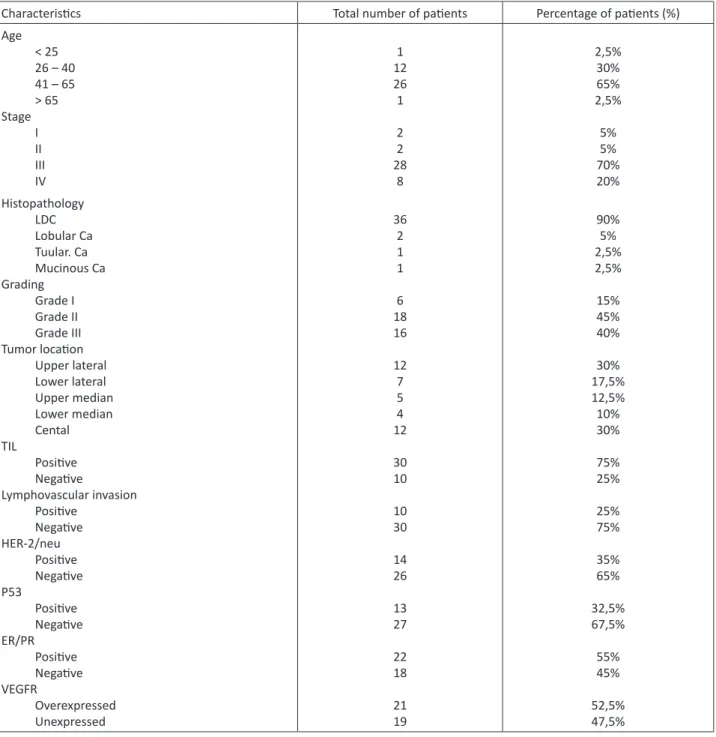
Therefore, there is a need to use a biomarker that can function as a general screening tool for all types of breast cancer. Several studies have confirmed the role of HER-2/neu and ER/PR as a very valuable rapid proliferation marker of cancer cells, which functions both as a predictive and prognostic factor in breast cancer. The aim of the study is therefore to determine the level of VEGFR and its association with HER-2/neu and ER/PR expression in a localized population of patients with breast cancer.
Any association found between these markers will support the use of VEGFR as a new predictive and prognostic biomarker for breast cancer. In line with the remarkable development of biomolecular research, the diagnosis and therapy of breast cancer have now improved. VEGFR has previously been tested as a biomarker that may work generally for all types of breast cancer (12).
HER2/neu and ER/PR have been confirmed as promising markers in breast cancer. If there are associations between HER-2/neu and ER/PR with VEGFR, then VEGFR may be a valuable biomarker in common breast cancers. Changes in estrogen and progesterone levels lead to remodeling of the epithelium, stroma, and vascular tissue of breast cancer (13).
This study was conducted in one of the tertiary referral centers in Indonesia; therefore, it has the advantage of representing a larger population of breast cancer cases in Indonesia. Role of estrogen receptor coactivator AIB1 (SRC-3) and HER-2/neu in tamoxifen resistance in breast cancer. Chemotherapy and angiogenesis in advanced cancer: reduction in vascular endothelial growth factor (VEGFR) as a predictor of disease control during taxol therapy in metastatic breast cancer.
Vascular endothelial growth factor (VEGFR) in breast cancer: Comparison of plasma, serum, and tissue VEGFR and microvessel density and effects of tamoxifen. Prediction of breast cancer HER-2 status from baseline histopathology data: and analysis of 1500 breast cancers as part of the International HER-2 Study. Association between HER-2/neu and vascular endothelial growth factor expression predicts clinical outcome in patients with primary breast cancer.
LIST OF REVIEWERS FOR VOLUME 19, ISSUE 2, 2016