A special problem titled "Scrum Project Planner Primer - A Software Engineering Tool for the University Environment" prepared and submitted by Alyra Y. Escotido in partial fulfillment of the requirements for the Bachelor of Science in Computer Science degree was reviewed and recommended. for admission. Accepted and approved as partial fulfillment of the requirements for the Bachelor of Science in Computer Science degree.
The Agile-Scrum methodology was developed to address issues with immediate project deadlines, changes in requirements, and problems in communicating with the customers. It is a software methodology that deals with repetitive work cycles, is iterative and is now popular among several software companies. Issues such as the short duration of the project, non-fixed requirements specifications and weekly updates or milestones for the customers or instructor are the same for every student team.
In this study, a collaboration tool was developed that adapts the Agile-Scrum methodology and is designed as a suitable tool for the university environment.
Background of the Study
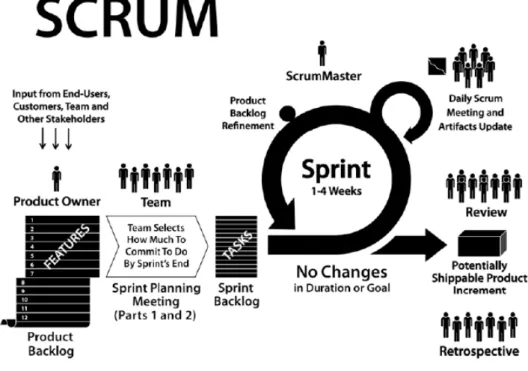
It was modeled to be a software development methodology that was based on flexibility, communication skills within the team and the customer, self-organization of the development team, and the ability to adapt and respond to changes in an instant [3 ]. The Scrum Master is part of the Development Team who monitors them during the development period and serves as the bridge between the team and to other external roles to solve problems. A daily Scrum meeting is presented by the Scrum Master and held by the Scrum Team where each of the members must answer the three questions (What he/she did today; . what he/she will do next; and what are the obstacles that /prevents her from finishing a certain story).
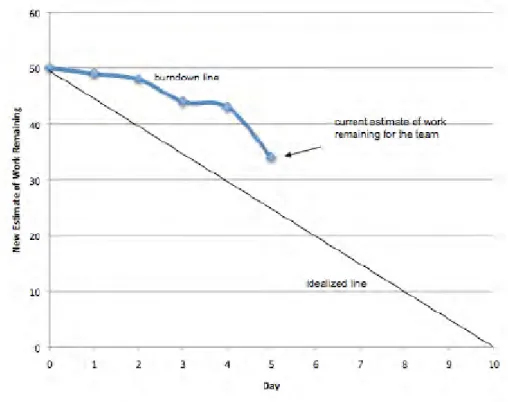
After each sprint, a demo of the project will be conducted, followed immediately by a retrospective. A Sprint Retrospective is a meeting of the Scrum Team where they will tackle what happened during the last Sprint. The Sprint Burndown Chart is used to show the actual progress of the project and the difference from the baseline.
Due to the variety of features available, these tools present complexity to most learners due to their unfamiliarity with software engineering tools.
Statement of the Problem
Another is that there should be a tool that will not only accompany them to the development, but also guide them on how to correctly adapt to the whole process.
Objectives of the Study
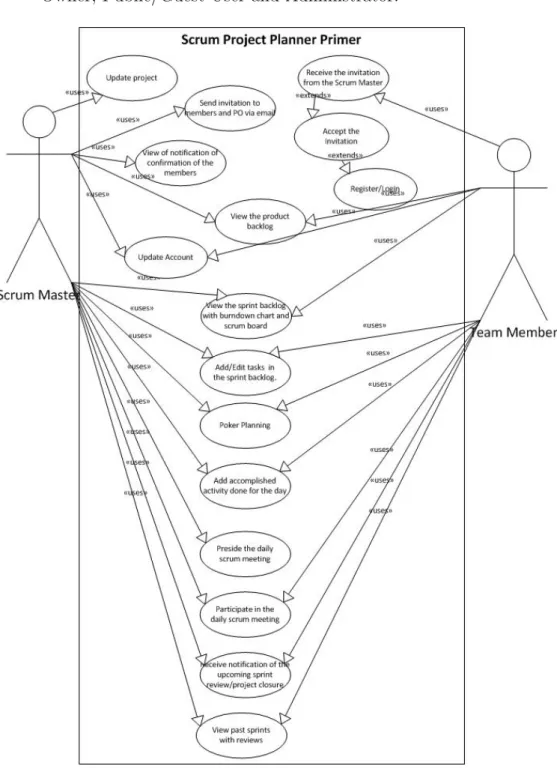
Add the completed activity done for the day (h) Start the daily scrum meeting. i) Add details to daily scrum meeting dashboard. j) Receive notification of next sprint review/project closure (k) View past sprints with reviews. If there is an existing account, register and automatically become a member of the project team. Open the sprint by showing the user stories needed for the current sprint and set the date for the sprint review.
Significance of the Project
By providing feedback, the product owner can also be positive about what they really want to expect as a result of the project. The tool will also help students who will be using the tool to become more familiar with some useful terms and have a good understanding of the entire process, as tooltips will be provided. The tool will also be modeled according to the Scrum flow and each process will have a transparent explanation and will be presented sequentially and in a cycle.
With these, students will not only experience Scrum, but also help them know how Scrum is implemented correctly. Overall, the tool will leverage the complexity and sophistication of existing tools and cover all aspects mentioned for Scrum to be easily implemented in an academic environment. It will be a simple tool that is straightforward in applying Scrum that will cover the main roles.
Scope and Limitations
Assumptions
Review of Related Literature 11
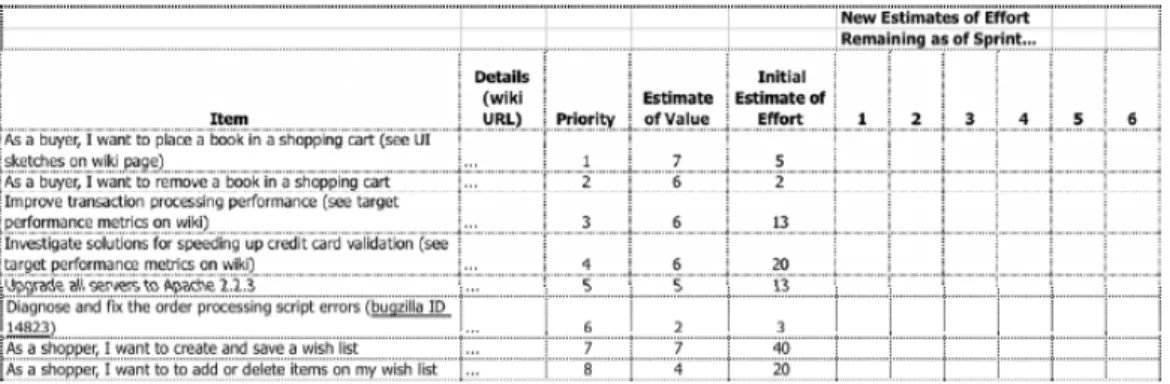
Customer feedback is necessary to achieve customer satisfaction, which is the standard for product quality. The first step in Scrum is a list by the Product Owner of all the requirements. Prioritizing user stories is the product owner's primary responsibility, but there is no such technique defined in Scrum for prioritizing things.
During this meeting, the Product Owner and the team discuss what output is needed at the end of the Sprint. In this part, the team discusses the output of the sprint with the Product Owner. The Scrum Master is also a member of the team, but the difference is that they are the one who takes the initiative to create the project and invite him/her.
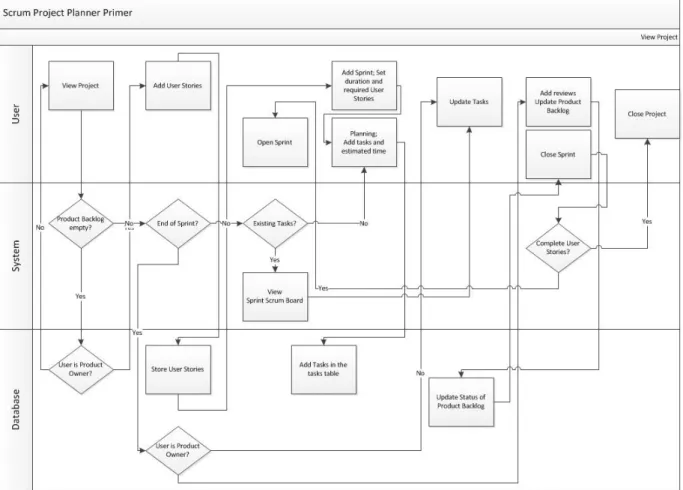
After planning and the tasks are now ready, the team can now update the progress of the tasks in the sprint backlog daily.
Technical Architecture
Results 38
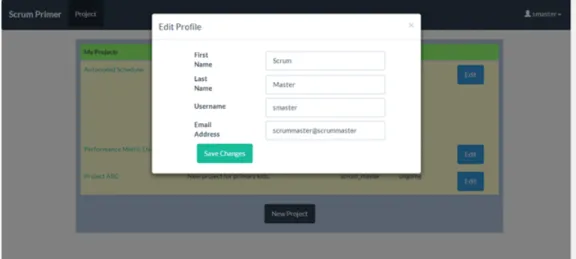
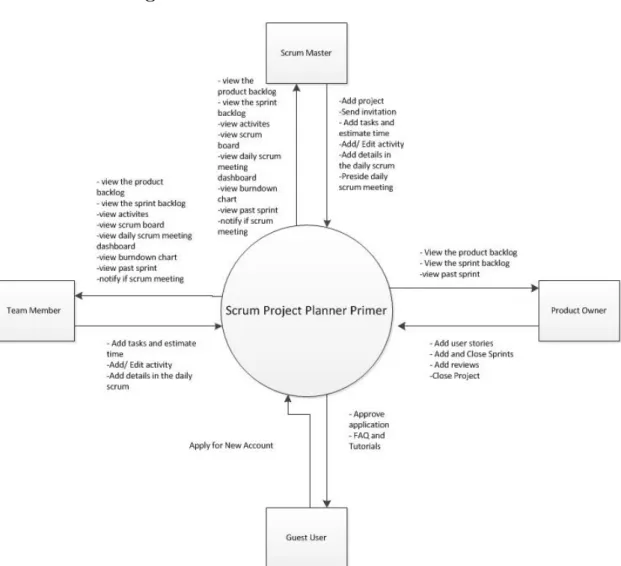
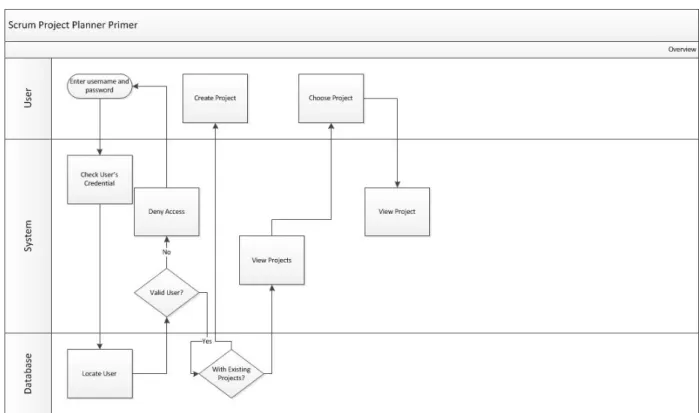
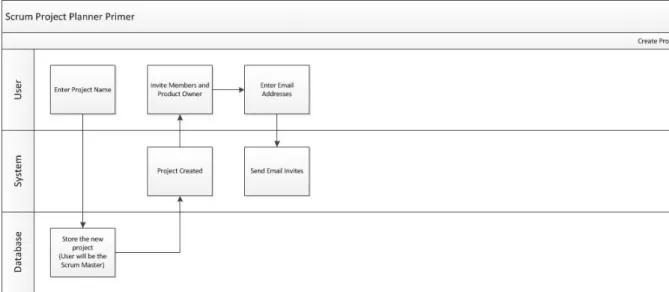
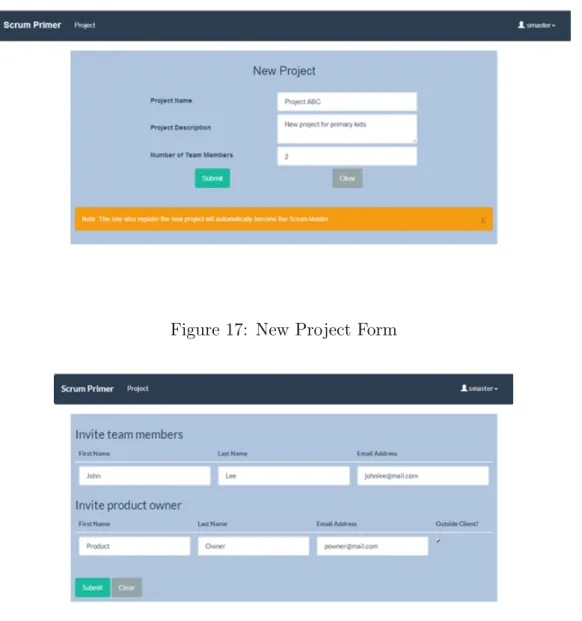
The user has the option to register or log in if he/she has an account. It should be noted that whoever creates the project automatically becomes the scrum master. In addition to filling in the project details, the scrum master should also send an invitation to his members, including the product owner.
Scrum master needs to know if the product owner of their team is a member of their domain. After the new project is created, it will redirect to the project page again, including the newly added project.
Scrum Role View
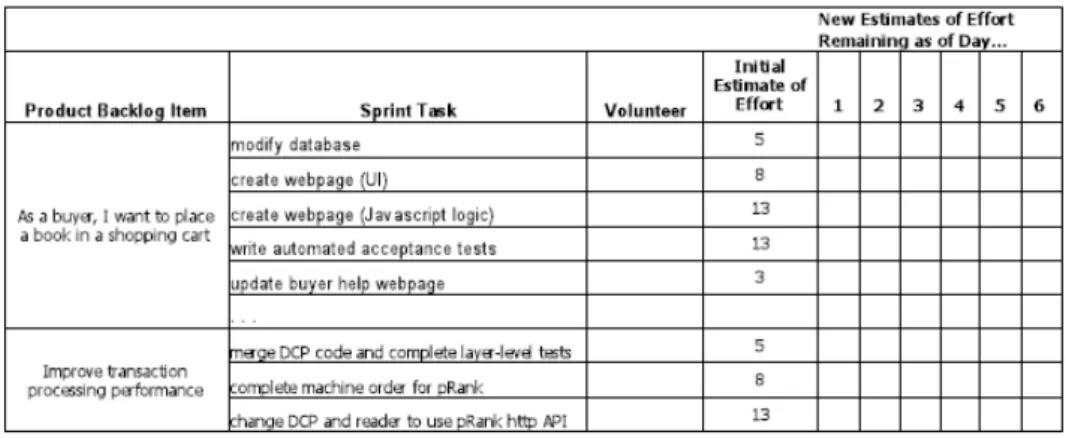
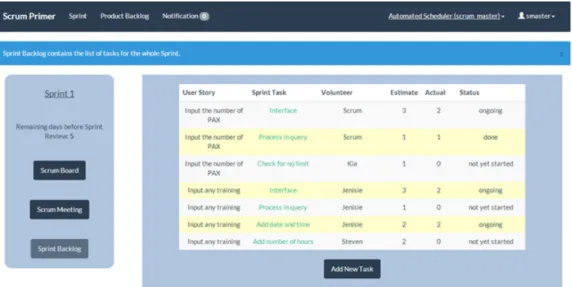
The user can see the sprint backlog – list of all tasks, where he/she can view the activities under a certain task and he/she can also add a new task. If there are no planned tasks, the scrum master will add the tasks given the estimated number of hours. Under the activity page, the user can also add an activity for the certain day.
The user can also see the Product Backlog, where all requirements made by the Product Owner are listed. For closed sprints, the user can also view the sprint backlog, scrum board and the sprint's daily scrum meetings. The product owner will be redirected to the product backlog page where all the specification requirements are listed.
On the sprint page, a product owner has the option to add a sprint or close the project. The Product Owner is also responsible for opening a new sprint and setting its sprint review date. Like the scrum master and the team member, a product owner can also see the sprint backlog, daily scrum meeting, scrum board and burndown diagram.
When the review sprint date arrives, the product owner is responsible for providing reviews for the work done and closing the sprint.
Manage Accounts
Regular users can vary in three roles Scrum Master, Team Member and Product Owner, depending on the user's status in his/her own project. The tool covers the various scrum tools and practices, including product backlog, sprints, sprint backlog with activities, scrum meetings, scrumboard, burndown chart and sprint reviews. One of the main features of the tool is the involvement of product owners who represent the customers or the instructors, as they are the ones who provide the requirements specifications for a project.
With their involvement, they can monitor the overview of the project's progress by viewing the sprint backlogs, the scrum board and the scrum meetings. There is also a much clearer distinction between the requirements, as they are stored in detail. It features many modules that support a developer to focus on application-level issues, making developing the tool straightforward in terms of deployment environment [23].
JdbcTemplate covers one of the common errors in using JDBC that closes the connection [24]. As its aim is to minimize the functionalities of the tools designed for professional environment, the tool does not ensure that students can consequently understand the entire Scrum process in a strictly controlled manner. The tool also differs from the rule of some processes such as the scrum meeting must be done every day at a fixed time and there is a fixed time scale for a Sprint.
The presented functionalities of the tool relate to the important aspects of being a software engineering tool for student teams, the ability of the tool to allow the team to collaborate and set as a repository for requirements, versioning which describes the ability of the tool to track historical changes of each task or work package, work product support refers to the tool's ability to categorize and record each work package, the tool's availability to be applied to any computing machine, and the tool's ability to record reviews and ratings from the owner product in each user story[19]. Once a new sprint has been opened, the Scrum Master will now show the scheduled tasks that must be completed by the end of the sprint. The progress of each job can be reviewed through the use of the scrum board and the burndown chart.
On the Sprint Review Day, the Product Owner will provide their comments regarding the outcome of the User Story. The tool can help each member of the scrum team to monitor each other's activities and can also monitor the progress of the project. The tool will be more useful to students if it is integrated into the IDE used by developers, as it will also serve as a repository.
Aguiar, "Software Knowledge capture and acquisition: Tool support for agile settings", in Fourth International Conference on Software Engineering Advances, 2009. Pinto, "On use of scrum for the management of practical projects in diploma courses," in 39th ASEE/ Conference of IEEE Frontiers in Education, 2009. Rana, “Adapting agile model for e-learning students final year project”, in IEEE International Conference on Teaching, Assessment,.