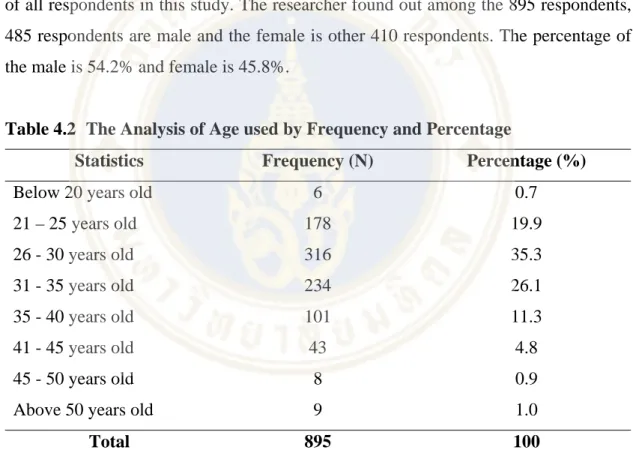
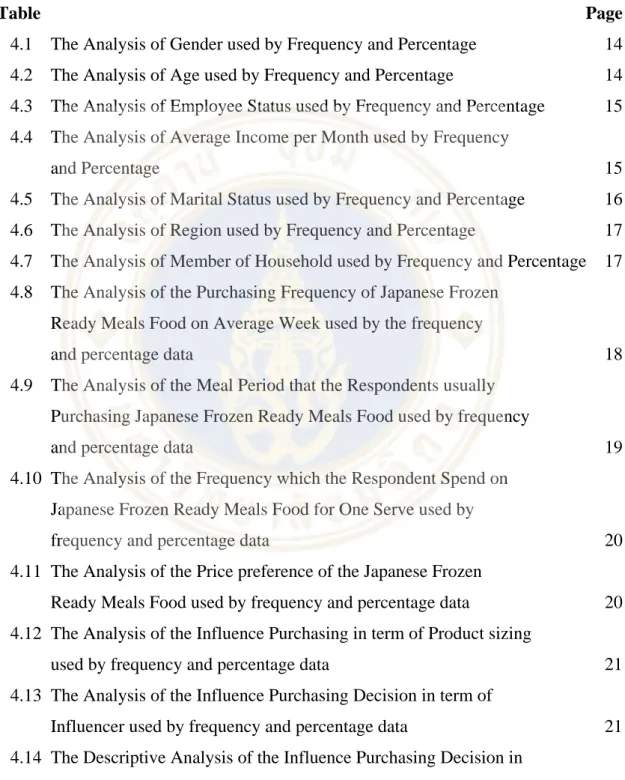
Ready Meals Food used by frequency and percentage data 20 4.12 The Analysis of the Influence Purchases in terms of product size. In the case of the study, it will be focused on Japanese frozen ready meal food. To discover the great influence of Japanese frozen prepared food in terms of product quality on consumers' purchase decision.
To discover the major influence of Japanese frozen prepared food in terms of price on consumers' purchase decision. To discover the great influence of Japanese frozen ready-made food in terms of marketing communication on consumers' purchase decision. To discover the great influence of Japanese frozen ready meals food in terms of promotion incentive.
To discover the great influence of Japanese frozen ready meals in terms of product knowledge. To find out the major influence of Japanese frozen ready meals in terms of product packaging on consumers' purchase decision.
LITERATURE REVIEW
- Consumer purchasing behaviour
- Perceived quality
- Price sensitively
- Brand image
- Promotion Incentive
- Marketing Communication
- Product Knowledge
- Product Packaging
For example, when the lower classes make the decision to buy products and services, they consider the price;. As Kawlath (1969), Box (1984) and (1984) stated that a product can fulfill its functions as follows to the extent and fulfills the needs of consumers as well. In addition to branding can help consumers reduce their uncertainty about the product quality level, and also brand image can build the value of the product in several ways.
For example, helping consumers process information, differentiate brands, create reasons to buy, provide positive emotions and increase product reliability. It could first attract consumer intention because of the reliability of the product (Silayoi and Speece, 2004). Thus, they are aware of the importance of product information as they tend to make a decision about product quality.
This will probably show that the graphic on the package is one of the essential impact factors in the consumer's purchase decision. Considering that consumers are aware of the information on the packaging when they buy the food products.
RESEARCH METHODOLOGY
Research Method
Respondents
- Population
- Sample Size
Data Collection
DATA ANALYSIS AND FINDINGS
Descriptive Analysis
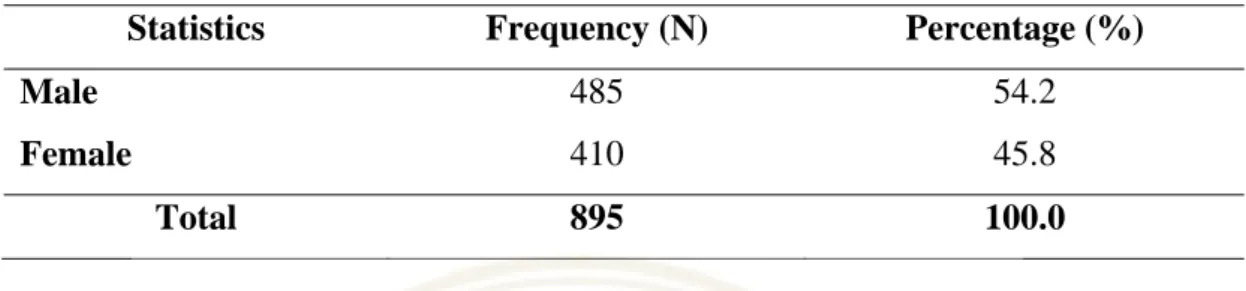
- Descriptive for Demographic Factors
- Descriptive Analysis for Consumer Purchasing Behaviour Factors In term of purchasing behaviour factors, it uses the descriptive statistical
- Descriptive Analysis for Key Factors Influence Purchasing Decision As all descriptive statistics are either measures of central tendency or measures
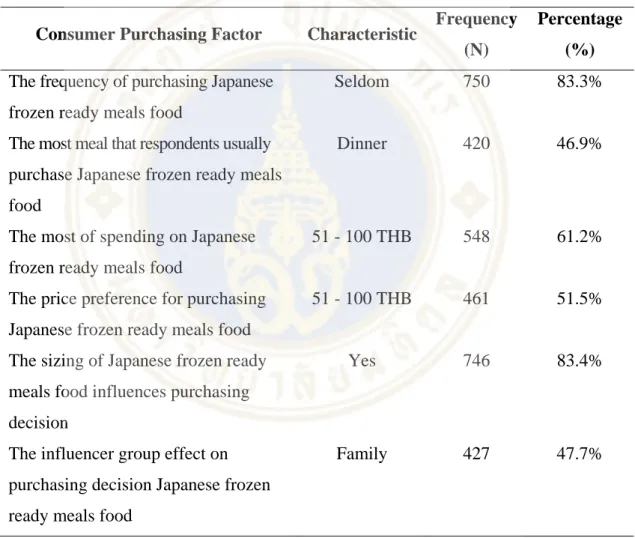
In this study, he can use the data to describe the purchasing behavior of Japanese frozen convenience foods using frequency and percentage data. As table 4.8 analysis of the frequency of purchases of Japanese frozen convenience foods, it showed that the highest percentage is 83.8% contribution and there are 750 respondents who rarely buy Japanese frozen convenience foods. Later, there are 35 respondents who bought Japanese frozen ready meals for 3-4 times a week and received 3.9% contribution.
From Table 4.9, the frequency of the meal period when respondents usually buy Japanese frozen prepared food. In addition to 175 respondents or 19.6% contribution, they usually buy Japanese frozen prepared meals, food for between meals. 31 respondents usually buy Japanese frozen ready meals at every meal and then a 3.5% contribution is required.
Based on table 4.10 the analysis of the frequency used on Japanese frozen meals for one serving. The largest spending on Japanese frozen ready meals between 50 and 100 Thai baht is 548 respondents or 61.2% contribution. Regarding product sizes as Table 4.12, it shows that the size of Japanese frozen ready meals affects the 746 respondents and takes a contribution of 83.4%.
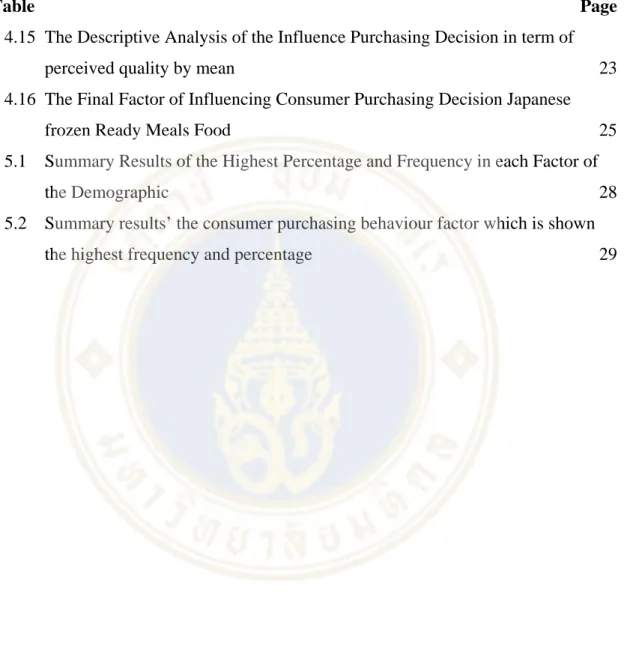
As Table 4.14, it shows that the most important variable in terms of Japanese frozen convenience food in marketing communication is “I would buy Japanese frozen convenience food when I taste it earlier”, which means a score of 3.03. I prefer Japanese frozen convenience foods that have good taste 3.40 I prefer Japanese frozen convenience foods that have a quality control process 3.39 I prefer Japanese frozen convenience foods that have rich nutrition 3.33. I prefer Japanese frozen ready meals made from safety meat 3.29 I prefer Japanese frozen ready meals food that does not have.
Referring to Table 4.15, as serval variables regarding perceived quality, it shows that “I prefer Japanese frozen ready meals which have the clean ingredients”. I prefer Japanese frozen ready meals, which taste good”, which has the same mean score. The three most important variables are “I prefer Japanese frozen convenience food which is a quality control process” showing mean value 3.39.
Factor Analysis
- The Final Significant Factors
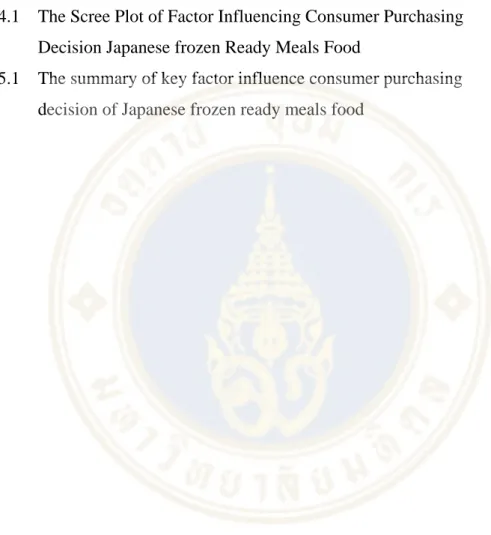
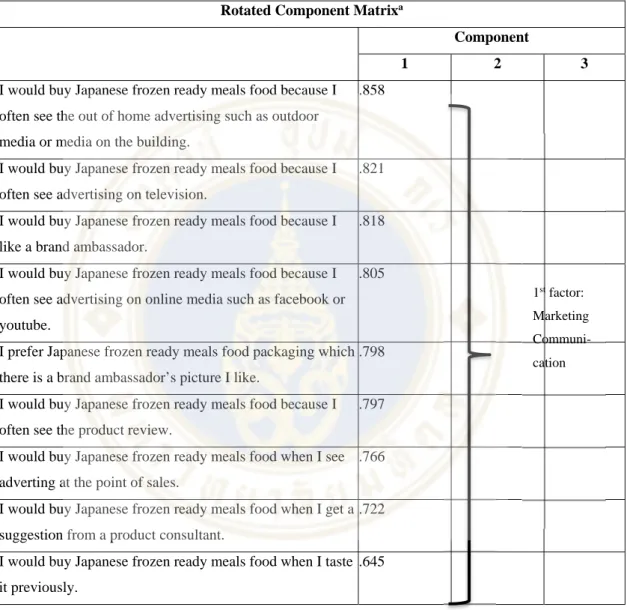
As the scree plot is shown in Figure 4.1, it proves that the scree plot is a clear separation as the component number between 3 and 4 by cutting at 3. I would buy Japanese frozen prepared food because I often see the advertising of such products outside the home as outdoor media or media on building. I would buy Japanese frozen prepared food because I often see advertisements on online media such as facebook or youtube.
I would buy Japanese frozen ready meals when I see advertisements at the point of sale. I prefer to buy Japanese frozen meals when there is a "buy two for a discount" promotion. I prefer to buy Japanese frozen meals when there is a "buy two, get one".
I prefer to buy Japanese frozen ready meals when there is a "few limited premium items" promotion. I prefer to buy Japanese frozen ready meals when there is a "members store only discount" promotion. The first factor is related to product quality, which are six characteristics as follows: pure ingredients, quality control process, good taste, safety meat, rich nutrition and fresh vegetables as raw material.
It shows the following seven essential features: television media, online media, a brand ambassador's photo on food packaging, the product review, point-of-sale advertising, a suggestion from a product consultant, and previous tasting of the product. There are the following four features: buy two for a discount promotion, buy two and get one promotion, discount for members' store promotion only, and also get a limited promotion for premium goods.
CONCLUSIONS AND RECOMMENDATIONS
Conclusion
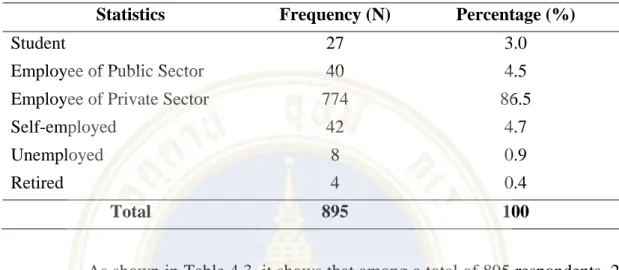
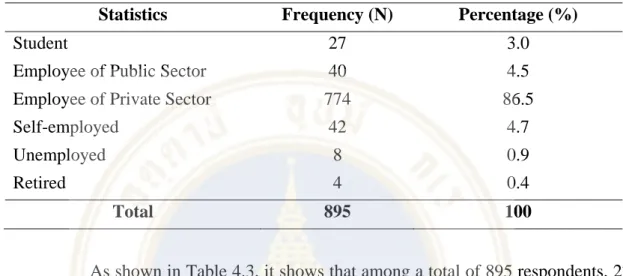
The most employed status of the respondents is employed in the private sector, which is the same. They usually buy Japanese frozen prepared food for dinner which is the same. In contrast, the price preference in percentage is shown to be slightly lower than the usual purchase of Japanese frozen ready meals.
The size factor of Japanese frozen ready meals affects respondents which are equal to. Another factor is the family, which is the frequency and the highest percentage, which influences the purchase decision of the respondents.
Recommendations
Then the researcher would like to suggest that the marketing team should do intensive marketing communication because the consumers often buy Japanese frozen meals when they have tasted it before, done the product review before and in the advertising media. There are four major sales promotion effects on consumers' purchasing decisions; buy two for a discount promotion, buy two and get one promotion, discount for members only store promotion and get a limited promotion on premium goods.
The Further Future Researcher
APPENDICES
Appendix A: Questionnaire
ตอนที่ 1 คําถามคัดกรอง
กรุณาตอบคําถามแบบสํารวจดานลาง
ตอนที่ 2 คําถามทั่วไป (Section 2: General Question)
Section 3 : Factors influencing purchase decision of product Question)
โปรดเลือกสถานภาพของทาน (What is your marital status?) o โสด (Single)
Appendix B: SPSS Analysis Results