The assessment committee has unanimously approved this thesis, submitted by Ms. Phoutsathaphone Sibounheuang, in partial fulfillment of the requirements for Doctor of Philosophy Pharmacy at Mahasarakham University. Mahasarakham University has given approval to accept this thesis in partial fulfillment of the requirements for the Doctor of Philosophy Pharmacy. Thirteen patients in the intervention group (17.8%) and 20 patients in the control group (28.2%) were lost to follow-up.
Introduction
- Background
- Objectives
- Research Questions
- Research Terminology
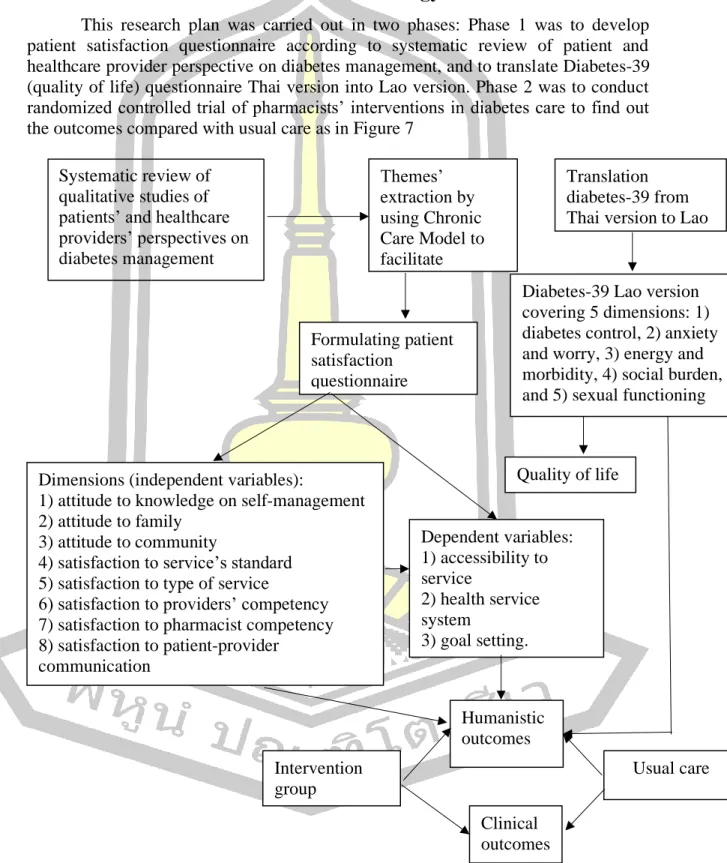
- Research Framework
- Expected Benefits
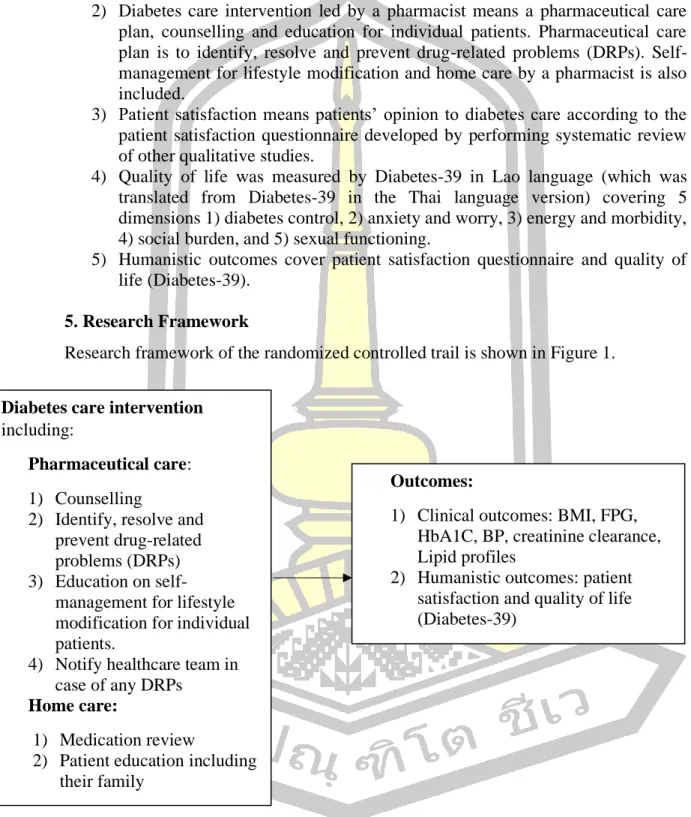
Many studies of pharmacist-led diabetes care have shown benefits for clinical outcomes, but none of these studies have evaluated clinical outcomes together with humanistic outcomes such as patient satisfaction and patient quality of life. Diabetes care in the hospital is provided by doctors, nurses and a nutritionist, but no pharmacists are involved in this care team. This study therefore aimed to develop standard instruments of satisfaction for diabetes care, validate quality of life (Diabetes-39) in Lao language and outcomes of pharmacists' interventions in diabetes care in Lao P.D.R. 1) To conduct a systematic review of qualitative studies of patients' and healthcare providers' perspectives on diabetes management using the concept of chronic care model.
Literature Review
Pathophysiology of type 2 diabetes
Strategies to manage type 2 diabetes
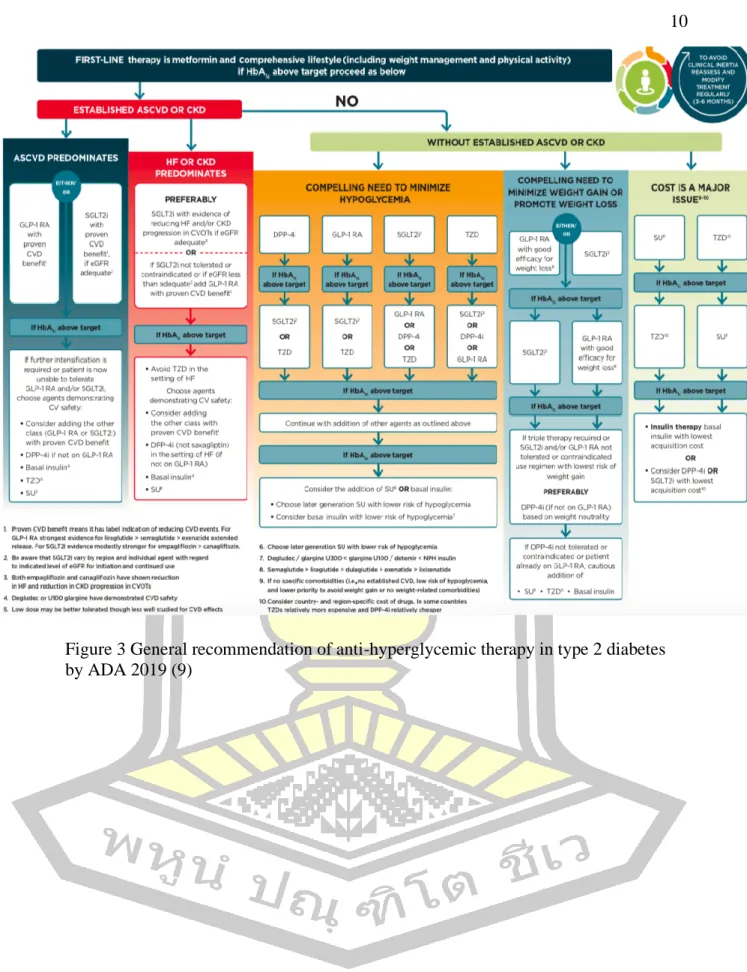
- Standard of medical care in diabetes in 2019 by ADA
- Clinical Practice Guideline for Diabetes in Thailand in 2017
- Diabetes medications
- Pharmaceutical care
- Diabetes care
- Drug-related problem
- Chronic Care Model
- Home care pharmacist
Although there are different trends, such as clinical pharmacy services, cognitive services, medication management and medication review, they all share the same philosophy and objectives, namely 'the responsible provision of drug therapy with the aim of achieving definitive results that improve a patient's health'. quality of life.'' (23). Drug-related problems (DRPs) include medication errors (where there is an error in the process of prescribing, dispensing, or administering a drug, whether there are adverse effects or not) and adverse drug reactions (any reaction to a drug that is harmful and unintended ). and which occurs at doses normally used in humans for prophylaxis, diagnosis or therapy of disease, or for the modification of physiological function). The Chronic Care Model (CCM) is a multi-faceted, evidence-based framework for improving healthcare delivery by identifying essential components of the healthcare system that can be adapted to support high-quality, patient-centered management of chronic diseases.(28) CCM offers a systematic approach to initiate transformation.

Health status in Lao PDR
Related articles
- The perspectives on diabetes management
- Questionnaire Development
- Satisfaction questionnaire
- Diabetes-39
- Inter disciplinary team as a strategy for diabetes management
- RCT, SR-MA of diabetes care intervention
- Systematic Review of Qualitative Studies: Summary of included studies 21
With the increasing demand for chronic diabetes care due to the increasing prevalence of disease, a shift from secondary diabetes care to a primary type has been shown to improve the quality of care provided by both GPs and nurses in the UK.(31) Furthermore, found that With the philosophical shift to meet the needs of patients with complex chronic medical conditions such as diabetes, the Chronic Care Model (CCM) has been developed to guide improvements in service quality.(32) The CCM focuses on improving and optimizing six main domains of care. healthcare system, including the organization of healthcare, delivery system design, clinical information system, decision support, self-management support and community resources. Previous studies have developed the validity and reliability of instruments for assessing satisfaction with diabetes care, including diabetes management. (47, 48) Paddock et al (2000) also developed the 73 items questionnaire instrument to evaluate diabetes disease. Management Program (DDMP), the validated 73-item satisfaction survey, had a response rate of 34.1%. To investigate the problems and perceptions of general practitioners regarding the barriers and facilitating factors in the treatment of patients with T2DM.
Patient Satisfaction questionnaire Development
- Systematic review of patient and healthcare provider perspectives on
- Search strategies
- Eligibility
- Critical appraisal of studies
- Data extraction
- Data analysis
- Formulation of Patient Satisfaction Questionnaire (PSQ)
- Questionnaire dimensions and items formulation
- Content validity
- Construct validity
- Translation process
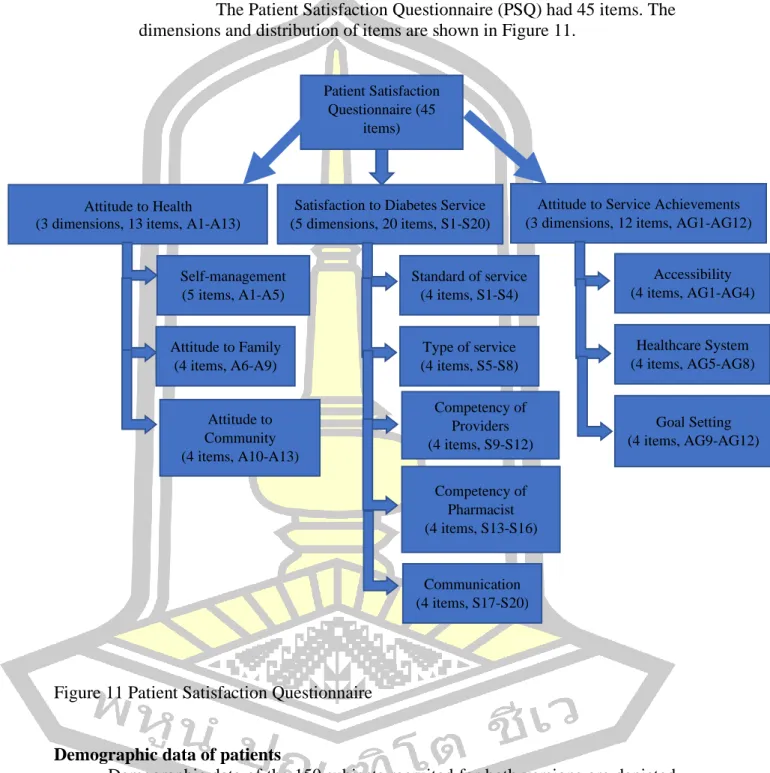
Dimensions and items of the patient satisfaction questionnaire were constructed according to the main themes and sub-themes of the systematic review. A non-pharmacist expert approved the final content for use in diabetes patients to make the content comprehensible to the general population. A face validity test and a reliability test were conducted with 30 diabetic patients in Thailand for the Thai version and in Laos for the Lao version.
Diabetes-39 questionnaire
- Translation process
Psychometric properties test for patient satisfaction questionnaire and
- Develop diabetes care intervention led by a pharmacist
- Evaluation outcomes of diabetes care intervention led by a pharmacist
- Study Design
- Population Sample and Setting
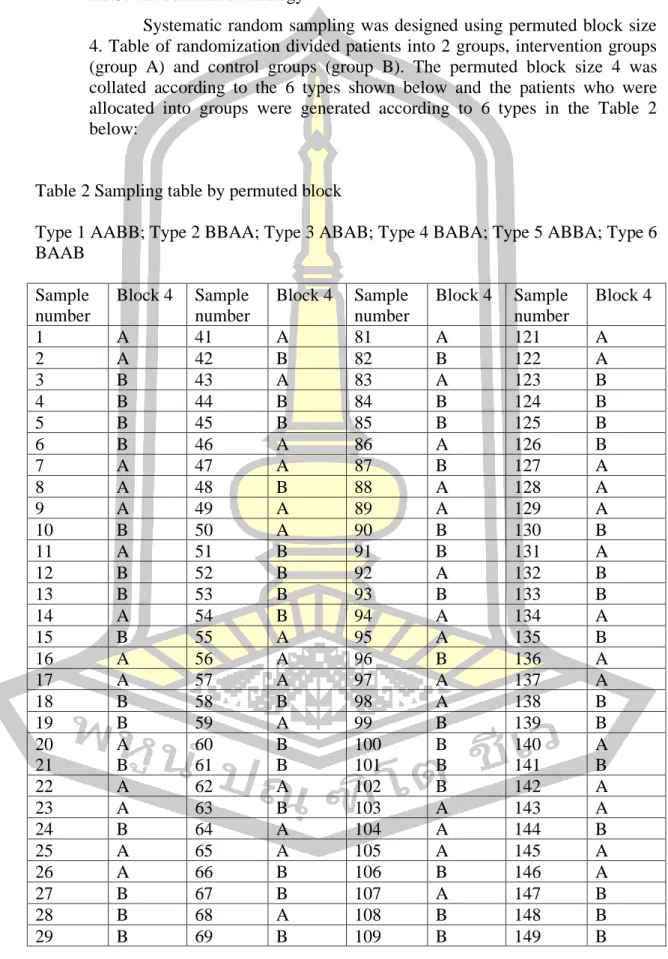
- Randomization strategy
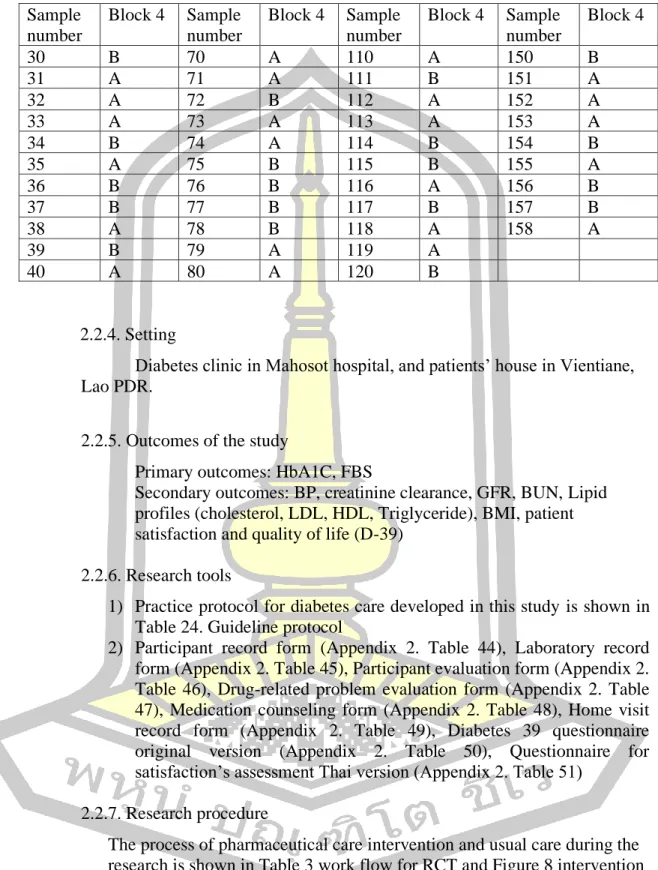
- Setting
- Outcomes of the study
- Research tools
- Research procedure
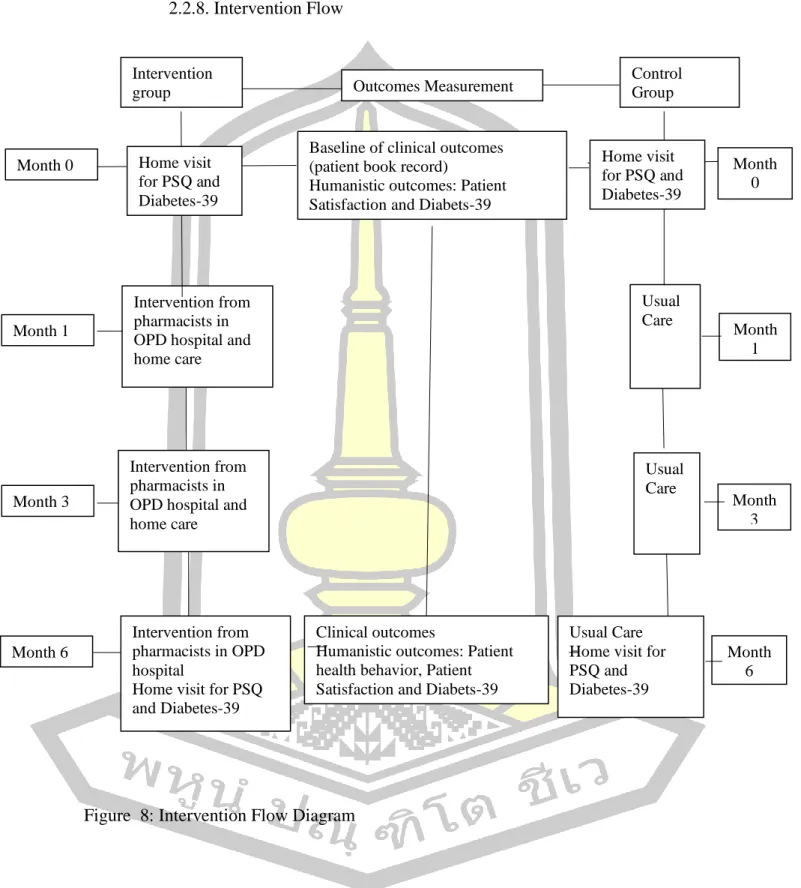
- Intervention Flow
- Data analysis
The process of pharmaceutical care intervention and usual care during the research is shown in Table 3 workflow for RCT and Figure 8 intervention flow. Timing Usual care (Control) Pharmaceutical Care (Intervention) 3) Take medication from doctor .. order in the pharmacy of the hospital 4) Meet the researcher to mark the OPD card for the following. Blind OPD chart is only for the researcher to know the code that defines the groups.
Results
Phase 1
- Systematic review of qualitative studies on patients’ and healthcare
- Formulation of patient satisfaction questionnaire (PSQ)
- Patient Satisfaction Questionnaire (PSQ)
- Diabetes-39 questionnaire (D-39)
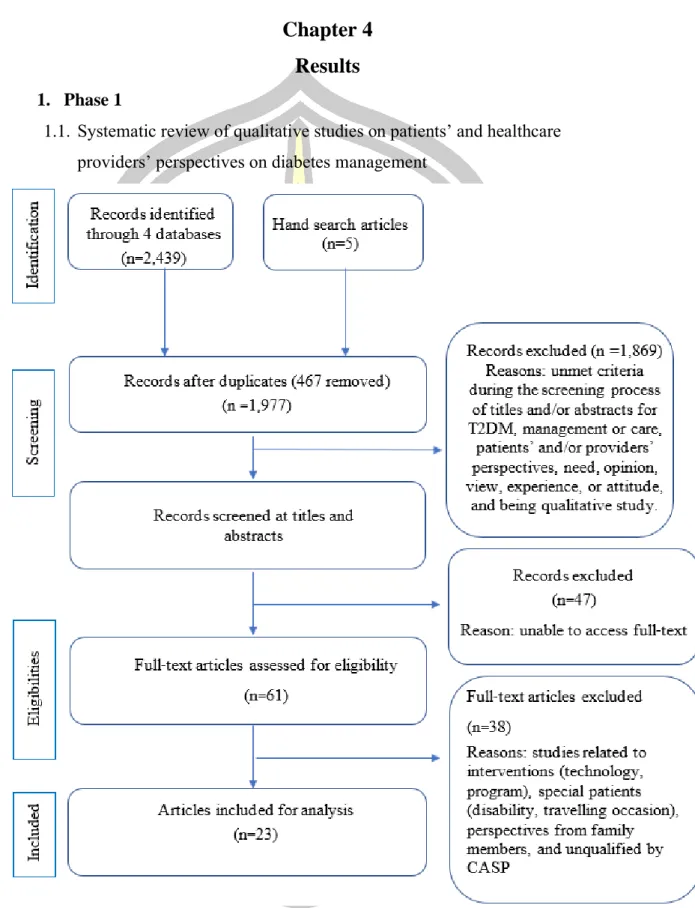
38 articles were excluded for the following reasons: 27 articles were intervention studies related to technology and program trials, four articles were studies among special groups such as disabled patients or traveling people, (113-116) three articles were based on perspectives from family members, (117 -119) and four articles were excluded as they were considered ineligible by CASP.(120-123) The full explanation of the reasons for excluding the 38 articles is shown in Appendix 2. Within group comparison between month 3 and month 6, there were no significant differences in the intervention group. However, this study has some limitations, viz. the questionnaire was developed through systematic review of perspectives on diabetes care from different countries, therefore the structure of the questionnaire may vary and not specific to the context of Lao PDR and Thailand.
The total score of Cronbach's alpha coefficient of 0.917 showed good internal consistency. (133) The original version had Cronbach's alpha values ranging from Thus, D-39 Lao version and versions in other languages have good values of Cronbach's alpha. However, the intervention group showed significant improvement in HbA1c, total cholesterol and LDL cholesterol at month 6 (post-test), p<0.05, while there was no significant improvement in the control group. The role of the pharmacist in the management of type 2 diabetes: current insights and future directions.
Experienced facilitators and barriers in diabetes care: a qualitative study among healthcare professionals in the Netherlands. The role of patient, physician and systemic factors in the treatment of diabetes mellitus type 2. Patients' experiences with continuity of care for type 2 diabetes: a focus group study in primary care.
The emotional context of chronic disease self-management: a qualitative study of the role of professional support in the self-management of type 2 diabetes. Client perceptions of group education in the management of type 2 diabetes mellitus in South Australia. Barriers and opportunities to providing psychological care in the treatment of patients with type 2 diabetes mellitus in China: a qualitative study using the theoretical domains framework.
Phase Randomized Controlled Trial (RCT)
- Mutual protocol for clinical trial
- Clinical Trial
- Patients characteristics
- Pharmacist’s interventions
- Comparison of clinical outcomes between groups
- Comparison of clinical outcomes within each group
- Comparison clinical outcomes between groups defined by the
- Sub-group analysis
- Intention to treat analysis for clinical outcomes
- Humanistic outcomes
- Patient Satisfaction to diabetes care service measurement
- Diabetes-39 questionnaire for measuring the quality of life
- Correlation of humanistic outcomes with HbA1c at month 6
Discussion
Systematic review of qualitative studies
Questionnaire development
- Patient Satisfaction Questionnaire (PSQ)
- Diabetes-39 questionnaire (D-39)
According to the information service of the diabetes clinic, the perspective of the patients' tendencies to promote the quality of the service. Two themes for physician perspectives are 1) responsibility for patients' difficulties in achieving treatment goals and 2) patients' reactions. To explore older patients' perceived impact of chronic comorbid conditions on T2DM self-management.
Usual care Systematic review of .. qualitative studies of patient and healthcare provider perspectives on diabetes management. Using the CCM framework and original themes identified from the 23 included articles, nine themes were synthesized regarding the perspectives of health care providers and patients: 1) community linkage (CL) revealed differences in perspectives on resources and policies, 2) health service systems (HSS) for diabetic patients revealed similarities in perspectives on barriers to medical services, 3) continuity of care (CC) revealed similarities in perspectives on the need for continuity of care, 4) self-management (SM) revealed similarities in perspectives on barriers to self-care due to individual patient situations, 5) provider support (PS) revealed similar perspectives, 6) referral system (RS) revealed similarities in perspectives on barriers to transition from one provider to another, 7) patient-provider interaction (PPI) revealed differences in communication perspectives, 8) increased competence of health care providers (ICP) did not reveal any conflict because only the perspective of health care providers was considered, and 9) family involvement ( FI) revealed similarities in perspectives on facilitating factors and barriers from family members of patients with diabetes. After follow-up through the clinical trial process, 60 and 51 patients were analyzed in the intervention and control groups, respectively.
This systematic review identified nine key themes from patient and healthcare provider perspectives on diabetes management. Furthermore, this review showed the diversity of perspectives of healthcare providers and patients from several continents (Europe, Asia, North America) reflecting different contexts of diabetes care systems. The results of these studies focused on facilitators and barriers to diabetes management, (36) patient self-management (37) and providers' perspectives on effective diabetes management. (38) These studies did not cover the health care system, but only self-care practices.
This study was the first systematic review using CCM of both healthcare provider and patient perspectives on diabetes management services. Franklin et al (2017) studied patients' and healthcare professionals' perceptions of interaction to better understand the context in which interactions shape self-management and collaborative goal-setting opportunities. (37) In the SM theme. Some studies in this review showed that adherence depends on the patient's personal context (72, 73) in the SM theme.
This study may not be applicable to specific groups of patients with diabetes (eg, traveling patients, patients with disabilities, and events such as Ramadan). This tool was developed based on a systematic review of qualitative studies of patient and health care provider perspectives on diabetes management.
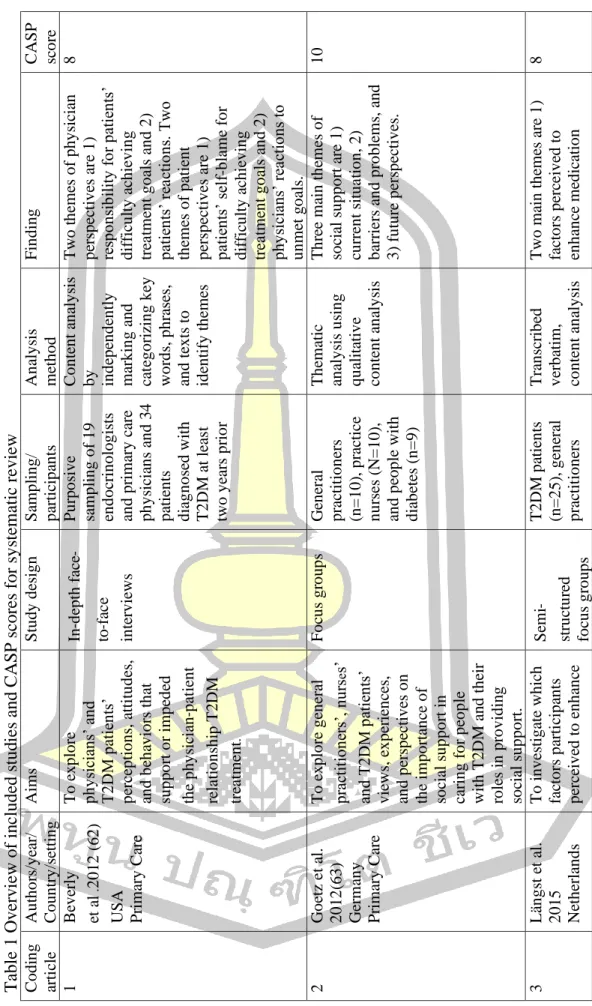
Randomized controlled trial
Diabetes education for Chinese adults with type 2 diabetes: a systematic review and meta-analysis of the effect on glycemic control. Perception and knowledge of patients with type 2 diabetes in Malaysia about their disease and medications: a qualitative study. Perceived needs for supported self-management of type 2 diabetes: a qualitative study of the potential for a web-based intervention.
The influence of diabetes concerns on digital interventions for diabetes management in vulnerable people with type 2 diabetes: a qualitative study of patients' perspectives. Process evaluation of a patient-centered, patient-centered, group-based education program for the treatment of type 2 diabetes mellitus. Understanding the physical, social, and emotional experiences of people with uncontrolled type 2 diabetes: a qualitative study.
The role of collective efficacy in exercise adherence: a qualitative study of partner support and type 2 diabetes management. Self-monitoring of blood glucose in non-insulin-treated type 2 diabetes: a qualitative study of patients' perspectives. Effect of a pharmaceutical care program on quality of life and satisfaction with pharmacy services in patients with type 2 diabetes mellitus.
Health-related quality of life among people living with type 2 diabetes: a community-based cross-sectional study in rural Nepal.
Quality assessment of papers
Clear explanation of the participant recruitment process that can be considered best to address the research question. The correct data collection Clear explanation of how data was collected (eg focus group discussion, semi-structured interview). Researchers critically examined their own role and potential bias and influence during formulation of research questions and collection of data.
Accurate data analysis A clear explanation of the analysis process (eg content analysis and/or thematic analysis with clear themes).
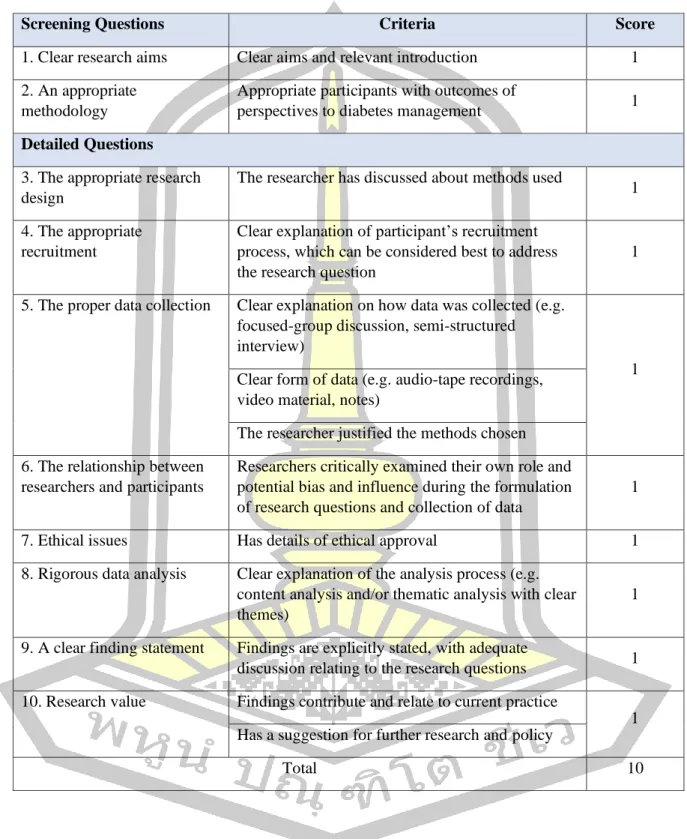
Research tools
10 การเข้าถึงบริการอย่างง่ายดายทำให้สามารถบรรลุเป้าหมายการรักษาได้ 11 การตรวจสุขภาพที่เหมาะสมและได้มาตรฐานทำให้สามารถบรรลุเป้าหมายได้
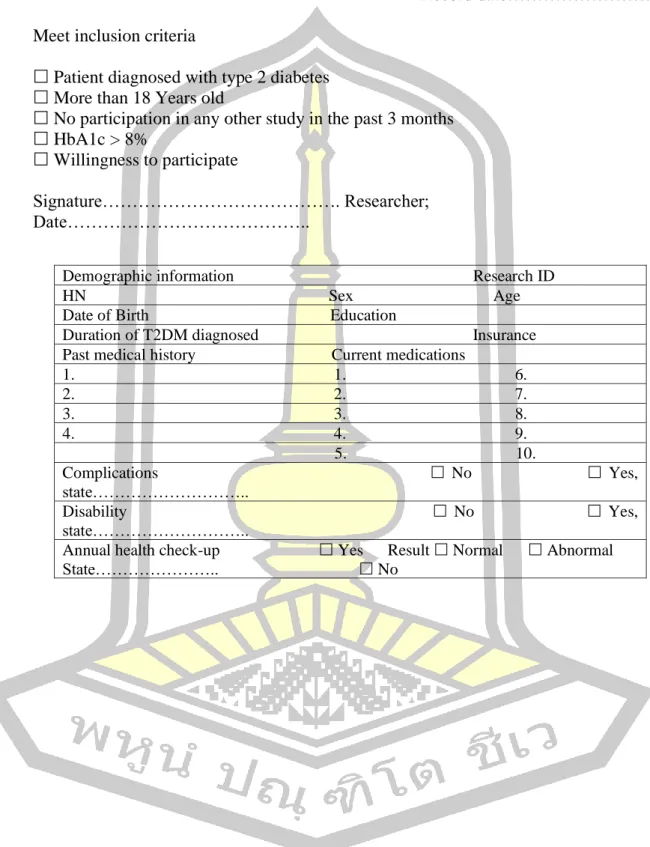
Ethical Approval
Ethical approval for questionnaire development from MSU Ethics
Ethical approval for clinical trial from MSU Ethics Committee
Ethical approval for clinical trial from MSU Ethics Committee
Ethical approval for questionnaire development from National Ethics
Ethical approval for clinical trial from National Ethics Committee
Ethical approval for clinical trial from National Ethics Committee
Accepted manuscript for publication on Title: Patients’ and healthcare