PROMOTING CHIANG MAI LANNA'S TRADITIONAL HERITAGE CULINARY ARTS USING A DIGITAL GAME APPLICATION. Title PROMOTING THE TRADITIONAL HERITAGE OF CHIANG MAI LANNA CUISINE ARTS USING A DIGITAL GAME APPLICATION.

Introduction
- Background of the Research
- The Statements of Problems
- Research Objectives
- Research Questions
- Scope of the Research
- Scope of Information
- Scope of Population
- Scope of Design
- Definitions of Terms
- The Overview of the Thesis
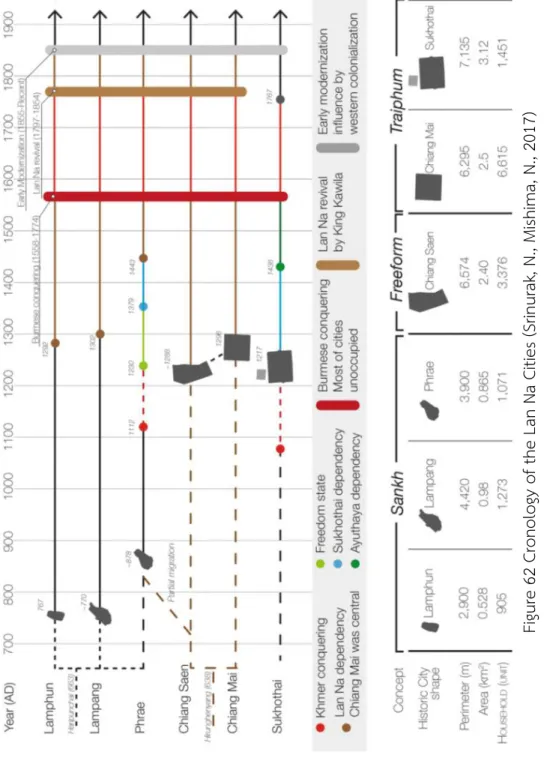
The findings will be used to improve digital game designs that combine graphic novel and augmented reality and applied to other culture-based games in the future. In the past, the city played an important role in the economy of the Lanna kingdom, a country with heritage and history as well as a variety of cultures.
Literature Reviews
Lanna Cuisine Arts
- Definition of Lanna Cuisine Arts
- The Development of Lanna Cuisine Arts
- The Significance of Lanna Cuisine Arts in Chiang Mai Community
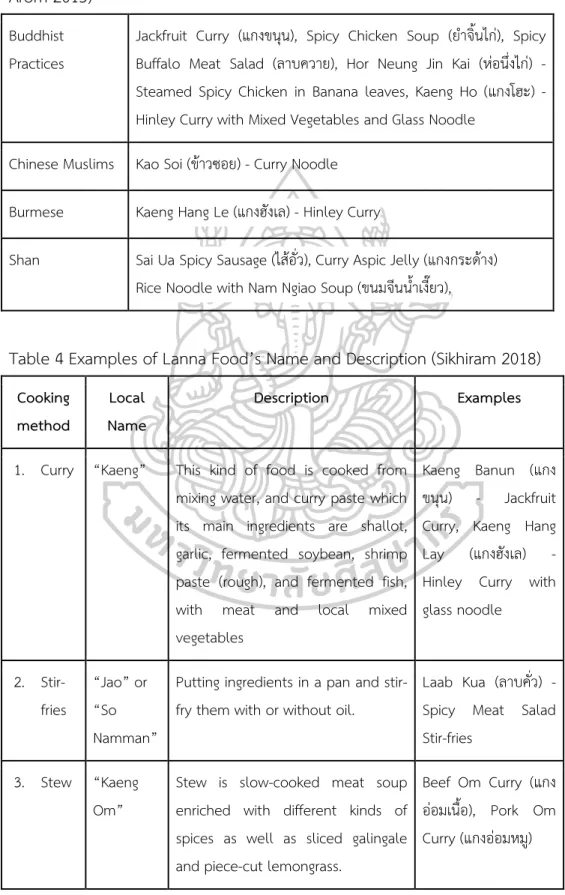
There are different types of Lanna dishes including chili pastes, soup and Lanna salad. The previous generation of Lanna people preferred to gather with family during meals.
The Significance of Chiang Mai
Digital Game Application
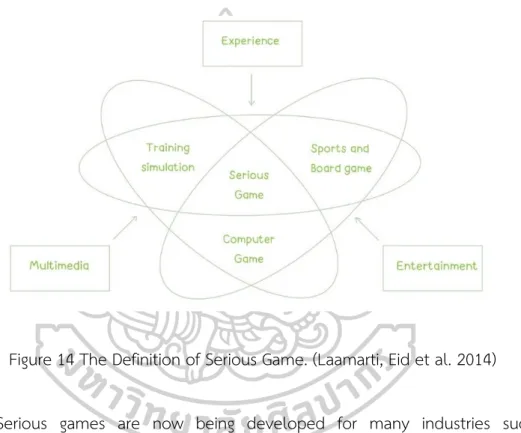
- The Definition of Game
- Previous Model and Framework of Digital Game Design
- Digital Game Development
- How important is the digital game the current situation
The Significance of Digital Game Application in Promoting Lanna Cuisine Arts 41
- The Bartle Model
- The Koster Model
- Yee’s Gamer Motivation Profiles
- Self Motivation Reports
That is, all elements of the game must be taken into account, with the perceptions of the players. Visuals and audio have a huge impact on the player experience, as they are also integrated into the mechanics of the game world.
Methodology
- First Phase: Fieldwork of Survey
- Lanna Cuisine Art Analysis First Phase
- Game Design Elements Analysis
- Second Phase – Part 1: Develop by Design Digital Game Application
- Game Design Workshop
- Group Discussion
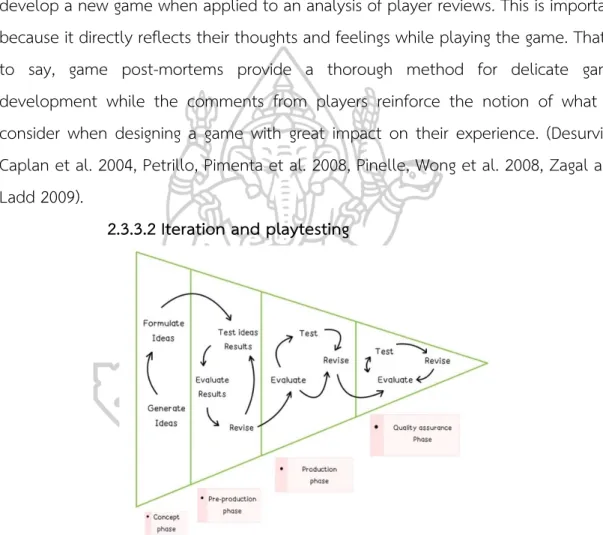
- Experimental by Using Iterative Design
- Conducting Player’s Experience
- To Analyze Data From Player’s Experience
- Game Development and Production
- Second Phase – Part 2: Post Testing
- Evaluation by Samples
- Evaluation by Experts
- Discussion of Finding
- Conclusion and Recommendation
- Chapter Summary
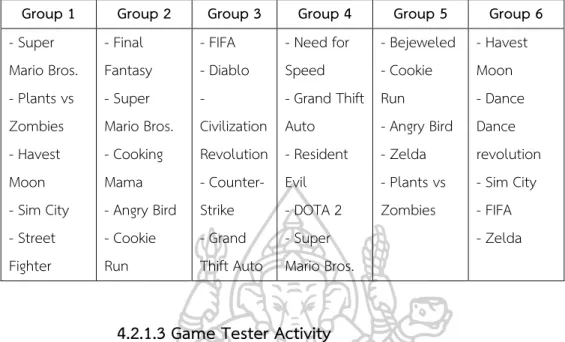
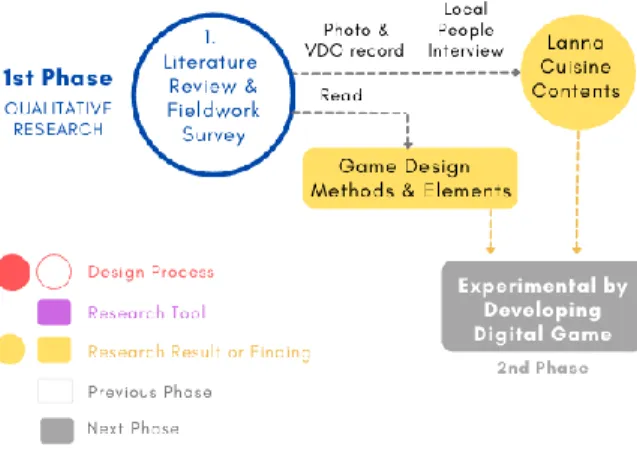
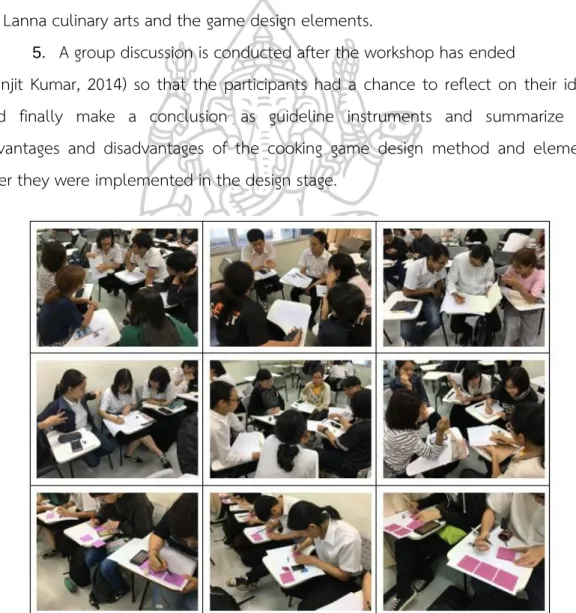
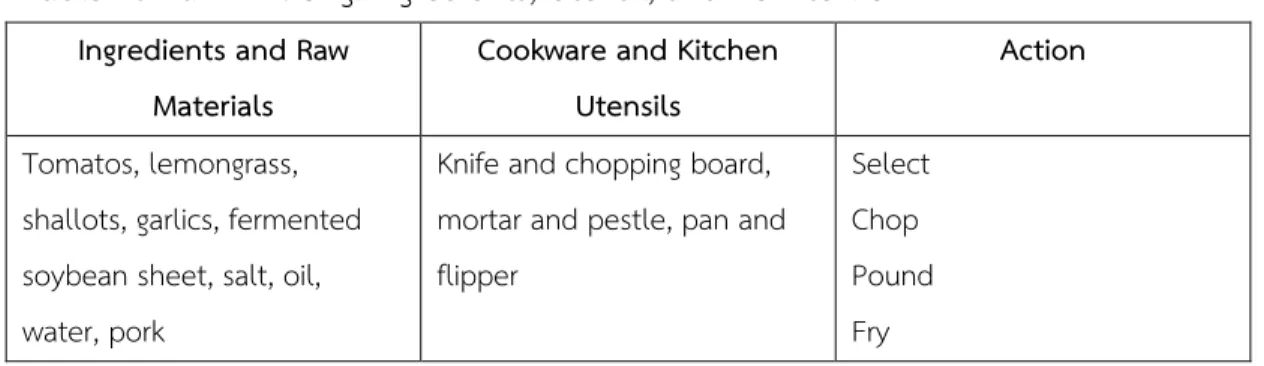
To gather information about the local Lanna cuisine, 3.1.1.1 The researcher studied from the currently available literature. The analytical results of cooking game elements and cooking game design are identified in the table below. Sharing the analyzed information with a group of game design students, the researcher conducted a workshop to create the game design concept and prototype of the Lanna kitchen cooking game.
Ask them to create a concept for a cooking game prototype based on Lanna culinary arts and game design elements. The second is game prototyping using game design thinking to develop appropriate play and learning activities that motivate children. During the development process, the researcher investigated all 4 elements by having groups of students in the game design play the game being developed to finally complete the development of a culinary art game.
Discussion of Findings
First phase: Finding of fieldwork of survey
Second phase: Finding of game development and post testing
- Results of the Workshop
- The Result of Discussion After Game Design Workshop
The core gameplay or core dynamic is vital to games and, therefore, game designers must work hard on how to present it to players as they play the game. The results from the workshop and the conclusion after the literature review show that there are 2 main game types that fit the game design framework as follows. Players take effective actions to overcome challenges and win the game.
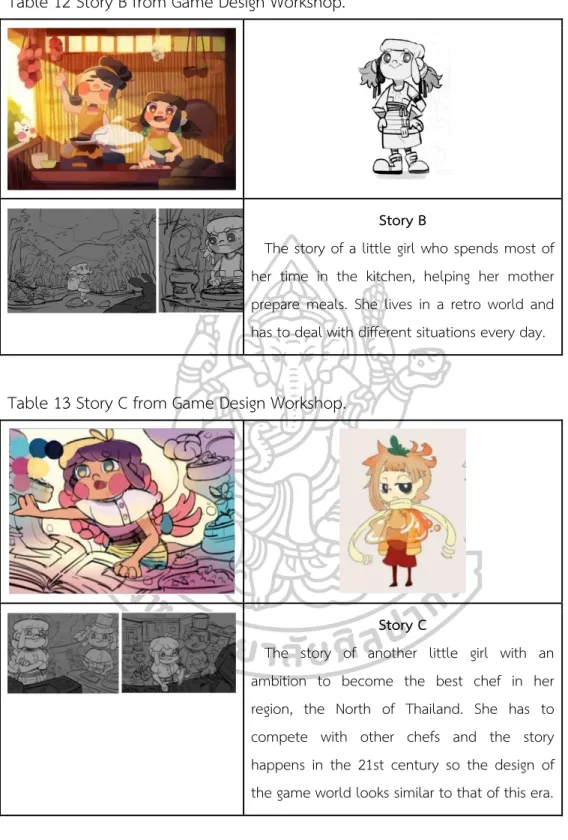
He has to compete with other chefs and the story takes place in the 21st century, so the design of the game world is similar to that of that era. After the workshop, the researcher conducted a group discussion to collect the game concept design method. The goal of the game is to train the protagonist to gain maximum cooking skills or collect all the Lanna recipes to win.
To Create a Prototype of Lanna Cuisine Game as Virtual Cooking
- Setting Player Experience Goal
- To Create Scenario of the Game
- To Design the Game
- Lanna Cuisine Game Structure
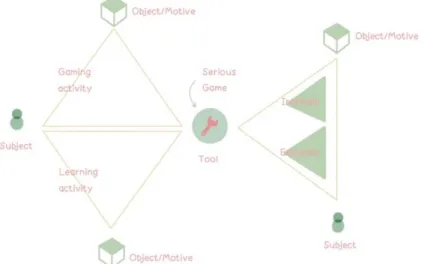
- Game as a Learning Tool
- The Software Prototype
- The Game Testers
Outcome Successfully complete the given tasks and unlock all the dishes in the story of the game. The goals of the game are to improve students' learning and to have a positive attitude towards local food. The game also gives them the opportunity to learn through trial and error as they play through each cooking process.
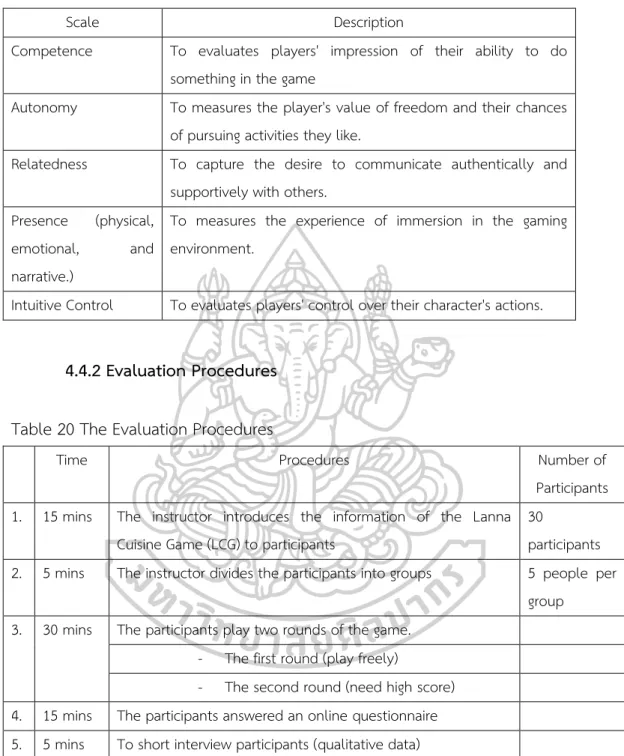
The design team starts by creating the game structure that illustrates that the entire game system consists of three main parts: In other words, the players must adapt their experience from previous cooking missions to the new one, which means that the difficulty of the game will increase over the course of the game. game increases. During the development process, once a new version of the game was created, the researcher chose five game design students as playtesters, who played the game and shared their thoughts on the experiences they had during and after playing it.
Prototype Testing
- Measurement Tools
- Evaluation Procedures
- Results of Motivation (PENS)
- The Player Feedback
Most of them agree that Local Cuisine Game has great potential in keeping players interested and is full of attractive options that spontaneously pique their interest. The Intuitive Control score shows that improvement is needed, as most players find it difficult to control the game (I1) and control during the game (I2). In terms of presence and immersion, the scores are relatively high, as players can perceive the cooking experience as if they were in a Lanna kitchen while playing the game (P2, P5 and P6).
In addition, the players feel the sense of immersion as they were able to solve problems in the game (P5 and P8). Some of them even said that the game was so realistic that they wanted to use it to gain confidence before preparing real dishes. This is because the game has lists of ingredients and the quantity required for each dish, cooking order of preparations and authentic techniques.
Summary of the Assessment Lanna Cuisine Game Prototype
Visual Design and Development
- Character and Story Development. Visual Design and Development
- Graphic User Interface Development
Another piece of information collected after interviews is player suggestions for expectations in game features for the next version of Lanna Cuisine Game, including improvements in a more vibrant animation, character redesign, and an addition of food tasting scores, as it is also shows how good the dish is. is prepared. The method of designing the environment of the Lanna Cuisine game is to add cultural elements such as old kitchen utensils, patterns, paintings etc. From the said inspiration, the players will experience how the Lanna cuisine is prepared in the Lanna kitchen, including details such as kitchen utensils, utensils and local ingredients.
To create game graphics, the researcher uses three methods to design the environment of Lanna Cuisine Game, design study documents and follow photographs and real data: to design kitchen scenes and objects, including some cultural elements for decoration. In this step, designers choose a graphic style from a certain folk house and kitchen equipment recommended by the expert from the Lanna study and list all the distinctive cultural characteristics. Designers must test the Lanna Cuisine Game to get feedback from players and write data analysis as references for the next production.

Evaluation. Graphic User Interface Development
- Evaluation Procedures
- The Result of the Evaluation
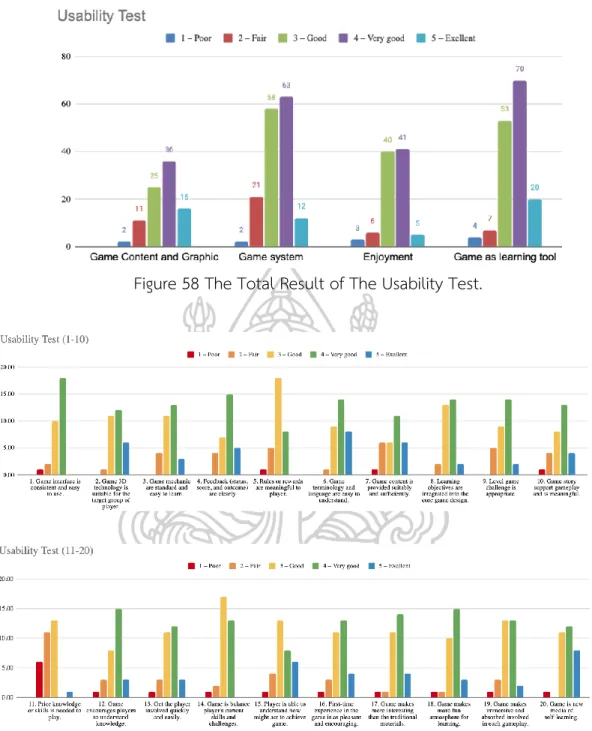
The research results suggest that most of the subjects were able to understand the game system and game interface effortlessly. These results show that the players understood the game story and the game design is in harmony with the gameplay and the main content to be learned while playing. Either the game is too hard or too easy can result in a decrease in attention span, often with irritation or upset.
Players have developed a good relationship with the game, or the game provides a more enjoyable learning experience. The subjects were willing to use the game as a self-learning tool for the art of Lanna cuisine. However, the game failed to challenge them as it lacks the balance between players' skills and the difficulty of certain tasks.
Discussion. Evaluation
- Definition of Game
- Lanna Cuisine Game can be Artwork
- Layers’ Experience
- Concept Model
- The Implementation
In terms of the players' experience, the game Lanna Cuisine is an interactive medium that aims to convey the knowledge and experience of the Lanna cooking process where the players are allowed to learn for themselves. This is because all the ingredients in the game have different properties, cooking methods must be chosen carefully, the order of adding spices and the cooking process are also important. As they are allowed to learn and play independently, the players find the game exciting and enjoyable.
In addition to this, a good game design should be based on the player-centered approach so that the game suits their needs. All small components in the game must go through the development cycle, which starts with a thorough design, quality test and analysis so that the final design can deliver an excellent experience to the players. The approach through which this specific information is presented is the use of new technology and innovative design approaches because it allows the players to understand the cultural content that aims to convey in the game.
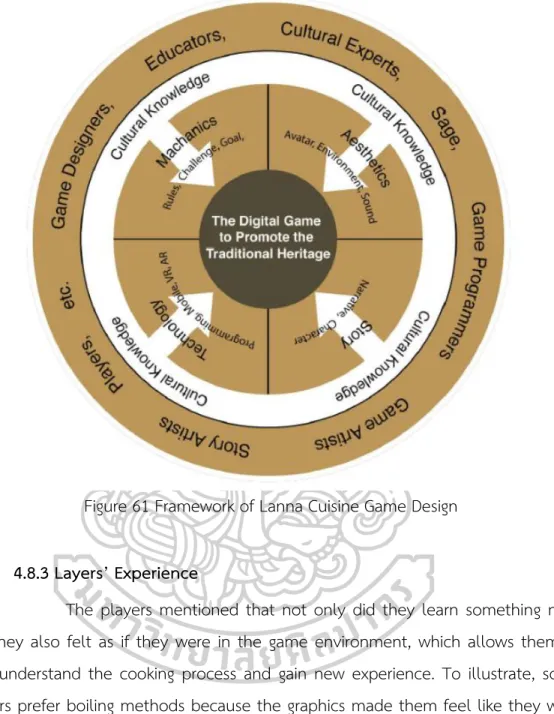
Chapter Summary
The results of game development and evaluation reveal that the game effectively generates players' motivation to perceive information and learn about culinary art. The results in terms of performance, usability and participation in the game Lanna Cuisine suggest that the players were very satisfied. Similarly, in the in-game situations articles, players are also satisfied with how the game's story informs them about local culture and history through character design.
They also mentioned that the stage and background elements are well designed and fit the history of the Lanna region at the time. Likewise, they are very satisfied with the game system design, as its performance allows them to continue playing in an environment that supports their learning process without interruption. As a result, "Lanna Cuisine Game" is another tool to promote cultural transfer using the technology of digital games, transforming the traditional existing approach to interactive media, which allows players to gain new experiences from a simulation world of Lanna Culinary Art.
Conclusion and Recommendation
Conclusions
- Conclusion of Cooking Game Analysis
- Conclusion of the Cooking Game Prototype
- Conclusion of Research
Player Type: Most cooking game players are achievers, who focus on completing all the game missions or collecting all the items. Finally, it is suggested to record or show gameplay instructions before the game starts. Moreover, gameplay instruction has been added so that the players find it easier to play the game.
The results of the specialists show that the game is well structured as it conveys the Lanna cooking culture in a refined scene. To identify key content related to the art of Lanna cuisine to integrate into game elements. Most players mentioned that they perceived a positive experience as the game served as a learning tool to increase awareness of cultural values, related to their personal needs with the game and to keep them motivated.
Recommendation
- For research, preservation, and promoting
- For any further study
But if we allow them to play independently, the game will contribute to the development of their imagination, and the result will be new recipes from existing local ingredients. Especially the art of Lanna cooking with a focus especially on teenagers Studies have shown that games are practical, easy to use and a suitable medium.
Contribution
- To Provide the Method of Cultural Content Extraction
- Game as Digital Culinary Training
- Usability for Cultural Learning Through Play
- Guidelines for Mobile Game to Promote Traditional heritage
The development team may update the game content of additional culinary arts on online game stores. It should introduce all the key elements of the game, starting with the user interface, the game structure, the game's objectives and how to play it: how to choose and prepare the ingredients, the cooking methods and the food presentation. The goal of the game must be clearly displayed when the game begins or in the initial stages of the game.
Options in the game should rely on the amount of knowledge gained through the play. Story Short Story An appropriate story length is key to the players' sense of enjoyment and liveliness as they are free to explore the game world. Crafting, which only requires skills and crafting techniques such as. the making of vases and pottery in the early twentieth century. It should be noted that the definition of craft given by Collingwood differs from the modern definition).