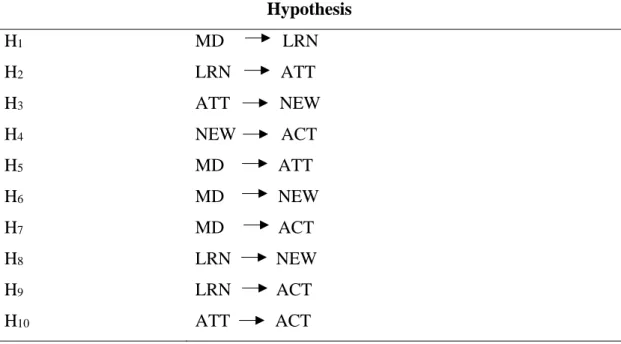
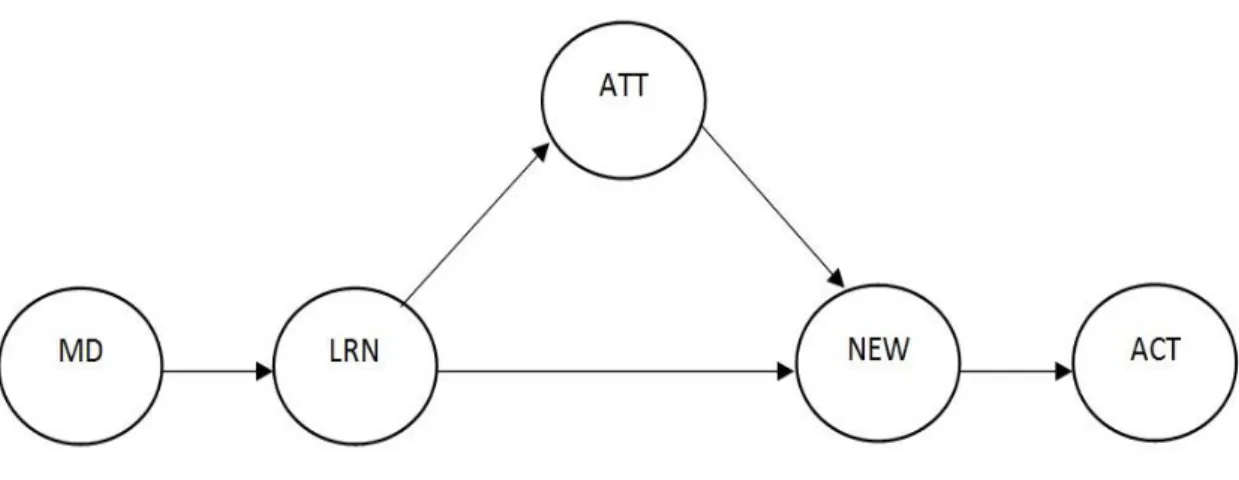
Thesis title The Influences of Communications about Animals on Attitude and Behavior Changes of Social Media Users Author Miss Vilai Vitayaveerasuk. As presented in the model, communication about animals via media (MD, Media) results in learning (LRN, Learning), especially the recognition that all life has value.
Background of Study
Most people understand the importance of animals as other creatures that share the planet. Thus, they are open to new experiences such as the culture of keeping pets as part of the family.
Research Questions
The Animal Welfare Act is a means of showing the level of civilization or culture of the population. In addition, Thailand is one of the first countries in the AEC, second only to Singapore, to have a law protecting animal welfare, demonstrating the nation's leadership status in the region.
Research Objectives
Basic Assumptions
Hypotheses
Exposure to animal content would be controlled for in this study using the variable MD (Media). As a result, traditional media such as television, newspapers, etc. are looking for more animal content to satisfy the audience's interest.
Operational Definition
The measurement will include the comparison before and after exposure to content about animals. The site administrator determines who can join the group (Kana's Athiratanagarant Secret group in online social media is not seen or found by those who are not members.
Significance of the Study
The study entitled, "Influences of Communications about Animals on Attitude and Behavior Changes of Social Media Users", has been developed from the review of related theory and research works, which will be explained in the following section.
Related Literature about the Relationship between Humans and Animals
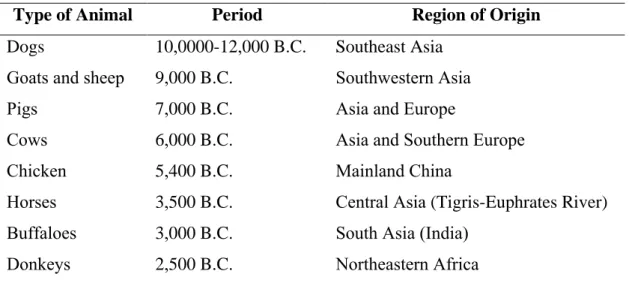
As a result, people began to realize that by breeding these animals, they would have a steady supply of food without having to go hunting. Over time, humans began to fear wolves less, and wolves began to trust humans as well.
Theories of Media Selection
Selective Exposure Theory
People would choose to be exposed to media that was consistent with their social status and group affiliation. People in the same group would choose to be exposed to messages that keep them in line with other members.
Uses and Gratifications Theory
It is the integration between cognitive and affective needs that leads to more trust and stability in society. Mass media is designed to meet the needs of the audience to ensure satisfaction.
Learning and Attitude Theories
Learning Theory
The case study revealed that there are social movements in the online environment of the recipients and their network societies. Thus, we can say that learning involves a mental process and a decision on the part of the individual.
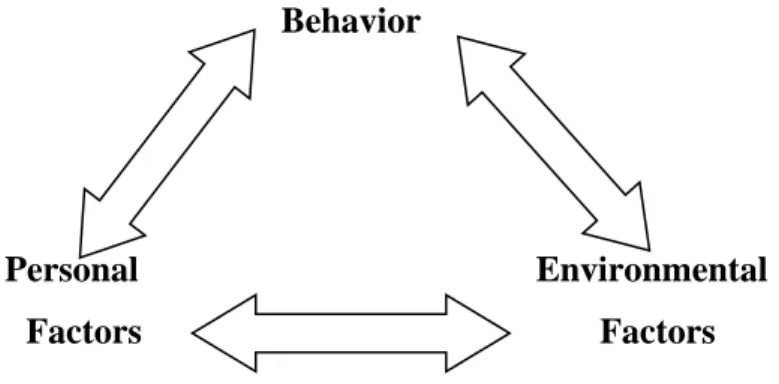
Attitude Theory
It turns out that presenting the argument in the primary slot continuously over time before measuring the attitude would result in attitude formation. In case the recipient likes the source, the attitude change is greater in voice or video messages than in print.
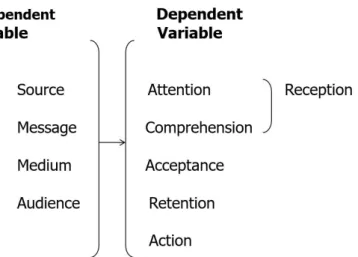
Network and Social Movement Theory
Network Society Theory
As mentioned in the previous section, the creation of the network starts with those who live close to the site. In addition, helping others in the network community is the core culture or most important foundation of the group.
Social Movement Theory
The development through the four stages follows the formation of the group and social movement activities are generated in the group. As a result, people who are not members of the group would not participate in the social movement activities.
New Social Movement
Another social movement is the demand of the Uyghur people, which has a wide impact and spreads to many countries. This state of oppression and eradication of identity led to the exodus of the Uyghur people.
Communication Technology Determinism Theory
The new communication technology, especially online social media, has transformed the network of animal lovers. Kittipong has explained that online social media is very influential and effective in helping his volunteer work.
Conceptual Framework
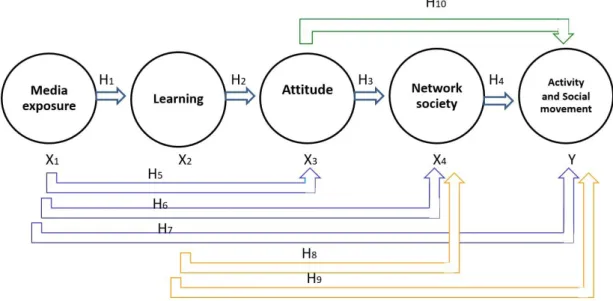
It was then that they would begin to learn about the content of the conversation, the group members, and the atmosphere in the group. For ease of understanding, the researcher will use the following abbreviations for the variables in the model.
Qualitative Research
- Sampling Design for Qualitative Research 1) Sampling Frame
- Qualitative Research Data Collection Procedures
- Qualitative Research Data Collection Tool
- Reliability of Qualitative Research Data
- Data Analysis and Research Procedure to Answer Qualitative Research
The researcher also said that the results of this study would be published in an international journal so that it would benefit students and academics all over the world. The respondents, the researcher tried to create a relaxed and friendly atmosphere. In addition, the researcher explained about the ethics to ensure the confidentiality of the data to the respondents.
Quantitative Research
- Sampling Design of Quantitative Research 1) Sampling Frame
- Data Collection and Data Collection Tool in the Quantitative Research
- Reliability of Quantitative Research Data
- Quantitative Data Analysis
There would be a mix of respondents in the appropriate ratio based on the size of the membership of each side. The analysis of the relationship between the variables in both the direct and indirect models will be examined.
Presentation of Quantitative Research Findings
Titled "The Influences of Communications About Animals on Attitude and Behavior Changes of Social Media Users", the aim of the study is to examine the impact on Thai society as a whole and aim to explore certain topics in depth, thus using mixed method research methods . . The qualitative study was conducted first because research on animals is not widespread in Thailand.
Qualitative Research
Respondents Profile of Qualitative Research
Sorsart Wisetsin is the owner of the dog magazine, "Gluta storie", which transformed a stray to become a celebrity. In this age of networked community of animal lovers pushing for the passage of the Animal Welfare Act.
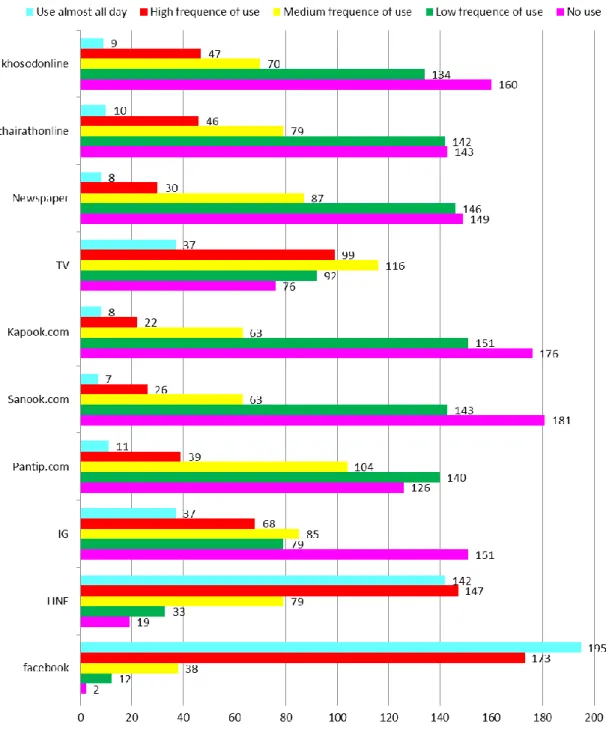
Behavior in Terms of Exposure to Content about Animals on Social Media
They choose to use Facebook the most because it is easily accessible using the mobile phone anytime and anywhere. From the interview, it appears that the preferred content about animals is usually positive.
It is important to check because there is no control on social media before you believe and donate. Animal content on social media is an important impetus in the development of a country by raising awareness and promoting change.
Attitude Change from Communication about Animals on Social Media
As explained in the previous topic, regular exposure to animal content on social media changes attitudes. The relationship between the constructs would be studied using structural equation modeling of the impact of animal content on social media.
Network Society Resulting from Communications about Animals on Social Media
A group of petition signers push government agencies to be responsible in solving problems, issuing rules and regulations such as laws to improve animal welfare for a peaceful society. There have been many cats and dogs that have died because their owners were unable to find the blood they needed.
Activity and Social Movement about Animals in Network Society The most important role of network society is activities in the group. This is the
These activities are purposeful with the goal of raising societal standards, policies and laws that effectively improve animal welfare. The respondents' interview revealed that the success of demanding new laws and regulations would be difficult to achieve because the government does not attach importance to animal welfare.
Changes and Development in Thai Society from the Influence of Communication about Animals on Social Media
However, the networked community of animal lovers is determined to achieve their goals in order to improve the welfare of animals. In addition, there are also better food grains that have complete nutrients as well as better medications.
Quantitative Research
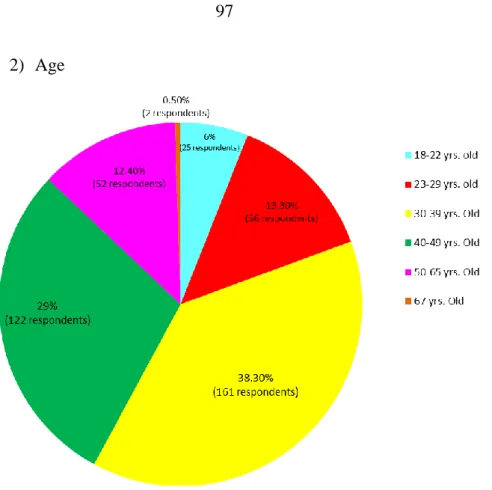
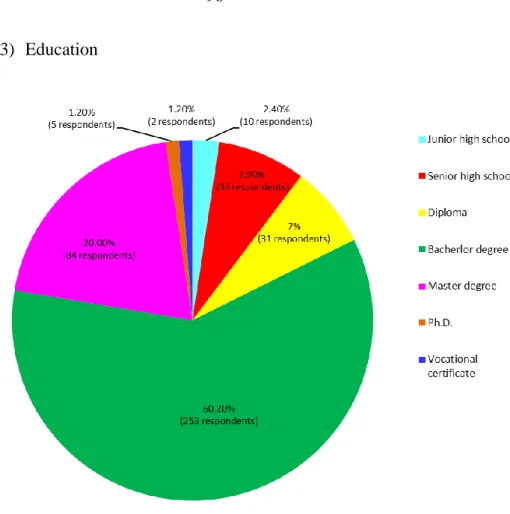
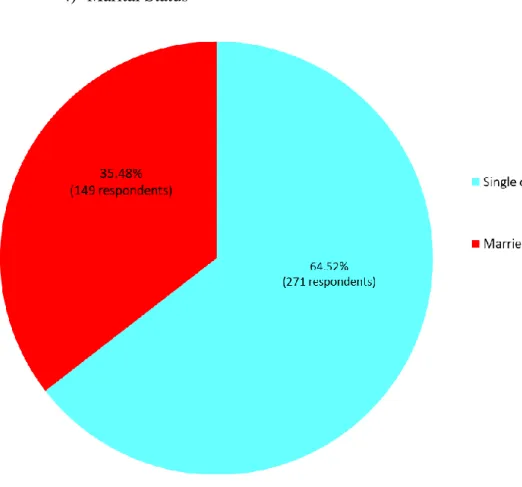
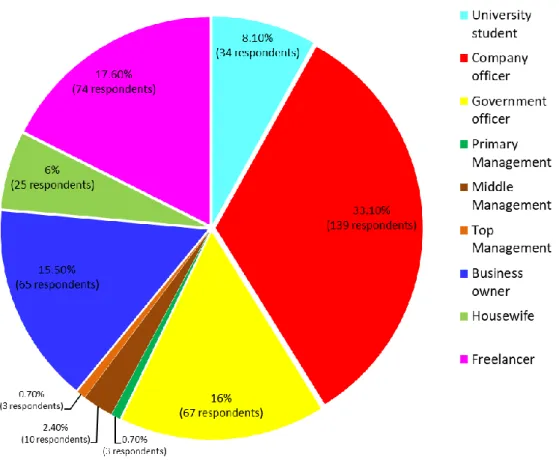
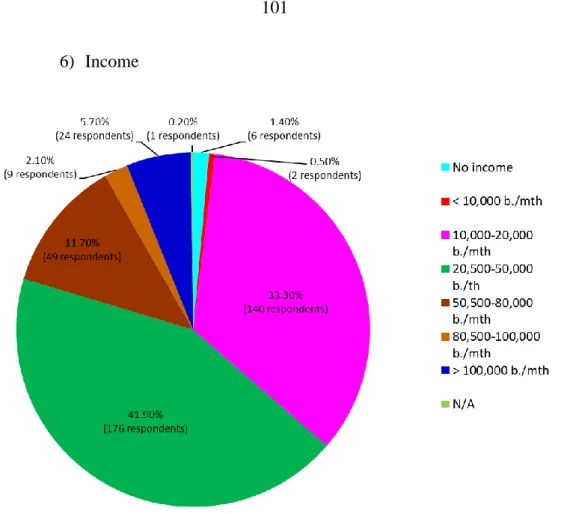
Online Questionnaire Respondents’ Profile
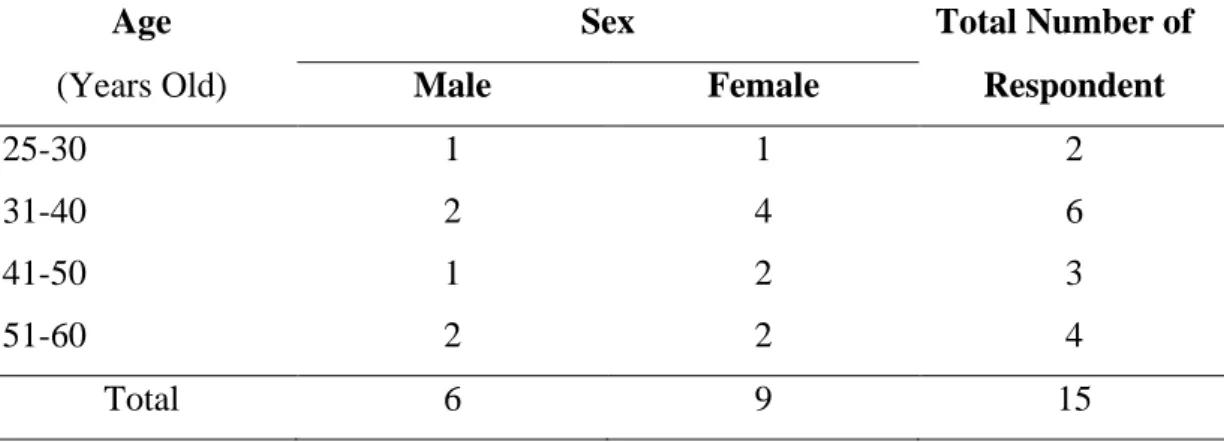
From figure 4.2, it can be seen that the respondents, who are middle-aged, range from 30-49 years.
Behavior in Terms of Exposure to Content about Animals on Social Media
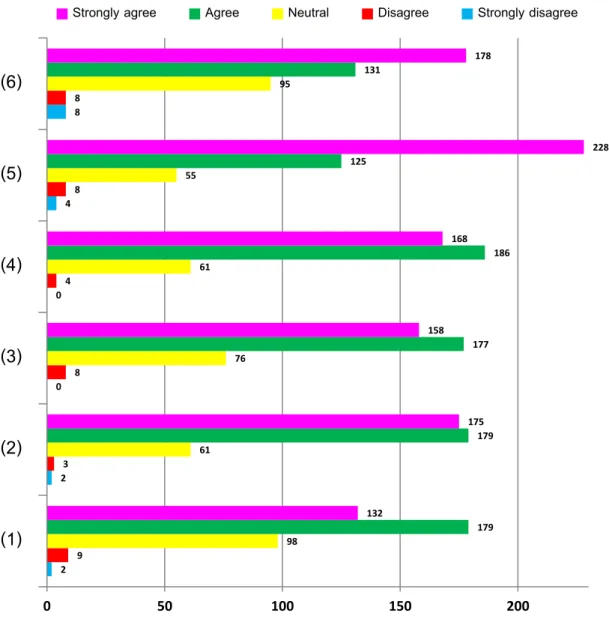
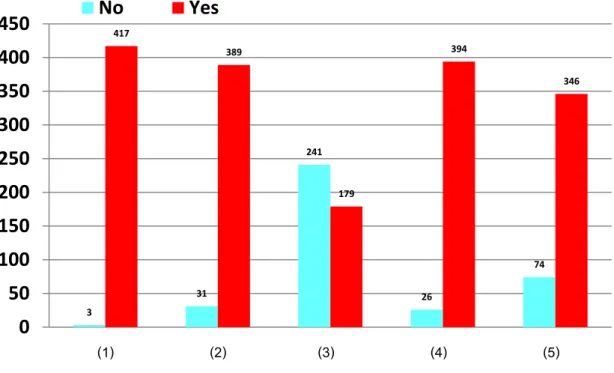
Note: Description of the graph 1) Animals in funny posts 2) Love between mother and offspring 3) Cute animals that are fat or have nice fluffy fur 4) Pets playing with owners 5) Animals before and after being rescued 6) Background and story of animals that unravels like a drama. From Figure 4.9, the animal content that respondents most liked to read about is the “Before and After” state of rescued animals (54.29%); Drama-like stories about animals (42.38%); and the love between mother and offspring respectively (41.67%).
Learning from Communication about Animals on Social Media The research findings of respondents, who are exposed to animal content on
In Figure 4.9, the animal content that the respondents liked to read the most is the "Before and After" state of rescued animals (54.29%).
Attitude Change from Exposure to Content about animals on Social Media
After exposure to animal content on online social networks, the content creates many different feelings, as presented in the next section. After frequent exposure to animal content on online social media, respondents reported behavioral changes, as presented in the next section.
Network Society Resulting from Communications about Animals on Social Media
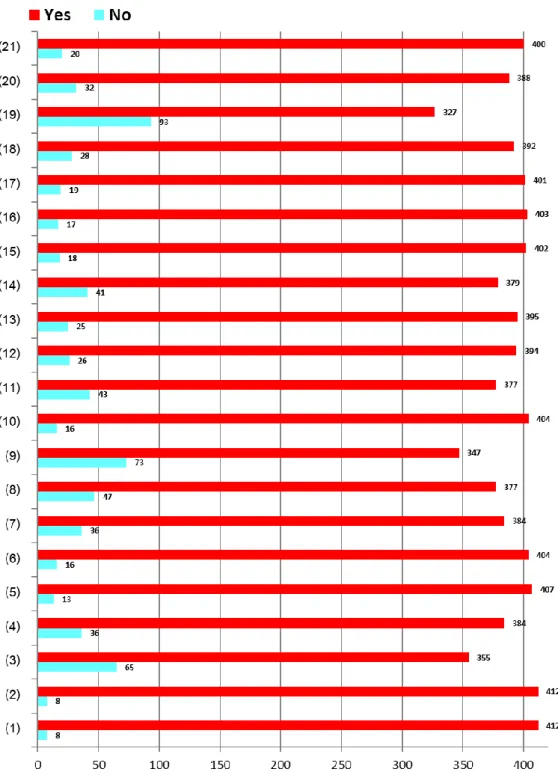
The third is "Like the activities in the network of animal lovers to help the society and make earnings". Note: Description of the graph 1) Page or group of animal lovers who communicate content such as animals doing funny things.
Changes and Development in Thai Society from the Influence of Content about Animals on Social Media
The statistical analysis conducted to examine the relationships between the variables and the model construct of communication about animals on social media would be . discussed in this chapter. Model construct of communication about animals on online social media Summary of relationships between variables and model construct of communication about animals on social media.
Direct Effect of Variables in Communication about Animals on Social Media
Direct Effect between Types of Media Variables on Learning Variable
The analysis revealed that exposure to animal content on Facebook (FB) had the greatest impact on learning (correlation coefficient = 0.199). Other media such as Instagram (IG), other online media (ONM) such as pantip.com, sanook.com, kapook.com, thairathonline, khosodonline and traditional media (OFM), such as television and newspaper, have very little or no impact on learning not.
Examination of Model Fit
This research model shows that the model of communication on Line fits the empirical data. The model fit presented shows that the research model exposure to traditional media fits some of the empirical data.
Direct Effect of the Pair of Variables through the Different Type of Media
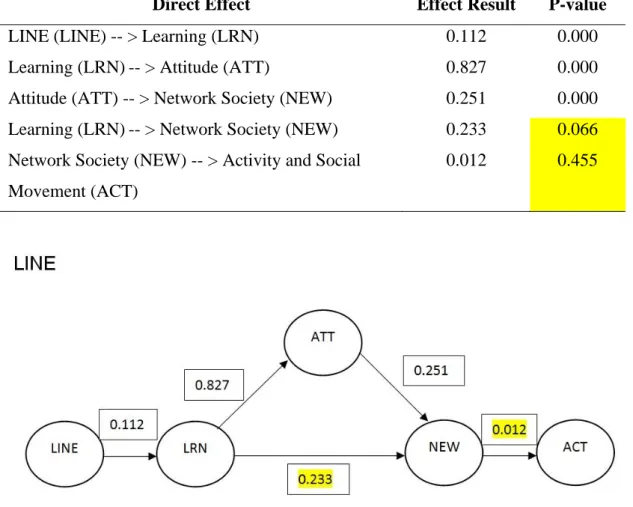
The table presents the correlation coefficient and P value of the pair of variables in animal communication in each type of media in the five tables presented. On the other hand, communications on Instagram (IG), other online social media including pantip.com, sanook.com, kapook.com, thairathonline and khosodonline (ONM), and traditional media such as television and newspapers have incomplete communication processes. .
Indirect Effect between Types of Media Variables and Other Variables of Communication about Animals on Social Media through each Media
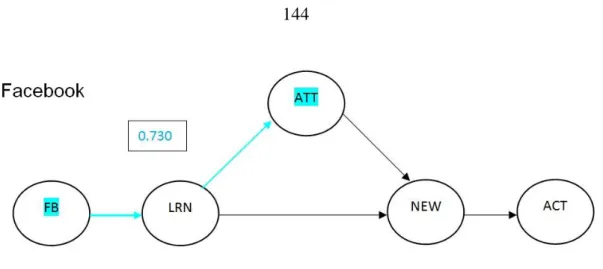
- Indirect Effect between Variable of Facebook and Variable of Results from Communication about Animals
- Indirect Effect between Line (LINE) and the Variables Resulting from the Communications about Animals
- Indirect Effect of the Variable Instagram (Instagram) with Results from Communications about Animals
- Indirect Effect of the Variable Traditional Media (Television and Newspaper) with Results from Communications about Animals
The association between the three categories of media (LINE, IG, ONM) with the association of activities promoting a social movement (ACT) does not have an indirect effect because the P-value is higher than 0.05. There is no indirect effect on animal communication outcomes, including attitude change (ATT), network society development (NEW), and joining activities that promote social movement (ACT).
Model construct of Communications about Animals on Social Media
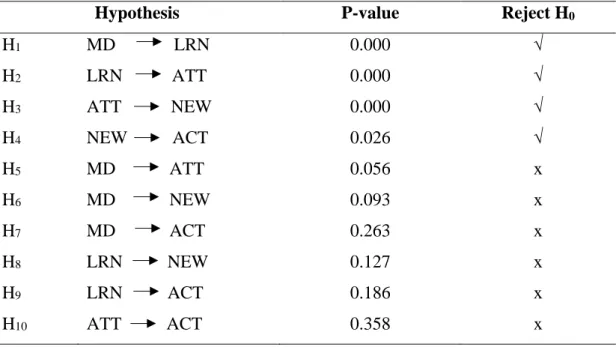
This would mean that the hypothesis is correct, while the H0 was not supported because it is the opposite of the main hypothesis. The study entitled 'The Influences of Communications about Animals on Attitude and Behavior Changes of Social Media Users' examines the media usage behavior of online social media users.
Conclusions of the Research Findings
Summarization of Respondent’s Profile .1 Qualitative Research
Respondents were knowledgeable, expert, experienced, or those who participated in dog, cat, and elephant rescue networks in Thailand, as well as those who interacted with people in the network society of animal lovers. Regarding education, the majority or 2 out of 3 respondents had at least a bachelor's degree (9 respondents).
Behavior in Terms of Exposure to Content about Animals on Online Social Media
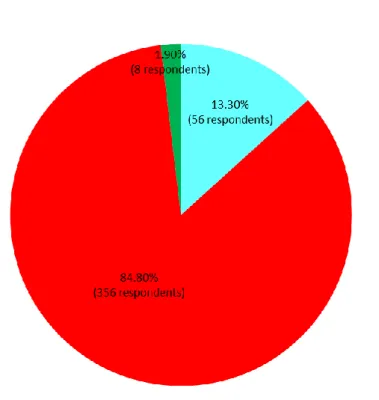
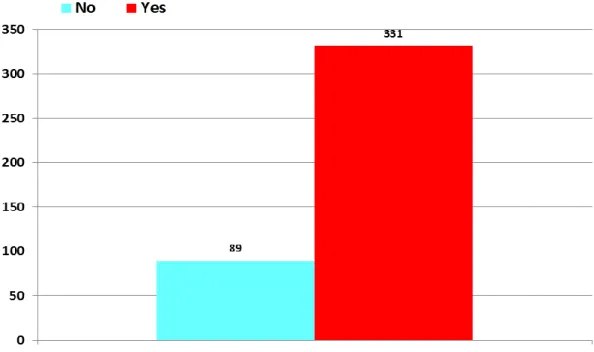
There were a total of 420 respondents who were exposed to animal content on online social media. The exposure behavior to content about animals on online social media is usually unintentional.
Learning from Communications about Animals on Online Social Media
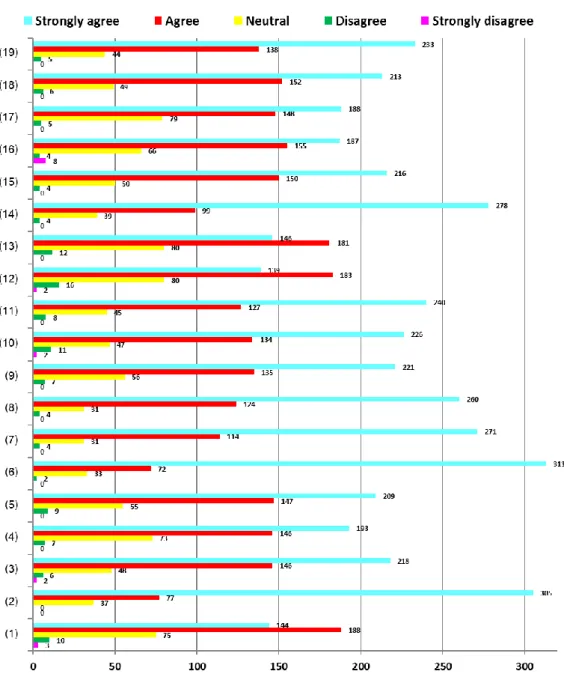
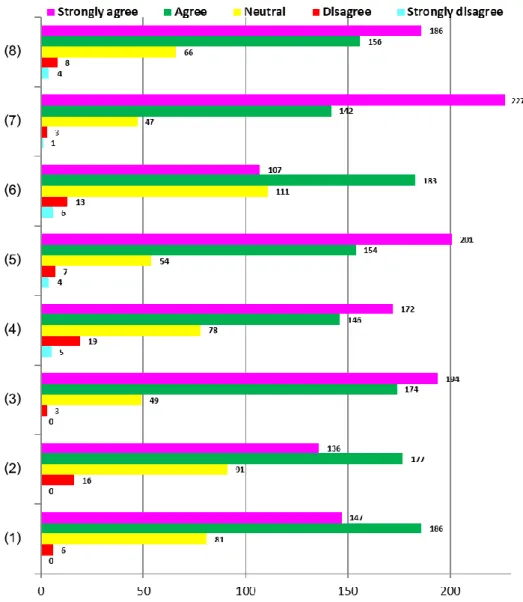
Frequent viewing of animal content created continuous learning and realization of responsibility towards animals. The quantitative study found that respondents learned from exposure to animal content on online social media.
A quantitative study found that respondents learned from exposure to animal content on online social media. The first five answers are: 1) Humans are not the only creatures on the planet. The results of the study show that constant exposure to animal content on online social media leads to attitude change.
Network Society Resulting from Communications about Animals on Social Media
The research results based on the network society of animal lovers can be concluded in the next paragraph. The three top contents that lead to participation in a network association of animal lovers, in the following order:.
Activities and Social Movementabout Animals in Network Society The most important role of network society is joining activities with the group
The three main reasons or antecedents that have resulted in the expansion of the network of animal lovers' society are presented in turn. Most of the members of the animal lover network society are engaged on their cell phones and computers because of its convenience.
Changes and Development in Thai Society from the Influence of Communications about Animals on Social Media
The first issue is based on presenting content about animals on online social media that seems real. However, when considering each aspect in detail, the changes are mainly due to the influence of animal content on online social media.
Relationship between the Variables in the Communication Model about Animals on Social Media
This would be done by examining fit indices based on standard criteria of all models. The study of the indirect effect shows that there is a mediating variable positioned between the influence of the antecedent and dependent variables.