The dissertation is submitted as partial fulfillment of the requirements for the Doctor of Philosophy. Abu Shamon, the undersigned, a graduate student at the United Arab Emirates University (UAEU) and author of this dissertation entitled “Family, School and Community Educational Partnerships: Developing a Comprehensive Program for the United Arab Emirates”, hereby declare that this dissertation is my original research the work I completed and prepared under the mentorship of dr.
Introduction
- Overview
- Context of the Study
- FSCEPs in the United Arab Emirates
- Statement of the Problem
- Purpose of the Study
- Research Questions
- Significance of the Study
- Definition of Terms
- Organization of the Dissertation
However, many studies in the UAE determined that parental involvement had a multifaceted and positive impact on student success. This study corrects this shortcoming by examining the actual implementation of these policies in the UAE.
Literature Review
Background
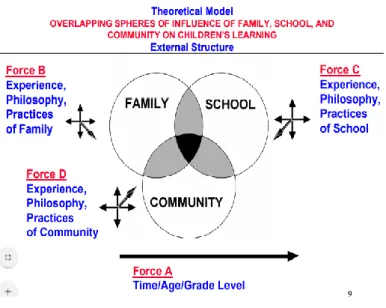
The National Education Association (2003) emphasized that a combined school, family and community approach is more inclusive than the isolated involvement of parents because it involves all parties that influence children's development and education. FSCEPs are characterized by shared responsibilities, collaborative relationships and two-way processes involving schools, families, community members and organizations in the development and education of children at school, at home and in the wider community.
Theoretical Framework
- Student Learning
- Stakeholders (Partners)
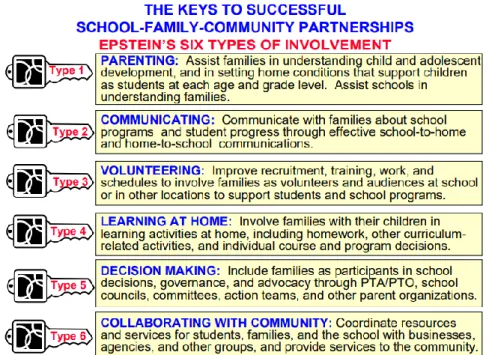
- Types of Involvement
- Partnerships Aspects
- Rate of Involvement
- Partnerships Realization
- Bringing the three Models Together
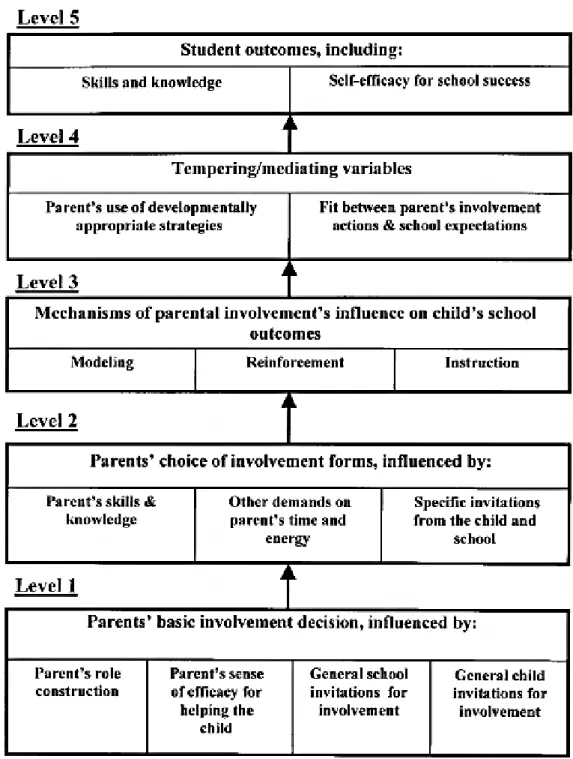
Hoover-Dempsey and Sandler (1995) proposed five levels of parental involvement that describe why and how they can become involved in their children's education. Hoover-Dempsey and Sandler (1995) suggested that parents choose to be involved in aspects of their children's education in which they are skilled and knowledgeable.
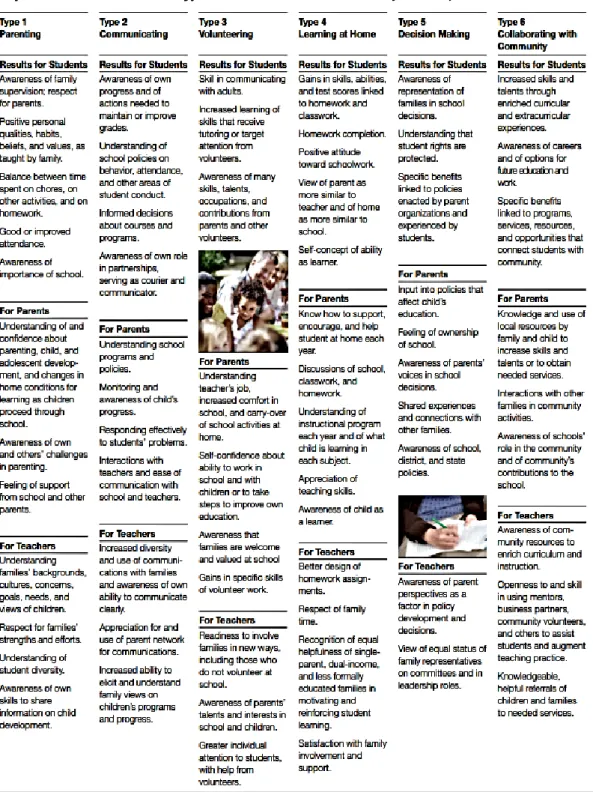
Benefits of FSCEPs
- General Benefits of FSCEPs
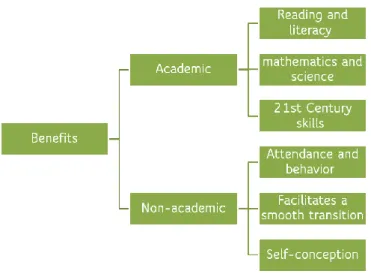
- Benefits of Parental Involvement
- Benefits of Community Involvement
It is well established that parental involvement has multifaceted positive impacts on student success. Studies have found that the positive impact of parental involvement occurs regardless of family income, background, or social status (Bardsley, 2000; Henderson & Mapp, 2002). 2001) stated that studies examining parental involvement with homework and its relationship to student achievement generated mixed results.
Researchers in the UAE have found that increased parental involvement in children's education is related to decreased behavior problems and improved social skills in primary schools (Elnokali, Bachman & Vorturba-Drzal, 2010). In addition, it offers support programs such as after-school programs that promote more parental involvement in their children's education.
Barriers to FSCEPs
Parents were not encouraged to help create high expectations for students, nor were they invited to participate in their children's learning experiences. Some parents are unsure how to get involved in their children's education (Stern, 2003). For example, Mohr-Schroeder et al. 2009) found that parents who did not understand mathematics have negative attitudes towards the subject and their attitudes negatively affect their children's achievement in mathematics.
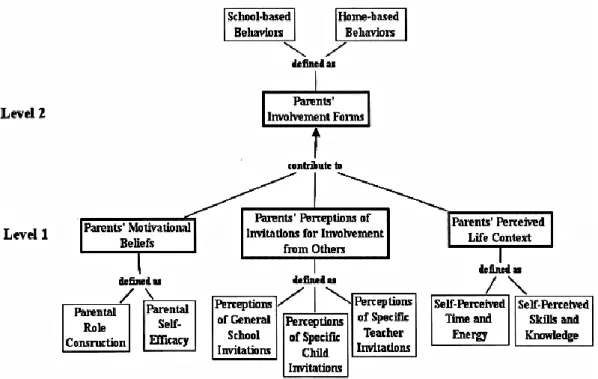
The parental motivational beliefs component explains that parents deal with their children's education based on how they define their roles in their children's education and on their perceptions of their ability to help their children. Therefore, if parents believe that the education of their children is the role of the school or that they are not qualified to help, they automatically decide not to get involved in their children's education.
FSCEPs Studies in the UAE
- Research in 2001
- Research in 2007
- Research in 2008
- Research in 2010
- Research in 2011
- Research in 2012
- Research in 2013
- Research in 2014
- Research in 2015
- Research in 2017
- Research in 2018
- Research in 2019
- Studies in UAE Summary
Parental involvement was found to decrease as children grew older and progressed through the education system. The study made it clear that all the educational stakeholders believed in the importance of parental involvement. The results indicated that parental involvement had a positive impact on the reduction of the three types of negative behaviour.
In addition, they suggested praising active parents, holding attractive events and raising awareness of the importance of parental involvement in their children's education. Their study revealed that parental involvement in learning negatively contributed to reading literacy achievement of the same group.
Conclusion
Methodology
The Overall Research Design
This design was chosen because it is most suitable for assessing current FSCEPs practices, developing and implementing an FSCEPs program that uses a participatory approach, and evaluating its effectiveness; and thus answer the research questions. In this study, the research design consisted of three phases, each informing the next phase and contributing to the overall purpose of the study. The first phase was designed to answer the first three research questions and included a two-part sequential mixed design.
The third phase involved implementing the pilot program developed in the second phase and evaluating the effectiveness of the program. In this phase, an embedded mixed method design was used to conduct a pilot project for the proposed FSCEPs program to evaluate and improve the program and assess its feasibility and sustainability after implementation.
Research Paradigm
The Delphi method was applied in the Second Phase, to develop a comprehensive FSCEPs program which derives from the theoretical and practical knowledge and perspectives, experiences and expectations of the participants. Additionally, pragmatism is linked to transformative research, social justice, and empowerment by focusing on freedom of inquiry and enabling individuals and communities to identify important issues and work on these issues in the most meaningful way (Morgan, 2014). .
Overall Sampling
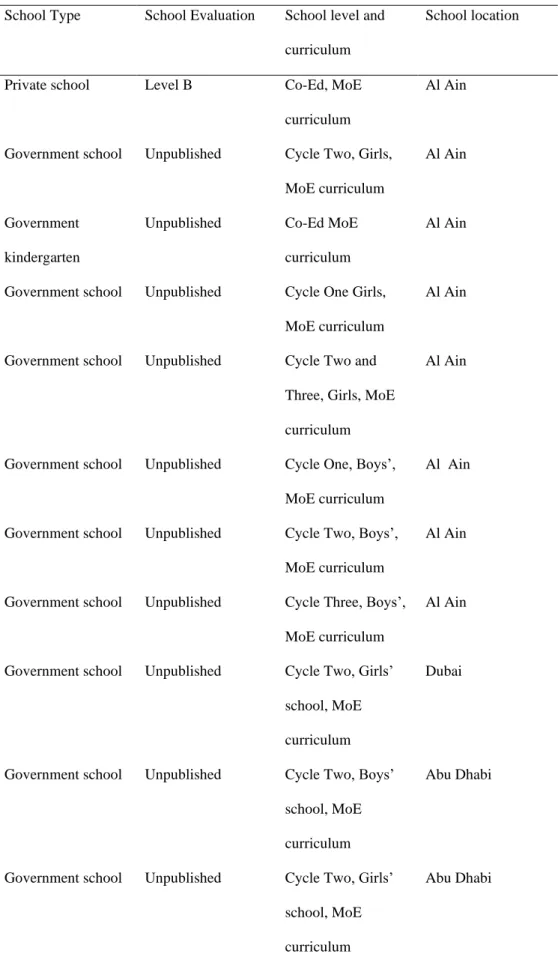
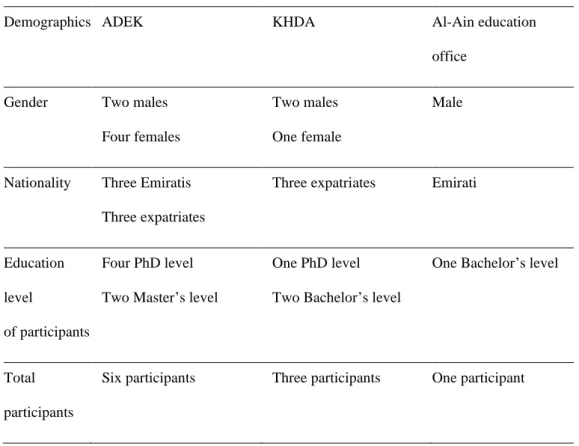
Ten policy makers from ADEK, Al Ain office and KHDA Four private schools and 11 government schools. Schools and partners from the UAE. were school staff and 20% were parents and community members. A team of 10 expert educational volunteers. program implementation and evaluation) Embedded design – mixed methods case study design.
Design Rationale
Creswell and Plano Clark (2011) stated that the complexity of the problem and the need for more sophisticated evidence are the two primary reasons that led to the emergence of Mixed Methods Research (MMR). This made it necessary to choose a mixed-methods multiphase/evaluative design to analyze the different issues related to FSCEPs. According to Creswell and Plano Clark (2011), MMR provides strengths that offset any weaknesses found in traditional quantitative and qualitative research when used individually; the integration of the two approaches combines the strengths of both methods.
Furthermore, MMR bridged the gap between quantitative and qualitative research and encouraged the use of multiple worldviews and paradigms. Involving different stakeholders was crucial to examine current FSCEPs practices and develop the proposed FSCEPs program.
Phase One
- Research Design in Phase One
- Setting, Population and Sample in Phase One
- Instruments and Data Sources
- Validity, Reliability and Trustworthiness
- Data Collection
- Data Analysis Procedures
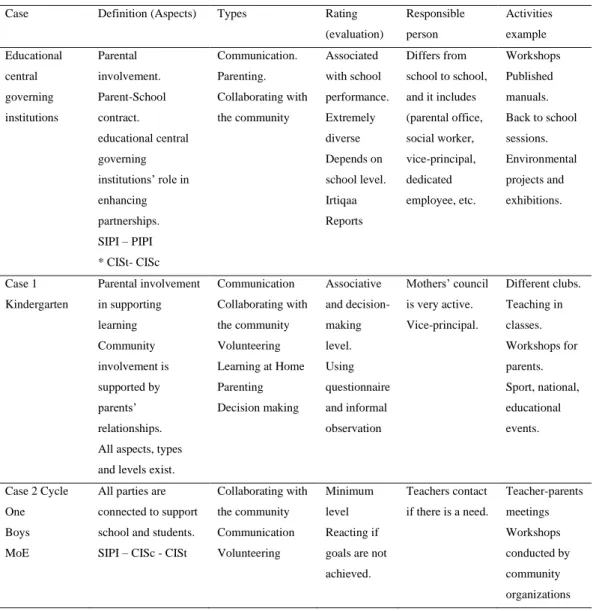
In addition, the focus groups involved teachers from some schools, at the request of the directors. It was developed on the basis of emic data (i.e. participants' perspectives) from Strand One and ethical data (i.e. researcher's perspective) from the literature, to examine the views of the different partners. The research was based on existing literature and the findings of the collective case study.
To assess the reliability of the qualitative data, the researcher used triangulation by collecting data from various sources and methods such as interviews, focus groups and observation. All recorded interviews and focus groups were transcribed and qualitative data coded and organized using NVivo 11 and MS Excel.
Phase Two
- Research Design in Phase Two
- Delphi Method Experts
- Instruments and Data Sources
- Validity and Reliability
- Data Collection Procedures
- Data Analysis Procedures
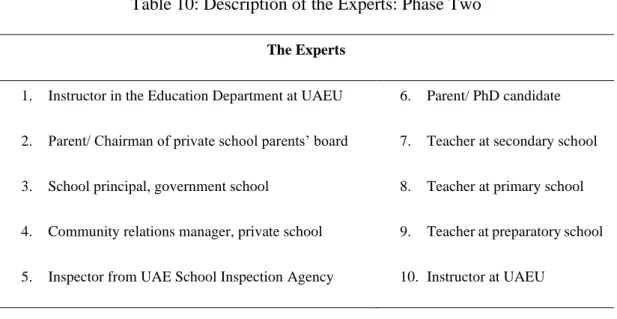
The participants who worked as Delphi experts were selected based on their experience in developing and implementing educational programs in the United Arab Emirates and their willingness to participate. Fifteen of the participants who had accepted the invitation to volunteer and review the suggested FSCEPs during Phase One were contacted with an invitation to contribute to Phase Two and to be appointed as Delphi experts. Delphi experts were aged between 30 and 50 and had at least five years of experience in education.
The fourth part of the Delphi method survey included an open-ended question that allowed participants to make suggestions for the proposed partner program. The Delphi study was reviewed by an education professor who had previously conducted studies using the Delphi method.
Phase Three
- Research Design
- Setting, Population and Sample
- Instruments in Phase Three
- Validity and Reliability
- Data Collection Procedures
- Data Analysis Procedures
The cycle supervisor introduced the researcher to the class teachers and students who would be involved in the program. In the first meeting, the researcher explained the aims of the program and obtained their verbal approval. First, the researcher used the surveys and interviews to identify the school's specific priorities and competencies.
Second, the researcher drew up a plan and reviewed it in collaboration with the principal and the cycle supervisor. At the end of the program implementation period, a final ceremony was organized to evaluate the implementation.
Ethical Considerations
The implementation lasted the rest of the second semester and the first month of the third semester. In addition, the study did not attempt to marginalize any category of education stakeholders, including students. The results of both parts were used to develop the initial program design, which was reassessed by the participants in the Delphi phase.
All the participants were informed about the researcher, the purpose of the research and the potential benefits of the research for society in the cover letter provided. Participants were given instructions on how to obtain a copy of the results after completing the study.
Limitations, Delimitation and Scope of the Study
Another example was the poor response rate to the survey during the second part of phase 1 of the survey. This was resolved by deliberately selecting the experts and explaining the nature of the study to them and helped to stop withdrawal to a minimum level. Regardless of these limitations, the study included different stakeholders and used triangulation at each stage.
Delimitations are necessary to limit the scope and identify the boundaries of the study (Gay, Mills & Airasian, 2014). In the final phase, the researcher limited the implementation of the program to only one class, as this was all that was manageable, given the limitation of time and resources.
Conclusion
Findings
Phase One Findings
- Strand One Findings
- Survey Results
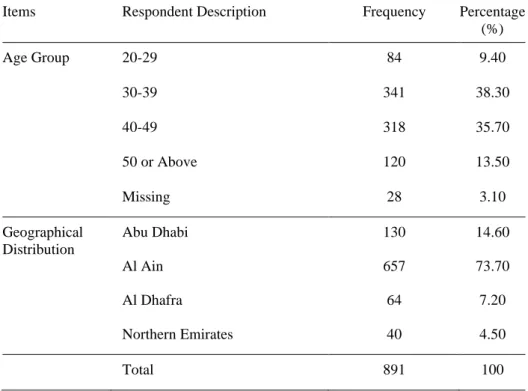
The statement "The school creates various channels of communication with parents to ensure that they are informed about everything related to their children's education", had the highest mean and the lowest standard deviation among all statements (n = 892, M = 3.16, SD. In contrast, the statement "The school and parents collaborate to develop plans that support the continuity of students' learning during vacations/holidays" has the lowest mean (M = 2.12, SD = 1.2) The statement "The school distributes the results of the evaluation of the educational partnership plan to all actors", has the second lowest mean with the highest standard deviation (M = 2.30, SD = 1.35).
For the "Almost Never" choice, the statement "The school and parents work together to design plans that support the continuity of student learning during vacations/holidays" gets the highest rate with (24.0%). Often" was for statement 16, "The school and parents collaborate to design plans that support the continuity of student learning during vacations/holidays." with percentages (15.2%) and (24%), respectively. All the descriptive analyzes showed, that the statement "The school establishes various communication channels with parents to ensure that they are knowledgeable about everything related to their children's education" had consensus among various educational parties about its existence.
On the other hand, the statement “The school and parents work together to design plans that support the continuity of student learning during holidays/holidays” provoked the greatest disagreement about its availability as implemented in schools.
Delphi Phase Findings
- FSCEPs Features
- The Program General Framework
- Program General Components
- Program Teams Members
- Program Bottom-up Planning and Implementation
- Continuous Evaluation and Improvement
The Findings of the Embedded Mixed Method Design
- Attendance Improvement
- Improving English Speaking Skills
- Improving Students’ Attitudes and Personal Skills
- Creation of a Climate of Partnerships
Integrated Findings
Conclusion
Discussion and Recommendations
FSCEPs Situation
FSCEPs Proposed Program
Recommendations for Practice
Recommendations for Future Research
FSCEPs and Covid 19
Conclusion
Observation Protocol