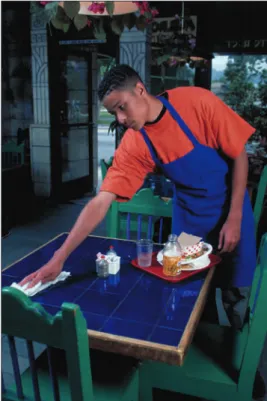
Restaurant and food service operations are one of the most dynamic industries in the United States today. RECIPES – Ready-made recipes for preparing some of the delicious dishes in this chapter.
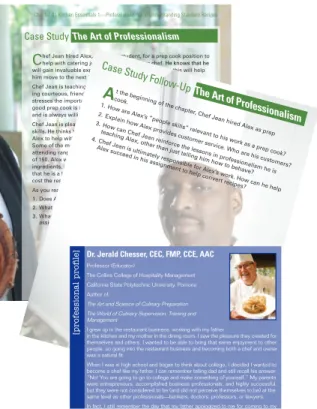
Welcome to the Restaurant and
Industry
After two years serving and hosting at one of the resort's restaurants, she was promoted to assistant manager. What would help Linda decide which segment of the hospitality industry is the best fit for her?
Michael Santos VP of Operations and Human Resources; Partner
And if you love food, like people, how to party, or just how to get out, then the restaurant and food service industry offers exciting opportunities for you. Then, to understand how restaurants and food service businesses across the United States have evolved, we'll look at historical events that have influenced the way we do things today.
Study Questions
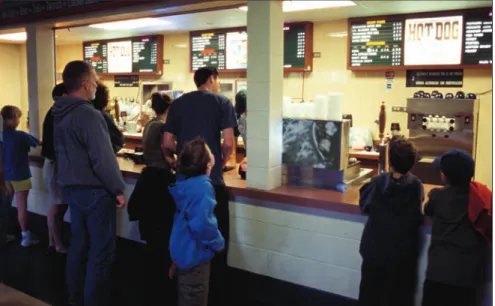
Stadiums: The food offered at the stadium ranges from peanuts in the stands to fine dining in the luxury suites. For example, Pizza Hut now offers more food, such as pan with lasagna and other pasta.
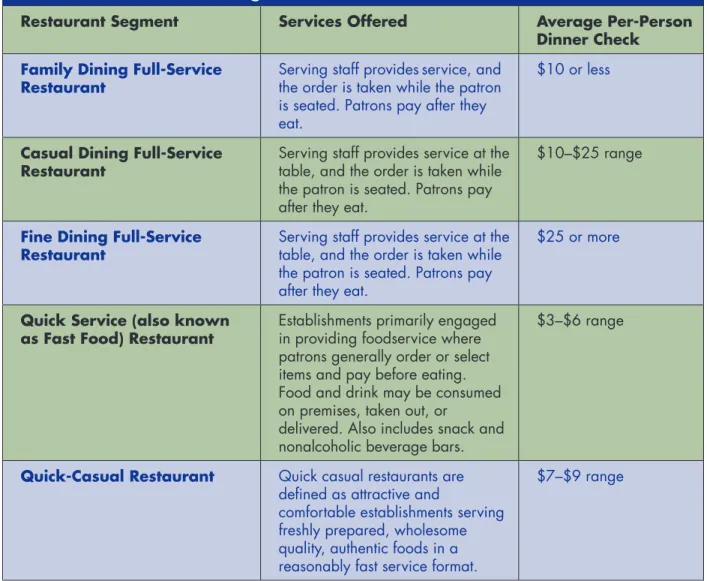
In contract catering, contractors are companies that provide food services for companies in the manufacturing or service industries. In the 19th century, more and more people, especially Americans and Europeans, had the money to travel for pleasure.
In fact, in 2005, tourism was the first, second or third largest employer in 29 states, employing 7.3 million people to provide the 1.19 billion trips taken by tourists in the United States. In the 19th century, the development of the railroad helped people travel faster and to more places.
Some Greeks believed that pleasure was the purpose of life and that it was achieved through self-control and balance. Because of his ideas, we use the term epicurean (ep-ih-KUR-ee-an) to refer to a person with refined taste in food and wine.
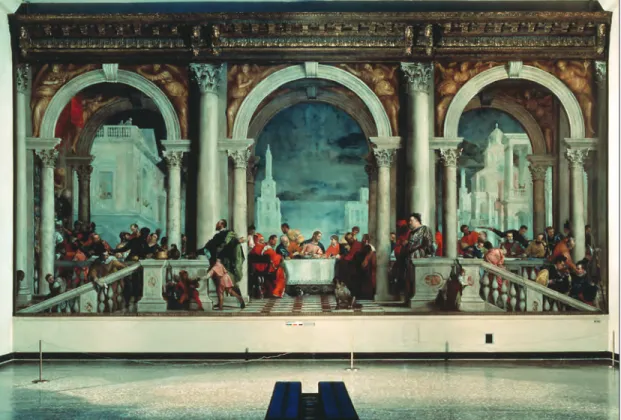
But the government was under even stronger pressure to alleviate the poverty that was causing social unrest in Paris. When the French Revolution ended, large numbers of cooks and other guild members found themselves unemployed.
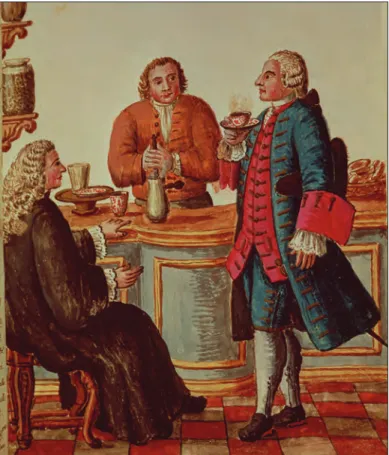
Industrial Revolution
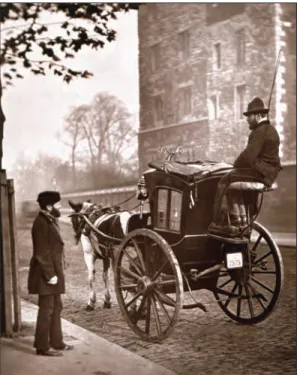
This cottage industry put money in the hands of farm workers and eventually led to the beginning of the Industrial Revolution. The problem has become so intolerable that cities such as Paris have started running horse-and-buggy transit buses to help workers move out of overcrowded areas.
He also believed that there should be different sizes of hats to distinguish between the cooks and the cooks.
After World War II, in the 1940s and 1950s, the quick service restaurant segment of the industry grew rapidly. 1977) Ruth Fertel opens a second Ruth's Chris Steak House, starting one of the first national fine dining restaurant chains.
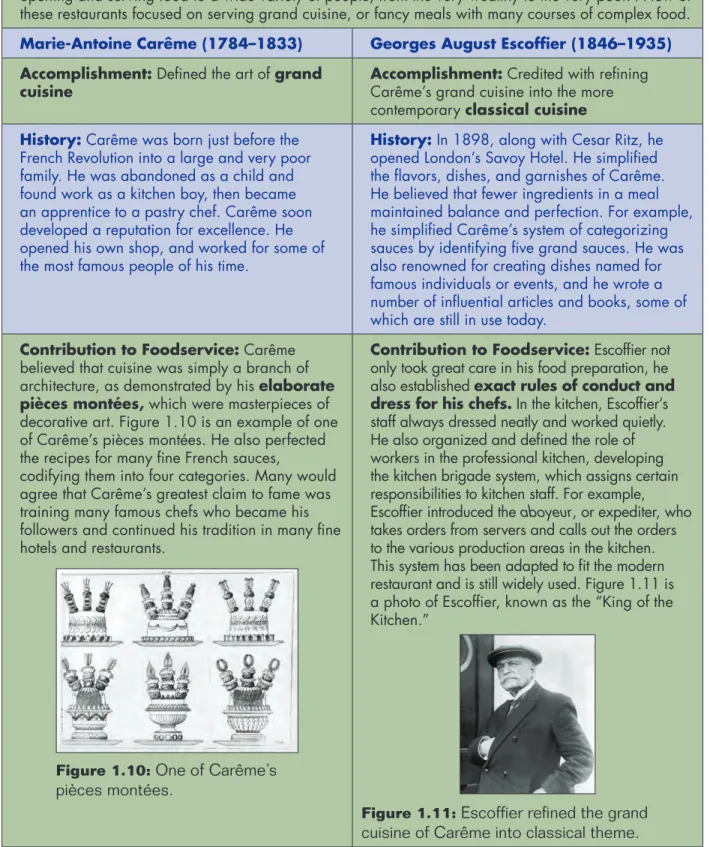
Review Questions
Why do you think you might be interested in a career in the hospitality industry rather than staying in the wider tourism industry? 9 How the development of the railroad system in the United States led to the growth of the restaurant industry.
Activities
- Study Skills/Group activity: the Banquet
- activity: time Line
- critical thinking: advancement in Foodservice
It's never too early to start thinking about a career in the restaurant and food service industry. This is just an overview of the many types of opportunities and businesses that make up the restaurant and food service industry.
Restaurants
Foodservice Ratings
The Zagat Survey is a consumer-based guide that rates restaurants on four qualities: food, decor, service and cost. Two star restaurants are described as 'excellent'. Three star restaurants are the epitome of 'exceptional cuisine'. The highest rating is difficult to achieve.
Ratings are based on input from many people, which is why they're called polls. In recent years, the Internet has become a powerful tool for consumer evaluation of both restaurants and accommodations.
Retail
Stadiums
The National Restaurant Association Show is one of the largest conventions in the world for any profession. These people will eat in the city's restaurants, shop in its stores, and use its hotels for lodging.
Depending on the size of the event, a convention, exhibition or fair can have a major impact on the local economy of the host city.
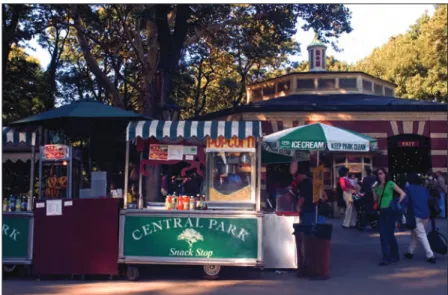
Today, however, many theme parks around the world offer a variety of food service options for the hungry guest. Of those surveyed, 28 percent prefer funnel cake, 17 percent prefer ice cream, 14 percent prefer pizza, 13 percent prefer hot dogs, and 12 percent prefer cotton candy.
Shopping
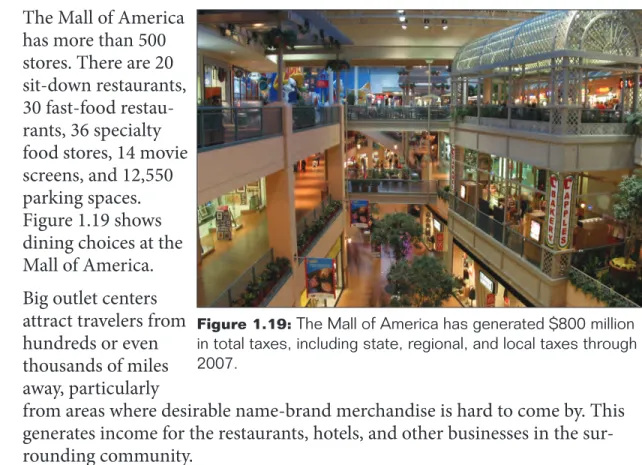
The largest fully enclosed retail and family entertainment complex in the United States is the Mall of America in Bloomington, Minnesota. Some have coffee shops while others have cafeterias or even full-service restaurants in the building.
Monuments, Museums, and Zoos
Health Services
Schools and universities
Military
Lodging
Foodservice careers
The kitchens become part of the dining experience, meaning back-of-the-house staff are more directly involved with the customers. In such environments, the back-of-the-house employees benefit from some customer service training.
Review Questions
8 Think of an experience you had as a customer in the hospitality industry that was particularly positive or negative.
Activities
- Study Skills/Group activity: Foodservice and tourism
- activity: Foodservice Opportunities in your community
- critical thinking: How to Begin Job Hunting
OVeRVIeW OF tHe LOdGInG InduStRy
Some leisure travelers also want family services such as babysitting services, children's menus, highchairs and playgrounds. Spa services, fine dining opportunities and social activities such as nightclubs and casinos are usually attractive to travelers without children.

Recognizing and meeting their needs is essential to the success of many properties. Business travelers want efficient and consistent service, fast, affordable food and opportunities to socialize over a drink or meal.
Recreational tourism
- Functional accommodations that comply with minimum standards; meet basic needs of comfort, privacy, cleanliness, and safety
- Excellent properties offering a high level of service and a wide variety of amenities and upscale facilities
- Exceptional establishments providing the highest level of luxury and service
- Good, better than average 2. Very good
- Excellent
- Outstanding—worth a special trip 5. One of the best in the country
- Check-in 2. Reservations
- Review Questions
- Activities
- Study Skills/Group activity: Going Green at School
- activity: aaa Ratings
- critical thinking: comparing Facilities
The Mobil Travel Guides rate a facility by looking at the quality of the building and furnishings inside, maintenance, housekeeping and overall service. Luxury properties are premier full-service operations that offer comfort and elegance at a premium price.

6 Which type of accommodation is most likely to rely on business travelers and typically experience low occupancy rates on weekends. 7 As part of the full-service segment, which properties cater to wealthy travelers and business executives.
Keeping Food Safe
Chapter 2
Delivery includes boxes of canned vegetables, fresh lettuce, fresh tomatoes, sour cream, frozen shrimp and fresh chicken. Brian is in the middle of preparing raw chicken and carrots for a stew when the delivery arrives.
Melisa Bouchard
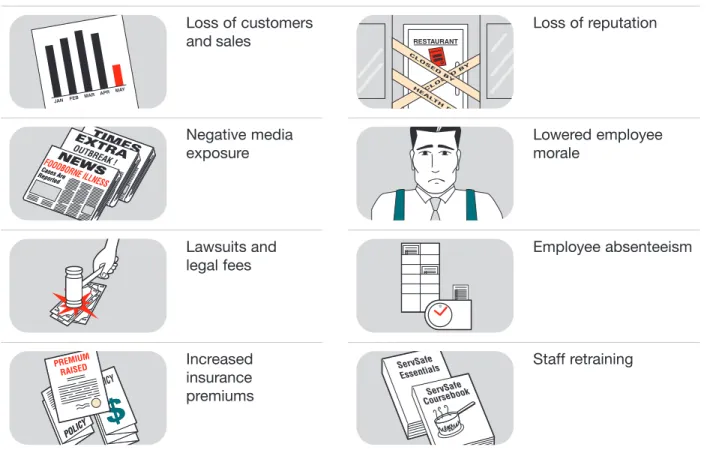
If you can master the food safety content throughout this book, then you are well on your way to preparing for a ServSafe certification. The Department of Agriculture's Economic Research Services has developed a Foodborne Illness Cost Calculator as a way to estimate the annual cost of foodborne illness.
High-risk Populations for Foodborne illnesses
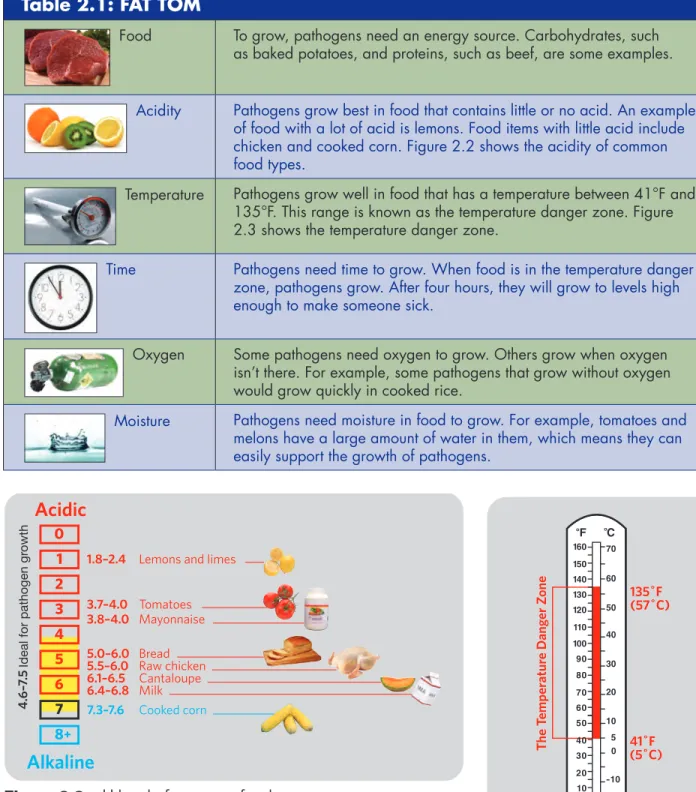
Any type of food can become contaminated, but some types actually encourage the growth of pathogens. Ready-to-eat food is exactly what it sounds like: food that can be eaten without further preparation, washing or cooking.
Viruses
To control temperature, food handlers must keep TCS food outside the temperature danger zone. Like TCS food, ready-to-eat food also needs careful handling to prevent contamination.
Bacteria
Restaurant and food service employees must limit the amount of time TCS food actually spends in the temperature danger zone. Some examples of ready-to-eat foods include washed fruits and vegetables, both whole and sliced, deli meats, baked goods, sugar, spices, condiments, and cooked foods.
Parasites
Fungi
Sometimes mold is used deliberately to affect the taste or characteristics of a product, especially in some cheeses, such as Brie, Camembert and Gorgonzola. This means that if food falls on the floor and is picked up within five seconds, it will not be contaminated with bacteria.
Biological toxins
S. Regulation of Food Safety
The Food and Drug Administration (FDA) writes the FDA Food Code, which recommends specific food safety rules for the restaurant and food service industry. Some health inspectors investigate wells and septic systems to prevent threats to the public water supply.
Review Questions
Activities
- Study Skills/Group activity: How to work Safely
- activity: How to Handle an outbreak
- critical thinking: Keeping Food Safe
Remove jewelry from hands and arms before preparing food or when working near cooking areas. Wet hands and arms with running water as hot as you can comfortably stand (at least 100°F).

Hand Maintenance
Review Questions
7 What personal habits do you have that can cause problems when handling food? What could you do to remind yourself not to do these things while handling food and food contact equipment?
Activities
- Study Skills/Group activity: what’s your Style?
- activity: Hygiene Policy
- critical thinking: what Should i do?
PreVentinG HazardS in tHe Flow oF Food
This can happen at almost any point along the way that food takes in an operation. When food handlers know how and when cross-contamination can occur in the flow of food, they can prevent it.
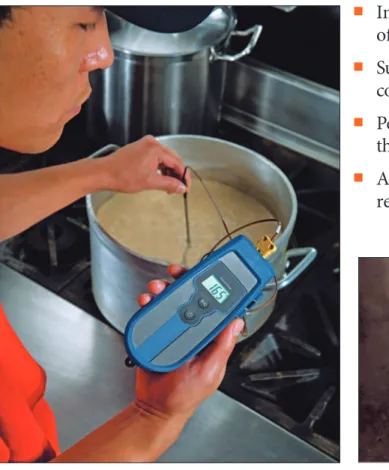
This means they don't have to be inserted as far into the food as bimetallic stem thermometers to get an accurate reading, making them good for checking the temperature of both thick and thin foods. All food used in a restaurant or catering establishment must come from approved, reputable suppliers.
Packaging
Product Quality
Shellfish
Keeping Food Safe Live shellfish must be received with shellstock
Employees must write on the labels the date of sale or service of the last shellfish from the container. Operators must keep these tags on file for 90 days from the date written on them.
These labels must remain attached to the shipping container until all shells have been used.
Milk and dairy Products
Identify the use-by or expiration date of the food item, which is usually somewhere on the package, as shown in Figure 2.27. Store items with earliest use-by or expiration dates before items with later dates.
Preventing cross- contamination
135°F Commercially processed, ready-to-eat food that will be kept warm for serving (cheese sticks, deep-fried vegetables). 135°F Fruits, vegetables, grains (rice, pasta, etc.) and legumes (such as beans, refried beans) that will be kept warm for service.
Holding
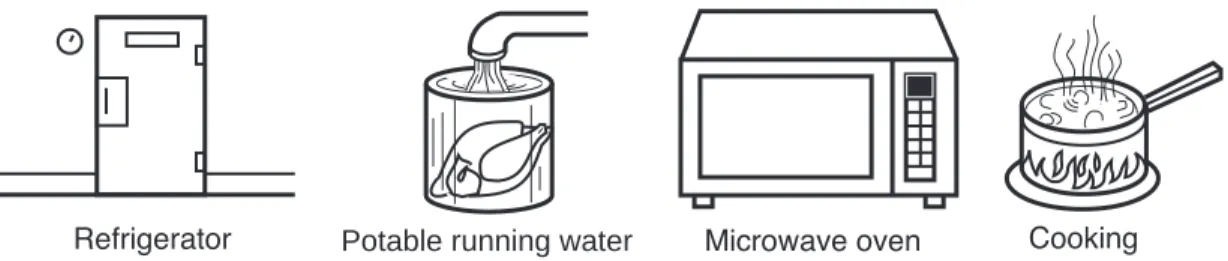
Reduce the size of food into smaller portions by either cutting large food items into smaller pieces or dividing large containers of food into smaller containers or shallow containers. Ice scoops are plastic scoops that can be filled with ice or water and then frozen.
Most of the time, the food is taken away while it is in the temperature danger zone where bacteria that cause foodborne illnesses grow well. They can contaminate food by handling the food contact areas of glasses, utensils and plates.
Review Questions
5 What factors are most important to Melisa Bouchard as she works to improve safety in the food stream. 8 Where in the food stream do you think cross-contamination is most likely to occur?
Activities
- Study Skills/Group activity: Safeguarding the Flow of Food
- activity: the Flow of Protein
- critical thinking: Storing Food
The next step in preventing foodborne illness is the development of a food safety management system. A Hazard Analysis Critical Control Point, or HACCP (HASS-ip), system is an example of a food safety management system.
HaccP Principles
- conduct a Hazard analysis
- determine critical control Points (ccPs)
- establish critical limits
- establish Monitoring Procedures
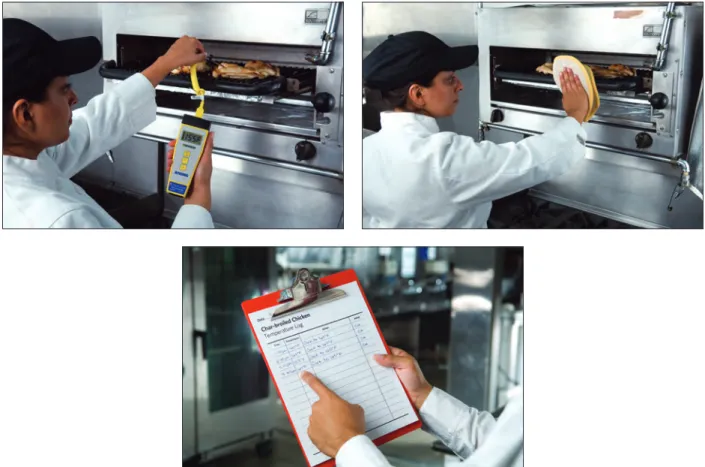
Management decides that the critical limit will be cooking the chicken to an internal temperature of at least 165°F for 15 seconds. Team members determine that the critical limit can be reached by cooking the chicken breasts in the broiler for 16 minutes.
16 minutes
- identify corrective actions
- Verify that the System works
- establish Procedures for record Keeping and documentation
- Review Questions
- Activities
- Study Skills/Group activity: develop a HaccP Plan
- activity: HaccP in your community
- critical thinking: Making a Food Safety Management System work
- cleaninG and SanitizinG
So the team decides to check the critical limit by inserting a clean and disinfected thermocouple probe into the thickest part of each chicken breast. If the chicken breast has not reached its critical limit within 16 minutes of cooking time, Enrico's grill cooker must continue to cook the chicken breast until it has reached it for the required 15 seconds.
Both methods have specific requirements that must be met for the sanitization to be effective.
Heat Sanitizing
Concentrations that are too high can be unsafe and leave an odor or bad taste on objects.
Review Questions
Activities
- Study Skills/Group activity: Master cleaning Schedule
- activity: no Pests allowed!
- critical thinking: How clean is it?
At the beginning of the chapter, Uptown Grille had a very busy day with Linda and Chef Jean gone for most of the day and one of their food handlers feeling sick. Based on the events at Uptown Grille today, how can Linda ensure that the restaurant avoids food contamination in the future.
Public record
3 The temperature of a roast is checked to see if it has reached the critical limit of 145°F for 4 minutes. Where should raw poultry be placed in a cool box with raw and ready-to-eat foods.
Workplace Safety
After completing the audit, Linda meets with Chef Jean and the inspector to review the findings. A detergent's lid is unsealed and the detergent is stored on an upper shelf.
Flory Doyle
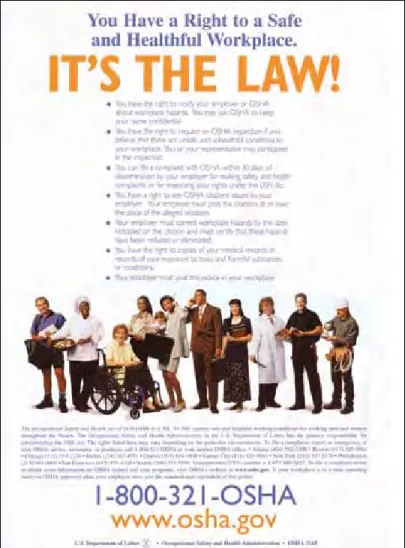
The Occupational Safety and Health Administration (OSHA) is the federal agency that creates and enforces safety-related standards and regulations in the workplace. A Safety and Occupational Health Specialist (SOH) for the Occupational Safety and Health Administration conducts safety inspections at workplaces such as restaurants or factories.
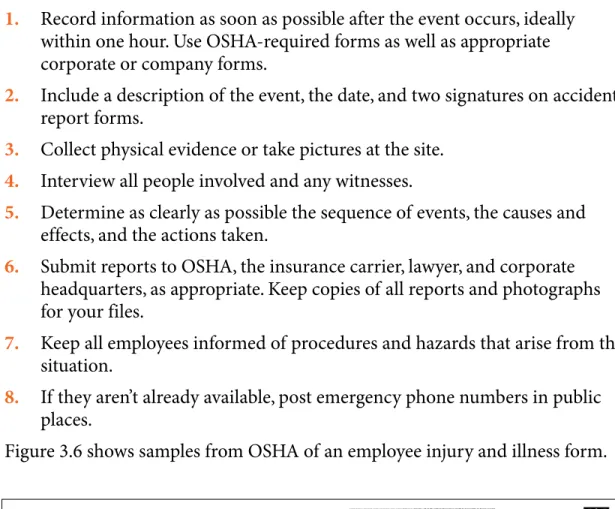
- Include a description of the event, the date, and two signatures on accident report forms
- Collect physical evidence or take pictures at the site
- Interview all people involved and any witnesses
- Determine as clearly as possible the sequence of events, the causes and effects, and the actions taken
- Keep all employees informed of procedures and hazards that arise from the situation
- If they aren’t already available, post emergency phone numbers in public places
The purpose of an emergency plan is to protect workers, guests and property in the event of an emergency or disaster. For an emergency plan to work, all employees must understand it before an emergency occurs.
Review Questions
3 What is the best way for managers to get employees to meet safety standards. 7 When an injury occurs on the job, what information must a restaurant or food service industry report to OSHA.
Activities
- Study Skills/Group activity: classroom audit
- activity: classroom emergency plan
- critical thinking: employee Safety and risk training
- Remove the fire’s fuel supply
- Deny it oxygen
- Cool the fire’s fuel below its combustion point
- Disrupt the flame’s chain reaction by using a dry chemical extinguisher
The three classes of fires and the types of fire extinguishers to be used on them. Only B/C fire extinguishers containing the dry chemicals sodium bicarbonate or potassium bicarbonate may be used on fryer fires.
Fire Detection Devices
Should you Fight a Fire?
- Call the fire department
- Begin evacuating staff and guests
- Make sure that all persons have safely escaped
- When the fire department arrives, inform a firefighter if anyone is missing;
A major trend in the food service industry has been the increase in state and local laws prohibiting smoking in workplaces, including restaurants and bars. Traffic patterns are an especially important consideration in preventing burns in the kitchen and service areas.