AN ASSESSMENT OF ENVIRONMENTAL IMPACT ASSESSMENT (EIA) PROCEDURES AND CHALLENGES FACED BY ENVIRONMENTAL
OFFICERS IN EIA IMPLEMENTATION IN RWANDA
By
Faustin Munyazikwiye Reg. no: 209511095
Submitted in Partial Fulfilment of the Requirements for the Degree of Masters of Environmental Management
School of Environmental Sciences Faculty of Science and Agriculture
University of KwaZulu-Natal, Westville Campus
Supervisor: Professor Urmilla Bob
2011
ii DECLARATION
The research herein was undertaken in the School of Environmental Sciences, University of KwaZulu-Natal under the supervision of Professor Urmilla Bob.
The study reflects the original endeavour of the candidate. Where the resources of others have been used, they have been duly acknowledged in the text. This dissertation has not been submitted in any form for a degree to any other University.
……… ………..
Faustin Munyazikwiye Prof. Urmilla Bob
………. ………
Date Date
iii ACKNOWLEDGEMENTS
No undertaking of a project as intense as this study is possible without the contribution of many people. It is not possible to single out all those who offered support and encouragement during what at times seemed to be a ‘never ending journey’. However, there are individuals without whom this project would not have been completed, and to them go my special thanks and acknowledgement of their contributions.
Firstly, I express my profound gratitude to my supervisor Professor Urmilla Bob for her guidance, encouragement and intellectual support tirelessly given to me during this study.
Your mentoring has helped me to realise that in life one becomes successful through perseverance, resilience and dedication.
My appreciations and acknowledgements also go to:
• The Government of Rwanda for providing financial support toward the completion of this study;
• The management of Rwanda Environmental Management Authority (REMA), especially the Director General Dr Rose Mukankomeje for her guidance and encouragement;
• All EIA officers and consultants for their willingness to share their experiences. I hope that your invaluable contribution for the completion of this study will help to improve EIA processes in Rwanda;
• Dr Dennis Rugege for helping me to get admission into the University of KwaZulu-Natal, and for his guidance and encouragement;
• My fellow colleagues at the University of KwaZulu-Natal, particularly Geoffrey Siulemba, Abena Aquam, Lipalessa, J. Baptiste Kayiranga and Robert R.
Mugabe, for being there for me when I needed you; and
• My family and friends at home, especially the Gaspard Mukwiye family and Chantal Uwamahoro, for their always worthy moral contribution and encouragement.
iv DEDICATION
• To the Almighty God for your infinite love, your help when I was helpless.
• To my beloved parents, brothers and sisters who were killed during the 1994 Tutsi Genocide for your affection, sacrifice, education and love you gave me to make my life better and worthy.
v ABSTRACT
Environmental Impact Assessment (EIA) is one of the most used tools for environmental management since its introduction in 1970s in the United States of America. Being a systematic process that examines the environmental consequences of development actions in advance, it is perceived as one of the tools which can help different nations to achieve sustainable development because of its capabilities to provide necessary information for decision-makers in order to balance economical, social and ecological paradigms of sustainable development in development projects. This research aims to assess the practice of the EIA processes in Rwanda and specifically seeks to identify the major challenges faced by environmental officers in this process. Given the nature of this research, policy review and desktop research methods have been used to study the current EIA procedures in Rwanda while a quantitative survey method was used to collect data and assess the practices of EIA process as well as the challenges faced by environmental officers in Rwanda. All environmental officers (8) who were dealing with EIA in Rwanda before the transfer of the EIA department to the Rwanda Development Board (RDB) and all consultant companies which have been approved and which have at least done an EIA study in Rwanda (19) were targeted and received questionnaires via emails. All the environmental officers and 12 (63%) of the consultants responded to the questionnaire.
The data was captured in the Software Package for Social Sciences (SPSS) template after being coded and has been analysed thematically. The policy review reveals that the current procedures are being developed given that the EIA process started in 2005. Like many developing countries, implementation remains a key challenge. Institutional arrangements remain to be finalised. In terms of the survey findings, even if EIA officers are more experienced than EIA consultants both have some skill gaps including using Geographical Information System (GIS) and remote sensing, understanding project management and customer care skills. Additionally, they receive very little training and capacity-building opportunities, although they desire these. The main challenges identified related to insufficient baseline data, funding, shortage of staff, lack of adequate resources, instilling environmental awareness among developers (developers perceive EIA as a barrier) and Strategic Environmental Assessment (SEA) which is not conducted.
vi TABLE OF CONTENT
DECLARATION ... ii
ACKNOWLEDGEMENTS ... iii
DEDICATION ... iv
ABSTRACT ... v
TABLE OF CONTENT ... vi
LIST OF ACRONYMS ... ix
LIST OF TABLES ... xii
LIST OF FIGURES ... xiv
CHAPTER ONE: GENERAL INTRODUCTION ... 1
1.1 Introduction ... 1
1.2 Motivation for the study... 3
1.3 Aim ... 5
1.4 Objectives ... 5
1.5 Brief summary of methodological approach ... 5
1.6 Chapter sequence ... 6
1.7 Conclusion ... 6
CHAPTER TWO: LITERATURE REVIEW ... 7
2.1 Introduction ... 7
2.2 Environmental Impact Assessment ... 8
2.2.1 Definition of EIA ... 8
2.2.2 Historical background of EIA ... 8
2.2.3 Objectives of EIA ... 9
2.2.4 Steps in EIA process ... 11
2.2.5 EIA and Sustainable development ... 18
2.2.6 EIA in developed countries ... 21
2.2.7 EIA in developing countries ... 25
2.2.8 EIA in Rwanda ... 30
2.3 Strategic Environmental Assessment ... 40
2.4 Conclusion ... 43
vii
CHAPTER THREE: STUDY AREA AND METHODOLOGY ... 44
3.1 Introduction ... 44
3.2 Background to the study area ... 44
3.3 Data collection strategy... 49
3.4 Research design and methods ... 50
3.4.1 Construction of the instrument (questionnaire) ... 51
3.4.2 Recruitment of study participants (sampling) ... 52
3.4.3 Administration of the questionnaire... 53
3.5 Analysis of the data ... 55
3.6 Limitations of the study ... 56
3.7 Conclusion ... 57
CHAPTER FOUR: DATA ANALYSIS ... 58
4.1 Introduction ... 58
4.2 Respondents’ background ... 58
4.2.1 Institution and job title of respondents ... 58
4.2.2 Job responsibilities of respondents ... 61
4.3 Respondents’ profile and skill level ... 63
4.3.1 The level of education of EIA practitioners in Rwanda. ... 63
4.3.2 The relationship between domain of studies of EIA practitioners and their current job ... 65
4.3.3 Professional training attended by respondents ... 66
4.3.4. The skills gap of EIA practitioners in Rwanda ... 70
4.3.5 The experience of EIA practitioners in Rwanda ... 73
4.4 Effectiveness of EIA process in Rwanda ... 74
4.4.1 The relationship between developers and their consultants ... 74
4.4.2 The reasons for doing EIA in Rwanda ... 76
4.4.3 EIA procedures and implementation in Rwanda ... 77
4.4.4 The stage of the project where EIA is carried out ... 80
4.4.5 The types of projects subjected to EIA in Rwanda ... 81
4.4.6 Strategic Environmental Assessment in Rwanda ... 82
4.4.7 Public participation in the EIA process in Rwanda ... 84
viii
4.4.8 The stakeholders in the EIA process in Rwanda ... 88
4.4.9 The impact of different policies on EIA processes in Rwanda ... 90
4.4.10 Responsibilities of the Rwandan government in the EIA process ... 95
4.5 Challenges facing environmental officers in Rwanda ... 98
4.6 Conclusion ... 103
CHAPTER FIVE: CONCLUSION AND RECOMMENDATIONS ... 104
5.1 Introduction ... 104
5.2 The key findings in relation to the objectives of the study ... 104
5.2.1 The profile and skill levels of Environmental Officers in Rwanda ... 104
5.2.2 The level of experience among Environmental Officers in Rwanda ... 105
5.2.3 Current EIA procedure and implementation in Rwanda ... 105
5.2.4 The challenges faced by environmental officers in implementing EIA processes in Rwanda ... 108
5.3 Recommendations ... 108
5.4 Conclusion ... 111
REFERENCES ... 113
APPENDICES ... 124
ix LIST OF ACRONYMS
ADB Asian Development Bank BSc Bachelor of Science
CAPI Computer Assisted Personnel Interview CATI Computer Assisted Telephone Interview CBA Cost Benefit Analysis
CBOs Community Based Organisations
CEA Cumulative Effects Assessment
CEAA Canadian Environmental Assessment Agency
DEIACE Department of Environment Impact Assessment, Compliance and Enforcement
DETR Department of Environment, Transport and Regions DNR Department of Natural Resources
DoE Department of Environment
EA Environmental Audit
EAc Environmental Accounting ECA Economic commission for Africa EF Ecological Footprints
EIA Environmental Impact Assessment EIS Environmental Impact Statement EM Environmental Monitoring EMP Environmental Management Plan EMS Environmental Management System
En Energy Analysis
EP Environmental policy
EPI Environment Performance Index
EU European Union
GDP Gross Domestic Product
GIS Geographical Information System GoR Government of Rwanda
x
IA Impact Assessment
IAIA International Association for Impact Assessment ICT Information and communication Technology IEA Institute of Environmental Assessment
INEAC Institut National pour l’Etude Agronomique au Congo
IOA Input-Output Analysis
ISAR Institut des Sciences Agronomiques du Rwanda LCA Life Cycle Assessment
LCC Life Cycle Costing
MDGs Millennium Development Goals MEC Member of Executive Council MFA Material Flow Accounting
MINELA Ministry of Environment and Land MINETO Ministry of Environment and Tourism
MINIRENA Ministry of Natural resources, Environment and Mines MoEF Ministry of Environment and Forest
MSc Masters of sciences
NGOs Non Government Organisation
NEMA National Environmental Management Agency NEPA National Environmental Policy Act
PgD Postgraduate diploma
PhD Philosophiae Doctor (Doctor of Philosophy)
RA Risk Assessment
RDB Rwanda Development Board
REMA Rwanda Environment Management Authority
SA Sustainability Analysis
SAIEA Southern African Institute for Environmental Assessment
ScA Scenario Analysis
SEA Strategic Environmental Assessment
SEEA Systems of Economic and Environmental Accounting SEPA State Environmental Protection Agency
xi SoE State of Environment
SPSS Software Package for the Social Sciences SWOT Strength, Weakness, Opportunity and Threat ToR Terms of Reference
UK United Kingdom
UNEP United Nations Environment Programme USA United State of America
USAID United States Agency for International Development
WB World Bank
xii LIST OF TABLES
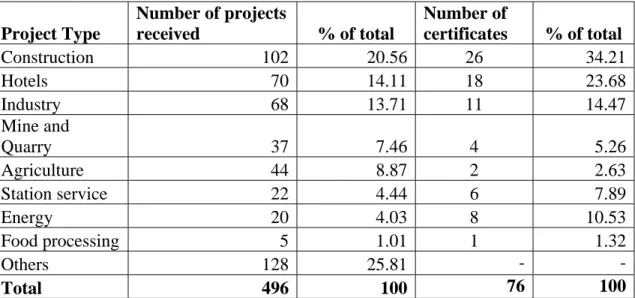
Table 2.1 Projects received during the period of May 2005-July 2008 34
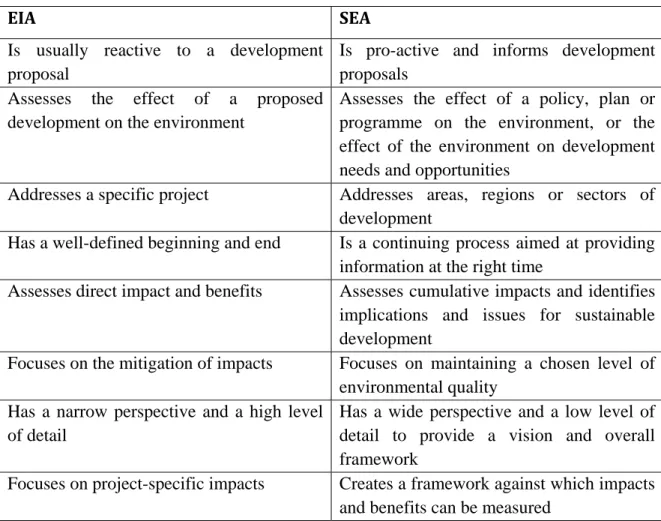
Table 2.2 Comparison of EIA and SEA 41
Table 3.1 Progress against Rwanda vision 2020 targets and Millennium development goals
49
Table 4.1 Institution of respondents 58
Table 4.2 Job title of respondents 60
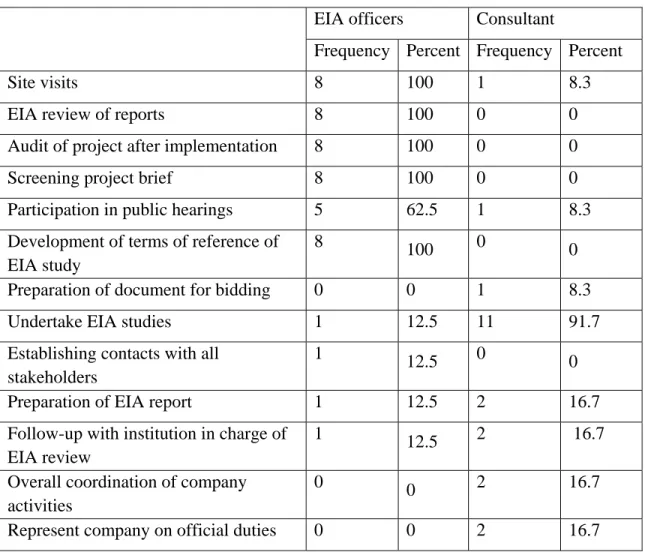
Table 4.3 Responsibilities of respondents 61
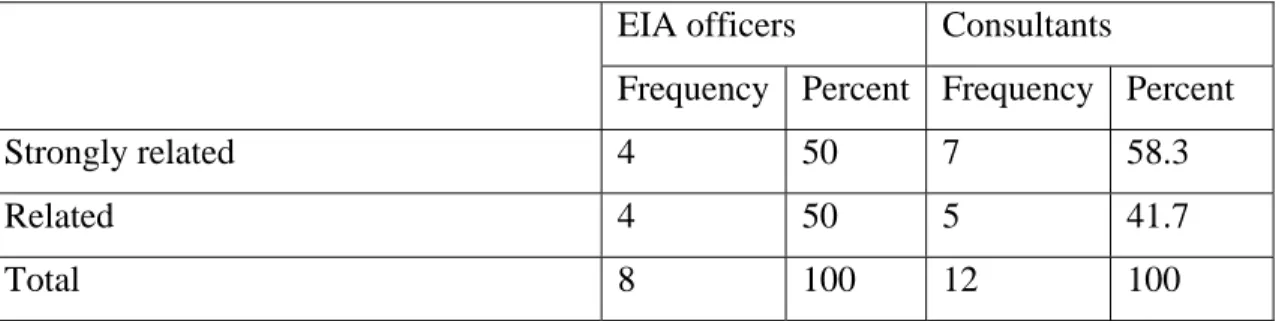
Table 4.4 Respondent's perception of relationship between domain of their studies and current job
65 Table 4.5 Number of professional training attended by respondents 66 Table 4.6 Type of training attended by respondents 67 Table 4.7 Respondent's perception of relationship between training attended
and EIA
69 Table 4.8 Level of effectiveness with specific statements related to skills 70 Table 4.9 Relationship between developers and their consultants 74 Table 4.10 Why respondents feel that developers undertake EIAs 76 Table 4.11 Level of agreement with specific statements related to EIA
procedures
77 Table 4.12 Respondent's perception of the stage of the project where EIA is
carried out
80 Table 4.13 Respondent's perception if SEA is conducted 82 Table 4.14 Importance of undertaking SEA, if is conducted 82 Table 4.15 Reasons of not conducting SEA, if is not conducted 83 Table 4.16 Respondents' perception if public is involved in EIA processes 84 Table 4.17 Respondent's perception about the stages of EIA in which public are
involved
85 Table 4.18 Ways in which the public are encouraged to participate in EIA 86 Table 4.19 Level of effectiveness of participation of affected and interested
people in EIA process
87
xiii
Table 4.20 Respondent's perception of the Stakeholders engaged in EIA processes
88 Table 4.21 Level of agreement with specific statements related to stakeholders
in EIA process
89 Table 4.22 Respondent's perception of the Policies which impact on EIA
processes in Rwanda
90 Table 4.23 Respondent's perception if they are familiar with legal framework
and policies including recent changes
91 Table 4.24 Respondent's perception of the Policy challenges or gaps regarding
EIA
92 Table 4.25 Respondents' perception of the responsibilities of the government in
relation to EIA
95 Table 4.26 Level of agreement with specific statements related to challenges of
environmental officers
98
xiv LIST OF FIGURES
Figure 2.1 Generic EIA process 11
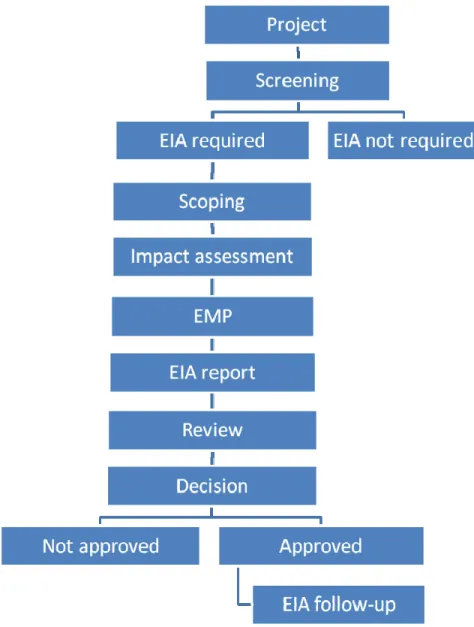
Figure 2.2 EIA process chart in Rwanda 36
Figure 2.3 The link between EIA and sustainable development 38
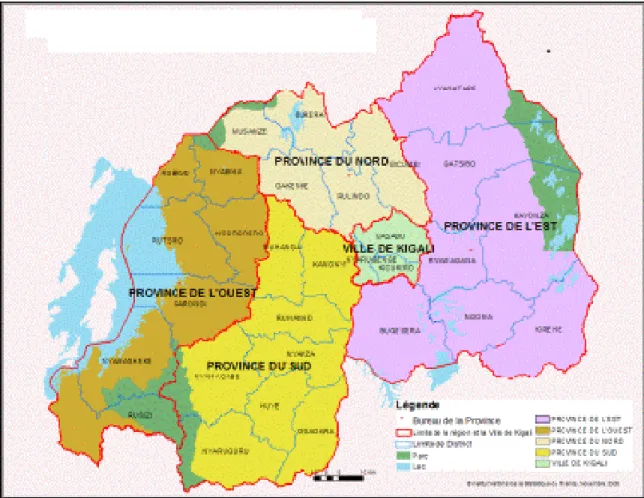
Figure 3.1 Administrative map of Rwanda 45
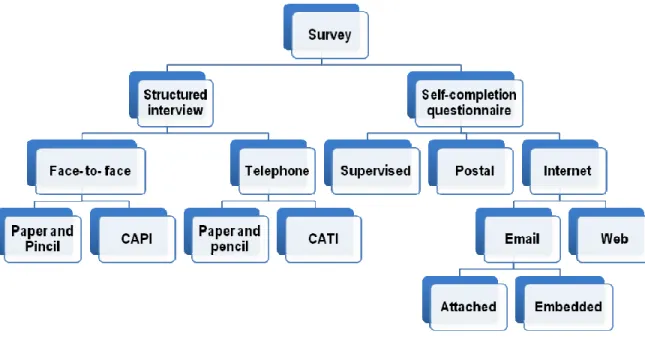
Figure 3.2 Main modes of administration of a survey 54
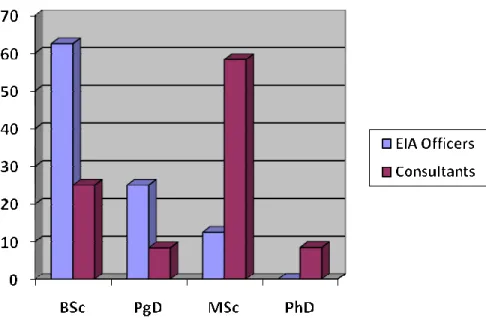
Figure 4.1 Level of education of respondents 63
Figure 4.2 Level of experience of respondents 73
Figure 4.3 Type of project in which respondent is involved in with EIA 81
CHAPTER ONE: GENERAL INTRODUCTION
1.1 Introduction
This chapter is an overall introductory chapter for the study. It consists of the introduction and motivation for the study. It encompasses the fundamental aspects of the study, namely, the aim, objectives and methods employed for the execution of the study.
This introductory chapter further provides an outline of the sequence of all the chapters that make up the study.
According to Wood (2003a), Environmental Impact Assessment (EIA) is defined as a means of evaluating the likely consequences of a proposed action which will significantly affect the environment, before that action is taken. Furthermore, Glasson et al. (1999) illustrate that EIA is a systematic process that examines the environmental consequences of development actions, in advance. In a similar manner, Rwanda Environment Management Authority (REMA, 2006) also defines EIA as a systematic, reproducible and multilevel process of identification, prediction and analysis of significant environmental impacts (positive or negative) of a proposed project or activity and its practical alternatives on the physical, biological, cultural and socio-economic characteristics of a particular geographic area in order to provide information necessary for enhancing decision-making. Given these definitions, it can be deduced that EIAs assist in determining whether a proposed project is environmentally viable as well as the level of its impact and their mitigation measures in order to facilitate decision-making on its authorisation and certification. Noble (2006) reveals also that the primary purpose of EIA is to facilitate the consideration of the environment in planning and decision-making in order to make it possible to arrive at decisions and subsequent actions that are more environmentally sustainable. However, EIA should not be seen merely as a mechanism for preventing development that might generate potentially negative environmental impacts (Noble, 2006). In addition, Thomas and Elliot (2005) assert that a typical EIA process is aimed at the identification of possible risks to the environment that may result from a proposed action so this information is then used to decide whether to proceed with
2
the action and under what conditions. Historically, EIA and its establishment in different countries have been in operation since the enactment of National Environmental Policy Act (NEPA) in United State of America (USA). Thereafter, EIA systems have been established in various forms throughout the world, beginning with more developed countries, for example, EIAs commenced in Canada in 1973, Australia in 1974, West Germany in 1975, France in 1976 and later also in less developed countries (Glasson et al, 1999). The same authors state further that these EIA systems vary greatly, some are in the form of mandatory regulations, Acts, or statutes; and are generally enforced by the authorities by requiring preparation of an adequate Environmental Impact Statement (EIS) before permission is given to proceed.
The Government of Rwanda (GoR, 2007) reveals that environmental challenges in Rwanda date back several decades but the main threat to the environment is the rapid increase in population which is placing increased pressure on the physical environment.
Furthermore, the poor depend directly on resources and natural services for their livelihoods so in Rwanda, like other developing countries, there is a massive exploitation of natural resources which has a direct impact on the quality of the environment (GoR, 2003a). Today, to effectively manage environmental challenges such as soil erosion, deforestation, wetland drainage, water degradation, climate change and the loss of biodiversity; the GoR established the REMA, under Organic Law No.04/2005 of 08/04/2005 Article 64, to coordinate and oversee all aspects of environmental management for sustainable development (REMA, 2006). In the general guidelines and procedures for Environmental Impact Assessment of Rwanda, it is stipulated that one of REMA’s principal functions is to oversee the conduct of EIAs and take a decision on proposed development projects to be undertaken by both public and private sectors (REMA, 2006). Recently, the Rwanda Development Board (RDB) was established by Organic Law No.53/2008, published on 02/09/2008 as a specialised organ in charge of fast tracking development activities and to facilitate government and private sector in delivering services on development, promoting local and foreign direct investments in Rwanda, and facilitating and helping investors meet environmental standards in the execution of their projects. In line with the establishment of RDB, one of REMA’s units,
3
namely, the Department of Environment Impact Assessment, Compliance and Enforcement (DEIACE) was detached to merge with all government agencies responsible for the entire investor experience under one roof into the RDB. This includes key agencies responsible for business registration, investment promotion, environmental clearances, privatisation and specialist agencies which support the priority sectors of ICT and tourism as well as human capacity development in the private sector. Therefore, an agreement of working arrangement which is aimed to facilitate collaboration between the parties with regard to the efficient and effective implementation of transferred responsibilities from REMA to RDB has been signed.
The EIA processes in Rwanda have the same hindrances as other developing countries.
Many developers see it as another costly and time-consuming constraint on development but EIA can be of great benefit to them, since it can provide a framework for considering location and design issues and environmental issues in parallel (Glasson et al., 1999;
Morgan, 2002). Furthermore, the benefits of EIA are various and some of them are discussed in chapter two.
1.2 Motivation for the study
This research study focuses on the EIA processes in Rwanda and specifically on the challenges faced by environmental officers. According to Morris and Therivel (2001), EIAs involve individual assessments of aspects of the environment (population, landscape, heritage, air, climate, soil, water, fauna, flora) likely to be significantly affected by a proposed project.
The major problem in the field of environmental protection in Rwanda is the imbalance between the population and the natural resources (land, water, flora and fauna and non- renewable resources) which have been degrading for decades. This degradation is observed through massive deforestation, the depletion of biodiversity, erosion and landslides, pollution of water ways and the degradation of fragile ecosystems, such as swamps and wetlands (GoR, 2000). Rwanda’s first comprehensive state of the
4
environment report which provides a baseline environmental data and indicators also shows that the aftermaths of the 1994 Tutsi Genocide played a key role in environmental degradation in the country (REMA, 2009). Organic Law Number 04/2005 of 08/04/2005 determining the modalities of protection, conservation and promotion of environment in Rwanda, in its article 67 stipulates that every project must be subjected to an EIA, before authorisation for implementation can be granted. This also applies to programmes and policies that may affect the environment (GoR, 2005).
Different authors have asserted that EIA processes have their strengths and weaknesses but they differ from one country to another and challenges are observed by EIA practitioners (both officers and consultants). Sandham et al. (2005) in their research on aspects of environmental impact assessment practices in Limpopo province (South Africa) revealed that the most critical is the understaffing in the EIA office in Limpopo province and the consequent inability to conduct sufficiently strict and thorough reviews.
Moreover, the shortages in EIA personnel could in turn be due to the lack of properly trained EIA practitioners in Limpopo province. According to Opoku (2001), the key problems with aspects of the EIA process in Ghana are lack of organised baseline data and local EIA experts. In Ghana, assessment and prediction of the magnitude were based on generalisations with little or no relation to the reality or project environment and lack of public input is also one of the constraints of EIA processes (Opoku, 2001). Mokhehle and Diab (2001) stressed that one of the major hindrances to the use of EIAs as an effective environmental management tool is the lack of political priority accorded to the environment. The main challenge was the high turnover of staff within the department with the consequence that a high proportion of current staff is newer, younger and less experienced in EIA processes (Morrison-Saunders and Bailey, 2009).
Given the challenges of the EIA process, this study focuses on assessing the EIA process in Rwanda and challenges faced by environmental officers in order to provide recommendations on best practices of EIA to achieve sustainable development. Rwanda as a developing country needs to have a strong EIA system in order to respond to the massive degradation of the environment due to rapid development.
5 1.3 Aim
The primary aim of this study is to assess the EIA process in Rwanda and identify the major challenges faced by environmental officers in implementing EIA processes.
1.4 Objectives
To meet the aim of this study, this research has a number of objectives that are outlined below.
• To critically assess current EIA procedures and its practice in Rwanda.
• To examine the profile and skills levels of environmental officers in Rwanda.
• To ascertain current experiences among environmental officers in Rwanda.
• To identify the challenges faced by environmental officers in implementing EIA processes in Rwanda.
• To forward recommendations based on the research findings to improve EIA processes and address challenges faced by environmental officers.
The key research questions that were asked in this study are:
• What are the hindrances of implementation of EIA processes in Rwanda?
• How are people involved in each step of the EIA processes in Rwanda?
• Who are the main stakeholders and their responsibilities in relation to the EIA processes in Rwanda?
• What are the qualifications and experiences of environmental officers in Rwanda?
• What are the skill gaps of environmental officers linked to the EIA processes in Rwanda?
• What are the main challenges environmental officers face in the implementation of the EIA processes in Rwanda?
1.5 Brief summary of methodological approach
Policy review and desktop research methods were used to study the current EIA procedures in Rwanda while quantitative research methods were used to collect data and assess the practices of EIA processes as well as the challenges faced by environmental officers in Rwanda. Quantitative data was mainly obtained through a questionnaire
6
survey and the primary data was supplemented with the secondary data relating to the focus of this study.
The data collected from the questionnaires was captured into the Software Package for the Social Sciences (SPSS) after being coded. The SPSS system facilitated the researcher to generate graphs and tables that helped the researcher to analyse the data thematically in relation to the key questions mentioned above.
1.6 Chapter sequence
The second Chapter encompasses a literature review of the main issues that relate to the topic of this study. Chapter three summarises the background of the study area and presents the research methodologies. The description of data and discussion of the results obtained from the application of methods described in chapter three are covered in chapter four. The final chapter of this report presents the summary of the key findings based on the objectives of this study, the recommendations and general conclusions are also submitted in the final chapter.
1.7 Conclusion
This chapter has introduced and motivated the purpose of this research. The main aim, objectives and research questions of the study have been sufficiently presented.
Furthermore, the fundamental aspects of this study have been discussed in this chapter. In conclusion, this study assumes that EIA officers have different challenges in implementing EIA processes in Rwanda. Thus, this study also hopes to contribute possible solutions that can be adopted to resolve some of the issues identified.
7
CHAPTER TWO: LITERATURE REVIEW
2.1 Introduction
Tools of environmental management are different methods, procedures, mechanisms and means which are used to conserve, promote and protect the environment and some of them are used to predict and prevent negative impacts on the environment. There are many different environmental tools. Finnveden and Moberg (2005) point out a number of common tools of environmental management which include the following:
Environmental Management System (EMS), Environmental Management Plan (EMP), Environmental Impact Assessment (EIA), Strategic Environmental Assessment (SEA), Material Flow Accounting (MFA), Systems of Economic and Environmental Accounting (SEEA), Environmental Audit (EA), Life Cycle Assessment (LCA), Life Cycle Costing (LCC), Input-Output Analysis (IOA), Cost benefit Analysis (CBA), Energy Analysis (En), Ecological Footprints (EF), Risk Assessment (RA), Environmental Accounting (EA), Cumulative Effects Assessment (CEA), State of Environment (SoE), Environmental Policy (EP), Scenario Analysis (ScA), Sustainability Analysis (SA) and Environmental Monitoring (EM). Noble (2006) reveals that according to World Bank, Environmental Impact Assessment (EIA) is the most widely practiced environmental management tool in the world.
This chapter will explain in detail the definition of EIA, the background of EIA, and the objectives and the steps of EIA procedures. It will illustrate also the state and challenges of EIA in developed and developing countries, especially in Africa. However, emphasis will be placed more on EIA procedures in Rwanda. Environmental protection is the cornerstone for achieving sustainable development so different tools of environmental management should be applied in order to balance economic, social and environmental issues. In this regard, therefore, this chapter will also discuss how Environmental Impact Assessment can help to achieve sustainable development. Lastly, Strategic Environmental Assessment (SEA) as a tool which has been introduced to supplement EIA to address economic, environmental and social issues sustainably will be discussed.
8 2.2 Environmental Impact Assessment
2.2.1 Definition of EIA
According to Noble (2006), there is no single universally accepted definition of EIA and it is often defined as a tool, a methodology and a regulatory requirement but most importantly it is a process. Aucamp (2009) defines EIA as a process of examining the potential effects on the environment of a proposed development. Therefore, EIA has been defined by many different authors but many definitions embody the assessment of impacts at a conceptual planning stage to be able to influence decisions in a timely manner (Economic Commission for Africa - ECA, 2005). The International Association for Impact Assessment (IAIA) and UK Institute of Environmental Assessment (IEA) define EIA as a process of identifying, predicting, evaluating and mitigating the biophysical, social, and other relevant effects of development proposals prior to major decisions being taken and commitments made (Noble, 2006). In the similar manner, Modak and Biswas (1999) assert that EIA is a multi-faceted decision-making process which is structured to anticipate, analyse, and disclose the consequences associated with proposed activities with respect to established public policies for protecting and enhancing the natural and anthropogenic environment.
2.2.2 Historical background of EIA
United Nations Environment Programme (UNEP, 2004) and Benson (2003) reveal that EIA has been in existence since 1970 when it was introduced into the United States of America and has spread rapidly since then to all parts of the world. Benson (2003) reveals also that since the enactment of National Environmental Policy Act (NEPA), many state EIA systems were established in the United States of America (USA).
Furthermore, the same author asserts that the approval of a European directive on EIA in 1985 stimulated the enactment of EIA legislation in many European countries in the late 1980s. In a similar vein, Morgan (2002) asserts that the formation of new countries after the break-up of the Soviet Union in 1991 led to the enactment of EIA legislation in many of these countries in the early to mid-1990s.
9
The 1990s also saw a large growth in the number of EIA regulations and guidelines established in Africa and South America which resulted in more than 100 countries adopting EIA systems by 1996 (Mokhehle and Diab, 2001; Benson, 2003). Therefore, EIA spread faster in the most of the countries because it was required by funding bodies like the World Bank, United States Agency for International Development (USAID) and others as a part of a funding approval process. Consequently, some international development and funding agencies have set up EIA guidelines, including the European Bank for reconstruction and development in 1992, Overseas Development Administration in 1996, and the UNEP in 1992 and 1995 (Glasson et al., 2005). The scope of EIA has been increasing with time and it has also been shown by Glasson et al. (2005) that the social dimension of the environment has been another matter of concern in the EIA processes, after a long campaigning by black and ethnic groups, particularly about inequalities in the distribution of hazardous waste landfills and incinerators in the USA.
Mokhehle and Diab (2001) assert that the diffusion of EIA into developing countries has been slow by contrast and the growth has occurred largely since the late 1980s and particularly as a result of the Rio Earth Summit in 1992. In Africa, by 1997 more than 40% of the countries had mandatory EIA procedures for development activities (Mokhehle and Diab, 2001). Similarly, the Southern African Institute for Environmental Assessment (SAIEA) reveals that by 1996, more than 100 countries worldwide had EIA systems but these varied greatly in terms of procedures and practices because some were in the form of regulations, others had EIA guidelines, and yet others had systems that were more ad hoc (Weaver, 2003; Benson, 2003). However, EIA is still relatively new in some countries, but virtually all countries have it as a legal or administrative requirement (UNEP, 2004).
2.2.3 Objectives of EIA
Environmental impact assessment is a process with several important purposes and objectives. Most of the different authors emphasise two crucial issues, notably enhancing decision-making and ensuring sustainable development.
10
Aucamp (2009) asserts that the overall aim of EIA is to prevent substantial detrimental effects to the environment. In a similar manner, Glasson et al. (2005) vividly indicated three main purposes of EIA including being an aid to decision-making, aid to the formulation of development actions and being an instrument for sustainable development.
Furthermore, REMA (2006) reveals that there are immediate and long-term aims of EIA.
The immediate aim is to inform the process of decision-making by identifying potentially significant environmental effects and risks of development proposals whereas the long- term aim is to promote sustainable development by ensuring that development projects do not undermine critical resources and ecological functions on the well-being, lifestyle and livelihood of communities and people who depend on them (REMA, 2006).
Thomas and Elliot (2005) and ECA (2005) reveal four objectives of EIA which are the following: to ensure that environmental considerations are explicitly addressed and incorporated into the development decision-making process; to anticipate and avoid, minimise or offset the adverse significant biophysical, social and other relevant effects of development proposals; to protect the productivity of natural systems and the ecological processes which maintain their functions; and to promote development that is sustainable and optimise resource use and management opportunities. In addition, UNEP (2004) suggests that EIA should be integrated into the project life-cycle to ensure that environmental information is provided at the appropriate decision points and the correct time which means that it should be applied as a tool to implement environmental management, rather than as a report to gain project approvals. At this point, EIAs should be applied to all proposed actions that are likely to have a significant adverse effect on the environment and human health. In a social context, particular attention should be given to vulnerable groups, such as indigenous peoples and local communities who depend upon the resource base for their sustenance or lifestyle (UNEP, 2004). Given the aim and benefit of EIA, it is clear that EIA is a process rather than a one-time activity. Lastly, Modak and Biswas (1999) reveal that the aim of EIA is to balance the environmental interests in the larger scheme of development issues and concerns and the primary objective of EIA is to ensure that the potential problems are foreseen and addressed at an early stage in the project’s planning.
11 2.2.4 Steps in EIA process
Aucamp (2009) confirms that EIA is not a single action. Therefore, EIA is a process which has different steps. Even if each country can have its own peculiarity in its EIA process, the typical EIA steps are presented below in figure 2.1.
Figure 2.1: A generic EIA process (Aucamp, 2009: 87)
The above diagram also shows the steps where public and other stakeholders are involved. These steps are discussed in greater detail below.
12
2.2.4.1 Screening Strictly, screening is not a part of the EIA process as it is the process used to determine
whether an EIA is needed after submission of project brief to the competent authority.
Aucamp (2009) defines screening as the process that determines the need for and the scale of an EIA. In general there are two main approaches to screening including the use of thresholds which involves placing projects in categories and setting thresholds for each project type. Glasson et al. (2005) argue that the approach may relate, for example, to the projects characteristics, anticipated project impacts and project location. However, Aucamp (2009) states that screening is usually a desktop study. However, if there is insufficient information to make the decision, some form of assessment needs to be done in order to gather more information (Aucamp, 2009). According to the RDB (2009), common methods for screening include: project threshold, sensitive area criteria, positive and negative list, and preliminary assessment. Furthermore, Glasson et al. (2005) stress that a case by case approach involves the appraisal of the characteristics of the projects, as they are submitted for screening, against a checklist of guidelines and criteria. Some of the advantages of using thresholds are that it is simple to use, quick and has more certainty while using case by case allows common sense and good judgment, flexibility and can improve easily (Glasson et al., 2005).
2.2.4.2 Scoping
According to Aucamp (2009), scoping is the first critical step in the preparation of an EIA and it is defined as the identification of a number of priority issues, from a broad range of potential problems, to be addressed by an EIA. Scoping should begin with identification of all stakeholders (individuals, communities, civil society, local authorities and statutory consultees) likely to be affected by the project and bring them together with the developer to discuss and suggest the important issues to consider during the EIA study and eliminates those that are of little or no concern (REMA, 2006; Glasson et al., 2005) .
However, Glasson et al. (2005) reveal that some countries have a formal scoping stage, in which the developer agrees with the competent authority, sometimes after public
13
consultation, on the subjects the EIA will cover. The scoping report forms the basis for the terms of reference for the impact assessment or analysis phase (Weaver, 2003). In addition, the terms of reference (ToR) outlines the conditions and expected output of an environmental impact study. When the ToR has been approved by the authority, they are sent to the developer as authorisation to commence the EIA study (REMA, 2006).
2.2.4.3 Impact Prediction, Evaluation and Mitigation
According to Glasson et al. (2005), the object of prediction is to identify the magnitude and other dimensions of other identified change in the environment with project or action, in comparison with the situation without that project or action. In the similar manner, the same authors portray that the prediction should also identify direct and indirect impacts, the geographical extent of impacts, whether the impacts are beneficial or adverse, and the duration of the impact. Nevertheless, cumulative impacts which are considered individually minor but in combination, often over time, major are difficult to predict and are often poorly covered or are missing altogether from EIA studies (Aucamp, 2009).
Therefore, Morris and Therivel (2001) stress that maps are essential in prediction and GIS can be a valuable tool not only as a sophisticated mapping tool that can relate different variables by spatially referencing data sets or layers but also as a form of modeling to represent or simulate the behaviour of the environment.
Once impacts have been predicted, there is a need to assess their relative significance.
Therefore, Glasson et al. (2005) assert that criteria for impact significance should include the magnitude and likelihood of the impact and its spatial and temporal extent, the likely degree of the affected environment, the level of public concern, and political repercussions. In general, the most formal evaluation method of impact is the comparison of likely impacts against legal requirements and standards (Glasson et al., 2005).
Mitigation entails the identification of ways in which negative impacts can be avoided or minimised to limit costs, and ways in which positive impacts can be enhanced to ensure maximum benefit (Aucamp, 2009; Weaver, 2003). In the similar vein, Aucamp (2009) asserts that potential alternatives must be analysed to find the most effective way of
14
executing the proposal, either through enhancing the environmental benefits of the proposed activity or through reducing and avoiding potentially significant negative impacts.
2.2.4.4 Participation, Presentation and Review
Different authors assert that public participation is a cornerstone of the EIA process (Glasson et al., 2005; Wood and Hartley, 2005). Therefore, appropriate provision should be made for affected and interested parties to comment on a proposal and its impacts (UNEP, 2004). According to Glasson et al. (2005), public participation in EIA aims to establish a dialogue between the public and decision-makers and to ensure that decision- makers assimilate the public’s views into their decisions. Furthermore, UNEP (2004) asserts that a requirement to make information available to the concerned public and seek their views and comments helps to ensure that EIA procedures are implemented in an open, transparent and accountable manner. During public hearings, affected and interested people contribute to raise and show the significance of economic, social and ecological problems which will be caused by the development action as well as their mitigation measures (REMA, 2006). The UNEP lists five interrelated components of effective participation, notably: identification of the groups or individuals interested in or affected by proposed project; provision of accurate, understandable, pertinent and timely information; dialogue between those responsible for the decisions and those affected by them; assimilation of what the public say in the decision; and feedback about actions taken and how the public influenced the decision (Glasson et al. 2005). Public participation occurs at different stages of EIA with various purposes. Therefore, Wood (2003b) asserts that local people can assist not only by helping to determine significance but also by providing baseline environmental data. However, effective public participation in the EIA processes has different limitations and constraints in the different countries, notably, limited democracy, cultural traditions, low levels of education and literacy, and gender inequality (UNEP, 2004).
According to Aucamp (2009), a single EIA report that contains the integrated findings of the scoping process, the impact assessment and mitigation studies can be produced to
15
enable the authorities to make a decision on the project. After impact assessment and mitigation measures, the compilation and integration of different specialist’s reports of EIA makes an Environmental Impact Statement (EIS). Therefore, an EIS should be comprehensive and should explain why some impacts are not dealt with (Glasson et al., 2005). Most of EIS are organised in four chapters including a non-technical summary, a discussion of relevant methods and issues, a description of the project, and a discussion of the likely impacts (ECA, 2005). Nevertheless, the size and organisation of EIS should be provided by EIA regulations of each country in order to harmonise this process of reporting. Furthermore, REMA (2006) reveals that the non-technical summary is very important for the public and decision-makers because it briefly covers all relevant impacts in the popular version which is easy to understand and contains a list or a table which allows them to identify their role and contribution in the EIA process. In addition, the use of maps, graphs, photo-montages, diagrams and other forms of visual communication can greatly help EIS presentation (Glasson et al., 2005). Finally, the developer then submits the EIA report including the Environmental Management Plan (EMP) which is an action plan or management strategy for the implementation of mitigation measures identified in an EIA, and the addendum (if applicable) to the Authority (REMA, 2006).
The extent of formal provision for EIS review, within EIA regulations, varies considerably between countries and, sometimes, between different categories of projects.
Therefore, the authority charged with the task of reviewing and approving EIS must officially review the EIA report and decide whether or not to authorise the application (Aucamp, 2009). Glasson et al. (2005) reveal that there are five categories of individuals or institutions who should review the EIS, notably, developers and their consultants who should review their own EIS report before submitting it to the authority; competent authorities depending on their responsibilities and power; official EIS review bodies like independent commissions and panels; statutory and non-statutory consultee organisations like environmental organisations with advisory status and environmental interest organisations like national and local nature conservation; and other organisations, both official and non-official. However, ECA (2005) shows that the EIS review system varies
16
from one country to another but different review systems have their own advantages and disadvantages, for example, a single agency review system is not effective in taking into account the views and concerns of other stakeholders while a very broad-based review system can cause delays in decision-making processes.
2.2.4.5 Decision-making and Appealing Process
The step of decision-making is very important since it determines the future of the project. Therefore, the decision is made within a specified period after reviewing the submitted EIS with the application for authorisation (Glasson et al, 2005). The competent authority is required to consider all necessary environmental information and consult all statutory consultees and the public in order to come up with a pertinent decision on a project (Momtaz, 2002). On the other hand, UNEP (2004) asserts that the conflicts of interest between consultee parties can impede the decision-making process and make the developer stuck in the middle because it is not easy to satisfy all parties at the same time.
Aucamp (2009) argues that the manner in which EIS is presented and the suggestion of alternatives as well as the public pressure can highly contribute to influence the decision- making process. Therefore, the competent authority can grant permission for the project with or without conditions or refuse permission. Furthermore, ECA (2005) shows that the no development option is very difficult to consider in the development context but the emphasis of the assessment is on finding viable alternatives that would facilitate a successful outcome rather than no development outcome.
The process of appeal varies also from one country to another but the essence of it is that if the development is refused, the developer can appeal against the decision. However, Glasson et al. (2005) assert that if the development is permitted people or organisations can challenge the permission and appeal against that decision. For example, DEAT (2006) reveals that in South Africa, the appeal process begins with the appellant lodging a notice of intention to appeal within 10 days after being notified of the decision. The appeal must be lodged with either the Minister or the Member of Executive Council (MEC) of province, depending on who made the decision. However, the notice of intention to appeal does not have to contain all detailed reasons for appealing (DEAT,
17
2006). On the other hand, some countries do not provide the appealing process in their EIA procedures. In China, Wang et al. (2003) confirm that there is no appeal against the decision, if the conclusion is negative about either the EIA process followed or the quality of the EIS, the proponent is invited to resubmit an improved impact assessment.
Furthermore, the current EIA legislation in Cameroon also provides no room for an appeal against the decision of the minister in charge of the environment (Alemagi et al., 2007).
2.2.4.6 Monitoring and Auditing
After authorisation of the project, monitoring and auditing processes follows during project implementation. The main purpose of monitoring is to provide adequate information on the changes of variables in time and space and in particular on the occurrence and magnitude of impacts through a systematic and continuous measurement and recording of physical, social and economic variables with development impacts (Glasson et al, 2005). According to Wood (2003a), environmental impact monitoring is an essential part of the EIA process, which forms part of its management component.
Thus, the implementation of monitoring and auditing is the only mechanism available to establish further checks on the later stages of the project cycle (Ahammed and Nixon, 2006). Furthermore, monitoring is a good tool in project management because it facilitates the identification the anticipated impacts which help to rectify or address that change before being uncontrollable (Dipper et al., 2000).
According to Dipper et al. (2000), EIA auditing refers to the examination of the performance of various aspects of the EIA system whilst the term post-auditing refers to the investigation of the accuracy of predictions made in the EIS. Environmental impact auditing involves the comparing of the impacts predicted in an EIS with those that actually occur after implementation, in order to assess whether the impact prediction performs adequately, in other words it is the investigations of accuracy of prediction made in the EIS (Ahammed and Nixon, 2006; Dipper et al., 2000). Furthermore, the same authors show that the overall benefit of post-auditing is that in the long run it may, in theory, convert EIA from being a pre-decision paperwork exercise which aims simply
18
to obtain a development permit into a more accurate and useful tool to make EIA credible. On the other hand, the implementation of EIA auditing has different hindrances not only because it is regarded as a threat to and a criticism of the decision-making process but also given the limited resources in many competent authority organisations (Dipper et al., 1998).
Ahammed and Nixon (2006) reveal that monitoring and auditing in EIA are defined in many ways and are referred to as follow-up actions and post-development audit. In addition, the same authors further reveal that it is widely accepted that monitoring and auditing in the EIA process is essential to verify the performance of the mitigation activities, compliance with regulatory standards, and the accuracy of impact predictions.
However, different authors show that it is also widely believed that monitoring and auditing are the weakest areas in the EIA process globally (Ahammed and Nixon, 2006;
Dipper et al., 2000).
2.2.5 EIA and sustainable development
According to the World Commission on Environment and Development (1987), sustainable development is defined as development that meets the needs of the present without compromising the ability of future generations to meet their needs and aspirations. From this definition, the notion of sustainable development was introduced into the global environmental debate in the 1980s as an expression of the interdependence between economic development, natural environment and people (Weaver, 2003).
Devnyst (2000) reveals that there are two possible ways to introduce sustainability principles in impact assessment including introduction of sustainability principles in the existing EIA and SEA legislation and guidelines, and developing of a separate system for sustainability assessment. This author further asserts that either option can be the most favourable solution, depending on the specific situation of the country or region. Figure 2.3 below summarises how EIA can help to achieve sustainable development.
19
Figure 2.3: The link between EIA and sustainable development (Zeremariam, 2003:
12)
The above figure shows that EIA can be used to assess economic, social and environmental effects of the proposed project in order to inform decision-making process which can convey to the sustainable development. To assess if the project is economically feasible, the above figure shows that EIA can assess if a proposed project leads to economic growth without compromising the present natural and built environment. Further, to assess if the project is socially feasible, EIA facilitates the affected and interested people to participate in the planning stage of a proposed project to
ENVIRONMENT (Natural and built,
resource conservation) DEVELOPMENT
(projects and economic growth)
EIA
¾ Prediction of possible impacts
¾ Mitigation measures and alternatives
¾ Public involvement
Decision-Making (Power dynamics and governance)
SOCIAL (Equity and participation)
Sustainable development
20
assess the intended and unintended social consequences in order to bring about more sustainable and equitable biophysical and human environment (Vanclay, 2003). In addition, to assess if the project is environmentally feasible, EIA provides mitigation measures of significant impacts on the natural and built environment in order to protect, promote and conserve the resources. Therefore, the above tri-feasibility must be assessed in order to provide the necessary information for decision-making. In other words, the goal of EIA as an environmental management tool is to promote sustainable development (Modac and Biswas, 1999; Aucamp, 2009).
However, development and environment are two paradigms and one can conflict with the other. To address this challenge for sustainable development, UNEP (2004) reveals that EIA can be used because it includes prediction and evaluation of social, economic and environmental impacts.
The first and foremost characteristics of EIA which helps to achieve sustainable development is its capability of incorporating the concerns of affected and interested people, as Glasson et al. (2005) reveal that public participation in EIA aims to establish a dialogue between the public and decision-makers and to ensure that decision-makers assimilate the public’s views into their decisions. In the similar manner, REMA (2006) asserts that during public hearings, affected and interested people contribute to raise and show the significance of economic, social and ecological problems which will be caused by the development action as well as their mitigation measures. The second reason that makes EIA a tool for sustainable development is its role as an aid for decision-making.
EIA does not, in itself, obtain sustainable development but it can guide decision-makers in the right direction from the outset by including the costs of environmental protection measures and offering creative alternatives to harmonise the different requirements (Espinoza and Richards, 2002). On the other hand, Wilkins (2003) reveals that decision- making processes in EIA is constrained and misled by subjectivity, data gaps, simplified assumptions and politicised impact evaluation which aim to justify the project in order to secure funds rather than addressing critical issues. To illustrate the politicised evaluation in EIA, Wilkins (2003) asserts that during the EIA study of Kiambere George
21
Hydroelectric dam, the government of Kenya estimated three thousand people to be resettled while the World Bank estimated at least ten thousand people to be resettled.
The third reason that makes EIA a tool which helps a community to achieve sustainable development is its capability to enhance good governance. Since Kakonge (1998) asserts that EIA enhances transparency, information sharing, responsibility, accountability and public participation to help in environmental conflict resolution.
2.2.6 EIA in developed countries
The notion of developing and developed countries is based on the levels and standards of democratic governments, industrialisation, social programmes, and human rights respect in different countries. EIA started early in different developed countries. According to different authors, after its introduction in USA in 1970s, the EIA directive was also introduced in the member of states of European Union (EU) in June 1985 to be implemented by July 1988 (Baker and Wood, 1999; Glasson et al., 2005). Furthermore, the 1985 EU directive was specifically stipulating the information that must be provided by the developer in the form of an environmental impact statement and preventing all competent authorities within the member countries from making a decision until consultation and public participation have taken place, then later on in 2001, the EU created Directive 2001/42/EC on strategic impact assessment which was implemented in 2004 although it had not been transposed yet into local law in some member states (Ramos et al., 2008; Baker and Wood, 1999).
In different developed countries, EIA was introduced either as a planning tool or as an environmental management tool (Glasson and Salvador, 2000). Ahammed and Nixon (2006) state that in South Australia, EIA was formally introduced under the provisions of the Planning Act 1982 which was repealed and replaced by the Development Act 1993.
In addition, EIA regulations and their implementation differ from one developed country to another because of various reasons. In USA, Espinoza and Richards (2002) reveal that a project is submitted to NEPA only if it needs the approval of a Federal Agency and if its action is important then the decision has to be made on a case by case basis.
22
Therefore, this made most agencies of different states in the USA to make their own list of actions with no potential impact called categorical exclusions. In Spain, criteria for performing the assessment are linked with the direct and indirect effects on the population, fauna, flora, soil, air, water, climatic factors, noise, vibrations, odours, luminous emissions, landscape, and material goods including historical, artistic and archaeological heritage (Espinoza and Richards, 2002). According to Fitzpatrick and Sinclair (2009), Canada also provides an interesting EIA system where EIA is one process of environmental decision-making with multi-jurisdictional implications, as the federal and provincial governments all have legislated EIA requirements. Thus, each jurisdiction has EIA roles and responsibilities and as a consequence, each is bound to make a decision on a project that is in their authority. However, three approaches to inter- jurisdictional coordination have been considered in Canada, including standardisation, harmonisation and substitution (Fitzpatrick and Sinclair, 2009). To illustrate the harmonised approach of EIA in Canada, Fitzpatrick and Sinclair (2009) assert that Wuskwatim projects (construction of a low dam head and three 230 KV transmission line segments) in Monitoba province triggered reviews by both the federal and provincial governments and became the first large-scale harmonised EIA completed under the terms of the Canada-Monitoba on agreement on environmental cooperation.
Furthermore, Holm-Hansen (1997) asserts that the difference between Nordic countries’
(Denmark, Sweden and Norway) and Baltic countries’ (Estonia, Latvia and Lithuania) EIA systems is observed in different perspectives which include the following: most of the staff of Baltic EIA system are engineers and natural scientists; the system is closed and responsibilities are concentrated in the EIA offices of the ministry and regional environmental departments while the Nordic EIA system is staffed by experts on natural, legal, economic, and social sciences as well as technicians. Furthermore, open system and EIA tasks are dispersed in various ministries by developers, Non Government Organisations (NGOs) and sectoral and local authorities. Therefore, the above characteristics impact on EIA practice in one way or another. For instance, the problem of EIA which is staffed by natural scientists only is that EIA focuses on effects instead of impacts and focuses on ecology rather than the environment (Holm-Hansen, 1997).
23
Similarly, the same author asserts that the introduction of EIA in European countries is different because of their different background, for example, in Norway the main task was to avoid overlap by unifying and streamlining already existing practices while the Estonia’s problem involves the creation of the administrative and political structures to uphold the EIA provisions (Holm-Hansen, 1997).
However, different authors show that even if EIA in developed countries is better, it still has many challenges and weaknesses. Espinoza and Richards (2002) portray that the weaknesses that arises in the application of the NEPA in the USA are associated with the lack of an accepted set of methods and criteria to ensure the objectivity of EIAs, the fact that environmental impact studies and statements are so extensive and time-consuming, the inadequacy of the response to how cumulative impacts should be assessed and lastly, the absence of control of mitigation measures during the construction and operation phases of the projects. In the similar vein, an evaluation of EIA system performance in eight EU countries shows that the main challenges of EIA are limited details of scoping methods and coverage mainly confined to direct impacts; limited explanation given both to quantitative estimation of magnitude of impacts and to assumptions and value judgments used in the evaluation of impacts; where alternatives were covered, they mainly related to site selection; mitigation measures were not always described in the reports and, where they were, details provided about their implementation and effectiveness were often limited and finally; monitoring provisions were rarely covered in the reports (Baker and Wood, 1999). Wood (2003a) evaluated the status of monitoring and auditing in seven EIA jurisdictions of the developed world including the USA, United Kingdom (UK), the Netherlands, Canada, Australia, New Zealand and South Africa, and he found none of them to fully meet his evaluation criteria. This is considered as a major weakness of EIA globally.
In addition, Wilkins (2003) reveals that for an EIA system to facilitate free and open dialogue and sustainable development in developed countries, the process must reflect local and cultural attitudes to decision-making, be sensitive to the attitudes and opinions of the people potentially affected by the project, address the needs of future generations
24
and provide a forum for social learning. However, Devnyst (2000) asserts that in many regions local authorities are not involved in EIA. A survey among local authorities in the Flemish region of Belgium show that neither EIA at project-level, nor SEA at higher levels of decision-making are frequently used in local communities (Devnyst, 2000).
Lastly, Benson (2003) reveals that consideration of cumulative effects in EIA is an important factor which contributes to more sustainability. However, he further reveals that there is little or no authoritative guidance on cumulative effects assessments in UK and EU, especially by comparison with North America (Benson, 2003).
Concerning the institutional framework of EIA, it is shown by different authors that EIA responsibilities are dispatched in a different department or in a specialised institution like NEPA in the USA (Glasson et al., 2005) and the Canadian Environmental Assessment Agency (CEAA) in Canada (Fitzpatrick and Sinclair, 2009). On the other hand, the central government, through the Department of Environment, Transport and Regions (DETR) in the UK has a key role in making regulations and providing guidance for EIA but there are some regional variations like Scotland and Northern Ireland (Glasson and Salvador, 2000). Furthermore, the same author reveals that since implementation of the European Commission directive, more than 3000 EIS have been produced in the UK but the annual output has fluctuated with the economic cycle, and the maximum is more than 350 per annum (Glasson and Salvador, 2000). In developed countries, different projects are subjected to EIA at different rates. For example, in the UK, Glasson and Salvador (2000) assert that the main classes of projects have been waste disposal (22%), roads (18%), industrial and urban (18%), extraction (14%) and energy (13%).
EIA process and practice in developed countries is different from developing countries because of the level of development which goes together with the level of qualified EIA practitioners (EIA officers and consultants) and the complexity of EIA regulations due to the international as well as regional projects encountered in developed countries.
However, Glasson and Bellanger (2003) reveal that French consultancies tend to be smaller and more numerous than in the UK. This makes consultants more dependent on developers who are becoming increasingly part of the private sector in France.
25
Furthermore, the roles of French central government in EIA are that it has most of the regulatory powers, it tends to dictate rigid rules and it has considerable influence over the decisions taken by local authorities (Glasson and Bellanger, 2003). On the other hand, Morrison-Saunders and Bailey (2009) assert that the EIA practitioners surveyed in Australia were well experienced with 24 (39%) having worked for more than 15 years as an environmental professional and only nine (15%) had worked for less than five years.
2.2.7 EIA in developing countries
EIA is now established in many countries in the developed and developing world.
However, EIA systems in developing countries vary greatly in procedures and practice.
Glasson and Salvador (2000) show that some countries have clear regulations, others have guidelines, others have more ad hoc procedures but they reveal also that those with well established procedures may not necessarily be those with the most well established practice. Definitions of EIA in developing countries also vary. ECA (2005) asserts that Ghana’s definition of EIA relies on environmental, socio-economic, cultural and health effects while Cameroon’s definition of EIA makes reference to impacts on the standard and quality of life of the population and environment in general. The same author reveals that those two mentioned ways of defining EIA are also different from Tunisia’s definition of EIA which focuses on environmental impacts only.
The level of development and industrialisation also contribute greatly to the establishment and application of EIA in developing countries. This section of EIA in developing countries also discusses EIA processes in Africa, Asia and Latin America.
2.2.7.1 EIA in South America
In Latin America, the oldest EIA system is found in Brazil. Glasson and Salvador (2000) reveal that the first EIA of a hydroelectric project in Brazil was undertaken in 1972 and also assert that the institutional framework for EIA in Brazil is wider than in most EU countries because it has three distinct levels of regulators at the federal (National), at state (regional) and municipal (local) levels. Espinoza and Richards (2002) reveal that Equador