Barriers to the Retention of Black African Students in Post Graduate Psychology
By
Quraisha Baig 993212378
Submitted in partial fulfilment of the requirements for the Degree of Master of Social Sciences (Clinical Psychology)
Supervisor: Mr M. Quayle
School of Psychology University of KwaZulu Natal
Pietermaritzburg
April 2009
Acknowledgements
I would like to thank the following people without whom this dissertation would not have been possible.
To my supervisor, Michael Quayle, I would like to express my sincere thanks for his guidance throughout this project. His unwavering patience and consistent support through my doubtful moments made this project manageable.
A special thanks to Farina Karim and Khalil Goga for sharing their time and efforts.
I would also like to thank my Mother and Father, and sisters Farzana and Saaleha. They supported and encouraged me through this process and gave of their time and wisdom unreservedly. I would like to thank my husband, Mahomed, for believing in me and comforting me when I was frustrated. Finally, I would like to thank my son, Uthmaan, for sharing me with this project and keeping me motivated.
Declaration
I, Quraisha Baig declare that
(i) The research reported in this dissertation, except where otherwise indicated, is my original work.
(ii) This dissertation/thesis has not been submitted for any degree or examination at any other university
(iii) This dissertation/thesis does not contain other persons’ data, pictures, graphs or other information, unless specifically acknowledged as being sourced from other persons.
(iv) This dissertation/thesis does not contain other persons’ writing, unless specifically acknowledged as being sourced from other researchers.
Where other written sources have been quoted, then:
(a) their words have been re-written but the general information attributed to them has been referenced;
(b) where their exact words have been used, their writing has been placed inside quotations marks, and referenced.
(v) Where I have reproduced a publication of which I am an author, co-author or editor, I have indicated in detail which part of the publication was actually written by myself alone and have fully referenced such publications
(vi) This dissertation/thesis does not contain text, graphics or tables copied and pasted from the Internet, unless specifically acknowledged, and the source being detailed in the dissertation and in the References sections.
Student Signature: ………Date:………
- Submitted in partial(for coursework) fulfilment of the requirements of the degree of Masters of Social Sciences in the School of Psychology, University of KwaZulu-Natal, Pietermaritzburg.
- As the candidate’s Supervisor I have approved this dissertation/thesis for submission
Signed:……….Date:……….
Table of Contents
Declaration ... 3
Background to the study... 6
History and Development of Higher Education... 7
LITERATURE REVIEW... 9
The History of Education within the South African Context... 9
Movement for Transformation of Higher Education in South Africa... 11
Access to Education ... 13
Policies on Education Change... 14
Theories of Decision Making... 15
Historical Development of Psychology in South Africa... 17
Psychology working together with Apartheid... 17
Apartheid links damage the reputation of Psychology ... 18
Further stigmatisation of Psychology... 20
Effects of Lack of Transformation ... 21
Effects of Society ... 21
Effects on the Profession... 21
Effects of Service Delivery ... 22
Justification for the Research ... 22
Research Problems and Hypotheses... 24
Problems with race-based research ... 25
Research Question... 26
METHODOLOGY... 28
Overview of Methodology ... 28
Research Design... 28
Research Sample ... 29
Quantitative sub-study: procedure and measures... 30
Qualitative sub-study: procedure and interview schedule ... 31
Procedure... 33
Statistical Analysis ... 35
Qualitative Analysis ... 35
Research Process ... 36
Ethical Considerations ... 36
Autonomy... 37
Non-maleficence ... 37
Beneficence ... 37
Justice... 38
RESULTS ... 39
Sample Demographics ... 39
Selecting a category for between-groups comparisons ... 41
Quantitative Data Analysis Procedure ... 42
Procedure for Analysis ... 46
Results ... 47
Qualitative Data Analysis Procedure ... 57
Analysis and Results of Semi-Structured Interviews... 57
Qualitative Analysis Procedure... 58
Qualitative Data Results... 59
Limited or no access to finances ... 59
Stigma or lack of awareness of Psychology as a profession and what it entails... 60
Insufficient information regarding post graduate education requirements ... 61
Racist attitude or racism... 62
Discussion ... 62
CONCLUSION ... 66
Remnants of Oppression ... 66
Inadequate Facilities... 66
Culture Clash... 67
Limitations of the Study... 67
Recommendations ... 69
For the School of Psychology ... 69
For Psychologists and the profession of Psychology... 70
REFERENCES... 71
APPENDIX ... 75
Appendix A ... 75
Informed Consent Form (cross-sectional survey) ... 75
Appendix B ... 76
Sample questions for Cross-Sectional Questionnaire ... 76
Appendix C ... 80
Informed Consent Form (longitudinal sample)... 80
Appendix D ... 81
Sample topics to be considered in emails ... 81
Appendix E... 83
Topics to be addressed in open-ended interviews... 83
Appendix F... 84
Instructions for Decision-Making Diaries... 84
INTRODUCTION
Background to the study
Education was used as a tool by the apartheid government to control the black majority economically, politically and socially (Lindsay, 1997). The architect of the apartheid policies was Hendrik Verwoerd, the first Prime Minister of the Republic of South Africa.
His views on education were:
"There is no place for [the Bantu] in the European community above the level of certain forms of labour ... What is the use of teaching the Bantu child mathematics when it cannot use it in practice? That is quite absurd.
Education must train people in accordance with their opportunities in life, according to the sphere in which they live." (Verwoerd, in Boddy-Evans, 2001).
These sentiments formed the basis of the nationalist party policy on education and continues to characterise the education system well after the demise of apartheid. This
“Racially skewed access to education is one of the legacies of apartheid” (Veriava, 2000, p13) and has consistently served as a barrier to education and empowerment. As South Africa emerges from the depths of the apartheid legacy educational institutions recognise the need for transformation to undo these previous injustices.
The School of Psychology at the University of KwaZulu Natal Pietermaritzburg Campus acknowledges these injustices of the past and recognises the importance of the
empowerment process and has taken an important step toward advocating change. They have shown concern at the low levels of black African students that are enrolling for post graduate education. This prompted the School of Psychology (SOP) to initiate a research study to investigate the causes of this phenomenon.
The aim of this study is an exploration into the barriers that exist which prevent the uptake of post graduate Psychology courses by black African students within the University of KwaZulu Natal (UKZN). By initiating a study of this nature, it is hoped that the information obtained can be used to create effective future interventions to encourage the uptake of post graduate Psychology courses by black African students.
History and Development of Higher Education
The progression of Higher Education has been a dynamic one that has been developing over the past few decades. The progression and growth in South Africa has been similar to other developing countries. In developing countries there has been a rapid growth of the uptake of studies at University level.
“Between 1960 and 1980 the gross enrolment ratios in the developing countries increased from 2.1. to 7.2. This ratio is determined by
dividing the total higher education enrolment by the national population normally enrolled at this level (Fredriksen 1984, p 19).….In 1950 only 2.5 percent of young people in the age-group 18-23 in this region gained access to universities whereas in 1980 the percentage had risen to 11.1.” (Tedesco 1983, p9 in Borand Shute, 1991, p1).
This statement demonstrates the historical increase in the numbers enrolling for tertiary education in other developing countries. The importance and relevance of higher education has become increasingly a priority for many people. Higher Education has developed and become the key or gate keeper to financial success and an awareness of this has begun to develop.
“ In 1960 institutions for tertiary education in Africa graduated approximately 1,200 degree and non-degree holders equivalent to one person trained at that level for each 168,000 inhabitants, the 70,600 graduates in 1983 presented a ratio of one per 5,800 inhabitants”
(World bank 1988a, p70 in Bor and Shute, 1991, p1).
The economic growth rate in Africa has also shown considerable increase. The changes over this period can be seen as working in conjunction with the many social and economic changes of the time. With the change and development within South Africa toward a more urban society and considering the historical colonisation of many countries, formalised western education as well as Higher Education has become an important and recognised option for self advancement. . Previously traditional means placed more emphasis on community and social development rather than individual success. Colonial development that was
accompanied with political and financial power also implied that survival and success became dependent upon integration into the Colonial system and a western way of living.
Integration into the educational institutions was a crucial determinant of success.
This was because the educational institutions of the time were developed and functioned according to the western model of teaching and learning (Stephen, 2007). This created a disadvantage for students that had not already been assimilated into this environment. Studies have shown that children from the higher socio-economic backgrounds are more likely to be “westernised” that is they may have attended previously white schools and have become accustomed to the method and manner of teaching and learning in those environments (Stephen, 2007). This places them at an advantage when attending institutions of learning that are modelled on the western culture of learning rather than on other traditional African methods of imparting knowledge.
LITERATURE REVIEW
The History of Education within the South African Context
“Since the introduction of Bantu Education in South Africa in 1953, there has been massive inequality in the schooling of blacks in relation to the ruling white minority.”
Herman (1995, p. 266). The formal and legislated disparities in education began in 1905 with the Schools Board Act that established government schools for Whites only. By 1948, 20 times more was spent on White education than on black African education and, by 1981, five times more expenditure was still noted in favour of White students
(Lindsay, 1997), which made up less than 20% of the population. Black Africans make up 79.6% of the population (Statistics SA, 2007).
Education was used as an effective tool to maintain oppression. As the struggle for democracy began, education was recognised as an empowering tool and its importance noted and emphasized in the struggle for freedom. At the Congress of the People held in Kliptown in 1955 a document known as the Freedom Charter was created which was later adopted as the policy document of the African National Congress (ANC). This document is acknowledged by the United Nations as a document that promoted understanding and appreciation of the struggle for democracy in South Africa (SA) (Reddy, 1985). A paragraph in the Freedom Charter acknowledges the importance of Education and states
“'The doors of learning and culture shall be open to all'” (Freedom Charter 1955). This excerpt only serves as a confirmation of the subjective experience of the black African people of South Africa, in terms of education.
The South African school system was previously focused on:
“rote learning, memorisation and theoretical knowledge. Furthermore, the old
‘Bantu’ education system was notoriously poor quality with high pupil teacher ratios, large number of unqualified or under qualified teachers, poorly
resourced schools, etc. Students coming from this Milieu into higher Education face tremendous learning problems, resulting in poor throughput rates.”
(NCHE, 1996b, p 36 in Fourie, 1999, p282).
This problem was compounded by the fact that the medium of instruction at all levels of the education system was often the learner’s second or third language.
The development of institutions was initially modelled on the colonising powers and only later came the recognition of the need for greater multiplicity more attuned to the regional demands (Bor and Shute, 1991). Similarly the development of Higher Education in South Africa followed the same path with the initial model being based on the colonial powers of the time, evident in Historically White Universities (HWU), and only more recently shifting toward a more incorporative stance that embodies diversity and holistic learning. This development of the South African education systems can be seen as running parallel to the political climate and change from the oppressive regime utilising Education as a tool to perpetuate oppression to the resistance against these systems and the need to rebel and attain empowerment.
“In South Africa the transformation of higher education is a part of the broad political and socio– economic transition to democracy characterising the country and its people” (Fourie, 1999, p276). This transformation process began with the resistance to the education systems implemented by the previous apartheid government which instituted policies such as the Bantu Education system which perpetuated segregation and provided no room for empowerment. The systems of the time provided an education system that had been designed for black Africans without their input and allowed for no flexibility. The teaching focus was to cover the syllabus without trying innovative methods. The emphasis was on exams and rote learning was advocated at the expense of critical thinking and problem solving. People recognised this as a part of the oppression evident at the time and made a commitment to change the education system of the time (Johnson, 1995).
The present South African government has placed an emphasis on making education more accessible to all South African citizens and not limiting this access to the financial elite. This newly elected democratic government has
established new policy development and frameworks for the education system and tabled its first White Paper on Education (Department of Education 1994 in Johnson, 1995). This document has been reviewed and edited to focus on inclusive education, outcomes based education and the abolishment of corporal punishment. There is now White Paper Six on Education which promotes a single, integrated system which is able to respond to the diverse needs of the learner population (Department of Education, 2005)
Government’s attempts for accessibility and transformation in education were met with many obstacles and barriers in the form of basic social needs that were previously neglected. “Basic needs including housing, water, sanitation, security, health care, nutrition and social welfare amongst others” (Johnson, 1995, p132) were not available and accessing education in these areas is a much more complex task. Additional difficulties which still need addressing include imbalances in resource and service provision in the rural versus urban areas, the race and gender divide and the fact that the previously disadvantaged remain disadvantaged. While these obstacles have undoubtedly complicated the ideal aims of the new policies they are being addressed, and attempts made to implement interventions to overcome them. The adoption of this framework and determination to succeed with the implementation of policy has been adopted not only by government departments but also by the supportive institutions. This study is in itself evidence of this, with the acknowledgement of the existence of barriers to education and post graduate education and an attempt to make these evident and implement
interventions to overcome them
Movement for Transformation of Higher Education in South Africa Bearing the historical context of South African Education in mind, the need for
transformation becomes clear. Prior to 1994 there was strong pressure for change which was aided by external groupings for example the academic boycott against South Africa (Fourie, 1999). Organisations such as the South African Students Organisation (SASO) of which Steve Biko was a founder member, started the agitation for a change in the
education system. This call was later taken up by the South African Students Congress (SASCO), the Pan African Students Organisations (PASO) as well as the National Education, Health and Allied Workers Union (NEHAWU) and Union of Democratic University Staff Associations (UDUSA) all of whom continued to agitate for change in higher education (Fourie, 1999). These pressures created the opportunity for the embracing of change within the new democratic government in South Africa. The Government of National Unity (GNU) adopted the Reconstruction and Development Programme (RDP) which was intended to be an integrated approach to meet the basic needs of the people in all areas including education, health, housing, etc and to create economic empowerment in the country (Wolpe, 1995). In an attempt to fall in line with these policies, Higher Education departments engaged in various attempts to reposition themselves within this new framework. Most Higher Education institutions made this shift toward empowerment regardless of whether they were previously linked to the apartheid regime, previously distanced themselves against this regime or entered into political conflict with the apartheid regime (Wolpe, 1995).
The need to tackle the past imbalances with regard to the system of admission to
universities was highlighted as one to be urgently addressed soon after the establishment of South Africa as a democracy. Recommendations of radical restructuring of higher education were made with the resultant establishment of the National Commission on Higher Education. The Commission was responsible for making recommendations for a well planned and integrated, high quality national system of higher education whose students and staff are increasingly representative of South African society (Johnson, 1995).This transformation has now become a force toward creating a more “open, relevant and non-discriminating higher education systems” (RSA DOE 1997, p1 in Fourie, 1999, p278). The present government has made this transformation a part of their agenda and have been crucial in establishing councils to manage this change (Fourie, 1997). Over the past 15years this has been attempted with varying degrees of success.
While there has definitely been an increase in enrolment of black African students within tertiary institutions, transformation has been more successful in undergraduate
programmes and there is a lack of continuity between undergraduate and post-graduate transformation.
Access to Education
Historical policies such as the Bantu Education system, served as tangible barriers to accessing education. When reviewing the social and educational history of South Africa, the economic divide that would result from such discrimination is clear. The perpetuation of policies that ensured oppression ensured that families of black African descent were limited in their access to education and in many instances could not afford this process.
“The end of apartheid signalled an end to a racially based education system that actively served to confine the African majority to an unskilled labor unit. This system ensured that blacks could not become scientists, engineers, architects, or have any significant technical expertise.” (Barbera Masakela in Loveland, 2007, p22)
At the end of apartheid qualified professionals were at a minimum within most Black communities and the idea of education in a western system was still considered with scepticism. In addition this had economic consequences of keeping black African people in unskilled labour roles and forcing them to be in an economically disadvantaged
position.
Although in many other countries the education system may not have been used to oppress, the consequences of economic disadvantage is evident amongst socially disadvantaged groups. The social groups who were previously oppressed or
disadvantages still find themselves in positions of trying to overcome their current social and financial circumstances. The United States of America (USA) is no exception.
In the USA, considered a highly developed democracy, it is acknowledged that in attempting to increase the number of African American students at universities many are still faced with the issue of affordability (Grier-Reed, Madyun and Buckley, 2008). In the many years of democracy in the USA, the economic progress in the African American community is limited. Universities in the USA are still faced with the low retention of
African American students and have attempted the implementation of many programmes to address this significant problem. At one particular Mid-Western University the
graduation rate is 25% higher for white students than for African American students (Grier-Reed, Madyun and Buckley, 2008). The research done at this institution highlights some of the barriers that exist which prevent access to education including lack of
knowledge about the college process, institutional racism, poor health and energy, social isolation, and family and economic problems (Arnold, 1993; D'Augelli & Hersberger, 1993 in Grier-Reed et al, 2008).
Policies on Education Change
In response to the changing education policy within the schooling context, the South African (SA) government acknowledges the presences of the potential barriers that exist at higher education levels as a result of previous education policies and have therefore set out core objectives which they would like to achieve in higher education. Barbara
Masakela states that these include:
To increase access and produce graduates with skills and competencies to meet South Africa's human resource needs;
Promote equity of access and outcomes and redress past inequalities by ensuring that student and staff profiles reflect the demographic composition of the society;
Ensure diversity in the institutional landscape through mission and programme differentiation to meet national and regional skills and knowledge needs; and
Restructure and consolidate the institutional landscape to transcend
fragmentation, inequalities, and inefficiencies caused by apartheid. (Loveland, 2007, p22)
The need for transformation that is highlighted by these statements is born out of the recognition that there were still vast discrepancies and inequalities that exist in the education system. With the aim of producing graduates to meet South Africa’s human resource needs and to be representative of the society in which we live, there needs to be an increase in enrolment of black African students at higher institutions however, the
barriers that exist to prevent this are still unclear. However, at present some of the changes that are being introduced are working toward the long term goal of greater enrolment. These changes have been introduced in the various forms such as Curriculum 2005.
Education systems in South Africa previously worked on a Western model of education which was exclusionary in acknowledging the diversity in the process of learning.
Curriculum 2005 attempts to address this by implementing a system that proposes to serve the interests of all South Africans in an equitable manner (Maharaj, 2006). This shift noted in Curriculum 2005 is the move away from the authoritarian and rote learning style toward a more interactive, engaging style that is aware of diverse needs of learners and responsive to these needs (Maharaj, 2006).
The presence of Curriculum 2005 is a positive change that will create some impact at both the primary and secondary level. However at the tertiary level this policy change is not sufficient. At a tertiary level the black African students who are eligible for post graduate education or who graduate with excellent marks are often exiting the education arena with bachelor’s degrees. For some reason, these students are not taking up available educational opportunities at postgraduate levels. In order for transformation to take place, policy change is necessary but an understanding of the process at an individual level is just as necessary. It is therefore imperative that the decision making process of black African students be explored and better understood.
Theories of Decision Making
The factors discussed earlier may not independently affect the decision making process of students when considering Psychology as a profession but perhaps it is these factors together that contribute to the poor uptake of Psychology by black African students.
The field of decision making is focused on the way in which people and organizations combine desires and beliefs in order to choose a course of action (Hastie, 2001). The
conceptual template for decision making involves 3 components: a) courses of action including choices of options and alternatives b) beliefs about objective states and events in the world including outcomes and the means to achieve them, c) desires, values or utilities that describe the consequences associated with the outcomes of each action-event combination (Hastie, 2001). This can be visualized as a decision tree that is like a trunk with many different branches. One important consideration to bear in mind is that the areas of decision making and problem solving often overlap and share the same types of processes (Sharps & Martin, 2002). This is in part where the complexities around the research in decision making arise, making it an area that has become highly criticized in that theories and models are biased and influenced by many contextual factors.
In understanding a career, it can be considered to be a series of both work and non-work roles extended over a period of time wherein the individual experiences various forms of input that contribute to the direction in which the individual chooses for the career (Mihal, et al. 1984). Some of the contributors that have been recognised as influential in the career decision making process include expectancy of career satisfaction, stereotyped career roles, evaluation of current versus alternate roles, expectancy of role change, expectancy of role success, significant others, ones of beliefs, attitudes and values;
organisational factors and the labour market (ibid).
Within the South African context, the principle of uBuntu is an intrinsic part of black African communities. This principle almost certainly additionally impacts on the career decision making process of black African students at a university. Therefore black African students hold not only their own personal aspirations but also hold those of the greater community striving for a greater good (Tutu, 2004). It may be assumed that part of this striving for a greater good for the community would include striving for the financial upliftment of the individual as well as the community as a whole. This would also imply that the career choice would include this financial consideration.
Within the South African context, it is not only the different cultures but the path of career decision making may have also been impacted on by our historical context and the
manipulation of education and many careers by the apartheid government. Psychology was one of the professions that played a role in constructing and perpetuating apartheid and its policies. Therefore understanding its history and development may shed some light on the impact that this has on the career decision making process as well as highlight possible barriers that have arisen from its historical development.
Historical Development of Psychology in South Africa
The development of Psychology as a profession within the South African context may have some relevance to the way in which Psychology as a career is viewed. Having briefly considered the some of the possible obstacles and the battle already in existence for education in the South African context, we need to locate Psychology within this process and acknowledge the development of Psychology and the role it played in the previous apartheid regime that may in itself be an obstacle that Psychology faces.
In South Africa psychological development followed a pattern similar to that of the United States and Europe however there was one key distinction in that South African Psychology developed in an environment characterised by the unequal distribution of resources based on racial demarcations (Foxcroft and Roodt, 2001). The psychological development particularly psychological assessment methods reflected the racially biased environment from which they evolved. Classen (1997) in Foxcroft and Roodt says that
“Testing in South Africa cannot be divorced from the country’s political, economic and social history” (2001, p22).Psychological development in South Africa was entrenched in the Apartheid regime particularly psychological assessment.
Psychology working together with Apartheid
One can argue that part of the popularity of Psychology lies in its assessment measures which were evident from as early as 1936 when Thorndike stated that “whatever exists at all exists in some amount” and “whatever exists in some amount, can be measured”
(Foxcroft and Roodt, 2001, p16). The popularity of these psychological assessment measures fell into disrepute in the South African context when these very measures that
gained Psychology its popularity were used to perpetuate the inequality in South Africa (Foxcroft and Roodt, 2001).
“For example, during the 1930’s and 1940’s, when the government was grappling with the issue of establishing ‘Bantu Education’, (Fick, 1929), administered individual measures of motor and reasoning abilities, which had only been standardised for white children, to a large sample of black, coloured, Indian, and white school children. He found the mean score of black children was inferior to that of Indian and coloured children, with whites’ mean score superior to all groups.
He remarked at the time that factors such as inferior schools and teaching methods along with black children’s unfamiliarity with the nature of the test tasks could have disadvantaged their performance on the measures. However, when he extended his research in 1939, he attributed the inferior performance of black children in comparison to that of white children to innate differences, or in his words,
‘difference in original ability; (p.53) between blacks and whites.”
(Foxcroft and Roodt, 2001, p 23).
It is this view and manipulation of Psychological assessment that played a distinct role in maintaining inequality in South Africa which is still trying to be rectified today. The historical trend of psychological assessment in South Africa can broadly be considered as maintaining its focus on standardising measures for whites only; misuse of measures by utilising them on population groups for which they were not appropriate or standardised;
the misuse of test results to reach conclusions about population groups without
considering all the relevant factors (Foxcroft and Roodt, 2001) and thereby perpetuating negative perceptions of black African people and thus inadvertently aiding the goals of the Apartheid regime.
Apartheid links damage the reputation of Psychology Historically amongst black African, Coloured and Indian population groups, the awareness of Psychology as a profession was largely limited to this manipulated
exposure. Psychology as a profession then became synonymous with a part of the Apartheid governments arson of weapons to perpetuate segregation. This is a well
documented and recognised (Cooper, Nicholas, Seedat & Statman, 1990; Dawes, 1985 in Pillay and Siyothula, 2008). Understanding this historical perspective, we can see where the negative perception of Psychology in South Africa arose. The possibility exists that although the awareness of the changes that have taken place within this profession are known, Psychology is still linked to apartheid in the minds of many South Africans.
The nature of the training programmes associated with the profession of Psychology did not help the already marred reputation. The initial training programmes available for psychologists in South Africa were limited to the white population due to the apartheid policies of the time (Pillay & Siyothula, 2008).
“As a direct result of apartheid policies, the tertiary institution training policies and the slow pace of transformation in professional Psychology, the country is currently faced with the situation of having a very small number of black clinical psychologists among the thousands registered as clinical psychologist within the Health Professionals Council of South Africa (HPCSA)” (Pillay &
Siyothula, 2008).
This very small number of black African clinical psychologists has done little to change the already tainted reputation of the profession. This implies that a profession of approximately 90% English or Afrikaans speaking professionals are servicing a population in which 80% are African-Indigenous speakers language speaking (Pillay and Siyothula, 2008). This means that the majority of people who are receiving psychological services are receiving services in a second or third language thus markedly limiting any benefit they may derive from the paltry services on offer.
Further stigmatisation of Psychology
Not only does Psychology is South Africa face the difficulties of overcoming its legacy with apartheid, Psychology is South Africa is also prone to the stigmatisation that the profession experiences elsewhere in the world.
Numerous studies have found that the attitude toward mental health illness is poor and often involves social rejection (Read and Harre, 2001). Mental health professionals were not exempt from stigmatisation, surprisingly Physicians were found to be the least likely to support a mental health project in their neighbourhood (Read et al, 2001).
The stigma of the profession is well documented and has resulted in the many destigmatisation campaigns (ibid). These campaigns occurred in various countries and were run by many different organisations including The World Health Organisation, The Changing Minds Campaign by the Royal College of Psychiatrists in the United Kingdom, the PSYKE Campaign in Sweden and the national mental health charity SANE in Australia (Schulze, 2007). The destigmatisation campaigns were aimed at reducing the negative public attitude toward mental health. These campaigns have been developed on the premise that the stigmatisation is a result of the lack of awareness and education regarding mental health. The numerous programmes that were developed aimed to increase knowledge and awareness of mental health concerns and the available treatment options, to improve public attitudes and, to generate actions to eliminate discrimination and prejudice (Schulze, 2007).
Many of these programmes achieved varying degrees of success (ibid).
However it is unclear whether these campaigns have been successful in destigmatising the profession.
The profession of Psychology and Psychiatry has been vulnerable to negative portrayal of the profession in the media (Schulze, 2007). These portrayals seem to be a reflection of the public perception of the profession. This has contributed to the negative stereotypes about the profession and frequently
calls into question the worth of the profession, depicting it as a profession that requires little skill or expertise. The extent to which this public perception exists within the South African context is uncertain. However combined with the apartheid links which created a part of the poor reputation discussed earlier, these possibly serve as barriers to the uptake of or the interest in the profession of Psychology and society.
Effects of Lack of Transformation Effects on Society
The slow process and rate of transformation in the profession of Psychology is not only a barrier to moving away from the stigmatisation created by apartheid but also serves to perpetuate the status quo in society. Acknowledging that education serves as a key to financial success the lack of enrolment of black African students or the lack of transformation in this area implies a lack of transformation in society as a whole. The perpetuation of inequality in the job market and financially does little to uplift society morale or faith in the transformation process as a whole. This negative impact extends to the individual careers as well, in this case, Psychology in particular.
Effects on the Profession
The field of Psychology will also experience a negative impact from the slow rate of transformation. Psychology understands human behaviour from a euro-centric perspective and the profession and literature is still in its infancy when considering African paradigms. With the slow rate of transformation, the conversion on this knowledge into practice as well as the addition of knowledge to this growing database slows down and creates a negative effect. The further knowledge that can be gained from practice of the profession in African languages is also impacted upon and creates a deficit in knowledge production. Additionally, the longer the profession remains dominated by whites, the less likely it is that psychological services will be respected or utilized by black South Africans, particularly outside of urban areas.
Effects of Service Delivery
As was briefly mentioned early, the lack of black African Psychologists has meant that the psychological services provided to the population has vast room for improvement. In order for services to be optimal, services need to be provided in a language that both the Psychologist and the client are proficient in. For reasons of sensitivity and confidentiality, the use of translators is not ideal. In addition to language, understanding of cultural practices and norms can be integrated into the understanding of behaviour and a greater African perspective that promotes healing and development in the African context.
While individually these effects seem to be only vaguely significant, it is the product of all these individual components that makes the negative effects of slow transformation evident. These effects massively impact of the ‘democratisation’ of the profession of Psychology. It is for these reasons, in conjunction with those mentioned earlier that this study was originally contrived.
Justification for the Research
“Despite opposition at various times and in different forms, both historically white and historically black universities are products of apartheid planning that were designed to essentially reproduce the
apartheid order. Hence, all our universities need to be liberated from such a past and transformed to enable us to become South African and African institutions and to meet new goals.” (Badat, 2006, p6).
The University of KwaZulu Natal Pietermaritzburg has become aware that there are relatively few numbers of black African students enrolled in post graduate education in Psychology. A study done regarding enrolment of Psychology students in 2006, showed that Medunsa (now University of Limpopo) had the highest enrolment with UKZN forth on the list (Pillay and Siyothula, 2008).
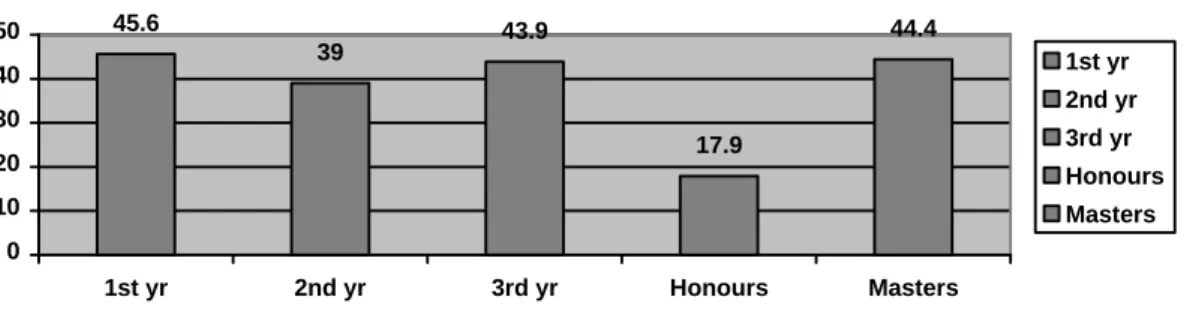
Figure 1.1 below illustrates the discrepancies in enrolment from which the need for this study has arisen. National demographics suggest that the equitable proportion of enrolment would be 80% black African (Statistics SA, 2007).
Figure 1.1 Racial demographics for Psychology programmes in 2007 at UKZN Pmb
Percentage of Students enrolled
45.6
39 43.9
17.9
44.4
0 10 20 30 40 50
1st yr 2nd yr 3rd yr Honours Masters
1st yr 2nd yr 3rd yr Honours Masters
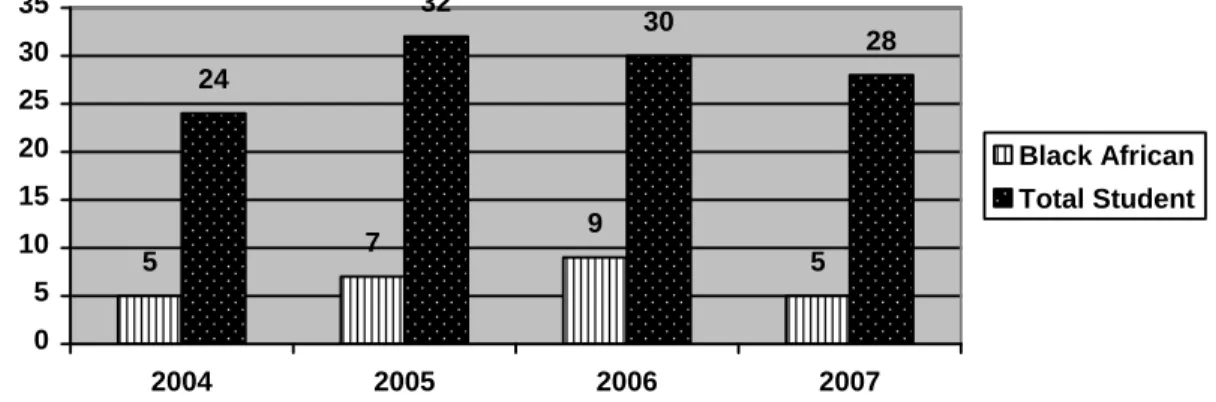
Figure 1.2 below illustrates the proportion of black African students enrolled in the Honours Psychology programme over the past 4 years. The information in figure 1.2 below is not available within the public domain. This information has been inserted with the permission of the Head of the School of Psychology Pietermaritzburg.
Figure 1.2 Number of Honours students at UKZN School of Psychology Pmb
5 7 9
5 24
32 30
28
0 5 10 15 20 25 30 35
2004 2005 2006 2007
Black African Total Student
The actual number of students registered in Psychology Honours for 2007 confirm that these disparities in numbers existed. In a class of 28 students, only 5 students are black African, which makes up 17.9% of the total class. In 2007 the 301 Psychology course shows that of 164 students, 74 are black African constituting 43.9% of the total of the
class. This clearly illustrates the decrease in the proportion of black African students from third year level to post-graduate level within the psychology department. This
discrepancy can be better understood if we consider that the black African population makes up 79.0% of our total population in the country (Stats SA, 2008). The small pool of black African students at honours level is a massive bottleneck for selections at
Masters level and the small number of black African students at Masters level is therefore a bottleneck in the transformation of Psychology in South Africa. It should be noted that in 2007, the Masters class has an unusually high representation in terms of black African students.
Although the figure 1.2 shows a gradual increase in enrolment from 24 black African students in 2004 up to 30 black African students 2006, a decline is again noted in 2007. It is important to note that this fluctuation could be random or as a result of possible systemic processes. However, this is an area of concern for the School of Psychology.
Higher education plays a significant role as a gatekeeper to the social elite and access to positions of power within the broader community. This highlights the urgency with which both the low proportion of black African enrolment and the slow rate of change need to be addressed in terms of empowerment. This empowerment is not only for the professionals themselves but the communities that they serve.
There are currently a number of black African students who qualify for positions within the post-graduate psychology programmes, however for some reason they do not apply or continue studying. Using the factors discussed to inform the research, this study will explore the barriers that black African students encounter when considering post-graduate psychology programmes.
Research Problems and Hypotheses
The UKZN School of Psychology has noted the trends of low enrolment of black African students within their post graduate programmes. In an effort to effect change, this study was initiated, and this study aims to be a part of a greater empowerment process. Some
barriers were briefly mentioned earlier. However in the absence of oppressive education policies and the context of a democracy, more exploration needs to be done within the South African context as to what constitute barriers to racial transformation of postgraduate education more than ten years after democracy.
The aim of this research project is to investigate barriers and perceptions that may be contributing to the low proportional enrolment of black African students in the post graduate Honours Psychology programmes in the School of Psychology, Pietermaritzburg, UKZN. This project was done with a view to increasing the retention of black African students in post graduate programmes within the School of Psychology Pietermaritzburg. The study will assess the need for interventions at a post graduate level and will provide some guidance to assist in the restructuring process.
If barriers to post graduate education can be identified by this study then a viable intervention can be constructed that attempts to limit the barriers that exist to post graduate education in Psychology for black African students. Even if no barriers are identified, this study addresses part of the problem in establishing that the areas covered by this study were not pertinent to the observed problem at the time it was completed.
Problems with race-based research
The history of Psychology in South Africa and the historical development of education in South Africa discussed earlier, highlighted the disparities that exist. In an attempt to redress some of the past wrongs, research needs to be conducted to determine what barriers exist that prevent the overcoming of past injustices. Empirical research needs to be conducted along ethnic and cultural lines. However there are some problems that arise when research is conducted in this manner (Organista, Chun, and Martin, 1998). Studies conducted, particularly in the Social Sciences, along ethnic lines usually assume that observed phenomena can be directly attributed to race. This assumption is often a generalisation which is not always correct. The observed phenomena may be attributed to other factors such as personality traits, family background, inherent characteristics or
other social factors (ibid). In the South African context where the black African community make up almost 80% of the population (Stats SA, 2007) the same concern applies. Studies conducted along ethnic or racial lines have to be careful not to assume that the findings are purely attributed to race and need to consider other contributing factors for the results.
This study will divide the population into groups of black African and white students.
Not only does this division exacerbate current tensions at this level and place a strain on relationships but also might emphasize negative metastereotypes amongst black African students that might hinder rather than help their performance. In addition, students from a coloured and Indian background might be further marginalized, feeling as if they have been left out of a process and are once again, not recognized amongst a black African and white population. This study will utilise both a cross sectional questionnaire and a semi- structured questionnaire. The cross sectional questionnaire was used to provide a more database of general information and the semi-structured interviews were used to gain more in-depth information. By utilising this method and creating an opportunity for the areas to be mentioned that were not included in the cross sectional questionnaire, the tendency to generalise was intended to be diminished.
Research Question
Why are black African students under-represented at post graduate level when they are fairly well represented in undergraduate studies?
In order to answer the research question, the following areas were considered in this study:
a) Is there an awareness amongst black African students of the post-graduate psychology courses offered within the School of Psychology Pietermaritzburg?
b) How do black African students perceive Psychology as a career choice in general, but specifically in terms of status and earning potential?
c) What barriers prevent black African students from applying to psychology post-graduate programmes?
d) What are black African Students’ perceptions of the School of Psychology Pietermaritzburg and what can the School of Psychology Pietermaritzburg do to make their post-graduate programmes more attractive and attainable for black African graduates?
METHODOLOGY Overview of Methodology
This study used a mixed methodology approach. It used both quantitative and qualitative research instruments to obtain the information required to conduct the study. In order to ascertain what perceived barriers exist to post graduate education, a quantitative cross sectional questionnaire was administered to the third year psychology population in order to obtain a base line of data for comparison. One-on-one interviews were then conducted with students identified as eligible for the study to obtain more specific information regarding the black African student population.
Research Design
The mixed methodology approach has become increasingly popular because of the way in which it can enrich the results of a study by creating generalisable results while gaining a deeper understanding of the phenomena of interest (Hanson, Creswell, Creswell, Plano and Petska, 2005). Johnson and Turner suggest that “usingmixed methods in research and evaluation offers methodological and practical advantages.
Methodologically, mixed methods research and evaluation combine quantitative and qualitative methods, approaches, and concepts that have complementary strengths and non-overlapping weaknesses” (in Sng and Gribovaskaya, 2008). For these reasons, this method was chosen to enhance the applicability of the information gained from this exploratory study.
The quantitative portion of this study utilised the survey method (Haslam & McGarty, 2003). The exploratory nature of this study indicated a need for a design that was able to obtain information about a number of variables and identify a possible link between those variables, Haslam and McGarty identify the survey method for this purpose (2003). This study was conducted using both a quantitative questionnaire and a qualitative interview.
The quantitative cross sectional questionnaire was administered to all third year psychology students and proved to be cost effective and time efficient. The researcher aimed to provide baseline data for third year psychology students across all race groups.
The data analysis of the cross sectional study was focused around ascertaining the perceptions of psychology as a profession including financial feasibility, respect
fulfilment, financial and material constraints currently experienced, information sources currently used to make decisions, factors influencing the decision making process and the perceptions of the School of Psychology.
The qualitative semi-structured interview was administered to a purposefully selected group of black African third year psychology students whose academic results made them eligible for Honours in Psychology. This method allowed for a view of the academic environment and social world as constructed by the participant thereby providing rich data for later analysis (Todd, Nerlich, Mckeown and Clarke, 2004). The data analysis of the qualitative semi-structured interviews of was a thematic analysis identifying emergent themes of possible barriers to the uptake of post graduate studies within the School of Psychology.
Initially as part of the qualitative aspect, the researcher aimed to conduct a longitudinal study which tracked the decision making of those identified to participate in the
qualitative arm of the study. The longitudinal study was intended to be a weekly response to an email sent out by the researcher as a discussion forum or if the participant preferred as a private email (See Appendix D for proposed questions). In addition it would have been recommended that a diary be kept to track part of the process of decision making.
However this was unsuccessful as no volunteers were forthcoming. The possible contributors to this reluctance to participate will be explored in more detail when discussing the research process.
Research Sample Sample Frame
For the quantitative cross sectional questionnaires, a purposive sample of psychology students in their third year at the University of KwaZulu Natal was obtained. The sample was taken from the Psychology 301 course. This course is a third year course which also contains a number of second year students who enrol for this class at the University of
KwaZulu Natal, Pietermaritzburg campus. Since the study aimed at identifying barriers to the retention of black African students in post graduate psychology programmes within the University of KwaZulu-Natal, it was deemed useful to create a baseline of data gathered from amongst the entire third year population to ascertain general perceptions regarding psychology and to be able to have data for the different groups to be used as comparative data. The third year 301 course contained a number of second year students which can be considered an advantage in that it provides information about the
development of the decision making process earlier on. However using the 301 course could have also been a disadvantage in that it potentially already excluded some third year students who may have already made the decision not to continue with Psychology, a number of these third year students that were excluded could have been from the target population. To increase the probability of responses, the questionnaire was administered during compulsory tutorials for a course which is compulsory for student’s majoring in psychology, although students were informed that their participation was voluntary. In addition an incentive in the form of a raffle in which one participant could win a R100.00 gift voucher was provided. This was done due to the anticipated poor response to the questionnaire following the lack of response to the email diaries mentioned previously.
The sample for the qualitative semi-structured interviews was taken from within the third year psychology students enrolled at the University of KwaZulu-Natal, Pietermaritzburg campus. The students from the target population were identified as eligible for the study based on two criteria: their self-selected status as black African as recorded in the University administration system, and their eligibility for a psychology honours degree on the basis of marks obtained throughout the year for Psychology. Twenty five black African students were identified whose marks all averaged no less than 65%, thereby making them eligible for inclusion to the Honours course in Psychology. Once again to increase the number of respondents, an incentive was provided.
Quantitative sub-study: procedure and measures
All research participants were asked to sign an Informed Consent which had details of the study provided (see Appendix A and Appendix C). For the quantitative data, a structured
questionnaire was used (see Appendix B). This instrument had been developed by Supervisor of the study Mr M. Quayle. Due to the lack of previous research in this field, the research instrument was designed specifically for this study.
The instrument began by first addressing demographic questions that included age, gender, race, language, finances, year of study and the participants registered majors at the university. The questionnaire was then further divided and asked questions broadly based on themes of the perception of psychology as a profession by the students as well as within the community; the perception of the earning capacity of psychology; perceived job satisfaction of psychologists; the knowledge of post graduate psychology; students’
perceptions of the school of psychology and family support if psychology was chosen as a profession. The respondents were asked to provide information on what they believe would be their own objective states after considering the outcome of being a
psychologist. The questionnaire aimed to elicit responses of the general perceptions of Psychology amongst all third year Psychology students. The scales derived for usage in the questionnaire were created after consideration of literature that suggests the different factors that contribute to career decision making are: a) courses of action including choices of options and alternatives b) beliefs about objective states and events in the world including outcomes and the means to achieve them, c) desires, values or utilities that describe the consequences associated with the outcomes of each action-event combination (Hastie, 2001).
Qualitative sub-study: procedure and interview schedule
The semi-structured interview (See Appendix) was broadly constructed by supervisor of the study Mr M. Quayle. The interviews were conducted by the researcher and elaborated upon. The interviews began with basic demographics questions regarding age, language, funding of studies. Thereafter the interviews approached reasons for choice of
Psychology as a profession; problems experienced during the undergraduate degrees;
benefits of an undergraduate Psychology degree; problems experienced with the School of Psychology; future plans following graduation; information sources used to decided on post graduate opportunities; factors influencing the choice of what to do following
graduation and provided the opportunity for students to make recommendations to the School of Psychology. This semi-structured interview aimed to provide the opportunity to explore pertinent topics that had come up in the structured questionnaire as well as
relevant topics within the interview. The researcher also aimed to establish a good rapport with participants enabling them to express barriers and obstacles that the researcher had perhaps failed to identify.
Initially this study had intended to track students in their decision making process by tracking their thoughts on an email diary. However this had to be abandoned as there were no respondents to the emails sent out. The poor response rate noted may be an indication that these students may have been contacted at a difficult time when their concentration was focused elsewhere. Another possibility is that these students had already made their decision and were therefore not interested in participating in a study to track the decision making process.
Validity and Reliability of the Research Instrument
The study conducted was a descriptive one that adopted an inductive approach. The School of Psychology within the University of KwaZulu Natal had made observation that there were a low number of black African students applying for post graduate studies.
From this observation, the study took on the attempt to try and ascertain what barriers if any exist that prevent black African students from applying for post graduate studies. The study aimed to clearly identify these barriers in order to inform a possible restructuring process so that some practical changes can be made.
The data obtained through the qualitative interviews and the quantitative questionnaire allowed for an in depth exploration into the experience of research participants. This data was the subjective opinion of the research participants. These participants were reassured of confidential responses and no adverse or positive effects resulting from the interviews.
The research participants were therefore protected and had no motivation to provide false data. Within the context of an inductive study, validity refers to the degree to which the
information gained is “believable” to the researcher, participants and readers of the study (Terre Blanche and Durrheim, 1999). This data can be therefore considered valid.
The initial design that allowed for an in depth observation over a period of time was not followed for operational reasons. This data would have provided a more in-depth understanding of the decision making process. The lack of this data does not impact on the validity of the study.
Reliability broadly refers to the degree to which the results obtained in a given study are repeatable (Terre Blanche and Durrheim, 1999). Interpretive and Constructionist
researchers acknowledge the variability in social reality and its dynamic nature and therefore acknowledge that they do not necessarily find the same results repeatedly and therefore consider the dependability of the results (Terre Blanche and Durrheim, 1999).
“Dependability refers to the degree to which the reader can be convinced that the findings did indeed occur as the researcher says they did.
Dependability is achieved through rich and detailed descriptions that shows how certain actions and opinions are rooted in and develop out of contextual interaction” (Terre Blanche and Durrheim, 1999. p64).
This study is an exploratory one and although the data has limitations, these limitations are considered acceptable as there is no previous data available in this field. Should the demographics of that population change in the coming year, the validity of the data may come into question. Currently the data is considered reliable and valid as an initial description of observable phenomena. It may be used as a starting point upon which future research can be based.
Procedure
The research proposal was submitted to the University of KwaZulu Natal for approval to conduct research within the Pietermaritzburg Campus, specifically within the School of Psychology. An application to the Ethics Committee of the University of KwaZulu Natal was also submitted to ensure that no ethical considerations were being transgressed.
All students who registered for a third year Psychology course, which is compulsory for a major in psychology, were identified as candidates for the research. Some of these
candidates were still in their second year of study but had selected the third year
psychology course as an elective. All these students were provided with the questionnaire during a compulsory tutorial. Being aware that not all students attend lectures, the
questionnaire was provided in a forum that demands compulsory attendance, in an attempt to increase the number of responses to the questionnaire. An informed consent form was attached and students were informed that their participation was voluntary (see Appendix A). An incentive was provided in the form of an opportunity to win a R100 voucher for the nearest shopping mall in the area. Raffle slips were attached to each questionnaire and collected separately to ensure anonymity. Again, this was done in an attempt to increase the number of responses to the questionnaire. The participants were asked to complete the questionnaire independently without any input from other parties.
The questionnaires were submitted with the tutorial. Any questions for clarification were asked to be directed to the researcher or the supervisor of the study in the event that the researcher was not available. Telephone numbers and email addresses were provided for this purpose.
The qualitative interviews as mentioned earlier were based on a semi-structured basis, where the researcher explored issues as they arose. The qualitative interviews were conducted on a sample of black African participants that had been identified as eligible for postgraduate study in psychology based on their marks obtained in the third year Psychology courses (an average mark of 65% or greater for third-year psychology courses). The marks and students lists were perused by the supervisor of the study and only the relevant information was provided to the researcher in the study, thereby ensuring confidentiality.
The students that were deemed eligible for the study were contacted telephonically to set up an interview. The aim of the research was briefly explained and an incentive provided to increase the responses. On the day of the interview each student was given more information about the research and given the opportunity to ask questions if necessary,
they were also asked to sign an Informed Consent form and informed that their
participation was voluntary. The researcher also ensured their confidentiality as well as reassuring the participants that their responses would not impact on their application for post graduate studies in Psychology or any study related matters within the School of Psychology. Each interview lasted between 35 to 50 minutes.
Statistical Analysis
The data gathered through the cross sectional questionnaire was captured and analysed using the Statistical Package for the Social Sciences (SPSS). Individual items on the questionnaire were grouped into scales based on the themes which they aimed to address.
The reliability of these scales was calculated using Cronbach’s Alpha.Descriptive statistics were done on the calculated scales to explore the existence of possible
relationships. T- tests were used to explore significance. With some scales, correlations were done. These will be described in more detail when addressing the results.
Qualitative Analysis
The main research question concerned was to ascertain what barriers exist among black African students that prevent the uptake of post graduate Psychology courses. The data gathered through the semi-structured interviews were transcribed and then a thematic analysis done to draw out themes in this regard. The content of the transcribed interviews was largely about the experience of the study of Psychology at an undergraduate level;
difficulties encountered at an undergraduate level; the benefits of the study of undergraduate psychology; the participants financial status and its impact of future studies; perceptions of Psychology both by the participant and their family and their personal barriers or choices regarding post graduate Psychology.
The main steps involved in this analysis included:
1. the selection of broad categories from the research material.
2. the identification of themes and sub-themes
3. the exploration of these themes to assess what evidence might contribute toward their existence or occurrence.
Research Process
During the research process, there were a few obstacles or which the study had to be adapted. These obstacles mainly included the lack of response from research participants.
The proposed email diaries received no response and were therefore terminated after three attempts at trying to initiate these emails. This created a problem for the study in that excluded the opportunity to follow the research participants in their decision making process and be aware of extraneous variables that impacted on this process.
Another obstacle which resulted in the implementation of the incentive for data collection was the initial lack of interest by research participants when contacted for the semi- structured interviews. Even with the incentive, the researcher was still only able to
conduct five interviews out of a possible twenty five students identified for the study. The participants identified for the study were the top black African students in the third year class. The data collection was conducted toward the end of the year when students were concluding exams. All interview appointments were set up for after the exam period or at the convenience of the participant. The researcher attempted to contact students
telephonically and in many cases was unsuccessful. The students identified for the study were students who achieved well and were academically focused, many of these students would have been studying for exams at this time and may not have been answering telephone calls. Alternatively the students may have already begun to engage in a
‘holiday mood’ and not be interested in engaging withanything academic. The results gained from the respondents of these interviews may be different from those who did not respond. Those who did not respond would have already concluded their decision making process and may have decided against Psychology as an option. Their decided lack of interest in Psychology may have resulted in poor response.
Ethical Considerations
The ethical codes of conduct outline four basic principles involved in ethical practice.
The first principle is autonomy which includes respect for the persons involved this would include confidentiality and informed consent. The second principle is non- maleficence which includes acknowledging the needs of the participants first and to avoid
dual roles. The third principle is beneficence which includes the competence of the study and its benefit. The fourth principle is that of justice or fairness which includes the transparency in reporting and honesty in answering all questions or concerns posed (Canadian code of ethics, 2000).
Autonomy
In both the qualitative and quantitative aspects participants were provided with an
informed consent form (Appendix A and C) which assured them of confidentiality if they agreed to participate. The participants were also informed that their participation would not bear any positive or negative consequences. The intention was to ensure that all participants did not feel coerced to participate in the study. These efforts were made in order to respect the autonomy of all the participants.
Non-maleficence
The quantitative questionnaire was distributed through a tutorial and participants were asked to complete them at their own convenience. The qualitative interviews were arranged such that the participants were met when it was convenient for them. Provision was made at the beginning of the interview for clarification of any questions and to ensure that the participants were comfortable being participants in the study. In the case of the email diaries, there was no response from the students, after three attempts to contact students via email, the email diaries were abandoned. In adopting this approach, it was hoped that the researched was acting in a non-malevolent manner.
Beneficence
The study acknowledges many injustices that resulted from the oppressive education system that was present during the apartheid era. In acknowledgment of this oppression and in recognition of the restructuring process that is ongoing at higher education institutions, the study was conducted. It was chosen and conducted for its potential benefit in increasing the number of black African students at post graduate level in the School of Psychology. This increase at post graduate level could potentially increase the