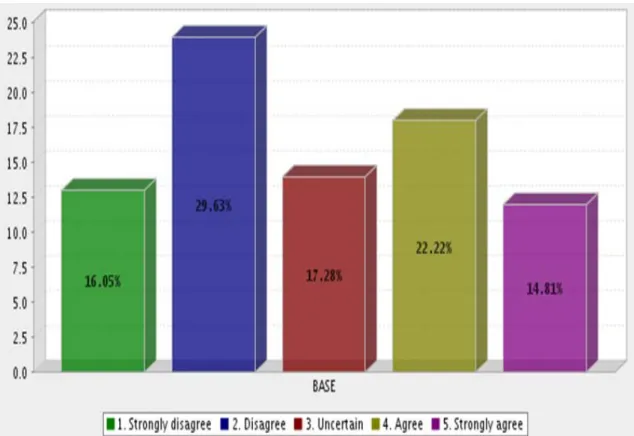
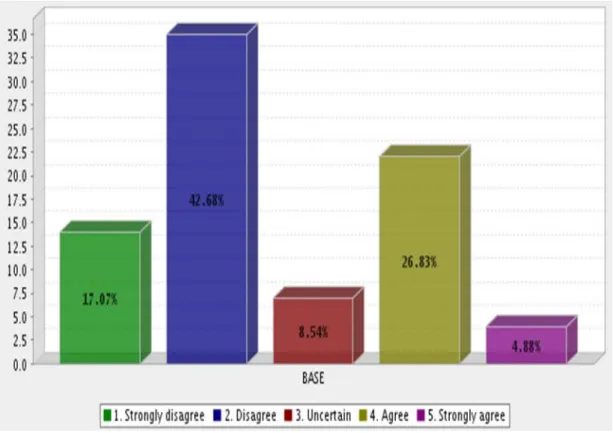
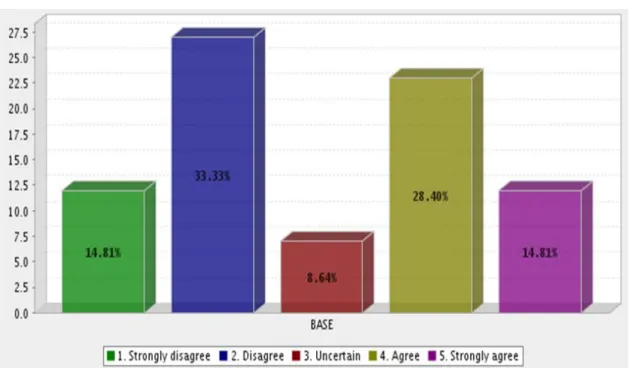
This research explored perceptions held by corporate women in Durban towards the idea of glass ceiling barriers at work. Women's perception is that they do not experience glass ceiling barriers to career advancement.
Background and Context
Problem Statement
Baxter and Wright (2000) argued that the glass ceiling implies an impenetrable barrier that blocks the upward movement of women. Reskin and Padavic (1994:82) suggest that "a glass ceiling blocks workplace mobility for women of all classes as well as minorities of both sexes".
Objectives
They said that "below this barrier, women are able to get promoted, beyond this barrier, they are not" Baxter and Wright (2000:276). Harlan and Berhiede (1994) argue that the glass ceiling applies to low-wage female workers, even those with very limited job ladders.
Limitations of the Study
They suggest that these women workers face limited job growth, as evidenced by low wages, fewer benefits, and being overlooked for promotions.
Significance of the Study
Research Methodology
Structure of Study
Summary
Introduction
Definition of the “glass ceiling”
Career Advancement
Abrahams (1997) explored the challenges for women in management and found that structural as well as internal barriers to women's advancement in the workplace still exist. Birch and Datnow (1989) focused on the employment and advancement of women in the legal and advertising professions.
Family versus Workplace Commitments
Moreover, mergers, increased work demands and role conflict, the latter, according to Bezuidenhout and Cilliers (2010); being inherent in a woman's work experience, contribute widely to the occurrence of stress. Because of apartheid and international isolation, the gender-based social revolution that occurred in the west during the same time period escaped South Africa.
Confidence
A low average salary and company culture and structure continue to be a barrier to the advancement of female employees in the form of outdated company policies regarding programs such as part-time and flextime work, job sharing and telecommuting. (McCummond, 2008). Unstable self-esteem reveals fragile, susceptible feelings of direct self-esteem that are influenced by observed self-relevant encounters that are either superficially given, such as a compliment or hassle, or self-generated, such as reflecting on one's appearance.
Respect
While group partisanship is an imperative aspect of communal being, people continuously feel the necessity for group participation and based on relational treatment, their group identities are established and asserted (Sleebos et al., 2006; Simon and Strumer 2003). Consequently, in terms of identifying with a group, individuals disrupt behaviors that promote the interests and happiness of the group (Ashforth et al. 2008; Burke and Reitzes, 1991; Sleebos et al., 2006).
The Employment Equity Act
Human (1996) argued that affirmative action/employment equity both includes and through the concept of managing diversity. The Labor Minister said that the Employment Equity Act had given women another whetstone - another powerful tool.
Summary
Introduction
Research Methodology
Aim and Objectives
Aim
Objectives
Respondents and Location of the Study
Sampling
Population
Sekaran and Bougie stated that "the target population should be defined in terms of elements, geographical boundaries and time". The target population consisted of all women working for Durban companies and organizations, unfortunately there is no data to support the population numerically such as Statistics South Africa's data on Durban's working population.
Sampling Design
It is important that the sample best represents the characteristics of the population Terre Blanche (2006). Probability sampling is when elements in the population have a known chance of being selected as a subject in the sample (Sekaran 2003). Convenience or random sampling refers to the collection of information from members of the population who are conveniently available to provide it (Welman et al. 2007).
Sample Size
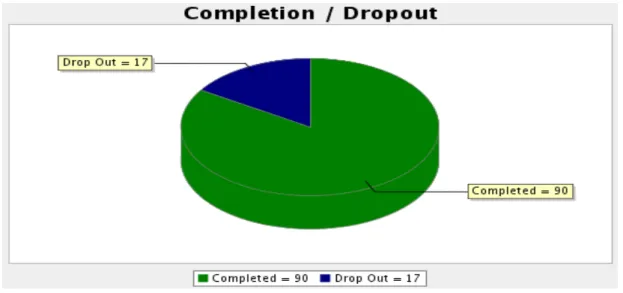
Huysamen 1991 (cited in Welman et al. 2007) points out that a sample containing less than 15 units of analysis should not be used; if possible, a sample of more than 25 units may be used. Roscoe 1975 (cited in Sekaran & Bougie 2010) suggested that sample sizes greater than 30 and less than 500 are appropriate for most research. Given that the above authors confirmed that a sample of 30 was acceptable, and given time and resource constraints, the sample size was limited to 90.
Data Collection in Descriptive Studies
Questionnaires as a Research Instrument
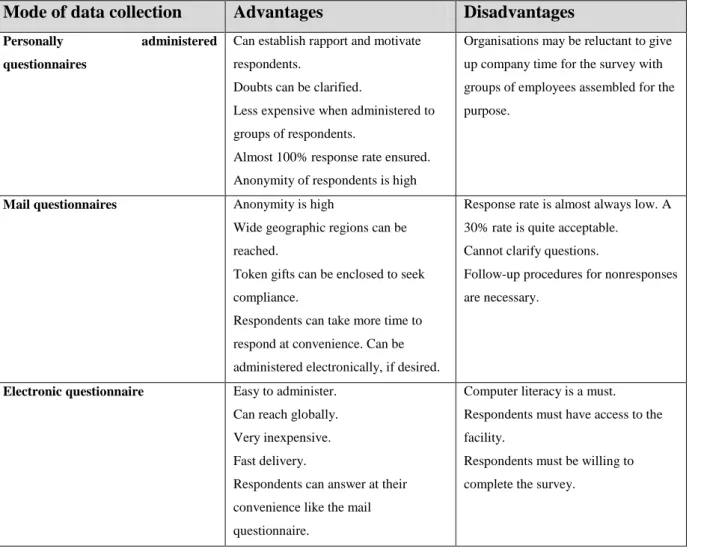
Cooper and Schindler (2006) specified that a sample should allow for different virtual associations with the size of the population from which it is drawn. If it is known from the start which data are mandatory, structured questionnaires should be used with definitive, concrete and planned questions. Questionnaires can be administered in person, placed in magazines or newspapers, emailed to respondents, or distributed electronically (Sekaran and Bougie 2010).
Questionnaire Design
Careful consideration is important when deciding on the response format as this has implications for the statistical analysis of the questionnaire results. Nominal scales allow the researcher to assign themes to certain groups, while interval scales allow the researcher to perform certain mathematical functions on the information collected. If information is not collected from objects that can provide the correct answers to solve the problem, the questionnaire will be useless (Sekaran & Bougie 2010).
Pretesting and Validation
Pretesting of the Questionnaire
It is important that before the questionnaire is sent out to respondents, it is evaluated for the accuracy and consistency of the answers. The accuracy and consistency of the responses can be obtained by pre-testing the questionnaire using a small sample of the respondents with characteristics similar to the target population (Hair et al. 2007). The questionnaire was discussed with the supervisor who suggested that the number of questions be reduced, changed and reformulated.
Validation of the Questionnaire
After the questionnaire was tested on a small group of respondents, the feedback was positive and there were no changes. With feedback from respondents who participated in the pretest and pilot study, minor changes were made to address ambiguities and guiding questions. Respondents from the pre-test and pilot study confirmed that the questionnaire satisfactorily covers the objectives of the research and consequently complies with the criterion of face validity.
Reliability
Questionnaire Administration
Online questionnaire surveys are easily designed and administered when computers are connected to networks (Sekaran and Bougie 2010) therefore an online survey was used in this study. Email surveys are surveys in which the questionnaire is posted or attached to the email (Dornyei and Taguchi 2010). Web-based surveys are more well-organized and engaging, so this study used online web-based software.
Analysis of Data
Easy access to the population with an extensive geographic reach", "Saves time as there is no need for personal monitoring of the tool and with proper software and coding, responses can be automatic, thus avoiding the tedious task of coding and collecting data". Software-based online questionnaires allow the investigator to create more visually attractive questionnaires with special features to avoid problems such as lost information and easier response formats.This was done using the respondents' email addresses and reminders were sent to their emails.using Questionpro which is web based.
Summary
Introduction
Survey Overview
Section A – Demographic Profile of Respondents
- Race
- Highest Level of Education
- Age
- Level in Organisation
- Industry
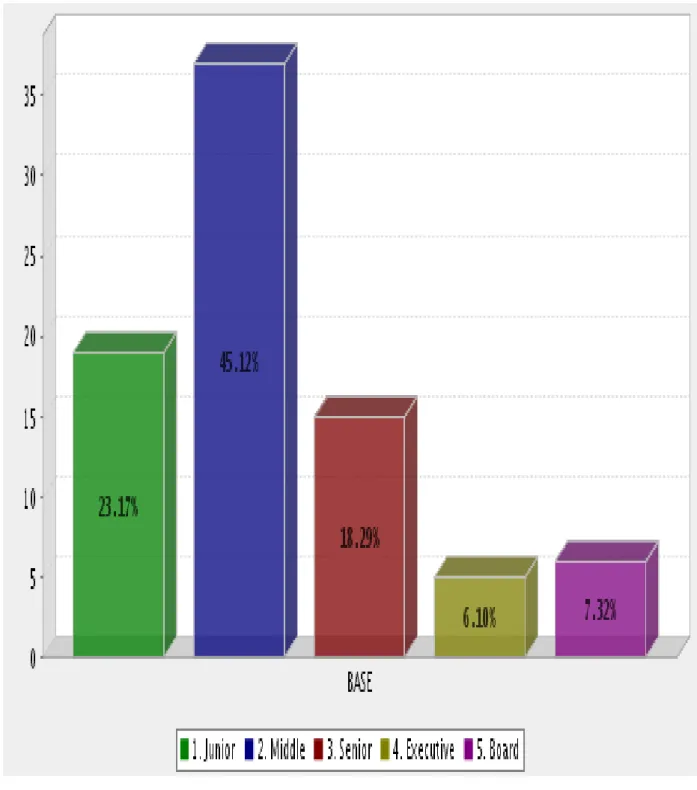
The research was limited to Durban corporate women and therefore low responses from senior, executive and board members as they were mainly based in Johannesburg and Cape Town at corporate headquarters of their organisations.

Section B – Responses to Set Objectives
Objective 1: To Assess if Women Experience the Glass Ceiling Barrier to Career
Objective 2: To Assess How Women Balance Family Commitments and Workplace
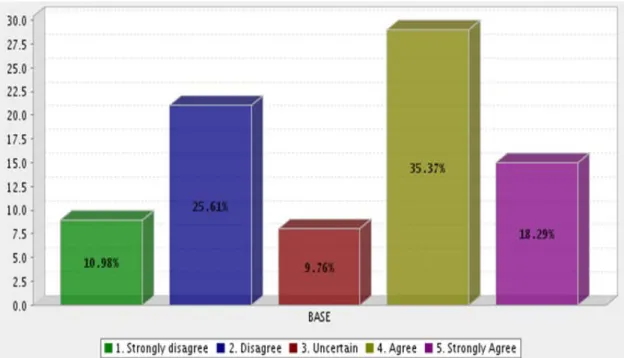
Women disagree with the statement and the implication is that those with family have a good balance for work versus women disagree with the statement; the responses show that they are generally comfortable with outsourced tasks. Women disagree with the statement, the majority of responses show that women are comfortable with networking sessions that take place after hours and on weekends.
Objective 3: To Assess If Women are Confident in Their Ability to Fulfil Their Roles at
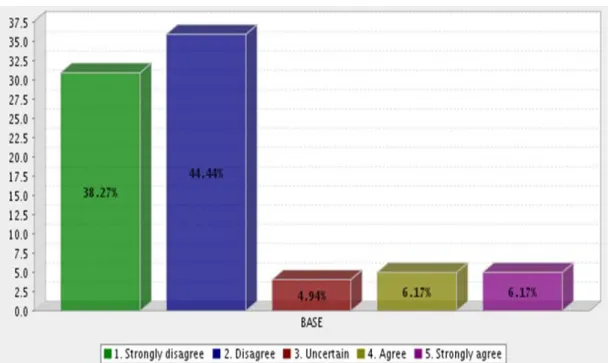
The same applies when men and women negotiate. The different negotiation styles men and women tend to exhibit is a natural consequence of these different communication styles. Women's responses show that they almost disagreed with the statement that management does not take women seriously. Grogan states that "a leader's behavior does not constitute leadership until it is perceived to do so by an observer." In this respect, it can be said that self-confidence is married to performance, because through performance one is able to reveal one's understanding and abilities (Mathipa and Tsoka, 2001).
Objective 4: To Assess If Women in the Work Place Think That They are Respected for
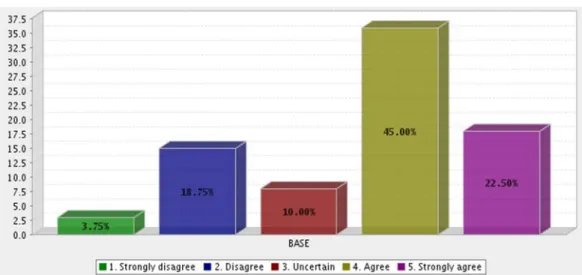
Women felt that they had to defend themselves all the time, to fight to get what was theirs. In previous research by Jonkheid and Manga (2008), all female respondents felt that communication and relationships with male subordinates were much easier and more comfortable. Male subordinates were more liberal in accepting and acknowledging the superior wisdom, experience and authoritative power of female managers and often saw them as role models (Jonkheid and Mango, 2008).
Objective 5: To Assess Women’s Views on the Employment Equity Act
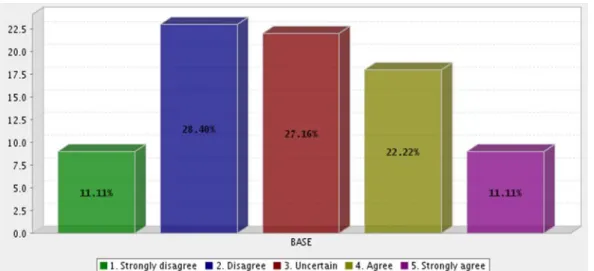
A white male leadership organizational culture that continues to exclude (formally or informally through exclusionary networking practices) black recruits. There was uncertainty about the statement that Employment Equity is nothing more than a window party. Black workers are not fully incorporated in most companies because there is little allocation of tangible accountability or decision-making power (Booysen, 2007).
Introduction
Conclusions and Recommendations for Set Objectives
Respondents generally felt confident in their roles and were not intimidated by male dominance in the workplace. Respondents also demonstrated that they believe they are taken seriously by senior management, peers and subordinates. a) The learnings and perceptions of Durban business women from this research are shared nationally to build women's confidence at the business level. Respondents also felt that they commanded respect and that their professional skills were respected. a) The learnings and perceptions of corporate women in Durban from this research are shared nationally to promote a culture of respect in the workplace, particularly gender-based respect.
General Recommendations Arising from this Research
Limitations of the Research
Recommendations for Future Research
Summary
The Glass Ceiling Hypothesis A Comparative Study of the United States, Sweden and Australia, Gender and Society, Vol. The employment and advancement of women in the legal and advertising professions in the Cape Peninsula. Perceptions of female managers in the South African gambling industry, with a special focus on gender equality.
Professional women's perceptions regarding the role of women in the corporate communications environment. An investigation into the problems that female managers experience in the workplace and whether equal opportunity programs effectively address these problems.