THE EFFECT OF CLIMATE CHANGE ON THE FARMING BUSINESS IN NWANEDI IRRIGATION SCHEME IN MUSINA LOCAL MUNICIPALITY, LIMPOPO
PROVINCE
by
FULUFHELO MARUBINI
MINI-DISSERTATION
Submitted in partial fulfilment of the requirements for the degree of
MASTER OF BUSINESS ADMINISTRATION in the
FACULTY OF MANAGEMENT AND LAW (Turfloop Graduate School of Leadership)
at the
UNIVERSITY OF LIMPOPO
SUPERVISOR: PROFESSOR L. BEYERS
2018
ii DEDICATION
This dissertation is dedicated to my all of family, for supporting me throughout the studies and to my mother – who is very courageous when it comes to education. Also to my four brothers, namely: Joseph, Freddy, Aaron and Enos. I would not forget Lerato – the love of my life and our two children: Oritonda and Mukona-Zwothe. To them I say: through hard work and determination, you can conquer any obstacle that seems impossible to annihilate. Remember to take education earnestly.
DECLARATION
I declare that the mini-dissertation hereby submitted in partial fulfilment for the degree of Master of Business Administration has not been submitted hitherto by me at any other academic institution for a degree; that it is the craft of my own hands and all sources used have been indubitably and accurately acknowledged.
_______________________
FULUFHELO MARUBINI DATE
iv ACKNOWLEDGEMENTS
To Professor Beyers Lourens, for his magnificent supervision in this work.
Dr Mbulaheni Thomas Mutengwe, for being supportive and always around to provide valuable time and guidance. Whenever I was frustrated, I would call him and he imbued me with the audacity to work hard – which had always kept me ignited.
My study group, for the unflinching support and inspiration.
To the Department of Agriculture and Rural Development as well as Agricultural Studies graduates videlicet: Madima Thendo, Mushiane Mukovhe and davhula Phethani for the provision of their aid, whatsoever.
The Department of Rural Development and Land Reform (DRDLR), for consenting me to pursue further.
ABSTRACT
Nwanedi Irrigation Scheme (NIS) is situated at the far north of Limpopo. It is comprised of both livestock and crop farmers. Currently, the total number of farmers in the scheme is 160.
Noteworthy is that the majority of farmers grow and harvest crops. The dominant crop produced in the area is jam tomato with a few of people who cultivate table tomato and other vegetables such as cabbage and eggplant (Mashala, 2013). The irrigation scheme covered an area of about 2000 hectares land, which belongs to the state and part of it belongs to the Communal Property Association (CPA). Moreover, agriculture is considered as one of the most sensitive to weather and climate variables, which include temperature, precipitation, light and weather extremes such as droughts, floods and severe storms. The aim of the study was to evaluate the impact brought about by climate change on farming business. Moreover, to evaluate the problems that were associated with climate change that affected farming, crop production and eventually the profit generation at NIS. Considering greenhouse gas emissions, it is believed that they are one of the causes of the change in global climate. Again, most food production means rely on inputs to some or all tillage, seeds, fertilisers, irrigation, feed for animals, pest and disease control. Henceforth, the study has collected primary data. The study employed both qualitative and quantitative paradigms. The 160 crop farmers, as a sample size of 32 (20% of the population) respondents, were randomly selected and interviewed. The study found out that drought was real and had been experienced in NIS. Meanwhile, in crop farming, water is more important just as a growth media such as fertilised soil. Without water, no farming activity could take place. The drought experienced had led farmers not to plant anything on their farms, which meant that no income was generated in the entire drought period. Furthermore, most of the farmers in the area had no alternative means of acquiring water to irrigate their crops. Few farmers who managed to plant had used a very small scale than usual because there was not enough water. Drought affected job loss in the farming business where many employees had to be ceased from coming to work. The study also found that NIS had experienced high temperature, which were never experienced before.
Musina is best known for its excessive heat, but the recent heat wave that has been experienced in the area of the study was extreme to a point that crop farming was very difficult because the little moisture in the soil had quickly depleted. Crops could no longer absorb it as it dried up rapidly.
Usually, when it is extremely hot, the condition favours pests and diseases. Later, it was found that a new pest referred to as Eelworm (Tuta Tundra), which was not found in the area before had been
vi
discovered. Consequently, the introduction of the new pests in the area was a challenge because farmers did not know which insecticides to apply in order to control the manifestation and prevent the damage it caused on the crops, tomato in particular. Eelworm has affected the tomato crop as it damaged the leaves of their plants. That had negatively affected the fruit production. Most farmers who have experienced Eelworm in their tomato fields, had their fruits severely attacked to be unusable.
THE EFFECT OF CLIMATE CHANGE ON FARMING BUSINESS IN NWANEDI IRRIGATION SCHEME IN MUSINA LOCAL MUNICIPALITY, LIMPOPO
Table of contents Page
Chapter 1
1.1. Introduction 1-2
1.2. Background of Nwanedi Irrigation Scheme 2-3
1.3. Problem statement 3
1.4. Rationale for the study 4
1.5. Significance of the study 4
1.6. Aim of the study 4
1.7. Research objectives 5
1.8. Research questions 5
1.9. Definitions of key concepts 5-8
1.10. Choice of rationale of the research design 8
1.11. Research methodology 9
1.12. Ethical consideration 10-11
1.13. Outline of the study 11
2. Conclusion 12
Chapter 2
2.1. Introduction 13
2.2. Climate change impacts on agriculture 13
2.2.1 High temperature in South Africa 14-16
2.2.2. Drought in South Africa 16-18
2.2.3. Rainfall in Nwanedi irrigation scheme 15-17
2.3. Coping strategies for climate change impacts in SA 18
2.4. Environmental impacts caused by climate change 18
2.4.1. Increased in diseases in wild animals due to reduced food and water supplies in SA 18
2.4.2. Increased stress on livestock in Limpopo 19
2.4.3. Water erosion of soils and soil quality 20
viii
2.4.4. Causes of climate change: Greenhouse effect in South Africa 21-23 2.5. Effect of climate change on the economic activities in South Africa 23-24
2.6. Rainfall in Nwanedi 24-25
2.7. Vegetation and veld types in Nwanedi irrigation scheme 25 2.8. Major crops and livestock in Nwanedi irrigation scheme 25-26
2.9. Climate variability and change in South Africa 26-28
2.10. Impacts on pasture crops and livestock 28
2.11. Climatic change coping strategy in Nwanedi irrigation scheme 28-29
2.12. Conclusion 30
Chapter 3 31
3.1. Introduction 31
3.2. Research design 32
3.3. Research methodology 32-33
3.4. Population 33
3.5. Sample 34
3.6. Sampling methods 35
3.7. Data collection 36
3.8. Data analysis 37
3.9. Validity 38
3.10. Reliability 38-39
3.11. Ethical consideration 39-40
3.12. Conclusion 40
Chapter 4 41
4.1. Introduction 41
4.2. Results and discussions 41
4.3. Statistical analysis 41
4.3.1. Statistical software 41
4.3.2. Descriptive statistical analysis 41
4.3.3. Inferential statistical analysis 42
4.4. Demographical information 42
4.5. Reliability 43
4.6. Results 43-67
4.7. Conclusion 67
Chapter 5 68
5.1. Introduction 68
5.2. Overview of the study 68-69
5.3. Findings from literature review 69-70
5.4. Findings from empirical study 70-71
5.5. Findings from the interview 72
5.6. Recommendations 73-74
5.7. Recommendations for further research 74
5.8. Limitations of the study 75
5.9. Conclusion 75
Bibliography 76-86
Appendix A: Questionnaire 87-95
Appendix B: Letter from the editor 1/1
x
List of figures Page
Figure 1: Size of the farm 44
Figure 2: Is farm used to full capacity 46
Figure 3: Years of farming in Nwanedi irrigation scheme 47
Figure 4: Sources of water for irrigation 48
Figure 5: Have you heard about climate change? 49
Figure 6: Difference noticed in terms of production decline 51 Figure 7: Does climate change affect growth and yield of the crop production? 54 Figure 8: Have you ever experienced drought over recent years? 56
Figure 9: Have you ever experienced low rainfall? 59
Figure 10: Have you experienced flooding in the recent years 62 Figure 11: Do you know the impact of using tractor and inorganic fertilisers contribute to
greenhouse effect 63
Figure 12: Are you still able to produce the same crop and able to harvest same yield that you have
been planting over the past years 64
Figure 13: Do you encounter increase in pests and diseases when farming in the
area as opposed to previous years of farming 65
Figure 14: What are your coping strategies to minimise the impact of climate change 67
List of tables Page
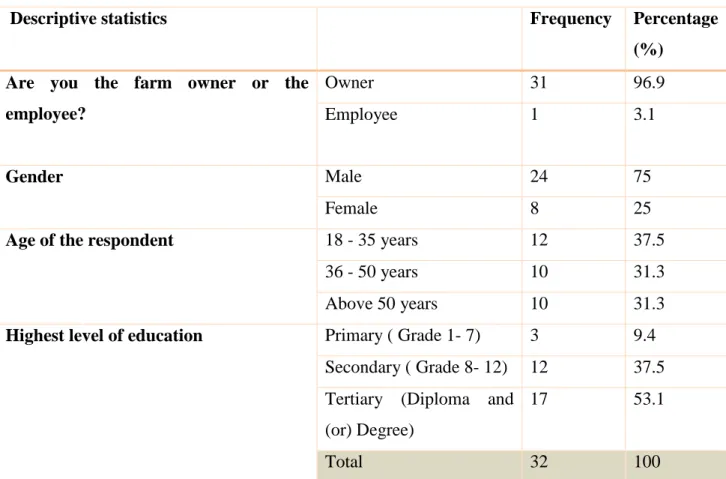
Table 1: Demographic detail of sample respondents 42
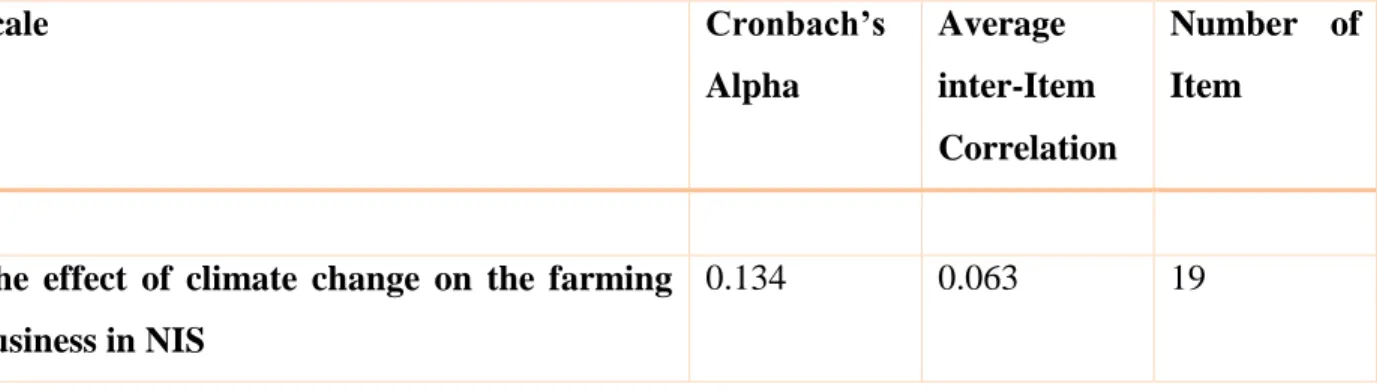
Table 2: Internal consistency reliability values of scales 43
Table 3: Hectares currently under the production 45
Table 4: Is farm used to the full capacity 46
Table 5: The major crops grown 48
Table 6: Have you attended any programme on climate change 49 Table 7: What do you understand about the concept “climate change”? 50
Table 8: What have you observed 52
Table 9: How does the climate change affect the profit generation of your farm 53
Table 10: if yes, explain 55
Table 11: What is the impact on the production and profit generation 57
Table 12: How did the drought affect employment 58
Table 13: If yes, what was the impact 60
Table 14: If yes, what was the impact 62
Table 16: if yes, how do they affect the business in terms of yield, production and profit 66-67
xii List of abbreviations
SA South Africa
CPA Communal Property Association NIS Nwanedi Irrigation Scheme CO2 Carbon Dioxide
SST Sea Surface Temperature EMS Emergency Medical Services SAWS South African Weather Services NGOs Non-Governmental Organizations CEC Cation Exchange Capacity
SOC Soil Organic Carbon GHG Greenhouse Gas N2O Nitrous Oxide
GDP Gross Domestic Product VDM Vhembe District Municipality HIV Human Immunodeficiency Virus
AIDS Acquired Immune Deficiency Syndrome TTH Temperature-Heat Index
SPSS Statistical Package for the Social Science
1
CHAPTER ONE: INTRODUCTION, STATEMENT OF THE PROBLEM, PURPOSE OF THE STUDY AND CLARIFICATION OF CONCEPTS
1.1. INTRODUCTION
Limpopo is the breadbasket and agricultural engine of South Africa and produces about 60% of all fruit, vegetables, maize, wheat, and cotton (Development, 2016). The province is also known to rear different types of livestock. It contributes about 65% of the papayas produced in the country, 36% of tea, 25% of its citrus fruit, bananas, and litchis, 60% of its avocados, 60% of its tomatoes (40% by one company alone), and 35% of its oranges. The agricultural sector contributed about 2.2% to the province’s annual average Gross Domestic Product (GDP) in 2014 (Statistics South Africa, 2015). Therefore, agriculture is imperative in Limpopo province as it is a source of food security, a contributor to exports, and it further contributes to the state’s economy through income and employment (Development, 2016).
In the Sub-Saharan Africa agriculture contributes about 17% of GDP whilst in other countries, it can subsidise up to 50% (Schlenker and Lobell, 2010). The climate change over the next few years is expected to reduce yield in some countries. That could be as much as 50% inhibition by 2020.
In that case, there is a need to understand some of the possible responses of Sub-Saharan Africa (SSA) crops to the phenomenon. Hence, African agriculture is likely to suffer from unmerciful climate impacts but various outcomes might differ in places or crops. It is expected that the yields could be reduced by a minimum of 5% to a maximum of 50% (Schlenker and Lobell, 2010).
On the other hand, Sub-Saharan Africa is the most vulnerable region to the aftermaths of global climate change as it relies profoundly on agriculture (Kotir, 2011). Agriculture is greatly sensitive to weather and climate variables such as temperature, precipitation and light and low capacity for adaptation. Nonetheless, the forthcoming length of growing seasons and potential of the yield are viewed to decrease. The fallouts will affect food security by inhibiting food availability, food accessibility, food utilisation and food stability, hence; increase the risk of famine in the region (Kotir, 2011).
In a study conducted in Ghana, it has been found that climate change is anticipated to have serious environmental, economic and social inimical consequences more especially, on rural farmers who solely depend on rainfall (Fosu-Mensa et al., 2012). Noticeably, climate change could adversely
2
sway agricultural production, as it remains the main source of income for most rural communities.
According to a study that was conducted in Europe, the influence of climate change was observed through increases in temperature and different patterns of precipitation (Olesen et al., 2011).
In addition, there is evidence of climate shifts in Africa, shown by changing rainfall patterns, temperatures and increased fire incidences (Zengeni et al., 2016). There are concerns globally regarding changes in the climate that are threatening to change the livelihoods of the vulnerable population. The climate of the earth has warmed at an average of about 0.7% over the past 100 years with decades of the 1990s and 2000s (Watson, 2010).The agricultural sector in South Africa contributes 3.4 % of the GDP and it employs 30% of the labour force. Meanwhile, the primary agriculture contributes about 3% to the GDP of South (Chamuka, 2011). Thus, climate change reduced the contribution of agriculture to the GDP from 9.1% in 1965 to 4.0% in 1998 (Madzwamuse, 2010).
Numerous studies and scientific reports on the historical evolution of global temperatures has found that climatic change is inclined towards warming (Hope, 2011). Remarkably, global warming is a major threat to sustainable development and growth in all regions around the world (Hope, 2011). The greenhouse gas emissions significantly cause change in global climate and, as such, it is viewed to change in future (Allen et al., 2010). Chiefly, increases in the severity of drought and heat stress are associated with climate change and that could bring change in the composition, structure and biogeography of forests in many regions. Drought is a considered to be a huge limiting factor in maize production, more especially on the rain-fed agriculture of Sub- Saharan Africa (Lunduka et al., 2017). For farmers to continue producing food, the adaptation measures to climate change need to be conformed (Fosu-Mensah et al., 2012).
1.2. BACKGROUND OF NWANEDI IRRIGATION SCHEME
Nwanedi Irrigation Scheme is located at the north of the Soutpansberg mountains, which is about 40 kilometres (km) northeast of Tshipise in the Vhembe District of Limpopo Province (Nell, 2013). The scheme falls under business farmers as one of the forms of irrigation systems. NIS has about 160 farmers. It has occupied an area of about 2000 hectares piece of land, which belongs to state, and part of it belongs to Communal Property Association (CPA). The farming business in this area entails both livestock and crop production. However, the prevailing farming activity
appears to be crops. Jam tomato is currently the main production, with few people planting table tomato and other vegetable such as cabbage, eggplant (Mashala, 2013).
Furthermore, farmers in possession of livestock rear either cattle and goats or both, in some instances. NIS is located near Nwanedi River – the mainstream source of water for the farming activities. The nearest town is about 130km away, where they market their products at organisations such as NAMPAK and Tiger Brands.
Limpopo has plentiful agricultural resources and is one of the country's prime agricultural regions, noted for the production of livestock, fruits and vegetables, cereals and tea. Agriculture is a critical economic sector in the province in terms of its contribution to the state’s economy and the number of employment opportunities it creates within local communities. However, in South Africa, smallholder irrigation schemes are of importance. In 2010, smallholder irrigation schemes covered 47 667 ha (Van der Stoep, 2011).
The province produces about 60% of the country’s measured quantity of fruit, vegetables, maize, wheat, and cotton. Livestock farming is also a significant contributor to the its agricultural sector.
Within the province, there is the main tomato growing area – one of South Africa’s largest production of nearly 66% of the total annual tonnage of tomatoes (Department of Agriculture, Fisheries and Forestry, 2010). Agriculture in Musina provides about 54% of employment opportunities followed by mining industry, with 18%. Thus far, Musina provides 11% of the total GDP of Vhembe District Municipality (Barbour, and van der Merwe, 2012).
1.3. PROBLEM STATEMENT
The purpose of the study is to determine the impact of climate change on the farming business in NIS. The extreme weather events such as heat waves, droughts and heavy precipitation increase the risks of crop failure and enhance yield variability. Climate change could cause significant changes in the quality and availability of water resources for crop irrigation affecting food production and security. It also influences crop production in various ways at different levels, scales and it is dependent on local natural crop growing limitations (Eitzinger et al., 2013). Climate change is also expected to increase the frequency and magnitude of extreme weather events such as droughts and floods, which directly affect agriculture. The condition has a negative reward on the agricultural state of both livestock and crop production. Mindfully, heavy rains cause flooding
4
whilst eroding the top fertile soils. That exacerbates the difficulty of farmers to produce food and to sustain their farming activities. Most farmers seem not to know or fathom the effect of climate change on agriculture and its drawbacks on the farming business.
1.4. RATIONALE OF THE STUDY
The researcher has chosen NIS to conduct the study because the area is one of the leading irrigation schemes in the Vhembe District Municipality (VDM). There are a few researches that pursued the NIS, but the current researcher wanted to investigate the challenges that the area is experiencing pertaining to the effect of climate change in accord to farming influences. That is, how the agri- business activities respond to the weather condition.
1.5. SIGNIFICANCE OF THE STUDY
NIS is one of the important sources of food and it offers employment opportunities whilst boosting the GDP in Musina Local Municipality, Vhembe District in Limpopo. The importance of the study is to exhibit how climate change affects the farming business through high or low temperature and drought. The study was essential to both the farmers and the researcher. The findings of the study will be available for public access, for both knowledge and to, possibly, follow some of the recommendations of farming practices.
1.6. AIM OF THE STUDY
The climate is a perpetually fluctuating phenomenon and, therefore, it is imperative to assess the current condition versus the previous in order to detect whether there is a noticeable transition in farming or not. The study intends to find out how the climate change perturbs the farming business in terms profit generation. Hence, it was observed that a high temperature caused by climate change affected crop production in different ways. With that being so, a quick depletion of moisture after irrigation, introduction of new pests and diseases and a creation of conducive environment for pests to multiply in a large number were revealed. The study attempts to find out how the conditions uncomforted the production and profit generation whilst determining how the dreadful blip of climate change could be minimised.
1.7. RESEARCH OBJECTIVES
To assess the effect of climate change on the crop production in Nwanedi Irrigation Scheme.
To evaluate the loss or profit gained as a result of climate change.
To explore the impact of high temperatures on the production of crop farming.
1.8. RESEARCH QUESTIONS
Are the farmers in Nwanedi aware of the climate change?
Does the high temperature in Nwanedi irrigation affect the production and farming in general?
Does water shortage affect fruits and vegetables at Nwanedi Irrigation Scheme?
1.9. DEFINITION OF KEY CONCEPTS 1.9.1. Irrigation
In this study, irrigation is referred to as the artificial application of water to land for the purpose of agricultural production. An effective irrigation influences the growth process from seedbed preparation, germination, root growth, nutrient utilisation, plant growth, yield and quality (Agriculture Victoria, 2017). All plants need water for photosynthesis to occur. Photosynthesis is a process in which a crop makes its own food to grow in order to produce fruits and vegetables.
For that motive, water is essential for plants’ survival, should there not be any photosynthetic action, they will lose their lives. Accordingly, irrigation is the process of artificially supplying crops with water (Amanda, 2017). The technique is mostly applied in areas that receive little or irregular rainfall.
There are different types of irrigation methods for farmers to select from – based on the geographical location. The first category is known as surface irrigation, which uses gravity to distribute water over the field. In this procedure, water flows from an area of a higher elevation downhill to be accessed by all the crops. Secondly, localised irrigation, as described, uses a system of tubes to pump water throughout the field. The mechanism includes drip irrigation, which delivers water droplets directly to the roots of the plants. In the third place, sprinkler irrigation involves a system of pressurised tubes that expel water onto the crops. The sprinklers are habitually used to supply water to a lawn. Another irrigation type is the central pivot that also uses sprinklers.
These are mounted on mechanical tracks that move them in a circular motion as they spray water on the crops (Amanda, 2017). Water is the most important input for agricultural production in
6
irrigated farming systems. Again, irrigation can be defined as replenishment of soil water storage in plant root zone, through artificial methods other than natural precipitation. The goal of irrigation management is to use water in the most profitable way at sustainable production levels. In agricultural production, the means supplements precipitation with irrigation (OMICS, 2015).
1.9.2. Climate change
This is the change in the state of the climate that can be identified by alterations in the mean and the variability of its properties that persists for an extended period, typically decades or longer (IPCC, 2014). It creates a serious threat to nature and the people in the current and the future periods. About 95% of climatological damage has been observed to be caused by human activities since the mid-20th century. The state is a long-term challenge, but it requires an urgent action – given the pace and the scale by which greenhouse gases are accumulating in the atmosphere, and the risks of more than 2% temperature rise. Recently, there is a necessity to focus on the fundamentals and the actions of saving the climate to avoid the yearly increment of temperature (Stocker, 2014).
Furthermore, climate change can also be defined as a change of climate that is attributed directly or indirectly to human activities. It modifies the composition of the global atmosphere. Human activities include the pollution that arises from industrial wastes and other sources that produce greenhouse gases. The gases have the ability to absorb the spectrum of infrared light and contribute to the warming of the atmosphere. When such gases are produced, they can remain trapped in the atmosphere for many years (Wired, 2017).
1.9.3. Global warming
According to Stocker (2014), global warming is a gradual increase in the average temperature of the atmosphere on the earth and its oceans which believed to be caused by the increased volumes of carbon dioxide and other greenhouse gases, released by the burning of fossil fuels, land clearing, agriculture, and other human activities. Karl et al. (2015) attest that the impact of larger warming rates in high latitudes on the overall global trend. To estimate the magnitude of the additional warming, a large-area interpolation was applied over the poles using the limited observational data.
The results indicated that additional global warming of a few hundredths of degree Celsius per decade over the 21st century is real.
That a rising change which is believed to be permanently varying the climate of the earth. The effects of global warming are more substantial and rapid. The climatic change related to global warming is that the average temperature of the earth has risen from 0.4℃ to 0.8°C over the past 100 years. That is noted to have been caused by an increased volume of carbon dioxide and other greenhouse gases released by the burning of fossil fuels, land clearing, agriculture, and other human activities, which lead to the situation, studied over the past 50 years. It is predicted that average global temperatures could increase between 1.4℃ and 5.8 °C by the year 2100 (Livescience, 2017).
1.9.4. Drought
Drought is a prolonged absence of precipitation that results in water shortage for a period of time.
It is an abnormal dryness of weather which leads to and extends the lack of precipitation that eventually causes a serious hydrological imbalance (Trenberth et al., 2014). It occurs frequently in the areas affected by desertification and is generally a natural feature of the climate of such regions. Drought can occur occasionally due to seasonal variations in rainfall. Long-term drought can be severe and is often caused by the influence of man on the environment, by reducing vegetation cover. Again, human activities could accelerate desertification and aggravate its negative consequences on people. Land degradation fastens the effects of drought by reducing the chances of local people to face difficult and dry periods (FAO, 2017).
Additionally, drought is also considered to be a naturally hazard which occurs naturally and has a negative effect on people and the land. It desperately exacerbates the need for immediate water supply. The occurrence of droughts is complex because not only are they dependent on the atmosphere but also on the hydrologic processes within the atmosphere (Mishra and Singh, 2010).
When dry hydrologic conditions are established, the positive feedback mechanism of droughts sets in, where the moisture depletion from upper soil layers decreases evapotranspiration rates which, reversibly, lessen the atmospheric relative humidity. The lesser the relative humidity, the lower the probable the rainfall becomes, as it will be harder to reach saturation conditions for a regular low pressure system over the region (Mishra and Singh, 2010).
1.10. CHOICE OF RATIONALE OF THE RESEARCH DESIGN
8
The researcher has chosen both the qualitative and quantitative research designs. The two methods have their own advantages, which the researcher find to be crucial in order to achieve the objective of the study (Wahyum, 2012). The benefit of using the merged methods is that the researcher will be able to analyse and comprehend the contradictions between the quantitative findings and qualitative responds. In terms of data collection, these methods give a pavement to study participants and to ensure that study findings are grounded in the participants’ experiences. A mixed method is flexible and can adapt to many study designs such as observational studies and randomised trials (Wisdom and Creswell, 2013).
The core characteristics of a well-designed mixed method study are: collecting and analysing both quantitative closed-ended and qualitative open-ended data. It uses rigorous procedures in collecting and analysing data appropriately to the traditional method by ensuring the suitable sample size for both the analyses. Moreover, it integrates the data during data collection, analysis, or discussion. A mixed method uses procedures that implement qualitative and quantitative components either concurrently or sequentially (Wisdom and Creswell, 2013).
The qualitative method addresses best the aspects of a topic that are intensive and nonlinear, which require interaction for a better understanding (Albright et al., 2013). The approach may involve an inductive, subjective, contextual survey, values, and opinions of stakeholders, participants, or consumers in their own words. It is mostly useful when the study attempts to understand whether the evidence-based practice was successful or not. Consider that the quantitative method also emphasises a deductive, objective and a generalising tactic which is widely used to the measure of intervention. An involvement of testing and confirming hypotheses based on an existing conceptual model to obtain a breadth of understanding of the predictors of successful implementation, needs not to be neglected (Albright et al., 2013).
1.11. RESEARCH METHODOLOGY
Williams (2011) argues that research methodology is the general approach that the researcher takes in carrying out the research project.The term ‘methodology’ refers to a model to conduct a research
within the context of a particular paradigm. That comprises of the underlying sets of beliefs which guide a researcher to choose at least two research methods over various adoptions. Research methodology focuses on the research process, tools and procedures to be used. Thus, there should be effective provision of answers to the research question (Van Wyk, 2012).
On the other hand, quantitative research is been defined as a formal objective and systematic process in which knowledge about the world is acquired and presented statistically (Muijs, 2010).
It emphasises objective measurements and the mathematical or numerical analysis of data collected through polls, questionnaires and surveys. It can also be done by manipulating pre- existing statistical data using computational techniques. The research focuses on gathering numerical data and generalising it across groups of people or to explain a particular phenomenon (Muijs, 2010). The researcher has employed the use of questionnaires to gather both qualitative and quantitative data pertaining to the effect of climate change in NIS.
A quantitative research involves the collection of data so that the information can be enumerated and subjected to statistical treatment in order to support alternative knowledge claims (Williams, 2011). The practice also uses data collection that is numeric and the researcher tends to use mathematical models as the methodology of data analysis. Again, the researcher may use the inquiry methods to ensure that there is an alignment, supported by a statistical data collection methodology (Williams, 2011). That type of research typically commences with a problem statement, involving the formation of a hypothesis and a summary literature review.
A research method is made up of a theoretical framework that narrows the gathering and analysis of data. However, a research design is important to connect methodology to an appropriate set of research methods in order to address research questions or hypotheses, that are established to examine the social phenomena. A research method that facilitates a deep investigation of a real- life and contemporary phenomenon in its natural context is a case study (Yin, 2013).
Furthermore, a quantitative research creates meaning through the objectivity uncovered in the collected data. Both the qualitative and quantitative paradigms have been employed in the study (Wahyuni, 2012).
There is the necessity to understand the effect of climate change on farming business in the study.
The qualitative research focuses on understanding the perceptions of individuals. It seeks an
10
insight and it is concerned with processes rather than outcomes (Wahyuni, 2012). The style is suitable for the study because reality, as perceived by the participants, is subjective. The enquiry, therefore, focuses on the way in which the participants interpret and make sense of their experiences with climate change and crop production.
1.12. ETHICAL CONSIDERATION
Ethical consideration refers to a system of principles which can critically change previous considerations about choices and actions (Fouka and Mantzorou, 2011). Ethics deals with the dynamics of decision making on what is right and wrong. Research ethics involves the requirements on daily work, the protection of dignity of subjects and the publication of the information in the research (Fouka and Mantzorou, 2011).
The major ethical issues when conducting research are: informed consent, respect for anonymity and confidentiality and respect for privacy (Fouka and Mantzorou, 2011). According to Resnik (2015), the following is a general summary of ethical codes:
(a) Honesty – the researcher must strive for trustworthiness in all scientific communications.
He or she must honestly report data, results, methods and procedures and publication status.
The person must not fabricate, falsify, or misrepresent data,
(b) Objectivity – it is crucial to avoid biasness in experimental design, data analysis, data interpretation, peer review, personnel decisions, grant writing, expert testimony and other aspects of research, where objectivity is expected or required,
(c) Integrity – keeping a promise and agreement needs to be considered. The investigator must conduct himself or herself with sincerity, and consistency of thought and action are foremost,
(d) Carefulness – the scholar must avoid careless errors, negligence and an examination of the work and the work of peers is essential,
(e) Respect for intellectual property – honour of patents, copyrights and other forms of intellectual properties is the prerequisite. Unpublished data, methods, or results without permission must not be utilised. Again, a proper acknowledgement or credit for all contributions to the research is highly recommended and
(f) Confidentiality – researchers must protect communications such as papers or grants submitted for publication, personnel records, trade or military secrets and patient records The researcher has requested permission to conduct research from the Department of Agriculture in Musina Local Municipality. The information obtained has only been used for the purpose of the study. Farmers who participated were informed and their approval was requested before conducting interviews. Not even a single individual was forced to participate. The researcher has given the participants an assurance that their identity would remain anonymous and their information would be kept confidential.
1.13. OUTLINE OF THE STUDY The study has been structured as follows:
Chapter 1- This chapter targets at introducing and giving a background of the study. It also provides the aim, objectives and the methodology that were followed.
Chapter 2- The chapter provides a detailed literature review. The review covers all aspects on the effect of climate change and its impact on the farming the business in the area of the study and other parts of the world.
Chapter 3- In this chapter, an outlined method that is used to collect data for the study is presented.
It has also outlined how the data was analysed.
Chapter 4- This chapter outlines the research results from the collected data in NIS.
Chapter 5- The last chapter presents the summary of results, findings from literature, empirical studies and interviews as well as recommendations and conclusions.
2. CONCLUSION
This chapter has briefly presented the background of the study and the historical contextualisation of NIS. Relevant theoretical approaches and methods of data collection have also been summed.
12
The outline of the chapters included in the study has been respectively arranged according to the structure of the research.
CHAPTER TWO: LITERATURE REVIEW 2.1. INTRODUCTION
This chapter focuses on the literature that is related to the research topic. It outlines how the climate change impacts on agricultural production through high temperature, drought, low and heavy rainfall. The coping strategies that can assist farmers to produce, even under harsh weather conditions caused by climate change, are also highlighted. Again, the environmental impacts that are caused by climate change are exhibited, indicating how they affect the lack of food and drinking water for both animals and crops and poor soils. Rainfall patterns in NIS are highlighted as well as the major crop and livestock produced.
2.2. CLIMATE CHANGE IMPACTS ON AGRICULTURE 2.2.1. High temperature in South Africa (SA)
Sub-Saharan Africa is considered to be the highest proportion of malnourished populations in the world which have famished people who depend agricultural production for economy (Schlenker and Lobell, 2010). Agricultural production is sensitive to weather and it is directly affected by climate change. When the climate change alters weather conditions, it has biophysical effects on agricultural production (Nelson et al., 2014). Climate change has the potential to interrupt progress towards shortage of food. It also has an impact on crop productivity that could have consequences for food availability (Wheeler and Von Braun, 2013). The effects of high temperatures lead to an increased climate variability and of several limiting factors which affect soil nutrients, pests and weeds (Soussana et al., 2010).
In South Africa, a detailed analyses of trends in annual and seasonal minimum and maximum temperatures was conducted to investigate temperature range in Limpopo Province – between 1950 and 1999. It was found that there was an increase of 0.12°C per decade in the mean annual temperature for the 30 catchments, over the 50-year period (Tshiala et al., 2011). Research has shown that there was a relatively rapid increase in average temperatures in the early 1960s which caused the general increase in temperature for the full period from 1960 to 1990. The trend in annual mean temperatures of 0.13ºC per decade for 1960 to 2003 was significant (Tshiala et al., 2011).
14
The water holding capacity of air can increase up to 7% per 1°C warming. Changes and fluctuations in Sea Surface Temperature (SST) around the South African coast were investigated between 1982 and 2009 and it has been found that there is a statistically significant negative trend of up to 0.5 °C per decade in the Southern Benguela from January to August and a cooling trend of lesser magnitude along the South Coast and in the Port Elizabeth (Rouault et al., 2010). Climate change has direct impacts on the yield and the global effect on the commodity prices. It has an influence on the increase in the atmospheric Carbon Dioxide (CO²) and Ozone (O³) levels (Lobell and Gourdji, 2012).
When the climate and CO² continue to trend, they raise questions on food security and farming business in general. According to Lobell and Gourdji (2012), the warming or high temperature is likely to reduce global yields by approximately 1.5%. Conversely, heat stress poses a serious threat to global food supply (Teixeira et al., 2013). When there is a high temperature, there is an increase in crop water demand because of the increase in ‘evapo-transpiration’ which affects crop development. Historically, the high incoming radiation and optimal seasonal temperatures were considered to maximise the yield. However, with the increase in the frequency of extreme temperature events, there is a probability of overlapping peaks of temperature and the flowering period. Radiation interception and photosynthesis increase under the heat stress which reduces the final yields (Teixeira et al., 2013).
South Africa has been getting hotter over the past four decades with average minimum monthly temperature at 13° C and an average maximum of monthly temperature at 26°C (Maponya and Mpandeli, 2012). The country has also been experiencing an increase in the number of warmer days whilst cooler days are decreasing. Agriculture is expected to be the mostly affected by these changes because it is highly dependent on climate variables such as temperature, humidity and precipitation.
South Africa is located in one of the three regions of the African continent, that will most likely suffer significant adverse impacts progressively warmer and drier summers, wetter and milder winters and more frequent extreme weather, particularly heavy rainfall and heat waves (Development, 2016). Limpopo province is already experiencing some changes to its climate and it is expected that it will be experiencing warm and wet winters and also hot and dry summers.
Extreme weather such as heat waves and very heavy rainfall are estimated to become more
frequent and intense. Winter is ordinarily viewed to be very cold but it will less frequent. The change in climate conditions will have a negative impact on the economy of Limpopo, natural resources and community livelihoods (Development, 2016).
2.2.2. Drought in South Africa
According to Trenberth et al., (2014) drought is defined as prolonged absence or deficiency of precipitation that results in water shortage. It can also be defined in a number of ways as Trenberth (2014) states:
Agricultural drought which is deficit of moisture in the soil (the root zone) can impact on crops and as meteorological drought which is a prolonged deficit of precipitation and also hydrologic drought which is related to below-normal streamflow, lake and groundwater levels.
Droughts can have direct bearings on water supply, crop production and rearing of livestock. These situations lead to famine, malnutrition, epidemics and displacement of large populations from one area to another (Rojas et al., 2011). Previously, Limpopo was faced with crop failures and rural people increasingly turned to the black market to cope with drought. They have used informal market activities as agricultural households struggle to cope with drought. They experienced economic hardship and their cattle stocks were extremely low. In that case, people were unable to farm due to drought and war (Silva et al., 2010).
The economic impacts of drought on employment, value added, and sector output need not to be neglected. Drought leads to job losses in agriculture and are estimated to be nearly 10100 seasonal jobs (Howitt et al., 2014). Limited studies were conducted in South Africa but in other countries such as USA, it was found that when the farmers are experiencing drought, they cut down a number of jobs and in some instances, they may even shut down the production until rain season comes.
The direct economic disturbances are crop failures and pasture losses due drought within the agricultural sector. Production losses cause negative supply shocks. The economic distribution of losses depends on the market structure and interaction between the supply and demand of agricultural products (Ding et al., 2011).
Drought-induced losses are not completely borne by farmers because a portion of the losses are passed onto consumers through increased prices. When the cost of production increases, the losses will be felt by consumers as the prices will increase. It is not easy for farmers to be off from the
16
drought impact because the price increases by a higher percentage than the supply decreases (Ding et al., 2011). Drought can cause long-term consequences on perennial crops and livestock productions. The brutal blips might occur for a longer period. Considering these lagged glitches of drought, it is important to set a time frame when assessing the economic impacts of drought (Ding et al., 2011).
Limpopo province is a drought prone province. The province has experienced reduced grazing and water for livestock and irrigation which impacted the agricultural sector negatively. It is important for farmers to gain access of information about drought. Some of the information can be available through; radios, television, newspapers and magazines. The province is getting drier and there is a decrease in rainfall caused by climatic changes. This shortage of water has an impact on agricultural production and in food scarcity, thereof (Maponya and Mpandeli, 2012).
Drought can be quantified and described in absolute terms such as the amount of soil moisture or the level of the lake (Trenberth et al., 2014). It can also be defined as one tail of the probability distribution function of a drought measure such as soil moisture content and a small reduction in the mean will translate into a much larger increase in drought frequency based on other drought definitions. The extra heat from global warming increases the rate of drying which establishes drought more quickly (Trenberth et al., 2014).
The global warming leads to declines in annual rainfall in south-eastern Africa and also has a strong influence on water resource availability which might also increase the livelihood risk (Love et al., 2010). In a study conducted in the northern part of the Limpopo, Basin and Zimbabwe, it was determined that rainfall and discharge decline notable since 1980 in terms of annual rainfall and annual unit runoff. It was also found that there is temporal availability of water and it was observed that there is a decline in number of rainy days, increases in dry spells and escalations in days without flow. The rising risk of dry spells is associated with the decrease in crop yields and an increasing probability of annual discharge. Increasing food shortages are a likely consequence of the impact of this declining water resource availability on rain-fed and irrigated agriculture (Love et al., 2010). The semi-arid Limpopo River basin has experienced severe droughts in the past, which have led to crop failures, high economic losses and the need for humanitarian aid (Trambauer et al., 2015). The severe drought experienced has reduced grazing land, water for livestock and irrigation which has negatively impacted the agricultural sector. The province was
hit hard by drought which affected dams. Dams were only 50% full compared with 84% in late nineties (Maponya and Mpandeli, 2012).
2.2.3. Rainfall in Nwanedi irrigation scheme
Southern Africa receives most of its rainfall in summer except for a region in the southwest that experiences austral winter rainfall (Philippon et al., 2012). Climate change is a serious threat to crop productivity in regions that are already food insecure (Knox et al., 2012). The NIS is located close to the Limpopo River Basin in north of South Africa where it is semi-arid area with an altitude of greater than 800m above sea level and has a mean total annual rainfall ranging between 300mm and 600mm. About 85% of the rainfall over the eastern interior of the Limpopo river basin occurs in the summer months. However, more rainfall occurs between November and December as well as January and February (Malherbe et al., 2012).
The Limpopo River Basin is located in north eastern South Africa, southern Zimbabwe and southern Mozambique, and is a semi-arid area with an altitude of greater than 800m above sea level, with a mean total annual rainfall ranging between 300mm and 600 mm. Within this climatic context, however, the region supports a large rural population dependent on rain-fed agriculture as well as large national parks. The region is, therefore, vulnerable with regard to the impact of rainfall variability (Malherbe et al., 2012).
Rainfall amount and variability is important for improved decisions concerning choice of crops and crop varieties to be grown in a particular area. The knowledge of monthly rainfall distribution is also vital because it tells how much water is available for the biomass in rain-fed areas (Mzezewa et al., 2010). Nonetheless, Musina was previously affected by floods after heavy rain that has devastated some parts of Limpopo as well as across the country. It has left so many people stranded that the team which was comprised of police divers, the fire brigade, officials from the South African National Defence Force (SANDF), the South African Air Force (SAAF), the Red Cross, the provincial disaster management office and Emergency Medical Services (EMS) had to intervene to save the people’s lives. That has led to a temporary closure of point of entry, borders gates such as Pontdrift, Zanzibar and Platjan on the Botswana border and Pafuri in the northern Kruger National Park on the Mozambican border. Farmers who were on the low-lying areas of the Limpopo river had lost their entire winter crop (Masinga, 2014).
18
2.3. COPING STRATEGIES FOR CLIMATE CHANGES IMPACTS IN SOUTH AFRICA
Climate change is estimated to have a negative impact on the agricultural production in Africa.
There is a wide range of climate models in Africa which suggest that the mean temperature will increase between 3°C and 4°C by the end of the 21st Century. This will negatively affect the yield on staple crops such as maize, sorghum, millet, groundnut, and cassava by at least 8-22% by 2050.
But it can be prevented by improving agricultural productivity under climate risk (Schlenker and Lobell, 2010).
Adaptation to climate change in farming by making changes in entails:
(a). Crop management practices such as good choice of fields, planting dates, planting densities and crop varieties,
(b). Adaptation of livestock management practices such as livestock choice, feeding and animal health and
(c). Adaptation of land use and land management such as fallowing, tree planting, irrigation and water harvesting, soil and water conservation measures, tillage practices and soil fertility management (Bryan et al., 2013).
By adapting above mentioned practices, there can be a great reduction of vulnerability to climate change. An understanding of the perception of the farmers with regard to climate change, ongoing adaptation measures and the process of making the decision is central when promoting successful adaptation of the agricultural sector (Bryan et al., 2013). The success of adaptation can be made possible through the participation of different stakeholders such as farmers, policymakers, extension agents, Non-Government Organizations (NGOs), researchers, communities and the private sectors (Bryan et al., 2013).
2.4. ENVIRONMENTAL IMPACTS CAUSED BY CLIMATE CHANGE
2.4.1. Increase in diseases in wild animals due to reduced food and water supplies in South Africa
Scientists have predicted that there will be huge scale responses of infectious diseases to climate change (Altizer et al., 2013). Climate change has increased the occurrence of diseases in some natural and agricultural systems and that depends on the form of climate change and details of the host-pathogen system. There is a need for researchers to identify the progress and gaps that have emerged during the past decade and develop a predictive framework that integrates knowledge from ecophysiology and community ecology with modelling approaches. Future studies have to continue to anticipate and monitor pathogen biodiversity and disease trends in natural ecosystems and identify opportunities to mitigate the impacts of climate-driven disease emergence (Altizer et al., 2013).
According to Perry et al. (2013), endemic diseases continue their historic decline in wealthy countries, poor countries experience static or deteriorating animal health and epidemic diseases show both regression and expansion. Diseases such as bluetongue, Lyme disease found in West Nile virus exist as the results of climate change and that is illustrated by a highly pathogenic avian influenza. The major drivers of change in disease dynamics include ecosystem change, ecosystem incursion and movements of people and animals (Perry et al., 2013).
According to Perry et al. 2013, there are three trajectories of global disease dynamics namely:
(a) The worried well in developed countries,
(b) The intensifying and market-orientated systems of many developing countries, where there is a complex of disease patterns that create hotspots for disease shifts, and
(c) The neglected cold spots in poor countries, where there is a rapid change in disease dynamics is less likely but smallholders and pastoralists continue to struggle with largely preventable and curable livestock diseases.
2.4.2. Increase stress on livestock in Limpopo province
Livestock is an important measure for sustainable land use and can have both positive and negative environmental impacts (Moyo and Swanepoel, 2010). Noteworthy is that the trends and drivers of livestock production and their implications are one of the fastest growing agricultural subsectors and a major contributor to food and nutrition security. That being so, livestock serves as a profound source of livelihood for about a billion of poor people in developing countries (Moyo and Swanepoel, 2010). Furthermore, there is growing evidence that climate changes will cause damage
20
to the agricultural sector in the whole world. One of the drawbacks of climate change on the livestock is mild stress, experienced in cows along the north borders of South Africa (Nesamvuni et al., 2012).
In a study undergone in Limpopo, it was found that for maximum daily climate conditions, severe and mild stress are likely to be experienced in the Eastern interior of the province. However, severe stress could possibly take place within the whole of South Africa considering the future climate conditions. In addition, extremely severe stress is projected to occur in parts of the Northern and Eastern borders as well as other parts of the Limpopo. For dairy cattle under severe stress, it is foreseen that they will experience a reduction in milk production of about 10 to 25% and as well as decline of livestock reproductive performance (Nesamvuni et al., 2012). The predicted future heat stress on dairy cattle suggests that climate change will have an undeviating impact on the dairy industry as it will affect the intensity and frequency of cattle heat stress. That will sabotage both the milk production and reproduction. The management of livestock under heat stress should, therefore, involve adoption of measures to minimize the effects on production (Nesamvuni et al., 2012).
2.4.3. Water erosion of soils and soil quality in South Africa
Ravi et al., (2010) argue that soil erosion is the detachment and transport of soil particles and subsequent redeposition in near or distant areas mainly by the action of wind and water.
Conversely, the major biophysical limitations to agricultural production in the continent are poor soil fertility and nutrient availability. According to Tittonell and Giller (2013), there is need to intensify African agriculture which has led agricultural research for development in promoting the use of mineral fertilisers, hybrid seeds, new crops and irrigation.
Soil erosion is a major threat to sustainable agriculture in Southern Africa yet difficult to quantify.
The Orange River is considered to be the principal source of sediment to the Western margin of South Africa with an estimated mean mud flux over the last 11 - 500 years (the Holocene epoch) of 5.1 (3.2–7.4) million metric tons per year (Mt/yr). A total of 43 gigatons (Gt; 1015 g) which represent 72% of the Holocene mud flux (Compton et al., 2010).
Climate change might also lead to a higher frequency and magnitude of extreme weather events such as droughts and floods which put a pressure on land productivity more especially in tropical
and sub-tropical regions of the world (Vlek et al., 2010). The also adds a layer of complexity to the already highly complicated dynamics of land degradation because of the increased atmospheric fertilisation by CO² resulting from the variation of the weather. Land degradation exists as a result of land mismanagement and may have a negative impact on the soil resources. Vlek et al. (2010) view that the human impact on the productive capacity of agricultural land in Sub-Saharan Africa is related to soil mismanagement such as elimination of fallows, removal and burning of crop residues, produce exports and shifts to more demanding crops.
Water quality in rural areas is affected negatively affected by build-up of traffic-generated organic compounds on road surfaces which will lead to water runoff and sediments (Nekhavhambe et al., 2014).A clean and safe water supply is important and it helps poor households to generate income through a wide range of productive activities such as subsistence agriculture. Water is a medium through which climate change exhibits its environmental, economic and social impacts. The unavailability of enough, clean and safe water is a global calamity which is widely experienced by developing countries. Remarkably, there is a wide range of water pollutants in South Africa such as mining operations, industrial and domestic effluents, runoff of biocides, nutrients and pathogens from agricultural lands, urban areas and informal settlements(Edokpayi et al., 2014).
Some of the techniques of restoring soil quality are: conservation agriculture, integrated nutrient management, continuous vegetative cover (mulching and cover cropping and controlled grazing at appropriate stocking rates). The strategies are used to reduce and increase losses of soil, water and nutrient usage efficiency. Soil quality can be improved by integrated soil fertility management that combines the use of amounts of mineral fertilisers and soil amendments such as manure, crop residues, compost, leaf litter, lime and phosphate rock (Winterbottom et al., 2013).
2.4.4. Causes of climate change: greenhouse effect in South Africa
Menyah and Wolde-Rufael (2010) contest that pollutant emissions and energy consumption for South Africa for the period 1965–2006 in a multivariate framework has found a short-run as well as a long-run relationship among the variables with a positive and a statistically significant relationship between pollutant emissions and economic growth. The econometric evidence suggests that South Africa has to sacrifice economic growth or reduce its energy consumption per unit of output or both in order to reduce pollutant emissions.
22
The amassment of greenhouse gases (GHGs) in the earth's surface is recently adversely affecting the nations across the world in both developing and developed countries (Shahbaz et al., 2013).
The success of international efforts to reduce world CO² emissions depends on the commitment of people who contribute to the challenge. South Africa is one of the major emitter of CO² with 1%
of the world emissions. That is due to that the country uses coal, a major ingredient of CO², when producing energy (Shahbaz et al., 2013).
On the other hand, GHG may be produced both naturally and through human activities. Firstly, the sources of methane that come from the decomposition of organic matter, for instance, in landfills and in agriculture (Paustian et al., 2016). Secondly, another large source is from the digestion of ruminants (cows and goats). However, methane is regarded as a stronger GHG than CO2 because it can absorb more heat. Another powerful greenhouse gas is heavily produced in the agriculture sector, more especially during production and also where they use of organic fertiliser (Thomas et al., 2016). The gas can also be produced when burning fossil fuels. There are also man- made compounds which are produced for industrial use such as refrigerants and air conditioners which have a negative effect on the Ozone layer. Since the beginning of the 20th century, industrial activity grew 40-fold and the emissions of greenhouse gases grew 10-fold (Paustian et al., 2016).
Agricultural ecosystems hold large reserves of carbon and release significant amounts of CO2, CH4 and N2O to the atmosphere. Annihilating emissions involves the reduction of the fluxes of these gases by managing more efficiently the flow of carbon and nitrogen in agricultural ecosystems.
The estimation of GHG releases from the energy supply sector for Limpopo are based on Tier 1 with country-specific emission factors (Development, 2016). The electricity in Limpopo is dominated by coal based electricity generation, operated by Eskom. The Eskom Matimba power station generated a total of gross electricity of 24000 GWh for the base year 2013, which adversely contributes to the emissions(Development, 2016).
Emissions of greenhouse gases are also produced on agricultural lands as a result of a number of natural and human-induced processes (Development, 2016). The emissions are from burning of biomass, feed digestion by ruminant livestock, the addition of nitrogen fertiliser and animal manure, crop residues returned to the soil, nitrogen fixation, nitrogen leaching and runoff,
atmospheric deposition and the anaerobic decomposition of organic matter during flood irrigation.
The main agricultural sources of CH4 are the digestion of feed by livestock, manure management and by burning Savannah grass. Conversely the primary agricultural source of N2O is soils – predominantly as a result of the use of nitrogen-based fertilisers on crops and pastures (Development, 2016).
2.5. EFFECT OF CLIMATE CHANGE ON THE ECONOMIC ACTIVITIES IN SOUTH AFRICA
The evidence that climate change will adversely affect agriculture in Sub-Sahara Africa has become a crucial challenge for sustainable development on the continent (Juana et al., 2013). This challenge is composed of the likely bearings on ecosystem services, agricultural production, and livelihoods. Generally, losses in the agricultural sector due to climate change have great economic consequences. Those could be the loss in gross domestic output, a decline in the income or consumption of the most vulnerable population; hence, a general deterioration in households’
welfare. Sub-Sahara Africa is among the most vulnerable continents or regions to climate change impacts. The majority of the Sub-Sahara African population lives in abject poverty, and are heavily dependent on rain-fed agriculture for their economic and livelihood sustenance. Therefore, variations in rainfall patterns and temperature adversely impact their economic and social survival (Juana et al., 2013).
Poor households in South Africa are the most vulnerable population group to climate change (Juan et al., 2012). The transition in the climate leads to general deterioration in households, more especially, the poor or rural households who their economy depend on agriculture. The Western Cape and Gauteng provinces are less vulnerable to climate change because of low shares of agriculture in total GDP (Gbetibouo et al., 2010). The highly vulnerable provinces in South Africa are Limpopo, Kwazulu-Natal and the Eastern Cape because they are densely populated rural areas with large numbers of small-scale farmers who depend on rain-fed agriculture and high land degradation (Gbetibouo et al., 2010).
A climate change may lead to loss of amounts, to a 0.26%, in world’s GDP. The total GDP from agriculture is about 3.2% of the whole world. However, in South Africa, it is about 30 – 40% of the Africa’s total GDP. That is the main driver of the economy which provides a source of
24
livelihood to 65% of the population (World Bank, 2012). The increase in temperature prolongs livestock revenues for small farmers and the overall effect is losses in billions of dollars from livestock revenues since large farmers dominate the sector (Huho and Kosonei, 2014).
In South Africa, the agricultural sector plays a significant role in the country’s economy. The effect of climate change can lead to a fall of about 1.5% in the country’s GDP by 2050 (Department of Environmental Affairs, 2011). South African agriculture has different types of crops, cropping calendars and production levels are very diverse, owing to the influence of the different agro- climatic zones, from the dry North-Western region to the West-Eastern region. The major crops are maize, wheat, sugar cane, sorghum and the minor ones are groundnuts, sunflowers, dry beans, tobacco and potatoes (Department of Environmental Affairs, 2011). Fruit of importance includes apples, grapes, pears, peaches and dried fruits.
Limpopo produces about 60% of all fruit, vegetables, maize, wheat, and cotton. Livestock farming is also a significant contributor to the province’s agricultural sector. Limpopo is considered an agricultural household, and the province is home to 16% of South Africa’s agricultural households.
Despite that, the agricultural sector contributed only three percent to the province’s annual average GDP in 2012. The province is the main tomato growing area in South Africa, producing 66% of the total annual tonnage of tomatoes (Department of Agriculture, Forestry and Fisheries, 2010).
An increase of tomato production in Limpopo for certain years and there are some decreases of production in a certain period because of the sensitivity of the tomato crop to climate variability and change (Tshiala et al., 2012).
2.6. RAINFALL IN NWANEDI
Smallholder agriculture is the driver of rural economic growth and welfare for the poor.
Agriculture has a small total of GDP yet remains an important sector in the South African economy. It is an important economic activity in the rural areas. Total agricultural land available for agricultural production is 11 321 million. Limpopo has approximately 88% of the population living in non-urban areas (Statistics South Africa, 2015).
NIS is comprised of the semi-arid with a mean annual rainfall of 350 to 400 mm rainfall, which falls in the summer months. The rainy season is predominantly from November to March when about 83% of the total annual rainfall occurs. The winter season in Nwanedi area is mild. The area
is dry from May to September and it receives less than 7 mm of rain per month. In that case, temperatures may vary from a minimum of 21.30ºC and a maximum of 33.52ºC in summer and between 8.6°C and 25.6ºC in winter (Nell, 2013).
2.7. VEGETATION AND VELD TYPES IN NWANEDI IRRIGATION SCHEME
Nwanedi and surrounding areas consist of Musina, Mopane bush-veld vegetation and are dominated by Colophospermum Mopane and Combretum apiculatum (Nell, 2013). The area is well known for different types of veld namely: mixed bush-veld and sweet low-veld bush-veld.
The types of veld are good for livestock such as goats and cattle. The vegetation type in Nwanedi is severely modified and degraded because of agricultural practices. Nwanedi area is covered by Savannah Biome, which is considered to be the largest Biome in Southern Africa and it covers about 46% (Nell, 2013).
The Mopane bush-veld is found on sandy and loamy soils. The altitude ranges from 300 - 700m above sea level. Evaporation rates are very high due to high summer temperatures which can rise up to 44 ℃. With that reason, the grass layer is poorly developed of grasses such as Enneapogon Cenchroides (Nine-awned Grass), Cenchrus Ciliaris (Blue Buffalo Grass), Stipagrostis Uniplumis (Silky Bushman Grass), Aristida Congesta (Tassel Three-awn) and Schmidtia Pappophoroides (Sand Quick), which are good for livestock (Nel and Nel, 2009).
2.8. MAJOR CROPS AND LIVESTOCK IN NWANEDI IRRIGATION SCHEME
Warm temperature and frost-free climate in Nwanedi helps the farmers to produce all year-round.
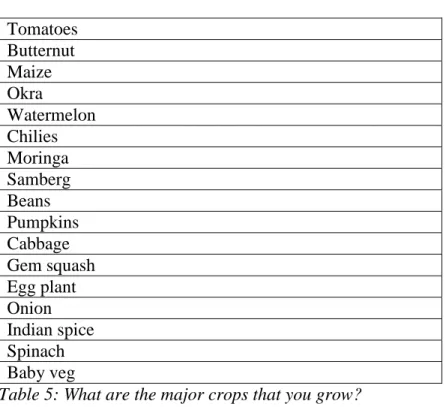
The season of farmers in Nwanedi usually starts in January and overlaps to March. The second season starts between July and September. The major crop produced in the area is jam tomato but they also plant other vegetables such as cabbage, legumes and cucurbits. Vegetables such as sugar beans, green beans, okra, cabbage, butternuts, watermelons and green peppers tomatoes are usually planted between February and June. They are able to produce about 130t of tomatoes per hector (Mashala, 2013).
NIS is composed of both loamy and clay soils which are an advantage, especially in an area that is always dry. Loam soil holds water longer than sandy soil, and normally has enough nutrients.
Nonetheless, the problem with loam soil is that when it is too wet, it is difficult to work. If