THE EFFECT OF LAND USE ON THE SPECIES COMPOSITION OF AMPHIBIANS IN NORTH EASTERN KWAZULU-NATAL
CHARLENE RUSSELL
Submitted in fulfilment of the academic requirements for the degree of Master of Science
in the Discipline of Wildlife Science
School of Biological and Conservation Sciences Faculty of Science and Agriculture
University of KwaZulu-Natal
Pietermaritzburg 2010
ABSTRACT
Global declines in amphibian species have directed research towards investigating why this is happening. One of the major causes of these declines is the fragmentation and loss of habitat. This study examined the effect of land use on the species composition of frogs within North Eastern KwaZulu-Natal, and the use of buffer zones to facilitate the protection of these species. Three land use types were investigated: sugar cane (Saccharum officinarum), gum (Eucalyptus sp.) plantations and conservation areas. The average number of frog species differed between areas: conservation 13.2 ± 6.6; plantations 3.8 ± 1.3; and sugar cane 2.8 ± 1.4. Sugar and gum plantation were found to be lacking the wetland and grassland/woodland habitats. In addition to this, the frog species that were not present on these land use types were those that are totally dependent on water as well as those that are not dependent on a water source. Two species were highlighted as possible indicator species of land use: Amietophrynus gutturalis and Hyperolius marmoratus.
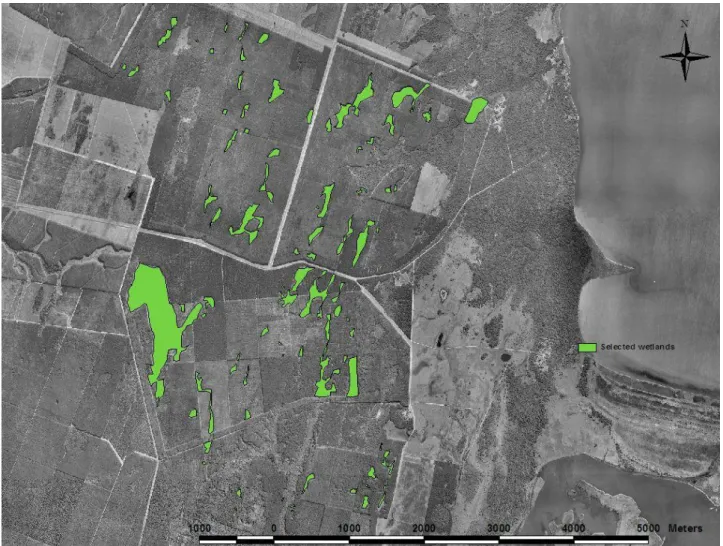
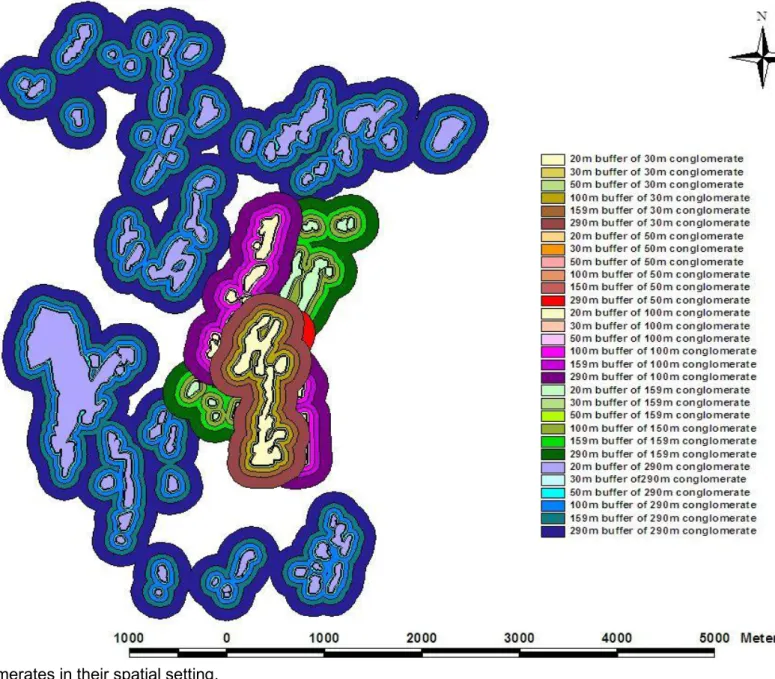
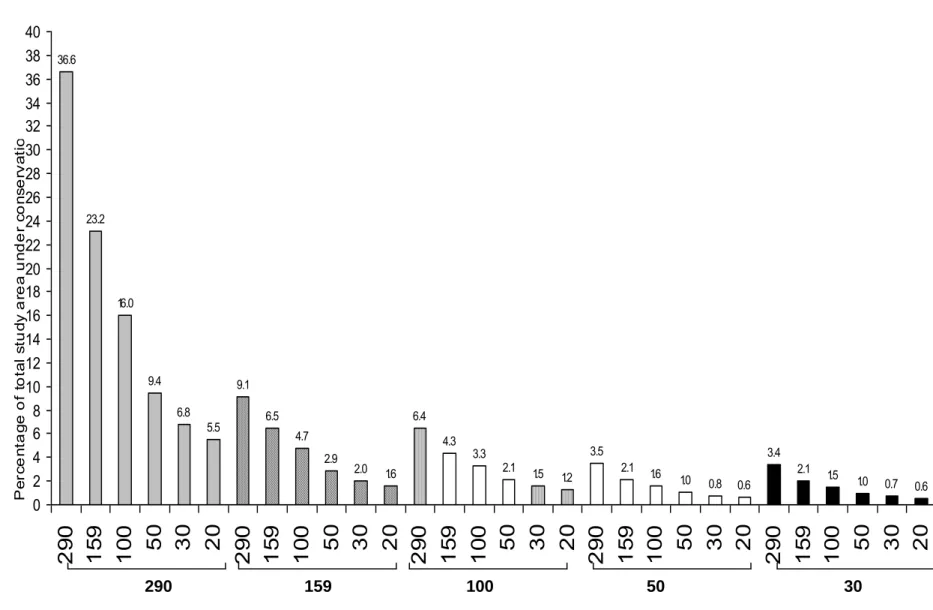
To mitigate the effect of these land use types, the use of buffer zones was explored in a desktop study. A range of buffer zones were applied to wetlands in a sample study area, using a range of distances including the distances of 290 m and 159 m recommended by Semlitsch and Bodie (2003), and the recommended distances for wetlands in South Africa of 10-20 m. The application of a 290 m and 159 m buffer zone on a conglomerate of wetlands connected by a 100m buffer was the most feasible as it incorporated a percentage of the total study (6.4% and 4.3%) area similar to the percentage occupied by the recommended 20m buffer zone (5.5%) around all wetlands, and still incorporated the range under protection put forward by Semlitsch and Bodie (2003). Management implications of these findings are discussed.
PREFACE
The data described in this dissertation were collected in the Republic of South Africa from November 2002 to May 2003, the desktop study was conducted from July 2006 till December 2010. Experimental work was carried out while registered at the School of Biological and Conservation Sciences, University of KwaZulu- Natal, Pietermaritzburg, under the supervision of Professor Colleen T. Downs.
This dissertation, submitted for the degree of Master of Science in the Faculty of Science and Agriculture, University of KwaZulu-Natal, Pietermaritzburg, represents original work by the author and has not otherwise been submitted in any form for any degree or diploma to any University. Where use has been made of the work of others, it is duly acknowledged in the text.
……….
Charlene Russell December 2010
I certify that the above statement is correct…
………..
Professor Colleen T. Downs Supervisor
December 2010
FACULTY OF SCIENCE AND AGRICULTURE
DECLARATION 1 - PLAGIARISM
I, Charlene Russell, declare that
1. The research reported in this thesis, except where otherwise indicated, is my original research.
2. This thesis has not been submitted for any degree or examination at any other university.
3. This thesis does not contain other person
s‟ data, pictures, graphs or other information, unless specifically acknowledged as being sourced from other persons.
4. This thesis does not contain other persons' writing, unless specifically acknowledged as being sourced from other researchers. Where other written sources have been quoted, then:
a. Their words have been re-written but the general information attributed to them has been referenced
b. Where their exact words have been used, then their writing has been placed in italics and inside quotation marks, and referenced.
5. This thesis does not contain text, graphics or tables copied and pasted from the Internet, unless specifically acknowledged, and the source being detailed in the thesis and in the References sections.
Signed: ………
Charlene Russell
December 2010
FACULTY OF SCIENCE AND AGRICULTURE
DECLARATION 2 - PUBLICATIONS
DETAILS OF CONTRIBUTION TO PUBLICATIONS that form part and/or include research presented in this thesis.
Publication 1
C Russell and CT Downs. The effect of land use on the species composition of amphibians in North Eastern KwaZulu-Natal.
Author contributions:
CR conceived paper. CR collected and analysed data, and wrote the paper. CTD contributed valuable comments to the manuscript.
Publication 2
C Russell and CT Downs. The use of buffer zones within sugar and gum plantations to facilitate the conservation of amphibians in North Eastern KwaZulu-Natal.
Author contributions:
CR conceived paper. CR collected and analysed data, and wrote paper. CTD contributed valuable comments to the manuscript.
Signed: ………
Charlene Russell
December 2010
Acknowledgements
I am very grateful to Prof. Colleen Downs for her assistance, support but mostly her patience, without which I would have given up on this project a long time ago.
Thanks must also be extended to Craig Morris for his guidance in matters statistical, Prof. Kevin Kirkman for his support and Dr. Les Minter for help, information and support in the early stages of this project.
I am grateful for the funding provided by NUFU and Mondi, and to the land owners and management at Sappi, Iquina, Bonamanzi, Falaza, Sliver Sands, Palm Ridge, Sugar Growers Association.
I must extend my thanks to the staff at Maximum Security, who accompanied me and my field workers into the plantation areas.
Much thanks to the time and support given by the game rangers and staff at Phinda Nature Reserve.
A very big thank-you to my friends and family who have given me emotional and financial support.
Finally, I would not have been able to complete the field work without the help of the volunteers organized by the Wildlands Trust, Wendy Goddard, Lucy Misch and Elizabeth Bagnell.
TABLE OF CONTENTS
ABSTRACT ... i
PREFACE ... ii
DECLARATION 1 - PLAGIARISM ... iii
DECLARATION 2 - PUBLICATIONS ... iv
ACKNOWLEDGEMENTS... v
TABLE OF CONTENTS………..vi
CHAPTER 1: Introduction: an overview of amphibian ecology ...1
Introduction ...1
Study questions and objectives ...2
Background information ...3
General biology ...3
Anatomy ...4
Life history ...6
Role in Ecology ...8
Factors affecting distribution ... 10
Local distribution ... 10
Populational distribution ... 11
Amphibian declines ... 15
Habitat loss and fragmentation ... 19
Issues of connectivity between suitable habitats ... 21
The use of buffer zones ... 21
Frogs as Bio-indicators ... 22
References ... 23
Tables ... 37
Figures ... 38
CHAPTER 2: The effect of land use on the species composition of amphibians in North Eastern KwaZulu-Natal ... Abstract ... 41
Introduction ... 42
Methods ... 45
Study area ... 45
Stratification and site selection ... 46
Data analysis ... 49
Results ... 50
Species composition ... 50
Classification ... 51
Correlation ... 54
Discussion ... 54
Conclusion ... 58
Acknowledgements ... 58
References ... 59
Tables ... 65
Figure legends ... 66
Figures ... 69
Appendices ... 79
CHAPTER 3: The use of wetland buffer zones within sugar and gum plantations to facilitate the conservation of amphibians in North Eastern KwaZulu-Natal ... Abstract ... 82
Introduction ... 83
Methods ... 85
Study area ... 85
Mapping and area calculation ... 85
Results ... 86
Discussion ... 87
Conclusion ... 90
References ... 90
Figures ... 93
CHAPTER 4: Conclusion and implications for management ... Amphibian declines and land use ... 99
Implications for Amphibian species in South Africa ... 100
Opportunities for future research ... 100
References ... 102
Chapter 1
An overview of amphibian ecology
Introduction
The Anura of South Africa are numerous and widely distributed, however there is still much to discover about these vertebrates (Passmore & Carruthers 1979; Carruthers 2001; Channing 2001;
du Preez & Carruthers 2009). Global declines in amphibians have alarmed scientists, indicating a possible worldwide ecological dilemma. This awareness has been brought about by the noted decline of populations and increased incidence of deformations found in amphibians (Alexander &
Eischeid 2001; Beebee & Griffiths 2005; Griffiths et al. 2010). The suggested causes of these declines are global warming, increased ultra-violet radiation and pollution (Alexander & Eischeid 2001; Griffiths et al. 2010).
There has been an increase in awareness, worldwide of the biological importance of frogs (the word frog will be used but includes all Anurans) (Wake 1991; 1998). There is a wide diversity of species with a large degree of specialisation. They are found on all continents except Antarctica and there are as many species of amphibians as there are mammals and birds (Zug 1993). Frogs are vital entities in any food web, both as predators and prey (Beebee 1996). Populations are susceptible to environmental degradation due to their semi-permeable skins. The short lifecycle of the frog rapidly illustrates a decline in numbers when there is a change in environment (Alford &
Richards 1999). For these reasons frogs can be used as early warning systems and bio-indicators of possible environmental defects (Wake 1991; Channing 1997; du Preez & Carruthers 2009). To understand how frogs could be used as indicators of the state of their environment, their general biology and biogeography must be examined. There are various environmental factors that limit the distributions of species, and may cause a reduction in the abundance of species (Mattison 1987).
These variables will be explored in the literature review this document, with the intention of further understanding how frogs can be used as bio-indicators.
Global concerns have p rompted scientists in S outh Africa t o i nitiate the compilation of a Frog Atlas (Minter et al. 2000; Minter et al. 2004). The project started in 1995 and the resultant Frog Altas, published in 2004, has listed 23 red data species, 21% of the total number of Anurans (Branch & H arrison 20 04, du P reez & C arruthers 20 09). F rogs i n South Africa are widely distributed and inhabit even the drier corners of the country. Most species, however, occur where human i mpact i s hi gh and as a consequence t he m ain concern i n South Africa is ha bitat loss (Channing 2001; Branch & Harrison 2004; du Preez & Carruthers 2009). Frogs play a vital role in ecosystem maintenance, and in particular, in wetland functioning (Beebee 1996). The importance of w etlands i n South African eco logy ha s r eceived r ecent attention an d funding. Wetlands are responsible for the filtering and stabilising of most of the country‟s water resources. In an area where w ater i s na tionally l imited, an d the driv ing force behind most ec ological i nteractions, t he protection of wetlands is essential (Hart & Allanson 1984; Kotze 1996). In South Africa, a buffer zone of 10m from the edge of a wetland is enforced (Conservation of Agricultural Resources Act 43 o f 19 83). This bu ffer z one protects t he eco system functioning o f the w etland bu t m ay no t incorporate ad equate natural v egetation to ensure the con servation of a mphibian spe cies (Semlitsch 1998). Semlitsch & Bodie (2003) recommend that a buffer zone with a range of 159m to 290 m, an d t hat i ncludes t he na tural ha bitat, i s ap plied a round w etlands t o pro mote the conservation of amphibians.
Therefore the aim this study was is to explore the aspects of a frog‟s characteristics that make them susce ptible to environmental cha nge, t he factors t hat a ffect their di stribution, the possible causes of global declines, the use of frogs as bio-indicators, and the use of wetland buffer zones for amphibian conservation.
Study questions and objectives
This aim of this study is to provide answers for the following:
To what extent does land use type (sugar cane, forestry and conservation) in northern KZN affect the composition of frog species?
If so, what are the possible causes of this effect?
What species can be used to indicate the state of the ecosystem?
How can buffer zones be applied to facilitate the conservation of frog species?
Therefore this study has the following objectives:
Determine if land use has had an impact on the species composition of anurans in the Zululand region of KwaZulu-Natal
Determine if the species composition of anurans can be used as indicators of a decline in the quality of the environment they inhabit.
Investigate how buffer zones can be used to facilitate the conservation of frog species.
Background information General biology
There have been reports of amphibian declines worldwide (Wake 1991; Biek et al. 2002;
Muths et al. 2003; Beebee & Griffiths 2005; Griffiths et al. 2010). Scientists have been alarmed by these findings, bu t are unable to agree i f t he p henomenon i s du e to natural po pulation flux or genuine decreases i n nu mbers. Experts are also un sure if these de clines are a r esult of global changes in environment or to localised anthropogenic factors (Lips 1998 Biek et al. 2002; Muths et al. 2003; Beebee & Griffiths 2005; Griffiths et al. 2010). Before these issues can be resolved, the general biology and ecology of these vertebrates must be understood. Without comprehension of these aspects, population changes cannot be analysed. Further investigation in these areas will assist in the reliable use of frogs as environmental indicators.
Three aspects of amphibian biology increase their sensitivity to environmental degradation.
These asp ects a re: a permeable skin; a co mplex l ife cycle; and a reliance of m any spe cies on individual water bo dies for reproduction ( Lips 1998). These factors sha ll be ex plored in further depth.
Anatomy
Frogs are vertebrates and share common characteristics with the animals in this group. To distinguish them from other vertebrates some aspects of their anatomy are unique. These aspects are the composition of their skin; a specialised auditory and visual system; and pedicellate teeth.
These traits are common to all amphibians and indicate that they descend from a common ancestor and have subsequently adapted to suit their individual lifestyles (Townsend et al. 2003).
Calling behaviour plays a vital role in the reproductive strategies of frogs (Mattison 1987; du Preez & Carruthers 2009). An efficient auditory system is needed to support these strategies. The ears of a frog are paired structures found on opposite sides of the head and consist of an outer, middle and inner section. The outer ear is usually a slight depression covered with the tympanum.
The middle ear consists of a double-channelled system, as opposed to the single channel that comprises the auditory system of most tetrapods. The additional channel, the opercular-amphibian papilla, enables frogs to detect low frequency sounds, those under 1000 Hz. These frequencies are produced by seismic vibrations from the ground and are detected by receptors on the limbs, which are then transferred to the inner ear and interpreted in the brain. This limb-opercular path is only found in frogs and salamanders. The sensory papillae of the inner ear are also specific to amphibians (Zug 1993; Channing 2001; du Preez & Carruthers 2009).
With regards to vision, frogs are also unique in that they are the only vertebrates able to raise and lower their eyes. They possess a muscle across the bony socket that contains the eye, which elevates the eyeball. The structure of the eyeball differs from other vertebrates, the layers of the retina are not found in the same sequence and the receptors face inward away from incoming light. Frogs are also the only animals to possess light receptors known as green rods, in addition to the usual red rods that detect colour. The function of these green rods is unknown (Duellman &
Trueb 1986; du Preez & Carruthers 2009).
In contrast to the single solid structures that comprise the teeth of most vertebrates, frog‟s teeth consist of two separate sections: a pedicel, the elongated base set in the jaw bone; and the crown which protrudes above the gum. This two-part structure enables the frog to replace its teeth
as they wear down (Carruthers 2001; du Preez & Carruthers 2009). Each tooth is constricted at the base of the crown where it joins the pedicel, when the tooth is worn away to this constriction, it breaks off and is replaced by a new crown. Most frogs lack teeth on their lower jaw and a few lack teeth on the upper jaw. The reason for this is possibly to accommodate a projectile tongue, which is used to capture prey (Zug 1993).
The most defining aspect of a frog‟s anatomy is its skin. The composition of the skin and its function circumscribes the behaviour and life history of an individual. The semi-permeable nature of the skin limits its tolerance to its environment and dictates its dependence on water (Alford &
Richards 1999). The skin serves multiple roles; it lends support and protection from the environment, it holds tissues and organs in place but must be flexible enough to permit movement and growth. It plays a role in sensory perception, osmotic control and thermoregulation (Townsend et al. 2003). In frogs more than in other vertebrates, the skin is a surface where respiration occurs.
It is the exploitation of the skin as an organ of respiration that is the defining factor in the ecology of a frog. To permit respiration the surface of the skin must be kept moist. The frog possesses many unicellular mucous glands that produce a mucous coat that covers the epidermis (Zug 1993). The mucous keeps the surface moist for the process of gaseous exchange and contains antibiotics to prevent bacterial infections (Duellman & Trueb 1986). Frogs are also in the possession of granular glands that secrete a noxious solution. These granular glands are usually aggregated on the head and shoulders of an individual, which is the area first encountered by a predator. The same type of toxin is produced in all species but it varies in concentration, which ranges from mildly irritating to deadly. The skin of Anurans is loosely connected and is shed as the animal grows (Passmore &
Carruthers 1979; Zug 1993; Duellman & Trueb 1986; Carruthers 2001).
The general anatomy of a frog is suited to its dual life in water and on land. It is this double existence that dictates the sensitivity of frogs to their environment (Beebee 1996). If either habitat is altered it could affect a large community. The most significant aspect of a frog‟s anatomy, with regard to its sensitivity, is its semi-permeable skin. In facilitating respiration, the skin is reliant on moisture and susceptible to chemicals. These two factors limit the frog‟s resilience to
environmental change and designate it a worthy bio-indicator (Poynton & Boycott 1996; Hartwell &
Ollivier 1998; Beebee & Griffiths 2005; Griffiths et al. 2010).
Life History
The life history of an individual includes every aspect of its life from conception to death (Wilson 1992). Life history refers to the key traits exhibited by the general population. These key traits are: life span; age at sexual maturity; fecundity; and annual reproductive effort (Mattison 1987; Wilson 1992). The differences in these traits denote the alternative strategies employed by each species, which ensure their evolutionary success. The different strategies further denote how susceptible a species is to environmental change. By examining the general life history patterns of frogs it can be better understood why they are good indicators of ecosystem stress (Hartwell &
Ollivier 1998; Wilson 1992; Zug 1993).
Most species of animals can be divided into two groups with contrasting life history states, generally referred to as r and K-strategies (Wilson 1992). Those species that employ an r-strategy have short-lived populations; early sexual maturity; large broods and high annual reproductive effort. The opposing K-strategy exhibits long-lived populations; delayed sexual maturity; small broods and low annual reproductive effort (Wilson 1992; Townsend et al. 2003). The ancestors of frogs employed a general r-strategy. They relied on aquatic breeding, producing numerous offspring in a single clutch (semelparity) or in many clutches throughout the breeding season (iteroparity). They had a short lifespan and a high mortality in all age classes. These life history states are still exhibited by small Anurans in seasonal environments (Zug 1993).
Modern Anurans that don‟t display this general life history strategy have diverged into two groups (Zug 1993). The first are still reliant on aquatic breeding but have increased their lifespan and their body size. With a larger body, they are able to produce larger clutches and have a higher lifetime reproductive effort. Examples of Anurans in this group are large bodied bufonids and ranids (Bass 1966; Passmore & Carruthers 1979; Mattison 1987; du Preez & Carruthers 2009). The other
group have reduced or completely eliminated aquatic breeding. They employ parental care and extra-uterine ovoviviparity (eggs develop within the parents body, seemingly giving „birth‟ to fully developed young). Some species of this group develop directly and skip the tadpole phase. Most examples of these species are forest dwellers in tropical regions (Zug 1993).
Environmental perturbations are usually evident at the population level, where a decrease in numbers occurs (Wilson 1989; Biek et al. 2002). This would occur first in the populations with the fastest turnover of generations. In aquatic environments these populations are usually the invertebrates. A decrease in numbers of invertebrates is sometimes not easy to detect and is usually only visible when it affects animals higher in the food chain, like amphibians. Frogs have a relatively short life span when compared to other vertebrates. A change in environmental conditions that prevents successful reproduction will cause a visible change in population numbers.
Frogs have a dual life history and are reliant on habitats both in the water and on land, and are sensitive to changes in both strata (Bass 1966; Vitt et al. 1990; Wake 1991; and Blaustein et al.
1994).
Most species of Anurans rely on water for reproduction. Often a single water source will support many individuals of various species. Each species uses the water source in a different and unique manner. If some mishap were to befall that area, many species would be prevented from breeding (Lips 1998). This would be illustrated by a decrease in population numbers the following season. If the area does not recuperate the effect would accumulate and have more serious repercussions. Tadpoles are highly adapted to suit the strata that they inhabit in a water source.
Minor environmental changes can destroy entire cohorts (Hartwell & Ollivier 1998). The life history variables of frogs: their duality, specialisation, and short-lived populations add to their suitability for use as environmental indicators.
In South Africa the life histories of Anurans are diverse (Passmore & Carruthers 1979; du Preez & Carruthers 2009). Populations that inhabit the same area are able to co-exist without being in direct competition for the available resources. The reason this is possible is because they employ different strategies and utilise alternative niches. The common guttural toad
(Amietophrynus gutturalus), for example, is an opportunist. It feeds on what is available and reproduces whenever the conditions are favourable (Channing 2001). Other species only breed once a year, after the first rains of spring. Some only at the end of summer when the water levels have reached the maximum. Xenopus laevis, the common platanna, is a species that is completely aquatic from the larval stage through to adulthood. The Bushveld Rain Frog (Breviceps adspersus) is a species not reliant on open water bodies at any stage of its development. To attract a mate the male calls while walking around on the surface or from within a deep burrow in open or lightly wooded savanna. The tadpoles are laid and develop in a muddy nest within the burrow (Carruthers 2001; du Preez and Carruthers 2009). The wide diversity of life histories in South Africa is mainly due to the wide variety of available habitats. This variation in habitat type has facilitated the development of many species and is the reason South Africa can boast an impressive diversity of Anurans (Channing 2001; du Preez and Carruthers 2009).
Role in Ecology
Ecology is the study of ecosystems and how the communities they support interact and function together (Townsend et al. 2003). Exploring how frogs reside in these communities will give a better understanding of the manner in which they can be used to as indicators of the status of their ecosystem (Hartwell & Ollivier 1998). Each organism has a role to play as a provider and consumer in a delicately balanced arrangement of finite resources. Every species is theoretically as important as the next. Frogs play the role of both predator and prey in any system they inhabit (Dodd & Cade 1998). They are widely spread across the globe and occupy almost every conceivable habitat type. A species of toad is even found in the Artic, the presence of an “anti- freeze” in its blood allows it to survive the harsh winters (Beebee 1996).
The dual life style of frogs allows them to occupy different niches during their development.
As tadpoles, most species are herbivorous, and generally microphagous, feeding on algal and bacterial scum that covers all objects immersed in water. Few tadpoles deviate from this (Beebee 1996). The larvae of Pyxicephalus adspersus are an exception, as they tend toward carnivorous
behaviour and have been known to prey on other tadpoles (Carruthers 2001; Channing 2001). As adults, all frogs are carnivores and unable to process plant matter. They are predators who will prey on anything smaller than themselves, including other amphibians. Their diet ranges from the smallest arthropods to birds and small mammals (Passmore & Carruthers 1979; Zug 1993;
Carruthers 2001; Channing 2001).
To avoid capture by a predator, a frog can rely on a number of defensive strategies. An individual‟s primary concern is to avoid detection (Mattison 1987). Avoiding the search path of a predator is the most obvious tactic. This can be done by having an alternate activity cycle or inhabiting a different region to that of a predator. Most frogs limit their exposure to predators by being nocturnal (Carruthers 2001; du Preez & Carruthers 2009). There are also many species that implement camouflage as an approach to avoid detection. Early identification of a predator is also important, this ensures that an escape can be made. Tadpoles release an „alarm‟ substance in the presence of a predator, which alerts all the tadpoles in the immediate vicinity. The co-operation of tadpoles within a group provides protection for the individual (Zug 1993).
If a predator cannot be avoided, then the individual employs its second level of defence, that of crypsis and confusion (Zug 1993). Many species of frogs seem brightly coloured and patterned when taken out of their natural habitats, but blend in to their normal environments. The Tinker Reed frog (Hyperolius tuberilingus) is such an example, its colour is near luminous green or yellow but within the wetland vegetation it inhabits it is almost impossible to distinguish (Bass 1966;
Passmore & Carruthers 1979; Channing 2001). Most species of toads also use camouflage with their brown mottled appearance softening their outlines (Carruthers 2001). Toads and other frogs make use of a defensive posture to add to their camouflage. When detected by a predator they often flatten themselves against the ground. This posture eliminates the edge effect of the animal and disrupts the predators search image (Zug 1993).
Factors affecting distribution Local distribution
The factors governing the distribution of a species are important to examine as they lead to a greater understanding of the causes of species declines (Alford & Richards 1999; Griffiths et al.
2010). The distribution of a species is governed by changing factors. These factors define where a species is found on two levels; the distribution of the population, and of the individual (Zug 1993). A population is comprised of a group of organisms of the same species, which inhabit a region that enables them to interact and breed (Townsend et al. 2003). The scope of a population is regulated by the physiological tolerances of the species and availability of resources. The range inhabited by an individual is defined by intraspecific competition for common resources such as space, food, water, and mates. Local distribution is the spacing of individuals amongst members of the same species (Zug 1993).
The factors that affect local distribution are the factors that define the size of a species home range (Zug 1993). The home range is the area occupied by an organism on a daily basis that allows it to perform its usual activities (Townsend et al. 2003). The size and locality of an individual‟s home range may vary between seasons and populations (Dodd & Cade 1998). The home range of an amphibian is measured on a three dimensional scale (Bass 1966). Most amphibians are sedentary and occupy an area of about 10m2 to 1000m2 for the majority of their life span (Zug 1993; Semlitsch 1998). Some species may inhabit completely different regions at adulthood compared to the larval stages, or during breeding periods (Semlitsch 1998; Carruthers 2001; Channing 2001; Semlitsch & Bodie 2003). The life history of a species, thus, plays a role in determining the locality of its home range.
The size of an organism‟s home range is a direct function between the availability of resources and the energy required to collect the resources needed for maintenance, growth, and reproduction (Semlitsch 1998). The energy used in foraging for food must not exceed the energy gained from the food that is collected, or place the individual at any extreme risk of predation (Welsh & Ollivier 1998; Townsend et al 2003). The availability of resources depends on the
number of individuals competing for their consumption, both interspecifically and intraspecifically.
The greater the number of individuals of the same species, the greater the competition for food, water, space and mates (Townsend et al. 2003). The input of energy into obtaining these resources by the individual, under these circumstances, will have to be increased, leaving less energy for physiological functioning. A dynamic equilibrium is therefore reached between the amount of available resources and the number of individuals competing for them. This number of individuals determines the size of each home range (Zug 1993).
The size, locality and degree of overlap between each home range of an individual member of a species contributes to the distribution of the species as a population. The factors that affect the availability of resources for the individual also affect the range of that population. Local distribution, intraspecific competition and the availability of resources affect the distribution of the population as a whole. Populational distribution is also affected by biogeographical factors such as historical dispersal, species physical tolerances and climate (Semlitsch 1998; Carey et al. 2001).
Populational distribution
The area that a population inhabits is limited by the availability of the resources needed for the continuance of the species (Werner et al. 2007). Certain individuals may be found outside of the populational boundaries but the conditions at that site may not facilitate breeding or the subsequent survival of further generations of that species (Vallan 2000). The boundaries of a population are in a constant flux between survival and extinction (Zug 1993). Historical events have affected the dispersal and speciation of a population and give some explanation of the current distribution (Cushman 2006; Werner et al. 2007). It is necessary to examine the origin and evolution of amphibians to fully understand their distribution today (Zug 1993).
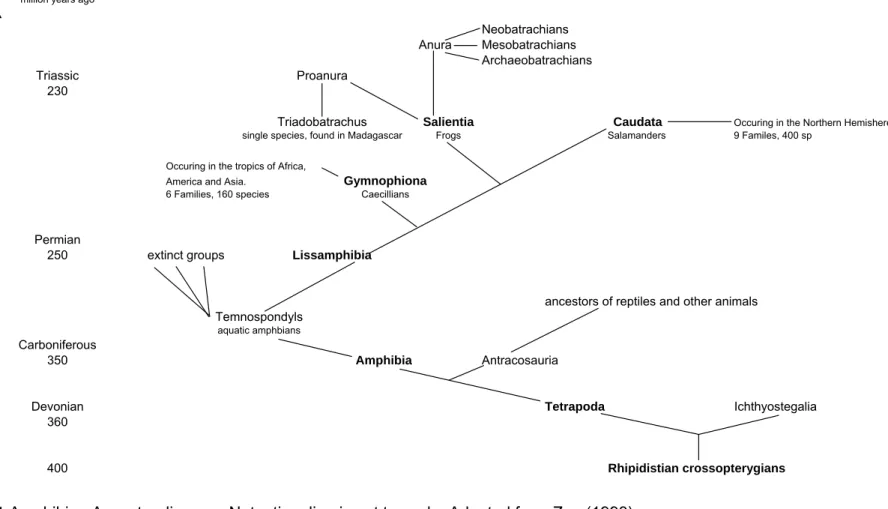
Scientists believe that approximately 400 million years ago fresh water lobed- fin fishes, Rhipidistian crossopterygians, developed short robust fins (Carruthers 2001; du Preez &
Carruthers 2009). These fins served as props and allowed the organism to walk along the bottom,
with the body of the fish suspended in the water. These structures gradually adapted to environments with less water and became more sturdy and flexible. Lungs developed early in Bony fishes, most likely due to anoxic or low-oxygen conditions within water bodies. These developments facilitated the progression of organisms from an aquatic environment to a terrestrial one. Fossils of a semi-aquatic organism have been discovered, named Icthyostega, which was able to move between water bodies in times of drought. This organism is one of the first tetrapods and it is likely that the ancestors of amphibians were structurally similar to Icthyostega. Tetrapoda diverged into two lineages, one that gave rise to modern day reptiles and the other to amphibians.
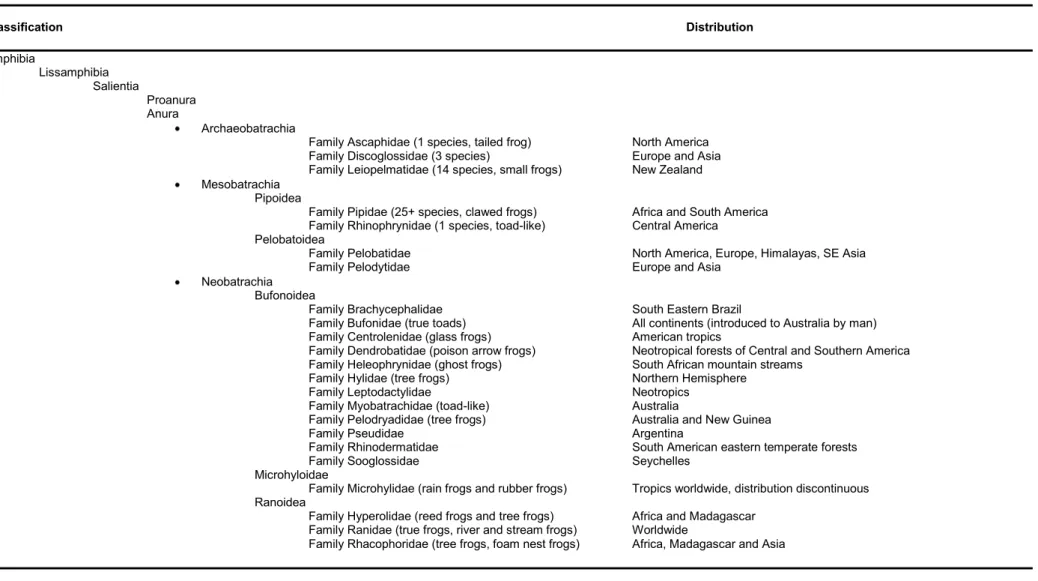
Many primitive forms of amphibia went extinct but the group Lissamphibia developed into the present forms of amphibians that are found today: Caecilians, Salamanders, and Frogs (Fig 1.1).
Lissamphibia occurred in the Mid-Permian Period and the distribution of these three groups coincides with the separation of the landmass into Gondwanaland and Laurasia. Fossils of the five groups of Salamanders are found only in the Northern Hemisphere; and evidence of the first frogs and caecilians is confined to the Southern Hemisphere (Zug 1993).
Frogs (Salientia) are divided into two major groups: Proanurans and Anurans. Proanurans are the earliest and structurally most primitive frogs, of which, all species are now extinct. These early frogs are of Gondwanan origin, and appear to have arisen and radiated from the southern continents (Zug 1993; Carruthers 2001; du Preez & Carruthers 2009). The first fossil frog, Triadobatrachus, was dated to the early Triassic Period and was found on Madagascar (Glaw &
Vences, 1992). This is the only known example of a Proanuran. Subsequent groups of frogs, the Anurans, are divided into three groups: Archaeobatrachians, the most primitive families;
Mesobatrachians, transitional frogs; and Neobatrachians, modern frogs (Zug 1993).
Most of these families originated in the Southern Hemisphere and fossil remains track their radiation northwards, however, some Neobatrachians have histories confined to the northern hemisphere and their radiations are similar to salamanders (Zug 1993; Beebe 1996). The family Pipidae (Table 1.1) are one of the most primitive families still in existence. The first fossil records of this Mesobatrachian family appear during the early Cretaceous period. Three genera from this
period were found in the Mediterranean, which suggests an early radiation of the African pipids.
The most adaptable and diverse of this group is the genus Xenopus. Fossils have been found in Nigeria from the late Cretaceous and in Libya from the Oligocene. Two species were found in
mainly across the tropical regions worldwide. Hyperolidae are only found on the African continent and on Madagascar, this family includes the genera Afrixalus, Kassina, Semnodactylus, Hyperolius and Leptopelis. Chiromantis belongs within the family Rhacophoridae, which are the tree frogs of Africa, Asia and Madagascar (Passmore & Carruthers 1979; Zug 1993; Carruthers 2001; Channing 2001). Ranidae Brazil and Argentina, but have subsequently gone extinct (Zug 1993). Of the other southern African frog families, Bufonids are found worldwide (Table 1.1), but are polyphyletic, arising from differing origins. The family Heleophrynidae are endemic to South Africa, are only found in clear swift, vegetated mountain streams, kloofs, forests and grassland.
The Genera Breviceps and Phyrnomantis belong to the family Microhylidae, which are intermittently distributed, which are known as true frogs (Carruthers 2001), are found worldwide and is a highly speciose family which includes the following Southern African genera: Amietia, Hildebrantia, Hylarana, Ptychadena, Pyxicephalus, Strongylopus, Tomopterna, Anhydrophyrne, Arthroleptella, Phrynobatrachus and Poyntonia. Zug (1993) includes Arthroleptidae and Hemisotidae within the family Ranidae, but Carruthers (2001) lists them as separate families of their own.
Current distributions of frogs can be explained by the biogeographical theories of vicariance or dispersal (Townsend et al. 2003). Dispersal places a population with a centre point of origin from which each group moves outwards and across barriers (Werner et al. 2007). The resultant communities are formed from one or several centres. The theory of vicariance states that populations are stationary and have been divided by geographical events that produce barriers.
Groups are subsequently isolated and evolve separately. Vicariance is generally the preferred explanation, but this may be because it is easier to test. In most regions the histories of the communities are so complex that both concepts can be used to explain the distribution of populations (Zug 1993).
The South African distribution of Hyperolius nasutus (Long Reed Frog) is widely separated from the northern population (Carruthers 2001; Channing 2001; du Preez & Carruthers 2009). This phenomenon could have occurred as a vacariance event, where a barrier developed dividing the northern and southern populations. If a smaller group of the original population spread southwards until they reached their current destination, then this pattern of distribution could be explained by dispersal. Deciding how a population came to inhabit the area it does can be done by examining geographic history, discovering the time that a barrier such as a desert or mountain range came into existence, and comparing it to the age of fossil remains (Zug 1993).
Every organism is only able to tolerate certain conditions. Climate is a variable factor that defines the range of most animals. In South Africa 53% of the total number of species are found within the northeastern section of the country (Fig 1.2). This area of the country has the highest rainfall and the warmest average temperatures, which makes this area the most suitable for amphibian inhabitation. Bass (1966) describes a noted subtraction of tropical frog species from the north and appearance of non-tropical species in the south, around the Greater St Lucia Wetlands Park area on the northeastern coast of KwaZulu-Natal. Temperature appears to be the explanatory factor for this phenomenon, as the subtraction of tropical species coincides with the 18○C July isotherm (Poynton 1964). This can also be seen in the distribution of species recorded in the Frog Atlas and Red Data Book (Minter et.al. 2004).
The majority of amphibians are limited to specific areas because of their reliance on water due to their semi-permeable skin (Mattison 1987). There are a few species that inhabit drier areas and have adapted to harsher conditions. By occupying a niche in a harsh environment a species can avoid competition. The Desert Rain Frog (Breviceps macrops) is found on desert and coastal sand dunes in the Namib Desert (Carruthers 2001; du Preez & Carruthers 2009). The rainfall in this region is below 400mm per annum. In South Africa frogs can be broadly divided into three groups depending on their reliance on bodies of water (Passmore and Carruthers 1979). Species such as Xenopus laevis are totally aquatic and spend most of their life in water (Measey 2004).
Rain Frogs (Breviceps sp.) occupy the opposite end of the scale and do not rely on water bodies at
any stage of their life history, even for breeding (Minter 2004). Intermediate species are those that use water bodies for breeding, but generally occupy other areas, like Grass Frogs (Ptychadena sp.) (Channing 2004).
Climate, species tolerance levels and competition for resources determine the distribution of a population. Within a region not all species inhabit the same niche (Bass 1966). Distribution occurs on a three dimensional level, and populations that are found within the same area may not occupy the same space, or rely on the same resources. An environmental disturbance within an area may not, therefore, affect all the species that occupy that region. A change in range of a single population indicates that something is amiss within that ecosystem, which is why it is important to understand the distribution patterns of frogs and how they can be used to signal environmental change.
Amphibian declines
Research in the 1980‟s alerted scientists to the possibility that certain amphibian species were less abundant or becoming extinct. What was most alarming about these findings was that the declines were occurring in relatively undisturbed regions and even in areas under conservation (Corn and Fogleman 1984; Heyer et al. 1988; Weygoldt 1989; Lips 1998 Biek et al. 2002; Muths et al. 2003; Beebee & Griffiths 2005; Griffiths et al. 2010). Global concerns about amphibian declines were initially brought to light at the First World Congress of Herpetology in 1989 (Barinaga 1990;
Wake 1991). Since then scientists have had to resolve certain issues surrounding the documented cases of declines. It is not clear yet if these decreases in abundance are a normal fluctuation in population numbers, if they are isolated instances, or a problem occurring on a global level (Lips 1998). The most noted declines have been recorded in North and South America, Puerto Rico, Costa Rica and Australia (Pounds and Crump 1994; Alford & Richards 1999; Alexander & Eischeid 2001; Carey et al. 2001). Most cases have acknowledged a reduction in frog species that inhabit high elevation streams (Bradford 1991; Carey 1993; Lips 1998; Pounds et al. 1999; Alexander &
of species. Anthropomorphic effects have caused changes in the environment, climate and the atmosphere. The extent of the effect that these changes have had on ecosystems and how they function has not yet been measured effectively. Scientists are treating the decline in amphibian numbers as an early warning of more catastrophic events to come. Identifying the causes of these declines will give a greater understanding of how to mitigate the effects (Houlahan et al. 2000).
Climate limits the distribution of frog species, which is why changes in climate have been investigated as a cause of declines of species within a region (Beebee 1995; Fisher & Shaffer 1996; Parmesan 1996; Lips 1998; Beebee & Griffiths 2005; Griffiths et al. 2010). Global warming and the subsequent effects on climate have become an issue worth examining (Intergovernmental Panel on Climate Change 1996). Abnormally dry conditions, frequent summer droughts, excessive rainfall in cooler months and increased summer temperatures have all been proposed as causes of amphibian declines (Osbourn 1989; Weygoldt 1989; Ingram 1990; Fellers & Drost 1993; Pounds and Crump 1994; Laurance 1996). Alexander and Eischeid (2001) examined climate data and amphibian population changes on a macro-level, using a re-analysis system and area-averaged station data. Their results did not show a significant correspondence between temperature fluctuation and species declines. They concluded that unusual climate factors, such as decreased precipitation and increases in temperature, are unlikely to be the direct cause of amphibian declines. They suggest that climate may be an indirect cause, by facilitating the propagation of certain pathogens that cause amphibian mortality. The results of an investigation into the decline of amphibians in Puerto Rico by Stallard (2001), also illustrates a similar relationship between climate change and population numbers. He states that changes in climate are not extreme enough to be the direct cause of declines within that region. Large scale, long-term data indicates that climate may affect related environmental variables within a system and affect synergistic interactions, which contributes to species declines (Carey et al. 2001).
In conjunction to climate change, ozone thinning has been highlighted as a possible cause of global amphibian declines (Alford & Richards 1999). The thinning of the ozone has increased the amount of ultraviolet radiation that reaches the earths‟ surface (Stolarski et al 1986; McKenzie
et al. 1999). Several studies have been conducted to quantify the effect of UV on amphibians.
Some investigations have concluded that UV-B radiation has a negative effect on the survival of amphibian embryos and larvae (Long et al. 1995; Anzalone et al. 1998). Formicki et al. (2003) stated that increased UV-B caused significant decreases in oxygen consumption in Bufo bufo tadpoles. Ultraviolet B radiation was also found to have significant negative effects on the growth and development of Rana temporaria (Pahkala et al. 2003). Frog species have differing levels of photolyase, the enzyme responsible for the repair of ultraviolet B (UV-B) radiation damage (Blaustein et al. 1996). The impact of UV-B differs between species, some species are more sensitive to UV radiation than others (Corn 1998). Some studies have shown no significant effects of increased UV radiation (Blaustein et al. 1996; Corn 1998; Blaustein et al. 1999). The species most affected by an increase in UV radiation appear to be those that breed in clear, shallow water, at high elevations (Blumthaler & Ambach 1990; Anzalone et al. 1998; Lizana & Pedraza 1998). The effects of UV radiation, however, have not been proven to be a direct cause of amphibian declines (Middleton et al. 2001). When found in addition to other factors, they have certain indirect effects that could contribute to the global phenomenon. Ultraviolet radiation increases could cause a change in water chemistry, affect the food supply of amphibians, and cause physiological damage to species, which decreases an individual‟s evolutionary success (Alford & Richards 1999).
Besides the effects of climate change, global warming and increased UV radiation on amphibians there are various other factors that could contribute to declines. These factors are:
change in acidity and toxicants; pathogens; introduced exotic species and habitat modification (Alford & Richards 1999; Griffiths 2010). The sensitivity of frogs to their environment has already been explored in this document, it follows that to examine the extent to which toxicants and changes in pH have had on declines in population numbers. Low pH levels in aquatic habitats have been shown to negatively affect the distribution, reproduction and survival of eggs and larvae of frog species (Wyman 1990). The chemicals used in pesticides affect the growth and development of tadpoles (Channing 1997).
The increased instance of pathogens in amphibian habitats has led to several reports that have suggested that disease has played a role in global declines (Beebee 1977; Bradford 1991;
Wake 1991; Carey 1993; Muths et al. 2003). The fungus Saprolegnia ferax has been identified as the pathogen responsible in most cases of embryonic mortality in amphibians (Blaustein et al.
1994). Those species that lay their eggs in a large communal mass are most at risk to the effects of S. ferax, as the fungus is easily passed from one egg to another (Kiesecker et al. 2001). The negative effects of this pathogen, autonomously, may not be severe enough to account for any significant declines, but when coupled with the effects of UV radiation the frequency of mortalities increase (Kiesecker et al. 2001). Mortalities in amphibians caused by S. ferax are greater when rainbow trout have been introduced into the system. The introduced species are carriers of the pathogen, and even soil from fish farms has been found to contain the fungus (Kiesecker et al.
2001). Introduced species cause imbalances within an ecosystem in terms of upsetting predator- prey ratios, but they can also bring in other exotic parasites and pathogens (Muths et al. 2003). In recent years much attention has been given to the extent and effects of the chytrid fungus Batrachochytrium dendrobatids on local population declines in frog species (McCallum 2004). The fungus has caused local extinctions in areas across Australia and Central America (Berger et.al.
1998; McCllum 2004; Schloegel 2006). The distribution and full effect of this fungus is currently being researched and is considered as a phenomenon that has been underreported (Schloegel 2006).
Probably the largest impact humans have had on their environment is that of habitat modification and destruction. The removal of habitat types has displaced many species, and caused many to become endangered. Amphibians have not been excluded from this effect. Many amphibian species breed only within specific habitat types, and are unable to successfully reproduce if that habitat type has be removed (Mattison 1987). Habitat destruction is the most wide spread factor contributing to global amphibian loss (Alford & Richards 1999; Blaustein & Kieseker 2002; Behangana & Arusi 2004; Griffiths et al. 2010). The effects of habitat loss and fragmentation are discussed in greater depth in the following section.
On examination of the literature available, it appears that scientists have been unable to locate a direct cause of global amphibian declines. The factors such as climate change, increased UV radiation, acidity, toxicants, pathogens, exotic species and habitat modification have all been shown to have a negative, but indirect, effect on amphibian populations. These factors independently may not be responsible the global phenomenon, but combinations of some or all the factors could facilitate the decrease in amphibian numbers (Alford & Richards 1999). The hole in ozone layer, increases the amount of UV-B radiation, which could cause a change in local climate, the increase in UV-B perpetuates the production of the S. ferax fungus (Kiesecker et al. 2001), which decreases the number of individuals in a population. If this occurs within an area that has been impacted by humans; where pesticides and fertilizers have polluted the water bodies; and large-scale habitat destruction has taken place; then the survival of the entire amphibian population within that area is at risk. Each area where declines have been noted needs to be treated individually, as the combinations of the factors may differ. This presents a new and unique dilemma at every site. Amphibian declines are a global problem that requires local solutions.
Habitat loss and Fragmentation
Human population has increased substantially over the last 100 years. Demand for space for human settlement, agricultural production and industry has placed natural areas under threat.
Habitat loss and fragmentation has threatened species diversity and richness (Fahrig & Merriam 1994; Vitousek et al. 1997; Fahrig 1998; Fahrig 2001; Pineda & Halffter 2004; Beebee & Griffiths 2005; Griffiths et al. 2010). Removal of suitable habitat is one of the main contributing factors to global amphibian declines (Alford & Richards 1999; Blaustein & Kieseker 2002; Behangana &
Arusi 2004; Griffiths 2010). The effects of habitat removal on amphibians have been studied in relative depth, but at various scales, from site-specific studies to broad landscape investigations (Vallan 2000; Carr & Fahrig 2001; Houlahan & Findlay 2003; Bowne & Bowers 2004; Cushman 2006). The terms „habitat loss‟ and „habitat fragmentation‟ are extensively used, sometimes interchangeably, and may need to be more clearly defined (Edenhamn et al. 1992). Habitat loss
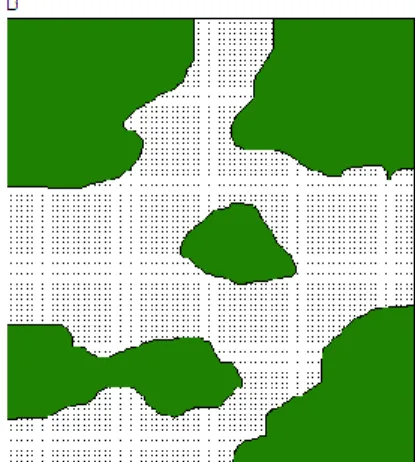
implies the removal of habitat, to such an extent that the remaining areas of suitable vegetation and optimal conditions are too small to support a viable population (Fig 1.3). Fragmentation is the disintegration of habitat, resulting in smaller portions of suitable regions separated by areas of incompatible space (Fig 1.3) (Wilcove et al. 1986). Both of these phenomena have consequences for amphibian populations.
The loss of habitat for frogs reduces their distribution (Cushman 2006). Frogs are sensitive to their environment and can‟t exist where the conditions are not suitable. Habitat fragmentation does not necessarily exclude amphibians from an area, but it may reduce species richness and diversity (Behangana & Arusi 2004). Certain species are more sensitive to fragmentation than others (Alford & Richards 1999; Vallan 2000; Behangana & Arusi 2004; Cushman 2006).
Fragmentation may result in a loss of species from certain groups, reducing biodiversity and possibly affecting ecosystem functioning (Pearman 1997; Knutson et al. 1999; Bell & Donnelly 2006). Each species has its own optimal range of conditions under which it can survive, and can tolerate a reduction of suitable habitat within certain limits. Perhaps the question to ask is when does habitat fragmentation become habitat loss? The answer to this is dependent on landscape variables such as connectivity, distance between habitats, size of fragments, and landscape heterogeneity (Vallan 2000; Pineda & Halffter 2004; Bell & Donnelly 2006).
The effects of habitat fragmentation have mostly been examined at a local level (Cushman 2006). To fully understand the populational implications, the focus of research has to move from site-specific connotations to larger scale studies that encompass a multitude of effects on the total population across a landscape (Carr et al. 2002; McGarigal & Cushman 2002; Bowne & Bowers 2004). This invokes the use of metapopulation theory. The basis of this theory employs a landscape that is divided in to patches, where the occupation of each patch is defined by extinction and colonisation rates. Isolated patches and small populations are the most vulnerable to extinction because of their intrinsically low rate of re-colonisation (Levins 1969; Vallan 2000;
Werner et al. 2007). The paradigm opposing the metapopulation theory is the habitat paradigm.
This states that occupation of an area is solely defined by the habitat variable needed by the
species. If the quality of the habitat decreases within an area, then the possibility of species extinction increases (Manel et al. 1999; Guisan & Zimmermann 2000; Armstrong 2005; Bell &
Donnelly 2006). Armstrong (2005) suggests that an integration of these two paradigms is possible, and will benefit the understanding of broad-scale species declines. Both paradigms have consequences for habitat fragmentation and implications for issues of connectivity.
Issues of connectivity between suitable habitats
A fragmented habitat is a diverse landscape. How fragments are connected to each other has implications on how a species might be distributed (Reh & Seitz 1990). The distance between fragments is important to consider (Brown & Kodric-Brown 1977). If fragments are too widely separted a population may not be able to move between them (Pope et al. 2000). The type of space between fragments must also be considered (Fahrig & Merriam 1994). Vegetation might promote easier movement between fragments than a hostile space such as a road (Vos & Chardon 1998; Carr & Fahrig 2001). Even if the distance between fragments is not great, if the space between them is inhospitable, dispersal might not take place (Gibbs 1998; de Maynadier & Hunter 2000; Bell & Donnelly 2006). The space surrounding a fragment can add to its isolation. Certain features can connect fragments. Artificial ditches may connect wetlands or ponds. These ditches may not be the optimal habitat type for frogs, but are a more favourable environment and do allow movement between breeding sites (Reh & Seitz 1990).
The use of buffer zones
Habitat for amphibians needs to be regarded as a complex feature (Pope et al. 2000).
Conservation for amphibians has been focused on conservation of breeding sites (Zimmermann &
Bierregaard 1986; Semlitsch 1998; Semlitsch & Bodie 1998). Many species require a varied landscape to support all aspects of their life history (Gill 1978; Wilbur 1980; Pope et al. 2000).
Some may require a pond or wetland for breeding, but use the surrounding grassland for feeding,
protection or burrowing. This must be considered when assessing the effects of habitat fragmentation. A breeding site may still remain intact, but if there is no suitable habitat surrounding it, the species may be excluded from the area (Reh & Seitz 1990; Pope et al. 2000). Thus, the habitat is lost. The value of wetlands within agricultural areas has been recognised (Lowrance et al. 1984). Great lengths have been taken to preserve the functioning of these ecosystems, but most of the emphasis has been on protecting the soil and water processes (Burke & Gibbons 1995). Most commercial agricultural practices enforce the use of buffer ones around wetland to preserve them. These buffer zones protect the functioning of the wetland but not necessarily the species that rely on them. Within many agricultural and forestry zones amphibians are excluded from these wetlands because the surrounding habitat does not support them (Semlitsch & Bodie 1998; Semlitsch & Bodie 2003). Buffer zones are a management tool that has been used to mitigate the effects of habitat fragmentation but if they are not correctly instigated no benefits to biodiversity will be seen (Semlitsch & Jensen 2001).
Frogs as bio-indicators
A bio-indicator is a species that is sensitive to changes within its environment. Those species that initially show a decrease in numbers following an environmental disturbance are likely candidates for the use as indicators of the „health‟ of a system (Odum 1992). A good indicator is a species that is abundant; easily identifiable; sensitive to ecosystem stress; whose natural variation in numbers can be distinguished from those caused by ecosystem dysfunction (Rapport 1992;
Welsh & Ollivier 1998). Indicator species can be an invaluable tool in detecting when a system is in trouble. Early detection can allow ecologists to prevent further damage. Comprehensive and systematic use of biological indicators can facilitate the monitoring of an ecosystem (Rapport 1992, Du Preez and Carruthers 2009).
Most species of frogs have a dual life history; they are reliant on both terrestrial and aquatic habitats. They have specific microhabitat requirements. Their semi-permeable skin makes them vulnerable to chemicals and heavy metals. These factors lend to their suitability for use as
indicators of ecosystem stress (Vitt et al. 1990; Wake 1991; Blaustein 1994; Blaustein et al. 1994;
Stebbins & Cohen 1995). Frog Embryo Teratogenesis Assay – Xenopus (FETAX) was developed in the 1980‟s to establish the presence of pollutants within aquatic systems. This toxicity test is conducted on the embryos of Xenopus laevis (Bantle et al. 1989) and quantifies the level of toxicant by the malformation and mortality of the embryo at 96 days. This species is widely distributed throughout South Africa. Channing (1997) has identified FETAX to be feasible method to test the levels of chemicals from pesticides within South African rivers. A modified method based on FETAX has been used in South Africa to assess the levels of heavy metal pollution from gold mining. It used both embryos and tadpoles and was found to be successful in quantifying the severity of Zn, Cu, Pb and Cd pollutants (Haywood et al. 2004). Tadpoles from other species have also shown similar reactions to the chemicals found in pesticides, herbicides and fertilizers (;
Bidwell and Gorrie 1995; Semlitsch et al. 1995).
Welsh and Ollivier (1998) approached the use of amphibians as bio-indicators at a community level. They compared species density at streams affected by human activity to streams with no impact. It was concluded that the density of amphibians was significantly different enough to be used as an indication of ecosystem stress. Amphibians occur in relatively stable populations, they are abundant and long-lived, habitat specific, and can be recognised quickly through the identification of their calls (Behangana 2004). These features make them more reliable indicators than macroinvertebrates and anadromous fish (Welsh & Ollivier 1998). Macroinvertebrates and fish can give an indication of water quality, but because frogs rely on both terrestrial and aquatic habitats, they give a more holistic indication of ecosystem functioning (Behangana 2004).
References
Alexander, M.A., and J.K Eischeid. 2001. Climate variability in regions of amphibian declines.
Conservation Biology 15(4): 930-942.
Alford, R.A., and S.J. Richards. 1999. Global amphibian declines: a problem in applied ecology.
Annual Review Ecological Systematics 30:133-165.
Anzalone, C.R., L.B. Kats, and M. Gordon. 1998. Effects of solar UV-B radiation on embryonic development in Hyla cadaverina, Hyla regilla and Taricha torosa. Conservation Biology 12: 646- 653.
Ash, A.N. 1988. Disappearance of salamanders from clearcut plots. Science Society 104: 116- 122.
Ash, A.N. 1997. Disappearance and return of Plethodontid salamanders to clearcut plots in the southern Blue Ridge Mountains. Conservation Biology 11: 938-89.
Armstrong, D.P. 2005. Integrating metapopulation and habitat paradigms for understanding broad-scale declines of species. Conservation Biology 19: 1402-1410.
Barinaga, M. 1990. Where have all the froggies gone? Science 247: 1033-1034.
Bass, A.J. 1966. The ecology and distribution of amphibia of the Zululand coastal plain. Masters Thesis, Department of Zoology, University of Natal, Pietermaritzburg.
Beebee, T.J.C. 1977. Environmental change as a cause of Natterjack toad Bufo calamita declines in Britain. Biological Conservation 11: 87-102.
Beebee, T.J.C. 1995. Amphibian breeding and climate. Nature 374: 219-220.
Beebee, T.J.C. 1996. Ecology and Conservation of Amphibians. Chapman and Hall. London.
Beebee, T.J.C., and R.A. Griffiths 2005. The amphibian decline crisis: A watershed for conservation biology? Biological Conservation 125: 271-285.
Behangana, M. 2004. The diversity and status of amphibians and reptiles in the Kyoga Lake basin. African Journal of Ecology 42: 51-56.
Behangana, M., and J. Arusi. 2004. The distribution and diversity of amphibian fauna of Lake Nabugabo and surrounding areas. African Journal of Ecology 42: 6-13.
Bell, K.E., and M.A. Donnelly. 2006. Influence of forest fragmentation on community structure of frogs and lizards in north-eastern Costa Rica. Conservation Biology 20: 1750-1760.
Berrill, M., S. Bertram, B. Pauli, D. Coulson, M. Kolohon, and D. Ostrander. 1995.
Comparative sensitivity of amphibian tadpoles to single and pulsed exposures of the forest-use insecticide fenitrothion. Environmental Toxicology and Chemistry 14: 1011-1018.
Bidwell, J.R., and J.R. Gorrie. 1995. Acute toxicity of herbicide to selected frog species. Report for Western Australian Department of Environmental Protection.
Biek, R., W.C. Funk, B.A. Maxell, and L.S. Mills. 2002. What is missing from amphibian decline research: insights from ecological sensitivity analysis. Conservation Biology 16: 728-734.
Blaustein, A.R. 1994. Chicken little or Nero‟s fiddle? A perspective on declining amphibian populations. Herpetologica 50: 85-97.
Blaustein, A.R., and J.M. Kiesecker. 2002. Complexity in conservation: lessons from the global decline of amphibian populations. Ecology letters 5: 597-608.
Blaustein, A.R., and D.B. Wake. 1990. Declining Amphibian populations: a global phenomenon?
Trends in Ecology and Evolution 5: 203-204.
Blaustein, A.R., J.B. Hays, P.D. Hoffman, D.P. Chivers, J.M. Kiesecker, W.P. Leonard, A.
Marco, D.H. Olson, J.K. Reaser, and R.G. Anthony. 1999. DNA repair and resistance to UV-B radiation in western spotted frogs. Ecological applications 9: 1100-1105.
Blaustein, A.R., P.D. Hoffman, J.M. Kiesecker, and J.B. Hays. 1996. DNA repair activity and resistance to solar UV-B radiation in eggs of the red-legged frog. Conservation Biology 10: 1398- 1402.
Blaustein, A.R., D.B. Wake, and W.P. Sousa. 1994. Amphibian declines: judging stability, persistence, and susceptibility of populations to local and global extinctions. Conservation Biology 8: 60-71.
Blumthaler, M., and W. Ambach. 1990. Indication of increasing solar ultraviolet radiation flux in alpine regions. Science 248: 206-208.
Bradford, D.F. 1991. Mass mortality and extinction in a high-elevation population of Rana muscosa. Journal of Herpetology 25: 174-177.
Branch, W.R., and J.A. Harrison. 2004. Conservation status and threats. in: Minter, L.R., M.
Burger, J.A. Harrison, H.H. Braak, P.J. Bishop, and D. Kloepfer (eds) Atlas and Red Data Book of the Frogs of South Africa, Lesotho and Swaziland. SI/MAB Series #9. Smithsonian Institution, Washington, DC.
Brenchley, P., G. Buchanan, W. Gillespie, E. Herbert, G. Maher, D. McElligot, E. Schmidt, R.
Stranack, A. Tucker, and R. Tudor-Owen. undated public handout. Standards and Guidelines for Conservation and Environmental Management in the South African Sugar Industry. Pp 57.
Brown, J.H., and A. Kodric-Brown. 1977. Turnover rates in insular biogeography: effect of immigration on extinction. Ecology 58:445-449.
Bowne, D.R., and M.A. Bowers. 2004. Interpatch movements in spatially structured populations:
a literature review. Landscape Ecology 19:1-20.
Burke, V.J., and J.W. Gibbons. 1995. Terrestrial buffer zones and wetland conservation: a case study of freshwater turtles in a Carolina Bay. Conservation Biology 9: 1365-1369.
Carey, C. 1993. Hypothesis concerning the causes of the disappearance of boreal toads from the mountains of Colorado. Conservation Biology 7: 355-362.
Carey, C., W.R. Heyer, J. Wilkinson, R.A. Alford, J.W. Arntzen, T. Halliday, L. Hungerford, K.R. Lips, E.M. Middleton, S.A. Orchard, and A.S. Rand. 2001. Amphibian declines and
environmental change: use of remote-sensing data to identify environmental correlates.
Conservation Biology 15: 903-913.
Carr, L.W., and L. Fahrig. 2001. Effect of road traffic on two amphibian species of different vagility. Conservation Biology 15:1071-1078.
Carr, L.W., S.E. Pope, and L. Fahrig. 2002. Impacts of landscape transformation by roads. In:
Gutzwiller KJ (ed) Concepts and Applications of Landscape Ecology in Biological Conservation, Springer-Verlag, New York.
Carruthers, V.C. 2001. Frogs and Frogging in Southern Africa. Struik Publishers (Pty) Ltd, Cape Town.
Channing, A.E. 1997. Tadpoles as bio-indicators of stream quality: a baseline study. Water Research Commision. South Africa.
Channing, A.E. 2001. Amphibians of Central and Southern Africa. Protea Bookhouse. Pretoria.
Channing, A.E. 2004. Afrana anglolensis description, in: Minter, L.R., M. Burger, J.A. Harrison, H.H. Braak, P.J. Bishop, and D. Kloepfer (eds) Atlas and Red Data Book of the Frogs of South Africa, Lesotho and Swaziland. SI/MAB Series #9. Smithsonian Institution, Washington, DC.
Corn, P.S. 1998. Effects of ultraviolet radiation on Boreal toads in Colorado. Ecological Applications 8: 18-26.
Corn, P.S., and R.B. Bury. 1989. Logging in western Oregon: responses of headwater habitats and stream amphibians. Ecological Management 29: 39-57.
Corn. P.S., and J.C. Fogleman. 1984. Extinction of Montane populations of northern leopard frog (Rana pipiens) in Colorado. Journal of Herpetology 18:147-152.
Cushman, S.A. 2006. Effects of habitat loss and fragmentation on amphibians: A review and prospectus. Biological Conservation 128: 231-240.
Dahl, T.E. 1990. Wetland losses in the United States 1780‟s to 1980‟s. US Fish and Wildlife Service, Washington DC.
DeMaynadier, P