EFFECTIVENESS OF LAND REDISTRIBUTION PROGRAMME IN IMPROVING THE QUALITY OF LIFE: A CASE OF VHEMBE DISTRICT IN LIMPOPO PROVINCE
BY
MUKOVHE MAUREEN NTHAI
MINI - DISSERTATION
Submitted in (partial) fulfilment of the requirements for the degree of
MASTER OF DEVELOPMENT
in the
FACULTY OF MANAGEMENT AND LAW
(TURFLOOP GRADUATE SCHOOL OF LEADERSHIP) at the
UNIVERSITY OF LIMPOPO
PROFESSOR T. MOYO
2017
i DEDICATION
In memory of my parents Nthai Muravha Benjamin & Nthai Maputo Emily, and my grandmother Malwela Tshinakaho Mushaathama who regretfully did not live to see this work.
ii DECLARATION
I declare that the EFFECTIVENESS OF LAND REDISTRIBUTION PROGRAMME IN IMPROVING THE QUALITY OF LIFE: A CASE OF VHEMBE DISTRICT IN LIMPOPO PROVINCE mini-dissertation hereby submitted to the University of Limpopo, for the degree of Master of Development has not previously been submitted by me for a degree at this or any other university; that is my work in design and in execution, and that all material contained herein has been duly acknowledged.
... ...
Full names Date
iii ACKNOWLEDGEMENTS
I want to thank the following persons for their respective contributions to this mini- dissertation:
My husband, Murovhi Mashudu David for his unconditional love, support and encouragement.
My four children, Fhumulani, Vhengani, Zwanga and Mashudu (Nghamula) for their understanding during my studies.
A special thank you to my supervisor Prof T Moyo for her guidance, support and encouragement.
My respondents in Mavungeni CPA (Ntwanano Poultry Farming); Tshilande Family and Mr T.W Mathidi for their willingness to participate in this study.
My former supervisor, Mr Peta P.P for his support and guidance during my studies.
Above all, the almighty God for his grace and mercy during my entire studies.
iv ABBREVIATIONS
ANC-African National Congress
CARP-Comprehensive Agrarian Reform Programme CASP- Comprehensive Agricultural Support Programme DAFF-Department of Agriculture and Rural Development DLA-Department of Land Affairs
DRDLR- Department of Rural Development and Land Reform DLRC- District Land Reform Committees
DUATs - Direitos de Uso e Aproveito de Terra FAO-Food and Agricultural Organization GDP-Gross Domestic Product
ID- Identity Document
IDP- Integrated Development Plan
ICT- Information and Communication technology LDLA- Limpopo Department of Land Affairs
LRAD- Land Redistribution for Agricultural Development MCM- Ministers Coordinating Committee
NARYSEC- National Rural Youth Service Corps NDA-National Department of Agriculture
NDP- National Development Plan
NLARCC- National Land Allocation and Recapitalization Control Committee NTC- National Technical Committee
PDARD- Provincial Department of Agriculture and Rural Development PLAS- Proactive Land Acquisition Strategy
v PJTC- Provincial Joint Technical Committee
RDP- Reconstruction and Development programme RSA- Republic of South Africa
SADC-South African Development Committee
SADCC-South African Development Coordination Committee SLAG- Settlement Land Acquisition Grant
TOR’s- Terms of Reference
vi ABSTRACT
While there are a fair number of studies on land reform in South Africa, there are knowledge gaps on the impact of some specific forms of land redistribution on livelihoods of beneficiaries. The purpose of this study therefore was to assess the impact of the land redistribution in the case of selected farms in the Vhembe District, Limpopo Province, South Africa.
A qualitative research method was used and twelve households were interviewed. A number of indicators were used to assess impact. These included household income, job creation, empowerment and sustainability. The selection of indicators was informed by a comprehensive literature review on land redistribution, not only in South Africa but in other parts of the world as well. The findings from the study revealed that the land redistribution beneficiaries are faced with challenges such as poor infrastructure on redistributed farms, limited or lack of access to affordable inputs and lack of financial support immediately after redistribution. These and other challenges makes life for the intended beneficiaries very difficult which in the end makes land redistribution ineffective. A major factor which explains the failure of these farms appeared to be the inadequate planning of post-settlement support.
Even though land was effectively transferred to the beneficiaries, the little support they have received in terms of financial, infrastructural and marketing support, for example, has limited their capacity to utilise the land productively and cost effectively. The study recommends that the government and other agencies should consider providing comprehensive support to these communities until they are able to run on their own.
Substantial research should be carried out to rethink strategies on land redistribution, particularly on how to handle the issue of title deeds which currently appears problematic in the context of the farms that were studied. Finally, the training programmes for land redistribution beneficiaries should also include training current legislation on land redistribution issues in order to adequately prepare the new land owners for any unexpected challenges as has occurred in the case of the farms that were studied.
vii Table of Contents
DEDICATION ... i
DECLARATION ... ii
ACKNOWLEDGEMENTS ... iii
ABBREVIATIONS ... iv
LIST OF FIGURES ... x
LIST OF TABLES ... xi
CHAPTER 1: INTRODUCTION AND BACKGROUND ... 1
1. Introduction ... 1
2. Background ... 5
2.1. The different models of land reform in South Africa ... 7
2.2. Policy and legal background of land redistribution ... 8
3. Statement of the problem ... 10
4. Aim of the study ... 13
5. Objectives ... 13
6. Research questions ... 14
7. Definition of key concepts ... 14
8. Significance of the study ... 18
9. Summary ... 19
10. Outline of the Report ... 19
CHAPTER 2: LITERATURE REVIEW ... 22
2.1. Introduction ... 22
2.2. Land and redistribution: review of global trends ... 23
2.3. Land redistribution in South Africa: historical perspective ... 29
2.3.1. The natives land act 27 of 1913 ... 30
2.3.2. The native trust and land act 18 of 1936 ... 31
2.3.3. The group areas act 41 of 1950 ... 32
2.3.4. The group areas act 36 of 1966 ... 32
2.3.5. The new democratic South Africa ... 33
2.4. Theoretical perspectives: land redistribution and livelihoods ... 35
2.5. Land and redistribution and livelihoods: a review of evidence ... 53
2.6. Issues emerging from the literature ... 62
2.7. Conclusion ... 71
CHAPTER 3: RESEARCH METHODOLOGY ... 74
3.1. Introduction ... 74
3.2. Research Design ... 75
viii
3.3. Study Area ... 76
3.4. Target Population ... 78
3.5. Sampling methods and procedures ... 79
3.6. Measurement ... 83
3.7. Data collection procedures and methods ... 84
3.7.1. Data sources ... 85
3.7.2. Procedures ... 86
3.7.3. Ethical considerations ... 86
3.7.4. Methods ... 87
3.7.5. Instruments ... 88
3.7.6. Data on Livelihood ... 89
3.8. Data analysis ... 92
3.9. Reliability and validity ... 93
3.10. Limitations of the study ... 94
3.11. Conclusion ... 94
CHAPTER 4: PRESENTATION AND INTERPRETATION OF RESEARCH FINDINGS ... 95
4.1. Introduction. ... 95
4.2. The Process of land redistribution ... 96
4.3. Description of the farms ... 102
4.4. Ownership and control ... 104
4.5. Support systems ... 107
4.6. Impact of land redistribution on livelihoods ... 109
4.7. Challenges ... 112
4.7.1. Political dimensions ... 112
4.7.2. Commercialization ... 114
4.7.3. Financial support. ... 115
4.8. Sustainability of Land Redistribution. ... 116
4.9. Future plans... 117
4.10. Interpretation of the findings ... 118
4.11. Conclusion ... 122
CHAPTER 5: CONCLUSION AND RECOMMENDATIONS ... 124
5.1. Introduction ... 124
5.2. Summary of findings ... 124
5.3. Recommendations ... 130
5.4. Limitations of the study ... 131
5.5. Conclusion ... 131
ix
6. REFERENCES ... 133
ANNEXURE A: INTERVIEW GUIDE ... 146
ANNEXURE B: APPLICATION FORM ... 147
ANNEXURE C: EDITING CONFIRMATION LETTER ... 148
ANNEXURE D: REQUEST FOR PERMISSION TO CONDUCT RESEARCH ... 149
x LIST OF FIGURES
Figure 3.1. Map of the Limpopo Province……….…..78
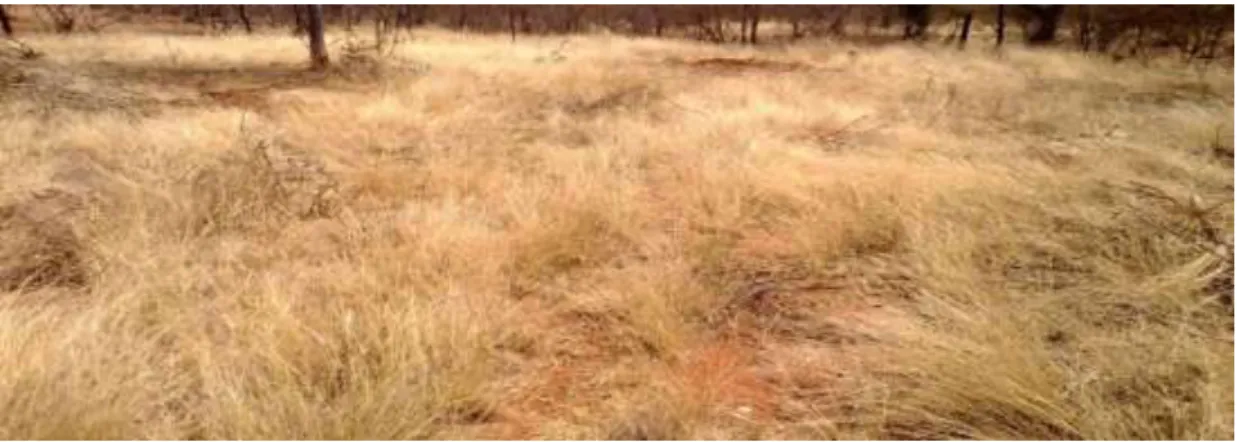
Figure 4.1. Purchased farm in Musina………103
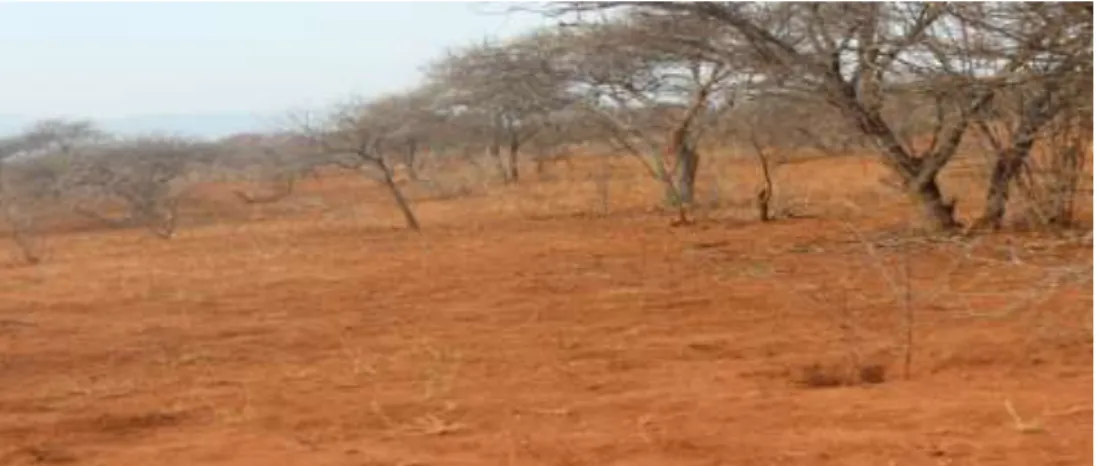
Figure 4.2. Recently purchased farm overgrazed……….…107
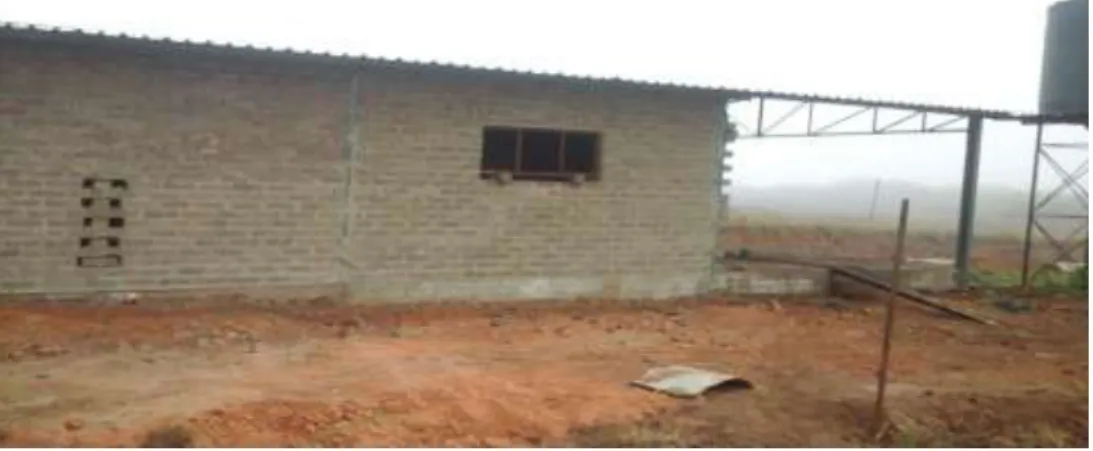
Figure 4.3. Office block………. 111
Figure 4.4. Goat handling facility……….115
Figure 4.5. Ripe tomatoes without market……….116
xi LIST OF TABLES
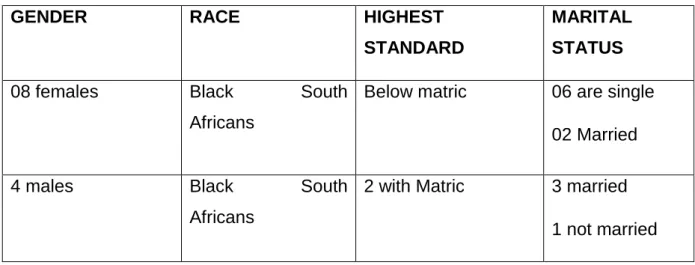
Table 4.1. Status of farms………102 Table 4.2. Demographic information………..104
1 CHAPTER 1: INTRODUCTION AND BACKGROUND
1. Introduction
Inequality in land ownership and landlessness are still at unacceptable levels in many countries (Byamugisha 2014:2). In every historical era in the progress of humanity, land has been a means for livelihood, self-possession and identity.
Several African nations, notably, South Africa, Namibia, Kenya, Ivory Coast, Mozambique and Zimbabwe are wrestling with this sentimental problem of land inequity and inequality. Thus, evidently, Zimbabwe’s land reform is one of the latest and most controversial but it points to the urgency and importance of addressing inequality in terms of land redistribution (Sibanda 2010:68).
Most regions of the global South, as well as the global North, have a long history of land ‘grabbing’ on a large scale. In the North, the best-known episodes have been the European and particularly the British enclosures (White; Borras Jr; Hall; Scoones
& Wolford 2012:623).The dispossession of the native people of North America and Australasia, and, arguably, some historical episodes of forced socialist collectivization (White et al 2012:623) should be recalled. In many regions of Africa and Latin America, land was first grabbed by pre-colonial rulers in chronic territorial wars with each other, then by colonial governments and increasingly by foreign or domestic corporations (White et al 2012:623).
Land remains a basic source of livelihood for the majority of Africans and is key to the development of agriculture, tourism, mining, housing and industry (Moyo 2007:60). Land redistribution has also been used as a political weapon. For, example, as argued by Sibanda (2010:27), the ruling party successfully used it as a ploy in order to win the elections when it rallied the masses to invade and take over white owned farms in Zimbabwe. When international donors pressured the ruling party in the run-up to the parliamentary elections of 2000 by suspending aid and loans the government simply fixed the result in its favour. The judiciary was reshaped, local institutions in rural areas were narrowly politicised, and laws were passed which granted local agencies the powers necessary to crush opponents of
2 land reform (Mamdani 2009:8) were passed. In Zaire, Mobutu’s National Conference in 1991 opened the door for politicians in eastern provinces to mobilize electoral constituencies around promises of land restitution (Boone 2011:1334).In Kenya land seizure and reallocation were surely used to boost support and turnout for the ruling party among poor and landless Kalenjin and Maasai people (Boone 2011:1328).
The separation of people in South Africa along racial lines was accompanied by massive forced removals of Africans, Indians and coloured people resulting in widespread dispossession of land and other properties and the severe restriction of social, economic and political rights. This resulted in one of the most unequal societies in the world with a relatively small white minority enjoying high standards of living while the great majority of the black population was consigned to a life of extreme exploitation and poverty (Matukane 2011:11).
The African people could no longer produce enough food to feed themselves as families and keep livestock. They had to survive on small or slave wages, which could hardly meet their own family needs, let alone being generous and readily share with neighbours. Colonialism and Apartheid brutalized African people, turning them hostage to perennial hunger and want, and related diseases and social strife and disorders (Green Paper on Land Reform 2011:2).
The fact that in many countries the current land ownership distribution has its origins in discriminatory policies rather than in market forces has long provided a justification for adopting policies aimed at land reforms. Land reform has been very successful in Asia (Japan, the Republic of South Korea, and Taiwan) and a positive impact has been reported in African countries such as Kenya and Zimbabwe in the early phases of their post-independence land reform (Deininger, Feder, Gordillo de Anda &
Munro-Faure 2003:14). Land reform in Latin America failed to live up to their objectives and remain incomplete (Deininger et al 2003:14).
The land question in Kenya is a colonial legacy. The colonisation of Kenya first by the Omani Arabs at the coast and then by the British towards the end of the 19th century, had a great impact on land relations in the country (Kabukuru 2015:30). In Kenya, traditional systems that stabilised through centuries of evolution were
3 suddenly disrupted through expropriation of large parts of the country by the application of laws that were alien to the African customary way of life (Kabukuru 2015:31). In Kenya, there has been growing interest in land because the land question was not addressed successfully at the time of independence in 1963, although issues of land access and control significantly shaped the struggle for independence (Binswanger-Mkhize; Bourguignon, Van Den Brink 2009:87).
The land question has continued to shape Kenya’s political and economic life. The significance of land issues came to the fore immediately after the December 2007 general election following a flawed and hotly disputed presidential election vote count (Binswanger-Mkhize et al 2009:88).
All land in Mozambique belongs to the state and in accordance with the 1997 Land Law (Lei de Terras 19/97), it cannot be purchased or sold. Individuals, communities and corporations gain access to land through the acquisition of Land Use and Benefit Titles, known as Direitos de Uso e Aproveito de Terra (DUATs), which are typically granted for terms of up to 50 years, with the potential for subsequent renewal for an equal period (Clements & Fernandes 2013:52).
Since the end of the Mozambican civil war in the early 1990s, the Mozambican state has undergone a profound transformation in which it has abandoned many features of its state-centred economy in favour of a free-market, capitalist economy. Central to this transformation, in 1997 the state passed a radical new land law (Lei de Terras 19/97), which guarantees the rights of individuals and communities to occupy and develop land and transfer land-use title (Lunstrum 2008:339).
Recent experiences in Zimbabwe show that agrarian structure is unsustainable on both economic and justice grounds in the long term and that, following land reform, many smallholders have been successful at ‘accumulating from below’ and engaging in markets, including for export, despite numerous constraints (White et al 2012:626). Agrarian structure refers to rapid fundamental change in the relations of land, livestock, cropping and community. The relationship between the land and community is very important and for a country’s land reform to be sustainable it must not be defined by large commercial farms. There is a need to subdivide the land
4 reform farms if they are too big for the new land reform beneficiaries. Inability of land reform in Zimbabwe to make economic development resulted in the fall in agricultural production and it had a dramatic negative impact on the economy of the country.
There are different reasons why land redistribution has often been proposed. In most instances, and this is particularly so in the case of Africa, historical inequalities in land ownership and control have been the key factor in the push for just and equitable redistribution. However, there are proponents of land reform who are more concerned about perceived efficiency that it is likely to achieve rather than purely for reasons of equity and political redress. The World Bank for example, is a major proponent of some of form of land redistribution. It advocates the breakup of large corporate plantations in favour of small farmer-based agricultural development strategies (White et al 2012:624). In the Bank’s opinion, small farmers have demonstrated greater efficiency than large-scale holdings.
Radical land reforms, in the context of revolutionary regime change, saw the division of large privately-owned land-holdings and their redistribution to tenants and landless workers, sometimes with the goal of creating a stable and productive mass of relatively homogeneous ‘family farms’, and in other cases as a first step towards eventual socialist collectivisation (White et al 2012:624).
Development thinking has shifted significantly as compared to the last decade.
Development discourse in the 21st Century has been marked by global campaigns against poverty, inequality, gender discrimination and exclusion. The United Nations Sustainable Development Goals (SDGs) which have been adopted by most African nations, place significant emphasis on achieving inclusive and sustainable development. The agenda calls for nations to increase their efforts to deal with inequality and poverty because they are not sustainable (Giovannucci; Scherr;
Nierenberg; Hebebrand; Shapiro; Milder & Wheeler 2012:48).
South Africa is planning to alleviate poverty and reduce inequality by 2030. The plan is to change the life chances of millions of the citizens, especially the youth (National Development Plan 2011:14). The world’s undernourished live in just seven countries Bangladesh, China, the Democratic Republic of Congo, Ethiopia, India, Indonesia
5 and Pakistan. Nearly all countries, even some of the wealthiest, have some level of food insecurity (Giovannucci et al 2012:6).
Eradicating poverty in all its forms and dimensions, including extreme poverty, is the greatest global challenge and an indispensable requirement for sustainable development. In South Africa and most developing countries land redistribution has been targeted as a way that can reduce poverty and inequality among the landless and rural poor. Reducing poverty and inequality, particularly for women who provide most of the family’s food, is key to solving hunger (Giovannucci et al 2012:8).
There are significant indications of climate-related problems already being recorded in many regions particularly in Sub-Saharan Africa. Climate related uncertainties manifesting as drought, floods, temperature fluctuation, and crop disease pose what could become the greatest challenge to agricultural production and food security.
China, the world’s biggest food producer and consumer, has had to relocate millions of people due to water shortages and the Chinese authorities estimate more than 150 million people will eventually need to be relocated from agricultural areas that are being gradually engulfed by deserts (Giovannucci et al 2012:24).
2. Background
In 1994, as a result of colonial dispossession and apartheid, approximately 87% of the land was owned by whites and only 13% by blacks (Lahiff 2007:1578; Buthelezi 2007:1; Binswanger-Mkhize 2014:255). The Minister Gugile Nkwinti announced that by 2012 post-apartheid land reform had transferred 7.95 million hectares into black ownership (Mahlangeni 2013:18), which is equivalent, at best, to 7.5% of formerly white-owned land. Whites as a social category still own most of the country’s land and redressing racial imbalances in land ownership is land reform’s most urgent priority (Walker 2013:1). The application of these discriminatory laws and practices resulted in extreme inequalities in relation to land ownership and land use (Kloppers
& Pienaar 2014:707).
In South Africa, land has always been a source of conflict. The history of conquest and dispossession, of forced removals and a racially skewed distribution of land
6 resources have left South Africa with a complex and difficult legacy. In 1994 the Reconstruction and Development Programme (RDP) was introduced by the African National Congress as an engine to unlock the rural economy. The RDP’s main aim was for land reform to eradicate poverty.
A large population of black South Africans were forced, during the Apartheid era, into impoverished and overcrowded reserves, homelands and townships through decentralization. Because of lack of industries or mines, this posed a serious problem as black South Africans depended on salaries for a livelihood. Thus, subsistence farming was the only reliable option for most of the rural people. Since this form of farming was not backed by good access to finance to purchase quality seeds and fertilizers, it resulted in poor harvest (Mamphodo 2006:2).
In rural communities social relationships are much deeper as they tend to be historical and inter-generational. Colonialism and Apartheid sought at all times, and by all means to destroy this mutuality amongst peoples of different cultures, who constituted the same society. Of all such means used, the Natives Land Act, Act no.
27 of 1913, and the migrant labour system are the ones which wreaked the most havoc in African rural communities, by seriously undermining the virtues of Ubuntu, as people lost their ability to give as it disappeared with the loss of their land (Green Paper on Land Reform 2011:2).
According to the 1997 White paper on Land Policy, the purpose of land redistribution is to provide the poor with access to land for residential and productive uses in order to improve their income and quality of life. The programme aims to assist the poor, labour tenants, farm workers, women as well as emergent farmers. Redistribution of land will largely be based on willing-buyer, willing-seller arrangements.
According to Hall & Ntsebenza (2007:13), what land reform is for and who should benefit and how it should be pursued are often treated as technical economic questions, but at its heart the land question is political and about identity and citizenship; production and livelihoods; and can be resolved only through political processes. Because the land issue is by far more than the land, it will remain among the most difficult issues to negotiate in contemporary South African politics.
7 South Africans perceive the land issue as important to them and their country (Gibson 2009:140).Black South Africans are more concerned about the past than other races in South Africa. Attitudes, beliefs and actions regarding land issues are likely to be shaped by at least two major forces. Those who suffered from the land policies of the past may simply seek restorative justice, the righting of the wrong that they experienced and those without land today may, whatever their histories, seek redistributive justice: land on which to live and work. On the other one hand, land preferences may reflect individual self-interest (Gibson 2009:141).
2.1. The different models of land reform in South Africa
According to the Green Paper (2011:4) the principles of land reform are de- racializing the rural economy; democratic and equitable land allocation and use across race, gender and class; and, a sustained production discipline for food security. The long-term goal of land reform is social cohesion and development.
The Department of Rural Development and Land Reform was therefore mandated in s.25 ss5-7 of the Constitution of the Republic of South Africa 1996, to conduct land reform based on the following three pillars:
Redistribution: This responds to various needs and aspirations of people for land, in both rural and urban areas, in an equitable and affordable manner while at the same time contributing to poverty alleviation and national economic growth.
Redistribution is conducted in terms of the Provision of Land Assistance Act, No 126 of 1993.
Restitution: which aims to restore land or provide comparable redress for rights in land which was dispossessed after 19 June 1913. Restitution is done in terms of the Restitution of Land Rights Act, No 22 of 1994 as amended.
Tenure Reform: This aims to upgrade the different land tenure arrangements currently restricting tenure security for the previously disadvantaged, in both urban
8 and rural areas. Tenure Reform is done in terms of the Extension of Security of Tenure Act, No 62 of 1997.
2.2. Policy and legal background of land redistribution
The Legal basis for redistribution is provided by the Provision of Certain Land for Settlement Act 126 of 1993, amended in 1998 and now entitled the Provision of Land and Assistance Act 126 of 1993 (known as Act 126). Whereas the original Act allowed for the granting of an advance or subsidy ‘to any person’, the 1998 amendment specified the categories of persons that could be assisted. These included ‘persons who have no land or who have limited access to land, and who wish to gain access to land or to additional land’, and persons wishing to upgrade their land tenure (DLA 1998:5).
Land redistribution policy, under Settlement Land Acquisition Grant (SLAG) was directed at the poor: i.e. the landless or land hungry, although remaining within a market-based willing-buyer/willing seller structure. During this phase, land redistribution mainly took the form of ‘pilot’ programmes in various provinces.
Households were able to access a once-off grant or payment of R16, 000.00 called the SLAG. Grants were targeted at low-income households (Jacobs 2004:5).
The government’s land redistribution policy has undergone a number of shifts since 1994 (Jacobs, et al, 2003:1). While government is currently addressing many of the problems around design and implementation of the redistribution programme, fundamental weaknesses within the land reform policy remain. One is the imagined nature of the policy-making process, with major changes in policy going largely unexplained in official statements or publications, e.g. SLAG has been effectively replaced by LRAD in the absence of a clear public policy statement.
Land redistribution was introduced in 1994 with other land reform programmes (restitution and land tenure). Its main purpose was to redistribute land to poor and the landless for residential and productive uses to improve their income and quality of life (DLA 1997:6). It has been under implementation since then, but the programme has been changing its sub programmes. The programme started with
9 the implementation of Settlement Land and Acquisition Grant (SLAG), then Land Redistribution for Agricultural Development (LRAD) and now the Proactive Land Acquisition Strategy (PLAS).
In 1999 the change in policy direction was initiated. The new policy direction was consolidated in 2001; SLAG was replaced by a new programme called the Land Redistribution of Agricultural Development (LRAD).The land redistribution policy has shifted to be more in line with the Growth, Employment and Redistribution Programme (GEAR) as it favoured and promoted entrepreneurship (Jacobs 2004:5).
In 2001 Land Redistribution for Agricultural Development (LRAD) was introduced and implemented until 2009. Grants were paid to individuals not to households as was the case with SLAG. The programme only focussed on land for agricultural development.
Currently the Department of Rural Development and Land Reform is implementing Proactive Land Acquisition Strategy (PLAS) which was introduced in 2009/2010.
The programme is also focussing on the concept of the ‘willing buyer, willing seller’
and the farms are registered in the name of the State (Title holder). The land is then leased to qualifying beneficiaries through interviews (DLA 2007:11).
The Proactive Land Acquisition Strategy (PLAS) was adopted as an official policy in 2006, and saw the state becoming the ‘willing buyer’ of land for redistribution, by actively using market opportunities where they arise and, in some instances, approaching landowners to sell (Lahiff 2008). The Provision of Land and Assistance Act, Act No. 126 of 1993 Section 10(1) (a): gives legal effect to the proactive acquisition of land. The Proactive Land Acquisition Strategy (PLAS) was officially launched in 2006 after LRAD was phased out. PLAS aims to support local government to develop area-based planning and improve coordination among the institutions responsible for land reform. The objectives of PLAS are to contribute to growth, employment creation and equity (DLA 2006:4).
10 3. Statement of the problem
Post-apartheid South Africa faces a variety of challenges that emanated from the injustices caused by apartheid. One of the earliest challenges faced by the first democratically elected government was how to address the unequal distribution of land in the country. The South African government has shown commitment to eradicating the inequalities and injustices of the past and has initiated a comprehensive land reform programme with a strong constitutional basis, however this programme has to date not been concluded (Kloppers & Pienaar 2014:677).
In 1994 the Reconstruction and Development Programme (RDP) introduced an integrated socio-economic policy framework aimed at eradicating the legacies of the past through the redress of inequalities and building a vibrant and democratic South Africa. The reasons for introducing the RDP included the fact that South Africa was identified as a country with one of the highest income inequalities distribution and consequently an extremely high incident of poverty (Kloppers & Pienaar 2014:688).
The RDP recognised that poverty was the single worst burden on the country and that poverty affected millions of people, especially those living in rural areas. The first democratically elected government inherited a country characterised by extreme levels of poverty, a worsening unemployment problem and unacceptable inequalities in the levels of income (Klopper & Pienaar 2014:688).
The land question comprises several dimensions; it concerns not only land use and economic production, but also population movements and settlement patterns, territories and identities, inequalities, and development (Binswanger-Mkhize et al 2009:87; Karuti 2009:87).
Of the world’s 1.1 billion extremely poor people, about 74 % (810 M) live in marginal areas and rely on small-scale agriculture. While the world currently produces enough food to feed everyone, at least one billion people remain under food insecurity (Giovannucci et al 2012:6). Between 1990 and 2011, the number of people living in extreme poverty has halved, to around one billion people, or 14.5 percent of the
11 world’s population and this translates to 17.0 percent of the developing world’s population (Policy Research Report 2015:6). Sub-Saharan Africa has the highest proportion of undernourished people (Giovannucci et al 2012:6).
In 2015 the population of South Africa was estimated at 54, 96 million, 51, 3 % females and 48, 7 % males (Stats SA 2015:1). It is well known that South Africa’s inequality levels are among the highest in the world (Woolard; Liebbrandt & McEwen 2009:98). There were approximately 22 million poor people in South Africa in 1993, compared with 26 million in 2008. Poverty rates differ dramatically by race and gender. Africans are much more likely to be poor than any other race group, and that African females are significantly more likely to be poor than African males (Woolard et al 2009:98).
Poverty is a key development challenge in social, economic and political terms is not only in South Africa but throughout the developing world. In post-apartheid South Africa, fighting the legacy of poverty and under-development has always been a central theme of Government. This was indicated in the Reconstruction and Development Plan (RDP) of 1994 and repeated in the National Development Plan (NDP 2011:2).
South Africa has progressed in reducing extreme income poverty, due to a progressive, pro-poor tax system which provides a basic social protection, while employment targets have remained a challenge. Females are more impoverished than males in South Africa, with a poverty headcount of 58, 6% as compared to 54,9
% for males (Stats SA 2014:26).
Extreme inequality in land distribution and underutilization of vast tracts of productive land coexists with deep rural poverty a case for redistributive measures to increase access to land by the poor can be made, both politically and from an economic perspective (Deininger et al, 2003:14). To ensure productive use of land, land reform needs to be combined with other programmes at government’s disposal i.e. the recapitalization and development grant. A need to integrate land reform into the broader context of economic and social policies aimed at development and poverty
12 reduction, and implementation programmes in a decentralized way with maximum participation by potential beneficiaries is needed.
The RDP acknowledged that land represented the most basic need for the rural population, a need that resulted from the discriminatory practices of the past regime.
In order to effectively address the issues of inequality, poverty and landlessness caused by the "injustices of forced removals and the historical denial of access to land” the programme identified the need for the establishment of a comprehensive national land reform programme.
The aim of the land redistribution programme was to strengthen the property rights of communities already occupying the land and provide access to land for those previously deprived of the right to be the owners of land. Within the context of redistribution, the RDP set the ambitious target of transferring 30% of all white- owned agricultural land to black South Africans over a period of five years (Aliber &
Mokoena 2002:5; Lahiff 2007:17; Aliber & Cousins 2013:140; Binswanger-Mkhize 2014:255; Kloppers & Pienaar 2014:690)
The land reform programme as defined in the RDP document is aimed at encouraging the use of land for agricultural purposes and providing productive land in order to raise income and productivity. The reform programme is based on the redistribution of land to those who need it, but cannot afford it and those who were deprived of the land due to the system of apartheid.
According to the Department of Land Affairs (1997:34), the land reform programme aims to effectively redress the injustices of forced removals and the historical denial of access to land; ensure security of tenure for rural dwellers; eliminate overcrowding and the supply of residential and productive land to the poorest section of the rural population it also aims to raise incomes and productivity; and implement provision of support services. The government will build the economy by generating large-scale employment and increase rural incomes.
The Land Reform Programme tries to solve specific problems that include poverty issues, food insecurity, unemployment, lack of infrastructure and services. The
13 principal form of natural capital and basic livelihood asset in rural areas is land, from which people produce food to solve the problem of food insecurity. Poverty eradication in rural areas may be overcome by access to land and security of land rights. With access to land, peasants may practise subsistence farming which becomes their source of income generation. Farming can reduce unemployment through families having access to land thus increasing labour and production (Mamphodo 2006:3).
The research seeks to assess the impact of the land redistribution programme in improving the quality of life. Since the land redistribution programme aims to redress imbalances, to what extent are the beneficiaries’ socio-economic needs met? It is also expected that the findings of the study may hold potential that could influence policy on land redistribution and may open more questions for further study.
4. Aim of the study
The main aim of the study was:
To assess the effectiveness of the land redistribution programme in improving the quality of life (poverty alleviation, employment creation and the creation of sustainable livelihoods).
5. Objectives
The main objectives of the study were:
To get an in-depth understanding of the effectiveness of land redistribution programme and how it has impacted on the quality of life (livelihoods) of the intended beneficiaries.
To assess the factors affecting effectiveness (quality of life) of the intended beneficiaries.
14 6. Research questions
To what extent is the land redistribution programme benefiting the intended beneficiaries?
What are the factors affecting the effectiveness (quality of life) of the intended beneficiaries?
7. Definition of key concepts
Land Reform.
The term land reform has several meanings. The definition of land reform is not easy. This is due to differences in land types, farming methods, the history of land acquisition, general social and economic conditions and political aims. Still, however, a definition is important (Baye 2013:146). According to Kloppers & Pienaar (2014:
693-694) land reform aims to contribute to economic development, both by providing beneficiaries with the opportunity to engage in productive land use and by increasing employment opportunities through encouraging greater investment. Buthelezi (2007:36) views land reform as reforms that increase the ability of the rural poor and other socially excluded groups to gain access to land and to exercise effective control over land. Lastly, according to De Villiers (2008:8) land reform is about training and assisting people, preparing them for challenges, providing them with strategic partners and enabling them to make a successful living out of their land.
Government can throw as much money as it wants at land acquisition, but if new owners do not have the capacity to manage the land and to implement sound farming practices, the money will serve little purpose. A balance must therefore be struck between the quantity of land reform (actual hectares handed over) and the quality of land reform (the ability to manage the land successfully).
There is a consensus between the definition that is used by Kloppers & Pienaar (2014:693-694) and Buthelezi (2007:36); both definitions talk about addressing the issues of landlessness. For this study the definition that will be used will be from De Villiers (2008:8). The study is focusing on the assessment of the effectiveness of the
15 land redistribution programme on the quality of lives for the beneficiaries. Land alone cannot improve the quality of life. There are skills that are needed by beneficiaries to be able to manage the land successfully.
Land redistribution
According to Kirsten, Van Rooyen & Ngqangweni (1996:218) land redistribution is the process involving providing the poor with land to improve their livelihoods.
According to (RSA 2012:7) land redistribution aims to reallocate land to the landless poor, labour tenants, farm workers and emerging farmers for residential and productive uses in order to improve their livelihoods and quality of life. There is consensus in the definitions of land redistribution. However, for the purpose of this study the definition by Kirsten, Van Rooyen & Ngqangweni will be used as it focusses on improving the livelihoods of beneficiaries after gaining access to the land.
Restitution
According to Gibson (2009:139) land restitution is the right to restoration or compensation for dispossessions as a result of past racially discriminatory laws or practices. On the other hand Vermuelen (2009:2) sees restitution as when the ancestral land is restored to the initial owner or comparable compensation attributed.
There is consensus in the definitions of restitution as they are all referring to the restoration of land and compensation for people who were dispossessed from their ancestral land as a result of past racially discriminatory laws or practices and comparable redress is paid.
Land tenure
According to Gibson (2009:139) land tenure is defined as changes in the legal basis of land ownership to provide legal standing and security in land ownership (for example, the formalization of informal land rights, especially in rural areas and the former ‘homelands’). According to FAO (2002:7) land tenure is the relationship, whether legally or customarily defined, among people, as individuals or groups, with
16 respect to land. (“Land” is used here to include other natural resources such as water and trees.) Land tenure is an institution, i.e., rules invented by societies to regulate behaviour. Rules of tenure define how property rights to land are to be allocated within societies. They define how access is granted to rights to use, control, and transfer land, as well as associated responsibilities and restraints. In simple terms, land tenure systems determine who can use what resources for how long, and under what conditions (FAO 2002:7).
The definitions for land tenure by FAO and Gibson are consensus because they both refer to the legal status of the individuals or groups in land ownership. However for the purpose of this study the definition that will be adopted is the changes in the legal standing of land ownership and security in land ownership irrespective of gender and age.
Livelihood
According to Chambers & Conway (1991:6) livelihood comprises the capabilities, assets (stores, resources, claims and access) and activities required for a means of living: a livelihood is sustainable if it can cope with and recover from stress and shocks, maintain or enhance its capabilities and assets, and provide sustainable livelihood opportunities for the next generation; and which contributes net benefits to other livelihoods at the local and global levels and in the long and short term.
The commonly used definition is a livelihood that comprises the capabilities, assets, which include both material and social resources, and activities required for a means of living. A livelihood is sustainable when it can cope with, and recover from, stresses and shocks and maintain or enhance its capabilities and assets, both now and in the future, while not undermining the natural resource (State of the World’s Volunteerism Report 2011:41).
A mobile and flexible term, ‘livelihoods’ can be attached to all sorts of other words to construct whole fields of development enquiry and practice. These relate to locales (rural or urban livelihoods), occupations (farming, pastoral or fishing livelihoods), social difference (gendered, age-defined livelihoods), directions (livelihood pathways,
17 trajectories), dynamic patterns (sustainable or resilient livelihoods) and many more.
Livelihoods perspectives start with how different people in different places live (Scoones 2009:172).
There is consensus in the definitions of livelihoods. The definition that will be adopted for this study will comprise the capabilities, assets which include both material and social resources of the beneficiaries who benefitted from land reform which will enable them to improve their standard of living.
Efficiency
Efficiency measures the ability of how the various programme converts inputs into outputs (staff, time, and budget allocation) i.e. redistributed farms and productivity of those farms (Genesis Analytics 2014:57). In a more general sense, it is the ability to do things well, successfully, and without waste. According to (Skogan 1976:279) Efficiency is the conversion of inputs into outputs using fewer resources. There is consensus in the definitions of efficiency. The definition that will be adopted for this study is the ability of beneficiaries to avoid wasting materials and resources by doing things well without wasting time and effort.
Sustainable livelihoods
According to Roe 1998 in Majale (2002:5) sustainable livelihoods is a call to reduce the complexity and uncertainty that gives rise to demands for sustainable livelihoods in the first place and Majale (2002:5) indicated that sustainable livelihoods can be seen as a way of thinking about the objectives, scope and priorities for development, in order to enhance progress in poverty elimination. Nevertheless while sustainable livelihoods may mean many things to many people, Krantz (2001:6) indicated that sustainable livelihoods could serve as ‘an integrating factor that allows policies to address ‘development, sustainable resource management, and poverty eradication simultaneously’. There is consensus in the definitions of sustainable livelihoods especially with Majale and Krantz because they consider issues of development which must alleviate poverty in a sustainable manner. However for the purpose of
18 this study, the definition that will be used will be addressing development issues and sustainable resource management while eradicating poverty at the same time.
Livelihood approach: is a way of thinking about the objectives, scope and priorities for development. It focuses on the multiple resources, skills and activities that people draw upon to sustain their physical, economic, spiritual and social needs. Ultimately, it is an attempt to redefine development in terms of what human beings need and, would add, in terms of what they can contribute to one other’s well-being (State of the World’s Volunteerism Report 2011:41).
Effectiveness:
Effectiveness is the accuracy and completeness with which users achieve certain goals. Indicators of effectiveness include quality of solution and error rates (Frokjaer, Hertzum & Hornbaek 2000:345). According to Genesis Analytics (2014:60) effectiveness is measured by the extent to which the programme meets its set outputs. Additional measure of effectiveness of the programme is the degree to which it contributes to achieving its stated results.
For the purpose of this study effectiveness will be defined as the degree to which the objectives (something is successful in producing a desired result) of the targeted problem are solved (success).
8. Significance of the study
The study intends to make recommendations which could improve the impact of land redistribution in South Africa. It is expected that this study intend to generate and contribute to the general body of knowledge and a better understanding of the strengths and weaknesses of land redistribution programme in Limpopo Province. It is also expected that the findings of the study may hold potential that could influence policy on land reform and may open more questions for further study.
19 9. Summary
Globally, land redistribution is a strategy which some countries have pursued in response to poverty and inequality. This was the case in regions like Latin America and Asia. In Africa, inequality in land ownership was one of the reasons for the liberation struggles which many countries had to forge. In South Africa, apartheid discriminatory legislation led to unjust and unequal allocation of land, leading to the marginalisation and exclusion of millions of the black population. In order to redress these historical imbalances and injustices, the democratic government embarked on a series of reforms. These included land reform which took the form of land tenure reform, land redistribution and land restitution. The underlying rationale for these reforms was to eradicate poverty and inequality.
The main purpose of land redistribution is to provide the poor with access to land for residential and productive uses in order to improve their income and quality of life. In South Africa the long term goal of land reform is social cohesion and development.
This can only be achieved through supporting the land reform beneficiaries with technical support, extension services, finance and marketing. The aim of the research therefore was to assess the impact of land redistribution on the quality of life of the beneficiaries. The study focussed on the Vhembe District in Limpopo Province. The area was selected because it is one of the Municipalities which has benefited in terms of receiving land under the land redistribution programmes.
Whereas substantial information exists on the number of households which have received land, it is not so evident what the impact has been on their quality of life, hence the decision to embark on a systematic research study of this nature.
10. Outline of the Report
This study is made up of five chapters Chapter 1: Introduction and background
This chapter introduces the study and gives the background of the problem to be studied. It includes what has been studied which relates to the current study,
20 problem statement, aim and objectives of the study, research questions, the significance of the study, definition of the concepts to be used in the study.
Chapter 2: Literature review
This chapter introduces the literature reviewed about land redistribution internationally, in Africa and in South Africa. The study reviewed what other researchers are saying about the problem and how they addressed the problem studied. The study focussed on the effectiveness of the land redistribution programme in the Vhembe District of Limpopo Province and the impact on the quality of life for beneficiaries of land redistribution in South Africa.
Chapter 3: Research methodology
In this chapter the research paradigm, methodology and the method were outlined.
The choice of instruments, sampling methods, data collection procedures as well as the method of analysis was described in detail. The case study method was used to evaluate the effectiveness of Land Redistribution programme and the quality of life for the intended beneficiaries. The population of the study was purposefully selected from the land redistribution projects in Vhembe District of Limpopo Province.
Chapter 4: Presentation and interpretation of research findings
The chapter presents the findings of the research and the interpretation thereof based on the stated aim, objectives and research questions which were outlined in chapter 1.
It also describes the research design, the identification of the study population, selection of the sample, the data collection methods which were used and also the methods of data analysis.
21 Chapter 5: Conclusion and recommendations
This chapter concludes the study by revisiting the research problem, its aim, objectives and key research questions. It summarises the main research findings and discusses the extent to which the research provides answers to the questions which were posed at the beginning of the study. Most importantly, the chapter draws policy lessons from the investigation and makes the necessary recommendations which arise out of the study. Finally, it identifies areas for future research.
22 CHAPTER 2: LITERATURE REVIEW
2.1. Introduction
This chapter reviews the literature on land reform globally as well as in the context of South Africa. At a global level, it gives examples of regions and countries that have undertaken such reforms, the rationale for those reforms and their socio-economic impacts. It describes the South African context in more detail since it is the focus of the investigation. The chapter explains the legislative context which has shaped the land reform issue.
The discussion is important because there are very clear policy expectations in terms of what the reforms were meant to achieve and that will be the yardstick against which the impact on livelihoods will be measured. The chapter also presents some theoretical perspectives on land reform-the political, social and economic arguments that advocate such a process. In particular, it reviews the literature on the impact of land reform and the factors that determine the livelihoods and quality of life for land redistribution beneficiaries. Such a review is useful for this investigation because, in developing the indicators of analysis, the researcher borrows from some of this literature. An important dimension of the chapter also relates to the available evidence on the livelihoods of land reform beneficiaries after land reform. The researcher critically examines a number of studies with a view to distilling the factors that determine the effectiveness of land redistribution on quality of lives for land reform beneficiaries. Once again, these are important for the design of indicators for the present research. Finally, the chapter identifies where knowledge gaps, exist and this helps to locate the likely contribution of the current study.
The chapter is structured as follows.
The chapter have the introduction which introduces the arguments with regards to the assessment of the effectiveness of land redistribution on quality of lives for beneficiaries.
23 Section 2.2 reviews global trends in land reform, focusing on the rationale, approaches, successes and failures where they have occurred. The purpose of the section is to contextualise land reform within a global context.
Section 2.3 will critically examine land redistribution in South Africa, focusing on the history of land allocation and ownership, the legislation and policies upon which the policies were anchored, the provisions in the new Constitution in 1994, and subsequent progress on such reforms since that period.
Section 2.4 presents a theoretical perspective and reviews different perceptions on the link between land redistribution and livelihoods and how they impact on the quality of lives.
Section 2.5 critically reviews the evidence in terms of impact and effectiveness of land reform. It is based on an empirical review of the experiences of selected countries in Africa. The emphasis is to assess how land redistribution impacted on the quality of life to those that benefited from the reforms and to assess the factors that contributed to success or failure.
Section 2.6 identifies issues that are emerging from literature and it is clear that in most countries there is a need to consider subdividing the land reform farms to ensure food security. There is a need for provision of credit and support services to land reform beneficiaries.
2.2. Land and redistribution: review of global trends
The colonization of Africa included the appropriation of land for white settlers and colonial corporations predominantly in Southern Africa (Angola, Botswana, Malawi, Mozambique, Namibia, South Africa, Swaziland, Zambia, and Zimbabwe), Kenya, and Côte d’Ivoire. Just before and immediately after independence from the late 1950s through to the 1970s, several of these countries undertook land reforms to redress colonial and post-independence land ownership inequalities and regressive land use policies (Byamugisha 2014:2).
24 Governments across Africa, Asia, and Latin America recognize customary land rights by issuing formal titles to local people. Policy-makers in parts of Latin America and Africa implement programmes that redistribute land from large landowners to landless people and tenants. All these programmes seek to enhance the land rights of disadvantaged groups by way of land redistribution (Silkor & Muller 2009:1307).
Growing landlessness, historical grievances and demands for redistribution are some of the significant issues underlying demands for a comprehensive national land policy and a constitutional framework for the administration of land. On the eve of independence, the colonial administration initiated a land redistribution programme intended to prevent land-hungry peasants from destabilizing the economy and to provide opportunities for the new African elite to engage in farming (Byamugisha 2014:88).
Many countries have been struggling with land reform for years. Australia, for example, has for various reasons (and after more than a decade) been unable to effect substantial land reform in favour of the Aboriginal people. Many other countries such as Brazil, Chile, Kenya, Mexico, India and Namibia are also battling with their land reform processes. There were recently mass demonstrations in India’s capital, New Delhi, with rural farmers and particularly women demanding more access to land and governmental support. Namibia is experiencing increasing complaints regarding the slow pace of its land reform process, while Zimbabwe is the poster child of the disaster that can be wreaked when land reform goes wrong (De Villiers 2008:4).
South Africa, Zimbabwe and Kenya’s land reform policy making were overwhelmingly informed by the logic of the market. These programmes were predominantly attributed to the political compromises that were reached in the negotiation process towards black majority rule in Kenya, Zimbabwe and South Africa (Kariuki 2004:10). The shortcomings of the land redistribution and willing seller-willing buyer programmes initiated in the post-independence period can largely be attributed to excessive power by the World Bank and the financial support that was promised during the negotiation process (Akech 2010:25; Lahiff 2007:1592).
25 Land reform was a key component of the socialist revolutions shaking many countries in Europe, Latin America and Africa. Socialist movements considered it a crucial element of the desired processes of social transformation. Land reform was the primary vehicle by which to break the power base of ‘‘the modern class” and enlist the support of the peasantry in the revolution (Silkor & Muller 2009:1308). Land is an important source of life, social status and political power (Sibanda 2010:97).
Despite these reforms, inequality in land ownership and landlessness are still at unacceptable levels in many countries. The most extreme example of land ownership inequality is in South Africa (Byamugisha 2014:398). In Africa, colonial settlements left such a legacy of unequal land distribution that even independence struggles and negotiations were unable to correct the situation. Although the rise of social movements and more progressive governments has led to serious attempts to correct the highly unequal distribution of land, this has been done primarily through government-led compulsory land acquisition (expropriation) and distribution programmes, many of which have been slow, administratively costly, and often unaccompanied by measures to develop redistributed land (Byamugisha 2014:344).
In the late-colonial and post-colonial decades both governments and civil society groups in many countries attempted to correct some of these historical distortions by land reforms or other means of breaking up large private or corporate estates and their redistribution to smallholders. Some of these initiatives were modest reformist measures intended to stem the radicalisation of the rural poor as a political force while others were adopted by newly independent post-colonial states engaged in nationalist projects of indigenisation (White, Borras Jr; Hall; Scoones & Woolford, 2012:624).
In 1975, after the overthrow of the imperial monarchy, Ethiopia experienced the most radical land reform so far undertaken in the continent, a transformation that abolished all forms of tenancy and vested control of the land in the state. That very same redistributive reform today serves to facilitate a spatially differentiated but no less extensive process of land alienation (Makki & Geisler 2011:3). Land issues are politically sensitive in Ethiopia and have been at the heart of political conflicts and
26 reforms (Holden & Bezu 2016:411). The land is also an important source of life, social status and political power (Sibanda 2010:97).
Zimbabwe was colonised by the British in the last decade of the 19th century. With the arrival of settlers in 1890, ownership of the land became a contested issue. The land question emerged as a colonial creation, and its trajectory is painfully complex.
The whites expropriated land from the black majority (Sibanda & Maposa 2014:56).
In Kenya, there has been growing interest in land because the land question was not addressed successfully at the time of independence in 1963, although issues of land access and control significantly shaped the struggle for independence (Binswanger- Mkhize, Bourguignon & Van Den Brink 2009:87). The constitutionalizing of land matters in Kenya has raised disappointment with the failure to resolve Kenya’s land issues and runs the risk of spilling over and being perceived as a failure of the Constitution itself ( Manji 2014:126). As stipulated in their constitution all land in Kenya belongs to the people of Kenya collectively as a nation, as communities and as individuals (Manji 2014:118).
The land reform programme failed to address the problem of landlessness because the objectives of the initial phase of reform centred on economic interests: how to maintain a stable economy after independence. The reform prioritized issues of equity and economic efficiency on the assumption that giving Africans access to holdings in the White Highlands would reduce social tension (Binswanger-Mkhize et al 2009:114).
Mozambique possesses 36 million hectares of arable land, of which 5.7 million hectares are estimated to be currently under cultivation. Of the total population of Mozambique (21.4 million), 14.3 million live in rural areas and agricultural production is almost solely derived from the labour of small farmers cultivating plots of land averaging 1.3 hectares (Batistella & Bolfe 2010 in Clements & Fernandes 2013:51).Approximately 80 per cent of the Mozambican population is involved in the agricultural sector, with the majority of the produce either used for subsistence, or
27 marketed at the regional, provincial and national levels (Clements & Fernandes 2013:51).
Even in apparently land-abundant areas such as northern Mozambique. Land is unequally distributed among households as many households do not possess as much land as they desire.
Moreover, village power relations and gender are key determinants of access to land, making differences in land holdings tough. This poses a major question of Mozambique’s land legislation principles, in particular its blanket endorsement of customary property arrangements and customary leaders’ powers over land issues (Silkor & Muller 2009:1313).
Ethiopia is one of the countries that has received attention as sources of land for international investors, while land access is increasingly difficult for rural households in the densely populated highlands of Ethiopia, where land sales are strictly prohibited and smallholders only are allowed to rent out part of their land for a shorter period (Holden & Bezu 2016:410).
Land is a socio-economic resource that is critical in the livelihoods of rural people (Moyo 2013:5393).For centuries, women particularly those in rural areas, have been connected to land in various ways and to varying degrees. They have used the land for both social and agricultural purposes (Moyo 2013:5393).
The Philippines has long been known for its high inequality in distribution of wealth and income (Fuwa 2000:1). Partly due to its historically high inequality there has been long erratic incidence of peasant unrest and rural revolutions there. The Philippines land problem refers to one of the most rooted in legacies of colonialism and to recall a long, bloody history littered with half-hearted land reform laws.
Nowhere else in Asia has the land problem suffered so deeply and for so long or produced so many failed attempts at land reform like the Phillipines (Borras, Carranza & Franco 2007:1557).
28 Land redistribution is in fact power redistribution, while decentralisation is a development process that inherently involves power. The market-led policy model in land reform is a prime example ‘de-politicizing’ development, a framework propagated by neoliberal-dominated institutions like the World Bank. Past experience suggests that development interventions pursued from within this framework are likely to lead to elite capture and anti-poor outcomes (Borras et al 2007:1563).
Land is one of the most highly valued possessions of human society. In Ethiopia, the most ancient system of landholding is the communal land tenure system. This system is characterized by all members of society having the communal right to land in accordance with the ancient organization of the society based on the family, the clan and other larger lineage groups. People freely exploit the resources of the land (Gebeyehu 2011:567).
According to Mamphodo (