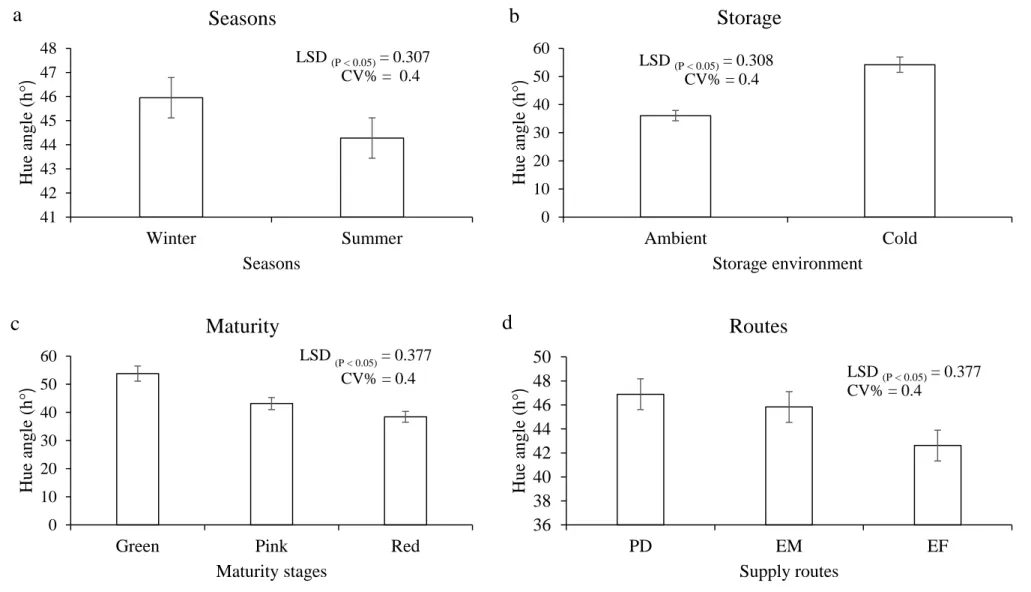
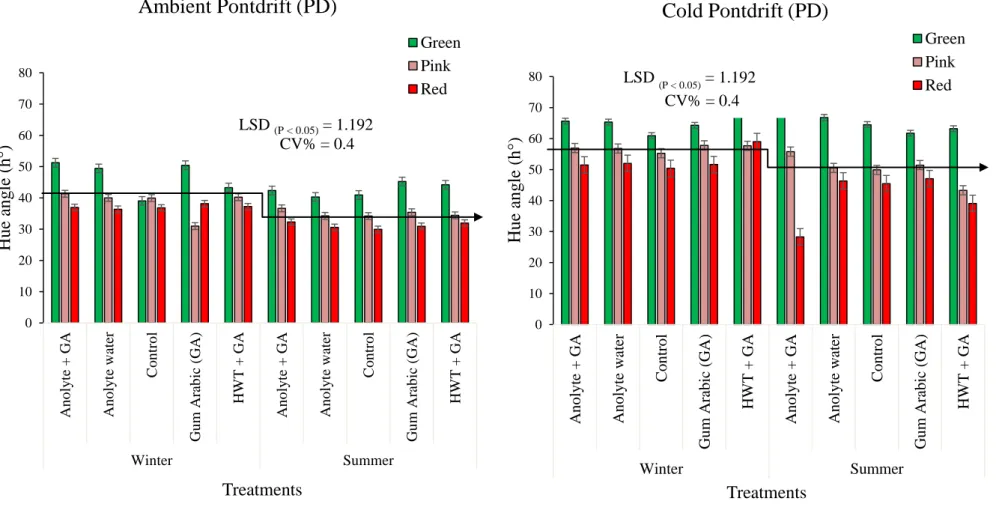
71 Figure 4.4 The effect of pre-storage treatments and storage conditions on the color (hue . angle) of tomatoes of different maturity stages from Pontdrift region. 72 Figure 4.5 The effect of pre-storage treatments and storage conditions on the color (tint . angle) of tomatoes of different maturity stages from Letaba Municipality.
INTRODUCTION
This creates knowledge gaps regarding the effects of post-harvest practices in the tomato supply chain on fruit quality (Pila et al., 2010). There is currently a renewed and growing interest in the use of natural products to maintain quality and extend the shelf life of fruits and vegetables (Ahmed et al., 2012).
LITERATURE REVIEW
Introduction
- Overview of tomato production and postharvest losses in South Africa
A major challenge facing fresh produce companies is fruit quality loss that occurs during fruit distribution (Ali et al., 2010). As reported by Melkamu et al. 2008), as much as these treatments have shown a potential to prolong fruit quality, they cannot replace the effectiveness of low temperature and high relative humidity.
Factors influencing deterioration of tomato fruit quality and shelf life
- Pre-harvest factors
- Environmental factors affecting tomato quality and shelf life
- Technical factors
High temperatures promote the rate of tomato ripening, so pectin and polygalacturonase activities increase, resulting in fruit softening (Yoshida et al., 1984). Temperature is a key tool for maintaining the quality and shelf life of horticultural products (Pinheiro et al., 2013a).
Harvesting
- Maturity stage
- Time of harvesting
- Harvesting method
According to Getinet et al. 2008) tomatoes should be harvested by hand early in the morning to minimize mechanical injury. Mechanical harvesting of tomatoes results in increased bruising and promotes loss of fruit quality (Li et al., 2010).
Locations and supply chain routes
- Chlorinated water
- Anolyte water
- Hot water
- Edible coatings
Activated water is characterized by high physico-chemical and biological activity (Aider et al., 2012). Anolyte water is harmless to human health (Seyoum et al., 2003) and is affordable by small and large farmers.
Assessment of fruit quality
- Physical properties
- Physiological properties
- Chemical properties
- Biochemical properties
- Microbiological properties
The main components of tomato flavor with the highest contribution quantitatively are chemical properties (Suárez et al., 2008b). Tomato fruit pH at harvest is the most important determinant of quality and shelf life (Mohammed et al., 1999).
Discussion and summary
Anolyte water treatment, gum arabic coating, hot water treatment and chlorinated water are promising pre-storage treatments in preserving tomato shelf life (Workneh, 2010; Getinet et al., 2008; Ali et al., 2010, Ali et al., 2013). Furthermore, the literature on the effect of integrating low temperature pre-storage treatments on extending the shelf life of tomatoes of different maturity stages has not been adequately documented in South Africa.
Effect of postharvest treatments on physicochemical properties and shelf life of tomato (Lycopersicon esculentum Mill.) fruits during storage. Analysis of the influence of maturity level on biochemical quality characteristics of tomato (Lycopersicon esculentum Mill.) after harvest.
EVALUATION OF THE EFFECTS OF THE SUPPLY CHAIN ROUTES AND PRE-
INTRODUCTION
Tomato (Solanum lycopersicum L.) is popular among vegetable growers due to its nutritional and health benefits (Perveen et al., 2015). Tomato fruit contains antioxidants, mainly lycopene and β-carotene, which are important for human nutrition (Bramley, 2002, Ali et al., 2010). About 15% of postharvest rot is caused by microorganisms in fruits and vegetables (Liplap et al., 2014).
Much work has been done to develop new methods to control postharvest rot in tomatoes (Workneh et al., 2011, Teka, 2013). Postharvest immersions in chlorinated water were found to be effective in reducing microbial load and limiting microbial growth in bell peppers (Nunes and Emond, 1999) and tomatoes (Workneh et al., 2012). Anolyte water disinfectant was also effective in reducing postharvest rot in carrots (Seyoum et al., 2011b), and hot water in tomatoes (Fallik, 2004, Pinheiro et al., 2013).
MATERIALS AND METHODS
- Site description
- Experimental design
- Transportation packaging
- Postharvest treatments
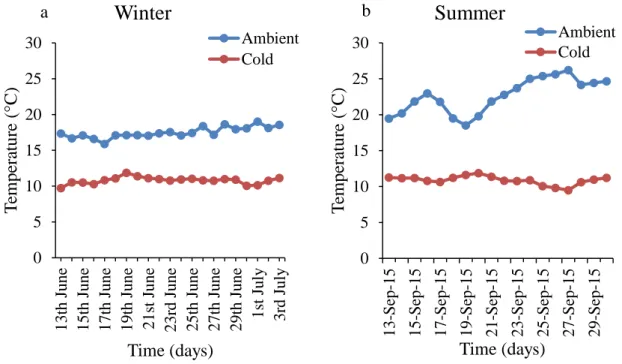
- Environmental conditions during fruit storage
- Data collection
- Microbial analysis
- Percentage Marketability
- Data analysis
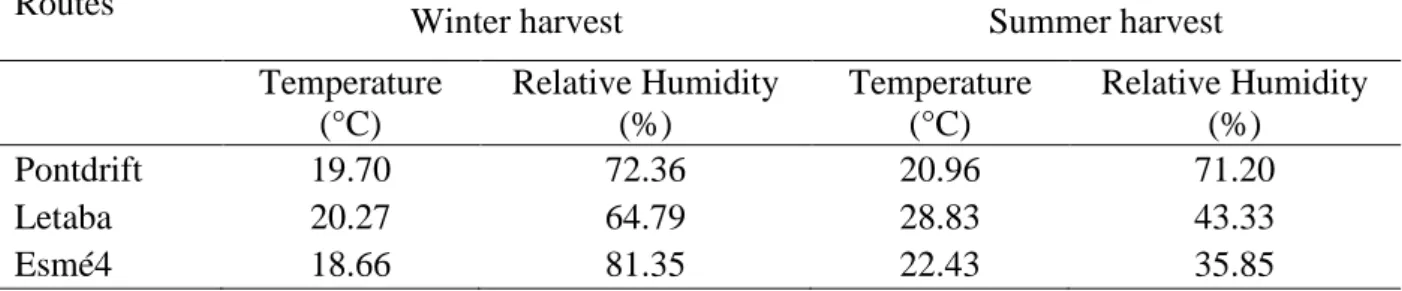
The boxes had 4 vents on the side panels and 4 vents on the bottom panel. Crates were stacked 4 high with data loggers to measure temperature and relative humidity during transport placed on top of the tomatoes in the bottom, middle and top crates. Boxes were stacked 4W x 3W x 13H, and one data logger was placed on top of the fruit in the box in the bottom, middle, and top rows.
Plastic containers were used to prevent the loss of charged ions in solution (Workneh et al., 2012). The data loggers were placed on the shelf of the cold room and on the table in the ambient storage. Then, one milliliter of the peptone water in the bag was aseptically pipetted into a 9 ml tube of sterile peptone water.
RESULTS AND DISCUSSION
- Air temperature and relative humidity during transportation
- Microbiological changes
- Subjective quality analysis for marketability
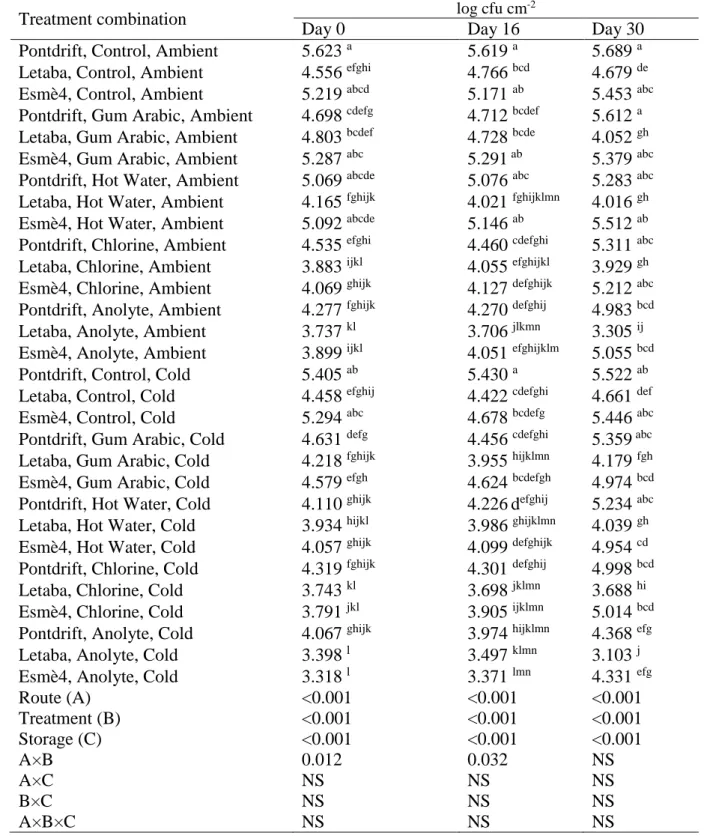
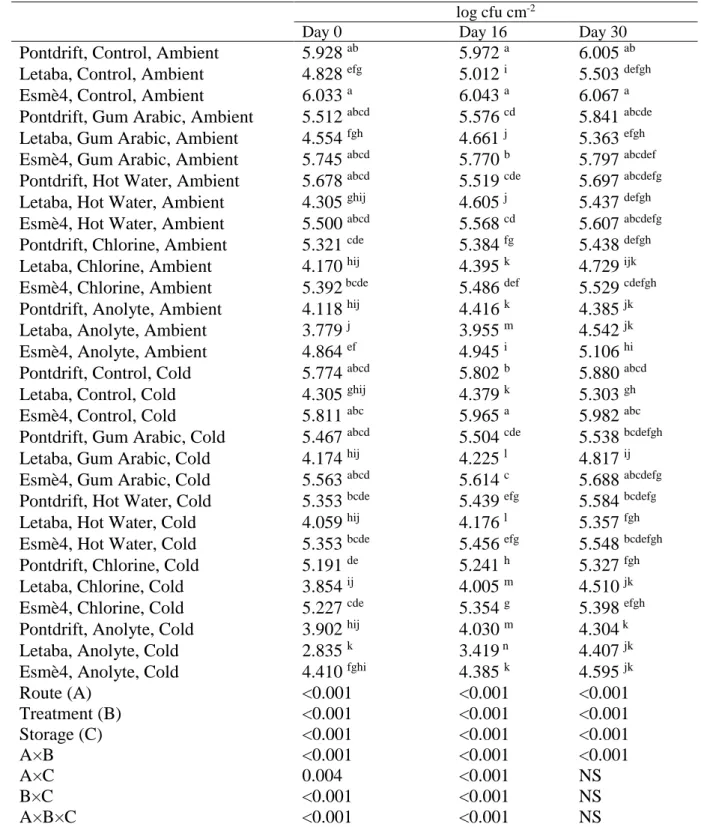
The integration of post-harvest treatments (disinfectants/coating and storage) had a significant impact (P < 0.001) on the surface microbial burden of tomatoes harvested in summer and stored for 30 days (Table 3.2 and Table 3.3). Tomato fruit quality (quality indicating parameters that were measured) also varied significantly (P < 0.001) with storage temperature. Integration of postharvest treatments (disinfectants/coating and storage) had a highly significant difference (P < 0.001) in the marketability percentage of pink ripened tomatoes stored for 30 days (Tables 3.4 and 3.5).
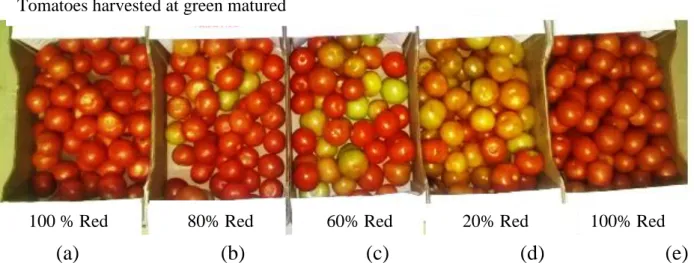
The integration of pre-storage treatments and storage conditions had a significant difference (P < 0.001) in maintaining the marketability of tomatoes during day 16 and 30 of both harvest seasons. - Storage treatments had a significant difference (P < 0.001) in maintaining tomato marketability during day 16 and day 30 of both harvest seasons. In addition, the integration of supply routes, pre-storage treatments and storage environment had a highly significant (P < 0.001) influence on tomato marketability retention during days 16 and 30 of both harvest seasons.
CONCLUSIONS
Treatments Storage Final state of salability during the day 30 Assessment Anolyte water Ambient Red shiny, solid, no stains Good. Chlorine Ambient Red shiny, solid, surface stains Good Cold Red shiny, solid, surface stains Good.
Effect of harvest stage on fruit quality and longevity of four cultivars of tomato (Lycopersicon esculentum Mill). Kinetics of changes in physical quality parameters of fresh tomato (Solanum lycopersicum, cv. 'Zinac') fruits during storage. Life cycle inventory analysis of fresh tomato distribution systems in Japan considering quality aspect.
A review of post-harvest handling and losses in the fresh tomato supply chain: focus on sub-Saharan Africa. Analysis of the effect of maturity stage on the biochemical quality characteristics after harvest of tomato fruit (Lycopersicon esculentum Mill.). AARDO workshop on technology on reducing post-harvest losses and maintaining the quality of fruit and vegetables, 2-11
EVALUATION OF THE EFFECTS OF THE SUPPLY CHAIN ROUTES, MATURTY
Introduction
Tomato (Solanum lycopersicum L.) remains one of the most consumed vegetables worldwide due to its nutritional and health benefits ( Willett, 2010 , Perveen et al., 2015 ). It contains antioxidants, which have been linked to a reduction in cancer and heart disease (Ali et al., .2013). If these changes in composition are not controlled, they can lead to rapid deterioration of fruit quality (Fagundes et al., 2015).
Several researchers have reported serious postharvest quality losses in tomatoes, especially in developing countries (Ali et al., 2010, Ali et al., .2013, Sibomana et al., 2016). However, many research studies have focused on the individual effects of these treatments on postharvest tomato quality (Alimi et al., 2016). Anolyte water treatment, gum arabic coating, hot water treatment, and chlorinated water are promising pre-storage procedures in preserving the shelf life of tomatoes (Getinet et al., 2008; Ali et al., 2010; Workneh, 2010; Ali et al. , 2013).
Materials and Methods
- Site description
- Experimental design
- Transportation packaging
- Postharvest treatments
- Data collection
- Data analysis
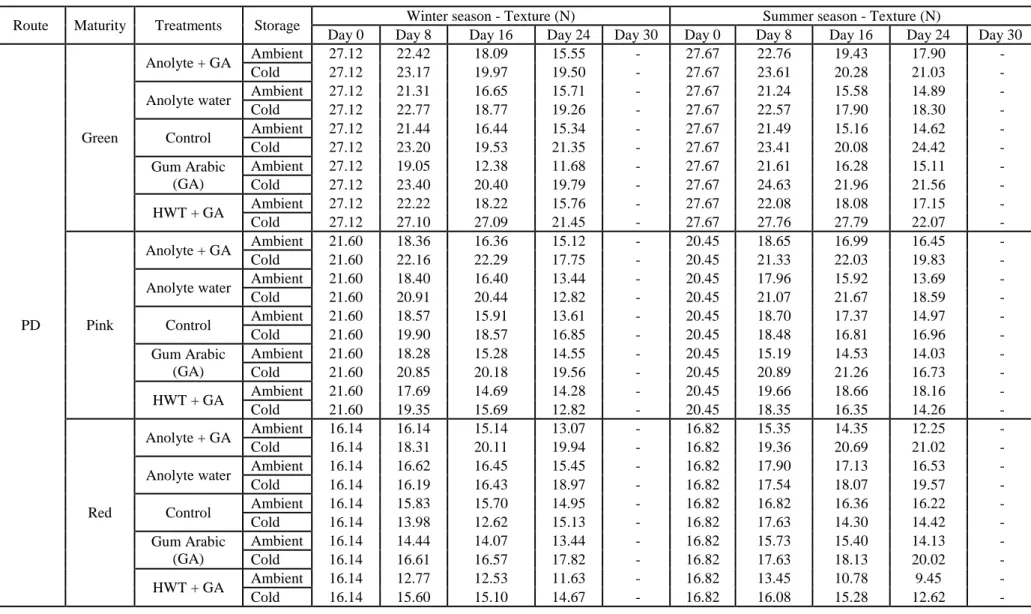
The crates used to transport the fruit were made of UV-stabilized impact-modified polypropylene, with double-walled corners, and each crate had a capacity of 478 kg. The boxes were stacked 4 across × 3 wide × 13 high, and one data logger was placed on top of the fruit in the box in the bottom, middle, and top rows. Tomato surface color was analyzed by measuring the color angle (h°) with a Minolta Chroma meter (Minolta CR-300, Ramsey, NJ, USA) at three different points in the equatorial region of the fruit (Dominguez et al., 2012). . Tomato firmness was measured using a texture analyzer (Instron Universal Testing Machine (Model 3345), Buck, United Kingdom) equipped with two flat plates, following the method used by Dominguez et al.
The total soluble solids (TSS) content was determined using the method used by Ali et al. The TSS of each fruit juice sample was then determined by adding a juice droplet to the lens of a digital refractometer (Atago Palette-PR32 , Tokyo, Japan), as determined by Ali et al. Therefore, DPPH and FRAP methods were used in the current study as they were found to be reliable and efficient in measuring the antioxidant activity of tomatoes (Ali et al., 2013 ).
Results and Discussion
- Colour
- Firmness
- Physiological weight loss
- Respiration
- Total soluble solids
- Phenolic compounds
- Total antioxidant capacity
- Marketability
The rate of color change or shade angle reduction varied significantly (P < 0.001) with prestorage treatment. Texture also varied significantly (P <.0.001) with prestorage treatments used to disinfect or coat tomato fruits. However, the weight loss of tomatoes of different stages of maturity also differed significantly (P <0.001) according to their storage conditions.
Integration of pre-storage treatments and storage conditions resulted in a highly significant (P < 0.001) reduction in tomato PWL. Within delivery routes, tomato respiration rate varied significantly (P < 0.001) with harvest maturity stages. Maturity levels combined with storage conditions significantly (P <0.001) affected respiration rates.
Tomato respiration rate also varied significantly (P < 0.001) with pre-storage treatments used before fruit storage. The combination of pre-storage treatments and storage conditions (P < 0.001) significantly reduced tomato respiration rate with anolyte water disinfection treatment and HWT + GA being the most effective treatments in refrigerated storage.
CONCLUSIONS
In addition, anolyte water treated sample achieved the highest total soluble solids, which indicated an outstanding performance in terms of organoleptic quality. Furthermore, anolyte water was one of the best treatments to maintain the higher levels of phenolic compounds and the total antioxidant activity. Integration of anolyte water treatment with other technologies such as cold storage, and optimum crop maturity led to the better results than only anolyte water (Appendix I).
This was inferred from the percent marketability obtained, which was higher in tomatoes harvested at green ripening and stored under cold conditions (11 °C) compared to those stored under ambient conditions.
Effect of active modified atmosphere and cold storage on the postharvest quality of cherry tomatoes. Application of modified atmosphere packaging and related technology in post-harvest handling of fresh fruit and vegetables. Effect of waxing and wrapping on phenolic content and antioxidant activity of citrus during storage.
Feasibility and economic evaluation of low cost evaporative cooling system in fruit and vegetable storage. From grower to consumer: greenhouse tomato quality as affected by variety, stage of maturity at harvest, transport conditions and supermarket storage. Feasibility and economic evaluation of low cost evaporative cooling system in fruit and vegetable storage.
CONCLUSIONS AND RECOMMENDATIONS
Evaluation of post-harvest losses of fruit at Tshakhuma fruit market in Limpopo Province, South Africa.
APPENDICES
Route Maturity Processing Storage Winter season - TPC (mg GAE-1 g FW) Summer season - TPC (mg GAE-1 g FW).