These detailed lists identify the requirements of the job and are used to measure the product managers' success. To determine the best practices for product managers to perform their roles in the pharmaceutical industry. To evaluate current beliefs and practices of product managers regarding their roles and responsibilities in the pharmaceutical industry.
Establish ways to improve poor practices and provide guidance to product managers in the pharmaceutical industry. This research examined the current beliefs and practices of product managers in terms of their roles and responsibilities in the pharmaceutical industry. The main focus, however, was to identify best practices for product managers in the pharmaceutical industry.
Value of the research
This research serves as a way to provide all product managers with the same background information, with the intention that they will benefit from these recommendations when entering the pharmaceutical industry or those already in the industry.
Problem statement
Without certain standard operating procedure guidelines, there is no scientific method for a product manager to follow when managing a portfolio, so this can increase the potential for error for both the product and the individual. In this research, the pharmaceutical company used for the case study refused to disclose any standard operating procedures for marketing while evaluating the product management system. Some divisional managers in the company prevented product managers within the division from participating in the study.
Another limitation is that the sample was limited to the specific pharmaceutical company chosen, and the results obtained do not necessarily reflect the beliefs and practices of product managers in other pharmaceutical companies. Chapter Two - this chapter consists of a comprehensive literature review and aims to develop best practices for product managers in the pharmaceutical industry. Chapter Three - this chapter describes the current beliefs and practices of the product managers in the selected pharmaceutical company.
Summary
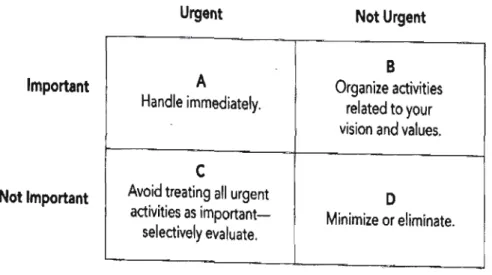
On the one hand, it requires someone who can focus almost exclusively on the product's success in the marketplace. It is important to be aware of the relative priorities of projects as they relate to the company's mission and overall vision. Managing the team: The individuals and departments involved in the project should be involved in determining the time and resource requirements for the various activities of the project.
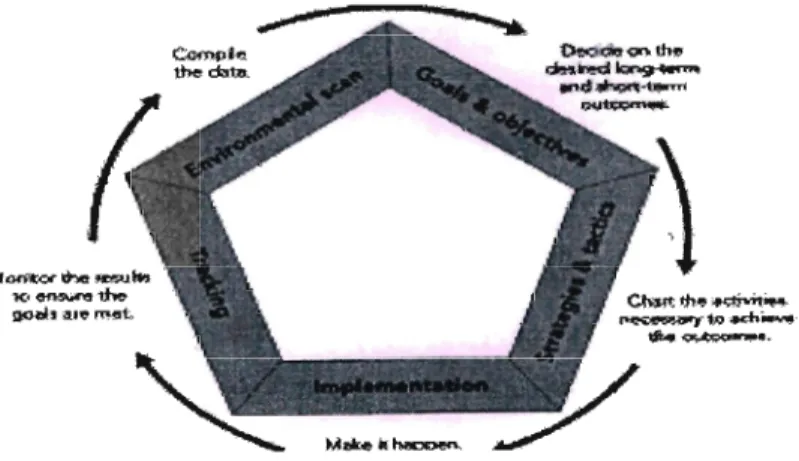
Achievable goals are realistic and their achievement is within the scope and responsibility of the product manager. Summarize the key points of the environmental scan to provide support for the core of the marketing plan: the action program 2. Profile the primary and secondary markets to which you will allocate resources in the remainder of the marketing plan.
Market research
The product manager can be involved in creating a code book where all the information about the codes is recorded. The advantage of a foundation in finance enables the product manager to question changes. The product manager should continue to look for new ways for a product line to satisfy customer needs.
The product manager in the service industry, such as drugs generally focus a group of offerings on the needs of selected market segments Le. The product manager should ensure that brand equity for all products in the line works both together and with the company's brand. Although the product manager has no control over the company's brand, it is important to be aware of the influence on sales.
If this happens, it can strain the relationship between the seller and the product manager. Calculating what the product is worth to the customer is the missing link in the pricing strategy. Other complementary communication efforts that a product manager may be involved in include sales pitches and public relations events.
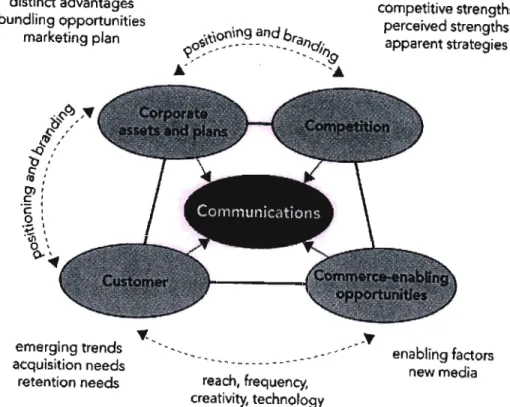
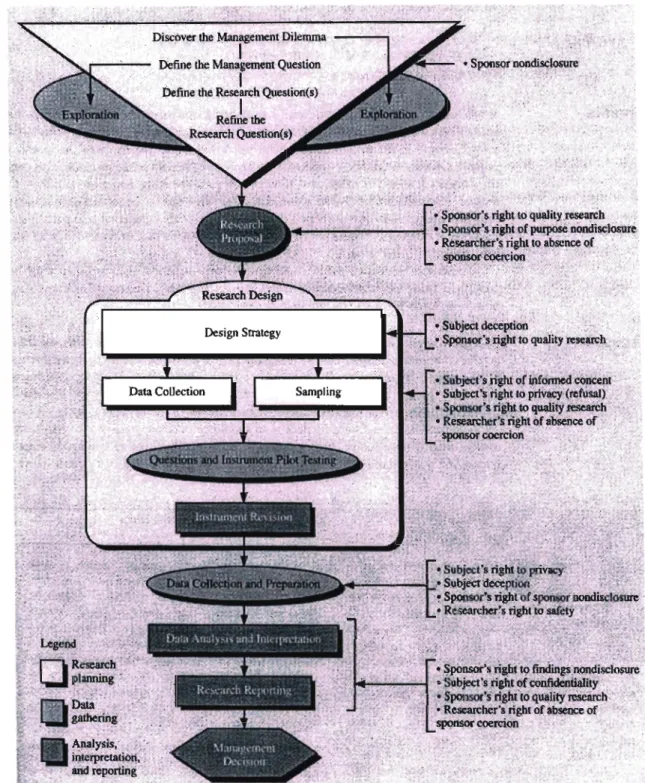
The product manager must decide the general direction of the communications program to achieve the objectives as stated in the marketing plan. Incentives to motivate the channel from the product manager include discounts, guarantees, sales promotions etc. Personal interviews conducted with the product managers and as they were easily accessible and all based in the same building.
Product managers considered project management to be one of the areas of responsibility for their role in the organization. The product manager presents a specific problem to the project team and explains what is needed. The product manager then hands the project over to the project team and then there is no feedback from marketing except in what are called PPID meetings.
Planning and forecasting
While product managers try to leave a certain amount of their day off for the unexpected, problems still arise. Product managers generally don't delegate tasks to other people who can do the work. Forecasting is cited as another critical competency by product managers in the company, and the reason for this is that product availability is key to maintaining credibility in the marketplace.
Forecasting was performed at different intervals depending on whether the product was new or either fast or slow moving. However, currently there is a specific forecasting system installed that all the product managers use to forecast. On some occasions, if the research is outsourced, the product manager is consulted about who should be included in the sample and the type of information needed.
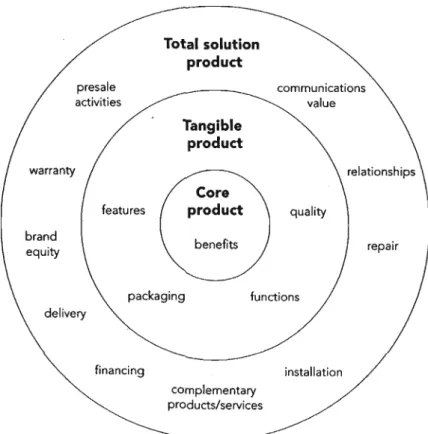
If the product manager does not complete the questionnaire, a covering letter will be included. There is no pretest of the questionnaires. When specific products are marketed, their features and benefits are emphasized and specific services may be offered depending on the product. The product managers also actively pursue product rationalization and the product manager is the one who decides whether products are discontinued.
However, the product managers interviewed did not develop a strategy for the line and the ideas are settled as the year goes by. In these circumstances, the new idea is presented to the project team, feasibility is done, and the project teams work in consultation with the product manager to make a final decision. The product manager may think of an idea and in some cases, transfer the concept to another company for development.
The product manager admitted that the release of new information is not frequent. Complementary communication efforts are common within this company.
Go to market strategies
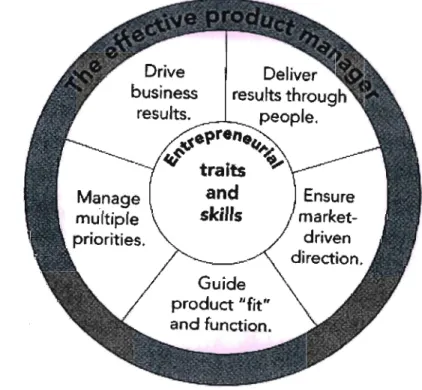
The responses of the product managers interviewed revealed that most of the critical competencies of the effective product manager were similar to those in the literature review chapter. The next was called Le. a) Financial competence - this was identified by the product managers as essential for success in the pharmaceutical industry. This forms part of the ability to drive business results by understanding the financial implications of decisions made about the product.
The following, however, was not emphasized, e.g. product vision skills, planning where the product is going (market plan) and knowledge of the sales process (as a means of increasing efficiency and effectiveness within the organization). In the case of project management responsibility, certain phases of the process were carried out well by product manager Le. as in the case of new formulations demanded by customers in the market. The product manager then presented the problem to the project team and explained exactly what was needed from the customer's perspective.
The product manager involved in this process did not contribute to when the project should be planned and planned with the project theme, nor was she involved in agreeing on the time needed for each activity in the process. The answer given by the product manager about the number of projects already on her plate is not appropriate for this type of environment as one of the skills required in product management is the ability to manage multiple priorities. In terms of time management, while the strategy of planning the day and leaving some free time for the unexpected is good, it is obviously not effective as product managers are still experiencing many problems with time management.
The fact that product managers "did their thing" when it came to preparing marketing plans is not a good thing, because the marketing plan is the overall strategy of where the product is going. Omitting important information from this plan can only harm the product and the company. In the absence of this important information, the product manager has nothing to measure against.
In relation to the marketing strategy, while the product managers emphasized price and promotional strategy as being important, they failed to include the product strategy in relation to support and new development. d) Finally, no action program was mentioned in the plan, which is essential for measuring the product manager's performance.
Market research
A negative point of the current process is that the product managers did not feel it necessary to involve the salespeople in the new product development process. None of the product managers have ever wondered what the product is worth to the buyer. However, if the product manager is unsure about something, appropriate advice is sought.
Product managers did not have a clear framework to follow when deciding on marketing communications for products. From evaluating current product manager practices, it is evident that product managers have not performed according to best practices in certain areas. The following chapter provides recommendations to improve current practices that affect the roles and responsibilities of the product manager in the pharmaceutical organization.
A review of the industry's product managers found that some issues were encountered. The goal was to identify what the product managers did well and also to prevent bad practices in the future. It is essential that the product manager has input into the planning and scheduling of the project.
The Product Manager should request a copy of the schedule plan and monitor progress on it. The product manager must devote at least one day a week to spending time in the field and visiting key customers. In addition, the product manager should review the weekly reports of the sales team to see the activities of the competition and what is new in the market.
The product managers admit that they only use questionnaires to get information from customers in research.