Exploring Autism Spectrum Disorder in African Children Using Multiple Case Study Methodology
Michelle Glenise Dixon 210523179
Supervisor: Dr Nicholas Munro Co-supervisor: Dr Beverley Killian
Submitted in fulfilment of the Master of Social Science Degree,
In the Graduate Programme in Psychology, School of Applied Human Sciences, College of Humanities, University of KwaZulu-Natal,
Pietermaritzburg
December 2015
Declaration I, Michelle Glenise Dixon, declare that:
1. The research reported in this thesis, except where otherwise indicated, is my original research.
2. This dissertation has not been submitted for any degree or examination at any other university.
3. This thesis does not contain other persons’ data, pictures, graphs or other information unless specifically acknowledged as being sourced from other persons.
4. This thesis does not contain other persons' writing unless specifically acknowledged as being sourced from other researchers. Where other written sources have been quoted, then:
a. Their words have been re-written but the general information attributed to them has been referenced
b. Where their exact words have been used, then their writing has been placed in italics and inside quotation marks and referenced.
5. This thesis does not contain text, graphics or tables copied and pasted from the Internet, unless specifically acknowledged, and the source being detailed in the thesis and the References sections.
6. A turnitin originality report is attached (see Appendix F).
Michelle Dixon
_____________________________
December 2015
This thesis is submitted with the approval of
_____________________________ ___________________________
Supervisor Dr Nicholas Munro Co-supervisor Dr Beverly Killian
Acknowledgements
To the following people, I would like to express my sincerest gratitude and appreciation for their continued involvement, support and contribution to this study:
~ My wonderful supervisors, Nick Munro and Bev Killian
~ My lovely sons, Joshua and Samuel Dixon
~ My supportive mother, Glen Dixon
~ All the special children and dedicated parents who participated in the study
~ The committed occupational therapists from the schools
~ The K-ASD study Principal Investigators:Dr S. Kauchali and the late Prof M. Chhagan
~ Principals from participating schools
Abstract
Despite the sharp global increase in prevalence, there is a paucity of South African research into autism spectrum disorders (ASD), so little is known about how ASD manifests in African children. This qualitative multiple case study explores six family units with a boy child with ASD (ranging in age from six to eleven years). The sample was recruited from five public schools for learners with special education needs (LSEN) in KwaZulu-Natal. The methodology incorporated (i) in-depth individual interviews with the parents to obtain an understanding of their experiences of raising a child with ASD, and (ii) the administration of the Autism Diagnostic Observation Schedule (ADOS) to the children to confirm the diagnosis, contextualise parental accounts, and to observe the children’s responses to the ADOS activities.
The findings indicate that the parents experienced a difficult help-seeking journey, which began when they first noticed signs of atypical development (most frequently related to delayed speech development and lack of social interaction), to the time when the diagnosis was made.
Lack of awareness of ASD, at both the community and primary healthcare levels, made the journey unnecessarily prolonged. Most of the participants in this sample explored cultural factors that could account for their child’s difficulties and engaged in various rituals to appease ancestors. Initially, African cultural beliefs strongly influenced their views about the causes of ASD, but over time, they drifted towards a Western perspective. Since there are no physically detectable features associated with ASD, the parents experienced much criticism in response to the child’s challenging behaviours in various social and religious contexts. The ADOS observations provided insight into South African children’s responses to the tasks, suggesting more universality into the way in which ASD manifests than had been expected from an African worldview perspective. This small qualitative study is critiqued and suggestions made for future research focal areas.
(306 words)
Table of Contents
Acknowledgements ... iii
Abstract ... iv
List of Tables ... viii
List of Figures ... ix
CHAPTER 1 ... 1
1.1. Overview ... 1
1.2. Aims of the dissertation ... 3
1.3. Outline of the dissertation ... 5
CHAPTER 2 ... 6
LITERATURE REVIEW ... 6
2.1. The Core Symptoms of ASD ... 6
2.2. Progress and Challenges of Diagnostic Criteria in the DSM ... 8
2.3. Early Recognition of Symptoms of ASD... 9
2.4. Age at Diagnosis of ASD ... 10
2.5. Increased Prevalence of ASD ... 11
2.6. Aetiology of ASD ... 11
2.7. Comorbidity ... 12
2.8. Diagnostic Features ... 13
2.9. The Autism Diagnostic Observation Schedule (ADOS) ... 14
2.10. Summary ... 15
CHAPTER 3 ... 17
THE INTERSECTION BETWEEN ASD AND AFRICAN CULTURE ... 17
3.1. A Theoretical Perspective of Childrearing ... 17
3.2. African Spiritual Beliefs and Traditional Practices ... 18
3.3. The Impact of ASD on Parents and Families... 20
3.4. Features of ASD in Africa ... 20
3.5. Aim and Rationale ... 22
3.5.1. Experiences of African parents of children with ASD. ... 23 3.5.2. Observations of the child with ASD during the ADOS administration. 23
CHAPTER 4 ... 25
METHODOLOGY ... 25
4.1. Research Paradigm and Design ... 25
4.2. Sampling ... 26
4.3. Procedure for Data Collection ... 27
4.4. Research Process ... 28
4.5. Instruments for Data Collection ... 31
4.5.1. In-depth semi-structured interviews. ... 31
4.5.2. The Autism Diagnostic Observation Schedule (ADOS). ... 32
4.5.3. Information from personal school files. ... 34
4.6. Data Analysis ... 34
4.6.1. Establishing validity and reliability. ... 35
4.7. Additional Ethical Considerations ... 36
CHAPTER 5 ... 37
RESULTS ... 37
5.1. Introduction ... 37
5.2. Participant Information and Demographics ... 37
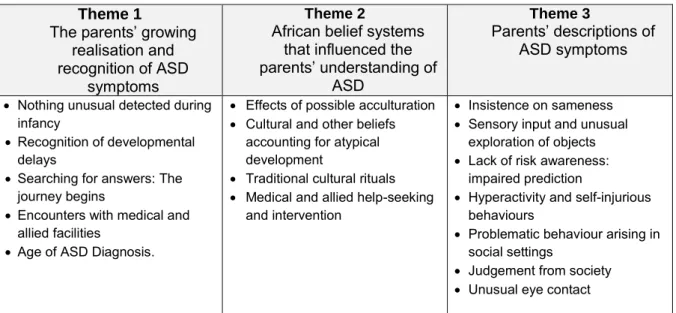
5.3. Introduction to themes ... 42
5.4. The journey towards diagnosis: Moving towards the identification of ASD. ... 43
5.4.1. Nothing unusual detected during infancy. ... 43
5.4.2. Recognition of developmental delays. ... 44
5.4.3. Searching for answers: The journey begins. ... 48
5.4.4. Encounters with medical and allied facilities. ... 48
5.4.5. Age at diagnosis of ASD... 49
5.5. Cultural Influences ... 50
5.5.1. Effects of possible acculturation. ... 51
5.5.2. Cultural and other beliefs accounting for atypical development. ... 52
5.5.3. Traditional cultural rituals... 53
5.5.4. Medical and allied help-seeking and intervention. ... 53
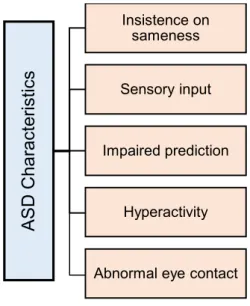
5.6. Characteristics of ASD Described By The Participants And/Or ADOS Observations. ... 54
5.6.1. Insistence on sameness. ... 55
5.6.2. Sensory input and unusual exploration of objects using the senses... 57
5.6.3. Lack of risk awareness: Impaired prediction. ... 58
5.6.4. Hyperactivity and self-injurious behaviours. ... 58
5.6.5. Problematic behaviour arising in social settings. ... 59
5.6.6. Judgement from society. ... 60
5.6.7. Unusual eye contact. ... 61
5.7. Further Results and Observations from the ADOS Assessment. ... 62
CHAPTER 6 ... 65
DISCUSSION ... 65
6.1. Identifying the Early Manifestations of ASD ... 65
6.2. African Parents’ Experiences of Raising a Child with ASD in the KZN Context 68 6.2.1. Moving towards a diagnosis of ASD. ... 68
6.2.2. Confirming a diagnosis of ASD. ... 69
6.2.3. Disocourse from community members around bad parenting. ... 71
6.3. Understanding ASD from a Cultural Perspective ... 73
6.3.1. Perspectives of challenging symptoms arising in children with ASD. .. 75
6.4. Responses to the ADOS Assessment ... 77
CHAPTER 7 ... 80
CONCLUSION ... 80
7.1. Limitations ... 80
7.2. Recommendations for Future Research ... 80
7.3. Reflexivity... 81
7.4. Overview ... 81
References ... 83
Appendices ... 94
Appendix A: Ethical Clearance ... 94
Appendix B: Letters to principals ... 95
Appendix C: Second Letter to Principals ... 97
Appendix D: Parent Consent and Child Assent Forms. ... 98
Appendix E: Parent Interview Schedule ... 100
Appendix F: Turnitin Report ... 102
List of Tables
Table 1 DSM-IV-TR (APA, 2000) Criteria for a Diagnosis of ASD ... 7
Table 2 Participants' Demographic Details ... 40
Table 3 Birth and Developmental Details ... 41
Table 4 Key Time Points of the Diagnostic Process ... 46
Table 5 ADOS Results ... 63
List of Figures
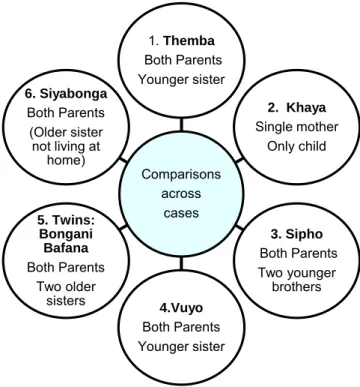
Figure 1. Conceptualisation of the case study comprising of six cases. ... 26
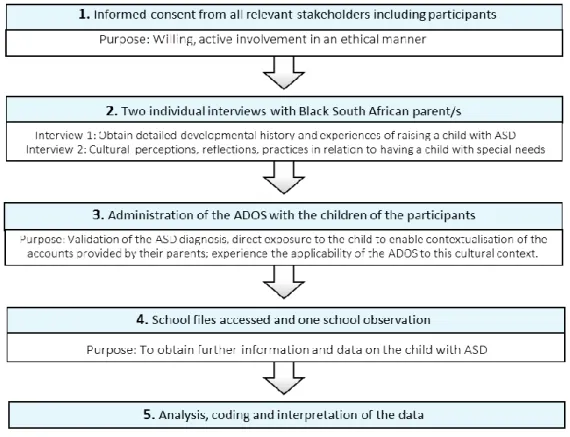
Figure 2. Stages of data collection ... 31
Figure 3. The standardised ADOS Kit. ... 33
Figure 4. The main themes and sub-themes... 42
Figure 5. The stages leading up to a diagnosis of ASD. ... 43
Figure 6. The overarching importance of African culture. ... 51
Figure 7. Identified characteristics of children with ASD. ... 55
List of Abbreviations
ASD Autism spectrum disorder
ADOS Autism Diagnostic Observation Schedule assessment ID Intellectual disability
KZN KwaZulu-Natal
K-ASD Study KwaZulu-Natal Autism Spectrum Disorder Study LMIC Low-and middle-income countries
LSEN Learners with special education needs
OT Occupational Therapist
Chapter 1
1.1. Overview
Autism spectrum disorders (ASD) are neurodevelopmental in origin and characterised by impairments in communication and reciprocal social interactions, along with the presence of restricted, repetitive behaviours, interests or activities (Jang, Matson, Cervantes, & Konst, 2014). In addition to the core symptoms of ASD, aggression, tantrums, and self-injurious behaviour commonly occur but are not required for a diagnosis of ASD (Adams, Matson, Cervantes, & Goldin, 2014).
Despite the recognition of autism1 in Africa over forty years ago (Grinker et al., 2012; Sotgiu et al., 2011), very little is known about the prevalence, major developmental features, and course of this disorder in African people, and more specifically, in South Africans (Elsabbagh et al., 2012). Research into the factors related to the initial concerns and ways in which the ASD present in South Africa is scarce (Springer, van Toorn, Laughton, & Kidd, 2013). In contrast, scientific research into the field of autism has exploded in Western2 countries as many try to determine the aetiology and nature of ASD: 78% of all journal articles published on infant development and behaviour is generated from North America (Springer et al., 2013).
Autism is more common than previously suspected, with a dramatic increase in prevalence rates globally over the last few decades (Jang et al., 2014). Furthermore, ASD was once thought to predominantly affect White children (Jang et al., 2014) but the rate of ASD has rapidly increased in all ethnic, racial and socioeconomic groups (Centers for Disease Control and Prevention [CDC], 2012). More recent estimates suggest that 1 in 68 children in the United States are affected by ASD (CDC, 2014).
Although there is relative consistency in the core features of this developmental disorder from a global perspective (Matson, Beighley, & Turygin, 2012), “the clinical presentation of the condition in Africa remains vague” (Elsabbagh et al., 2012, p. 172). Thus, it is unknown
1 Autism has been variously defined as a form of Autistic Spectrum Disorder and as a distinct disorder. The
empirical research that relates to this thesis has not made a strong distinction between Autism and ASD, so these terms are used interchangeably in much of this thesis. Whenever the distinction is relevant, this is made clear in the text.
2 Western Europe and the United States.
whether African3 children present with the same features as described internationally (Springer et al., 2013).
In order to consider African constructions of childhood, Mkhize (2004) argues that it is essential first to examine the overall African worldview (the basic assumptions by which Africans attribute meaning to reality). The African worldview has important consequences for the way in which African children are raised and this may directly affect the manner in which a neurodevelopmental disorder may be understood and identified. For example, lack of eye contact is considered to be indicative of difficulties in social interaction commonly associated with ASD in Western societies (DeWeerdt, 2012). There is little available
research, though much anecdotal information, on cultural differences in the use of social and respectful eye contact between adults and children in African communities; and how this normative cultural behaviour may affect early diagnosis. There are also significant cultural differences in childhood experience and expectations for individuation and development of competency (Grinker et al., 2012). For example, expectations for children to initiate communication and the responsiveness of adults to children’s speech could influence the identification of ASD.
Parents play a crucial role in the identification of difficulties manifested in their children as they are the first to detect symptoms and make choices about early interventions (Braunstein, Peniston, Perelman, & Cassano, 2013). Indeed, many studies have established that parents of different cultural groups identify atypical development in direct relationship to their
knowledge of typical childhood development (Quilendrino, Castor, Mendoza, Vea, &
Castillo-Carandang, 2015). Additionally, parents’ initial help-seeking behaviours are usually directed towards to the elders of their communities: for example, grandparents, older
relatives, and members of a community who are considered to be more knowledgeable and experienced about early childhood development (Grinker et al., 2012; Quilendrino et al., 2015).
The earlier a parent recognises atypical developmental features, the earlier they are likely to seek assistance from both within their communities and within the medical field (El-
3 In South Africa the term Black may be used for racial classification of ethnicity. In this study the term African
is considered a more appropriate term to refer to members of the Zulu, Xhosa, and Swahili cultural and ethnic groups who currently reside in KwaZulu-Natal.
Ghoroury & Krackow, 2012). Early diagnosis, enables earlier appropriate and prolonged interventions and increases the likelihood of a more adaptive outcome (Kozlowski, Matson, Horovitz, Worley, & Neal, 2011). Indeed, the long-term prognosis of ASD is poor without an early diagnosis (Centers for Disease Control and Prevention, 2014; Matson & Goldin, 2014). However, before being able to make valid and reliable diagnoses in African children, in-depth knowledge is needed about how and when the symptoms of ASD manifest and are understood by the parents. In turn, this depends on parents noticing various early forms of atypical development and then taking the necessary help-seeking steps to obtain assistance for their children.
Thus, a large KwaZulu-Natal Autism Study (K-ASD) aimed to find the best method for correctly identifying and assessing Zulu-speaking children with ASD (Kauchali, 2008). The broad aim of this large study was to build empirical data that could contribute to improving early detection, epidemiology, and delivery of services. The early detection of autism would be especially valuable as this would enable interventions aimed at minimising or even, possibly, preventing some of the symptoms of the disorder.
Working within the auspices of K-ASD, the present study aimed to investigate possible cross-cultural differences in a small sample of African families with a child diagnosed with ASD. The current study also sought to contribute to the K-ASD study, by conducting multiple case studies tracking parental experiences from the time of first parental concern through to the time when a diagnosis was made. The purpose of tracing this path across different family units was to provide a tentative framework that would enable further exploration and increased awareness and insight into the ways in which atypical
developmental patterns are identified, responded to, and eventually diagnosed by a medical practitioner within the South African context.
1.2. Aims of the Dissertation
This study aimed to qualitatively explore how African parents recalled the processes of identifying features of atypical development, seeking assistance and subsequently developing an understanding of their child. By conducting in-depth interviews with the parents, the researcher aimed to (i) identify the early features of ASD that these parents noticed as issues of concern, (ii) generate insight into the way in which these parents have experienced raising a child with ASD in the South African context, and (iii) explore their parental understanding of the causes of the difficulties experienced by their children (i.e. the aetiology of ASD from
their own cultural and other perspectives). A multiple case study methodology was adopted so several data sources could be used to develop a multifaceted understanding of ASD.
The participants in this study represented various complex family structures that will be
described in more detail in Chapter 5. In total, there were six mothers and three fathers of seven children with ASD. All participants were Black African and currently residing in KwaZulu-Natal, South Africa. Two individual interviews were conducted (i) an in-depth clinical history, together with retrospective recollections of pregnancy and their child’s early development; (ii) a follow-up interview that focused on cultural perspectives of raising a child diagnosed with ASD, and enabled further exploration and clarification of previously raised or other issues.
Another aspect of this study explored the relevance and applicability of the Autism
Diagnostic Observation Schedule (ADOS) assessment (Lord, Rutter, DiLavore, & Risi, 2002) assessment in the South African context. Significant progress in developing and validating screening and diagnostic assessments to identify children at risk of ASD has been made in Western countries (Elsabbagh et al., 2012). However, no fully standardised assessment is currently available in the South African context. The lack of appropriate, culturally sensitive tools compromises the early identification of ASD in African children (Elsabbagh et al., 2012). Currently, the ADOS is regarded as a gold standard for diagnostic purposes since it presents the child with a series of tasks or presses4 that are likely to create opportunities for behaviours associated with ASD to be observed, coded and algorithms to be calculated.
There are several motivations for including the administration of the ADOS as part of the current study: (i) the ADOS algorithms would confirm a child’s diagnosis of ASD (in two of the children in this sample, no formal assessment had taken place even though the children were generally recognised as experiencing ASD), (ii) the observation of the child enabled the researcher to contextualise information obtained from the parent interviews and other
collateral sources, and (iii) to investigate how African children respond to activities, tasks or presses of an instrument designed and tested in the United Kingdom (UK) and the United States (US). Thus, the observations of how the children responded to the activities on the ADOS were of interest from multiple perspectives, yielding information that could confirm
4 The ADOS consists of standardized activities that allow the examiner to observe the occurrence or non-
occurrence of behaviours that have been identified as important to the diagnosis of autism. These activities provide different combinations of presses for particular social, communicative or other atypical behaviours.
having a child diagnosed with ASD as part of this study; and provide a spectrum of culturally rich information about how these African children responded to the ADOS tasks.
1.3. Outline of the Dissertation
The overall structure of the study takes the form of seven chapters, including this
introductory chapter. Chapter 2 will incorporate relevant empirical research beginning with an overview of ASD and ending with an introduction to the ADOS assessment. Chapter 3 concludes the literature review, with the focus changing to an African cultural perspective of child raising and beliefs about parenting, since this may impact on the manner in which the symptoms of ASD are identified and understood from within African communities.
The fourth chapter is concerned with the methodology and research design used for this study. An explanation of multiple case study methodology is given followed by descriptions of the sample recruitment along with data collection. The chapter ends by describing the steps in the data analysis and concludes with the ethical considerations that were relevant throughout this study with vulnerable participants. A brief introduction to the families and children who participated in the study is given in Chapter 5, followed by the findings that are organised into three key themes. Chapter 6 draws upon the entire dissertation, tying the important findings and various empirical strands together. The final chapter concludes this study and ends with a critique of the findings along with suggestions for future research.
Chapter 2 Literature Review
Autism is presently considered one of the most debilitating and serious of all developmental disorders (Copeland, 2012; Matson, Riekse, & Tureck, 2011), and is more prevalent in children than Down syndrome, diabetes and cancer (Wilkinson, 2014). The disorder affects the course of a child’s development and interferes with a person’s ability to relate and communicate with others throughout the course of a lifetime (Dietert, Dietert, & DeWitt, 2011; Fuentes et al., 2012; Matson et al., 2011). While some people are still able to lead fairly independent lives, the quality of life for others is severely affected, leaving them dependent on services throughout adulthood (Elsabbagh et al., 2012). Hence, ASD can be emotionally and financially draining for many families (Matson & Jang, 2014).
The focus of this chapter is largely from a Western perspective and starts with a discussion of the core features that characterise ASD along with the recent changes to The Diagnostic and Statistical Manual of Mental Disorders (5th ed.; DSM-5; American Psychiatric Association, 2013) criteria. This will be followed by outlining the possible reasons for the increase in prevalence, the aetiology of ASD, the age of first parental concerns and issues around the diagnosis of autism. The frequently occurring comorbid disorders are included and the chapter ends with an introduction to the ADOS assessment. In Chapter 3, an African cultural perspective of childrearing will be reviewed.
2.1. The Core Symptoms of ASD
While the fundamental symptoms of ASD become apparent during early childhood, and impair everyday functioning (Bölte et al., 2013), symptom expression varies considerably in onset, presentation, and severity in individuals (Schaaf & Zoghbi, 2011). Usually, symptoms become more evident over time as the abilities of typically developing children outpace the skills of peers with ASD (Matson & Jang, 2014).
One of the essential diagnostic features of ASD includes a range of language impairments such as a lack of speech (nonverbal), language delays, echoed speech (echolalia), and poor comprehension of speech (APA, 2013). Additionally, communication difficulties range in severity, often reduce a child’s ability to socialise (Matson & Sipes, 2010), and may increase problem behaviours (Beighley, Matson, Rieske, Konst, & Tureck, 2014). Although higher
functioning individuals can present with intact vocabulary and grammar, they often have difficulties with pragmatic skills (Landa, 2008).
The first edition of the ADOS, developed on The Diagnostic and Statistical Manual of Mental Disorders (4th ed. revised; DSM-IV-TR; American Psychiatric Association, 2000), was administered in this study. Thus, the symptoms of ASD are discussed according to Table 1 (APA, 2000), while also referring to the DSM-5 diagnostic criteria.
Table 1
DSM-IV-TR (APA, 2000) Criteria for a Diagnosis of ASD
A. Six or more items from (1), (2), and (3), with at least two from (1) and one each from (2) and (3):
(1) Impairments in social interaction, at least, two of the following:
(a) Marked impairment in nonverbal behaviours such as eye-to-eye gaze, facial expression, body postures, and gestures to regulate social interaction
(b) Failure to develop peer relationships appropriate to developmental level
(c) A lack of spontaneous seeking to share enjoyment, interests, or achievements with other people (e.g. a lack of showing, bringing, or pointing out objects of interest) (d) Lack of social or emotional reciprocity
(2) Impairments in communication, at least one of the following:
(a) Delay in / or lack of, the development of spoken language (not accompanied by an attempt to compensate through alternative modes of communication such as gesture or mime)
(b) In individuals with adequate speech, marked impairment in the ability to initiate or sustain a conversation with others
(c) Stereotyped and repetitive use of language or idiosyncratic language
(d) Lack of varied, spontaneous make-believe play or social imitative play appropriate to developmental level
(3) Restricted repetitive and stereotyped patterns of behaviour, interests, and activities, at least, one of the following:
(a) Encompassing preoccupation with one or more stereotyped and restricted patterns of interest that is abnormal either in intensity or focus
(b) Apparently inflexible adherence to specific, nonfunctional routines or rituals
(c) Stereotyped and repetitive motor mannerisms (hand or finger flapping or twisting, or complex whole-body movements)
(d) Persistent preoccupation with parts of objects
B. Delays or abnormal functioning in at least one of the following areas, with onset before age 3 years (1) social interaction, (2) language as used in social communication, or (3) symbolic
or imaginative play.
C. The disturbance is not better accounted for by Rett’s Disorder or Childhood Disintegrative Disorder.
The research literature identifies several characteristics that commonly occur in children with ASD, but have been excluded in the DSM-5 (Matson & Jang, 2014). Although hyper-or hyporeactivity and tactile seeking are included in the DSM-5, it has been further proposed that this characteristic should be included as a core symptom (Matson & Jang, 2014).
Another feature not included in the DSM-5, but believed to be a fundamental characteristic of ASD, is a decreased ability to predict consequences (Wing, Gould, & Gillberg, 2011). For now, it is suggested that a lack of socialisation and an inclusion of ritualistic behaviours, best separate ASD from other developmental disorders (Matson & Jang, 2014).
2.2. Progress and Challenges of Diagnostic Criteria in the DSM
Since the publication of the DSM-IV in 1994, there has been an explosion of research on autism and autism-related disorders (Volkmar & Reichow, 2013). Part of the development in knowledge has arisen from a more flexible approach to diagnosis in both the International Classification of Disease (ICD-10) and the DSM-IV (Volkmar & Reichow, 2013). However, different views have been expressed in the empirical literature about the revised guidelines in the DSM-5, both before and after its release. There is consensus over the introduction of the term autism spectrum disorders in the DSM-5, to replace the pervasive developmental disorder (PDD) label (Wing et al., 2011) and further agreement that autism is a spectrum disorder (Falkmer, Anderson, Falkmer, & Horlin, 2013). Thus, the spectrum of behaviours that describe ASD may be conceptualised as a normal continuum of human functioning (Tincani, Travers, & Boutot, 2009).
Another positively viewed contribution in the DSM-5 is the later age of detection owing to some young children not having enough social exposure to peers before 36 months and symptoms only becoming evident in middle childhood (Ghaziuddin, 2010). Most noticeably, the three core domains have now been merged into two in the DSM-5, by combining the impairments of communication and social interaction into a single domain (Lord & Bishop, 2010).
The criticism attracted by the DSM-5 firstly involves the more specific guidelines now needed for a diagnosis of ASD (Volkmar & Reichow, 2013). Concerns have been raised that some individuals may be excluded from a diagnosis of ASD using the narrower DSM-5 requirements (Volkmar & Reichow, 2013). The omission of Asperger’s Syndrome from the DSM-5 has been harshly criticised, by many researchers, as some studies have shown that it is a disorder distinct from high-functioning autism (Matson & Jang, 2014). Nevertheless, it
remains unclear what the impact of the DSM-5 criteria will have on diagnoses until more research is completed (Beighley et al., 2014; Volkmar & Reichow, 2013).
2.3. Early Recognition of Symptoms of ASD
Symptoms of ASD usually become evident in early development when parents or primary caregivers first notice behavioural indicators of the disorder (Hess & Landa, 2012).
However, it is possible for symptoms to go unnoticed for many months (Matson et al., 2011) because parents find it difficult to identify exactly what is wrong with their infant (Matson &
Goldin, 2014). Many parents first notice developmental delays around 19 months of age (Guinchat et al., 2012) and by 2 years, clear difficulties in play, language, social
communication, as well as motor and sensory abnormalities are identified (Zwaigenbaum et al., 2009). While severe forms of ASD may be detected and reported earlier (Matson &
Goldin, 2014), higher functioning children with ASD are often reported at a later age (Turygin, Matson, Williams, & Belva, 2014).
A promising new longitudinal study, in the US, following at-risk infants with older siblings diagnosed with ASD, aims to investigate the early developmental signs that precede a diagnosis of ASD (Bölte et al., 2013). Preliminary findings from the study indicate that behaviours linked to ASD only arise after the first six months of life (Fuentes et al., 2012).
There seems to be an agreement in the research literature that recognition of ASD symptoms occurs in stages (Matson & Jang, 2014). First parental concerns usually include language delay, followed by poor social skills as well as the presence of repetitive behaviours or restricted interests (Kozlowski et al., 2011). Additionally, a range of features such as deficits in adaptive functioning such as sleeping and feeding problems are also frequently reported (Jang et al., 2014).
A recent study in the US proposes that primary caregivers first concerns emerge around the same age, independent of race/ethnicity (Jang et al., 2014). Since little is known about the influence of African culture on the early parental recognition of symptoms, it is unknown whether more culturally specific symptoms of ASD may emerge (DeWeerdt, 2012). The detection of some early features of ASD are found to differ according to culture, for example, 5 to12-year-old children with ASD in the US were found to be more sensitive to sounds and sights than children in Israel (DeWeerdt, 2012).
2.4. Age at Diagnosis of ASD
Symptoms of ASD can remain undiagnosed for three or four years after the first contact with a healthcare professional (Marquez-Caraveo & Albores-Gallo, 2011; Moh & Magiati, 2012).
Further findings suggest that African American children in the US are older at diagnosis than White American children, and less likely to be diagnosed with ASD at the first visit to a doctor (Mandell et al., 2009). However, the average age at diagnoses in disadvantaged communities are predicted to be older than 4 years of age (Zwaigenbaum et al., 2009). In particular, prolonged waiting periods between health professionals are found to be very stressful for parents (Mulligan et al., 2012).
In the past, it was uncommon for children in the US to be diagnosed with ASD before the age of 4 (Bölte et al., 2013) and often occurred when a child started school between 5 and 7 years of age (Yeargin-Allsopp et al., 2003). In recent years, there has been more focus on early detection of ASD, mostly driven by findings that early detection and appropriate
interventions lead to improved outcomes in core areas (Mayes, Black, & Tierney, 2013).
Screening assessments such as the Modified Checklist for Autism in Toddlers (M-CHAT) have demonstrated the possibility to detect a risk of autism at 18 months (Bölte et al., 2013).
Thus, formal screening is recommended as a necessary step to identifying children at risk for ASD, beginning at 18 months (Soto et al., 2015). It has further been suggested that a late age at diagnosis may be due to physicians failing to conduct early routine screening tests (Self, Parham, & Rajagopalan, 2015).
While there is evidence of diagnoses being confirmed between 12 and 36 months of age (Matson et al., 2012), an accurate diagnosis before 36 months may be problematic due to the considerable clinical variations of the disorder (Falkmer et al., 2013). In addition, a diagnosis between 14 and 30 months may be unstable in up to a third of cases (Chawarska, Klin, Paul,
& Volkmar, 2007; Landa, 2008; Zwaigenbaum et al., 2009). At present, there is agreement that ASD cannot be reliably diagnosed before 2 years of age (Bölte et al., 2013). It is also proposed that a diagnosis of ASD, when a child is approaching his/her their third birthday, is likely to be more stable and reliable (Chawarska et al., 2007; Landa, 2008). This study explored the age at diagnosis of seven African children in KZN.
2.5. Increased Prevalence of ASD
Since the early 1970s, autism prevalence is reported to have increased twenty to thirty fold (Centers for Disease Control and Prevention, 2014). Currently, an estimated 1 in 68 children in the US is believed to meet the diagnostic criteria for ASD (CDC, 2014). Despite the documentation of sharp increases of ASD diagnoses globally, no epidemiological studies have been conducted on the African continent (Malcolm-Smith, Hoogenhout, Ing, Thomas, &
de Vries, 2013). More specifically, the incidence and prevalence of ASD in Africa have been reported to be either preliminary or non-existent (Elsabbagh et al., 2012) and the impact of this disorder is almost entirely lacking in South Africa (Bakare & Munir, 2011a). Based on the 2007 statistics from the US, over 270 000 people are predicted to be affected with ASD in South Africa, with approximately 5 000 new cases every year (Springer et al., 2013).
Nonetheless, the prevalence of ASD in all ethnic groups worldwide has been reported to have significantly increased (Matson & Jang, 2014).
Another consistently observed global characteristic is the higher proportion of males than females diagnosed with ASD (Elsabbagh et al., 2012). The CDC (2014) estimates that 1 in 42 boys, versus 1 in 189 girls are affected, making this condition almost five times more common in boys than girls. If these numbers are applied to the population in KwaZulu-Natal a male predominance of 77% is estimated in KwaZulu-Natal (Springer et al., 2013). It is unknown whether the higher prevalence of males affected globally, is an accurate reflection or if girls are more frequently overlooked due to a different clinical presentations (Goldman, 2013; Wing et al., 2011). Overall, the rising prevalence of ASD may be reflective of a real increase in the number of cases or linked to a greater awareness of ASD by clinicians and society, and changing diagnostic criteria over the decades (Elsabbagh et al., 2012;
Quilendrino et al., 2015).
2.6. Aetiology of ASD
Despite various explanations about the aetiology of autism emerging over the last forty years, it is still poorly understood (Rossi, Newschaffer, & Yudell, 2013). Kanner (1943) first proposed that refrigerator mothering caused childhood autism after he noticed that mothers of autistic children were somewhat distant and cold. However, Kanner’s (1943) view has been rejected after discovering that a non-nurturing environment does not cause autism (Grinker, 2007). Another strongly refuted explanation was the association between the
measles component in the MMR (measles, mumps/rubella) vaccine and autism (Dietert et al., 2011; Rutter, 2011).
While the exact cause of ASD is yet to be determined, it was initially believed that
environmental factors caused the condition (Matson & Jang, 2014). However, genetics are undoubtedly involved and infants with older siblings diagnosed with ASD have been found to be at a 20% greater risk of developing autism (Bölte et al., 2013). Recent research points to biological causes and/or a number of triggers such as maternal stress or immigration during pregnancy, in-utero exposure to illness, drugs, alcohol, and low levels of vitamin D (Dietert et al., 2011; Matson & Jang, 2014; Rutter, 2011). Further risks for ASD may include paternal age over the age of 40 years at conception (Rutter, 2011). Possible risks of ASD for infants include heavier birth weight, longer gestation age (Matson & Sipes, 2010) as well as preterm births less than 35 weeks, and low birth weight less than 2 500g (CDC, 2012). The presence of toxins after gestation, have further been identified as possible causes of ASD (Matson &
Goldin, 2014). For example, the exposure to pesticides, solvents, and air pollution from living in cities are suggested to increase the risks of ASD (Larsson, Weiss, Janson, Sundell, &
Bornehag, 2009). In addition, the exact aetiology of ASD is highly unlikely to exist for any two individuals (Matson & Jang, 2014).
A study in Africa found that three children around 2 years of age were diagnosed with autism after a severe malaria infection, but this has not been further substantiated (Elsabbagh et al., 2012; Mankoski et al., 2006).
2.7. Comorbidity
The DSM-5 predicts that 70% of individuals with ASD are likely to have one comorbid mental disorder while 40% are reported to have two or more (APA, 2013). Thus, disorders such as anxiety, depression, obsessive-compulsive disorder, and developmental coordination disorder, frequently co-occur with ASD (Matson et al., 2012; Matson & Sipes, 2010).
Similarity, co-occurring medical conditions such as sleep problems, avoidant-restrictive food intake disorder, epilepsy and cerebral palsy are also frequently present from young (Rutter, 2011). Comorbid challenging behaviours and adaptive behaviour problems such as
impulsivity, inattention, restlessness, tantrums, irritability, and aggression (Bacalman, Hendren, Schreibman, & Scahill, 2009) often add further to the heterogeneity of the disorder (Matson & Jang, 2014).
A high overlap between intellectual disability (ID) and ASD has been found to exist as well as the identification that poor prognosis is related to the severity of cognitive deficits (Matson
& Goldin, 2014). The CDC (2014) predicts that 50% of children with ASD have an average to above average intellectual ability (IQ > 85%). The frequent overlap of ID makes
differentiating between children with or without ASD, exceptionally challenging (Falkmer et al., 2013; Lord, Luyster, Guthrie, & Pickles, 2012; Zwaigenbaum et al., 2009). Severe ID may result in stereotypic body movements, and communication and speech difficulties, which are also found in ASD (Matson & Jang, 2014). Hence, the determining factors for a
diagnosis of ASD is a lack of interest in socialising, increased echolalia and third person instead of first person speech, in relation to individuals with ID only (Matson & Jang, 2014).
Therefore, researchers emphasise the importance of clinicians developing expertise in the evaluation and identification of ASD as well as being able to distinguish between ASD and other psychiatric disorders (Reaven, Hepburn, & Ross, 2008). Although at present, no pharmacological methods have been shown to be effective for the treatment of core symptoms of ASD, medication is often prescribed to treat comorbid conditions such as ADHD, anxiety, depression, and seizures (Matson & Goldin, 2014).
One study in Africa reported more children with ASD had ID than without (Mankoski et al., 2006). In order to account for the higher occurrence of ID in African children, it has been suggested that children with less severe forms of ASD may be taken to sangomas or
traditional healers whereas severe cases may report to hospitals and clinics for advice (Bakare
& Munir, 2011a).
2.8. Diagnostic Features
As more research has emerged globally, it is evident that the assessment and diagnosis of ASD are highly complex (Matson & Jang, 2014). Furthermore, a diagnosis of ASD cannot be detected by scans or blood tests hence behavioural assessments are presently the only available means of diagnosis (Falkmer et al., 2013). Thus, the gold standard for assessment and diagnosis of ASD remains clinical judgement, based on caregiver history,
multidisciplinary evaluations, school observations, and multiple assessments (Andersson, Miniscalco, & Gillberg, 2014).
Of particular concern in South Africa, are research findings indicating that many African children from low socio-economic communities are either incorrectly diagnosed or remain undiagnosed (Malcolm-Smith et al., 2013). Furthermore, there is evidence of an over-
representation of White South African children diagnosed with ASD, compared to Black children (Ametepee & Chitiyo, 2009; Elsabbagh et al., 2012; Malcolm-Smith et al., 2013).
Thus, there is an urgent need to develop culturally appropriate screening assessments such as brief formalised questionnaires, and diagnostic instruments, to identify children of African ethnicity at risk for ASD.
2.9. The Autism Diagnostic Observation Schedule (ADOS)
The ADOS is an observational instrument used for diagnostic purposes with individuals suspected of having ASD (Lord, Rutter, DiLavore, & Risi, 2011). The aim of the ADOS is to elicit spontaneous behaviour of reciprocal social interaction, communication and play in a semi-structured but standardised setting (Lord et al., 2011). It is one of the most widely used measures with good inter-rater reliability and has been subjected to rigorous, independent examinations (Lord et al., 2002). The ADOS is further predicted to have the strongest accuracy compared with other instruments (Falkmer et al., 2013).
To administer the ADOS, a clinician selects from four modules of increasing difficulty that best fits an individual’s expressive ability (Hurwitz & Yirmiya, 2014). In this study, the most suitable module was identified in collaboration with the school O.T or mother, who was familiar with the child’s expressive language ability. Once the administration began, clinical judgement was used to determine whether the child was suited to the module.
Modules include both structured activities and unstructured play, and share a similar approach in which set instructions are given to draw out particular behaviours (Hurwitz &
Yirmiya, 2014). Standardised settings provide opportunities to observe the child’s
communicative and social behaviour (Lord et al., 2002). Module 1 and 2 include activities such as inflating and releasing a balloon and blowing bubbles. Social settings that children may be familiar with such as a birthday party scenario may also be administered. The child’s behaviours are coded along with repetitive or restrictive behaviours, which are used to inform diagnoses (Hurwitz & Yirmiya, 2014).
While there has been a reported rise in the number of screening and diagnostic tools
developed worldwide (Matson & Jang, 2014), many have not been validated in other cultural settings (Soto et al., 2015). Thus, it is unknown whether the ADOS activities that were developed for children in the US and UK such as a pretend birthday party, will be culturally appropriate for African children from rural contexts. (Wallace et al., 2012). It is further
debated whether the ADOS will be able to capture cultural variations in behaviour (Malcolm- Smith et al., 2013). Given the significance of early detection and diagnosis of ASD, on a child’s long-term outcomes, there is an urgent need to develop culturally appropriate diagnostic tools for the South African context. Failure to adapt existing instruments may result in the over- or under- detection of children at risk of ASD (Soto et al., 2015).
The first edition of the ADOS that was developed on DSM-IV-TR criteria (Matson & Sipes, 2010), was administered in this study as the ADOS 2, developed on the DSM-5 criteria, was not available in South Africa. The results of the ADOS assessment were used to investigate whether this measure could correctly identify ASD in African children, already diagnosed with ASD.
Certain sociocultural differences were also evaluated to determine the appropriateness of the tool (Wallace et al., 2012). Thus, the study further sought to explore the cultural
appropriateness of the ADOS activities by observing the African children’s reactions and responses to the tasks. However, determining the appropriateness of the ADOS to African cultural contexts goes beyond translation to include a thorough process of identifying potential incompatibilities (Soto et al., 2015) and is beyond the scope of the dissertation.
2.10. Summary
A description of ASD has been provided from a largely Western-based perspective that assumes the signs and symptoms of this disorder are essentially similar across all ethnic groups. Although the exact origin of this pervasive neurodevelopmental disorder is unknown, the core symptoms become evident in early childhood and vary in onset and severity. While there is presently no cure for ASD, early detection, diagnosis, and
intervention at a young age may significantly improve a child’s long-term outcomes. The gold standard diagnostic tool for identifying ASD in Western countries is considered to be the ADOS. However, culturally appropriate and reliable measures are yet to be developed for the South African context (Soto et al., 2015).
The next chapter explores the way in which African cultural belief systems may influence parental understandings of child development and child rearing. It is suggested, that cultural norms regarding child development are shaped and transferred from generation to generation by primary caregivers in everyday life (Mandell & Novak, 2005). It is also proposed that
African cultural beliefs may influence parental understandings of how ASD is interpreted, and the meanings of disability (Ravindran & Myers, 2012).
Chapter 3
The Intersection between ASD and African Culture
It has been suggested that traditional African belief systems may influence the way in which parents perceive and interpret the causes and symptoms of ASD (Mandell & Novak, 2005), Thus, in order to investigate African parents’ experiences of raising a child with ASD, it is imperative to gain an understanding of an African worldview and traditional belief systems.
South Africa is a multicultural society with eleven official languages, and diverse religious and ethnic groups (Ross, 2007).
The participants involved in this study all reside in KZN, a province that comprises of a quickly growing, diverse society with various economic, environmental, and social challenges (Statistics South Africa, 2011). While fathers of children with ASD rarely
participate in empirical studies, despite increased co-parenting responsibilities (Braunstein et al., 2013), it was fortunate that three African fathers were able to participate. The study benefitted from obtaining valuable insight into the experiences of raising a child with ASD, from a paternal perspective as mothers and fathers have been found to have different perspectives of raising a child with ASD (Pisula & Kossakowska, 2010).
Research suggests that children living with both parents, compared to households with one parent, are more likely to be from wealthier households as both parents may financially contribute to a household (Hall & Posel, 2012). Since the majority of children in the study lived with both parents, these families may have had access to better resources than many others living in KZN (KZN is one of the more resource-scarce provinces in South Africa).
According to the level of parental education, 83% of the participants obtained their senior certificate (matric). In KZN, 37.1% of the population are estimated to have a matric certificate by 20 years old (Stats SA, 2011). Two of the participants had undergraduate degrees while two were currently studying part-time towards undergraduate degrees.
According to surveys, about 12.3% of people living in KZN are predicted to hold higher education certificates or degrees (Stats SA, 2011).
3.1. A Theoretical Perspective of Childrearing
Several theorists have developed explanations to account for the impact of cultural belief systems on childrearing practices. A particularly relevant theory that accounts for
commonalities and deviations in childrearing across cultures has been proposed by Super and Harkness (1986) in the developmental niche framework. Super and Harkness’s (1986) theory has been based on studies of children in different cultures and the framework provides an opportunity for examining cultural effects on child rearing. Since the developmental niche framework has a specific focus on the successful development of a child with a disability, it is narrower in scope than Bronfenbrenner’s bioecological model, making it applicable to this study (Womble, 2010). According to the developmental niche theory, a child is perceived to be at the centre of a niche and is influenced by (i) the physical and social settings of everyday life, (ii) the customary practices of child care, and (iii) the psychology of the caretakers, which includes cultural belief systems or parental ethnotheories (Super & Harkness, 1986).
Parental ethnotheories are intuitive views about childrearing that are passed down through the generations and believed to be the “right” ways of raising children (Harkness & Super, 2000).
In other words, parents may respond instinctively when solving everyday problems. Another assumption based on the developmental niche theory is that parents may adjust their beliefs of childcare to the settings in which they live hence discipline strategies may vary according to the type of reactions and influences from society towards a child behaviour (Penderi &
Petrogiannis, 2011). Furthermore, cultural beliefs about childrearing may also be influenced by environmental factors. For example, the first complaint, from Latino mothers was that their child with ASD was a “picky eater” (DeWeerdt, 2012). Since these mothers were migrant workers, it has been suggested that they were more conscious of their child’s eating habits due to poverty and food shortages than mothers from more affluent countries
(DeWeerdt, 2012).
3.2. African Spiritual Beliefs and Traditional Practices
According to African cosmology, beings and objects in the universe are all interconnected thus human beings can communicate with deceased family members, living as spirits (Mkhize, 2004). Furthermore, ancestral spirits are believed to act as intermediaries between God and are greatly feared as they possess the power to discipline the living (Van der Merwe et al., 2010). The living respect ancestral spirits by performing traditional cultural rituals and failure to comply may expose people to the powers of witchcraft (Berg, 2003a). A common cause that may evoke ancestor wrath in African cultures is not introducing a child to the ancestors, a ceremony that is referred to as “amagobongo” in isiZulu (Mabaso & Uys, 1990).
Cultural rituals are also conducted as corrective measures, in an attempt to appeal to supernatural powers to reverse situations (Mabaso & Uys, 1990).
In low-and-middle-income countries (LMICs) such as South Africa, approximately 50% of individuals seeking help for mental health concerns are reported to consult traditional and religious healers as their first care provider (Burns, 2015). According to traditional African belief systems, mental health issues are often seen to result from bewitchment by ancestral spirits hence religious advisors and traditional healers are regarded as having expertise in this area (Sorsdahl et al., 2009). Furthermore, the majority of African families are reported to follow a Christian religion while still retaining traditional African beliefs so the two belief systems may be intertwined without one necessarily replacing the other (Van der Merwe, Van Eeden, & Deventer, 2010).
When an infant is born into an African culture with a noticeable deformity such as cerebral palsy, it is usually accepted as a medical condition (Berg, 2003a). However, when a condition is not apparent at birth such as ASD, the later appearance of a disorder is often attributed to ancestral spirits being angered by some parental wrongdoing (Berg, 2003b).
Traditional African rituals may involve calling on ancestral spirits for guidance or solutions to a child’s problems. A goat may be slaughtered to appease ancestral spirits (Mabaso &
Uys, 1990) and the ritual is concluded by the child wearing a bangle isiphandla made from goat skin as a symbol that the ceremony was performed.
Western parents have been found to hold a wide variety of beliefs for their child’s ASD, including events surrounding the birth, environmental influences in early childhood, and genetic factors (Hebert & Koulouglioti, 2010). Since cultural beliefs are likely to impact on the way parents view and respond to the characteristics of ASD (Matson et al., 2012), one aim of this study was to investigate the way in which African parents understand and respond to the aetiology of this neurodevelopmental disorder. It seems that individuals who are traditional in their African beliefs and practices have a greater likelihood of attributing their child’s symptoms of ASD, to upsetting the ancestral spirits. However, an under-researched area concerns the way in which traditional African culture impacts the type of interventions parents’ may implement as a way of resolving a child’s mental health difficulties (Sorsdahl et al., 2009). Thus, it is postulated that if African parents interpret the causes of ASD to result from the ancestors’ displeasure, then traditional rituals may be performed in an attempt to resolve a child’s condition.
3.3. The Impact of ASD on Parents and Families
Undoubtedly, the social impact of ASD in any culture is highly problematic as features of ASD negatively affect both the child and family members’ lives (Siniscalco, Di Marsilio, &
Antonucci, 2013). However, very few studies have examined the social and cultural impact of ASD on African parents’ lives (Rossi et al., 2013). Relationships, in African cultures, are often highly valued as they offer people a sense of belonging within a community hence childrearing is seen as a collective responsibility (Mkhize, 2004). In addition, the fear of stigmatisation and becoming isolated is often too overwhelming for someone from an African culture to consider (Van der Merwe et al., 2010).
Parent and family distress, related to ASD often starts long before a diagnosis is confirmed (Karst & Van Heke, 2012). In fact, parents of children with ASD often experience higher stress levels than parents of typically developing children (Pisula & Kossakowska, 2010), and have been found to use harsher discipline measures in an attempt to manage problematic behaviour, especially when behaviours are viewed to be rebellious or acting-out (Mandell et al., 2009). Thus, an advantage of an early ASD diagnosis is that parents may be provided with early support and psychoeducation to help them understand and manage challenging behaviour that often present in children with autism (Pisula & Kossakowska, 2010).
3.4. Features of ASD in Africa
KZN has been reported to have limited availability of treatment services within the mental health system (Uwemedimo et al., 2014). Furthermore, medical practitioners in South Africa have been found to have a limited knowledge and expertise of developmental disorders in order to assess and reliably diagnose ASD (Bakare & Munir, 2011b; Elsabbagh et al., 2012).
Additionally, diagnostic services have been found to be scarce in South Africa, and the available services overburdened (Malcolm-Smith et al., 2013). Thus, parents are likely to invest a significant amount of time and resources trying to establish a diagnosis of ASD for their child in South Africa (Wallace, 2012).
There is a reported under diagnosis of ASD in African children in Africa (Elsabbagh et al., 2012). Speculative research, regarding the reasons for a later diagnosis of ASD outside Western countries, has suggested that a parent’s lack of awareness of autism and
developmental norms may account for these differences (DeWeerdt, 2012). For example,
parental knowledge of appropriate milestones is important to be able to identify the late development of speech.
A study conducted in Africa reported a predominance of nonverbal cases of children with ASD (Bakare & Munir, 2011a). Another study confirmed that 71% of children who visited a clinic were nonverbal (Mankoski et al., 2006). It has further been documented that
participants diagnosed with ASD in Africa often lacked expressive language abilities and had little or no speech (Bakare & Munir, 2011a).
As mentioned earlier, little has been reported on the behavioural characteristics of African children with ASD in South Africa (Elsabbagh et al., 2012; Grinker et al., 2012). However, cultural expectations about what is appropriate behaviour for children may vary according to culture. For example, children from African cultures may be reprimanded for looking adults directly in the eye as it is considered disrespectful (DeWeerdt, 2012). Since most autism research stems from the UK and US, Western clinicians observe the lack of eye contact as a symptom of social deficits (DeWeerdt, 2012). Cultural values might influence the way African children are socialised, both within their family and by the community as a whole (De Weerdt, 2012). However, it is unknown whether cultural views of behaviour also play a role, when parents identify unusual behavioural symptoms in their children.
Similarities of features such as using an adult’s hand to communicate intent have been found to indicate early signs of autism in both children in the US and SA (DeWeerdt, 2012).
African parents tend to value obedience and respect from their children (Mkhezi, 2004).
Hence, children are required to show respect towards anyone older than themselves. Since children are socialised not to engage spontaneously in adult conversation, this may mean that African children suppress responses in comparison to their Western counterparts.
Consequently, suppressed spontaneity may reduce a child’s use of gesture and inhibit a child’s requesting and showing behaviours. Although a decrease of these features is
associated with ASD, in Western countries, it is critical to consider the impact of the way in which African children are socialised and expected to behave in social contexts, as this may influence the manner in which a child interacts with an adult in clinical or research settings.
Also, in many clinical settings, African children may be required to interact with a White adult clinician, yet they may have relatively little familiarity with this sort of person which would further reduce their responses to activities that are used in assessments of ASD.
In summary, it appears that childrearing practices are embedded in culture and largely determine the behaviours and expectations for child development. Therefore, childrearing has been proposed to be based on cultural beliefs about what should be done according to accepted norms of the culture.
Since appropriate early intervention has been shown to improve a child’s outcomes, early identification of the disorder is critical. Thus, understanding and exploring the ways in which parents experience childrearing may give an indication of whether the presentation of core features also presents in African children with ASD. Furthermore, by understanding the way that African parents perceive and report the first characteristics of ASD, may provide
clinicians with information about the kind of symptoms that parents are likely to report.
3.5. Aim and Rationale
The United Nations has acknowledged that ASD is an emerging public health issue (Wallace et al., 2012). In addition, there is a growing global concern about the burden of life-long costs for the state and families (Malcolm-Smith et al., 2013). Although ASD has received little research attention in South Africa to date, several researchers are appealing for more studies to investigate the characteristics of ASD in African children (Elsabbagh et al., 2012;
Grinker, 2007; Springer et al., 2013; Van Biljon, Kritzinger, & Geertsema, 2015). As mentioned earlier, this study fell under the auspices of the larger K-ASD study that aimed to find the best way in which to assess and identify children with ASD in a Zulu culture
(Kauchali, 2008). It was proposed that by understanding the way autism occurs in South Africa, the information will better assist health professionals to help African children (Kauchali, 2008).
Although the importance of early identification and intervention of ASD in young children is regarded a priority in Western countries, early identification does not seem to be receiving the same focus in South Africa (Elsabbagh et al., 2012). This may stem from research in South Africa focussing on issues such as malnutrition and HIV/AIDS (Malcolm-Smith et al., 2013). Thus, the rationale behind this study was to develop a better understanding of ASD in African children by considering the way in which cultural belief systems may influence the recognition and understanding of the manifestation of the early symptoms of ASD. A greater understanding was also sought into how African parents perceive and interpret the features of ASD according to cultural belief systems.
On the basis of the above, it seems that there is a gap in the literature about the specific ways in which ASD may present in an African child, and how the parents may experience the atypical development of this child. Maladaptive patterns in the areas of communication and reciprocal social interaction are especially likely to be affected by the way in which a child is raised (DeWeerdt, 2012). Although South African society is in a state of rapid transition, many still hold traditional African worldviews and would raise their children with these in mind.
This study has two focal areas, each with specific aims.
3.5.1. Experiences of African parents of children with ASD.
Since parents are often the first to identify symptoms of ASD in their child, they are
considered to be fundamental role players in the recognition of symptoms of ASD (Tincani et al., 2009). Retrospective reports from African parents may offer unique insight into the early behaviours of young children with ASD. In addition, parents have the advantage of
observing their children across a variety of settings and over time (Zwaigenbaum et al., 2009). This study included African parents of children with ASD to examine the age at which first parental concerns arose and the types of concerns that were detected by parents of
African ethnicity. It was hoped that the findings would contribute to a better understanding of the kinds of symptoms that parents are inclined to report to healthcare professionals, with a view to improving early diagnoses of ASD in other African children; and to investigate African parents’ perceptions and experiences of raising a child with ASD in an African cultural context.
3.5.2. Observations of the child with ASD during the ADOS administration.
The most widely recognised screening and diagnostic tests for ASD are developed and used in the UK and the US and no standardised assessment tool exists for identifying ASD in African children (Soto et al., 2015). Researchers in other countries are finding that they need to adapt activities from tests, according to different cultures (Soto et al., 2015). However, before being able to do this in South Africa more information is needed about the way children of African ethnicity, diagnosed with ASD, respond to the activities on the ADOS.
Thus, observations from the ADOS were used to contextualise the parents’ accounts of the manifestations of ASD, and to provide an indication of whether it is a culturally fair assessment for our context. It was hoped that these preliminary findings would provide an indication about whether a Western-based measure could be used or adapted for an African
context and whether the activities provided an appropriate environment for observing behaviours characteristic of ASD.
While the international prevalence of ASD has grown exponentially, prevalence rates in South Africa have not grown to the same extent (Wallace et al., 2012). There are several possible explanations for this difference; among other things, the disorder occurs less frequently in African children or that it is less well recognised, or that the children are not being accurately diagnosed. It could be that many children in South Africa remain
undiagnosed and so do not have access to appropriate interventions. It is essential that insights about the manifestation of ASD be generated with a view to educating parents and health professionals about the features of ASD that may arise in African children.
The aims of this study were:
1. To investigate Black South African parents’ experiences of raising a child with ASD.
2. To collect descriptive information about ASD in African children within the South African culture and context.
3. To generate insight into the manifestation of ASD in African children.
4. To observe African children’s responses to the ADOS activities presses in the ADOS.
The research questions were:
1. What early features of ASD do Black South African parents identify in their children?
2. What are African parents’ experiences of raising a child with ASD in the KZN context?
3. What are African parents’ cultural understandings or perspectives regarding the aetiology of ASD?
4. How do African children respond to the activities, tasks or presses in the ADOS?
Chapter 4 Methodology
This chapter begins by outlining the rationale for adopting a multiple case study method to best explore the research questions. Important ethical considerations were taken into account throughout this study, from inception through to completion and into the future. These ethical factors are described along with the sampling techniques; the instruments used to collect data, followed by the approaches to data analysis.
4.1. Research Paradigm and Design
As little research has investigated the general assumptions of ASD within an African context (Ametepee & Chitiyo, 2009), this study was exploratory in nature, and was based on an interpretivist approach that focused on descriptions and experiences of participants.
Essentially, interpretivists hold that reality is constructed in the mind of the individual (Yin, 2003). As such, an interpretivist approach allowed for an in-depth exploration of African parents’ understandings of parenting a child who developed in an atypical way, and was later diagnosed with ASD.
Although raising a child with ASD is neither a ‘normal’ nor an ‘expected’ experience, the responses and challenges are based on the parents’ worldviews and the ways in which they tried to create meaning of their circumstances. Most cross-cultural research relies on an approach that enables an in-depth consideration of the ways in which different groups of people create meaning in the world (Mkhize, 2004). The aim was to make sense of participants’ understandings of their reality with rich data and detailed descriptions (Terre Blanche, Durrheim, & Painter, 2006).
This study implemented a qualitative multiple case study design to explore the central phenomenon of ASD in African children and the African cultural context in which it occurs.
The participants’ accounts were understood to be a description of their subjective reality (Baxter & Jack, 2008), thereby helping this researcher to better understand how African parents make meaning of raising a child with ASD. Thus, qualitative methodology allowed an investigation of the understanding of African parents’ perspectives of ASD (Rule & John, 2011).