Immunopathogenesis of Vulvo-Vaginal Candidiasis in Human Immunodeficiency Virus infected Women
Teke Apalata
Submitted in fulfillment of the requirements for the degree of Doctor of Philosophy in Medical Microbiology and Infection Control
University of KwaZulu-Natal, South Africa
2014
ii
iii
iv
PRESENTATIONS at CONFERENCES and SCIENTFIC MEETINGS of DATA EMANATING from this THESIS
1. Teke Apalata 2012; Candida Vaginitis: Fungicidal Activity of Human Monocytes and Polymorphonuclear Leukocytes in a Synthetic Vagina-Simulative Medium. (poster)
- 13th International Union against Sexually Transmitted Infections World Congress - 15 – 24 October 2012, Melbourne, Australia.
2. Teke Apalata 2012; Candida Vaginitis: Fungicidal Activity of Human Monocytes and Polymorphonuclear Leukocytes in a Synthetic Vagina-Simulative Medium. (oral presentation)
- 5th WSU International Research Conference (5th WSU-IRC) held at the East London International Convention Centre, 22 – 24 August 2012, East London.
3. Teke Apalata 2012; Vulvo-Vaginal Candidiasis in the setting of HIV infection. (invited presentation)
- 3rd Continental Congress of the International Society of Dermatology (ISD) and the Dermatology Society of South Africa (DSSA) and the 65th National Congress of the DSSA, 24 – 27 October 2012, ICC – Durban.
4. Apalata T, Longo-Mbenza B, Carr HW, Sturm AW, Moodley P 2013; Concentration of selected plasma cytokines in HIV infected and uninfected women with vulvo-vaginal candidiasis. (oral presentation)
- College of Health Sciences Research Symposium - University of KwaZulu-Natal, 12-13 September 2013.
v
5. Apalata T, Longo-Mbenza B, Carr HW, Sturm AW, Moodley P 2013; Influence of HIV- 1 related immunosuppression on symptomatic vulvo-vaginal candidiasis amongst women in KwaZulu-Natal, South Africa. (poster)
- College of Health Sciences Research Symposium - University of KwaZulu-Natal, 12-13 September 2013.
6. Apalata T, Longo-Mbenza B, Carr HW, Sturm AW, Moodley, P 2013; Association between symptomatic vulvo-vaginal candidiasi and HIV RNA expression in plasma and genital secretions amongst women on HAART attending a primary healthcare clinic in KwaZulu-Natal, South Africa. (poster)
- College of Health Sciences Research Symposium - University of KwaZulu-Natal, 12-13 September 2013.
7. Teke Apalata 2014; Concentration of selected plasma cytokines in HIV infected and uninfected women with vulvo-vaginal candidiasis. (oral presentation)
-
2014 Keystone Symposium (HIV Pathogenesis: Virus versus Host) held at the Fairmont Banff Springs in Banff, Canada on March 9 – 14, 2014.vi ACKNOWLEDGEMENTS
No journey is successfully completed alone. I would like to thank the following people for their support and involvement in the finalization of this thesis.
Prof. Prashini Moodley my supervisor for her expert advice, constructive criticism and guidance throughout my study. I don’t know if I could have achieved this height in my career and life without your help.
Prof. A Willem Sturm, the man I met on June 8, 2003 at a time when I had lost all hope. All that I have achieved is to your credit. You had faith in a young man when everyone else doubted.
Thank you Sir for shaping my career.
I am truly grateful to my mentors Prof. Benjamin Longo-Mbenza and Dr William H. Carr. Thank you for burning the midnight oil with me during my research and in the finalization of this thesis.
How does a person continue to say ‘thank you’ when there are still so many people to thank?
This thesis represents the fruit of your labour too. A big thank you to all my colleagues in the Department of Medical Microbiology, Infection Prevention and Control - University of KwaZulu-Natal.
vii DEDICATION
To the loving memory of my father, Guillaume Apalata, who passed away under undescriptable circumstances – you cast a shining light along the path of my early journey in life. You are sorely missed.
To my boys, Joel and Benedict – I hated that I always missed your football games and failed to attend your school events because I was too busy working on my study and career. It’s your love that gets me over the hurdles and sacrifices. I look forward to making up on the time we spent apart.
To my only daughter, Kayla – being your dad fills me with so much joy!
To the person without whose love and support this thesis would not have materialised, my wife Edith – you endured numerous difficulties by taking care of the kids alone. Marrying you is my life’s most treasured achievement.
Last but not the least, to ‘God Almighty’, the source of my life and insipiration. My Lord ‘Jesus Christ’ inspires in me a reason for existing above the reality.
viii
TABLE OF CONTENTS PAGE
Chapter 1: Introduction and Background to the study
1.1. Introduction 1
1.2. Background to the study 4
1.3. Purpose of the study 15
1.4. Specific Objectives & Hypotheses 15
References 17
Chapter 2: Impact of human immunodeficiency virus on symptomatic vulvo-vaginal candidiasis
Synopsis 26
2.1. Factors associated with symptomatic vulvo-vaginal candidiasis: a study 27 among women attending a primary healthcare clinic in KwaZulu-Natal, SA
2.1.1. Abstract 28
2.1.2. Introduction 30
2.1.3. Subjects and Methods 32
2.1.4. Results 38
2.1.5. Discussion 41
2.1.6. Conclusion 44
2.1.7. Acknowledgements 44
References 45
ix
2.2. Determinants of symptomatic vulvo-vaginal candidiasis among human immunodeficiency virus type 1 infected women in KwaZulu-Natal, SA
2.2.1. Abstract 51
2.2.2. Introduction 52
2.2.3. Materials and Methods 53
2.2.4. Results 60
2.2.5. Discussion 68
2.2.6. Limitations 76
2.2.7. Conclusion 76
2.2.8. Acknowledgements 77
References 78
Chapter 3: Impact of symptomatic vulvo-vaginal candidiasis on human immo- deficiency virus ribonucleic acid levels in plasma and vagina
Synopsis 86
3.1. Association between symptomatic vulvo-vaginal candidiasis and HIV RNA 87 levels in plasma and genital secretions amongst women on HAART
attending a primary healthcare clinic in KwaZulu-Natal, South Africa
3.1.1. Abstract 88
3.1.2. Introduction 89
3.1.3. Methods 90
3.1.4. Results 94
3.1.5. Discussion 104
x
3.1.6. Limitations 107
3.1.7. Conclusion 108
3.1.8. Acknowledgements 109
References 110
Chapter 4: Plasma and vaginal-associated immune response in women with vulvo-vaginal candidiasis
Synopsis 116
4.1. Concentrations of selected plasma and genital cytokines and chemokines 117 in HIV infected and uninfected women with symptomatic vulvo-vaginal
candidiasis
4.1.1. Abstract 118
4.1.2. Introduction 120
4.1.3. Materials and Methods 121
4.1.4. Results 126
4.1.5. Discussion 138
4.1.6. Conclusions and Limitations 144
4.1.7. Acknowledgements 145
References 146
4.2. Expression of Toll-like Receptor (TLR)-2 and TLR4 in monocytes 152 following stimulations by genital secretions of HIV infected and
uninfected women with symptomatic vulvo-vaginal candidiasis
xi
4.2.1. Abstract 153
4.2.2. Introduction 154
4.2.3. Materials and Methods 155
4.2.4. Results 159
4.2.5. Discussion 166
4.2.6. Conclusions 168
4.2.7. Limitations 168
References 170
Chapter 5: Discussion and Conclusions 174
References 183
APPENDIX Raw Data 187
xii
LIST OF TABLES PAGE
Chapter 1: Introduction and Background
TABLE 1 Factors associated with secondary RVVC 5
Chapter 2: Impact of HIV on symptomatic VVC 2.1. Factors associated with symptomatic VVC
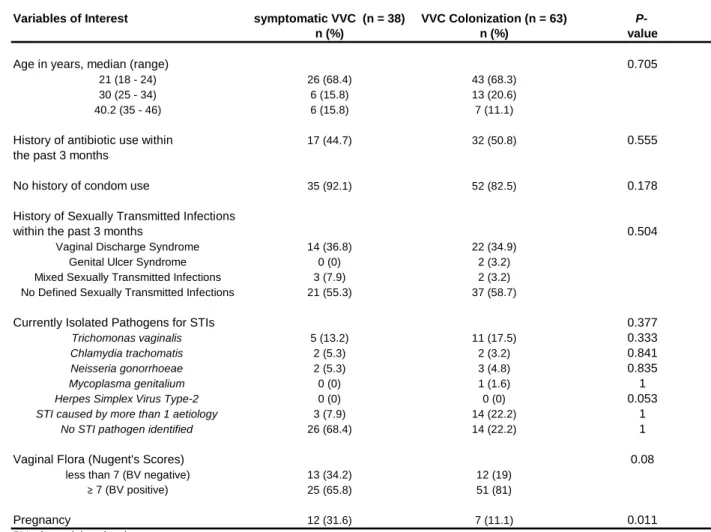
TABLE 1 Univariate associations of symptomatic VVC and vaginal 39 Candida colonization with selected host characteristics
TABLE 2 Independent determinants of symptomatic VVC among 40 the clinic’s attendees
2.2. Determinants of symptomatic VVC among HIV infected women
TABLE 1 Baseline characteristics of the study population 61
TABLE 2 Univariate associations between variables of interest and 65 symptomatic VVC among HIV infected women
TABLE 3 Independent determinants of symptomatic VVC among 67 HIV infected women
TABLE 4 Univariate associations between variables of interest and 68 symptomatic VVC among HIV uninfected women
Chapter 3: Impact of symptomatic VVC on HIV RNA levels in plasma and vagina
TABLE 1 HIVRNAlevels in plasma and genital tract by HAART duration 95
xiii
TABLE 2 Univariate analysis of factors associated with plasma HIV levels 97 in HIV infected women on HAART
TABLE 3 Independent determinants of plasma HIV RNA levels 98 in HIV infected women on HAART
TABLE 4 Univariate analysis of factors associated genital HIV RNA 100 detectability in HIV infected women on HAART
TABLE 5 Independent determinants of HIV RNA detectability in 101 genital tract of HIV infected women on HAART
Chapter 4: Plasma and vaginal-associated immune response in womenwith VVC 4.1. Concentrations of selected plasma and genital cytokines and chemokines
in HIV infected and uninfected women with symptomatic VVC
TABLE 1 Comparisons of the plasma mean levels of cytokines/ 128 chemokines across the study groups
TABLE 2 WILK’S LAMBDA values 130
TABLE 3 Classification results: functions’ coefficients 131
TABLE 4 Predictor variables displaying maximum Mahalanobis 133 distances between the two closest groups
TABLE 5 Comparisons of cervico-vaginal secretions’ mean levels of 135 cytokines distribution across the study groups
4.2. Expression of TLR2 and TLR4 in monocytes
TABLE 1 Comparisons of cytokine/chemokine mean levels across 160 the groups post-TLR2 blockage
xiv
LIST OF FIGURES PAGE
Chapter 2: Impact of HIV on symptomatic VVC
2.2. Determinants of symptomatic VVC among HIV infected women
FIGURE 1 CORRELATION BETWEEN PLASMA AND GENITAL HIV LEVELS 62
FIGURE 2 ASSOCIATION BETWEEN CD4 T CELLS AND PLASMA HIV LOADS 63
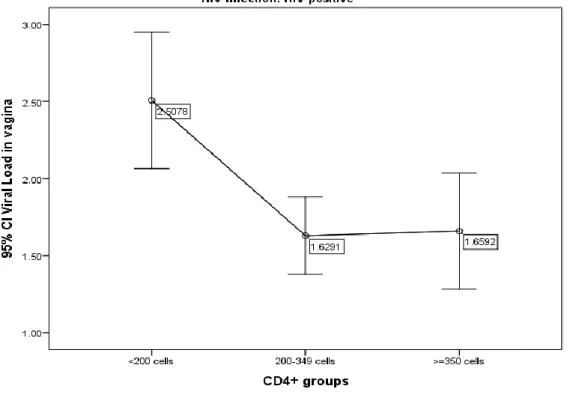
FIGURE 3 ASSOCIATION BETWEEN CD4 T CELLS AND GENITAL HIV LOADS 63
Chapter 3: Impact of symptomatic VVC on HIV RNA levels in plasma and vagina
FIGURE 1 DISTRIBUTION OF PLASMA HIV LEVELS AND GENITAL HIV 96
DETECTABILITY BY HAART DURATION
FIGURE 2 DISTRIBUTION OF GENITAL HIV DETECTABILITY BY PMN CELLS 102
FIGURE 3 VARIATION OF GENITAL HIV LEVELS AS PREDICTED BY 103
PLASMA HIV LOADS AND GENITAL PMN CELLS
Chapter 4: Plasma and vaginal-associated immune response in womenwith VVC 4.1. Concentrations of selected plasma and genital cytokines and chemokines
in HIV infected and uninfected women with symptomatic VVC
FIGURE 1 MUTIPLE COMPARISONS OF THE MEAN CONCENTRATIONS 129
OF IL-1ß, MIP-1ß, TGF-ß1, TGF-ß2 AND TGF-ß3 USING BONFERRONI POST HOC TESTS
FIGURE 2 CANONICAL DISCRIMINANT FUNCTIONS DISPLAYING 132
CENTROID GROUPS
FIGURE 3 RECEIVER-OPERATING-CHARACTERISTIC (ROC) CURVES 137
xv 4.2. Expression of TLR2 and TLR4 in monocytes
FIGURE 1 VARIATIONS OF CYTOKINE LEVELS IN HIV INFECTED WOMEN 161
FIGURE 2 VARIATIONS OF CYTOKINE LEVELS IN HIV UNINFECTED WOMEN 162
FIGURE 3 POST-TLR2 AND TLR-4 BLOCKAGE CYTOKINE LEVELS IN 163
HIV INFECTED WOMEN
FIGURE4 BASELINE VERSUS POST-TLR2 BLOCKAGE CYTOKINE 163
LEVELS IN HIV INFECTED WOMEN
FIGURE 5 BASELINE VERSUS POST-TLR2 BLOCKAGE CYTOKINE 164
LEVELS IN HIV UNINFECTED WOMEN
xvi LIST OF ABBREVIATIONS
AIDS Acquired immunodeficiency syndrome ALS Agglutinin-like sequence
ANOVA Analysis of variance APC Antigen presenting cells ART Antiretroviral therapy
ATCC American type culture collection BD Becton Dickinson
BV Bacterial vaginosis
CCR5 Chemokine receptor type 5 CD Cluster of differentiation CDA Canonical discriminant analysis
CDC US centers for diseases control and prevention CI Confidence interval
CTL Cytotoxic T-cell CVF Cervico-vaginal fluid
CXC4 C-x-c chemokine receptor type 4 DNA Deoxyribonucleic acid
EDTA Ethylenediaminetetraacetic acid G-CSF Granulocyte colony-stimulating factor
xvii
GM-CSF Granulocyte macrophage colony-stimulating factor GPI Glycosylphosphatidylinositol
GUS Genital ulcer syndrome
HAART Highly active antiretroviral therapy HIV Human immunodeficiency virus HLA Human leucocyte antigen IL Interleukin
IFN-γ Interferon gamma IQR Interquartile range KZN KwaZulu-Natal
LGTI Lower genital tract infection MBL Mannose binding lectin
MCP-1 Monocyte chemotactic protein-1 MHC Major Histocompatibility Complex MIC Minimum inhibitory concentration MIP-1β Macrophage inflammatory protein-1 MMWR Morbidity and mortality weekly report NK Natural killer
NRTI Nucleoside reverse-transcriptase inhibitor NNRTI Non-nucleoside reverse-transcriptase inhibitor
xviii OPC Oro-pharyngeal candidiasis OR Odds ratio
PBS Phosphate buffered saline PCR Polymerase chain reaction PH Potential hydrogen PHC Primary healthcare clinic PI Protease inhibitor
PMN Polymorphonuclear
PRR Pathogen recognition receptor
RANTES Regulated on activation, normal T cell expressed and secreted RNA Ribonucleic acid
RPMI Roswell Park Memorial Institute Medium RT-PCR Reverse transcription polymerase chain reaction RR Relative risk
RVVC Recurrent vulvo-vaginal candidiasis
SAB Sabouraud dextrose agar with chloramphenicol SAP Secreted aspartyl proteinase
SD Standard deviation
SDA Strand displacement amplification SEM Standard error of the mean
xix
STI Sexually transmitted infection TGF-β Transforming growth factor beta TLR Toll-like receptors
TH cell T helper cell
TNF-α Tumor necrosis factor
Treg cell Regulatory T cell
UNAIDS Joint United Nations Programme on HIV/AIDS UKZN University of KwaZulu-Natal
USA United States of America VDS Vaginal discharge syndrome VL Viral load
VSM Vagina-simulative medium VVC Vulvo-vaginal candidiasis WHO World Health Organization WOS White to opaque switching
xx PREFACE
Vulvovaginal candidiasis (VVC) is an important cause of lower genital tract infections in women. There are currently numerous clinical observations linking increased cases of symptomatic VVC to the progression of HIV epidemic. While the pathogenesis of other commonly encountered mucosal candidiasis (oral and oesophageal) in the context of HIV infection has been well studied, gaps in our knowledge remain regarding candida vaginitis.
With increasing degree of immunosuppression, symptomatic VVC in HIV infected women is frequent, severe, recurrent and less responsive to conventional anti-fungal therapy. The quality of life is greatly diminished for women who experience recurrent episodes of symptomatic VVC.
Furthermore, the high prevalence of HIV infected women adds to the burden of healthcare.
In this study, we sought to further understand the pathogenesis of symptomatic VVC and the associated host defense mechanisms in HIV infected women.
The results of this study are presented as a collection of 5 papers, 4 of which are published in peer reviewed journals, 1 is still under review. The initial chapter of this thesis, ‘Introduction and Background’, is followed by the 5 manuscripts which are grouped into 3 consecutive result chapters as follows:
I. Impact of HIV on symptomatic VVC.
II. Impact of symptomatic VVC on HIV RNA levels in plasma and genital secretions.
III. Plasma and vaginal-associated immune responses in women with symptomatic VVC.
The final chapter, ‘Discussion and Conclusions’, rounds up the thesis.
- 1 -
CHAPTER 1 – Introduction and Background to the Study
1.1. Introduction
Vulvo-vaginitis is one of the most common problems leading women to seek advice in primary health clinics. Bacterial vaginosis (BV) and vulvovaginal candidiasis (VVC) are responsible for the vast majority of cases of infectious vulvo-vaginitis (Sobel, 2007). About 75% of healthy women develop VVC at least once during their reproductive age (Ohmit et al., 2003, Fidel et al., 2004, Fidel, 2004). It is estimated that 5-10% of women develop recurrent VVC (Ohmit et al., 2003, Fidel et al., 2004, Fidel, 2004). The latter is defined as the occurrence of 4 or more episodes of VVC per year (Sobel, 1997). Symptomatic VVC is clinically characterized by an acute onset of vulvovaginal pruritis, irritation and/or soreness accompanied by the presence of vaginal erythema/ oedema, and/or discharge (Sherrard et al., 2011). Candida albicans has been reported as the cause of VVC in 85-95% of cases whilst Candida glabrata represents the most common cause of non-albicans candida vulvo- vaginitis (Sobel, 2007).
In HIV infected patients, whilst oro-oesophageal candidiasis is known to appear at any time during the course of progression of HIV infection, symptomatic VVC develops significantly later (Beltrame et al., 2006). It has been shown that oro-oesophageal candidiasis occurs as a result of the loss of mucosal and systemic cell-mediated immunity while animal studies (de Repentigny et al., 2004, Beltrame et al., 2006, Taylor et al., 2000, Fidel, 2006) andin vitro experiments indicate that systemic cell-mediated immunity does not play a protective role
- 2 -
against candida vulvo-vaginitis (Sobel et al., 2000, Taylor et al., 2000). Previous clinical studies have reported on the association between low CD4 counts (< 200 cells/mm3) and symptomatic VVC (Duerr et al., 1997, Duerr et al., 2003). Although symptomatic VVC is not classified among AIDS-defining conditions, it has been reported to be frequent among HIV-infected women with CD4 counts < 200 cells/mm3 (Duerr et al., 1997, Duerr et al., 2003).
Whilst the majority of cases of symptomatic VVC develop without predisposing factors, this condition remains a common problem in women with HIV infection (Fauci et al., 2008).
Symptomatic VVC, one of the major opportunistic fungal infections in HIV positive individuals, is therefore a key challenge faced by clinicians worldwide, particularly in developing countries where the vast majority (95%) of approximately 34 million HIV infected people is found.
In South Africa, cross-sectional studies of women attending antenatal clinics and family planning clinics over the past 20 years showed a weighted average prevalence of 26% for symptomatic VVC. Among these studies, many have been conducted in KwaZulu-Natal (Coetzee and Johnson 2010: 219). In 1998, Ramjee et al. reported the prevalence of 36.1%
and 45.7% for symptomatic VVC respectively among HIV negative and HIV positive sex workers in KwaZulu-Natal (Ramjee et al., 1998). In 2011, during a nested case control study within a prospective trial of 1 404 women (716 HIV positive compared with 688 HIV negative) over a 2-year period in KwaZulu-Natal, Sebitloane et al. reported on symptomatic VVC as being significantly more prevalent among HIV infected than uninfected women [39.2% versus 30%; RR = 1.31 (1.08 - 1.59); P = 0.006] (Sebitloane et al., 2011).
- 3 -
The Province of KwaZulu-Natal in South Africa where this study was conducted is an epicenter of HIV infection. There are anecdotal reports that HIV-infected women present in primary healthcare facilities with frequent, severe and recurrent forms of symptomatic VVC particularly during advanced stages of HIV infection.
Despite the fact that symptomatic VVC is associated with very low mortality (CDC MMWR 2009) and recurrent episodes of symptomatic VVC are not known as an AIDS-defining condition (Sobel, 1997), the disease is however known to cause sexual dysfunction with discord in relationships due to chronic vaginitis particularly in HIV-infected women (Sobel, 2006). Another challenge associated with recurrent episodes of symptomatic VVC in HIV positive women is the higher cost of managing these cases due to prolonged maintenance therapy (Sobel, 2006). In addition, the observed symptoms-pruritis (itching), discomfort, dyspareunia (pain during intercourse), and dysuria (pain or burning during micturition) contribute significantly to morbidity for those HIV-infected women.
The pathogenesis of symptomatic VVC during the course of HIV disease progression is not well understood. The present study sought to determine both epidemiological factors and host immune responses associated with symptomatic VVC in HIV-infected individuals. The effects of HIV-induced immunosuppression as well as the associated virologic correlates on the occurrence of symptomatic VVC were also measured.
- 4 - 1.2. Background to the study
1.2.1. Definitions, classification and predisposing factors
Vulvo-vaginal candidiasis is defined as an inflammatory response of the mucosal surface of the vagina caused by the presence of Candida spp. in the absence of other aetiological agents of infectious vulvo-vaginitis (Fischer, 2012, Achkar and Fries, 2010). VVC can be classified as uncomplicated in the presence of sporadic or infrequent occurrence of mild to moderate disease, often caused by Candida albicans, in immunocompetent women. However, complicated VVC includes severe clinical forms of VVC, VVC caused by non-C.albicans spp., VVC associated with concurrent conditions – pregnancy and uncontrolled diabetes mellitus, VVC associated with immunosuppression (i.e. HIV-induced), as well as recurrent VVC in immunocompetent women (Pappas et al., 2009, Workowski and Berman, 2006).
Recurrent VVC (RVVC) is defined as the occurrence of 4 or more episodes of VVC per year (Sobel, 1997). Recurrent episodes of VVC can be classified as primary RVVC and secondary RVVC. The latter is characterized by its association with identified predisposing factors (Table 1) (Cotch et al., 1998, Spinillo et al., 1999, Wilton et al., 2003, Peer et al., 1993, Rahman T, 1990, Foxman, 1990, Reed et al., 2003, Geiger AM, 1998, Geiger AM, 1995, Sobel, 1993, Sebitloane et al., 2011, Duerr et al., 2003, Duerr et al., 1997, Chaim et al., 1997, Calderon et al., 2003, Babula O, 2005, Nadeem SG, 2013, Ghosh, 2009, Sobel, 2007, Cassone et al., 2007).
Primary RVVC however is idiopathic and does not correlate with any of the reported predisposing factors (Cassone et al., 2007).
- 5 -
The ambiguity about the definition of RVVC is when some patients do not have recurrent symptoms, but their disease is chronic, continuous and unremitting (Fischer, 2012).
1.2.2. Candida commensalism and virulence in human vaginal mucosa
Candida albicans often colonises the vagina without causing disease; it can cause symptomatic VVC by responding to a variety of environmental signals – i.e. changes in vaginal pH (pH of 4 to
Table 1: Factors associated with secondary cases of recurrent vulvo-vaginal candidiasis
Host factots pregnancy1,2
uncontrolled diabetes mellitus3,4
use of contraceptives and hormone replacement therapy1,5,6 corticosteroids1
antimicrobial drugs7,8 HIV and AIDS9-11
cancer chemotherapy12-14 organ transplantation12-14
Genetic factors ABO-Lewis non-secretor phenotype15
gene polymorphisms of the innate immunity (polymorphism in codon 54 of the MBL gene, C to T substitution at position 589 of the IL-4 gene)16,17
Vaginal environmental factors temperature ≥ 37˚C (normal vaginal temperature being 37˚C)18 increased CO2/O2 ratio18
pH of 4 - 4.5 (normal vaginal pH ranging from 3.8 to 4.2)18 nitrogen starvation19
presence of tyrosol as a quorum sensing molecule19
Microbial factors non-albicans Candida sp.1,14
Candida albicans with increased MICs to azoles1,14
Behavioral factors increased sexual intercourse frequency and periodicity12-14
1Sobel, 2007; 2Cotch et al., 1998; 3Peer et al., 1993; 4Rahman et al., 1990; 5Foxman, 1990; 6Reed et al., 2003
7Spinillo et al., 1999; 8Wilton et al., 2003; 9Sebitloane et al., 2011; 10Duerr et al., 2003; 11Duerr et al., 1997
12Geiger and Foxman 1998; 13Geiger et al., 1995; 14Sobel, 1993; 15Chaim et al., 1997; 16Babula et al., 2005
17Calderon et al., 2003; 18Nadeen et al., 2013; 19Ghosh, 2009.
- 6 -
4.5) lead to a switch from C.albicans blastospore phenotype into a filamentous form (hyphae or pseudohyphae), increasing its ability to cause vaginitis (Ghosh, 2009). However, it is well established that C. albicans is both a commensal and a pathogen that can exhibit yeast, hyphal, or pseudohyphal morphology. These morphological transitions promote colonization and invasion at different anatomical sites, including vaginal mucosa. Whilst the yeast form is associated with colonization and dissemination of Candida at the mucosal surface of the vagina, the hyphal form is however associated with mucosal adhesion, tissue invasion, and proteolytic activity (Whiteway and Bachewich, 2007). Hence, genes involved in these functions (i.e. ALS3, SAP4 to -6, HWP1, HYR1, and ECE1) are also differentially expressed.
The mitogen-activated protein (MAP) kinase, cyclic AMP, and pH-sensing Rim101 signal transduction pathways regulate cellular morphology and expression of hypha-associated genes (Whiteway and Bachewich, 2007).
The extracellular hydrolytic enzymes such as the secreted aspartyl proteinase (SAP) and phospholipase (PLB) gene products have been shown to directly contribute to C. albicans virulence (Monod and Borg-von, 2002, Monod and Borg-von Zepelin, 2002, Monod et al., 2002).
The C.albicans agglutinin-like sequence (ALS) family includes eight genes that encode large cell surface glycoproteins that play the adhesive function (Munro et al., 2005).
- 7 -
1.2.3. Pathogenesis of acute and recurrent vulvo-vaginal candidiasis
a) RVVC as a result of relapse rather than reinfection with Candida
RVVC is rarely a result of antifungal resistance, but a deficiency in the normal protective vaginal bacterial flora that permits unsuppressed growth and the proliferation and germination of colonising yeast microorganisms has been hypothesized by others (Sobel, 2007). Studies reported that strains isolated before and after treatment were identical in the vast majority of recurrences, and those microorganisms may persist within the vaginal lumen, generally in numbers too small to be detected by conventional vaginal cultures, only to re-emerge some weeks or months later (Sobel, 2007). Numerous studies on molecular typing of C.albicans from RVVC patients support relapse (Chong et al., 2003) rather than reinfection of candida vaginitis following successful anti-fungal therapy (Li et al. 2008).
It has been hypothesized that patients with RVVC lack important anti-candida immune factors in the vagina (Fidel et al., 1997, Fidel, 2004, Fidel et al., 2004). For example, in human reconstituted vaginal epithelial tissue, some enzymes of the secreted aspartic proteinase (Sap) family members (namely, Sap1 and Sap2) were shown to attack and derange the epithelial architecture, eliminating its physical and functional antifungal properties (Cassone et al., 2007, Schaller et al., 2003). In addition, the epithelial keratinocytes are known to produce a cascade of inflammatory cytokines (e.g. tumor necrosis factor alpha, interleukin-10 [IL-10], and gamma interferon) that would typically induce a regulated and protective immune response in the normal host. The lack of such response at the mucosal surface of the vagina may lead to recurrent
- 8 -
episodes of VVC (Romani and Puccetti, 2006, Schaller et al., 2003). Reduced vaginal levels of mannose-binding lectin (MBL) and nitric oxide and increased occurrence of polymorphism of the IL-4 (T-589) gene has been reported to correlate with high prevalence of RVVC in Latvian and Chinese women (Liu et al., 2006, Babula O, 2005).
During RVVC, Candida is therefore not completely eliminated by anti-fungal treatment, leading to recurrence through relapses (Fidel, 2004, Fidel et al., 2004).
In general terms, women with RVVC respond adequately to initial antifungal regimens.
However, these regimens do not prevent further recurrence (Sobel et al., 2004). In South Africa, the standard treatment regimen for uncomplicated symptomatic VVC is made of 500 mg clotrimazole pessaries (single dose).
b) Role of IgE-mediated hypersensitivity reaction
Although the conventional theory has been that women with RVVC lack immunity to Candida, and that systemic immunity is not relevant and the problem is specific to the vagina, it is also suggested that RVVC is the result of an allergic reaction mediated by Candida-specific immunoglobulin (Ig) E. This hypothesis has been demonstrated by only limited number of studies (Fischer, 2012, Sobel et al., 2004, Calderon et al., 2003).
- 9 -
c) Role of HIV-related immune suppression and Th1/Th2 paradigm
There are reports linking acute VVC and recurrent episodes of symptomatic VVC to HIV related immunosuppression (Duerr et al., 2003, Duerr et al., 1997, Sebitloane et al., 2011).
Previously published studies hypothesized that systemic cell-mediated immunity might not play a protective role against candida vaginitis (de Repentigny et al., 2004, Fidel, 2006). Those studies based their arguments on two critical theories (a) the theory of compartmentalization of vaginal cell-mediated response from systemic cell-mediated immunity (Fidel, 2005): T lymphocytes found in the vaginal mucosa are phenotypically distinct from those in the peripheral blood and the proportion of γ/δ TCR+ T cells in the vagina is significantly higher (15-50% γ/δ TCR+ T cells) than α/β TCR+ T cells compared to the periphery. In addition, after measuring HIV specific CD8+ T cells, it was reported that there was no correlation between plasma and cervico- vaginal responses (Gumbi et al., 2008); (b) the theory of immunoregulation (Taylor et al., 2000):
despite reports on the presence of a protective candida-specific Th1-type immunity during a symptomatic VVC (Fidel et al., 2004), a strong down-regulatory cytokine, TGF-β, constitutively expressed by the vaginal mucosa was also noticed (Taylor et al., 2000).
In 2006, Beltrame et al. reported that candidal vaginal colonization, a precursor of vaginitis, develops when CD4+ T-lymphocyte counts fall to ≤ 100 cells /μL in the course of HIV infection (Beltrame et al., 2006). Prior to this report, Sobel et al. (2000) found out that higher HIV loads rather than lower CD4+ T-lymphocyte counts were associated with statistically significant increased odds for both persistent candidal vaginal colonization and symptomatic VVC.
However, the study by Sobel et al. (2000) only found an association between plasma HIV viral
- 10 -
load and the proportion of Candida infections that were non-C.albicans, not the absolute prevalence of symptomatic VVC (Sobel et al., 2000).
d) The paradigm shift: Role of Th17 cells
Mucosal immune determinants associated with sensitivity and resistances to symptomatic VVC in HIV infected women have not been fully studied. Shacklett and Anton (2010) reported on the presence of Th17, a subset of CD4+ T cells as able to secrete IL-17 and IL-22. The latter induced the production of antimicrobial peptides able to curb microorganisms such as C.albicans, the cause of symptomatic VVC (Shacklett and Anton, 2010). Whether or not the action of Th17 cells is reduced due to CD4+ T cells depletion observed during advanced HIV infection, leading to recurrent VVC, requires further investigation.
e) Role of vaginal mucosa innate and adaptive immunity
Studies on protective immunity against candida vaginitis should focus on vaginal innate and adaptive mucosal immunity. Vaginal epithelial cells have been reported to inhibit candida growth in vitro (Barousse et al., 2001). However, their protective role in vivo remains unknown.
Barousse et al. (2001) reported on the vaginal epithelial cells as able to provide an innate host resistance mechanism against candida colonization, and therefore, its decrease in such activity may contribute to symptomatic VVC.
- 11 -
In studies on primary RVVC, using an intra-vaginal live challenge model of C.albicans, Fidel et al. (2004) found out that RVVC could be associated with a strong but non-protective neutrophil response against C.albicans.
Various immunomodulators have been reported as associated with the anti-candida activity of neutrophils. Whilst cytokines such as tumor necrosis factor and IL-8 increase the activity of neutrophils, glucocorticoids and progesterone are inhibiting factors.
In vitro studies reported on the role played by lactoferrin, a natural peptide found in cervico- vaginal secretions, in modulating the functions of phagocytic cells such as adhesiveness of both neutrophils and macrophages (Novak et al. 2007). Okutomi et al. (1997) found that the growth inhibition effects of neutrophils on candida cells were enhanced in the presence of a physiological concentration of lactoferrin (Okutomi et al., 1997). A study by Saavedra et al.
(1999), which examined the kinetic production of chemokines associated with the chemotaxis of macrophages (RANTES, MIP-1α, MCP-1) and neutrophils (MIP-2, IL-8) showed that higher levels of MCP-1 are able to control C.albicans titers in mice with candida vaginitis, suggestive of a strong role played by MCP-1 in the vaginal immune response to C.albicans (Saavedra et al., 1999).
f) Role of pattern recognition receptors
Pattern recognition of C.albicans is mediated by the recognition of mannans and β- glucans by Toll-like Receptors (TLR2 and TLR4) and lectin receptors such as dectin-1 (Ferwerda et al., 2009) and mannose-binding lectin (MBL) receptors on the surface of the cell (van Till et al., 2008).
- 12 -
The cell wall of C.albicans is composed of pathogen-associated molecular patterns (PAMPs), especially polysaccharides like chitin, 1,3-β-glucans and 1,6-β-glucans, and proteins that are heavily mannosylated with mannan side-chains (Jouault et al., 2003, Netea et al., 2006)McGreal et al., 2006, Brown and Gordon, 2001).
Pathogen recognition receptors (PRRs), such as the Toll-like receptors (TLRs) and C-type lectins (CLRs) on the surface of antigen presenting cells (APCs) are able to recognize PAMPs. Studies have shown that TLR2 recognizes phospholipomannans; TLR4 recognizes O-linked mannans;
and macrophage mannose receptor (MMR) recognizes N-linked mannans (Jouault et al., 2003, Netea et al., 2006). Whilst the CLR Dectin-1 recognizes β-glucan, CLR Dectin-2 recognizes mannose residues (McGreal et al., 2006, Brown and Gordon, 2001).
Immune cell populations involved in recognition of C. albicans during the innate immune response include monocytes, macrophages and neutrophils (Gauglitz et al., 2012, Jouault et al., 2003). Dendritic cells are crucial for processing of and antigen presentation to T cells, and therefore to activation of specific immunity (Gauglitz et al., 2012, Jouault et al., 2003). This recognition of C.albicans by immune cells is done mainly through TLRs (Gauglitz et al., 2012, Jouault et al., 2003). The latter are involved in inflammatory responses induced by C. albicans, of which TLR2 and TLR4 are the most studied (Jouault et al., 2003). They are expressed by monocytes, macrophages, dendritic cells, neutrophils, CD4+ T cells and epithelial cells (Weindl et al., 2007, Netea et al., 2006). Studies have shown that the activation of TLR2 signal pathways in these antigen-presenting cells (APCs) by ligation of C. albicans cell-wall components such as phospholipomannan leads to production of cytokines that are able to induce a Th2 cellular response (Weis et al., 1998, Bellocchio et al., 2004, van de Veerdonk et al., 2008, Miyazato et
- 13 -
al., 2009). Hence, blocking TLR2 with a TLR2-specific antibody after stimulation of monocytes by C. albicans was shown to result in diminished release of Th2-associated cytokines (van de Veerdonk et al., 2008). In contrary, the activation of TLR4 signal pathways during candidiasis will result to the production of cytokines able to induce a Th1 cellular response. Mannans of C.
albicans are recognized by TLR4 leading to the production of pro-inflammatory cytokines (IFN- γ, IL-12 and TNF-α) (Roeder et al., 2004).
HIV infects Langherhans cells mainly found in the epithelial layers (Challacombe and Naglik, 2006, Miller and Shattock, 2003), as well as T cells (Gupta et al., 2002), macrophages (Anderson et al., 2008), and dendritic cells in the subepithelial tissues (Kaul and Hirbod, 2010). Whether the reduction in concentrations of these immune cells leads to symptomatic VVC remains to be understood.
In addition, studies reported that CD8+ cytotoxic T-cells (CTL) were able to limit HIV replication in mucosal lymphoid tissues (Shacklett, 2009); however, CTL have been identified throughout the female reproductive tract of healthy women but during HIV infection, their activity is suppressed leading to higher HIV loads (Shacklett et al., 2009). Whether advanced HIV infection with higher viral loads changes the vaginal environment and stimulates C.albicans to switch into a filamentous form that causes symptomatic VVC is a matter of uncertainty. What is known is that following HIV infection cytokines and chemokines are produced by infected leukocytes (Barousse et al., 2004) that attract more target cells for HIV infection and allow further stimulation of the expression of HIV via toll-like receptors (Bergmeier and Lehner, 2006). It is not well understood however, whether the produced chemokines and cytokines
- 14 -
interfere with the activity of the PMN cells and macrophages and whether this interference facilitates the development of symptomatic VVC.
Technological advances improved our understanding about the role played by the cervicovaginal mucosa (Shacklett, 2008). It is well established that cervicovaginal immune cells respond to foreign micro-organisms independently of systemic immune responses (Gumbi et al., 2008). In addition, there is a continuous cross talk and feedback regulation between innate and adaptive responses at cervicovaginal level through functional activities of cytokines and chemokines (Fahey et al., 2005). Moreover, leukocyte trafficking into cervicovaginal tissues has been shown to be controlled by the production of cytokines and chemokines (Belay et al., 2002).
Macrophages, dendritic cells, neutrophils, NK cells and langerhans cells also migrate into tissues through the secretion of chemokines and cytokines (Karupiah, 2003). During a specific infectious disease, predominantly expressed chemokines and a subgroup of cytokines generate a profile to be used for diagnostic purposes, and provide leads for studying the pathogenesis of such disease.
The present study was therefore essential in elucidating possible reasons for the differences observed in the rates of symptomatic VVC between HIV infected and uninfected women. It attempted to determine potential targets for an optimal immunotherapy able to curb enormous cases of recurrent VVC in the face of an alarming HIV epidemic.
- 15 - 1.3. Purpose of the study
The aim of this study was to assess the effects of HIV infection on the occurrence of symptomatic VVC and antifungal immune responses in the blood and lower genital tract of HIV-infected women with symptomatic VVC.
1.4. Specific Objectives and Hypotheses:
1. To determine the association between HIV-induced immunosuppression, virologic correlates and symptomatic VVC.
This objective tested the hypothesis that higher HIV loads (VL>10 000 RNA copies/ml) and lower CD4+ T-cell counts (< 200 cells /mm3) are associated with symptomatic VVC in HIV- infected women.
2. To determine the association between symptomatic VVC and HIV RNA expression in plasma and genital tracts of HIV infected women on highly active anti-retroviral therapy (HAART).
This objective tested the hypothesis that HIV infected women with symptomatic VVC have significantly higher HIV loads in their plasma and lower genital tracts than HIV infected women without symptomatic VVC.
3. To determine independent predictors of symptomatic VVC in HIV infected women.
- 16 -
4. To determine plasma and genital concentration of 20 different cytokines/chemokines associated with symptomatic VVC in HIV infected and uninfected women.
This objective tested the hypothesis that significantly higher levels of systemic and genital anti-inflammatory cytokines (IL-10pos, IL-4pos, and TGF-βpos) as compared to pro- inflammatory cytokines (IL-1βpos, IL-2pos, IL-8pos, TNF-αpos, IFN-γpos, MCP-1pos) are associated with symptomatic VVC in HIV-infected women.
5. To assess the expression of Toll-like receptor (TLR)-2 and TLR4 on monocytes following stimulations by genital secretions of HIV infected and uninfected women presented with symptomatic VVC.
This objective tested the hypothesis that HIV infection alters TLR2 (but not TLR4) dependent responses to candida antigens by monocytes.
- 17 - References
ACHKAR, J. M. & FRIES, B. C. 2010. Candida infections of the genitourinary tract. Clin Microbiol Rev, 23, 253-73.
ANDERSON, B. L., WANG, C. C., DELONG, A. K., LIU, T., KOJIC, E. M., KURPEWSKI, J., INGERSOLL, J., MAYER, K., CALIENDO, A. M. & CU-UVIN, S. 2008. Genital tract leukocytes and shedding of genital HIV type 1 RNA. Clin Infect Dis, 47, 1216-21.
BABULA O, L. G., KROICA J, LINHARES IM, LEDGER WJ, WITKIN SS. 2005. Frequency of interleukin-4 (IL-4) -589 gene polymorphism and vaginal concentrations of IL-4, nitric oxide, and mannose-binding lectin in women with recurrent vulvovaginal candidiasis.
Clin Infect Dis 40, 1258–1262.
BAROUSSE, M. M., STEELE, C., DUNLAP, K., ESPINOSA, T., BOIKOV, D., SOBEL, J. D.
& FIDEL, P. L., JR. 2001. Growth inhibition of Candida albicans by human vaginal epithelial cells. J Infect Dis, 184, 1489-93.
BAROUSSE, M. M., VAN DER POL, B. J., FORTENBERRY, D., ORR, D. & FIDEL, P. L., JR. 2004. Vaginal yeast colonisation, prevalence of vaginitis, and associated local immunity in adolescents. Sex Transm Infect, 80, 48-53.
BELAY, T., EKO, F. O., ANANABA, G. A., BOWERS, S., MOORE, T., LYN, D. &
IGIETSEME, J. U. 2002. Chemokine and chemokine receptor dynamics during genital chlamydial infection. Infect Immun, 70, 844-50.
BELLOCCHIO, S., MONTAGNOLI, C., BOZZA, S., GAZIANO, R., ROSSI, G., MAMBULA, S. S., VECCHI, A., MANTOVANI, A., LEVITZ, S. M. & ROMANI, L. 2004. The contribution of the Toll-like/IL-1 receptor superfamily to innate and adaptive immunity to fungal pathogens in vivo. J Immunol, 172, 3059-69.
BELTRAME, A., MATTEELLI, A., CARVALHO, A. C., SALERI, N., CASALINI, C., CAPONE, S., PATRONI, A., MANFRIN, M. & CAROSI, G. 2006. Vaginal colonization with Candida spp. in human immunodeficiency virus-infected women: a cohort study. Int J STD AIDS, 17, 260-6.
BERGMEIER, L. A. & LEHNER, T. 2006. Innate and adaptive mucosal immunity in protection against HIV infection. Adv Dent Res, 19, 21-8.
- 18 -
BROWN, G. D. & GORDON, S. 2001. Immune recognition. A new receptor for beta-glucans.
Nature, 413, 36-7.
CALDERON, L., WILLIAMS, R., MARTINEZ, M., CLEMONS, K. V. & STEVENS, D. A.
2003. Genetic susceptibility to vaginal candidiasis. Med Mycol, 41, 143-7.
CASSONE, A., DE BERNARDIS, F. & SANTONI, G. 2007. Anticandidal immunity and vaginitis: novel opportunities for immune intervention. Infect Immun, 75, 4675-86.
CHAIM, W., FOXMAN, B. & SOBEL, J. D. 1997. Association of recurrent vaginal candidiasis and secretory ABO and Lewis phenotype. J Infect Dis, 176, 828-30.
CHALLACOMBE, S. J. & NAGLIK, J. R. 2006. The effects of HIV infection on oral mucosal immunity. Adv Dent Res, 19, 29-35.
CHONG, P. P., LEE, Y. L., TAN, B. C. & NG, K. P. 2003. Genetic relatedness of Candida strains isolated from women with vaginal candidiasis in Malaysia. J Med Microbiol, 52, 657-66.
COTCH, M. F., HILLIER, S. L., GIBBS, R. S. & ESCHENBACH, D. A. 1998. Epidemiology and outcomes associated with moderate to heavy Candida colonization during pregnancy.
Vaginal Infections and Prematurity Study Group. Am J Obstet Gynecol, 178, 374-80.
DE REPENTIGNY, L., LEWANDOWSKI, D. & JOLICOEUR, P. 2004. Immunopathogenesis of oropharyngeal candidiasis in human immunodeficiency virus infection. Clin Microbiol Rev, 17, 729-59, table of contents.
DUERR, A., HEILIG, C. M., MEIKLE, S. F., CU-UVIN, S., KLEIN, R. S., ROMPALO, A. &
SOBEL, J. D. 2003. Incident and persistent vulvovaginal candidiasis among human immunodeficiency virus-infected women: Risk factors and severity. Obstet Gynecol, 101, 548-56.
DUERR, A., SIERRA, M. F., FELDMAN, J., CLARKE, L. M., EHRLICH, I. & DEHOVITZ, J.
1997. Immune compromise and prevalence of Candida vulvovaginitis in human immunodeficiency virus-infected women. Obstet Gynecol, 90, 252-6.
FAHEY, J. V., SCHAEFER, T. M., CHANNON, J. Y. & WIRA, C. R. 2005. Secretion of cytokines and chemokines by polarized human epithelial cells from the female reproductive tract. Hum Reprod, 20, 1439-46.
FERWERDA, B., FERWERDA, G., PLANTINGA, T. S., WILLMENT, J. A., VAN SPRIEL, A.
B., VENSELAAR, H., ELBERS, C. C., JOHNSON, M. D., CAMBI, A., HUYSAMEN,
- 19 -
C., JACOBS, L., JANSEN, T., VERHEIJEN, K., MASTHOFF, L., MORRE, S. A., VRIEND, G., WILLIAMS, D. L., PERFECT, J. R., JOOSTEN, L. A., WIJMENGA, C., VAN DER MEER, J. W., ADEMA, G. J., KULLBERG, B. J., BROWN, G. D. &
NETEA, M. G. 2009. Human dectin-1 deficiency and mucocutaneous fungal infections.
N Engl J Med, 361, 1760-7.
FIDEL, P. L., JR. 2004. History and new insights into host defense against vaginal candidiasis.
Trends Microbiol, 12, 220-7.
FIDEL, P. L., JR. 2006. Candida-host interactions in HIV disease: relationships in oropharyngeal candidiasis. Adv Dent Res, 19, 80-4.
FIDEL, P. L., JR., BAROUSSE, M., ESPINOSA, T., FICARRA, M., STURTEVANT, J., MARTIN, D. H., QUAYLE, A. J. & DUNLAP, K. 2004. An intravaginal live Candida challenge in humans leads to new hypotheses for the immunopathogenesis of vulvovaginal candidiasis. Infect Immun, 72, 2939-46.
FIDEL, P. L., JR., GINSBURG, K. A., CUTRIGHT, J. L., WOLF, N. A., LEAMAN, D., DUNLAP, K. & SOBEL, J. D. 1997. Vaginal-associated immunity in women with recurrent vulvovaginal candidiasis: evidence for vaginal Th1-type responses following intravaginal challenge with Candida antigen. J Infect Dis, 176, 728-39.
FISCHER, G. 2012. Chronic vulvovaginal candidiasis: what we know and what we have yet to learn. Australas J Dermatol, 53, 247-54.
FOXMAN, B. 1990. The epidemiology of vulvovaginal candidiasis: risk factors. Am J Public Health, 80, 329-31.
GAUGLITZ, G. G., CALLENBERG, H., WEINDL, G. & KORTING, H. C. 2012. Host defence against Candida albicans and the role of pattern-recognition receptors. Acta Derm Venereol, 92, 291-8.
GEIGER AM, F. B. 1998. Risk factors for vulvovaginal candidiasis: a case control study among university students. Epidemiol. , 7, 182-187.
GEIGER AM, F. B., GILLESPIE B 1995. The epidemiology of vulvovaginal candidiasis among university students. Am J Public Health. , 85, 1146-1148.
GHOSH, S. 2009. Physiology, Regulation, and Pathogenesis of Nitrogen Metabolism in the Opportunistic Fungal Pathogen Candida albicans. Dissertations and Theses in Biological Sciences.
- 20 -
GUMBI, P. P., NKWANYANA, N. N., BERE, A., BURGERS, W. A., GRAY, C. M., WILLIAMSON, A.-L., HOFFMAN, M., COETZEE, D., DENNY, L. & PASSMORE, J.- A. S. 2008. Impact of mucosal inflammation on cervical human immunodeficiency virus (HIV-1)-specific CD8 T-cell responses in the female genital tract during chronic HIV infection. Journal of virology, 82, 8529-36.
GUPTA, P., COLLINS, K. B., RATNER, D., WATKINS, S., NAUS, G. J., LANDERS, D. V. &
PATTERSON, B. K. 2002. Memory CD4(+) T cells are the earliest detectable human immunodeficiency virus type 1 (HIV-1)-infected cells in the female genital mucosal tissue during HIV-1 transmission in an organ culture system. Journal of virology, 76, 9868-76.
JOUAULT, T., IBATA-OMBETTA, S., TAKEUCHI, O., TRINEL, P. A., SACCHETTI, P., LEFEBVRE, P., AKIRA, S. & POULAIN, D. 2003. Candida albicans phospholipomannan is sensed through toll-like receptors. J Infect Dis, 188, 165-72.
KAUL, R. & HIRBOD, T. 2010. Genital epithelial cells: foot soldiers or fashion leaders? J Leukoc Biol, 88, 427-9.
LIU, F., LIAO, Q. & LIU, Z. 2006. Mannose-binding lectin and vulvovaginal candidiasis. Int J Gynaecol Obstet, 92, 43-7.
MCGREAL, E. P., ROSAS, M., BROWN, G. D., ZAMZE, S., WONG, S. Y., GORDON, S., MARTINEZ-POMARES, L. & TAYLOR, P. R. 2006. The carbohydrate-recognition domain of Dectin-2 is a C-type lectin with specificity for high mannose. Glycobiology, 16, 422-30.
MILLER, C. J. & SHATTOCK, R. J. 2003. Target cells in vaginal HIV transmission. Microbes Infect, 5, 59-67.
MIYAZATO, A., NAKAMURA, K., YAMAMOTO, N., MORA-MONTES, H. M., TANAKA, M., ABE, Y., TANNO, D., INDEN, K., GANG, X., ISHII, K., TAKEDA, K., AKIRA, S., SAIJO, S., IWAKURA, Y., ADACHI, Y., OHNO, N., MITSUTAKE, K., GOW, N.
A., KAKU, M. & KAWAKAMI, K. 2009. Toll-like receptor 9-dependent activation of myeloid dendritic cells by Deoxynucleic acids from Candida albicans. Infect Immun, 77, 3056-64.
MONOD, M. & BORG-VON ZEPELIN, M. 2002. Secreted proteinases and other virulence mechanisms of Candida albicans. Chem Immunol, 81, 114-28.
- 21 -
MONOD, M. & BORG-VON, Z. M. 2002. Secreted aspartic proteases as virulence factors of Candida species. Biol Chem, 383, 1087-93.
MONOD, M., CAPOCCIA, S., LECHENNE, B., ZAUGG, C., HOLDOM, M. & JOUSSON, O.
2002. Secreted proteases from pathogenic fungi. Int J Med Microbiol, 292, 405-19.
MUNRO, C. A., BATES, S., BUURMAN, E. T., HUGHES, H. B., MACCALLUM, D. M., BERTRAM, G., ATRIH, A., FERGUSON, M. A., BAIN, J. M., BRAND, A., HAMILTON, S., WESTWATER, C., THOMSON, L. M., BROWN, A. J., ODDS, F. C.
& GOW, N. A. 2005. Mnt1p and Mnt2p of Candida albicans are partially redundant alpha-1,2-mannosyltransferases that participate in O-linked mannosylation and are required for adhesion and virulence. J Biol Chem, 280, 1051-60.
NADEEM SG, S. A., HAKIM ST, ANJUM Y, KAZM SU 2013. Effect of Growth Media, pH and Temperature on Yeast to Hyphal Transition in Candida albicans. . Journal of Medical Microbiology, 3, 185-192.
NETEA, M. G., GOW, N. A., MUNRO, C. A., BATES, S., COLLINS, C., FERWERDA, G., HOBSON, R. P., BERTRAM, G., HUGHES, H. B., JANSEN, T., JACOBS, L., BUURMAN, E. T., GIJZEN, K., WILLIAMS, D. L., TORENSMA, R., MCKINNON, A., MACCALLUM, D. M., ODDS, F. C., VAN DER MEER, J. W., BROWN, A. J. &
KULLBERG, B. J. 2006. Immune sensing of Candida albicans requires cooperative recognition of mannans and glucans by lectin and Toll-like receptors. J Clin Invest, 116, 1642-50.
OHMIT, S. E., SOBEL, J. D., SCHUMAN, P., DUERR, A., MAYER, K., ROMPALO, A. &
KLEIN, R. S. 2003. Longitudinal study of mucosal Candida species colonization and candidiasis among human immunodeficiency virus (HIV)-seropositive and at-risk HIV- seronegative women. J Infect Dis, 188, 118-27.
OKUTOMI, T., ABE, S., TANSHO, S., WAKABAYASHI, H., KAWASE, K. &
YAMAGUCHI, H. 1997. Augmented inhibition of growth of Candida albicans by neutrophils in the presence of lactoferrin. FEMS Immunol Med Microbiol, 18, 105-12.
PAPPAS, P. G., KAUFFMAN, C. A., ANDES, D., BENJAMIN, D. K., JR., CALANDRA, T.
F., EDWARDS, J. E., JR., FILLER, S. G., FISHER, J. F., KULLBERG, B. J., OSTROSKY-ZEICHNER, L., REBOLI, A. C., REX, J. H., WALSH, T. J. & SOBEL, J.
- 22 -
D. 2009. Clinical practice guidelines for the management of candidiasis: 2009 update by the Infectious Diseases Society of America. Clin Infect Dis, 48, 503-35.
PEER, A. K., HOOSEN, A. A., SEEDAT, M. A., VAN DEN ENDE, J. & OMAR, M. A. 1993.
Vaginal yeast infections in diabetic women. S Afr Med J, 83, 727-9.
RAHMAN T, K. I., BEGUM J. 1990. High vaginal swab, routine microscopy and culture sensitivity in diabetic and non-diabetic, a comparative retrospective study of five years. . Indian J of Med Sciences 45, 212-214.
RAMJEE, G., KARIM, S. S. & STURM, A. W. 1998. Sexually transmitted infections among sex workers in KwaZulu-Natal, South Africa. Sex Transm Dis, 25, 346-9.
REED, B. D., ZAZOVE, P., PIERSON, C. L., GORENFLO, D. W. & HORROCKS, J. 2003.
Candida transmission and sexual behaviors as risks for a repeat episode of Candida vulvovaginitis. J Womens Health (Larchmt), 12, 979-89.
ROEDER, A., KIRSCHNING, C. J., SCHALLER, M., WEINDL, G., WAGNER, H., KORTING, H. C. & RUPEC, R. A. 2004. Induction of nuclear factor- kappa B and c- Jun/activator protein-1 via toll-like receptor 2 in macrophages by antimycotic-treated Candida albicans. J Infect Dis, 190, 1318-26.
ROMANI, L. & PUCCETTI, P. 2006. Protective tolerance to fungi: the role of IL-10 and tryptophan catabolism. Trends Microbiol, 14, 183-9.
SAAVEDRA, M., TAYLOR, B., LUKACS, N. & FIDEL, P. L., JR. 1999. Local production of chemokines during experimental vaginal candidiasis. Infect Immun, 67, 5820-6.
SCHALLER, M., BEIN, M., KORTING, H. C., BAUR, S., HAMM, G., MONOD, M., BEINHAUER, S. & HUBE, B. 2003. The secreted aspartyl proteinases Sap1 and Sap2 cause tissue damage in an in vitro model of vaginal candidiasis based on reconstituted human vaginal epithelium. Infect Immun, 71, 3227-34.
SEBITLOANE, H. M., MOODLEY, J. & ESTERHUIZEN, T. M. 2011. Pathogenic lower genital tract organisms in HIV-infected and uninfected women, and their association with postpartum infectious morbidity. S Afr Med J, 101, 466-9.
SHACKLETT, B. L. 2008. Mucosal immunity to HIV: a review of recent literature. Curr Opin HIV AIDS, 3, 541-7.
SHACKLETT, B. L. 2009. Cell-mediated immunity to HIV in the female reproductive tract. J Reprod Immunol, 83, 190-5.
- 23 -
SHACKLETT, B. L. & ANTON, P. A. 2010. HIV Infection and Gut Mucosal Immune Function:
Updates on Pathogenesis with Implications for Management and Intervention. Curr Infect Dis Rep, 12, 19-27.
SHACKLETT, B. L., CRITCHFIELD, J. W., FERRE, A. L. & HAYES, T. L. 2009. Mucosal T- cell responses to HIV: responding at the front lines. J Intern Med, 265, 58-66.
SHERRARD, J., DONDERS, G., WHITE, D. & JENSEN, J. S. 2011. European (IUSTI/WHO) guideline on the management of vaginal discharge, 2011. Int J STD AIDS, 22, 421-9.
SOBEL, J. D. 1993. Candidal vulvovaginitis. Clin Obstet Gynecol, 36, 153-65.
SOBEL, J. D. 1997. Vaginitis. N Engl J Med, 337, 1896-903.
SOBEL, J. D. 2006. Management of recurrent vulvovaginal candidiasis: unresolved issues. Curr Infect Dis Rep, 8, 481-6.
SOBEL, J. D. 2007. Vulvovaginal candidosis. Lancet, 369, 1961-71.
SOBEL, J. D., OHMIT, S. E., SCHUMAN, P., KLEIN, R. S., MAYER, K., DUERR, A., VAZQUEZ, J. A. & ROMPALO, A. 2000. The Evolution of Candida Species and Fluconazole Susceptibility among Oral and Vaginal Isolates Recovered from Human Immunodeficiency Virus (HIV)-Seropositive and At-Risk HIV-Seronegative Women. J Infect Dis, 183, 286-293.
SOBEL, J. D., WIESENFELD, H. C., MARTENS, M., DANNA, P., HOOTON, T. M., ROMPALO, A., SPERLING, M., LIVENGOOD, C., 3RD, HOROWITZ, B., VON THRON, J., EDWARDS, L., PANZER, H. & CHU, T. C. 2004. Maintenance fluconazole therapy for recurrent vulvovaginal candidiasis. N Engl J Med, 351, 876-83.
SPINILLO, A., CAPUZZO, E., ACCIANO, S., DE SANTOLO, A. & ZARA, F. 1999. Effect of antibiotic use on the prevalence of symptomatic vulvovaginal candidiasis. Am J Obstet Gynecol, 180, 14-7.
TAYLOR, B. N., SAAVEDRA, M. & FIDEL, P. L., JR. 2000. Local Th1/Th2 cytokine production during experimental vaginal candidiasis: potential importance of transforming growth factor-beta. Med Mycol, 38, 419-31.
VAN DE VEERDONK, F. L., NETEA, M. G., JANSEN, T. J., JACOBS, L., VERSCHUEREN, I., VAN DER MEER, J. W. & KULLBERG, B. J. 2008. Redundant role of TLR9 for anti-Candida host defense. Immunobiology, 213, 613-20.
- 24 -
VAN TILL, J. W., MODDERMAN, P. W., DE BOER, M., HART, M. H., BELD, M. G. &
BOERMEESTER, M. A. 2008. Mannose-binding lectin deficiency facilitates abdominal Candida infections in patients with secondary peritonitis. Clin Vaccine Immunol, 15, 65- 70.
WEINDL, G., NAGLIK, J. R., KAESLER, S., BIEDERMANN, T., HUBE, B., KORTING, H.
C. & SCHALLER, M. 2007. Human epithelial cells establish direct antifungal defense through TLR4-mediated signaling. J Clin Invest, 117, 3664-72.
WEIS, W. I., TAYLOR, M. E. & DRICKAMER, K. 1998. The C-type lectin superfamily in the immune system. Immunol Rev, 163, 19-34.
WHITEWAY, M. & BACHEWICH, C. 2007. Morphogenesis in Candida albicans. Annu Rev Microbiol, 61, 529-53.
WILTON, L., KOLLAROVA, M., HEELEY, E. & SHAKIR, S. 2003. Relative risk of vaginal candidiasis after use of antibiotics compared with antidepressants in women:
postmarketing surveillance data in England. Drug Saf, 26, 589-97.
WORKOWSKI, K. A. & BERMAN, S. M. 2006. Sexually transmitted diseases treatment guidelines, 2006. MMWR Recomm Rep, 55, 1-94.
- 25 -
CHAPTER 2
Impact of Human Immunodeficiency Virus on Symptomatic Vulvo-
Vaginal Candidiasis
- 26 - Synopsis:
This chapter comprises 2 manuscripts which are currently published. The articles deal with factors associated with symptomatic vulvo-vaginal candidiasis (VVC) and the determinants thereof in HIV-1 infected women. The hypothesized factors studied in this chapter were: age, contraceptive use, pregnancy, antibiotic use, presence or recent history of sexually transmitted infections, bacterial vaginosis and HIV serostatus. For HIV infected women, the impact of plasma HIV loads, genital HIV shedding, CD4+ T cell count and use of HAART on the occurrence of VVC was also determined.
- 27 -
Factors Associated with Symptomatic Vulvo-Vaginal Candidiasis: A Study among Women Attending a Primary Healthcare Clinic in KwaZulu-Natal, South Africa
Apalata T, Longo-Mbenza B, Sturm AW, Carr WH, Moodley P
Annals of Medical & Health Sciences Research 2014; 4(3): 410 – 416.
- 28 - Abstract
Background: Symptomatic vulvovaginal candidiasis (VVC) is one of the most common problems leading women to seek advice in primary healthcare facilities. Aim: The aim of this study is to describe the associations between some hypothesized factors and the presence of symptomatic VVC. Subjects and Methods: An analytical cross-sectional study was conducted.
A total of 90 women diagnosed with symptomatic VVC and 108 women without symptomatic VVC were recruited when attending Umlazi D clinic, a primary health clinic in KwaZulu-Natal, South Africa between June 2011 and December 2011. Confirmed symptomatic VVC was determined by Gram stain and microbiological culture of vaginal swabs. For human immunodeficiency virus (HIV)-infected women, HIV ribonucleic acid load in plasma and genital fluid was determined by real-time-polymerase chain reaction (BioMerieux, Lyon, France). CD4 counts were obtained from patients’ medical records. Data were analyzed using the statistical package for the social sciences (SPSS) version 21.0 (SPSS Inc.; Chicago, IL, USA). Multiple logistic regression models were used to exclude univariate confounders. All tests were two-sided and a P < 0.05 was considered to be significant. Results: A total of 90% (81/90) of patients with symptomatic VVC complained of vulval itching, soreness and vaginal discharge when compared to 75.9% (82/108) of patients without symptomatic VVC (P < 0.01).Whilst pregnancy was independently associated with symptomatic VVC (P < 0.01), the latter was inversely related to Nugent’s scores (P < 0.01). When compared with HIV negative women, the odds for symptomatic VVC increased among women with HIV-associated immunocompromise (CD4 counts <200 cells/mm3, P < 0.001), significantly shedding HIV in their genital tracts (P = 0.04), with plasma HIV load >1000 copies/mL (P < 0.001). There was a significant negative association between the use of highly active anti-retroviral therapy and the presence of
- 29 -
symptomatic VVC in HIV-infected women (P < 0.01). Conclusion: Although symptomatic VVC is not classified as acquired immunodeficiency syndrome-related condition, HIV-related immune compromised women and particularly those who are anti-retroviral therapy-naïve are likely to develop symptomatic VVC.
Keywords: Human immunodeficiency virus-related immune suppression, Vulvovaginal candidiasis, primary healthcare clinic.