Integrated Framework for Green and Sustainable Energy Resources within the South African Context
by
Nithin Isaac Student No: 207500828
A dissertation submitted in partial fulfillment of the requirements for the degree of Master of Science in Electrical Engineering College of Agriculture, Engineering and Science, University of KwaZulu-Natal
28 November 2019
Supervisor: Dr. A.K. Saha
Examiners’ Copy
DECLARATION 1 - PLAGIARISM
As the candidate’s Supervisor I agree/do not agree to the submission of this thesis. The supervisor must sign all copies after deleting which is not applicable
Signed: _________________________________
Dr. A K. Saha
I, Nithin Isaac, declare that
1. The research reported in this thesis, except where otherwise indicated, and is my original research.
2. This thesis has not been submitted for any degree or examination at any other university.
3. This thesis does not contain other persons’ data, pictures, graphs or other information, unless specifically acknowledged as being sourced from other persons.
4. This thesis does not contain other persons' writing, unless specifically acknowledged as being sourced from other researchers. Where other written sources have been quoted, then:
a) Their words have been re-written, but the general information attributed to them has been referenced
b) Where their exact words have been used, then their writing has been placed in italics and inside quotation marks and referenced.
5. This thesis does not contain text, graphics or tables copied and pasted from the Internet, unless specifically acknowledged, and the source being detailed in the thesis and in the References sections.
Signed: ____________________________________
Nithin Isaac
DECLARATION 2 - PUBLICATIONS
Publication 1: Submitted to SAUPEC 2020 Conference. The authors of this study detailed the factors contributing to the development of an integrated framework for green and sustainable energy in the South African context.
Signed: _____________________________________________
Nithin Isaac
ACKNOWLEDGEMENTS
I am very grateful to God Almighty, for without His grace and blessings this study would not have been possible. I extend my immeasurable and sincere gratitude to my supervisor, Professor Akshay Kumar Saha, for his continuous guidance and support through the process of researching and writing this thesis. Finally, I would like to thank my wife, Deena, parents, Mr and Mrs Isaac, and siblings, Nikhila, Naveen Isaac and Naveen Jose, who have continually provided encouragement and support throughout this journey. This accomplishment would not have been possible without them.
ABSTRACT
On the back of energy shortages, hiking electricity tariffs, mitigating climate change, and the initiative taken by households to generate electricity through renewable resources, it is important to study green technology, and in doing so, understand the perceptions of the utility with regards to green and sustainable energy resources, uncover the drivers that impact or influence these resources, and in tandem, study the impact that green and sustainable energy resource have on the utility, industries, the economy and society. Renewable Energy Independent Power Producer Programme (REIPPP) forecasts that renewable energy will contribute to almost 42% of the country’s energy in the next 20 years.
However, improper integration of renewable energy resources could become a threat to the existing national power supplier. Since South Africa has plenty of green energy resources including solar, wind, hydro and biomass, this study investigates the impact of sustainable energy resources to the utility, small industries, the economy and society in order to develop an integrated framework for green and sustainable energy resources within the South African context.
Overall, the developed framework highlights the best possible way to integrate clean energy resources into existing power system network in a sustainable manner within the current energy landscape.
Keywords: integrated, sustainable green technology, renewable energy, energy landscape
Table of Contents
ACKNOWLEDGEMENTS ... iv
ABSTRACT ... v
List of Figures ... x
List of Abbreviations ... xi
Chapter 1: Introduction to the Research Problem ... 1
1.1 Background ... 1
1.2 Research motivation ... 3
1.3 Research aim ... 5
1.4 Research management implications ... 5
1.5 Research problem statement ... 5
1.6 Research questions ... 6
1.7 Structure of dissertation ... 6
Chapter 2: Literature Review ... 8
2.1 Introduction ... 8
2.2 Current energy landscape in South Africa ... 8
2.3 Green and sustainable energy resources in South Africa ... 9
2.3.1 Solar Energy ... 9
2.3.2 Wind Energy ... 10
2.3.3 Hydropower... 11
2.3.4 Wave power ... 11
2.3.5 Biomass ... 11
2.4 Evaluating renewable energy technology ... 12
2.4.1 Technical factors ... 13
2.4.2 Economic factors ... 14
2.4.3 Socio-economic factors ... 14
2.4.4 Political factors... 16
2.5 Key drivers impacting energy and sustainability in South Africa ... 16
2.6 Impact of green and sustainable energy resources to utilities, large industries, small industries, and society. ... 17
2.7 Economic impact of clean, green, sustainable energy... 19
2.8 Environmental impact of clean, green, sustainable energy ... 19
2.9 Levelised cost of electricity (LCOE) ... 20
2.10 Energy security ... 20
2.11 Barriers to renewable energy ... 21
2.11.1 Risk factors... 22
2.11.2 Cost factors... 23
2.12 Perceptions of utility on green and sustainable energy resources in South Africa ... 23
2.13 Need for sustainability ... 24
2.14 Conclusion ... 25
Chapter 3: Methodology ... 26
3.1 Introduction ... 26
3.2 Research design and philosophy ... 26
3.3 Research method and rationale ... 27
3.4 Population ... 28
3.5 Unit of analysis ... 28
3.6 Sampling method and size ... 28
3.7 Data collection and measurement instrument ... 29
3.8 Limitations of the study ... 31
Chapter 4: Research Questions and Objectives ... 32
4.1 Introduction ... 32
4.2 Findings of research question 1 ... 32
4.2.1 Objective of research question 1 ... 32
4.2.2 Impact of green energy on the South African energy landscape ... 32
4.3 Findings of research question 2 ... 34
4.3.1 Objective of research question 2 ... 34
4.3.2 Drivers influencing sustainability ... 34
4.4 Findings of research question 3 ... 36
4.4.1 Objective of research question 3 ... 36
4.4.2 Impact of green and sustainable energy resources on utilities, industry and society ... 36
4.5 Conclusion ... 37
Chapter 5: Results and Discussion ... 38
5.1 Introduction ... 38
5.2 Impact of green energy on the South African energy landscape ... 38
5.2.1 Positive effects of green energy technologies ... 38
5.2.2 Negative effects of green energy technology on the energy landscape ... 40
5.2.3 Conclusion ... 42
5.3 Key drivers influencing sustainability of renewable energy technology ... 43
5.3.1 Economic Factors ... 43
5.3.2 Social factors ... 44
5.3.3 Environmental factors ... 46
5.3.4 Conclusion ... 46
5.4 Impact of green and sustainable energy resources on the utility, industry and society. .. ... 47
5.4.1 Impact on utility ... 47
5.4.2 Impact on industry... 48
5.4.3 Impact on society ... 49
5.4.4 Conclusion ... 52
Chapter 6: Conclusions and Recommendations... 53
6.1 The green and sustainable energy framework ... 53
6.1.1 Explanation of the model ... 54
6.1.2 Implications for management ... 55
6.1.3 Recommendations for future research ... 56
6.1.4 Limitations of the study ... 56
References ... 57
List of Figures
Figure 1-1: Adapted - Relationship between GDP (economic growth) and Electricity
Consumption in South Africa...1
Figure 2-1: Emissions from Different Energy Sources. ...18
Figure 2-2: Renewable Energy Projects Lending Cycle ...22
Figure 3-1: Research Onion ...26
Figure 3-2: Sampling Methods...29
Figure 3-3: Data Collection Methods ...30
Figure 4-1: RET Impact on Energy Landscape ...33
Figure 4-2: Sustainability Indicators ...35
Figure 4-3: Impact of Green and Sustainable Energy ...37
Figure 5-1: Conclusion of Findings for Impact of Green Energy on the Energy Landscape ...42
Figure 5-2: Conclusion of Findings for Drivers of Sustainability ...47
Figure 5-3: Conclusion of findings of the Impact of Green and Sustainable Energy ...52
Figure 6-1: Integrated Green and Sustainable Energy Framework ...53
List of Abbreviations
CO2 Carbon dioxide
CSP Concentrated solar power
DG Distributed generation
GDP Gross domestic product
GHG Greenhouse gases
IPP Independent power producers
IRP Integrated resources plan
KVD Key value driver
LCOE Levelised cost of electricity
NDP National development plan
NERSA National energy regulator of South Africa
NOx Nitrogen oxide
PV Photovoltaics
RE Renewable energy
REIPPP Renewable energy independent power producer programme
RET Renewable energy technologies
SME Small and medium enterprises
SO2 Sulphur dioxide
Chapter 1: Introduction to the Research Problem
1.1 Background
Since late 2007, and of recent, in 2019, South Africa has been plagued with energy instability with the current national supplier failing to meet the growing demand. This has led to a sharp increase in electricity prices as the conventional power producer attempts to invest into infrastructure and add new capacities to meet the growing demand [1]. Traditional forms of power production, using fossil fuels, are seen to have an adverse impact on the economy as a result of increased greenhouse gas (GHG) emissions and reduced energy security. Integration of sustainable energy resources could prove to eliminate such concerns, however, over penetration or uncontrolled penetration could negatively impact the conventional utilities, which in turn will adversely impact the economy.
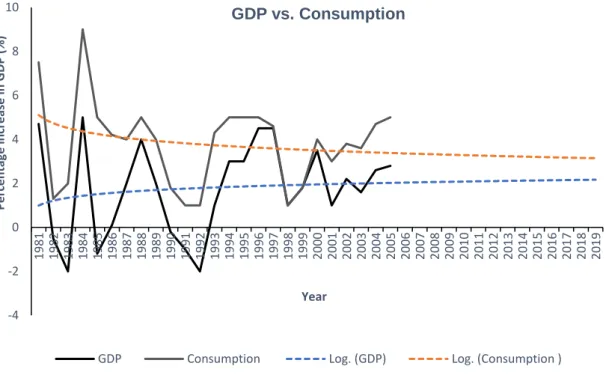
Secure energy supply is a necessity to ensure economic growth and quality of living. In fact, studies [3] indicate a two-way relationship between the usage of energy and economic growth, and consequently, the well-being of society. Figure 1 illustrates the relationship between economic growth and electricity consumption.
Figure 1-1: Adapted - Relationship between GDP (economic growth) and Electricity Consumption in South Africa
-4 -2 0 2 4 6 8 10
1981 1982 1983 1984 1985 1986 1987 1988 1989 1990 1991 1992 1993 1994 1995 1996 1997 1998 1999 2000 2001 2002 2003 2004 2005 2006 2007 2008 2009 2010 2011 2012 2013 2014 2015 2016 2017 2018 2019
Percentage increase in GDP (%)
Year
GDP vs. Consumption
GDP Consumption Log. (GDP) Log. (Consumption )
From the graph it is clear that the growth in the Gross Domestic Product (GDP) actually follows the trend in electricity consumption [2], that is, an increaase in electricity consumption is an indication of an increase, or growth, in the GDP of the country [2].
South Africa still generates up to 85% of electricity from coal-fired power stations [3] with other cleaner sources of energy such as nuclear, natural gas, diesel, solar, and wind contributing 5.2%, 3.2%, 1.7%, 0.9% and 0.9%, respectively [3]. In the earlier months of 2019, South Africa has been in the grips of an energy crisis [4] and energy resource usage has become an important and ongoing area of focus [5]. Since 2007, the national utility has faced a lack of capacity for generation, and this has hampered economic growth (first quarter of 2008) from 5.4% to 1.57%
[2]. In addition, to crippling economic growth, current generation practices have resulted in the detriment of the environment to a great extent , ranking South Africa the highest in greenhouse gas emission per capita on the African continent [6]. Furthermore, it is evident from studies such as the one in [7] that increased adoption and use of green and sustainable energy within small industry, especially those operating in energy-intensive sectors, provides economic benefits.
Additionally, small and medium enterprises (SMEs) also stand to benefit from reduced carbon taxes and penalties [7]. Over the recent years, and according to the Paris Accord (an agreement among more than 170 countries to reduce GHGs and decrease global temperatures worldwide) a new area of focus is the decarbonisation of the energy economy and the need to develop new technologies for the generation of environmentally clean power [8]. This increasing acknowledgement of the importance of clean and efficient energy change indicates the need for an integrated framework for green and sustainable energy resources in South Africa.
South Africa boasts a huge variety of clean energy sources. Emerging renewable energy sources include solar, wind, hydro and biomass [5], and the country has huge potential for solar and wind power generation, and a smaller scale potential for biomass, landfill gas and hydro power generation [6]. [9] identifies that renewable resources such as solar thermal harnessed extensively especially since South Africa has abundance of solar energy available; biomass currently contributes between 9 and 14% of the total energy requirement, but if used more efficiently could contribute more. [9] also suggest that in terms of hydropower, South Africa is abundantly endowed, so there is scope to develop micro-hydro potential. Wave power is also seen as a new technology from which the current energy landscape can benefit [9] as South Africa has an widespread coastline with high wave energy potential. Currently, the amount of energy generation through renewables is quite small, however the Renewable Energy Independent Power Producer Programme (REIPPP) forecasts that renewable energy will contribute to almost 42% of the country’s energy in the next 20 years [10]. Furthermore, the South African government and
National Energy Regulator of South Africa (NERSA) has established policies and projects for procuring and implementing renewable energy to supplement coal power generation to improve energy sustainability and diversification in energy sources [6]. South Africa has also adopted enabling strategies to surge the share of renewables in the energy mix. Although these adopted policies are useful to improve energy sustainability, developing an appropriate, customized, integrated framework for green and sustainable energy resources is necessary given the unique characteristics of the environment and economy in South Africa.
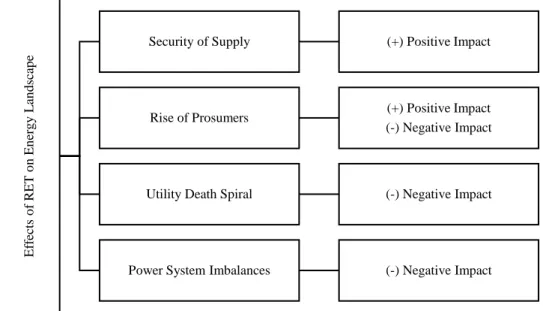
However, renewable energy technologies have also been surrounded by negativity. Inclusive in the negative connotations are the threat that conventional utilities face as a result of the rise of green energy technologies, as well as the public acceptance of renewable energy technologies.
From a utility point of view, the integration of renewable energy technologies will eventually result in the utility death cycle, i.e., more consumers generate their own energy, as a result there are electricity tariff price hikes, further driving more people away from the conventional form of generation [11]. Also as suggested in [12] the increasing push for green energy technology has been seen as a growing threat and concern among the public because the public feel that increasing renewable technology infrastructure will undermine the beauty of the landscape , that is, land intrusion and noise intrusion.
With the movement towards mitigating climate change, and the initiative taken by households to generate electricity through renewable resources, it has become important to study green technology, and in doing so, understand the perceptions of the utility with regards to green and sustainable energy resources, uncover the drivers, impact or influence these resources, and in tandem, study the impact that green and sustainable energy resource will have on the utility, industries, the economy, and society in general.
The focus of this study is on the development of an integrated framework that can be used within the South African context, given the levels and potential of renewable energy within the country, to ensure the adequate uptake of green technology within the country.
1.2 Research motivation
Electricity is a factor influencing the economic development of a country [13] and is required to assist reduce problems of inequality and poverty [14]. There are significant studies that show the linkage between energy consumptioon and economic growth, i.e. economies with higher energy production and consumption have higher per capita incomes [15]. South Africa is an energy intensive economy, and the energy demand expected to grow significantly with economic
development in the next 50 years. In fact, the total energy and electricity requirements are expected to triple by the year 2050 [15]. South Africa also ranks amongst the top twenty global emitters of greenhouse gases in the world, as it is highly dependent on coal as a primary source of power generation [14], and of recent has been experiencing energy shortages and electricity blackouts [16]. Additionally, the country also experienced shortages in other fuel sources such as petroleum in the years 2008 and 2011, and shortages in gas in the years 2011 and 2012 [15]. This overall instability in fuel sources and energy production has seen a decline in economic growth over the recent years [17]. This need for secure energy supply has seen an increase in new practices aimed at reducing energy consumption and reducing the carbon footprint [18].
In terms of integration of clean, green and sustainable energy sources, South Africa has a diverse wealth of green energy resources. There are three concentrated solar power plants (CSPs) all located in the Northern Cape, producing in total about 200MW of power. Generation of energy through wind energy sees potential for between 0.05 and 0.25 GJ/m2 of production annually, aiming to reach a total wind energy supply of 8.4GW by the year 2030. There is further potential in the hydro-energy generation sphere and bioenergy sphere as well [16]. The Renewable Energy Independent Power Producers Procurement Programme (the REIPPP) hopes to install 17.8GW of electricty generation capacity over the priod of 2012 to 2030 from renewables (solar,wind,biomass,biogas, and hydropower). As a matter of fact, according to the Integrated Resource Plan (IRP), the country is focused on reducing the emissions of greenhouse gases by 34% by the year 2030 and diversifying its energy supply in order to reduce heavy dependence on coal-fired electricity [16]. Furthermore, the use of renewable energy sources has also been incentivised by various schems, such as the renewable energy feed-in tariff, which now has been replaced with a competitive bidding scheme [13].
The country has also commited to promoting economic growth, achieving energy security and imporving environmental protection both at an international and domestic level [14][19]. Also, with the cost of renewables decreasing rapidly over the last decade, and predicted to decline even further over the next coming years, it is becoming important to effectively integrate cleaner, greener and more sustainable sources of energy production into the existing power system networks. Evidently there is risk of instabilites and potential voltage fluctuations if there is an uncontrolled integration of renewables [20] hence, it becomes imperative to understand the key drivers influencing sustainability of green energy sources and understanding the impacts of this integration of cleaner energy sources on the utility, and its socio-economic effects.
1.3 Research aim
South Africa ranks among the top 20 highest carbon emitters globally [13]. The existing utility could use green and sustainable energy resources as an alternative to coal, which could potentially help stabilise electricity tariffs and reduce the carbon footprint. An integrated framework for clean, green and sustainable energy resources investigates how these resources can be used for the beneficiation of economy and society. In order to effectively manage energy demand and create an integrated framework, there are various factors that need to be taken into consideration such as the availability of energy and how present and future sources of energy will be managed.
Hence, this study is aimed at understanding the perceptions of the utility with regards to green and sustainable energy resources in South Africa and investigating what the optimum green and sustainable energy resources in the country are. The study also seeks to understand the key drivers influencing the sustainability of energy sources within the country. Upon doing this, the research will also be used to uncover what impacts green and sustainable energy resources have on industries, the economy and society in order to establish the most conducive way to integrate green energy into the current power system.
1.4 Research management implications
This study investigates the impact of clean, green and sustainable energy resources on the utility, economy, and society. From a management perspective, addressing this study will help the utility, industry and society. Utilities will benefit from understanding how green energy technologies can be incorporated, and what their impacts will be. This will allow utilities to change their current business models to adapt to these changes and ensure the financial feasibility of their organisations. From an industry and societal point of view, this study will help understand what the optimum green and sustainable energy sources are, and will provide an integrated framework for green and sustainable energy sources, and in doing so, incentivise change within energy management systems and policies in order to accommodate increasing power generation through renewable resources. The study also aims to contribute towards a sustainable energy infrastructure within the context of a developing country.
1.5 Research problem statement
To demonstrate and develop through, qualitative analysis of existent literature, discussion, and feedback with experts within the field of energy, an integrated framework for green and sustainable energy in South Africa by looking into the perceptions of the utility on renewable
energy resources in order to provide an overview of pragmatic considerations for industry on policies and management implications for utilities.
1.6 Research questions
The study aims to develop an integrated framework for green and sustainable energy within the South African context, hence the researcher developed three main research questions. The research questions used to provide clarity of the subject at hand is provided below.
1. What are the effects of green energy resources in South Africa?
2. What are the key drivers that impact sustainability of energy sources in South Africa?
3. Impact of green and sustainable energy resources to (a) utilities, (b) industry, and (c) society?
1.7 Structure of dissertation
The remainder of this dissertation is organised as follows:
Chapter two of this research discusses relevant literature to the energy landscape within the South Africa, and globally. The literature includes a review of the South African energy landscape, energy policies, technical challenges and various factors influencing the decision to invest into renewable energy technologies, placing directive for the need to develop an integrated framework.
Chapter three presents the methodology used for this research, approach and design used. The study makes use of qualitative analysis, and scenario analysis in order to gain imperative insight on the factors that need to be incorporated in developing the integrated framework for green and sustainable energy. Findings is established through interactive sessions with energy experts, which thereafter is analysed, through thematic analysis.
Chapter four is designed to provide meaning to the context of the research at hand. It describes the research objectives in relation to each of the three research questions developed and presented in section 1.6.
Chapters five presents the findings of the study and discusses it with relevance to the high impact factor literature and data from research studies in order to provide insights on what the study has brought forth.
Finally, chapter six summarises and concludes the research by providing conclusive insights of the study and outlining salient recommendations for future studies with regards to this topic.
Chapter 2: Literature Review
2.1 Introduction
With resources such as coal and natural gas being used up faster than it can be replaced, the focus on green and sustainable energy resources becomes of utmost importance. The development of Renewable Energy (RE) in South Africa has been somewhat limited prior to 2011, and the current national utility, driven by electricity energy through coal, holds about 85% of the country’s electricity generation [2]. The South African government has begun to recognise the need for RE [2]. This, along with the constantly increasing electricity tariffs, prompts the need to find a framework for the integration of clean, green and sustainable energy resources into the current energy landscape.
Various aspect of green and sustainable energy will be covered in this literature review: (1) the perceptions of the utility with regards to green and sustainable energy resources in South Africa;
(2) the optimum green and sustainable energy resources in South Africa; (3) the key drivers that impact sustainability of energy sources in South Africa; and (4) the impact of green and sustainable energy resources to utilities, large industries, small industries, as well as commerce and society. In order to fully understand the need for integrated framework, current policies and frameworks that influence the integration of clean and sustainable energy within the South African context will also be investigated.
2.2 Current energy landscape in South Africa
South Africa is considered the ‘powerhouse’ of Africa [21]. In terms of energy production, coal powered generation meets 43% of industrial demand, 32 % of commercial and agricultural demand and 28% of residential demand, making South Africa one of the most coal dependent countries in the world [21]. Dependence of coal has only decreased ever so slightly from 75% in 1994 to 72% in 2014. Energy shortages and bottlenecks cost the African economy about 2 to 4%
of the GDP annually.
South Africa has become the largest avenue for renewable energy projects in the world. With over 3900 MW of renewable energy projects under construction, South Africa is considered the 12th most promising investment destination for renewable energy projects [21].
Of recent, however, the country has been facing unplanned/planned power outages, energy shortages, and an escalation in energy tariffs. In terms of economic growth, the country is
challenged by (i) energy challenges, (ii) aged infrastructure, (iii) inefficient regulatory processes, (iv) lack of adequate planning and vision. Energy is a significant driver of economic growth [21].
South Africans with access to energy increased by 8.2% between 2002 and 2012. However, the South African General Household Survey of 2012 indicated that about 11% of residents have no access to electricity. Annual energy demand is forecasted to increase from 345 TWh to 416 TWh by the year 2030. The country is looking to invest about US$ 50 billion on clean energy in over the coming years to reduce dependence on conventional forms of generation (coal-based), which currently provides about 85% of the total energy produced. The government has also promised to reduce emissions by 34% by the year 2020 [21]. Hence, there is a need to develop a framework for effective integration of green, clean, and sustainable energy resources.
2.3 Green and sustainable energy resources in South Africa
Economic development, achieving energy security, and ensuring environmental security will require investment into renewable energy [19]. The national development plan (NDP) requires the establishment of an extra 10 000 MW of electricity by the year 2025, compared to the baseline of 44 000 MW established in the year 2013. The Integrated Resource Plan (IRP) has taken this into account and developed an energy mix to meet these needs by the year 2030. Of this energy mix, 17 800 MW of electricity is to be produced from renewable energy sources such as concentrated solar power, solar PV, onshore wind, biomass/biogas, and a small amount of hydro power [19]. Energy from wind, solar PV and concentrated solar power was measured to be 431- 618 GWh, 220-334 GWh, and 55-139 GWh, respectively [5]. This was average monthly energy measured during the period of January 2018 to December 2018 [5]. Wave power may also be a technology that can be looked upon as South Africa is surrounded by coastlines. Renewable energy sources should be considered not only to curb a growth in demand.
2.3.1 Solar Energy
Solar resources are of abundance in South Africa as the country is exposed to a high number of sunny hours, regardless of the time of the year [9]. This energy can be harnessed with the help of solar PV to make electricity. Concentrated solar photovoltaics (CSP) are considered emerging renewable technologies that can replace fossil fuel product. This technology is popular in hot and dry climates, as the one in South Africa [9]. CSPs use mirrors and lenses to direct the solar rays from the sun to the receiver. The receiver has a thermal carrier, such as oil, water or molten salts that absorbs heat. This heat can be used directly or send to a secondary circuit to generate power [14]. CSPs can still generate heat, even when the sun goes down as a result of storage systems
that embed/store heat [14]. Interestingly, all CSPs have a backup system to generate power, in order to ensure stable production, and to maintain the expected capacity [14].
However, there are setbacks in the advancement of renewable energy as a sole medium for energy production [22]. Major challenges include high initial capital costs needed for the execution of renewable energy projects such as solar, and underdeveloped storage technologies and technologies for harnessing renewable energy [22]. With the onset of new technologies such as super capacitors, fuels cells and improvements in chemical batteries, storage costs are also expected to decrease dramatically over the upcoming years [4]. In fact, the price of solar modules has been decreasing steadily, and it is envisaged that solar power will contribute up to 14% of the total energy supplied by the year 2050 [22].
2.3.2 Wind Energy
A myriad of studies has established that South Africa has an abundance of wind resources, which could position the country as a leader in wind power generation on a continental scale [23]. The country is said to have a wind power generation potential of about 80 TWh (installed capacity of 30.6 GW) [23]. Wind farms consist of a group of wind turbines in a fixed location which are used to produce electricity. The first ever wind farm in South Africa began operation in 2002 under Eskom. This became larger scale in 2014. The largest windfarm producing approximately 136 MW of energy is in the Eastern Cape namely, Cookhouse Wind Farm. South Africa could potentially become Africa’s leading wind power producer, as it has a wind power generation potential of about 80.54 TWh [23]. However, wind energy, like solar energy, is very much weather-dependent. Wind energy may be used to produce electricity through wind farms. As proposed in the most recent IRP, South Africa is looking to install 8.4 GW of wind capacity by the year 2030, with the significant portion of it being produced by large-scale wind turbines [23].
However, the performance of a wind turbine is very much dependent on factors such as wind speed and wind distribution at the site. Hence the power, P, generated by wind can be expressed as a function of wind speed:
P = CρvA (1)
where ρ is the air density, v refers to wind speed, r is the radius of turbine rotor, A = πr 2 (swept area of the rotor), Cp is the power coefficient of the rotor or the aerodynamic efficiency, and the wind density ρ is assumed to be 1.225 kg/m3.
Currently, off-grid, small-scale wind technology is still at start, and very little research has been done on the subject. As with any other renewable energy source, the main factors influencing development of wind energy projects includes substandard technology and maintenance capacities. Technological factors to be considered include poor productivity, lack of choices in wind turbines, siting, and interconnection rules [23]. Further, there is a level of public support that is required to grow the technology and promote changes in consumer behaviour [23].
2.3.3 Hydropower
Hydropower or hydroelectricity is a sustainable energy resource as a result of water flow. This can either be from water stored in a dam or energy produced with the aid of hydraulic turbine in rivers. Eskom has three types of hydroelectric power stations [8]:
• Reservoirs
• Run off river
• Pumped storage schemes
In South Africa, the current hydroelectric infrastructure generates peaking power for Eskom, the national utility, and are also part of systems transporting water to industrial areas and city centres [8]. Most often, the scarcity of water is the main reason why hydropower is not considered in South Africa [9].
2.3.4 Wave power
Wave power is electricity that is produced by means using forces that are exerted by the waves along the coastline. In 2015, a software company Blackbird International announced the development of a power plant in South Africa [10]. Eskom itself are looking to harness this form of energy as well [8]. In South Africa, infrastructure for Wind Energy, and Hydropower are currently available. This, along with solar energy which is available year-round, can be perceived as the optimum green and sustainable energy resource in South Africa. Wave power is a future alternative energy source [8].
2.3.5 Biomass
Use of bioenergy has been a technique that has been utilised for a while, obtained from i.e. waste, wood, and fuels [24], [25]. Bioenergy is considered to have its primary energy source coming from living organisms and plant [24]. The most common use of biomass is for energy generation.
Presently in certain parts of the world’s biomass is the primary form of energy supply [24], [26].
However, in comparison with oil reserves, biomass contains limited energy densities for optimum exploitation [27]. Bulk mass must be used in comparison with oil products with higher calorific values. South Africa is one of the country’s leading in biomass conversion technologies with Sasol leading the break through [28]. Though leading in gasification techniques, more needs to be done from a talent management point of view [28].
From an electricity generation point of view, existing studies suggests that bioenergy remains conceptual and non-economically viable to pursue. In the work of [26], the cost of producing electricity using biomass techniques cost double compared to when coal is used. This shows that the viability for biomass is low. These projects however are still carried on under the umbrella of a government incentives [26].
2.4 Evaluating renewable energy technology
There are three main factors, among others, that influence the movement onto more sustainable forms of energy generation, namely, technical factors, economic factors, and social factors [31].
There are many studies that indicate that energy transition is dependent on technological innovation, while others contend that social factors play a major role in this transition.
Over the recent years, investment in renewable energy has increased, globally, from USD 39.5 billion in 2004 to USD 270 billion in 2014, most of which have been delivered under a private- public partnership, as governments often find it difficult to fund such high-capital investments [32]. Within developing countries, renewable energy technologies are still considered to be emerging technologies, hence there is a level of uncertainty associated with it [33]. In fact, studies have noted that mature technologies are more likely to be financed by investors looking to fund and promote the use of renewables [33]. Over the year of 2016, the levelised costs for wind powered generation dropped by 18%, while large-scale solar PV generation prices fell by 17%
[34], [35]. Importantly, it should be recognised that most of South Africa’s R193billion in green energy projects were funded by banks and private investors, of which R53billion was funded internationally [36]. Additionally, renewable projects on a smaller scale, such as powering a home or village by solar, can be operational within weeks. Investors are also sensitive to changes in electricity price, and this uncertainty and volatility in fossil fuel prices have caused noticeable hesitation in investment in the recent years [37]. Ultimately, factors such as economic performance, social performance and technical performance contribute hugely to investment and transitioning into sustainable forms of energy generation.
Hence, it is imperative that these factors be considered when developing an integrated framework for green and sustainable energy resources.
2.4.1 Technical factors
Energy technology innovation refers to the research and development of alternative energy technologies and includes improvements in current energy technologies[38]. South Africa is still very heavily dependent on coal-powered plants for electricity generation [38], hence renewable energies will have to be incorporated into the power system effectively. An area of concern is that introducing distributed energy generators will cause bi-directional flow of power through the grid, which could lead to voltage fluctuations and harmonic distortion [39]. At the same time, this integration will allow the grid to have back-up supply, where any excess energy that is generated can be absorbed by the utility. In order to achieve optimal integration, the optimal size, design, and location of Distributed Generation (DG) need to be understood in order to minimise any instabilities to the power system network.
Reliability of renewable energy is a regular critique, that is, wind and solar are variable [40].
However, computer software and modelling tools such as PLEXOS, which is used to develop South Africa’s IRP, can provide a least cost, ideal generation mix that can meet the required supply and ensure energy security for each hour of the day, yearly. The latest energy models represented in IRP 2017 indicates that there is enough “dispatchable power” to cater for peak demand. The IRP also considered the use of concentrated solar plants- this source is still considered expensive within the South African context, however, globally, developments indicate that the price is becoming increasingly competitive [40].
However, even if storage is not available, renewable energy sources such as wind and PV variability can be accurately forecasted and managed with several proven methods [41]. This is not merely a theoretical proposition – it has been proven in practice. Wind and solar work optimally at different times, and together, such combinations of optimal performance make contributions towards catering for the morning and evening peak loads [36].
Cogeneration is also another dispatchable source offered by South Africa’s heavy industry. This is far more efficient, economical and could also make advantageous use of emerging supplies of natural gas as well. Mines can also add to demand response by adjusting their major loads such as milling and beneficiation to the grid needs, and by the same logic, metallurgical industries could potentially see more profit by selling demand response rather than metal. Investing in low cost power generation sources makes sense, and it is evident that renewable energy resources such
as solar and wind can be integrated without affecting system reliability if sufficient flexible and demand-side resources are also used. Such a combination is indicative of the lowest system costs in the IRP models [41].
A recent study “confirms that the South African power system will be sufficiently flexible to handle very large amounts of wind and PV generation to cope with increased flexibility requirements resulting from the installation of 4.2 GW of wind generation and up to 12.8 GW of PV by 2020, and 11 GW of wind and 27.5 GW of PV by 2030; flexibility requirements can be handled by existing and planned power plants at moderate additional costs” [42].
2.4.2 Economic factors
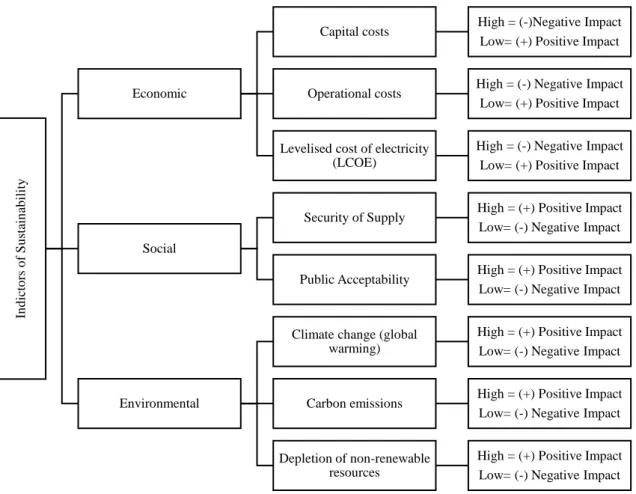
Economic factors also come into play when looking into the production of energy by using renewable energy technologies. [43] states that capital costs of renewable energy technologies, annualised costs, such as operational costs, and levelized costs are key decision makers influencing the sustainability of green energy technologies. There is a lack of local manufacturers and suppliers of renewable energy technology and components. This implies that, often, technologies must be imported to South Africa [44], consequently adding to the increase in the capital costs of green energy technologies. The sustainability of these technologies are also mitigated by the fact that many of these technologies are relatively new, hence uncompetitive [43].
2.4.3 Socio-economic factors
Socio-economic factors include carbon emissions, electricity price, the GDP, and energy demand.
There are several studies that indicate that a reduction in CO2 levels is driver for achieving sustainability as a result of increased emissions that there is an expected growth in RE.
Additionally, energy consumption is an indicator of development [40] i.e., the larger the consumption needs, the higher the level of energy use. Furthermore, as population increases there is further increase in energy demand, which could potentially be supplied by a mix of conventional power generation and renewable energy technologies[40].
2.4.3.1 Public acceptance
Acceptance and non-acceptance is categorised into four levels; (1) passive acceptance (approval), (2) active acceptance (support), (3) passive non-acceptance (rejection) and (4) active non- acceptance (resistance) [45]. Public acceptance of renewable sources of energy is vital in seeing
the growth of the technologies [46]. Market penetration is pushed by public consumption and government laid out legislations. Public support becomes an enabler or a barrier in the adaptation of using technologies. Public awareness and understanding prolongs the time spent to innovate and implement renewable energy programs. Efforts are required from all stakeholders involved in ensuring awareness reaches consumers. These include the government and the corporate businesses. Some of the factors that affect public acceptance are public awareness, costs involved, risks involved, benefits involved and the environment of operation [45].
2.4.3.2 Public awareness
Awareness of current climate changes plays key role in making people aware of the existence of renewable energy. Continuously increasing fuel prices and limited natural gas supply have opened opportunities for renewable strategies to be adopted [20]. In a study of the Malaysian environment in [3] there is a disconnection between the public being aware of existence of renewable energy and the perceived ease of using renewable energy.
Governments in both developing and developed countries have rolled out awareness programs that support sustainable initiatives. However, little emphasis is placed on identifying the perceptions public has on renewable energies [45]. In the South African context, [47] identifies the country to put limited emphasis of protecting the environment, especially from a power generation point of view. Despite the technologies being there in the country, they remain being used by only those that are proactive in environmental conservation.
Countries like South Africa which have no large generating plants for renewable energy has most of the generated energy being used for residential purposes and not linked to supply grid [13].
The cost and burden of installation remains on the end user, which suggests strong collaboration between government and the private sector being needed for the successful large-scale implementation of sustainable initiatives. One of the barriers that limit corporate support is the availability of funds [40].
Another barrier that deters efforts being made in this industry is the existence of a monopolistic company in the power generation sector. Though government does support renewable energy, policies seem to clash as coal fired plants get more incentives. The costs for electricity generated from coal fired plants has been heavily amortized, thus economically nullifying any potential competition making any changes difficult. These huge start-up costs according to have a huge impact on the perceived ease of use and perceived usefulness of renewable energies [40].
2.4.4 Political factors
Politics is a huge determinant in the growth of RE technologies. According to a myriad of studies, political factors such as policy developments and energy security are factors that influence the development of renewable technologies [40]. Since renewable technologies are more expensive to deploy, there must be policies that support the deployment and growth of these technologies, in fact, several studies indicate that public policies are one way to grow RE i.e. establishing reliable frameworks and policy objectives that are technology specific and influenced by domestic and international factors [40]. Furthermore, policies that enable localisation of renewable technologies will reduce costs and the higher reliance of a country on energy imports, proving beneficial to RE growth.
2.5 Key drivers impacting energy and sustainability in South Africa
The use of sustainable energy resources could be driven by the increase of prices of energy in South Africa while non-renewable resources continue to become scarce. Climate changes as well as the need to reduce the carbon footprint of the country are also factors motivating the move to more sustainable and cleaner sources of energy generation [20].
According to [3] Eskom, South Africa’s main utility produces about 90% of the electricity generated in the country. According to [2], South Africa is relatively new to the concept of green energy, deployment only really starting after 2011. Although the government has recognised the need for clean, and sustainable energy, particularly from Independent Power Producers (IPPs), the implementation of green and sustainable resources infrastructure poses a threat to attaining private capital as finance companies and investors may not be too keen to lend or provide finance to companies willing to generate using renewables. This lack of infrastructure and finances has made it difficult to harness the full potential of the green energy [2]. Furthermore, the integration of clean, green, sustainable energy resources could pose some problems for power system networks. The major impacts of RE penetration include voltage variation and unbalance, current and voltage harmonics, grid islanding protection among others [48]. However, at the same time, studies such as the one in [49] indicate that penetration of sustainable energy sources, such as solar, could see a decrease in the excessive aging of distribution transformers in situations of overload, which could eventually result in wear-reduction.
Interestingly, according to studies such as [40], the main factors determining the sustainability of renewable energy resources boils down to economic factors. Developing countries, such as South
Africa, which are part of Kyoto Protocol, although aware of the environmental ramifications of conventional energy production, still investigate the deployment and sustainability of Renewable Energy Technology (RET) in terms of economic growth and development in order to prove that renewables are cheaper than conventional forms of electricity generation [40].
2.6 Impact of green and sustainable energy resources to utilities, large industries, small industries, and society.
South Africa is ranked in the top 20 of highest carbon emissions globally [13]. In South Africa, most of the electricity is provided through coal generation, and consequently, the utility is sensitive to the utility death spiral because the current utility provides electricity through this form. The utility market in South Africa is very fragmented with around 120 municipalities serving less than 1000 customers and around 90 municipalities receiving less that R1 million in revenue. Hence utilities are depending heavily on tariff customers, not only to subsidize the provision of free basic electricity but also to cover the cost of maintaining and expanding the national energy grid. Utilities are sensitive to utility death spiral, because they provide cheap or free electricity to consumers that otherwise cannot afford to pay for it. However, as more customers move to alternative forms of generation, the utility is forced to hike prices, further reinforcing the utility death spiral [48], [50]. However, utilities may be able to use the green and sustainable energy resource as an alternative to using coal. This will help preserve coal reserves for future use. The use of the sustainable energy resources may also help stabilise the electricity tariffs as sustainable energy will always be available, if there is measures in place for effective capture and storage.
Industries will be able to reduce their carbon footprint using sustainable energy resources. This is indeed beneficial to the industries as there are fines in place for emitting too much volumes of greenhouse gas. As a result, this will help reduces global warming. Green and sustainable energy resources emit very little to no greenhouse gases. The increase usage of green and sustainable energy resources will help reduce the use of energy sources emitting too much greenhouse gases.
Figure 2-1 illustrates the emissions from different type of energy resources. It is observed that wind power, solar power and other green energy resources emit far less greenhouse gas when compared to energy sources such as oil and coal [51].
Figure 2-1: Emissions from Different Energy Sources.
The reduction in the emissions lead to a general betterment in the public health of the society.
Energy sources such as wind and solar energy need no water to operate, and a result, water resources remain intact. This means that there is higher availability of water for agricultural use and essential water use [51].
From a social point of view, the use of green and sustainable energy resources increases job opportunities. Solar panel and wind power need technicians for maintenance purposes [51]. This will help to contribute to the development of South Africa economically whilst reducing poverty [51]. The IPP projects implemented to date in South Africa have contributed to a total of 32,532 job years for its citizens, with employment in the construction phase being higher than estimated.
Those projects that have been successfully constructed and moved into the operation phase is expected to deliver a further 20,689 job years (about US$ 1.9 billion in salaries) [49], [52].
Interestingly, both [27] and [53] speak of financial implications of pursuing RETs in South Africa.
There is a negative connotation on the use of bioenergy for electricity generation as there are costs incurred in transporting raw materials to site [27] as generation uses bulk material due to low calorific values [28]. [26] would argue in support of the supplier saying the supplier incurred
lower costs as government incentivises the project. However, costs still would be incurred on the part of the government. For the full benefits of RE to be realised, the stratigraphic information of the area needs to be assess. [24] suggests areas with vast non-renewable resources would highly likely not recognise the benefits of RE from an availability and resource point of view. South Africa is dominantly a coal producing nation, though suggestions are to shift to renewable energies, the country would rather keep and optimise the existing techniques.
[53] implied the costs of electricity production from biomass to be more than two-fold that of coal production suggesting this to be a deterrent of acquiring investors.
2.7 Economic impact of clean, green, sustainable energy
A study identified that improving energy efficiency can reduce the total energy consumption, and the emissions of greenhouse gases, thereby ensuring economic growth [54] . In fact, according to [21], energy is seen to be an “important catalyst for growth”. Energy consumption and economic growth is shown to share a bi-directional relationship [55]. This implies an increase in economic growth has a positive impact on energy consumption, i.e., increased energy use is a sign of a growing economy. However, this being said, increased energy consumption, especially based on the fact that about 95% of energy is generated from coal in South Africa [2] shows that there will be an increase in CO2 emissions. In fact, [56] illustrates that a 1% growth in GDP per capita results in a 0.40% increase in CO2 emissions.
2.8 Environmental impact of clean, green, sustainable energy
It is anticipated that primary energy sources such as oil, coal and gas, will be exhausted within the next 50 years [57]. Furthermore, at the current economic growth rate, it is predicted that there will be insufficient capacity to meet the world’s energy needs[58]. The costs of renewable energy sources are decreasing dramatically, allowing them to compete with non-renewable energy sources [48].
Transitioning to more sustainable and cleaner forms of energy generation, especially with an increase in the price of fossil fuels, increasing CO2 emissions could be seen as a major contributor to decreasing global warming and boosting growth of the economy by cutting down carbon emissions and consequently carbon tax [56].
Sustainable development goals are also looking to mitigate adverse environmental impacts such as air pollution, which is considered the fourth greatest risk factor for human health, globally.
This issue cannot be looked at in isolation as it is linked to the energy policies in place, among other issues. Mitigating environmental concerns through increased energy efficiency and the deployment of renewables is in line with the commitments adopeted within the Paris Agreement [46].
On another note, from an environmental perspective, it became evident that developments, such as utility scale solar could affect bird communities through habitat loss, and mortality as a result of collisions onto the infrastrucutre . The effect of such developments on nature and ecosystems are also a discerning factor that should be considered when developing a sustainable framework.
2.9 Levelised cost of electricity (LCOE)
Levelised cost of electricity refers to the breakeven price, which is a key metric considered in feasibility studies as it allows comparisons of fuels [48]. From a financial point of view, the smallest LCOE is desirable, because it implies that electricity is being produced at a low cost [49].
The LCOE is calculated by taking the sum of all the costs incurred in the project lifetime divided by the total amount of energy produced within this lifetime [49]. The LCOE is a factor considered by governments when evaluating policy decisions regarding conventional generation and renewable electricity generation [50]. Hence, LCOE needs to be considered when developing an integrated framework as it provides an indication as to how much of an economic impact integration of renewables will have. However, it should be noted that LCOE does not fully consider the rate of return, the impact of inflation or commodity price fluctuations [50].
2.10 Energy security
[59], [60] identify that energy is the support of economies and necessary for poverty reduction and economic growth. [51] states that renewable energy sources increase energy security and brings about socio-economic benefits, while mitigating climate change, hence there is a need to ensure that there is secure supply of energy within a country.
The International Energy Agency (IEA) defines energy security as the availability of energy sources at affordable prices [52]. There are two main aspects to energy security: (1) long-term energy security looks at energy supply in line with economic developments and the needs of the environment, whereas (2) short term energy security looks into the capability of energy supply systems to react quickly to changes in supply and demand. Some studies identify features of energy security to be the four A’s [52]:
• Availability
• Affordability
• Accessibility
• Acceptability
[59], [60] define availability to be the physical availability of the energy resource; affordability indicates that the energy sources are competitive and affordable. Acceptability focuses on the environmental impacts of the energy technology and the way it is produced, while accessibility focuses on how energy will be supplied and transmitted, i.e. infrastructure network, and geopolitical aspects [59], [60]
A plethora of studies have indicated the positive relationship between energy security and economic growth and [59], [60] suggest that introducing a diversified mix of green energy technologies will likely result in economic vulnerability to changes in commodity prices and improving the security of energy supply. The lack of consistency in electricity availability in South Africa made the country prioritise energy security as a vital factor to restore economic growth [61]. Furthermore, [11] states that diversification will impact developed countries and save them as a result of decreased emissions and taxes paid on them. However, it should be noted that increased integration could see global energy geopolitics become more complex.
With South Africa having a monopolistic energy sector, it is a challenge acquiring energy security and penetration of renewable energy producing companies is low [62]. Successful energy security is achieved via making knowledgeable decision i.e. regulatory impacts, target industries and implementation approaches [63]. [63] compares non-renewable energies and renewable energies suggesting the niche idea of RE as an energy security measure is the notion of it being based on flow, acceptance and usage rather than exhaustibility. Furthermore, with this perspective in mind, RE energy security plans are proactive plans. Emphasis is rarely given on renewable energies running out, however the consistent availability is questionable [63].
Active participation of countries in establishing RE is not only to achieve energy security, but also to achieve reduction of global warming gases [64], [65]. Active participation is put on emerging technologies like wind power and solar power [65].
2.11 Barriers to renewable energy
According to [66], the main barriers to renewable energy, from a South African context is the current innovation system in South Africa, and the economics surrounding green energy
technologies. [66] identified that South Africa has a ‘path dependency’ since most of the energy is generated by two main energy providers, using coal, which is abundant, creating a pattern that has an innovative bias towards fossil fuel-based energy production.
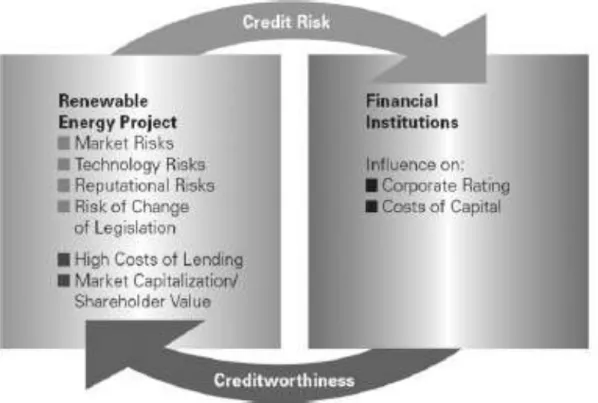
From an economic perspective, barriers to the deployment of renewable technologies include their potential capital costs, and lack of competitiveness of newer technologies [67]. [66] suggests that economic factors can be grouped into (1) risk and (2) cost factors. Figure 2-2 indicates the lending cycle, which relates the risks and costs factors that are considered when deciding whether to invest in a renewable energy project or not. This cycle is also indicative of the barriers that may prevent the deployment of renewable energy projects.
Figure 2-2: Renewable Energy Projects Lending Cycle 2.11.1 Risk factors
From a risks perspective, risks to the uptake of renewable energy technology could be in the form of market risks, technology risks, reputational risks and even risks as a result of a change in legislation. South Africa is relatively new when it comes to renewable energy technology. [66]
indicates the market for renewable technologies is relatively young; also there is a lack of local manufacturers and suppliers [67]. [66] suggests that young markets are often susceptible to higher
volatility and consequently greater risk. Also, since the technologies are relatively new, there is an additional technology risk associated with green energy generation [66], which poses a barrier to the uptake of renewable technologies. [66] also indicate that there is a lack of experience with renewable energy projects and this coupled with a lack of general awareness and skills from the general public on green energy technologies poses as a barrier for the sustainability of RETs [67].
This often makes it difficult for project developers to find funding or investors for RET projects.
2.11.2 Cost factors
The cost of green energy technologies is seen to be a barrier to renewable technology uptake in South Africa [66]. [66] identifies that in Europe wind generation could provide electricity at EUR 0.03 per kWh. However, this is deemed unfeasible within the South African context as wind speeds do not average those in Europe. Solar energy has huge potential, such as concentrated solar plants (CSP), but, in order to transmit the energy generated from areas of high solar irradiation would require heavy investments in transmission infrastructure [66]. Moreover, since South Africa has an abundance of coal reserves, electricity price, through the coal-fired generation is relatively low, a further barrier to the uptake of renewables. This is evident from studies such as the one in [26] who indicated that energy produced through the use of biomass is not yet economically viable and almost double that of coal generation costs.
One additional factor that could influence the uptake of renewable energy technologies is public acceptance [45].
2.12 Perceptions of utility on green and sustainable energy resources in South Africa
The national utility is trying sequel the energy crisis that has plagued the country since late 2007.
The energy crisis led to nationwide blackouts, load shedding and economic losses [50].
Deployment of renewable technologies could alleviate peak load periods, voltage support, and delay further investment for grid expansion [49]. Furthermore, developing countries are looking to ensure energy security, and systems with lower system interruptions are more secure. However, increasing DG will see utilities increasing their energy prices in order to recover lost revenues.
Further, increasing penetration of RETs could result in the utility becoming obsolete as a result of competition, and in countries, such as South Africa, where there is only one major supplier, this poses negatively on economic growth [68]. Another area of concern from a technical point of view is that introducing distributed energy generators will cause bi-directional flow of power
through the grid, which could lead to voltage fluctuations and harmonic distortion [38]. At the same time, this integration will allow the grid to have back-up supply, where any excess energy that is generated can be absorbed by the utility [38].
Hence, in order to achieve optimal integration, the optimal size, design, and location of DG needs to be understood in order to minimise any instabilities to the power system network.
2.13 Need for sustainability
Energy price instabilities, supply insecurity, climate change, and environmental pollution are all factors that are motivating the move towards cleaner sources of energy generation [23] . The recent climate change agreement sets out the need to decarbonise and develop and integrate new technologies for the generation of clean electrical energy [69] . There are number of socio- economic issues related to poor energy access, such as, impacts on health and education, poverty, social disorder, and impact of human wellbeing, as well as undesirable migration. Poor quality of illumination among electricity deprived South Africans limits the hours for study for school children and consequently impacts their academic performance [70]. Furthermore, lack of electricity affects small and micro-scale businesses, usually set up within households such as tailoring, venturing, and hence compromises the livelihood of such people. Non-availability of electricity deprives such consumers from extending their businesses and income. Poverty and crime are also issues that arise as a result of non-electrification /energy insecurity. Various studies have concluded that streetlights reduce crime relates, and that informal settlements without electrification experience a higher crime rate than those with electrification [55]. There is a higher affinity for people from rural areas to migrate to urban or industrial areas caused mainly by the unavailability of basic needs such as electricity. The number of people who do not have access to electricity, worldwide, has decreased from 1.7 billion in 2000 to 1.1 billion in 2016.
According to [69] the sustainability of energy systems is influenced by three sustainability dimensions, namely, environmental factors, social factors and economic factors. Economic indicators include capital costs of RETs, levelized costs of electricity (LCOE) and total maintenance and operational costs associated with RETs [69]. Social factors consider energy supply security, the mix (diversity) of supply, acceptance of the public, health and safety and integrational issues, while environmental considerations include the depletion of fossil fuel reserves, increasing emissions and environmental degradation [69].
Energy generation, or the way energy is generated, has a huge impact on climate change [23], hence it is relevant to understand and develop a sustainable and clean approach to produce electrical power.
2.14 Conclusion
South Africa’s obligations towards the Kyoto Protocol and United Nations Framework Convention on Climate Change signifies that the country is looking to move into cleaner forms of energy generation. The current policy landscape is conducive for the implementation of green energy technology projects. This being the case, development of a suitable framework will potentially fast track the penetration of renewables while remaining cohesive with the current energy landscape in the country.
This chapter examined the key literature relevant to provide context for the development of an integrated framework for green and sustainable energy resources. Studies reveal that there are three main drivers pivotal for the development of a framework for sustainable energy, namely, energy efficiency, renewable energy integration and smart energy management. Also, renewable energy technology needs to be studied in order to identify trade-offs when selecting appropriate renewable energy technology. Further, criteria for the framework should encompass factors – technical, economic, social and political. From a developing country perspective, there are also barriers to technology adoption, investment decisions need to be motivated in order to work towards sustainable energy infrastructure.
Overall, there is a need to for sustainable energy generation, especially given the fact that South Africa is plagued with an energy crisis, developing an integrated framework will prove beneficial.
Chapter 3: Methodology
3.1 Introduction
This chapter discusses the methodology and approach this research will follow in order to come to conclusive ideologies for the creation of an integrated framework for clean, green and sustainable energy. The methodology will also characterise the data gathering process and analysis of results, and the limitations of the study. Chapter 1 provided the need for the study while chapter 2 discussed the relevant literature in relation to the key constructs and objectives.
The choice of methodology will be stipulat

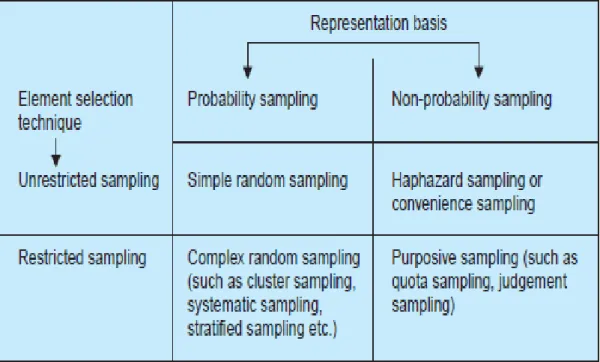
![Figure 3-1 illustrates the research onion which provides a holistic view of the phases that need to be covered when developing research methodology for a study [71]](https://thumb-ap.123doks.com/thumbv2/pubpdfnet/10699376.0/37.892.174.782.645.1068/figure-illustrates-research-provides-holistic-developing-research-methodology.webp)