i Interaction of dietary protein and vitamin E supplementation on faecal egg counts,
growth performance and haematological indices in lambs By
Ayobami Dhikrullah Adeyemo
A Thesis submitted in partial fulfilment of the academic requirements for the degree of MASTER OF SCIENCE IN AGRICULTURE
(ANIMAL SCIENCE)
Discipline of Animal and Poultry Science
School of Agricultural, Earth and Environmental Science (SAEES) College of Agriculture, Engineering and Science
University of KwaZulu-Natal Pietermaritzburg
South Africa 2016
ii Declaration
I, Ayobami Dhikrullah Adeyemo, declare that this thesis has not been submitted to any university and the study is my original work conducted under the supervision of Prof. M.
Chimonyo. All the help towards the success of this study and all the references contained herein have been duly credited.
Ayobami Dhikrullah Adeyemo (215079784)
Prof M. Chimonyo (Supervisor)
iii List of abbreviations
ADG average daily gain
BCS body condition score
CHL3 cultured Haemonchus L3 larvae
CTL3 cultured Trichostrongylus L3 larvae
FEC faecal egg counts
GIN gastrointestinal nematode
Ht haematocrit
IU international unit
PCV packed cell volume
Hb haemoglobin
RBC red blood count/erythrocyte
MCH mean corpuscular haemoglobin
MCV mean corpuscular volume
MCHC mean corpuscular haemoglobin
concentration
WBC white blood count/leucocyte
PE protein and vitamin E supplementation
PNE protein and no vitamin E supplementation
NPE no protein and vitamin E supplementation
NPNE no protein and no vitamin E
supplementation
iv Interaction of dietary protein and vitamin E supplementation on faecal egg counts,
growth performance and haematological indices in lambs By
A.D. ADEYEMO
Abstract
The broad objective of the study was to determine the interaction of dietary protein and vitamin E supplementation on FEC, growth performance and haematological indices in lambs. The objective was accomplished through a 2 × 2 factorial arrangement, with two factors (dietary protein at 150 g/day and vitamin E at 30 IU/kg BW/day). Dohne Merino lambs (n = 24) of both sexes were used. The lambs were assigned to each of the four treatment combinations (n = 6).
Treatment 1 lambs received dietary protein and vitamin E (PE), Treatment 2 lambs received dietary protein and no vitamin E (PNE), and Treatment 3 lambs received dietary vitamin E and no protein (NPE) while those in Treatment 4 received neither dietary protein nor vitamin E supplementation (NPNE). Lambs were exposed to nematode contaminated Pennisetum clandestinum for eight weeks. Average daily gains, body condition scores, faecal egg counts, cultured Haemonchus larvae, cultured Trichostrongylus larvae, packed cell volume (PCV), erythrocytes, haemoglobin (Hb), mean corpuscular volume (MCV), mean corpuscular haemoglobin (MCH), mean corpuscular haemoglobin concentration (MCHC), FAMACHA scores, leucocytes, lymphocytes and eosinophils was monitored.
There was a significant effect of dietary protein supplementation and week on ADG and BCS.
There was no interaction between dietary protein and vitamin E supplementation on ADG and BCS. There was an effect of dietary vitamin E supplementation on CHL3 and CTL3. There was a significant effect of dietary protein supplementation on CTL3. Lambs that received PNE and
v NPE treatment had lower (P<0.05) FEC, CHL3 and CTL3, whereas lambs that received PNE and NPNE, had the same (P>0.05) FEC, CHL3 and CTL3. There was an interaction between dietary protein and vitamin E supplementation on FEC, CHL3 and CTL3 in gastrointestinal nematode (GIN) naturally infected lambs.
The effect of dietary vitamin E supplementation influenced (P<0.05) MCH, MCHC, lymphocytes and low (P<0.05) eosinophil concentrations. Dietary protein supplementation increased (P<0.05) PCV, Hb, RBC and MCHC, and decreased (P<0.05) eosinophil concentrations and FAMACHA scores. Lamb that received PE and NPE treatment had the same (P>0.05) eosinophil concentrations than lambs that received PNE and NPNE treatment, which had higher (P<0.05) eosinophil concentrations. Lambs that received PE and NPE treatment had lower (P<0.05) FAMACHA scores than, lambs that received PNE and NPNE, which had higher (P<0.05) FAMACHA scores.
Also, treatment lambs that received PE and NPE had same but higher (P>0.05) MCV, than lambs that received PNE and NPNE, which had lower (P<0.05) MCV. Lambs that received PE and NPE had higher (P<0.05) MCHC than, lambs that received PNE and NPNE, which had the same (P>0.05) MCHC. Therefore, it can be concluded that the interaction of protein and vitamin E supplementation improved FEC, CHL3, CTL3, eosinophil concentrations, FAMACHA scores, MCV, and MCHC in lambs.
vi Dedication
I dedicate this thesis to the Almighty creator, who gave me the strength, grace and opportunity to complete this work and to my sweet grandmother Alhaja Sikirat Ayoka and gorgeous wife Funmilola Adeyemo, and our daughter Tiwatope Faizah Adeyemo.
vii Acknowledgements
My sincere gratitude goes to my supervisor Prof Michael Chimonyo, for his constructive criticism, unflinching support, motivation, and distinctive knowledge towards the success of the study. His accommodating attribute is nonpareil and his research incentives were supportive. I will forever be grateful.
I also express my gratitude to the following people for their support and contribution toward the success of the study.
• The staff of the Ukulinga Research Farm, Pietermaritzburg, KwaZulu Natal for their support, contribution and expertise.
• Sithembile Nldela (UKZN) for her assistance in the procurement of experimental feeds and equipment.
• To my parents, Mrs Idera Modupe and Alhaji Adeyemo Ismail Adeniyi, and grandmother Alhaja Sikirat Ayoka for their constant prayers and encouragement.
• My siblings and in-laws for their moral support and guidance towards the success of my thesis.
• My colleagues and friends Adetoyese, Abdul-Rasheed, Adedayo, Ayodele, Gudiso, Ibrahim, Mehluli, Philip, Popo, Sylvester, Vuyisa, Veloh, Wisdom and Zwelethu for their moral support.
• Most importantly, to my precious wife, Funmilola Oluwatosin Adeyemo, for her understanding and moral support, and for helping me believe in my capabilities and caring for our daughter Tiwatope Faizah Adeyemo while I was away.
viii Table of Contents
Declaration ... ii
List of abbreviations ... iii
Abstract ... iv
Dedication ... vi
Acknowledgements ... vii
Table of Contents ... viii
List of Tables ... xii
List of Figures ... xiv
List of Appendices ... xv
CHAPTER 1: General Introduction ... 1
1.1 Background ... 1
1.2 Justification ... 3
1.3 Objectives ... 3
1.4 Hypotheses ... 4
1.5 References ... 4
CHAPTER 2: Literature review... 7
2.1 Introduction ... 7
2.2 Effects of gastrointestinal nematodes ... 7
2.3 Measures of nematodiosis ... 10
2.3.1 Body weight gain ... 10
ix
2.3.2 Body condition scores ... 11
2.3.3 Faecal egg counts ... 12
2.3.4 Haematological indices ... 14
2.3.5 FAMACHA... 15
2.3.6 Histopathology ... 16
2.3.7 Immunology ... 16
2.3.8 Biochemical response ... 17
2.4 Nematode control ... 18
2.4.1 Pasture management ... 18
2.4.2 Use of anthelmintics ... 19
2.4.3 Nutrition ... 20
2.5 Summary ... 26
2.6 References ... 27
CHAPTER 3 ... 37
Interaction of dietary protein and vitamin E supplementation on faecal egg counts and ... 37
growth performance in lambs ... 37
Abstract ... 37
3.1 Introduction ... 38
3.2 Materials and methods ... 39
3.2.1 Ethical considerations of the study ... 39
3.2.2 Description of the study site ... 39
x
3.2.3 Experimental lambs ... 40
3.2.4 Treatments ... 40
3.2.5 Housing and management ... 41
3.2.6 Chemical analyses of Pennisetum clandestinum ... 41
3.2.7 Measurements ... 42
3.2.8 Nematode faecal egg counts ... 44
3.2.9 Nematode egg culturing and harvesting ... 46
3.2.10 Statistical analyses ... 47
3.3 Results ... 49
3.3.1 Average daily gain ... 49
3.3.2 Body condition scoring ... 49
3.3.3 Faecal egg counts ... 49
3.3.4 Cultured Haemonchus L3 larvae and cultured Trichostrongylus L3 larvae ... 50
3.4 Discussion ... 55
3.5 Conclusions ... 59
3.6 References ... 59
CHAPTER 4 ... 64
Interaction of dietary protein and vitamin E supplementation on haematological indices in lambs ... 64
Abstract ... 64
4.1 Introduction ... 65
4.2 Materials and methods ... 66
xi
4.2.1 Ethical considerations and study site ... 66
4.2.2 Experimental design, treatment diets and sheep management ... 66
4.2.3 Data collection ... 67
4.2.4 Statistical analyses ... 69
4.3 Results ... 70
4.3.1 FAMACHA ... 70
4.3.2 Packed cell volume and haemoglobin ... 71
4.3.3 Erythrocytes, mean corpuscular volume, mean corpuscular haemoglobin, and mean corpuscular haemoglobin concentration ... 71
4.3.4 Leucocytes, lymphocytes and eosinophils ... 71
4.4 Discussion ... 77
4.5 Conclusions ... 83
4.6 References ... 83
CHAPTER 5 ... 88
General Discussion, Conclusions and Recommendations ... 88
5.1 General discussion... 88
5.2 Conclusions ... 89
5.3 Recommendations ... 89
xii List of Tables
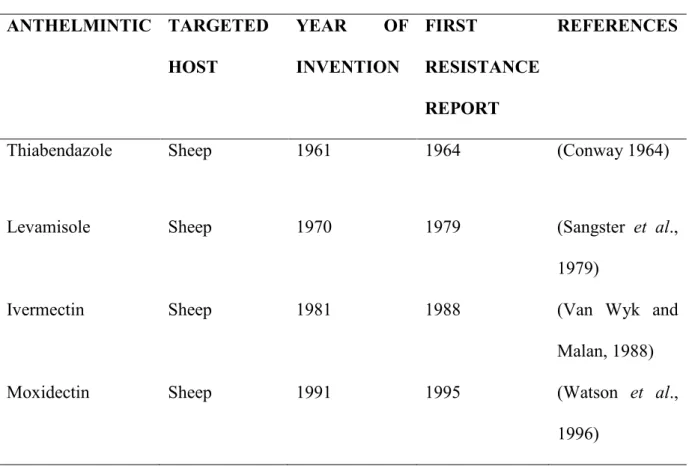
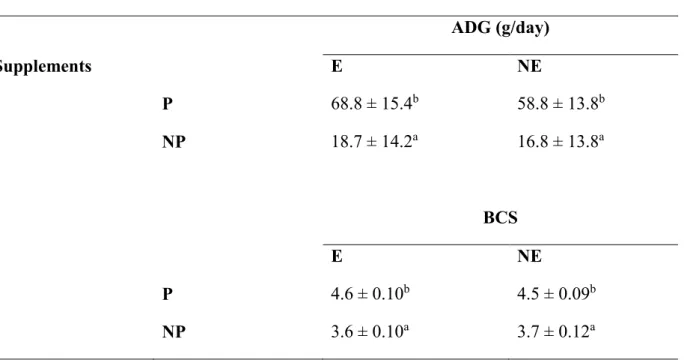
Table 2.1 Nematode egg identification table ... 13 Table 2.2 Anthelmintic used in gastrointestinal nematode (GIN) control in sheep... 21 Table 3.1 Chemical properties of Pennisetum clandestinum and Soyabean meal…………....43 Table 3.2 Body condition scoring scale used in the study ... 45 Table 3.3 Level of significance for average daily gain (ADG), body condition score (BCS), faecal egg count (FEC), cultured Haemonchus larvae (CHL3), and cultured Trichostrongylus larvae (CTL3) in lambs... 51 Table 3.4 Least square means (± standard error) for interaction between dietary protein and vitamin E supplementation on average daily gain and body condition scoring in lambs ... 52 Table 3.5 Least square means (± standard error) for interaction between dietary protein and vitamin E supplementation on faecal egg count, cultured Haemonchus larvae and cultured Trichostrongylus larvae in lambs ... 53 Table 4.1: FAMACHA scoring table used in the study………68 Table 4.2: Level of significance for FAMACHA scores, packed cell volume (PCV), haemoglobin (Hb), erythrocytes (RBC), mean corpuscular volume (MCV), mean corpuscular haemoglobin (MCH), mean corpuscular haemoglobin count (MCHC), leucocytes (WBC), lymphocytes and eosinophil concentration in lambs ... 73 Table 4.3: Least square means (± standard error) for interaction between dietary protein and vitamin E supplementation packed cell volume, haemoglobin and FAMACHA scores in lambs ... 74 Table 4.4: Least square means (± standard error) for interaction between dietary protein and vitamin E supplementation erythrocytes, mean corpuscular volume, mean corpuscular haemoglobin and mean corpuscular haemoglobin concentration in lambs ... 75
xiii Table 4.5: Least square means for interaction between dietary protein and vitamin E supplementation on leucocytes, lymphocytes and eosinophils in lambs ... 76
xiv List of Figures
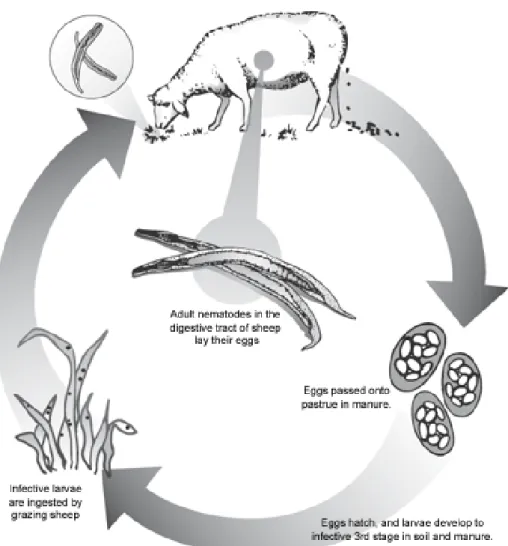
Figure 2.1: Lifecycle of gastrointestinal nematode of sheep ... 8
Figure 2.2: Faecal egg count (FEC) for lambs supplemented with dietary vitamin E either at 5.3 IU/kg BW/day (○) or 10 IU/kg BW/day (●) for a period of 11 weeks ... 25
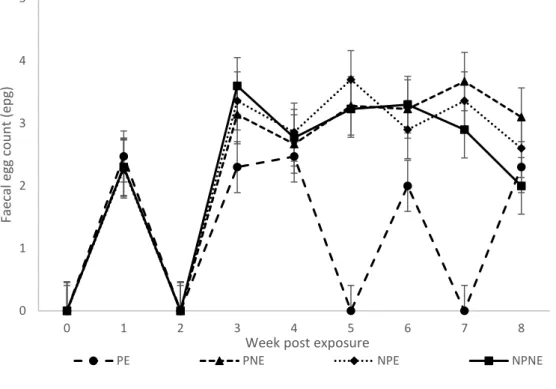
Figure 3.1: Effect of dietary protein and vitamin E supplementation on week post exposure (LSM ± SE) on FEC in lambs ... 54
xv List of Appendices
Appendix 1: University of KwaZulu-Natal Animal Ethics Research Committee Clearance (Reference number: AREC/096/015M) ... 91
1
CHAPTER 1: General Introduction
1.1 Background
The damages caused by parasite infection on sheep production is recognized worldwide (Charlier et al., 2014). Farmers graze sheep on natural pasture. Climatic stability favours the survival and harbour gastrointestinal nematodes (GIN) on pasture (Marufu et al., 2008). Poor pasture and grazing management lead to the vulnerability of ruminant to nematodes. The matured parasite reside in the gut of host, causing associated pathophysiological discomfort to sheep (Van Wyk et al., 1999) and increase pasture contamination and rate of reinfection.
Haemonchus, one of the major GIN parasites in sheep, sucks blood from the host intestine, which may cause haemorrhage in tissue. More so, Trichostrongylus infection results to diarrhoea. Treatment of GIN relies solely on anthelmintics. Levamisole, benzimidazole, avermectin, ivermectin, doramectin, moxidectin, closantel and milbemycins as common anthelmintics (Fleming et al., 2006). However, parasite activities on host may cause in- appetence and fatigue, hence, increase in lamb vulnerability to GIN infection.
The nutritional status of an animal may affect their response to GIN. Gastrointestinal parasite activity in the gut attack protein synthesis. Proteins are un-substitutable compounds which are broken down into essential amino acids needed for body metabolism. Dietary protein enhances growth and maintenance, especially in the intestine, muscle and tissue growth. Effective functioning of blood cells and antibody production depend on adequate protein consumption (Simone et al., 2005). Intestinal parasites disrupt and minimize the digestion, and utilization of dietary protein (Wallace et al., 1999). The damages caused by GIN to the blood cells and tissue may need to be restored since they are proteinaceous in nature. Supplementing dietary protein enhance blood cells and tissue performance with extra molecules lost during free radical production in a parasitic infection (Knox et al, 2003).
2
Vitamin E is a fat soluble antioxidant needed for optimum functioning of the muscular, circulatory, nervous, reproductive, and immune system (Larsen et al., 1988; Anugu et al., 2013). Vitamin E is absorbed in the gut of a host and motivates the immune cells, tissue and organ against foreign pathogens in an infected host. Han et al. (2006) reported that oral supplementation of dietary vitamin E enhanced cytokine function. Manipulation of the host nutrition, exploring dietary protein (Louvandini et al., 2006) and vitamin E supplementation (Martinez-Perez et al., 2014) may improve sheep performance against parasitism. The effect of dietary vitamin E supplementation on growth performance is yet to be documented.
Baker et al. (2002), reported a reduction in faecal egg counts (FEC), an increase in body weight gains and condition, and enhanced immune responsiveness in lambs supplied dietary protein and vitamin E supplementation (Anugu et al., 2013). The individual performance of dietary protein and vitamin E supplementation on parasitism has been overemphasized. However, there is a huge gap on the interaction between dietary protein and vitamin E supplementation on parasitism.
Globally, sheep production is mostly extensive. Therefore, the use of pasture or browses are irrevocable, and hence, acquiring GIN from such natural condition is undeniable. Increase in FEC, deteriorating growth rate, anaemia and decrease in haematological indices are indirect losses of GIN. Susceptibility of lambs to GIN, nematode resistance to anthelmintics and unavailability of a newer broad spectrum of anthelmintics, disturbed metabolism in digesting feed and utilization of nutrients, and sudden death are constraints. The interaction of dietary protein and vitamin E supplementation on lamb growth, faecal egg counts, and haematological indices is unknown.
3 1.2 Justification
Lambs are susceptible to infections and diseases, especially parasitism. The nutritional status of a host is challenged when infected with GIN and lamb performance is altered. Minimizing risks associated with nematode resistance to anthelmintics and safeguarding lamb health are the drive towards a nutritional therapeutic approach. The un-substitutable role of essential amino acids, which are derived from dietary protein and, the antioxidant function of fat soluble vitamin E cannot be overemphasized. Lambs maintained under an extensive grazing management, where climatic condition favours the morphological growth and survival of GIN, may require high nutritional demand.
The effectiveness of dietary protein supplementation to subside GIN consequences and enhance lamb performance may be dependent on dietary vitamin E supplementation.
Investigating the interaction of dietary protein and vitamin E supplementation on FEC and fecundity, growth performance and haematological indices is exigent before recommendation.
Interaction of dietary protein and vitamin E supplementation may boost immune responsiveness of sheep against parasitism. The study is expected to help mutton producers and nutritionists understand how the interaction of dietary protein and vitamin E supplementation may be used to fight parasitism. Findings from the study will assist extension agents with evidences to disseminate across to mutton producers.
1.3 Objectives
The broad objective was to determine the interaction of dietary protein and vitamin E supplementation on faecal egg counts, growth performance, and haematological indices.
4 The specific objectives were to:
1. Assess the interaction of dietary protein and vitamin E supplementation on FEC and growth performance in lambs; and
2. Determine the interaction of dietary protein and vitamin E supplementation on haematological indices in lambs.
1.4 Hypotheses
1. There is an interaction between dietary protein and vitamin E supplementation on FEC and growth performance in lambs.
2. There is an interaction between dietary protein and vitamin E supplementation on haematological indices in lambs.
1.5 References
Anugu, S., C. S. Petersson-Wolfe, G. F. Combs Jr. and K. H. Petersson. 2013. Effect of vitamin E on immune system of ewes during late pregnancy and lactation. Small Ruminant Research 111: 83-89.
Baker, R. L., Aynalem-Haile, S. Tembely, D. O. Anindo, Mukasa-Mugerwa, J. E. O. Rege and A. Yami. 2002. Effects of breed and dietary protein supplementation on the responses to gastrointestinal nematode infections in Ethiopian sheep. Small Ruminant Research 44: 247-261.
5
Charlier J, van der Voort M, Kenyon F, Skuce P, Vercruysse J. 2014. Chasing helminths and their economic impact on farmed ruminants. Trends Parasitol. 30:361–7.
Fleming, S. A., R. M. Craig and Kaplan. 2006. Anthelmintic resistance of Gastrointestinal Parasite in Small Ruminants. Journal of Veterinary Internal Medicine 20: 435-444.
Han, S. N. 2006. Age and vitamin E-induced changes in gene expression profiles of T cells.
Journal of Immunology 177: 6052-6061.
Knox, M. R., J. W. Steel, C. A. Anderson and L. L. Muir. 2003. Nutrition-parasite interactions in sheep. Australian Journal of Experimental Agriculture 43: 1383-1488.
Larsen, H. J., K. Moksnes and G. Overnes. 1988. Influence of selenium on antibody production in sheep. Research in Veterinary Science 45: 4-10.
Louvandini, H., C. F. M. Veloso, G. R. Paludo, A. Dell'Porto, S. M. Gennari and C. M.
McManus. 2006. Influence of protein supplementation on the resistance and resilience on young hair sheep naturally infected with gastrointestinal nematodes during rainy and dry seasons. Veterinary Parasitology 137: 103-111.
Martinez-Perez, J. M., M. Martinez-Valladares, D. Robles-Perez, J. Benavides, L. Moran, S.
Andres, F. J. Giraldez and F. A. Rojo-Vazquez. 2014. Effect of dietary supplementation with flaxseed oil or vitamin E on sheep experimentally infected with Fasciola hepatica.
Research in Veterinary Science 97 71-79.
6
Marufu, M. C., M. Chimonyo, K. Dzama and C. Mapiye. 2008. Egg loads of gastrointestinal strongyles in Nguni cattle on communal rangelands in the semi-arid areas. A poster at the World Association for Animal Production, the South African Society for Animal Science and the All-Africa Association of Animal Production 10th world conference on animal production held on the 23-28 November 2008 in Cape Town, South Africa.
Book of Abstracts, 188 (Wangeningen Academic Publishers: The Netherlands).
Simone, D. N., E. Raschi, C. Testoni, R. Castellani, M. D'Asta, T. Shi, S. A. Krilis, A. Caruso and P. L. Meroni. 2005. Pathogenic role of anti-β2-glycoprotein I antibodies in antiphospholipid associated fetal loss: characterization of β2-glycoprotein I binding to trophoblast cells and functional effects of anti-β2-glycoprotein I antibodies in vitro.
Annals of the Rheumatic Diseases 64.3: 462-467 64.3: 462-467.
Van Wyk, J. A., M. O. Stenson, J. S. Vander Merwe, R. J. Vorster and P. G. Viljoen. 1999.
Anthelmintic resistance in South Africa: Surveys indicate an extremely serious situation in sheep and goat farming. Onderstepoort Journal of Veterinary Research 66:
273-284.
Wallace, D. S., K. Bairden, K. Duncan, J. L. Eckersall, J. L. Fishwick, G. Holmes, P. H.
Mckellar, Q. A. Mitchell, S. Murray, J. J. Parkins and M. J. Stear. 1999. The influence of increased feeding on the susceptibility of sheep to infection with Haemonchus conturtus. Journal of Agricultural Science 69: 457-463.
7
CHAPTER 2: Literature review
2.1 Introduction
In the tropics and sub-tropics, the massive effect of GIN in sheep has led to the need for developing a sustainable nematode control strategies. Manipulation of host nutrition may be sustainable against GIN infestation (Khan et al., 2012; Anugu et al., 2013). The review discusses the possibilities of combating GIN through dietary protein and vitamin E supplementation in lambs.
2.2 Effects of gastrointestinal nematodes
Gastrointestinal worms inflict pain and discomfort to an infected sheep. Marufu et al. (2008) reported that rainfall, temperature and humidity contributes to nematode development. The excreted eggs in the faeces of an infected animal develops into L1 and then moult into L2,under a favourable weather condition. The L2 survives on bacteria at this stage until it develops into L3. The L3 larvae then move up grass blades and become ready for ingestion. The L3 is picked up when sheep are grazed on contaminated pasture and the L3 nematode migrates down the intestine, then moult into L4 (Figure 2.1)(Hale, 2006). At this stage, the health status of sheep is compromised (Van Wyk et al., 2004).
Coffey et al. (2007) reported that a complete nematode life cycle takes between 18 – 23 days and reproduction in nematodiosis involves both matured adult male and female worms. Young lambs are more susceptible to parasitic infection (Van Wyk et al., 2004). Parasitic activities may reduce feed intake and flow rate of the digesta.
8
Figure 2.1: Lifecycle of gastrointestinal nematode of sheep Source: Scheuerle (2009)
9
Submandibular oedema, fatigue, and diarrhoea are physical signs and symptoms of nematodiosis (Van Wyk et al., 2004). Hypoproteinaemia, malnutrition and in-absorption of nutrients in the gut, anaemia, anorexia, low milk production, reduced litter size, intestinal perforation and sudden death are graduated consequences (Van Wyk et al., 2004).
Haemonchus and Trichostrongylus reside in the abomasa mucosa. Hemonchus are known for their blood sucking characteristics, which may lead to a haemorrhage of the tissue (Valentine et al., 2007). Haemonchus and Trichostrongylus in the gut elevate the abomasa pH, through increased microbial processes (Simcock et al., 2006). These processes may be due to parasitic fecundity and GIN excreted product. Also, the matured GIN in the intestine alters gastrointestinal hormonal response, cholescytokin and gastrin. Therefore, an increase in hormone concentration (Fox, 1997).
Affected sheep may immediately show signs of parasitism, especially when they are nutritionally unstable. Sheep maintained under a field grazing pattern are more vulnerable and may be challenged with a mixed infection of different nematode genera. The impact of nematodiosis on the host is influenced by the extremity of the infection coupled with the immune status and the physiological structure of affected animal (Anugu et al., 2013). In Australia, the damages impacted by parasitism was estimated to be over $260 million per annum (Baker et al., 1990). High prevalence of parasitism was reported to be between 51 - 100
% in Germany (Moritz, 2005). A report shows that South Africa may have the highest percentage of Haemonchus infection in the world (Van Wyk et al., 1999). Measuring GIN fertility and epidemiology is essential since nematodes are threatening to sheep health and productivity.
10 2.3 Measures of nematodiosis
Several methods and strategies may be used to explain the impact of nematodiosis in sheep.
These may include, body weight gains, faecal egg count, antibody production and concentrations, biochemical responses, haematological responses, and histopathological performance of sheep.
2.3.1 Body weight gain
Growth may be expressed as an increase in size or body weight gain and one criteria for
assessing improvement in sheep. Increased body weight gains may be as a result of an efficient absorption and conversion of nutrients for body growth and maintenance (Haile et al., 2004).
The inefficient absorption of nutrient into the gut for proper utilisation and metabolic processes affects body weight gains. Gastrointestinal parasite infection causes a huge loss in nitrogen through the faeces. Therefore, GIN activities induce a high loss of endogenous protein through faeces (Haile et al., 2004).
Elucidating body weight gains of an infected lamb is one vital tool in determining lamb growth.
Poor nutrient availability in forage may affect sheep growth performance. Body weight gains of lambs naturally infected with mixed infection of Haemonchus, Trichostrongylus, Trichuris and Moniezia was monitored to evaluate the effect of nematodiosis in sheep (Louvandini et al., 2006). Gastrointestinal parasite activities in the rumen alter the efficient digestion of rumen microbe which function in body tissue growth. Induced pain, increased sheep vulnerability to GIN infection and decreased body weight gains are aggravated consequences. Body weight gains can be measured conventionally with the use of an electronic digital scale. Similarly, average daily weight gain of an animal is calculated by the difference between an initial weight
11
and the weight gain at the next weigh, then divided by the period between the initial and next body weight gain to arrive at the average gain.
next weigh – Initial weight
The period between the initial and next weigh
Salako and Ngere (2002), reported that mutton production is enhanced by the weight of mutton in some developed countries, whereby body weight gains of sheep is directly related to profitability in the mutton industry. There is scanty information on body weight gains of sheep naturally infected with a mixed GIN infection.
2.3.2 Body condition scores
Apart from the conventional measurement used in determining body weight gains in sheep, growth improvement can also be achieved through body condition scores. Condition scoring is a physical and indirect method of measuring fat deposition in livestock (Jefferies, 1961). The process is done by examining the amount of muscle and fat covering the lumber vertebrae in the loin region, rib cage and sternum of sheep. More so, caressing the spinous process around the lamb back carefully will help to effectively assess lamb body condition. Both hands can be used in assessing each spinous process to give an accurate condition of the ridges around the spine and assessing the transverse process to ascertain sharpness is necessary (Gerhart et al., 1996). In addition, assessing the rib cage intercostal spaces to confirm surrounding fat is of the essence. Body condition scores was used to evaluate the impact of Haemonchus and Trichostrongylus in experimentally infected goats (Mhomga et al., 2012).
12 2.3.3 Faecal egg counts
Nematode eggs are relatively small and oval in shape and may be in different sizes and colour (Table 2.1). However, nematode species share the same morphological growth and reproduction process. Faecal egg count is used in assessing the number of endoparasitic eggs present in the faeces of a host. The method may also be feasible in determining parasite burden and the species of worm present in an infected host (Van Wyk and Bath, 2002). Quantification of FEC before and after treatment may help to identify the effectiveness of treatment strategy.
The number of eggs passed per gram (epg) of faeces may be influenced by host resistance ability, diarrhoea, nutritional status and the type of sexually matured parasites present in the intestine of the host (Love and Hutchinson, 2003). A nematode egg counts above 500 is considered high enough for a treatment intervention (Cole, 1986).
The increase in the bacteria content of the abomasum due to parasite activities causes a reduction in microbial abundance, resulting in pathogenic consequences, especially in the protein synthesis of infected host (Li et al., 2016). Faecal egg production in the gut of an infected animal elevates the abomasa pH. In addition, there is a strong relationship between GIN eggs production and elevated abomasum pH values in infected sheep (Simpson et al., 1997). The abomasa pH of infection with Haemonchus was higher in infected lambs than the non-infected group (Li et al., 2016). The pH of the non-infected group was 2.9, whereas the infected group had a 4.5 pH value (Li et al., 2016). Therefore, an elevated pH value may be due to a high faecal egg production in the abomasa mucosa of sheep infected with nematodiosis.
13 Table 2.1: Nematode egg identification table
Characteristics of
nematode eggs Haemonchus Trichostrongylus
Colour Yellowish Light brown
Length 70 – 85 µm 47 – 65 µm
Width 44 µm 25 – 26 µm
Comment Relatively ovular in shape
compared to other eggs
Circularly shaped and very small compared to other nematode eggs
(Van Wyk et al., 2004)
14 2.3.4 Haematological indices
Packed cell volume (PCV) describes the volume percentage of erythrocytes (RBC) in the blood. Mean corpuscular volume (MCV) is a branch of RBC indices used in diagnosing the cause of anaemia in an infected lamb. Mean corpuscular haemoglobin (MCH) is the average mass of haemoglobin (Hb) in RBC. Mean corpuscular haemoglobin concentration (MCHC) is a branch of RBC indices which measures about average concentration of Hb in RBC. Mean corpuscular haemoglobin and MCHC function in diagnosing the type and the extremity of blood anaemia in a host. An alteration in the structure, mass or concentration of MCV, MCH and MCHC may indicate a mild or extreme anaemic condition in a host.
These haematological indices are responsible for diagnosis, prevention and expulsion of a viral, parasitic infection or disease. Erythrocytes are round shaped cells which protect the integrity and survival of the plasma membrane (Rodriguez et al., 2015). Haemoglobins and RBCs have a relationship function in oxygen absorption and transportation to cells and body tissue. A decrease in PCV indirectly affects RBC and Hb concentrations, since PCV percentage account for total RBC in an infected host and Hb concentrations may not be probably absorbed when RBC is low. Parasite manifestation may cause a reduction in the oxygen level in the plasma membrane due to their blood sucking characteristics from the gut (Martinez-Perez et al., 2014).
Microcytic anaemia is a depletion in the concentration of RBC, MCV, MCH and MCHC in parasited host.
The buccal cavity of Haemonchus attach to the abomasa wall of an infected sheep and causes severe pain and blood loss (Van Wyk et al., 2004). Urquhart (1996), reported that matured male and female Haemonchus in the abomasa mucosa sucks about 0.03 mL/worm/day. The blood loss in the abomasa mucosa of sheep resulted into body weight loss, a decrease in wool
15
growth, and reduced feed intake (Hayat et al., 1996). A report on Hb concentrations in infected sheep revealed that GIN induced a gradual reduction (P<0.05) in Hb concentrations when sheep are exposed to an experimental GIN infection (Bordoloi et al., 2012). Similarly, PCV declined (P<0.05) in sheep experimentally infected with nematodiosis and a reduction (P<0.01) in RBCs was observed in the same group of sheep (Bordoloi et al., 2012). Also, iron deficiency, malnutrition, in-absorption of nutrients and reduced haemoglobin concentrations may also lead to blood loss in the gut (Rodriguez et al., 2015).
Leucocytes combat infection and foreign pathogens which may be dangerous to the health of an animal (Meeusen and Balic, 2001). Hypoproteinaemia may lead to severe anaemia, reduced immunity and increase vulnerability to GIN infection. Eosinophil concentration are usually low in the blood. An increase in blood eosinophil concentrations may be associated with a synthetic reaction, inflammatory disorder, or parasitism (Rodriguez et al., 2015). Lymphocytes function through increased cytotoxic granules, enhanced antibody, and T helper cells necessary for immune activation against foreign pathogen. A prolonged infection may lead to lymphocytopenia or lymphocytosis and dangerous to lamb health status. The haematological response of GIN infected sheep need to be monitored, since GIN affects effective blood cell function.
2.3.5 FAMACHA
The FAMACHA technique was developed in Onderstepoort Veterinary Institute (OVI), South Africa (Van Wyk et al., 1996). The technique may be used to identify a sick animal within a flock. The procedure was established for small resource farmers in assisting them to adequately and cheaply assess sheep health without the use of laboratory equipments or diagnosis (Van Wyk and Bath, 2002). Most sheep producers adopt the use of the FAMACHA technique to
16
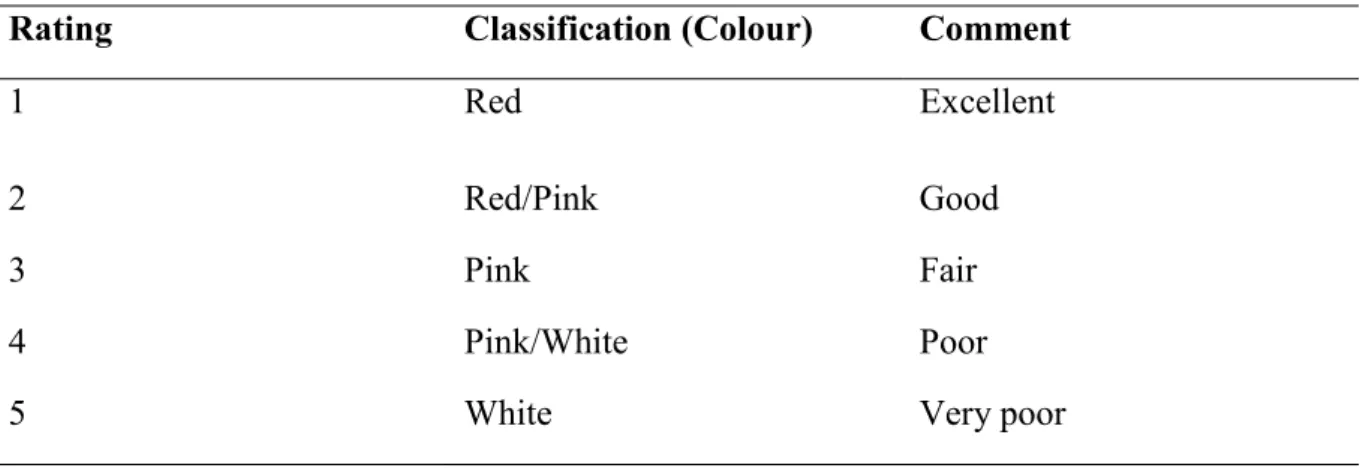
identify the most vulnerable animal among flock (Kaplan, 2004). Examining the lower eyelid for possible anaemia may be necessary in an infected animal. Based on the colour of the eyelid, an immediate treatment can be given to affected animal (Mahieu et al., 2007). The colour of the mucous membrane may be scored between 1 and 5 to ascertain the severity of the parasitic infection (Red – White). Lambs with a mild or severe signs of anaemia may be due to malnutrition or hyperproteinaemia. The FAMACHA technique may be used in diagnoses and a good indication of an anaemic condition which may challenge sheep health status (Rodriguez et al., 2015).
2.3.6 Histopathology
Assessing the intestinal cells and tissue may be useful in qualification and quantification of GIN damages. The histological assessment of the abomasa mucosa of a host explains the severity of GIN infection and worm burden in sheep. Examination of the intestinal tissue and organ, and presence of lymphoid follicles and eosinophils at the site of infection may also explain GIN impact in infected host (Martinez-Perez et al., 2014). The inflammatory activity of GIN in the gastrointestinal tract leads to the activation of the mast cell responses, which engage the release of histamine and other associated inflammatory receptors (Voehringer, 2013). The mast cell activities are characterized by their allergic responsiveness at the site of infection. Mast cells may increase during a parasitic infection. Assessing the histopathological impact of GIN on intestinal organ and tissue is warranted in an infected host (De wolf et al., 2014).
2.3.7 Immunology
Matured sheep are more immune to infection and harbour fewer adult worms. However, consistent exposure to some level of parasitism may be required to maintain their immunity
17
(McKenna, 1981). The main function of B lymphocytes is in the production of antibodies against foreign pathogen. The fusion of pathogens to B lymphocytes coupled with signalling from T helper cells activates lymphocytes to multiply and diffuse into the blood, which then produces a large amount of antibodies (immunoglobulins) in the blood which then fight parasitism (McRae et al., 2014).
Few numbers of antibodies are affected by GIN, immunoglobulin A (IgA), immunoglobulin G1 (IgG1) and immunoglobulin E (IgE). Immunoglobulin A (IgA) is commonly found at the site of a GIN infection. An increased production of IgA at the site of infection is related to Teladorsagia resistance and GIN fecundity (McRae et al., 2014).
2.3.8 Biochemical response
Serum enzymes are made up of proteins and the activities of GIN may elevate the concentration of serum enzymes. Total protein (TP), globulin (Glob), serum protein (SP), serum albumin (SAL), alkaline phosphatase (ALP), alanine aminotransferase (ALT) and aspartate aminotransferase (AST) are used in parasitic diagnosis and prognosis (Bordoloi et al., 2012).
Total protein, Glob, SP and SAL are essential serum protein involved in osmotic regulation of the plasma in transporting lipids and steroid hormones. Lipids enhance the immune function of the cell. Serum enzymes are used to monitor a change in the physiological pattern of the blood or liver. The increase in serum enzyme levels are signs of perilous activities in organ and tissues. An altered membrane permeability may increase serum enzyme levels. Alanine aminotransferase and AST varied significantly after a complete Haemonchus life cycle in host body (Bordoloi et al., 2012).
18
Serum protein and serum albumin level significantly decreased in an experimental infection of GIN. A fall in SP and SAL normal threshold is known as hypoproteinaemia and hypoalbuminaemia (Bordoloi et al., 2012). Oedema in sheep is a physiological sign and symptoms of hypoproteinaemia and hypoalbuminaemia. Similarly, elevated ALP, ALT and AST concentrations in sheep may be attributed to GIN activities in the host abomasa mucosa (Bordoloi et al., 2012).
2.4 Nematode control
Since the economic importance of GIN compromises lambs performance and production, there is a need for a method of controlling nematodiosis. Pasture management (Van Wyk et al., 1999), efficacious anthelmintic product (Kohler, 2001) and nutritional therapy (Louvandini et al., 2006; Khan et al., 2012; Martinez-Perez et al., 2014) are used for controlling GIN.
2.4.1 Pasture management
Over the years, pasture management has been one of the methods of controlling GIN which may reduce the rate of re-infection and in turn create a safe pasture for grazing (Van Wyk et al., 1999). Coincidentally, weather instability of some areas rendered pasture management void. Controlling stocking density, rotational grazing, and segregation of age differences in more intensified production system are strategies used in the control of GIN infection.
However, the control strategy require adequate knowledge into the epidemiology of nematode genera, seasonal availability, climate change, flock structure, and capital intensive.
19 2.4.2 Use of anthelmintics
Parasite control depend on the effectiveness of anthelmintic. Ivermectin, doramectin, moxidectin and closantel are drugs used against the premature and mature stages of GIN (Kohler, 2001). Most anthelmintics are used in improving protein kinases in regard to GIN control. Benzimidazole effect is by binding to B-tubulin in the formation of microtubules (Kohler, 2001). Avermectins binds with the protein glutamate and gamma-amino butyric acid, which then halt or eliminate the parasite from host (Prichard, 2001). Coincidentally, anthelmintics resistance by nematode has been reported (Fleming et al., 2006).
In addition, the whole class of anthelmintics, levamisole, benzimidazole, avermectins, ivermectin, doramectin, moxidectin, closantel and milbemycins are affected by nematode resistance (Fleming et al., 2006). Resistance can occur in various forms, which may involve a change in the molecular target, whereby the synthetic drug fails to recognize the targeted parasite, thus, inefficient (Van Wyk and Malan, 1988). Also, a change in operational activity of the activator, evacuating the drug from its target, or avert it activation. Furthermore, a change in the way of diffusion of the active agent, stopping the active agent from accessing its spot of operation; and multiplication of targeted genes which in turn overpowers the drug’s activity.
Benzimidazole resistance is related to mutations in β-tubulin genes, which intercept the active agent fusion (Prichard, 2001). Similarly, avermectin and milbemycin resistance is related to a change in glutamate-gated chloride channelling (GluCl) and or, gamma-aminobutyric acid (GABA), an overexpression of P-glycoproteins and levamisole which mutation is associated with a change in nicotinic acetylcholine receptors. Anthelmintic resistance of susceptible lamb maintained under natural condition is not well documented, or rather outdated as many of these
20
reports were done over a decade or more (Table 2.2) (Watson et al., 1996; Van Wyk and Malan, 1999; Wolstenholme et al., 2004; Kaplan, 2006; Fleming et al., 2006).
Notably, anthelmintic treatment strategy is considered a forceful host immune responsiveness to parasitism. The most sustainable host defence response against parasitism is reported to be an acquired immunity (Stear et al., 1996). However, this is developed over time in relation to GIN challenge and determined by age and the nutritional status of such animal (Houdijk et al., 2005).
2.4.3 Nutrition
Nematodiosis may be considered a nutritional parasitism since parasite activities induce in- appetence, inefficient digestion and removal of nutrients needed for tissue maintenance and restoration (Hoste et al., 1997).
Manipulation of host nutrition may supply the nutrient required to improve immunity against parasitism or preserve the tissue or haematological responses and enhance productivity, despite the existence of parasitism. It has been reported that GIN pathogenesis affects dietary protein synthesis, rather than other nutrient components, including dietary energy (Bown et al., 1991).
Proteins are complex compounds which play a critical role in body metabolism. Protein consists of hundreds of thousands of smaller units, namely amino acids, which are bonded together in chains.
21
Table 2.2 Anthelmintic used in gastrointestinal nematode (GIN) control in sheep ANTHELMINTIC TARGETED
HOST
YEAR OF INVENTION
FIRST
RESISTANCE REPORT
REFERENCES
Thiabendazole Sheep 1961 1964 (Conway 1964)
Levamisole Sheep 1970 1979 (Sangster et al.,
1979)
Ivermectin Sheep 1981 1988 (Van Wyk and
Malan, 1988)
Moxidectin Sheep 1991 1995 (Watson et al.,
1996)
22
They contribute to various functions, such as, the fusion of antibodies to protect the body against foreign pathogens (Simone et al., 2005); enhancement of enzymes chemical processes in the cells and giving support with the formation of new molecules, translating the genetic information in DNA. In addition, protein exists in signalling between cells, organs and tissues through hormones; they also provide supports for cell structures on a large scale and regulate atoms and small molecules through body cells.
Vitamin E is a fat soluble antioxidant and a critical nutrient in animal health, inclusively human.
The nutrient has proven essential against free radical injury (Smith and Bryant, 1989a) and strengthening the immune system, and mitigating mortality in pregnant ewe (Anugu et al., 2013). Vitamin E are closely related compounds of plant origin and occur in two forms, tocopherols and tocotrienols. Han and Meydani (2000), reported the most active ingredient form of vitamin E in nature to be α-tocopherol.
The main site of absorption in the body is the intestinal compartment and it is either dispensed as esters or alcohol. Damages caused by GIN in the body of the host are associated with chemical changes in the cells, known as lipid peroxidation (Rehim et al., 2003). Intestinal parasites decreases the amino acids needful for optimum functioning of the intestinal cells and tissue (Wallace et al., 1999). The lining tissues in the intestine are challenged with the needful nutrients essential for adequate and efficient growth. Body tissues and immune system seems to be competing for the little amino acids derived from grazed pasture in parasitized sheep. The larvae and matured GIN inflicts severe damage to and sloughing of the abomasa and intestinal wall, extracellular substances, leakage of plasma and increase in mucus development (Wallace et al., 1999). The damages impacted by GIN to tissue and cell need to be restored since they are proteinaceous in nature.
23
Similarly, the host responses to GIN infection is by stimulating effector cells, organs and tissues which fight foreign pathogen in the body of the host (Larsen et al., 1988). Vitamin E, an antioxidant which multiplies T cells through increased cellular components of cytokine interleukin 2 (IL-2) (Meydani et al., 1990). Type helper, Th1 and Th2 of an infected animal may be moved to Th1 type response in the course of vitamin E supplementation (Han, 2006).
Oral supplementation of vitamin E has proven feasible increasing the production of IL-2, a vital Th cytokine (Han, 2006). Since naturally manufactured antioxidant are not sufficient to suppress GIN processes, it’s important to provide infected hosts with extra antioxidant to regulate the emergence need. Hence, strengthening components of the immune system in ruminant through improved antibody performance against foreign pathogens (Politis et al., 1995).
Dietary protein supplementation increases body weight gain of Merino lamb at different inclusion levels (Deng et al., 2001). However, Martinez-Perez et al. (2014) reported low body weight gain in liver fluke parasitic lamb supplied with dietary vitamin E. More so, lamb body weight gains were not established in recent studies on GIN (MacGlafin et al., 2011; De wolf et al., 2014). Mhomga et al. (2012), reported a significant effect of high dietary protein supplementation on BCS in goat naturally infected with a mixed infection of Haemonchus and Trichostrongylus. Similarly, Khan et al. (2012), reported that dietary protein supplementation significantly increased BCS in experimentally infected lambs. There is no information on the effect of dietary vitamin E supplementation on BCS in lambs.
Deng et al. (2001) explained that young merino sheep supplied a diet that contained cottonseed meal at different levels had reduced FEC. Results on the effect of dietary vitamin E supplementation on FEC was not significant (MacGlafin et al., 2011; De wolf et al., 2014).
24
However, dietary vitamin E supplementation had a 49 % reduction on FEC (De wolf et al., 2014). Increased dietary vitamin E supplementation at 10 IU/kg BW/day or 5.3 IU/kg BW/day reduced FEC fecundity of experimentally infected lambs over time (Figure 2.2).
Packed cell volume (PCV) and haemoglobin (Hb) increased in GIN infected lambs supplied high dietary protein supplement (Khan et al., 2012). Similarly, there was an influence of high dietary protein supplementation on eosinophil concentration in lambs (Khan et al., 2012).
Dietary vitamin E supplementation had no effect on PCV (MacGlafin et al., 2011).
Martinez-Perez et al. (2014), reported that dietary vitamin E supplementation on sheep experimentally infected with Fasciliosis, a liver fluke kind of parasitism, may improve certain haematological performance like, mean corpuscular haemoglobin (MCH) and mean corpuscular haemoglobin concentration (MCHC). However, dietary vitamin E supplementation may not improve leucocyte (WBC), lymphocytes and erythrocytes (RBC) performance. Recent studies on dietary protein supplementation did not investigate the nutrient effect on WBC, RBC, MCH, MCHC (Louvandini et al., 2006; Khan et al., 2012).
The level of dietary protein and vitamin E in a diet, forage or feed influences the ability of infected host to fight parasitism (Han, 2006; Louvandini et al., 2006; Martinez-Perez et al., 2014). Successful individual performance of dietary protein (Deng et al., 2001; Louvandini et al., 2006; Khan et al., 2012) and vitamin E supplementation (De wolf et al., 2011; Anugu et al., 2013; Martinez-Perez et al., 2014) improved host performance against parasitic infections, especially Haemonchus and Trichostrongylus.
25
Figure 2.2: Faecal egg count (FEC) for lambs supplemented with dietary vitamin E either at 5.3 IU/kg BW/day (○) or 10 IU/kg BW/day (●) for a period of 11 weeks
Source: De wolf et al (2014)
0 200 400 600 800 1000
-1 0 1 2 3 4 5 6 7 8 9 10 11
Faecal Egg Count (egg per gram)
Weeks of Study
26
Therefore, it could be interesting to elucidate the rate at which the performance of lambs supplemented with dietary vitamin E may be influenced when supplied an adequate amount of dietary protein supplementation. Similarly, there is no information on the interaction of dietary protein and vitamin E supplementation on GIN naturally infected lambs. Elucidating the interaction of dietary protein and vitamin E supplementation on growth, FEC and haematological performance is of essence since the effect of parasitism is detrimental to lamb health and production. Supplementing both dietary protein and vitamin E may improve lamb performance, rather than one or none of both.
2.5 Summary
The deteriorating influence of GIN to sheep health and productivity cannot be overemphasized.
Monitoring GIN measures in lamb explains the impact of nematodiosis on growth performance and blood profile. Pasture management may reduce the rate of reinfection and pasture contamination. Climate change and other associated factors may render such preventive method void. Anthelmintic treatment was introduced to combat parasitism. However, intestinal nematodes are resistant to all classes of anthelmintics. The body mechanisms that enhance growth and immune performance are proteinaceous in nature and antioxidant function against free radical production in tissue, organ and cell damages. Thus, the influence of dietary protein and vitamin E supplementation in improving lamb productivity and health status cannot be underestimated. Therefore, the need to explore the interaction of dietary protein and vitamin E supplementation in GIN naturally infected lambs. The broad objective of the current study is to assess the interaction of dietary protein and vitamin E supplementation on faecal egg counts, growth performance and haematological indices in gastrointestinal nematode naturally infected lambs.
27 2.6 References
Anugu, S., C. S. Petersson-Wolfe, G. F. Combs Jr. and K. H. Petersson. 2013. Effect of vitamin E on immune system of ewes during late pregnancy and lactation. Small Ruminant Research 111: 83-89.
Baker, R. L., T. G. Watson, S. A. Bisset and A. Vlossoff. 1990. Breeding Romney sheep which are resistant to gastro-intestinal parasites. Proceedings of the Australian Association of Animal Breeding and Genetics 50: 417.
Bordoloi, G., R. Jas and J.D. Ghosh. 2012. Changes in haemato-biochemical pattern due to experimentally induced haemonchosis in Sahabadi sheep. Journal of Parasitic Diseases 36(1):101 – 105.
Bown, M.D., D.P. Poppi, and A.R. Sykes. 1991. The effect of post ruminal infusion of protein or energy on the pathophysiology of Trichostrongylus colubriformis infection and body composition in lambs. Australian Journal of Agricultural Research. 42: 253–267.
Coffey, V.G., A. Shield, B.J. Canny, K.A. Carey, D and J.A Cameron-Smith. 2007. Hawley Interaction of contractile activity and training history on mRNA abundance in skeletal muscle from trained athletes. American Journal of Physiology-Endocrinology and Metabolism. 290 pp. E849–E855.
Cole, V. G. 1986. Animal Health in Australia Volume 8, Helminth Parasites of Sheep and Cattle. Australian Agricultural Health and Quarantine Service, Department of Primary Industries, AGPS, Canberra.
28
Conway, D. P. 1964. Variance in effectiveness of thiabendazole against Haemonchus contortus in sheep. American Journal of Veterinary Research 25: 884-845.
Deng, K., M. R. Knox, C. W. Wong and J. V. Nolan. 2001. Long-term effect of dietary protein supplementation on growth and immunity of lambs infected with Trichnostrongylus colubriformis. Recent Advances in Animal Nutrition in Australia 13: 24A.
De-wolf, B. M., A. M. Zajac, K. A. Hoffer, B. L. Sartini, S. Bowdridge, T. LaRoith and K. H.
Petersson. 2014. The effect of vitamin E supplementation on an experimental Haemonchus contortus infection in lambs. Veterinary Parasitology 205: 140-149.
Fleming, S. A., R. M. Craig and Kaplan. 2006. Anthelmintic resistance of Gastrointestinal Parasite in Small Ruminants. Journal of Veterinary Internal Medicine 20: 435-444.
Fox, M.T. 1997. Pathophysiology of infection with gastrointestinal nematodes in domestic ruminants: recent developments. Veterinary Parasitology. 72: 285-308.
Gerhart, K. L., R. G. White, R. D. Cameron and D. E. Russell. 1996. Estimating fat content of caribou from body condition scores. Journal of Wildlife Management 60: 713-718.
Haile, A., Anindo, O.D., Tembely, S., Mukasa-Mugerwa, E., Tibbo, M., Yami, A., Baker, K.L.
and Rege, J.E.O. 2004. Effect of dietary protein supplementation and infection with gastrointestinal nematode parasites on some nutritional and metabolic parameters in Ethiopian Menz and Horro sheep. Livestock Production Science. 9:183 – 195.
29
Hale, M. 2006. Managing internal parasites in sheep and goats. http:// www.attra.ncat.org/attra- pub/PDF/parasitesheep.pdf 1-800-346-9140. (Version 100406).
Han, S. N. and S. N. Meydani. 2000. Antioxidants, cytokines and influenza infection in mice and elderly humans. Journal of Infective Disease 182: S74-80.
Hayat, C.S, S.M. Hussain, Z. Iqbal, B. Hayat, and M. Akhtar. 1996. Effect of parasitic nematodes on haematology and productivity of sheep. Pak Vet J 16(2):81–83.
Han, S. N. 2006. Age and vitamin E-induced changes in gene expression profiles of T cells.
Journal of Immunology 177: 6052-6061.
Hoste, H., F. Huby and S. Mallet. 1997. Strongylus gastrointestinal parasites of ruminants:
physiopathology and consequences. Veterinary Parasitol. 28, 53–59.
Houdijk, J.G.M, I. Kyriazakis, F. Jackson, J. F. Huntley and R.L Coop. 2005. Effects of protein supply and reproductive status on local and systemic immune responses to Teladorsagia circumcincta in sheep. Veterinary Parasitol; 129: 105–117.
Jefferies, B. C. 1961. Body Condition Scoring and Its Use in Management. Tasmania Journal of Agricultural Science. 32: 19–21.
Kaplan, R., 2005. Responding to the emergence of multiple-drug resistant Haemonchus contortus: Smart Drenching and FAMACHA©. In Proceedings of the Georgia Veterinary Medical Association 2004 Food Animal Conference, Irwinville, GA (1-9).
HA% 20response% 20to% 20requests% 20from% 20produc ers% 20v4. pdf.
30
Kaplan, R. M. 2004. Validation of the FAMACHA eye color chart for detecting clinical anaemia in sheep and goats on farms in the south United States. Veterinary Parasitology 123: 105-120.
Khan, F.A., Sahoo, A., Sonawane, G.G., Karim, S.A, Dhakad, S., Pareek, A.K., and Tripathi, B.N. 2012. Effect of dietary protein on responses of lambs to repeated Haemonchus contortus infection. Journal of Livestock Science 150: 143-151.
Kohler, E., M.A. Umilta, Gallese, V., Fogassi, L., Fadiga, L., Keysers, C. and Rizzolatti, G.
2001. I know what you are doing: A neurophysiological study. Neuron, 31(1), pp.155- 165.
Larsen, H. J., K. Moksnes and G. Overnes. 1988. Influence of selenium on antibody production in sheep. Research in Veterinary Science 45: 4-10.
Li, R.W., W. Li, J. Sun, P. Yu, R.L. Baldwin and J.F., Urban. 2016. The effect of helminth infection on the microbial composition and structure of the caprine abomasal microiome. Scientific Reports.6:20606DOI:10.1038/srep20606.
Louvandini, H., C. F. M. Veloso, G. R. Paludo, A. Dell'Porto, S. M. Gennari and C. M.
McManus. 2006. Influence of protein supplementation on the resistance and resilience on young hair sheep naturally infected with gastrointestinal nematodes during rainy and dry seasons. Veterinary Parasitology 137: 103-111.
31
Love, S. C. J. and G. W. Hutchinson. 2003. Pathology and diagnosis of internal parasites in ruminants. In Gross Pathology of Ruminants, Proceedings 350, Post Graduate Foundation in Veterinary Science, University of Sydney 16: 309-338.
Mac-Glaflin, C. E., A. M. Zajac, K. A. Rego and K. H. Petersson. 2011. Effect of vitamin E supplementation on naturally acquired parasitic infection in lambs. Veterinary Parasitology 175: 300-305.
Mahieu, M., R. Arquet, T. Kandassamy, N. Mandonnet and H. Hoste. 2007. Evaluation of targeted drenching using FAMACHA method in Creole goat: reduction of anthelmintic use, and effect on kid production and pasture contamination. Veterinary Parasitology 28: 271-273.
Martinez-Perez, J. M., M. Martinez-Valladares, D. Robles-Perez, J. Benavides, L. Moran, S.
Andres, F. J. Giraldez and F. A. Rojo-Vazquez. 2014. Effect of dietary supplementation with flaxseed oil or vitamin E on sheep experimentally infected with Fasciola hepatica.
Research in Veterinary Science 97 71-79.
Marufu, M. C., M. Chimonyo, K. Dzama and C. Mapiye. 2008. Egg loads of gastrointestinal strongyles in Nguni cattle on communal rangelands in the semi-arid areas. A poster at the World Association for Animal Production, the South African Society for Animal Science and the All-Africa Association of Animal Production 10th world conference on animal production held on the 23-28 November 2008 in Cape Town, South Africa.
Book of Abstracts, 188 (Wangeningen Academic Publishers: The Netherlands).
32
Maydani, S.M., Barlund, M.P., Liu S., Miller, R.A., Cannon, J.G., Morrow, F.D., Rocklin, R.
and Blumberg, J.B. 1990. Vitamin E supplementation enhances cell mediated immunity in healthy elderly subjects. American Journal of Clinical Nutrition. 52: 557−563.
McKenna, P.B. 1981. The diagnostic value and interpretation of faecal egg counts in sheep.
New Zealand Journal of Veterinary. 29: 129–132.
McRae, K.M, B. Good, J.P Hanrahan. 2014. Response to Teladorsagia circumcincta infection in Scottish Blackface lambs with divergent phenotypes for nematode resistance.
Veterinary Parasitol. 206: 200–207.
Meeusen, E.N.T and A. Balic. 2001. Do Eosinophils have a role in the killing of helminth parasites? Parasitology Today. 16(3): 95 – 101.
Mhomga, L.I., P.A. Nnadi, S.N. Chiejina, I.K. Idika, and L.A. Ngongeh. 2012. Effect of dietary protein supplementation on performance of West African dwarf (WAD) goats infected with Haemonchus conturtus and Trichostrongylus colubriformis. Turkey Journal of Veterinary Science 36(6): 668-675.
Moritz, E. I. 2005. A contribution to Begal with endo-parasites to detect Benzimidazole resistances in gastrointestinal nematodes of sheep in Lower Saxony Dissertation, Tieraeztliche Hochschule Hannover, Germany.
33
Politis, I., M. Hidiroglou, T. R. Batra, J. A. Gilmore, R. C. Gorewit and H. Scherf. 1995. Effect of vitamin E on immune function of dairy cows. American Journal of Veterinary Research 56: 176-184.
Prichard, R. K. 2001. Genetic variability following selection of Haemonchus contortus with anthelmintics. Trends Parasitol 17: 445-453.
Rehim, W. M., I. A. Sharaf, M. Hishmat, M. A. el Toukhy, N. A. Rawash and H. N. Fouad.
2003. Antioxidant capacity in Fasciola hepatica patients before and after treatment with triclabendazole alone or in combination with ascorbic acid (vitamin C) and tocofersolan (vitamin E). Arzneimittel-Forschung 53: 214-220.
Rodriguez, A.V., V. Goldberg, H. Viotti and G. Ciappesoni. 2015. Early detection of Haemonchus conturtus infection in sheep using three different faecal occult blood tests.
Open Veterinary Journal. 5(2):90 – 97.
Salako, A. E. and L. O. Ngere. 2002. Application of multifactorial discriminant analysis in the morphometric structural differentiation of the WAD and Yankusa sheep in the humid south west Nigeria. Nigeria Journal of Animal Production 29: 163-167.
Scheuerle, M.C. 2009. Anthelmintic resistance of Haemonchus conturtus and the FAMACHA method tool to delay the development of anthelmintic resistance. MSc Thesis (biology), Faculty of Veterinary Medicine, Ludwig Maximilian University, Munich Germany.
34
Simone, D. N., E. Raschi, C. Testoni, R. Castellani, M. D'Asta, T. Shi, S. A. Krilis, A. Caruso and P. L. Meroni. 2005. Pathogenic role of anti-β2-glycoprotein I antibodies in antiphospholipid associated fetal loss: characterization of β2-glycoprotein I binding to trophoblast cells and functional effects of anti-β2-glycoprotein I antibodies in vitro.
Annals of the rheumatic diseases 64.3: 462-467 64.3: 462-467.
Simcock, D.C., I., Scott, S.M Przemeck and H.V. Simpson. 2006. Abomasa contents of parasitized sheep contain an inhibitor of gastrin secretion in vitro. Research in Veterinary Science. 81:225-230.
Smith, B. C. and C. Bryant. 1989a. Free radical generation during primary infection with Nippostrongylus brasiliensis. Parasite Immunology 11: 161-167.
Simpson, D.D., Joe, G.W., Rowan-Szal, G.A. and Greener, J.M. 1997. Drug abuse treatment process components that improve retention. Journal of substance abuse treatment, 14(6), pp.565-572.
Stear M.J, M. Park and S.C Bishop. 1996. The key components of resistance to Ostertagia circumcincta in lambs. Parasitology Today. 12: 438–441.
Urquhart, G.M. 1996. Veterinary parasitology. Blackwell Science, Cambridge.
Valentine, J.P., R.H. Magierowski, and C.R. Johnson. 2007. Mechanisms of invasion:
establishment, spread and persistence of introduced seaweed populations. Botanica Marina, vol. 50, pp. 351–360.
35
Van Wyk, J. A. and F. S. Malan. 1988. Resistance of field strains of Haemonchus contortus to ivermectin, closantel, rafoxanide and the benzimidazoles in South Africa. Veterinary Record (9):123.
Van Wyk, J. A., M. O. Stenson, J. S. Vander Merwe, R. J. Vorster and P. G. Viljoen. 1999.
Anthelmintic resistance in South Africa: Surveys indicate an extremely serious situation in sheep and goat farming. Onderstepoort Journal of Veterinary Research 66:
273-284.
Van Wyk, J. A. and G. F. Bath. 2002. The FAMACHA system for managing haemonchosis in sheep and goats by clinically identifying individual animals for treatment. Veterinary Parasitology 33: 509-529.
Van Wyk, J.A., J. Cabaret and L.M. Michael, 2004. Morphological identification of nematode larvae of small ruminants and cattle simplified. Veterinary Parasitology. 119: 277-306.
Voehringer, D. 2013. Protective and pathological roles of mast cells and basophils. Nature Reviews Immunology. 13: 362–375.
Wallace, D. S., K. Bairden, K. Duncan, J. L. Eckersall, J. L. Fishwick, G. Holmes, P. H.
Mckellar, Q. A. Mitchell, S. Murray, J. J. Parkins and M. J. Stear. 1999. The influence of increased feeding on the susceptibility of sheep to infection with Haemonchus conturtus. Journal of Agricultural Science 69: 457-463.
36
Watson, T. G., B. C. Hosking, D. M. Leathwick and P. F. McKee. 1996. Ivermectin moxidectin side resistance by Oestertagia species isolated from goats and passaged to sheep.
Veterinary Record 138(19): 472-473.
Wolstenholme, A. J., I. Fairweather, R. Prichard, G. Von Samson-Himmelstjerna and N. C.
Sangster. 2004. Drug resistance in veterinary helminths. Trends in Parasitology Vol.20 No.10.
37 CHAPTER 3
Interaction of dietary protein and vitamin E supplementation on faecal egg counts and growth performance in lambs
Abstract
The interaction of dietary protein and vitamin E supplementation was assessed on faecal egg counts (FEC) and growth performance of lambs. The lambs were allocated to each of the four treatment combinations, with six lambs in each treatment group. Treatment one lambs received dietary protein and vitamin E (PE), Treatment two lambs received dietary protein and no vitamin E (PNE), and Treatment three received dietary vitamin E and no protein (NPE), and Treatment four received no dietary protein and vitamin E supplementation (NPNE). The trial ran for eight weeks. The lambs were allowed to graze on Pennisetum clandestinum contaminated with a heavy load of nematodes. Dietary protein supplementation increased (P<0.01) average daily gain (ADG) and body condition scores (BCS). Dietary vitamin E supplementation had no effect on ADG and BCS. There was no interaction (P>0.05) between dietary protein and vitamin E supplementation on ADG and BCS. There was an interaction (P<0.01) between dietary protein and vitamin E supplementation on faecal egg counts (FEC), cultured Haemonchus larvae (CHL3) and cultured Trichostrongylus larvae (CTL3). Lambs in the PE and PNE treatment had lower (P<0.05) FEC, CTL3 and CHL3, than NPE and NPNE l treatment lambs, which had similar but higher (P>0.05) FEC, CTL3 and CHL3. It could be concluded that there was an interaction between dietary protein and vitamin E supplementation on FEC, CHL3 and CTL3 in lambs.
Keywords: gastrointestinal nematodes, average daily gain, body condition scoring, Haemonchus, Trichostrongylus, larvae culturing
38 3.1 Introduction
Gastrointestinal nematodes (GIN) hinder the performance of lambs, resulting in serious economic losses (Abebe et al., 2010). Increased faecal egg counts (FEC) and body weight losses are associated pathophysiological consequences of a parasited host. Gastrointestinal nematodes make the infested animal unable to efficiently utilize dietary nutrients, especially, when feed quality and quantity is low (Xhomfulana et al., 2009). Lamb vulnerability to nematode infestation and infection also increases. Haemonchus and Trichostrongylus are the common nematode species that affect sheep (Van Wyk et al., 2004). Farmers usually use anthelmintics to control nematodes.
In lambs, nutrients are needed for growth, reproduction and immunity development.
Importantly, dietary protein and vitamin E regulates intestinal tissue and cell functioning (Khan et al., 2012; Anugu et al., 2013). Mature GIN in the gut compromises the absorption of the little nutrients available. Dietary supplementation with essential nutrients in such cases may be necessary to avert GIN infestation. Dietary protein supplementation increase sheep performance and reduce GIN fecundity in lambs (Louvandini et al., 2006). Dietary vitamin E supplementation reduce FEC in lambs (De wolf et al., 2014). The use of dietary vitamin E supplementation to boost susceptible lamb performance may depend on the status of dietary protein in host.
The overuse of anthelmintics resulted into nematode resistance (Fleming, 2006). Therefore, the need for an alternative method of approach to control parasitism. Anthelmintic resistance, loss of body weights and condition and increased FEC in grazing lambs are constraint. Also, poor nutrient quality of Pennisetum clandestinum presents the need to explore dietary protein and vi