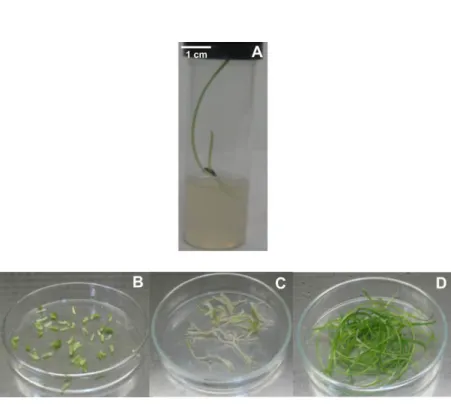
38 Figure 3.1: Sample preparation for endogenous cytokinin analysis of in vitro grown seedlings of T. Figure 3.2: Effects of NAA and mTR on shoot multiplication of T. A) Percentage of explants producing shoots, (B) percentage of explants producing roots, (C) percentage explants producing callus, (D) percentage of explants producing shoots, (E) percentage of explants producing roots, (F) percentage of explants producing callus. 49 Figure 3.3: Effects of NAA and mTR on shoot multiplication of T. A) Average number of shoots per explant, (B) average shoot length per explant, (C) average fresh weight per explant, (D) average number of shoots per explant explant, ( E) average shoot length per explant, (F) average fresh weight per explant, (A - C) T. 50 Figure 3.4: Cytokinin content in seedling sections of T. A) Total cytokinin content (B) aromatic content cytokinins (C) isoprenoid content cytokinins (D) content of functional cytokinins.
A comparative study of antimicrobial and phytochemical properties between wild-grown and micropropagated Tulbaghia violacea Harv. There were more isoprenoid cytokinins than aromatic cytokinins in each of the seedling sections of T.
Introduction
- DISTRIBUTION AND MORPHOLOGY
- MEDICINAL AND OTHER USES
- Medicinal uses
- Horticultural and nutritive uses
- Bioactive compounds
- CONSERVATION STATUS
- PROPAGATION
- Conventional propagation
- Micropropagation
- Micropropagation of the Alliaceae
- AIMS
This activity as well as the anti-inflammatory activity may be due to the presence of flavonoids quercetin and kaempferol (HUTCHINGS et al., 1996). Another stage was added, so that five stages are currently recognized for successful micropropagation (KANE et al., 2008). In some cases, shoot elongation may be necessary before rooting (GEORGE & DEBERGH, 2008; KANE et al., 2008).
This is because the transition of in vitro grown plants from a heterotrophic to a photoautotrophic state is not instantaneous (KANE et al., 2008). The type and concentration of cytokinin required varies depending on the plant being grown (VAN STADEN et al., 2008).
In vitro seed germination and seedling growth
- INTRODUCTION
- MATERIALS AND METHODS
- Seed collection and viability testing
- Seed decontamination and germination
- Effect of temperature on germination and seedling growth
- Effect of photoperiod on germination and seedling growth
- Effect of light intensity on germination and seedling growth
- Effect of light on stomatal density of T. violacea
- DATA ANALYSIS
- RESULTS AND DISCUSSION
- Effect of temperature on germination and seedling growth
- Effect of photoperiod on germination and seedling growth
- Effect of light intensity on germination and seedling growth
- Effect of light on stomatal density of T. violacea
- CONCLUSIONS
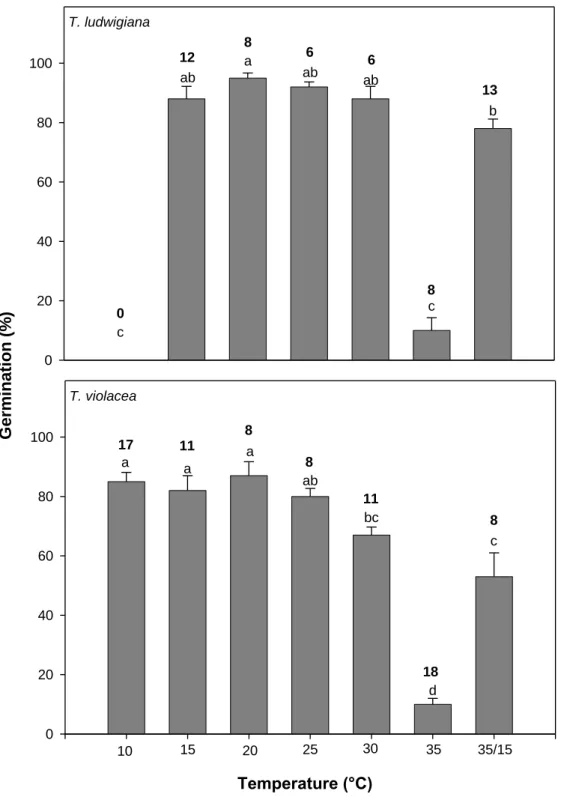
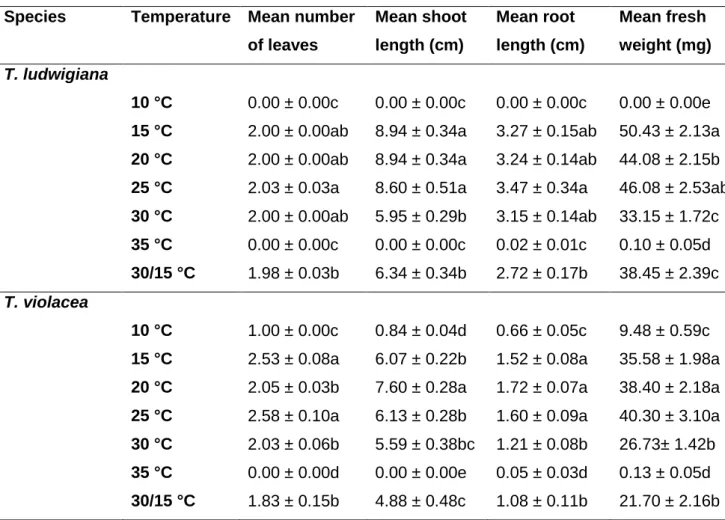
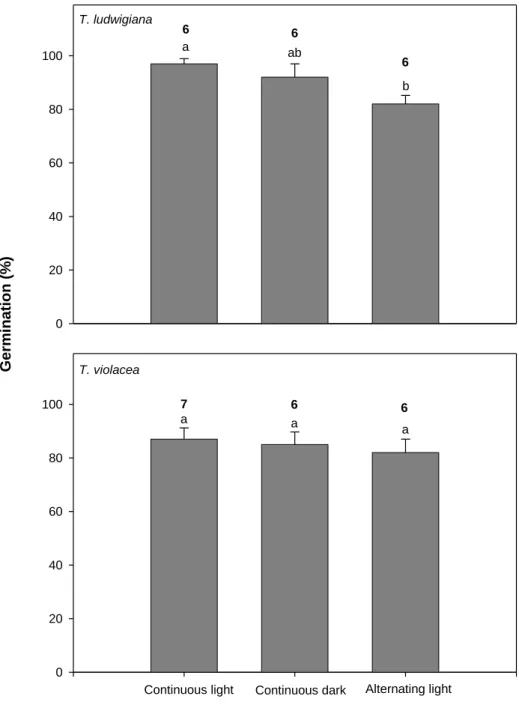
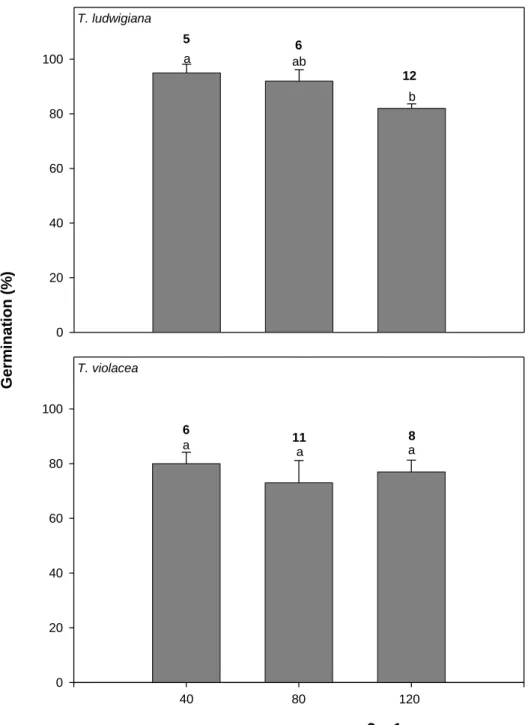
Leaf number, shoot length, root length and seedling fresh weight were recorded to determine the effect of temperature, photoperiod and light intensity on seedling growth. The effect of temperature on germination was determined by setting up an experiment in which four replicates of 15 seeds were placed in growth chambers with constant temperatures (ºC) and a varying temperature (30/15 ºC). The effect of photoperiod on germination was determined by setting up an experiment in which four replicates of 15 seeds were placed in growth chambers.
The effect of light intensity on germination was determined by setting up an experiment where four replicates of 15 seeds were placed in growth chambers with different light intensity regimes: 40, 80 and 120 µmol m-2 s-1. There was a significant difference in the germination percentage at 35 °C and that of other temperatures in both species. The observation by BASKIN & BASKIN (1998), that non-dormant seeds of many species germinate equally well under light and dark conditions, applies to T. violacea as no significant difference in the germination percentage was observed for all treatments of this species.
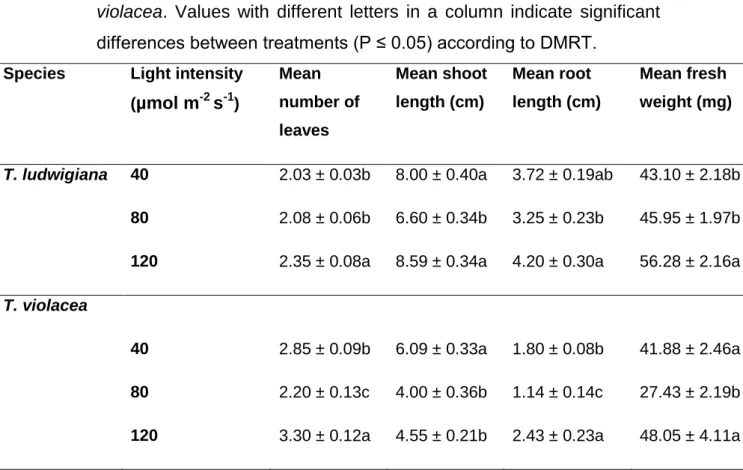
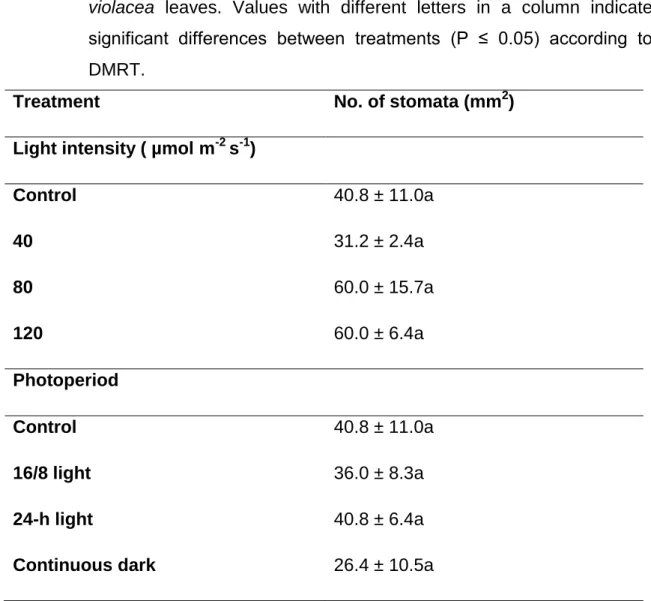
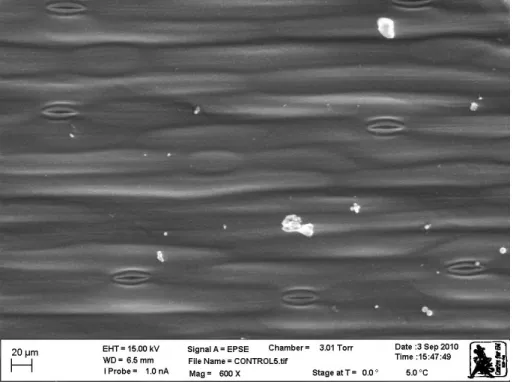
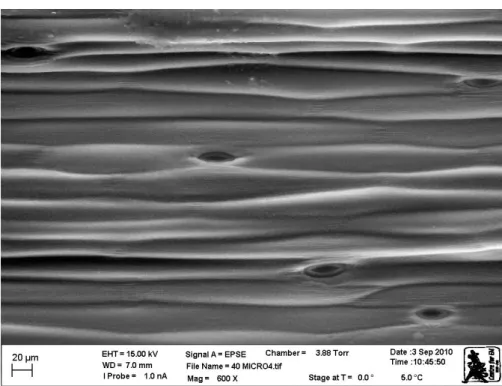
This can be seen from the results presented in Table 2.3 where a trend was observed in both species where all growth parameters were highest at the highest light intensity (120 µmol m-2 s-1) except for the mean shoot length T Small number of beetles in the study is due to the use of the adaxial surface for the experiment. There may not have been a significant difference in stomatal density between treatments, but differences in stomatal structure were observed across treatments.
The open state of the stomata appeared to increase with an increase in light intensity. Low light intensity is preferred for seed germination, while seedling growth is favored by high light intensity in both species. In vitro germination of seeds under optimal conditions ensured the production of "sterile" seedlings which could be used as sources of explants in micropropagation.
Micropropagation of Tulbaghia species
INTRODUCTION
MATERIALS AND METHODS
- Explant decontamination and selection
- Effects of NAA and mTR on shoot multiplication
- Effects of different auxin and cytokinin combinations on shoot multiplication
- Endogenous cytokinin analysis of T. violacea
- Rooting and acclimatization
After eight weeks of culture, the number of shoots produced per explant, shoot length (cm), shoot fresh weight (g), and frequency (%) of callus and roots produced were recorded. The total concentration of cytokinin used per treatment was 10 µM, equally divided based on the number of cytokinins used. After eight weeks of culture, the number of shoots produced per explant, shoot length (cm), shoot fresh weight (g), and frequency (%) of callus and roots produced were recorded.
Seedlings obtained from four-week-old in vitro germinated seeds (about 6 cm long) were cut into three different sections, viz. were completely freeze-dried, their dry weight was recorded and stored at -20 ºC until analysis. A modified protocol as described by NOVÁK et al. 2003) was used to extract samples in duplicate using 70% ice-cold ethanol.
Extracts were purified using a combined DEAE-Sephadex (1.0 × 5.0 cm)-octadecyl silica (0.5 × 1.5 cm) column and immunoaffinity chromatography (IAC) based on generic monoclonal cytokinin antibody (FAISS et al., 1997). The second and third fractions were also purified using IAC, with the second fraction treated with alkaline phosphatase (Roche diagnostics, Mannheim, Germany) and the third fraction treated with β-glucosidase. The fractions from the IAC columns were evaporated to dryness and dissolved in 50 µl of the mobile phase used for high performance liquid chromatography (HPLC-MS) analysis.
Using a post-column split of 1:1, the effluent was introduced into an electrospray source (source block temperature 100 ºC, melt temperature 250 ºC, capillary voltage + 3.0 V, cone voltage 20 V) and PDA ( scanning range 210-30 nm with 1.2 nm resolution) and quantitative analysis of different cytokinins performed in selective ion recording mode. The ratio of endogenous cytokinin to the appropriate labeled standard was determined and further used to measure the level of endogenous compounds in the. Number of rooted shoots and number of roots per stem were recorded after four and eight weeks of culture, while root length was recorded only after eight weeks of culture.
DATA ANALYSIS
RESULTS AND DISCUSSION
- Shoot induction from seedling sections
- Effects of NAA and mTR on shoot multiplication
- Effects of different auxins and cytokinins on shoot multiplication of T
- Endogenous cytokinin analysis of T. violacea
- Rooting and acclimatization
The lowest frequency of explants producing shoots (18%) was found in the treatment where NAA and mTR were highest. Roots, like shoots, were produced mostly in the absence of NAA, with the frequency of explants producing roots being the same (17%). In all treatments where callus was produced in the absence of NAA, this treatment had the lowest percentage of explants that produced callus.
An increase in the concentration of mTR at 2 µM NAA produced a decrease in the percentage of explants producing callus until no callus was produced at 20 and 30 µM mTR. The lowest frequency of explants producing shoots (74%) was obtained in the presence of IAA combined with BA and tZ. The highest frequency of plants producing callus was obtained in the treatment with BA in combination with tZ and NAA (30%), while the lowest (5%) was obtained in the control.
In all cases, the average number of shoots was highest in the presence of NAA, followed by the treatment without auxin, with the treatment with IAA having the lowest average number of shoots. The exception to this was the treatment with kinetin, tZ and BA, where the highest mean number of shoots was in the absence of auxin, followed by the treatment with NAA. The greatest mean fresh weight (mg) was obtained in the presence of BA, tZ and IAA, and this was significantly higher than the treatment in which IAA was substituted with NAA.
No significant difference was observed in the percentage of root explants at four and eight weeks in T. The average root length was significantly high cm) in the absence of IBA and decreased with an increase in IBA concentration. At four weeks, the percentage of root explants and the average number of roots per explant were the same in the absence and where the concentration of IBA was lower.
CONCLUSIONS
Antimicrobial and phytochemical properties of
- INTRODUCTION
- MATERIALS AND METHODS
- Plant material
- Preparation of plant extracts
- Antibacterial activity
- Antifungal activity
- Phenolic content determination
- Saponin content
- DATA ANALYSIS
- RESULTS AND DISCUSSION
- Antimicrobial activity
- Phenolic composition
- Saponin composition
- CONCLUSIONS
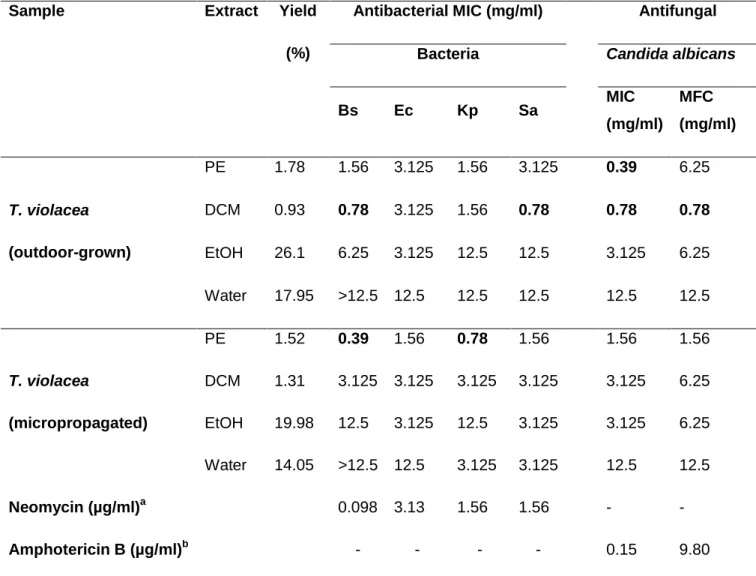
Regarding the antifungal activity, more than 1 mg/ml MIC and MFC values were recorded in all extracts of micropropagated plants compared to the outdoor grown plants (Table 4.1). Antifungal activities of EtOH and water extracts were the same for both outdoor grown and micropropagated plants. Although the yields of micropropagated plants were lower than those grown outdoors in most extracts, their antimicrobial activities were roughly comparable.
A comparison of the total activity of the respective extracts between wild-grown and micropropagated plants showed that the micropropagated plants had more active compounds concentrated in PE extracts than the wild-grown ones. On the other hand, DCM extracts of wild-grown plants were the only active compared to those of micropropagated plants, with a total activity of 11.9 ml/g against B. DCM extracts of wild-grown plants were the only ones. extracts that showed good fungicidal activity and had a total activity of 11.9 ml/g compared to 2.1 mg/g from DCM extracts of micropropagated plants.
Results of the antimicrobial and total activity of the two plant samples indicate that the PE extracts of micropropagated plants can complement the outdoor grown plants in the traditional medicinal use of T. Micropropagated plants showed higher total phenolic, flavonoid and gallotannin concentrations compared to the plants grown outdoors. cultivated plants. Particularly interesting to note were the remarkably high levels of the flavonoids in micropropagated plants (μg CTE/g) compared to those grown outdoors μg CTE/g dry matter).
As was the trend with the phenolic content, saponins and steroidal saponins were significantly higher in micropropagated plants compared to the outdoor-grown plants. However, the markedly high saponin content obtained in micropropagated plants compared to the outdoor-grown plants is an indication that in vitro culture conditions are favorable for the production of plant secondary metabolites. Although the yields of polar extracts (water and EtOH) from the outdoor grown plants were higher.
General Conclusions
The results of the study presented here not only provide a better understanding of the micropropagation of these two species, but form the basis for future research. Studies on some aspects of growth, fine structure and flavor production of onion tissue cultured in vitro. Influence of plant part, season of collection and content of the main active ingredient, on the antifungal properties of Polygonum acuminatum Kunth.
Conditional expression of the ipt gene suggests a function of cytokinins in paracrine signaling in whole tobacco plants. Totipotency in tissue explants and calli of some members of the Lilliaceae, Iridaceae and Amaryllidaceae. In vitro micropropagation of Allium giganteum R., 1: Callus and shoot formation and plant regeneration by in vitro culture of germinated young leaves.
Effect of relative humidity in the culture vessel on the growth and elongation of potato plants (Solanum tuberosum L.) in vitro. A scanning electron microscope study of normal and vitrified leaves of Datura insignis plantlets grown in vitro.