RESEARCH REPORT
FACTORS RELATED TO THE PROVISION OF QUALITY HEALTH CARE SERVICES AT SELECTED PUBLIC CLINICS IN THE RURAL AREAS OF THE CAPRICORN DISTRICT, LIMPOPO PROVINCE.
by
MATLALA NICK TLOU FULL-DISSERTATION
Submitted in fulfilment for the degree of MASTER OF NURSING SCIENCES
in the
FACULTY OF HEALTH SCIENCES (School of Health Care Sciences)
at the
UNIVERSITY OF LIMPOPO SUPERVISOR: PROF MALEMA RN
CO-SUPERVISOR: MRS BOPAPE MA
2019
i
DECLARATION
I, Matlala Nick Tlou, declare that this full-dissertation, titled: “Factors related to the provision of quality healthcare services at selected public clinics in the rural areas of Capricorn district, Limpopo province,’’ hereby submitted to the University of Limpopo for the degree of Masters of Nursing Sciences, has not been previously presented by me for the degree at this or any other University or Institution, that it is my own work in design and in execution, and that all material contained herein has been duly acknowledged.
NAME SIGNATURE DATE
MATLALA NT ………. 2019-04-12
ii DEDICATION
This research is dedicated to my late father and brother Matlala Kwena, Albert and Matlala Phuti, Kenneth.
iii ABSTRACT Background
Quality health care includes availability, accessibility, affordability, acceptability, competence of health care providers, reducing waiting time, ensuring privacy and confidentiality, ensuring safety and security, and reducing mortality and morbidity.
Despite many initiatives made by the National Department of Health through the Minister of Health, provision of quality health care services remains a serious challenge in South Africa, especially in the public rural clinics. Communities from rural areas face many challenges at the public healthcare clinics such as poor infrastructure, attitudes from staff, old equipment, insufficient medicines, dirty healthcare sectors, and longer waiting times, which has led to provision of poor health care services.
Methodology
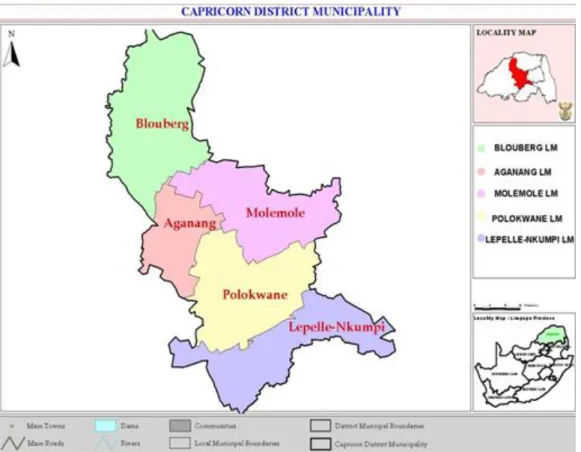
A quantitative research approach was used to conduct this study. The study was conducted in the Capricorn District of the Limpopo Province. Three municipalities;
namely Blouberg, Lepelle-Nkumpi and Aganang, were selected from the five municipalities located in the Capricorn District because they are predominantly rural.
A simple random sampling applying fish bowl method was used to select the public clinics in each municipality. A cross-sectional study design was used to conduct the study. Only professional nurses were selected to participate in this study. Data were collected using a structured self-administered questionnaire, over a period of three months. A total of 155 professional nurses were selected because they met the selection criteria. The response rate was 100% because all the 155 questionnaires distributed were completed. Data were analysed using the Statistical Package for Social Sciences program version 22.0 with the assistance of the University of Limpopo statistician.
iv Results
The findings of the study indicated that only 3 (2%) of the clinics operated for 24 hours, 72 (46%) operated for 8 hours and 80 (52%) operated for 12 hours. The majority of the professional nurses 123 (83%) said that the clinics are overwhelmed by large numbers of patients, whereas 26 (17%) of the professional nurses said that the clinics are not overwhelmed by large numbers of patients. Very few 29 (19%) professional nurses were satisfied with the salary they were paid, whereas the majority 124 (80%) were not satisfied with salary they were paid, and only 2 (1%) were unsure.
Recommendations
Recommendations were made to improve the quality of healthcare services in the public rural clinics: The Department of Health should review the salaries they pay professional nurses in rural clinics, particularly the Occupational Specific Dispensation, and they should be given a higher salary. Furthermore, the government should increase the salaries of nurses working in the public rural clinics to at least 10% higher than those in urban clinics within the next 5 years to attract more nurses to the public rural clinics. The Limpopo Provincial Department of Health should liaise with the treasury department to provide realistic budget to accommodate the population.
Conclusion
The findings of this study revealed the factors related to the provision of quality health care services at the selected public clinics in the rural areas of the Capricorn District, Limpopo Province. The study was limited to public clinics in the rural areas;
therefore, the findings of this study cannot be generalised to the clinics that did not participate in the study.
Keywords: Quality, healthcare services, public rural clinics.
v
ACKNOWLEDGEMENTS
I wish to thank and praise GOD, who has provided me with the strength and courage to complete my study successfully. I would also like to express my sincere gratitude to the following people without their contributions, support and encouragement the completion of this dissertation would not have been possible.
My deepest gratitude to my supervisor, Prof RN Malema, who despite her busy schedule, provided me with tremendous and remarkable guidance throughout my study. Thank you very much and may the good Lord continue to bless you.
I would like to express my gratitude to my co-supervisor Mrs MA Bopape for her efforts and support throughout my study. My special thanks to the editor Prof KE Scholtz for editing my research project.
The University of Limpopo for ethical clearance, the Limpopo Province Department of Health, and the professional nurse’s in-charge of the clinics for giving me permission to conduct the study.
My special thanks to the University statistician Mr MV Netshidzivhani for assisting me whenever I needed him.
My special acknowledgement of the professional nurses who participated in the study.
My special thanks to my mother Matlala Elizabeth for being the pillar of my life.
Very special thanks to my brothers Mapiti and Monni, sister Lydia, nephews Katlego, Phuti and Mashilu and aunt Phestina for believing in me and supporting me throughout the study.
To everyone who has contributed to my study I thank you.
vi DEFINITION OF CONCEPTS
Care- the provision of welfare and protection to children, the elderly in need, the sick and other vulnerable people (Barbara, 2009). In this study, it refers to the care the health care professionals provide to the community.
Clinic- a building or part of a hospital where people go for medical treatment or advice (Hornby, 2010). In this study, it refers to a facility where primary health care services are offered to community members.
Health- the World Health Organization (WHO) states that health is a state of complete physical, mental and social well-being, and not merely the absence of disease (Hockenberry & Wilson, 2007). Health, in this study, will be defined as above.
Provision-the act of supplying someone with something that they need or want (Hornby, 2010). In this study, it refers to the rendering of health care services to rural communities.
Quality health - is defined as the degree to which health services for individuals and populations increases the likelihood of desired health outcomes and are consistent with current professional knowledge (Institute of medicine, 2011). In this study, it refers to the availability, accessibility, acceptability and competence of health care professionals to ensure health care services are rendered to the patients for better health outcomes.
Services- systems that provide something that the public needs, organised by the government or a private company (Horny, 2010). In this study, it refers to the provision of health care to the communities in the rural areas.
vii LIST OF ABBREVIATIONS
CBO Community Based Organisations DA Democratic Alliance
DENOSA Democratic Nursing Organisation of South Africa DHS Department of Human Settlement
DoH Department of Health GDP Gross Domestic Product MEC Member of Executive Council NCS National Core Standards NDoH National Department of Health NHI National Health Insurance NRHM National Rural Health Mission NSP National Strategic Plan
OHSC Office of Health Standard Compliance OSD Occupational Specific Dispensation PHC Primary Health Care
SA South Africa
SANC South African Nursing Council
SPSS Statistical Package for Social Sciences TREC Turfloop Research Ethics and Committee WHO World Health Organization
viii TABLE OF CONTENTS
DECLARATION ... i
DEDICATION ... ii
ABSTRACT………iii
ACKNOWLEDGEMENTS ... v
DEFINITION OF CONCEPTS ... vi
LIST OF ABBREVIATIONS ... vii
CHAPTER 1 ... 1
OVERVIEW OF THE STUDY ... 1
1.1 Introduction & background ... 1
1.2 Problem statement………...4
1.3. Theoretical framework ... 5
1.4. Research questions ... 5
1.5. Aim of the study ... 6
1.6. Objectives of the study ... 6
1.7. Summary of the research methodology ... 6
1.8. Significance of the study………..6
1.9. Layout of the chapters ... 7
1.10. Conclusion ... 7
CHAPTER 2 ... 8
LITERATURE REVIEW ... 8
2.1. Introduction ... 8
2.2. Absenteeism in the healthcare sector…...………..8
ix
2.3. Improvement of healthcare services ... 9
2.4. Barriers to provision of quality health care services abroad ... 11
2.5. Waiting time of patient before they can get the service ... 11
2.6. Financial influence in the healthcare sectors ... 12
2.7. Management in the healthcare sector ... 13
2.8. National core standards for quality health care services in South Africa 14 2.9. Efficiency in public health system ... 15
2.10. Lack of resources in the healthcare ... 16
2.11. The influence of technology in the healthcare sectors ... 17
2.12. Professional skills and knowledge ... 18
2.13. Theoretical framework ... 19
2.14. Conclusion………...…….22
CHAPTER 3 ... 23
RESEARCH METHODOLOGY ... 24
3.1. Introduction ... 24
3.2. Study approach………...………...….24
3.3. Study site ... 24
3.4. Study design ... 27
3.5. Population and sampling ... 27
3.5.1. Population ... 27
3.5.2. Sampling and sample size………..28
3.6.Data collection ... 29
3.6.1. Structure of the questionnaire………..29
3.6.2. Data collection process…………....………..30
3.7.Data analysis ... 30
3.8.Validity and reliability ... 31
3.9. Ethical considerations……….………...……..33
x
3.10. Bias………..………...…..………35
3.11. Conclusion………..………...………..…35
CHAPTER 4 ... 36
RESULTS ... 36
4.1. Introduction ... 36
4.2. Response rate………...36
4.3. Demographic data ... 36
4.3.1 Gender of the respondents... 37
4.3.2. Educational level of the respondents ... 38
4.3.3. Work experience of the respondents ... 38
4.3.4. Operating hours of the clinics ... Error! Bookmark not defined. 4.3.5. Nature of appointment of the professional nursesError! Bookmark not defined. 4.3.6. Number of patients seen per day at the clinic ... 40
SECTION B ... 41
4.4. Factors related to the provision of health care services ... 41
4.4. The impact of working conditions on healthcare service delivery, (n) =155 ... 42
4.4.1. Are you overwhelmed by large numbers of patients? ... 42
4.4.2. Does absenteeism by other staff members affect the quality of healthcare services? ... 42
4.4.3. Does the attitude of staff affect the quality of healthcare services at the clinic? ... 42
4.4.4. Do the patients tolerate the stipulated waiting time (2 hours) before services are rendered to them………….……….………..43
4.4.5. Do the numbers of patients you see daily affect the quality of services rendered to the patients? ... 43
4.4.6. Is infection control maintained at the clinic? ... 43
4.4.7. Does cleanliness of the clinic affect rendering of quality healthcare services?...43
xi
4.4.8. Is the mission and vision of the clinics stated? ... 44 4.5 Skills of the professional nurses in healthcare, (n) =155 ... 47 4.5.1. Have you attended in-service training in the past six months? ... 45 4.5.2. Are the staff members trained to render quality healthcare
services?...46 4.5.3. Do professional nurses give health education to the patients on a daily basis?...47 4.5.4. Do you believe staff members render quality healthcare services to the patients?...48 4.5.5. Do you have the required number of professional nurses to render
quality healthcare
services?...49 4.6. Financial influence in healthcare sector, (n) =155. ... 50 4.6.1. Are the professional nurses involved in purchasing of the medical equipment? ... 51 4.6.2. Are you satisfied with the salary that you are paid? ... 51 4.6.3. Do the funds allocated to the clinic influence the quality of healthcare services rendered? ... 51 4.6.4. Does the government allocate enough funds for the smooth running of clinics?...51 4.6.5. Does the clinic use modern technology to render quality healthcare services? ... 52 4.6.6. Does the use of modern technology improve the quality of healthcare services?………..….52 4.6.7. Does the high cost of modern technology affect the quality of healthcare services rendered? ... 52 4.7. Resources in healthcare, (n) =155 ... 52 4.7.1. Does the clinic have enough medical equipment to render quality healthcare services? ... 53
xii
4.7.2. Is the equipment serviced on time? ... 53
4.7.3. Do you have enough consulting rooms at the clinics……….……..53
4.7.4. Do staff members sustain injuries due to faulty equipment? ... 54
4.7.5. Is the infrastructure of the clinic suitable to render quality healthcare services? ……….54
4.8. Staff evaluation in healthcare, (n) =155 ... 54
4.8.1. Are staff members free to voice their concerns?...55
4.8.2. Grievances dealt with fairly?...56
4.8.3. Are you satisfied with the way performance evaluations are done?...57
4.9. Conclusion ... 57
CHAPTER 5……….……….59
DISCUSSION OF RESULTS……….……….59
5.1. Introduction………..59
5.2. Section A- Demographic data………..59
5.2.1. Gender of the respondents………...59
5.2.2. Qualifications of the respondents………..60
5.2.3. Work experience of the respondents……….61
5.2.4. Operating hours of the clinics……….61
5.2.5. Nature of appointment of the professional nurses………62
5.2.6 Number of patients seen per day at the clinic ... 61
5.3. The impact of working conditions on healthcare ... 62
5.3.1 Are you overwhelmed by large numbers of patients?...63
xiii
5.3.2. Does absenteeism by other staff members affect the quality of
healthcare services?...63
5.3.3. Does the attitude of staff effect the quality of healthcare at the clinic?...64
5.3.4. Do the patients tolerate the stipulated waiting time (2 hours) before services are rendered to them?...64
5.3.5. Is infection control maintained at the clinic?...65
5.3.6. Does cleanliness of the clinic affect rendering of quality healthcare services?...65
5.3.7. Is the mission and vision of the clinic stated?...66
5.4. Skills of the professional nurses in healthcare ... 66
5.4.1. Have you attended in-service training in the past six months? ... 67
5.4.2. Do professional nurses give health education to the patient on a daily basis?...67
5.4.3. Do you believe staff members render quality healthcare services to the patients? ... 68
5.4.4. Do you have the required number of professional nurses render quality healthcare services?...68
5.5. Financial influence in the healthcare sector………69
5.5.1. Are the professional nurses involved in purchasing of the medical equipment? ... 69
5.5.2. Are you satisfied with the salary that you are paid?...70
5.5.3. Do the funds allocated to the clinic influence the quality of healthcare services rendered?...71
5.5.4. Does the government allocate enough funds for the smooth running of clinics?………..71
5.5.5. Does the use of modern technology improve the quality of healthcare services……….…………72
5.5.6. Does the high cost of modern technology affect the quality of healthcare services rendered?...73
5.6. Resources in healthcare ... 73
xiv
5.6.1. Does the clinic have enough equipment to render quality healthcare
services? ... 74
5.6.2. Is the equipment services on time?...74
5.6.3. Is the infrastructure of the clinic suitable to render quality healthcare services...75
5.7. Are you satisfied with the way performance evaluations are done?...75
5.8. Conclusion………...………..76
CHAPTER 6 ... 77
6.1. Introduction………..………....77
6.2. Re-statement of the problem statement ... 77
6.3. Re-statement of the objectives of the study ... 78
6.3.1. Achievement of objectives of the study………...…78
6.4. Recommendations ... 80
6.4.1. Salary of professional nurses….…….………80
6.4.2. Recruitment of professional nurses………...…………81
6.4.3. Allocation of funds to the clinics………82
6.4.4. Infrastructure and equipment………..84
6.5 Limitations of the study……….85
6.6 Conclusion……….……….……..85
7. REFERENCES ... 87
8. APPENDIXES ... 100
Appendix A: Questionnaire ... Error! Bookmark not defined. Appendix B: Letter Requesting Permission to Conduct Research... 106
Appendix C: Consent form ... 107
Appendix D: TREC approval letter ... 108
Appendix E: Department of Health approval letter ... 109
Appendix F: Editing certificate……….109
LIST OF FIGURES………...xv
LIST OF TABLES………...…...xvi
xv LIST OF FIGURES
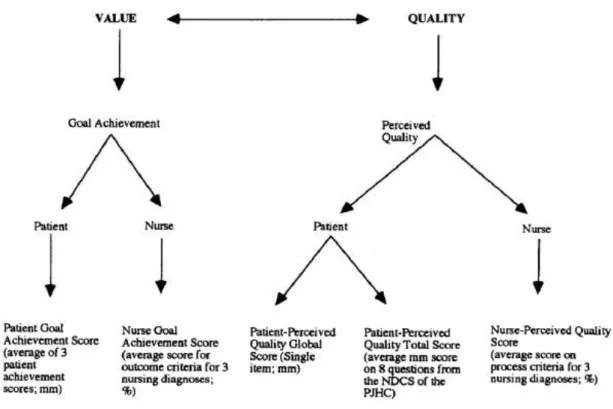
Figure 2.1. Larabee’s Conceptual framework, 1996……….22
Figure 3.1. Capricorn District municipality map, adapted from the Limpopo Province Freight Data Bank……….26
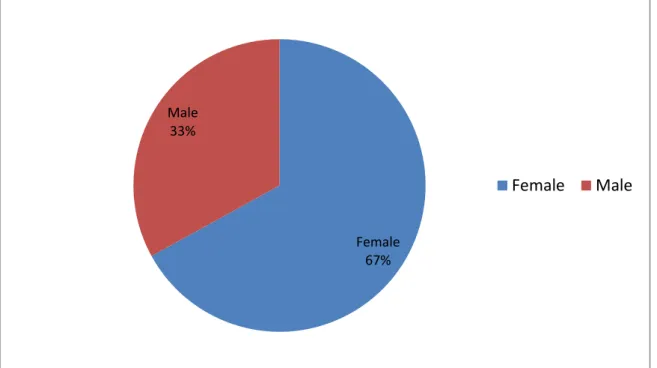
Figure 4.1: Gender of the respondents, (n) =155………37
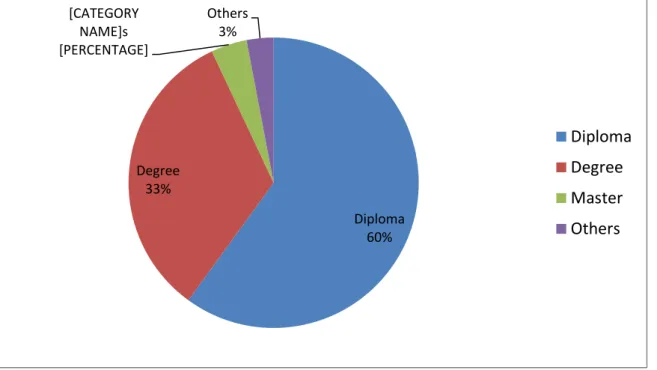
Figure 4.2: Educational level of the respondents, (n) =155……….38
Figure 4.3: Work experience of the respondents, (n) =155……….39
Figure 4.4: Number of patient seen at the clinic, (n) = 155……….……40
Figure 4.5: Have you attended in-service training in the past six months? n= 155………...45
Figure 4.6: Are the staff members trained to render quality healthcare services? n=155 ... 46
Figure 4.7: Do professional nurses give health education to the patient on a daily basis? n=155 ... 47
Figure 4.8: Do you believe staff members render quality healthcare services to the patients? n=155 ... 48
Figure 4.9: Do you have the required number of professional nurses to render quality healthcare services? n=155 ... 49
Figure 4.10: Are staff members free to voice their concerns to supervisors? n=155. ... 55
Figure 4.11: Are grievances dealt with fairly? n=155. ... 56
Figure 4.12: Are you satisfied with the way performance evaluations are done? n=155 ... 57
xvi LIST OF TABLES
Table 3.1. Names of clinics per
municipality…...………..…26
Table 4.1. The impact of working conditions on healthcare service delivery, (n) =155………...41 Table 4.2 Financial influence in healthcare sector, (n) =155……. ……….50
Table 4.3. Resources in the healthcare, (n)
=155………53
1 CHAPTER 1
OVERVIEW OF THE STUDY 1.1 Introduction & background
According to the World Health Organisation (WHO) (2008), globalisation is putting the social cohesion of many countries and health systems under stress and health systems as key constituents are not performing as they should. People are becoming increasingly impatient with the inability of health services to deliver levels of national coverage that meet stated demands and changing needs, and with their failure to provide in ways that correspond to their needs and expectations. Few would disagree that health systems need to respond better and faster to the challenges of the changing world (WHO, 2008).
According to a study conducted by Mosadeghrad, Ferlie and Rosenberg (2008) in Iran, health care providers are burdened with heavy workloads and poor compensation packages. These heavy workloads and poor compensation packages have compromised the delivery of quality health care services, particularly in the public health care sector. Quality health care includes availability, accessibility, affordability, acceptability, competence of health care providers, reducing waiting time, ensuring privacy and confidentiality, ensuring safety and security, and reducing mortality and morbidity (Mosadeghrad et al., 2008). In another study conducted in Iran by Mohammad-Alizadeh, Wahlstrom, Vahidi, Nikniaz, Marions and Johnsons (2009), it was found that as the demand for quality health care services increases, most public health sectors find themselves overwhelmed by large volumes of patients. Furthermore, it is recommended that changes be made to a number of aspects of the health care system if health care organisations are to provide high quality services.
Health care resources are unequally distributed in China for example; wealthier cities have quality health care, whereas most rural areas lack quality health care services
2
(Claudio & Jin, 2010). China also lacks an effective primary health care system and as a result, patients often find it difficult to access health care.
Patients frequently complain that health care is expensive and that most facilities are not in a satisfactory condition and that the services delivered are poor (Claudio & Jin, 2010). Furthermore, the fact that the population is aging and the prevalence of modern chronic diseases is rising; primary health care services will continue to experience high volumes of patients needing health care.
A study by Chaudhury and Hammers (2006) on absenteeism in rural health clinics in Bangladesh recorded that absenteeism is the biggest problem in the rural areas. The results indicated that health care professionals living outside the service village have to travel on poor roads to get to work, which increases the likelihood of absenteeism by healthcare professionals in the clinics. Thus, suggesting a comprise of quality and quantity health care (Chaudhury & Hammers, 2006).
Zambia faces a critical shortage of health workers, especially in rural areas. In some rural areas, more than 50% of the health facilities have only one qualified professional to provide health care services (Koot & Martineau, 2005). The main reason given for not working in remote areas was difficult living conditions, such as the lack of electricity, water and schooling for children. The salaries for health workers were also generally very low and have fallen between 85% and 90% in 25 years (Koot & Martineau, 2005).
According to the United Nations Foundations (2013), many countries in sub-Saharan Africa are unable to provide well equipped facilities and adequate quality and coverage of health care services due to economic factors and scarce resources. The facilities are poorly maintained with inadequate infrastructure and healthcare professionals have to work under difficult conditions. The buildings are old and disease surveillance, drug supply systems, and pharmaceutical and drug management stock are weak (United Nations Foundations, 2013).
3
A study conducted in Botswana about patient satisfaction with the quality of health care services found that many patients were displeased with the time spent in the health care sectors (Kerssens, Groenewegen, Sixma, Boerma & Eijk, 2004).
Patients displeasure with the waiting time in the health sector is corroborated by a study, which document the relationship between waiting for service and overall satisfaction, with longer waiting times being associated with decreased satisfaction (Kerssens et al., 2004).
The National Department of Health (NDoH) (2011a), in South Africa flagged six areas that are fundamental to the provision of quality health care in all establishments. The six priority areas are: positive and caring attitudes, waiting time, cleanliness, patient safety, infection prevention, and control and availability of medicines and supplies.
As South Africa embarks on the implementation of Primary Health Care (PHC) re- engineering and National Health Insurance (NHI), the continuous monitoring of quality health care and health service delivery will be integral to informing health system strengthening strategies (Mathume, 2008). Primary Health Care re- engineering, which represents a shift in focus from delivering curative health services to a more patient-centred one that encourages health promotion, prevention and community involvement, will be greatly enhanced by continuous quality assessments and accreditation processes (National Department of Health, 2010a).
In the Limpopo Province, the department will continue to provide access to health services for the people living in the province through the provision of highly specialised Primary Health Care (PHC) services, provided through a network of community health centres, clinics and mobile clinics across the province (Dlamini, 2008). The increase in the number of PHC facilities providing 24 hour services is an attempt by the Department of Health to demonstrate its commitment to the primary health care approach, aimed at increasing access to PHC (Dlamini, 2008).The Department of Health (DoH) established the National Health Insurance (NHI) plan, with the aim of ensuring that everyone in the country has access to appropriate, efficient and quality health care services (DoH, 2011).
4 1.2. Problem statement
According to Brink, Van der Walt & Van Rensberg, (2014), problem statement is defined as an area of concern in which there is a gap or a situation in need of a solution, improvement or alteration, or in which there is a discrepancy between the way things are and the way they ought to be.
The Department of Health (DoH) has established a National Health Insurance (NHI) plan, with the aim of ensuring that everyone in the country has access to appropriate, efficient and quality health services (DoH, 2011). The DoH further stated that the NHI will promote equity and efficiency so as to ensure that all South Africans have access to affordable, quality health care services regardless of their socio- economic status. This insurance scheme will be phased in over a period of 14 years and is currently being piloted in 11 health districts, covering all the nine provinces in the country (Matsoso & Fryatt, 2013). Despite many initiatives made by the National Department of Health (NDoH) (2011a) through the Minister of Health, provision of quality health care services remains a serious challenge in South Africa, especially in the public rural clinics.
According to Office of Health Standards and Compliance (OHSC) (2018), the Limpopo health system is plagued by severe staff shortages and huge losses of experienced senior health care staff who have been seduced by better pay and satisfactory working conditions in private practices. Therefore, a shortage of staff means patients wait an excessive number of hours to be seen and public health buildings are in despair, with some lacking even safe running water (OHSC, 2018).
In addition, in the public health care sectors in Limpopo, there are regular reports of theft of medicines, equipment that is aged, missing and broken, and ambulances that are reduced to mortuary vans because they take forever to arrive, if they arrive at all (OHSC, 2018). Therefore, patients are dissatisfied with the services they are receiving. Irrespective of working class, skin colour or language, provision of quality health care is of vital importance. It helps in restoring patients’ satisfaction with the services rendered and tends to improve their health care status (NDoH, 2011a).
5
In addition, the reality is that the health care system in Limpopo is broken and it is failing hundreds of thousands of the country’s most vulnerable people who rely on a free health care system that does not deliver (OHSC, 2018). This influenced the researcher to investigate the factors related to the provision of quality health care services at the selected public clinics in the rural areas of the Capricorn District in the Limpopo Province.
1.3. Theoretical framework
A theory consists of an integrated set of defined concepts, existential statements, and relational statements that can be used to describe, explain, predict or control at phenomenon (Burns & Grove, 2009). According to Brink, Van der Walt and Van Rensberg (2014), a theoretical framework is a study framework based on prepositional statements from a theory of theories.
Larrabee’s theory (1996) of quality healthcare will be used to investigate the factors related to the provision of quality health care services at the selected public clinics in the rural areas of the Capricorn District, Limpopo Province.This theory is about the quality of nursing care. The theory is based on an organismic worldview, which provides a framework for understanding quality healthcare from the perspectives of both the healthcare providers and the patient’s/families. Larrabee’s theory (1996) defined quality as the presence of socially acceptable, desired attributes within the multifaceted holistic experience of being and doing. Larrabee’s theory (1996) investigates a variety of aspects including: patient behaviour, cost, quality of care, and its influence on outcomes and patient perceptions of quality.
The theory will be discussed in detail in the next chapter.
1.4. Research questions
What are the factors related to the provision of quality health care services at selected public clinics in the rural areas of the Capricorn District, Limpopo Province?
6 1.5. Aim of the study
The aim of the study will be to determine factors and make recommendations related to the provision of quality health care services at selected public clinics in the rural areas of the Capricorn District, Limpopo Province.
1.6. Objectives of the study The objectives of the study are to:
Identify the factors related to the provision of quality health care services at selected public clinics in the rural areas of the Capricorn District, Limpopo Province.
1.7. Summary of the research methodology
A quantitative research approach was used in this study because it emphasises objectivity and uses systematic procedures to measure human behaviour. A cross- sectional study design using a structured questionnaire was used to collect data from the respondents on the factors related to the provision of quality health care services at the selected public clinics in the rural areas of the Capricorn District in the Limpopo Province. Data were collected in 25 clinics in 3 municipalities from 155 professional nurses. Measures to ensure validity and reliability were applied. The researcher adhered to the ethical standards in order to protect the rights of the respondents. Data were analysed with the assistance of the University of Limpopo statistician using the Statistical Package for Social Sciences (SPSS) program version 22 (Newell & Burnad, 2006). Descriptive statistics were used to analyse data and data were presented using tables, pie charts and graphs. Details of the research methodology are discussed in chapter 3.
1.8. Significance of the study
The findings of the study would identify the factors related to provision of quality health care services at the selected public clinics in the rural areas of the Capricorn District, Limpopo Province. Furthermore, recommendations would be developed to
7
help improve the quality of healthcare services in the public rural clinics and may result in improvement of the health needs of the population. Successful recommendations may enable the Department of Health in further establishing a National Health Insurance (NHI) plan, with the aim of ensuring that everyone in the country has access to appropriate, efficient, and quality health care services (DoH, 2011).
1.9. Layout of the chapters Chapter 1: Overview of the study Chapter 2: Literature Review Chapter 3: Research Methodology Chapter 4: Results
Chapter 5: Discussion of the Findings
Chapter 6: Conclusion and Recommendations 1.10. Conclusion
This chapter discussed the overview of the study, which included the introduction and background, problem statement, theoretical framework, research question, aim of the study, objectives of the study, summary of the research methodology, and significance of the study. The next chapter, chapter 2, reviews the literature that is relevant to the study.
8 CHAPTER 2
LITERATURE REVIEW
2.1. Introduction
A literature review is an organised critique of the important scholarly literature that supports a study and is a key step in the research process (LoBiondo-Wood &
Haber, 2006). This literature review is on the factors related to the provision of quality health care services in the rural clinics worldwide, in Africa, sub-Saharan Africa and South Africa. The literature review will enable the researcher to gain a wider perspective on what is already known with the research topic. The literature review will cover absenteeism in the healthcare sector; performance and improvement in the healthcare; barriers to provision of quality health care services abroad; waiting time of patients in the healthcare sector; financial influence in the healthcare sectors; management in the healthcare sector; national core standards for quality health care services in South Africa; efficiency in public health systems;
lack of resources in healthcare; the influence of technology in the healthcare sectors;
and professional skills and knowledge.
2.2. Absenteeism in the healthcare sector
According to a study conducted in Brazil, Rio Di Janeiro by O’Donnell (2007) on barriers to access of healthcare in developing countries, it was reported that absenteeism is one of the reasons for poor quality of health services in many, but not all, developing countries in the public rural areas. The study also reported that healthcare facilities in the public clinics open and close irregularly due to absenteeism by healthcare professionals, who were also hostile and even violent towards patients (O’Donnell, 2007).
9
A mixed method study conducted by Serneels, Lindelow and Lievens (2008), on absenteeism by healthcare professionals in the public healthcare sector reported absenteeism rates of healthcare professionals in the public healthcare clinics to be 36-45%, which means that patients are not attended to timeously, leading to a delay in receiving quality healthcare services. Thirty six to forty percent (36-45%) of absenteeism in the public rural clinics was due to a lack of accountability and punishment for transgression, thus provision of quality healthcare services remains a major problem (Serneels et al., 2008).
According to a study conducted by Chaudhury and Hammer (2006) on absenteeism of healthcare professionals in the healthcare facilities in Bangladesh, on average 35% of nurses and 42% doctors were absent across the 60 clinics in which the study was conducted. In addition, working in the rural areas, being female, and poor access to roads increased the likelihood of absenteeism amongst healthcare professionals. Absenteeism in the rural healthcare sectors was found to be a major concern (Chaudhury & Hammer, 2006). Absenteeism was also associated with the clinics’ poor state of infrastructure and it compromised the quality of healthcare services (Chaudhury & Hammer, 2006).
A study conducted by Banerjee, Deaton and Duflo (2006), revealed that absenteeism by healthcare professionals in the rural public clinics poses a serious danger to the patient and it also limits patient access to services, reducing the quality of the healthcare services rendered to patients. The study revealed that the major reason for absenteeism by healthcare professionals was due to working in the rural clinics and travelling long distances on the gravel roads to work (Benerjee et al., 2006).
2.3. Improvement of healthcare services
A study conducted by Bradley in 2010 at Yale University funded by the World Bank, on the performance of health delivery organisations found that the presence of health workers in their assigned posts was on average 35%. Healthcare
10
professionals were absent at the time of an unannounced visit during official working hours (Bradley, 2010). Although these healthcare professionals were employed and being paid by the government, many were not doing the work of delivering healthcare services to the patients. Therefore, the situation was widespread and largely tolerated. The study further reported that low performance levels and large gaps in performance by healthcare professionals between the better and worse performing health facilities of the same type were affecting the quality of healthcare services (Bradley, 2010).
In the past years, the South African National Department of Health (NDoH) (2010b) has made a commitment to improve the quality of health care in the country. This commitment has been further cast into the spotlight through the publication of the 10 Point Plan for improvement of the health sector (2012-2014) in July 2010 (NDoH, 2010b). The NDoH’s Strategic Plan for 2010/11-2012/13 (NDoH, 2010b) states that the department’s vision is to ensure “an accessible, caring and high quality health system”. The mission of the Department of Health is “to improve the health status through the prevention of illnesses and the promotion of a healthy lifestyles and to consistently improve the health care delivery system by focusing on access, equity, efficiency, quality and sustainability” (NDoH, 2010b).
According to the Department of Health (2011), there are low levels of patient and community coverage in life-saving services, even where capacity exists to provide these services. Healthcare professionals are absent from their assigned posts even though they are paid. In addition, shelves for drugs and supplies are empty (DoH, 2011). Therefore, this shows that having money and technology are not sufficient conditions for impact. Even with more money and better technologies, a major challenge remains: improving the delivery of health services. Without improvement in the performance of the organisations that deliver health services, potential gains in quality healthcare outcomes from increased funding and better technologies will not be achieved (DoH, 2011).
11
2.4. Barriers to provision of quality health care services abroad
According to a report by Bradley (2010), the quality of healthcare services in public rural clinics is affected by different environmental conditions. It was reported that the barriers affecting the quality of healthcare services associated with environmental conditions include the distribution of political power, prevailing market structures, cultural and community norms, demographic and epidemiological transitions, unavailability of resources, overcrowded healthcare sectors, and the unavailability of physical infrastructure (Bradley, 2010).
2.5. Waiting time of patient before they can get the service
In a report by Maluwa, Andre, Ndebele and Chilemba (2012)exploring moral distress of nurses at high volume facilities in Malawi, one nurse reported that the daily strain of attending to as many patients as possible and still not being able to care for everyone in the queue left her feeling sad and alone. Furthermore, the report revealed that the high volume of patients was delaying other patients’ from accessing quality healthcare services (Maluwa et al., 2012). Therefore, healthcare professionals attending to too many patients on a daily basis end up being fatigued, which leads to poor healthcare services being rendered to the patients (Maluwa et al., 2012).
A study conducted by Richardson and Mountain (2009,) in Australia revealed that patients wait for a long period before they are attended to, due to poor structure of the health sector as there is not enough consulting rooms and privacy. The study further stated that growing populations of patients require a corresponding increase in services and structure, especially at the Primary Health Care level (Richardson &
Mountain, 2009). In addition, a study conducted by Pizer and Prentice (2011), revealed that patients who are subjected to prolonged waiting times before receiving healthcare services have been shown to have a higher rate of non-compliance to treatment and do not return for their appointments. The study further revealed that long waiting times for healthcare services decreases patient satisfaction. Beyond decreased satisfaction due to longer waiting times for access to healthcare, it is
12
assumed that long waiting times for healthcare compromises the quality of the healthcare services provided to the patients (Pizer & Prentice, 2011).
2.6. Financial influence in the healthcare sectors
A study conducted by Mosadeghrad (2014) on factors influencing the quality of healthcare found that a patients’ financial status may affect the quality of healthcare services they receive. It was reported that sometimes patients cannot afford the costs associated with their treatment and thus decide to cancel the treatment, which leads to deterioration of the heath of such patients. Therefore, if the patient does not follow the doctor’s orders due to financial constraints, treatment will not be effective (Mosadeghrad, 2014).
Internationally, it has been acknowledged that how health systems are financed largely determines whether patients can obtain needed health care and whether they will suffer financial hardship as a result of obtaining healthcare services (Carrin, Evans & Xu, 2007). Furthermore, the design and implementation of an adequate healthcare financing system is essential in the pursuit of universal coverage.
According to a report by Davis, Collins and Audet (2007), providing households with financial protection and access to needed health care is a growing priority for low and middle-income countries and is at the core of efforts to move towards universal coverage. To this end, many African countries are seeking to expand health insurance coverage, introduce more effective user fee exemption mechanisms for those who cannot afford care, and improve tax collection and increase general levies for allocation to government health care (Davis et al., 2007).
In other similar studies conducted in Malawi and Kenya by Manafa, McAuliffe, Maseko, Bowie, Maclachlan and Normand (2009), and Mullei, Masamo, Blaauw, Goodman, Mudhune, Wafula, Lagarde and English (2010), it was reported that professional nurses working in the public clinics had stopped working and were not willing to work in these facilities again due to poor and insufficient salaries in the
13
healthcare system. In agreement, a study conducted by Sakyi (2008) in Ghana in the public rural areas revealed that healthcare professionals were being paid less while working under poor conditions, which lead to healthcare professionals lacking motivation to work.
Data published by the South African National Treasury (2007) estimated that the economy will grow by 7.6% in real terms annually over the period of 2004/05 to 2010/11 (National Treasury, 2007). District health services where most PHC services are rendered estimated to grow by 8.2% annually, infrastructure by 19.4%, and emergency medical services by 12.4% annually. Even though government invest funds into healthcare services at the primary level, the cost of health services continues to rise and it becomes difficult for quality healthcare services to be rendered (National Treasury, 2007).
In 2005, WHO recognised that health financing systems in many developing countries do not meet the prerequisites for universal coverage. Therefore, further development in the health financing system is needed in order to guarantee access to the necessary services while also providing financial risk protection (WHO, 2005).
2.7. Management in the healthcare sector
From a global perspective, a research team of more than 40 interviewers conducted interviews at almost 1,200 hospitals and clinics in Canada, France, Germany, Italy, Sweden, the United Kingdom and the United States (Nieneber, 2006). It was found that healthcare sectors with higher management-practice scores had better clinical outcomes as well as higher levels of patient satisfaction. For instance, in the United Kingdom, a one-point improvement in the management-practice score was associated with a 6% fall in the rate of deaths from chronic diseases (Nieneber, 2006).
14
2.8. National core standards for quality health care services in South Africa In 2008, the Office of Standards Compliance (OSC) within the NDoH developed and piloted a set of National Core Standards (NCS), which form the basic requirements for quality and safe care in the country, while also reflecting existing government policies and guidelines (NDoH, 2011a). Given the long-term nature of quality improvement programmes to address deficiencies identified in certification and accreditation systems, the NDoH has used information gleaned from patient complaints and satisfaction surveys to develop a plan to improve the quality of healthcare services through the Minister of Health (NDoH, 2011a).
The National Department of Health (2011a), in South Africa through Minister of Health flagged six ministerial priorities that are fundamental to improving the provision of quality healthcare services. The six ministerial priorities are as follows:
Keeping patients safe and providing reliable care by reducing adverse events resulting from care given, including operations and failures of the system and its workers through ignorance, inadequate inputs, systems failure or negligence.
Ensuring that medicines, supplies and equipment are available and that patients get their prescribed medicine on the same day.
Preventing infections from being transmitted in hospitals and clinics, specifically hospital-acquired infections.
Values and attitudes of staff, so that patients are treated in a respectful manner with due respect to patient privacy.
Reducing waiting times and queues for administration, assessment, diagnosis, pharmacy, surgery and referral and transfer time.
15
Cleanliness of hospitals and clinics, including buildings, grounds, amenities, equipment and staff.
The South African National Department of Health (NDoH) has reaffirmed, through various recent policies and legislative mandates, its commitment to improving the quality of health care in the country (Mathume, 2008). The Departments vision, as stated in the National Strategic Plan (NSP), is to ensure an accessible, caring, and high quality system, aligned to the objectives of the 10-point plan and strategic outputs of the negotiated service delivery agreement, with emphasis on strengthening health system effectiveness through improved health care and patient satisfaction and the accreditation of health establishments (Mathume, 2008). As South Africa embarks on the implementation of Primary Health Care (PHC) re- engineering and National Health Insurance (NHI), the continuous monitoring of quality health care and health service delivery will be integral to informing health system strengthening strategies for the implementation of NHI and PHC re- engineering (Mathume, 2008).
2.9. Efficiency in public health system
According to a study conducted in India by Sengupta (2011), different levels of inefficiency are built into the current public health system. First, the lack of qualified and skilled human resources plagues healthcare services, especially in rural public areas (Sengupta, 2011). India is suffering from the choices made years ago to significantly reduce government investment in public sector medical colleges and to rather invest more in private medical and nursing institutions (Sengupta, 2011).
Another study conducted by Ananthakrishnan (2005) revealed that healthcare professionals are less willing to work in the public sector after private training and even students who recently graduated from the best public medical colleges largely prefer to seek opportunities in the growing private medical sector, which offers better pay and working conditions. Furthermore, the study revealed that the unwillingness of healthcare professionals to work in the public healthcare sectors is caused by the
16
inefficiency in the public sector to improve the quality of healthcare services rendered (Ananthakrishnan, 2005).
2.10. Lack of resources in the healthcare
According to the report by National Rural Health Mission (2009), the third common review mission reported an estimated 40% of Indians still rely on the public health sector for in-patient care. It was reported that many communities either lack facilities altogether or have dysfunctional ones. Due to shortage of healthcare professionals, they are left with insufficient supplies of medicines and other healthcare services (National Rural Health Mission, 2009). In Kenya, the poor state of healthcare services in some public health facilities has resulted in high turnover and weak morale among staff, making it difficult to guarantee a 24-hour coverage, resulting in problems with patient care (Owino & Korir, 2006). High turnover of staff forces some patients to look for alternative health care providers and to spread negative reviews about the health care facilities (Tam, 2005).
The World Health Organization (2006a), reported that the lack of equipment, supplies and poor management structures in health systems leads to poor provision of healthcare services, limited competence, and poor responsiveness. The cause of poor provision of healthcare services is due to a number of factors such as disorganised governments not investing in health, lack of resources, and low salaries to healthcare professionals, which leads to increased absenteeism from work (WHO, 2006a).
According to a report by Owen (2007), insufficient resources, inappropriate allocation, and inadequate quality of the resources are major impediments to the delivery of effective healthcare to the poor (Owen, 2007). Furthermore, the issues around access to quality health care cannot be solved without addressing each of these deficiencies. It was further reported that there are two sets of factors that suppress the supply of quality healthcare services: those that limit the ability to consume and those that lower willingness to consume (Owen, 2007).
17
Many countries in sub-Saharan Africa are unable to provide well equipped facilities, adequate quality, and coverage of health care services due to economic factors and scares resources (United Nations Foundations, 2013). The unavailability of equipment has prompted many countries to advocate for decentralisation as a key factor to drive health sector reforms with a view to maximise the use of available resources to improve access and quality health care services provided (United Nations Foundations, 2013).
According to the results of a study in India conducted by Mosadeghrad (2014), working environments affect the quality of healthcare services. It was reported that using out-dated equipment, and not having enough consulting rooms’ affects the quality of work. Furthermore, nurses in the study expressed a need for a quiet and supportive working area. For example, working in the basement is tiring when the work place is dark and confined; it causes healthcare professionals to feel depressed. One may start the day happy, but the poor physical environments causes the moods of the nurses to become negative, which will affect the quality of health services rendered to the patients (Mosadeghrad, 2014). High-quality outputs (services) require high-quality inputs. Working with low quality material decreases employees’ productivity. It also takes more time to provide the necessary health care using old equipment (Mosadeghrad, 2014). The results you get from using old or unmaintained equipment may not always be reliable. For example, taking10 minutes to record patient vital signs on out-dated equipment versus less than 1 minute using modern technology equipment. The shortage of equipment increases healthcare professional’s job stress, which consequently affects the quality of their work (Mosadeghrad, 2014).
2.11. The influence of technology in the healthcare sectors
According to a report by Cook (2014), technology has entered the healthcare system, increasing competition and driving new behaviours. It was reported that new advanced resources or equipment such as blood pressure machines, sonar
18
machines, and pulse reading computers were designed for people to be motivated by making their jobs easier and less time consuming (Cook, 2014).
Two similar studies (Hendricks, 2015; Jai & Roderico, 2012) reported that an increasingly digitally connected world and new technology has allowed the field of healthcare to make drastic changes that streamline the system. Furthermore, today’s internet connectivity and mobile phones, and medical technology which includes stethoscopes, contact lenses and prosthetic limbs has improved the quality of healthcare services in the clinics (Jai & Roderico, 2012). Despite the new developments in technology, it still depends on the healthcare practitioners to ensure that the new technology devices are used properly to perform certain procedures and ensure that quality healthcare services are rendered (Jai & Roderico, 2012).
2.12. Professional skills and knowledge
Mosedeghrad (2014) reported that the quality of healthcare services mainly depends on healthcare professional’s knowledge and technical skills. Furthermore, it was reported that the most important factors influencing the quality of work are knowledge, expertise, commitment, and examining the patient properly. Therefore, healthcare professionals should improve their competencies in terms of attitude, knowledge and skills in order to deliver quality healthcare services to the patients (Mosedeghrad, 2014).
A report by Department of Health (DoH) in the United Kingdom (2011) revealed that healthcare professionals require a range of skills and knowledge to render quality healthcare services. It was reported that healthcare professionals are experts in their fields, but may need further education and training so that they feel confident in other health areas such as explaining the nutrition required for a particular disease to the patient, the dangers of obesity, or the signs of unhealthy stress or anxiety (DoH UK, 2011). The report further reported that further education and workshops will help to keep healthcare professionals up to date with what is changing in healthcare, such as new medications and more advanced equipment (DoH UK, 2011). Healthcare
19
professionals may need support to strengthen their communication skills, so that they can engage with patients and communities to understand their attitudes and behaviours. The engagement of healthcare professionals with the communities will underpin health and influence factors like family and culture. This engagement is essential if the NHS is to show support to people to make healthy changes, and to ultimately reduce health inequalities (DoH UK, 2011).
A study conducted in Argentina by Farina, Rodriguez and Erpen (2012) on in-service training to improve quality healthcare revealed that the in-service training of healthcare professionals improves the identification and resolution of problems in daily patient care and improves the quality of healthcare services.
2.13. Theoretical framework
A theory consists of an integrated set of defined concepts, existential statements, and relational statements that can be used to describe, explain, predict or control at phenomenon (Burns & Grove, 2009). According to Brink, Van der Walt and Van Rensberg (2014), a theoretical framework is a study framework based on prepositional statements from a theory of theories.
Larrabee’s theory (1996) will guide the current study. This theory of quality nursing care is based on an organismic worldview, which provides a framework for understanding quality nursing care from the perspectives of both the healthcare providers and the patients/families. Larrabee’s theory (1996) defined quality as the presence of socially acceptable, desired attributes within the multifaceted holistic experience of being and doing. Larrabee’s theory (1996) investigates a variety of aspects including: patient behaviour, cost, quality of care and its influence on outcomes, and patient perceptions of quality. Within this theory, quality has three distinct characteristics (Larrabee, 1996). Firstly, quality is a value-laden or desirable attribute; secondly, quality has degrees of desirability, which is influenced by social and cultural values and changes based on circumstances; and thirdly, quality meets the appropriateness criteria, which involves having the right thing, person or way
20
(Larrabee, 1996). This theory includes the following ethical and economic concepts:
value, beneficence, prudence and justice.
The four interrelated concepts of quality nursing care theory:
Value is being intrinsically desirable of fair worth and offers a fair return in goods or services. Value is an intervening or weighing concept between quality and the remaining concepts in the theory. Quality has been implied to be a value-ladened standard of comparison in care that is good, poor, better, appropriate, inappropriate, minimally acceptable, desirable, undesirable, inferior optimal or suboptimal. In this study, value is measured by patient satisfaction with the quality of healthcare services rendered.
Beneficence is when the expected outcomes in healthcare goals for the wellbeing of patients are potentially beneficial. Beneficence is the most fundamental concept in Larrabee’s theory of quality nursing care and is influenced by quality, value, prudence and justice. It is postulated that the extent to which benefits are valued should influence the expenditure of personal (prudence) or public funds (justice). Also, it is assumed that the quality of care delivered will influence beneficence. Benefits achieved will in turn influence patient perceptions of quality, depending on the relative value of the benefits to the patient. Therefore, in this study, implemented interventions in healthcare are designed to actualise goal achievement, and are therefore indicators of quality (Larrabee, 1996).
Justice involves how others treat one another while in pursuit of resources. In this study, justice is being fair, which includes both distributive justice and corrective justice (Larabee, 1996). Distributive justice involves using common resources proportionately to each person’s contribution, whereas corrective justice is correcting injustice by finding the mean between profit and loss. However, according to Larrabee (1992), the ethical issue of justice is bonded to economic and public policy issues because much subsidised health care is financed by public funds. When the cost of health care is bound entirely by individuals, decisions around what care or how much care are personal. However, when health care is financed by society,
21
these decisions become a matter of public policy. Overall, the quality and the costs of health care must be balanced to provide the recipient with a reasonable quality of care for a reasonable price (Larrabee, 1992).
Prudence is defined as good judgment in setting realistic goals, good judgment and skill in using personal resources to achieve goals. In Larrabee’s theory (1996) of quality nursing care, prudent individuals make judgments among competing goals expenditure of limited resources. In this study, behaviours viewed as noncompliant by a provider may be viewed as prudent by the patient, while following provider recommendations would be imprudent.
Quality is influenced by objective indicators of quality of the goods or services. In healthcare, this means that patient-perceived quality will be influenced to some extent by provider-defined quality indicators of care given. The theory supports viewing patients and families as equal partners with providers in defining, evaluating and achieving healthcare quality (Larrabee, 1996).
When healthcare professionals are planning, they select expected outcomes that are anticipated to promote the patients well-being and they select interventions anticipated to achieve the outcomes of quality healthcare. According to Larrabee’s theory (1996), achieving the outcomes of quality healthcare can be viewed as beneficial. Furthermore, the theory states that goal setting in health care is often done by healthcare providers without collaborating with patients.
This tradition presumes that providers always know what is best for patients (Larrabee, 1996). In contrast, the model of quality, when applied to healthcare, is focused on customer responsiveness that suggests that patients always know what is best for themselves. Perhaps a collaboration between healthcare professionals and patients would produce more effective goal achievement of quality healthcare (Larrabee, 1996).
According to Larrabee (1996), goals provide direction for life, regardless of conscious awareness of one’s goals. Patients have goals for quality healthcare experiences. The theoretical model of quality healthcare suggests that providers
22
should establish what patients goals are, because goal incongruence may adversely affect achievement. Some goals may be realistic, others may not be, and health care providers may help patients modify unrealistic goals. Likewise, being aware of patient’s goals and their value to patients might help providers recommend health care actions that are prudent from a patient’s perspective and just from society’s perspective and thus, have a positive effect on the quality and cost effectiveness of healthcare. This theory provides a framework for investigating the influence of ranked importance of patient’s goals upon patient’s judgments to use personal resources and subsequently upon health outcomes.
Figure 2.1 Larabee’s Conceptual framework, 1996.
2.14. Conclusion
The literature review covered factors related to the provision of quality healthcare services in public rural clinics across some countries in the world. Poor infrastructure, inadequate resources, absenteeism by staff and lack of drug supplies in the public clinics are a major concern as it hinders the provision of quality healthcare services. However, the challenge is that quality healthcare services
23
cannot be rendered in the public rural clinics if the clinics are underfunded and under resourced. The next chapter describes the methodology of the study in detail.