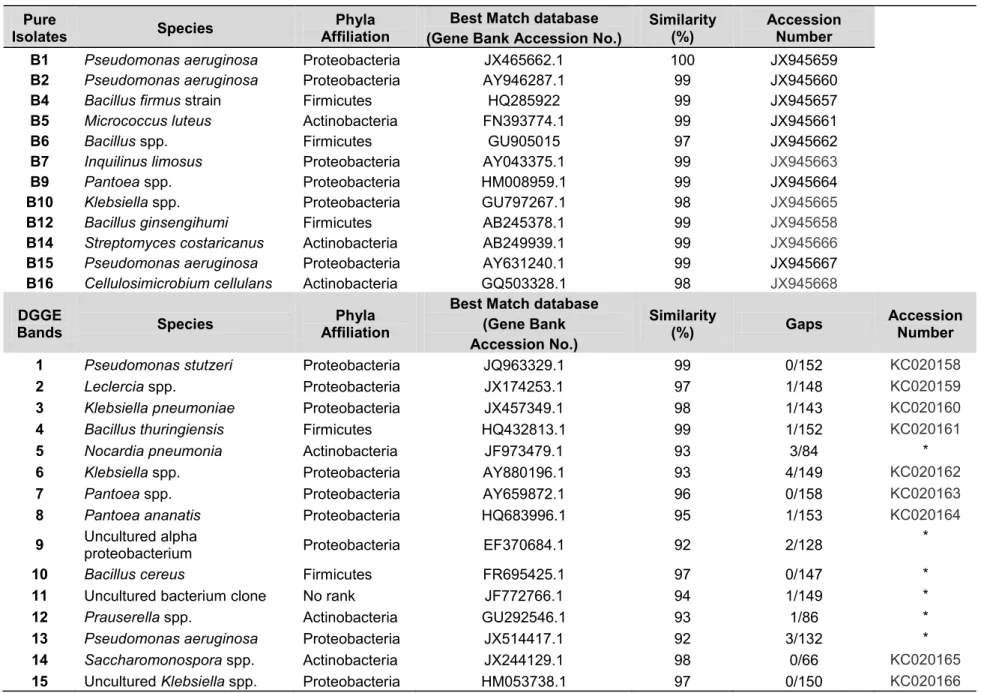
If the work of others has been used, this is duly acknowledged in the text. Changes in woodchip chemistry caused by the metabolic activity of indigenous microflora combined with the inherent chemical properties of each wood species could have a potential impact on final pulp quality and yield. Therefore, the aim of this study was to analyze the microbial communities (bacteria and fungi) present in commercial piles of wood chips and relate this to changes in wood chemistry between summer and winter.
In the textile and paper industry, cellulose is obtained by chemical and mechanical processing of wood chips.
Cellulose 2
Hemicellulose 3
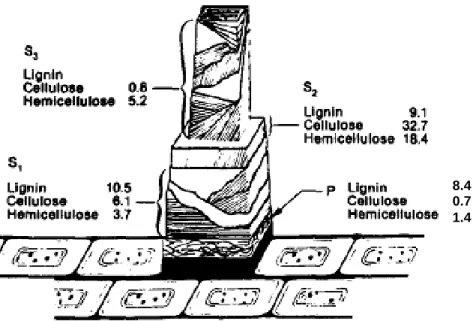
Lignin 4
Ubiquitous fungi and their enzymes are capable of oxidizing recalcitrant compounds due to their lignin-degrading enzymatic machinery in many of the reactions. These microbes have acquired a non-specific extracellular system capable of extracting one electron directly from the benzene rings of the different lignin units (Ruiz-Dueñas and Martínez, 2009).
Other cell wall components 5
PULP AND PAPERMAKING INDUSTRY 6
Wood species used in the pulp and paper industry 6
- Eucalyptus grandis 7
- Eucalyptus nitens 8
- Eucalyptus dunnii 8
- Eucalyptus macarthurii 8
- Eucalyptus smithii 9
- Hybrids 9
The latter method is usually used in the promotion of wood fuels (Francescato et al., 2008). This species is ideal for sites in the summer rainfall regions of South Africa with a mean annual temperature (MAT) above 17 °C and a mean annual precipitation (MAP) above 900 mm for optimal growth (Herbert, 2000). For optimum growth, it is ideal for sites in the summer rainfall regions of South Africa with MAT above 15.5 °C and MAP between 822–925 mm (Schönau and Gardner, 1991).
This eucalyptus is prone to infection by various forms of Phythophthora sp., generally in the first two years of growth.
Wood chip production 10
- Factors affecting wood chip piles 11
- Management of piles 12
- Preservation techniques 12
Spontaneous combustion of piles of wood chips has been attributed to thermal energy released by microbial fermentation (Li et al., 2006). Currently, several methods are available to prevent unfavorable decomposition of wood chips in piles, such as chemical and biological preservation of wood, management of pile height and compaction, mixing of species of different decay rates, and monitoring of pile temperature (Fuller, 1985; Ejechi, 2003). Carbohydrate degradation by selective microorganisms is known to increase the lignin content of wood after storage, thus reducing the quality of paper produced and increasing the use of chemicals (Lentikangas, 2001).
To develop proactive strategies to ensure the quality of wood chips, systematic research should be carried out to determine parameters such as: type of wood (tree species), chemical composition of wood and the environment in which it is grown, the naturally present microflora and the effect that each of these parameters has an impact on the storage quality of wood chips.
BACTERIAL DEGRADATION OF WOOD 13
Erosion bacteria 13
It has been suggested that erosion bacteria may be stimulated by the presence of other bacteria, implying that the associated bacteria may provide stimulating growth factors (Nilsson et al., 2008). The effects of erosion bacteria and the different degradation patterns produced can be examined using a light microscope, scanning electron microscope or transmission electron microscope (Gelbrich et al., 2008; Klaassen, 2008). The use of Fourier transform infrared spectroscopy (FTIR) has been reported to be an excellent device in detecting the extent of bacterial decay in wood (Gelbrich et al., 2008).
Tunnelling bacteria 14
Infects Eucalyptus Coutinho et al. 2002) Pantoea ananatis Infects Eucalyptus Coutinho et al. 2002) Agrobacterium tumefaciens Causes crown gall Wardlaw et al. 2000) Common bacteria that infect eucalyptus trees are Ralstonia solanacearum which causes bacterial wilt and Xanthomonas eucalypti which causes bacterial dieback (Truman, 1974;. In the advanced stage of this disease, the tree shows a burnt appearance and after multiple infections it becomes Stunned. et al., 2002) Coutinho and colleagues (2002) reported the first incidence of bacterial disease and dieback caused by Pantoea ananatis on Eucalyptus in South Africa.
The outer layers of the chip pile are cooler than the inner layers; therefore, bacteria have been found in the outer layers in association with the fungi present (Clausen, 1996).
FUNGAL DEGRADATION OF WOOD 16
White-rot 16
Brown-rot 17
Soft-rot 17
FUNGAL DEGRADATION OF LIGNIN 19
Lignin peroxidase 19
Manganese peroxidase 19
Laccase 20
Laccase can interact directly with phenolic compounds of lignin or is available as a 'mediator' such as a co-substrate and can react to an extensive range of substrates (Breen and Singleton compared various natural and synthetic mediators in terms of efficiency in laccase-assisted bleaching of Eucalypyus kraft pulp, they reported that syringaldehyde was the only natural mediator among those tested that enabled improved pulp extraction properties such as delignification and brightness, although its efficiency was lower compared to the synthetic mediators 1-hydroxybenzotriazole , violic acid. It has been reported that the addition of nitrogen sources and glucose to woody cultures of C.
MICROBIAL DEGRADATION OF CELLULOSE 20
Endoglucanases (1,4-β-D-glucan-4-glucanohydrolases EC 3.2.1.4) randomly hydrolyze internal bonds in the cellulose polysaccharide chain, releasing new terminal ends (Pérez et al., 2002). Exoglucanases (1,4-β-D-glucanohydrolases EC 3.2.1.74) act on existing or endoglucanase-generated chain ends, liberating either glucose or cellobiose as major products (Lynd et al., 2002). Exoglucanases are the only enzymes that efficiently degrade crystalline cellulose by removing cellulose chains from the microcrystalline structure (Pérez et al., 2002).
Factors that can affect enzyme activity include cellulase activity, substrates, and reaction conditions such as temperature, pH, etc.
MICROBIAL DEGRADATION OF HEMICELLULOSE 21
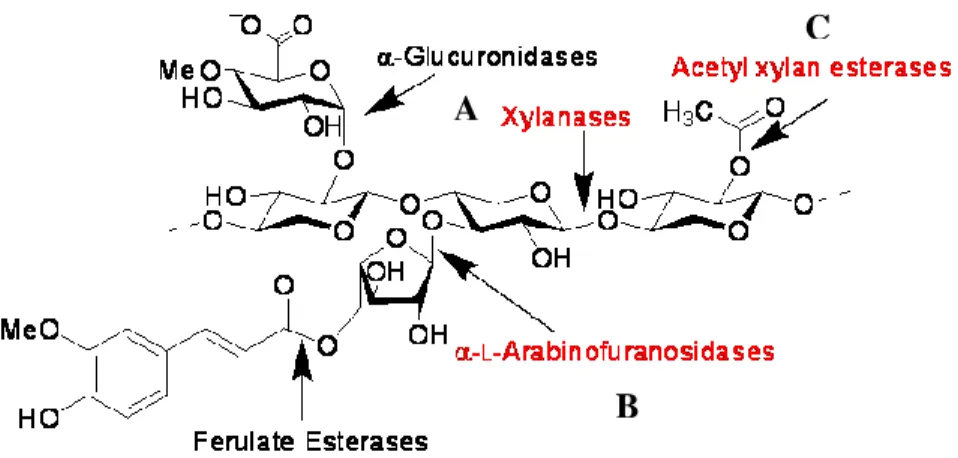
The activity of this enzyme is favored in the removal of monomers from the non-reducing end of the xylooligomer with an increasing attraction with decreasing degree of polymerization (Coughlan et al., 1993). However, this enzyme is susceptible to inhibition by the xylose end product (Poutanen et al., 1991). In the xylan of hardwood, D-glucuronic acid is found in the form of 4-O-methyl ether (Subramaniyan and Prema, 2003).
This enzyme shows preference for arabinose-linked oligosaccharides over the xylan chain itself (Coughlan et al., 1993; Subramaniyan and Perma, 2003).
METHODS FOR IDENTIFYING AND MONITORING MICROBIAL
- Amplified rDNA Restriction Analysis 23
- Terminal Restriction Fragment Length Polymorphism 24
- Ribosomal Intergenic Spacer Analysis 24
- Denaturing/Temperature Gradient Gel Electrophoresis 25
- Polymerase Chain Reaction and Primer Selection 26
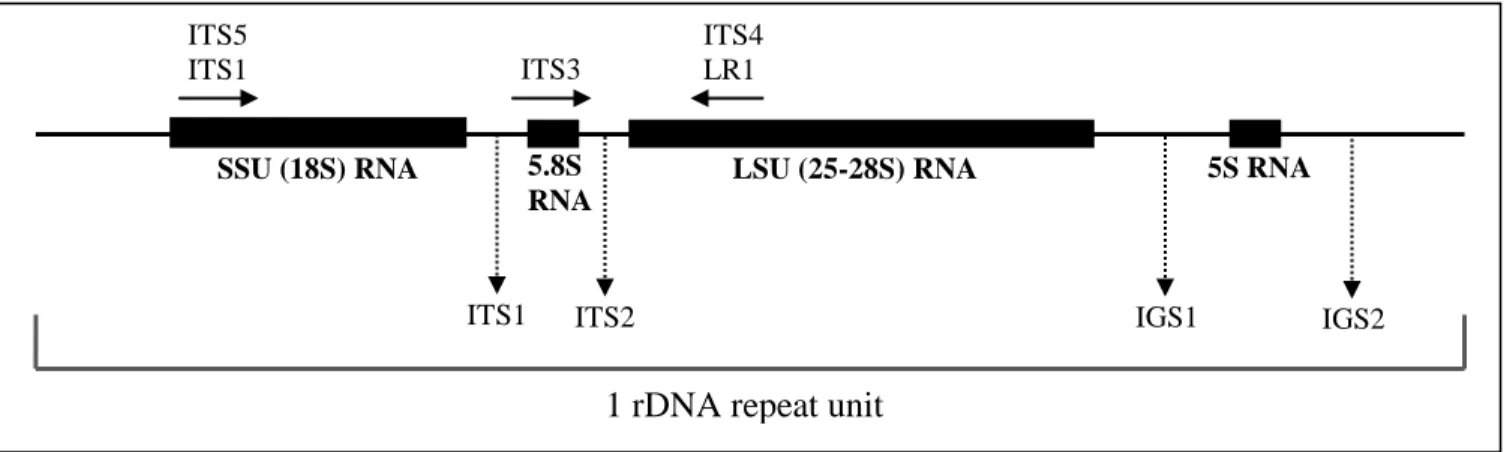
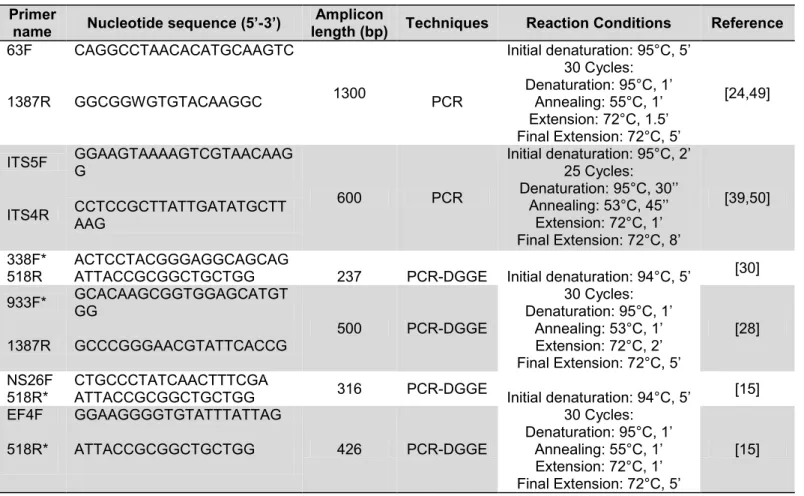
A limitation of this technique is that resolution of profiles using agarose/PAGE is sometimes difficult (Smit et al., 1997). This clamp prevents the two DNA stands from completely separating into two single strands during electrophoresis (Miller et al., 1999). Fungal diversity in decaying wood was previously detected using DGGE amplified 18S ribosomal DNA (Pennanen et al., 2001).
As a result, the forward primer EF4, constructed for DGGE analysis, was combined with primer 518r-GC, producing a 426 bp fragment (Smit et al., 1999).
PULPING 28
- Mechanical pulping 29
- Chemical pulping 29
- Kraft pulping 29
- Sulphite pulping 30
- Parameters of pulp quality 30
- Viscosity and Pulp Yield 30
- Kappa number 31
- Alpha cellulose 31
- Klason lignin 32
- S 10 and S 18 32
- Sappi 32
One of the most important standards by which pulping and bleaching methods are measured is the kappa number, which is associated with pulp yield (Christov et al., 1998). Generally, the chemical process involves 'boiling' the chip with a chemical solution in a heated digester for a period of time, followed by refining the material (Ince, 2004). Therefore, it is necessary to predict the pulp yield accurately and appropriately (Liu et al., 2012).
Four different species of eucalyptus are planted and harvested for pulp and paper production, ie E. The KZN and Mpumalanga plantations produce turi wood and saw logs, while the Usutu mill in www.sappi.com/SappiWeb/About+Sappi/Sappi+Saiccor/O +kompani.htm).
GREEN BIOTECHNOLOGY 33
Biopulping 34
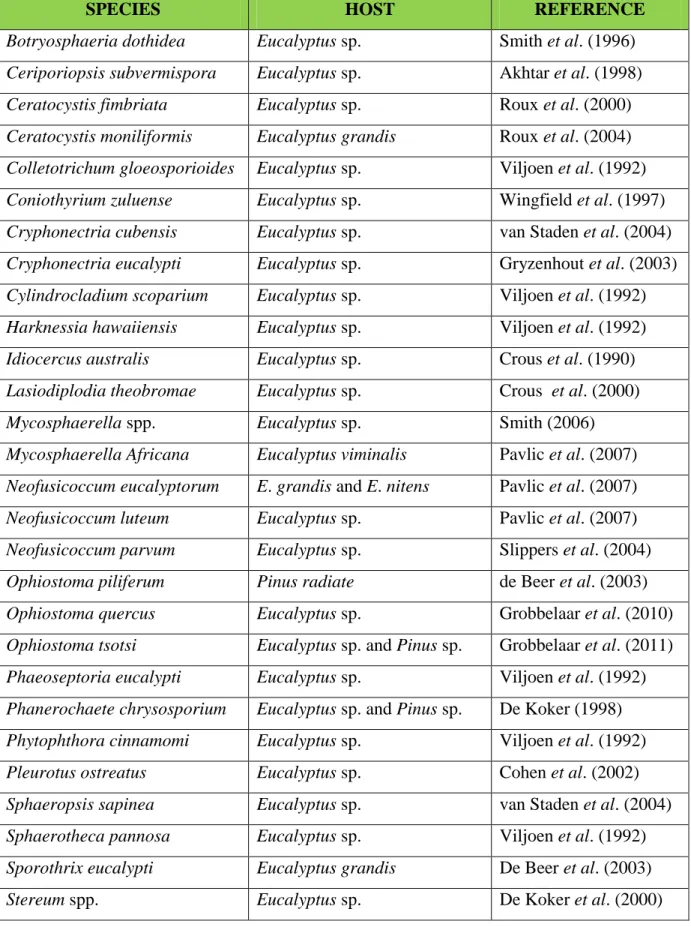
The characteristics of a model biopulping strain are: high lipase activity, initiating the least amount of cellulose loss and providing adequate lignin change in two weeks or less (Akhtar et al., 1997; de Koker et al., 2000). The results also showed the great potential of fungal pretreatment of wood chips prior to chemical pulp production. Mold pretreatment also reduces the pitch content in the wood chips and improves pulp quality in terms of clarity, strength and bleachability.
Cartapip 97® can be applied to pulpwood chips to prevent sap stains and minimize pitch (de Beer et al. evaluated the effects of Cartapip 97® on aspen chips in South Africa and reported higher strength properties of the pulp compared to untreated chips, after a three-week treatment). period of time.
Biobleaching 35
The only disadvantage in biopulping is the decrease in clarity of the pulp (Breen and Singleton, 1999). A comprehensive evaluation of biopulping has shown that selected lignin-degrading fungi can be grown economically on wood chips in an outdoor chip stack-based system. The most prominent benefit of fungal pretreatment is improved effects on boiling, resulting in reduced kappa numbers/reduced active alkali load and/or reduced boiling time after only 1-2 weeks of fungal treatment.
The use of low molecular weight xylanases is particularly more valuable because the smaller enzymes are able to penetrate further into the fiber structure and are skilled at manipulating the pulp properties (Savitha et al., 2009).
SCOPE OF THE PRESENT STUDY 36
Hypothesis tested 37
It is assumed that the presence and seasonal variation of microorganisms in wood chips may be correlated to the changes in the physical and chemical properties of wood chips. It is further hypothesized that a specific combination of Eucalyptus species can assist in the management of commercial chip piles to prevent/reduce harmful degradation of wood components by microorganisms and improve/maintain the quality of dissolving pulp.
Objectives 37
Experimental design 37
In phase two of sampling, individual wood species were obtained from Sappi (E. nitens and E. dunnii) for establishing winter (16°C and 60% humidity) and summer (25°C and 65% humidity) simulations and control posts. Three samples were taken from each of the piles: sections 1, 2, and 3 represent the top center and bottom of the pile, respectively. In the third phase, two of the individual wood species were combined and exposed to simulated conditions.
The rest of the slides were as sent for chemical analyses, and processed accordingly.
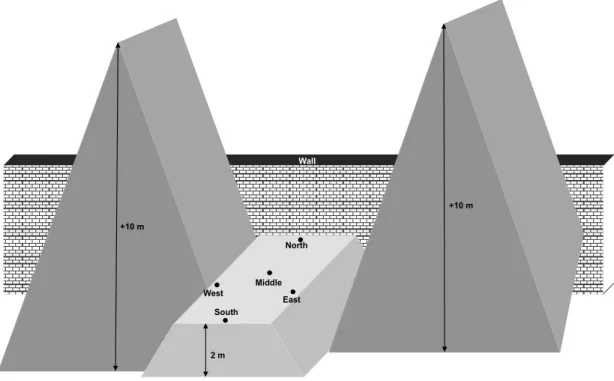
The genetic diversity analysis of the groundwater bacterial community by denaturing gradient gel electrophoresis (DGGE). Storing wood chips in piles leads to moisture redistribution, resulting in a wet outer surface and drier interior [4,5] and can affect microbial succession in the wood chip piles based on moisture and temperature levels in the piles [6]. Schematic layout of the chip piles at a pulp mill and sampling sites (July 1, 2010). resident microorganisms and initial colonizers of wood [7].
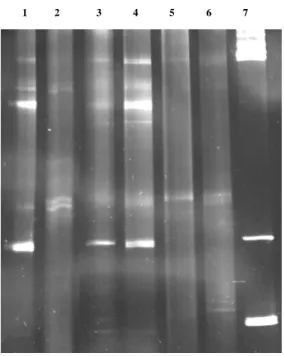
DGGE analysis of 16S GC-PCR products amplified from DNA extracted from a sample collected in the southern area (S5) of the wood chip pile. A cross-section of the microflora that dominates the summer and winter seasons is presented, together with the chemical properties of the wood chips. Thirty woodchip samples were collected in each summer (February 1–3, 2011) and winter (August 2–4, 2010) seasons from different depths and areas of woodchip piles to obtain a representative sample (Figure 1).
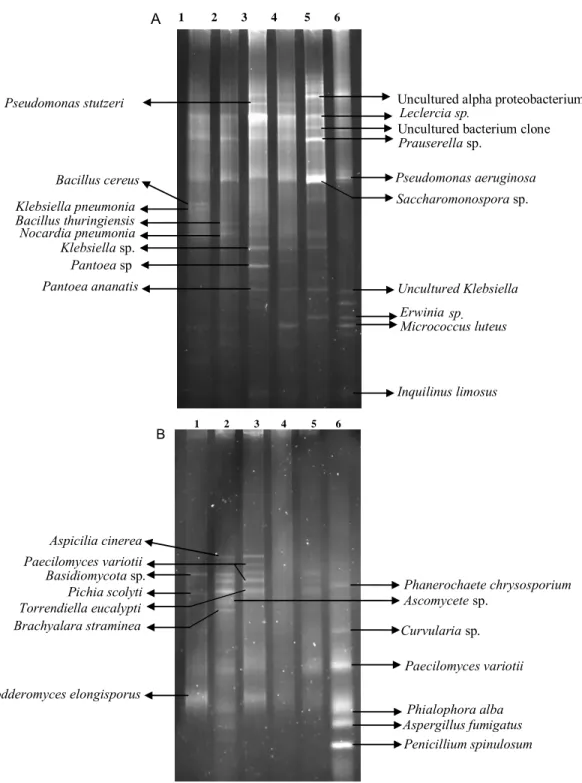
DGGE profiles of the microbial community (bacteria and fungi) in wood chip samples are shown in Figures 2 and 3. Hot water extraction was lower in winter (4%) and lowest from the southern location of the piles (3.8%). Hot water extraction was highest in the middle (4.2%) and west (6.2%) location of the piles in winter and summer respectively.
The average data for both seasons give a generalized representation of the chemical composition of wood chips (table 2). 1 Schematic representation of wood chip piles in a commercial pulp mill and sampling points in summer and winter. 5 Chemical analysis of wood chips collected from different areas of wood chip stacks (A-L) in the pulp mill in winter and summer.
B31 Table 5 Average chemical data (of the sampled areas, locations and replicates) of the wood chips collected from the different piles in summer and winter. Bacterial species appeared to dominate all parts of the woodchips in both summer and winter. Wood type and age of wood chips have been reported to have an effect on decomposition rate (Blanchette and Shaw, 1978).