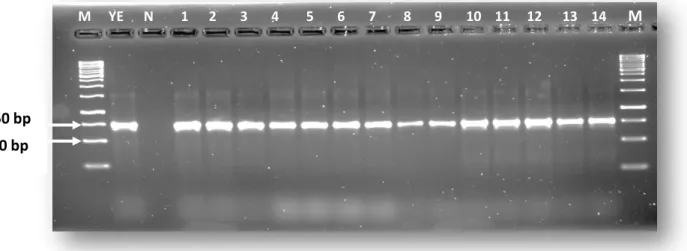
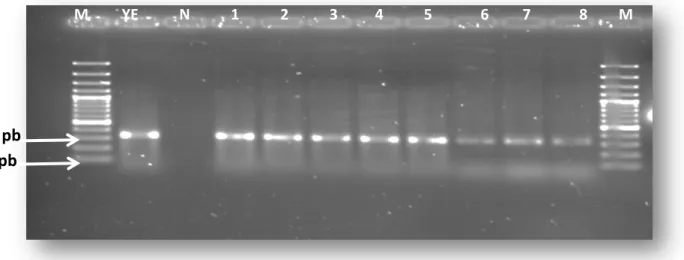
Figure 2.1: Probable Yersinia spp population in NGTW and receiving water. Lane M contains the 100 bp marker (Thermo Scientific), Lane YE contains a positive control of Yersinia enterocolitica, Lane N is a negative control, Lanes 1 to 8 are representative isolates of Yersinia enterocolitica.
Current water availability and use in South Africa
Quality of drinking water and sanitation in South Africa
Lack of access to good quality and inadequate sanitation can cause several diseases that are transmitted from human and animal waste to humans through contaminated hands, soil, water, etc. There are several diseases that can be prevented with proper water supply and basic sanitation . for example, diarrhea and cholera, which cause an estimated 2 million deaths per year (WHO, 2009).
Wastewater treatment plants and wastewater effluent
- Environmental and public health implications of poor quality wastewater
- Characteristics of wastewater effluents
- Effect of untreated or partially treated water in the environment and public health There is a significant relationship that exists between the quality of the final effluent and the
- Efficiency of wastewater treatment plants
- Inefficiency of wastewater treatment plants
The efficiency of waste stabilization of a wastewater treatment plant (WWTP) depends on the type of sewage collection system, the type of waste entering the sewer, the type of wastewater treatment technology, the quality of the indoor water and the standard of living of the community (Hammer, 1996). The high quality of the final effluent results in a high quality of the receiving water body.
Waterborne bacterial pathogens
Bacteria
- Escherichia coli
- Salmonella and Shigella species
- Vibrio cholerae
Humans are the main reservoir but Vibrio cholerae can multiply in water, which is the natural habitat for V. The change in DNA is due to the fact that Vibrios contain large chromosomal integrons (Cambray et al., 2010) and belong to the group of naturally competent bacteria, which enable them to absorb free DNA from their surrounding environment and recombining in their genome (Seitz and Blokesch, 2013a).
Historical background of Yersinia species
- Classification of Yersinia enterocolitica
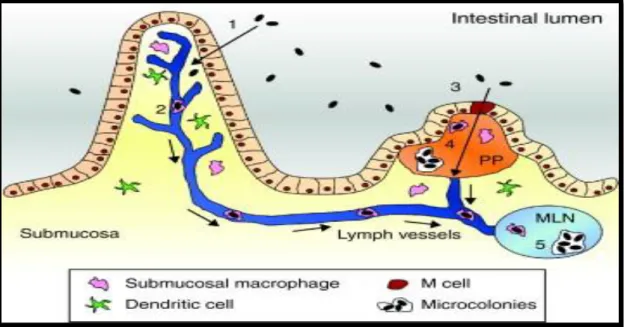
- Pathogenesis model of Yersinia enterocolitica
- Clinical picture of Yersinia enterocolitica
- Virulence and epidemiology of the Yersinia species
- Plasmid-encoded virulence factors
- Chromosome-encoded virulence factors
Serologically, they can be separated in approx. 60 serogroups based on the variability of the O side chain (O antigen) of LPS. Allen is known to be restricted to strains of particular biotypes and serotypes associated with disease (Jourdan et al, 2000). c) The role of the heat-stable enterotoxin in the pathogenesis of Y.
Significance of the Yersinia species in drinking-water
Scope of the current study
The present study was conducted to investigate the prevalence of Yersinia enterocolitica in the treated wastewater of two wastewater treatment plants and its receiving surface water in Durban, South Africa, and to correlate this finding with the physicochemical characteristics of the wastewater. A correlation was also established between antibiotic resistance patterns, virulence determinants of Yersinia enterocolitica and their fingerprint profiles using RAPD-PCR.
Hypotheses
Objectives
Aims
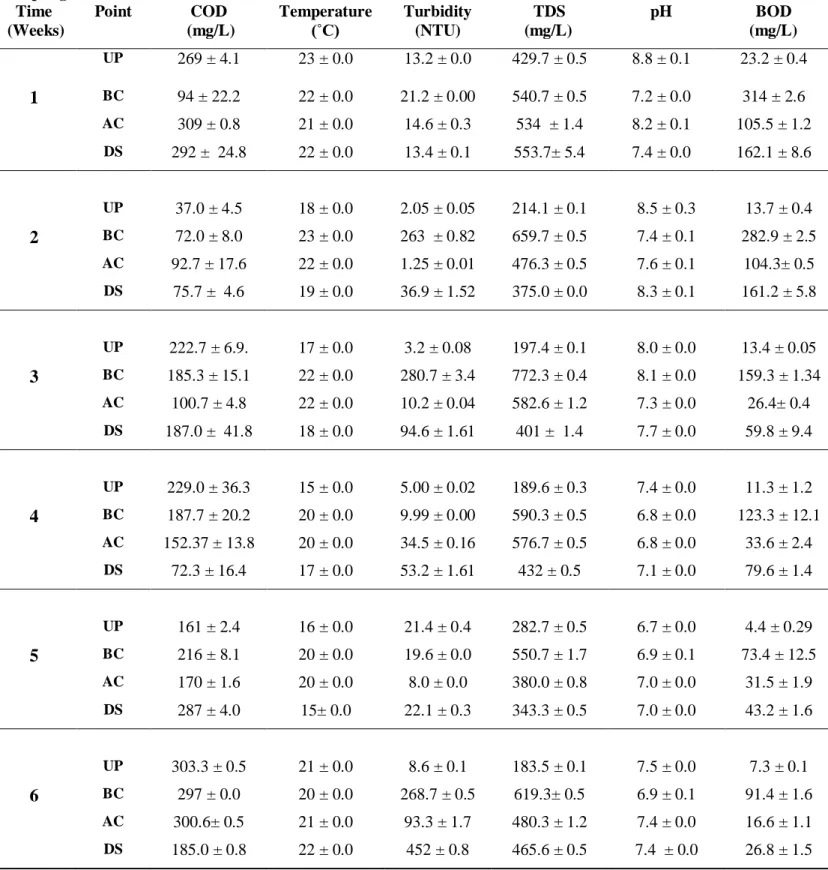
There was a strong significant (p<0.01) positive correlation (r = 1.000) between pH and COD for the upstream point of the NČN. This study found that the monitored independent treatment plants met some water quality standards, such as pH and temperature, but did not meet the microbial quality standard of the discharged wastewater.
Introduction
Yersinia enterocolitica is an intestinal bacterium that has been identified as an emerging waterborne pathogen (Theron et al., 2002; Sharma et al., 2003), however reports of waterborne disease caused by Y. However, the consequences of infection can be very serious, particularly in sensitive patients such as the young, elderly and immunocompromised (Sharma et. al., 2003).
Materials and Methods .1 Plant description
- Collection of water samples
- Physico-chemical Parameter Analysis
- Microbial Analysis
- Enumeration and isolation of Yersinia species
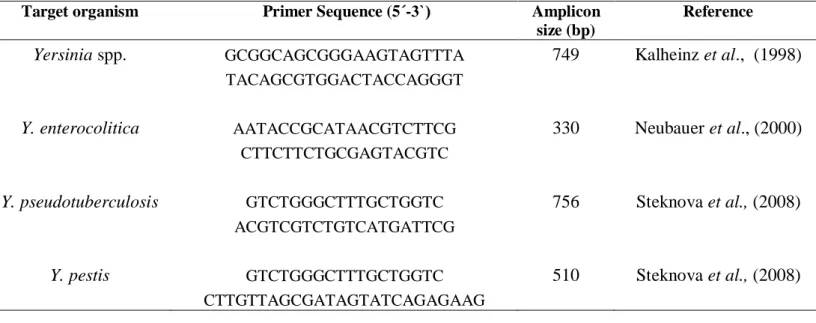
- Biochemical Identification and Molecular Confirmation of Yersinia spp. by PCR The presumptive colonies were further identified by the biochemical reactions that would
- Molecular identification of Yersinia enterocolitica
- Statistical Analyses of data
For all reactions, 5 µl of each PCR product was analyzed by electrophoresis on 1.5% (w/v) agarose gels. For all reactions, 5 µl of each PCR product was analyzed by electrophoresis on 1.5% (w/v) agarose gels.
Results
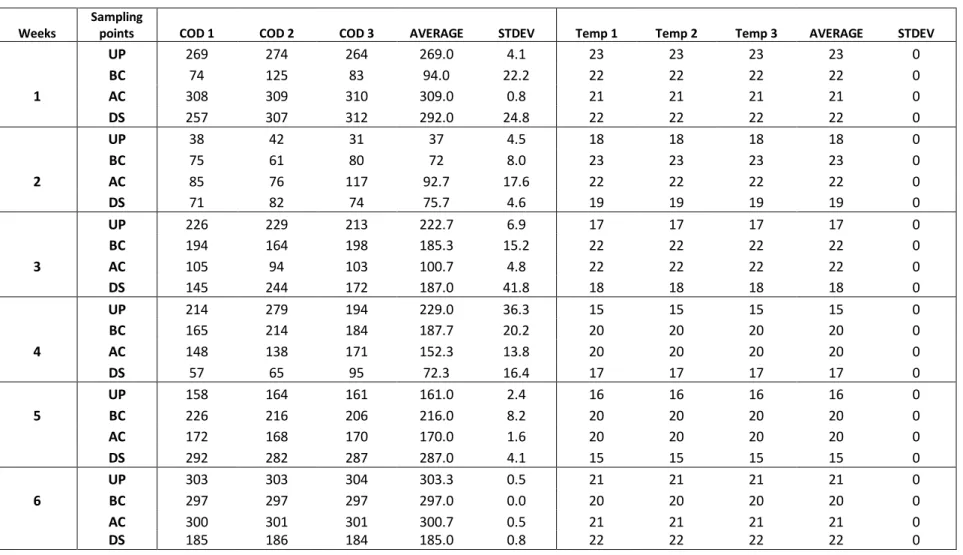
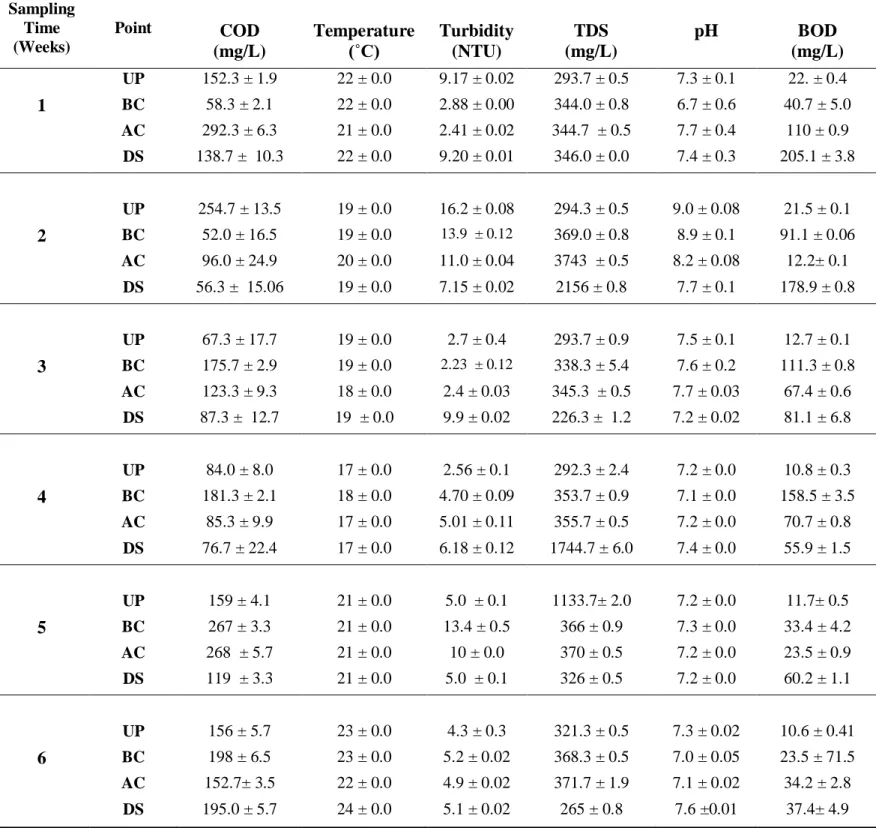
Physicochemical parameters of water samples
Key: OP- upstream, BC- before chlorination, AC- after chlorination, DS- downstream Values represent mean of triplicate data ± standard deviation.
Microbial analysis of water samples
- Presumptive counts of Yersinia spp. in wastewater samples
- Biochemical and molecular identification of Yersinia spp
Microbial counts for the DS points at weeks 5 and 6 were higher (6.7 log cfu/ml) compared to the previous sampling intervals. These isolates were further confirmed by genus-specific PCR for both the 16S rDNA of the subgenus Yersinia and the kingdom Bacteria.

Correlation between physico-chemical parameters and Yersinia counts
Discussion
None of the receiving water bodies met the South African guideline of 0 to 1 NTU for domestic water turbidity (DWAF, 1998). Excessive turbidity of the effluent samples at the discharge point of NGTW is of serious concern as the values were relatively higher than the typical values from similar studies in different plants (Odjadjare and Okoh, 2009). COD is a measure of the amount of oxygen required by a strong oxidant (e.g. H2SO4) to degrade both organic and inorganic substances in a water system (Akan et al., 2008).
Except for the UP point at NGTW, which had a BOD of 4.4 mg/L in week 5 of the sampling period. The higher the BOD, the faster oxygen is depleted in the water, which can lead to anoxic conditions and, consequently, disturbances in the balance of the aquatic ecosystem (Momba et al., 2006). Upstream from the river at the NGWTP are informal settlements with poor sanitation and an inadequate sewage disposal system, polluting the river with human and animal waste.
Conclusion
This study investigated the antibiotic resistance patterns and the virulence determinants of the previously identified Y. Finally, the genetic relationship of the isolates was determined by Random Amplified Polymorphic DNA (RAPD-PCR). A high prevalence (59%) of class 2 integrin was found among the isolates, with 26 and 6% of the isolates possessing class 1 and class 3, respectively.
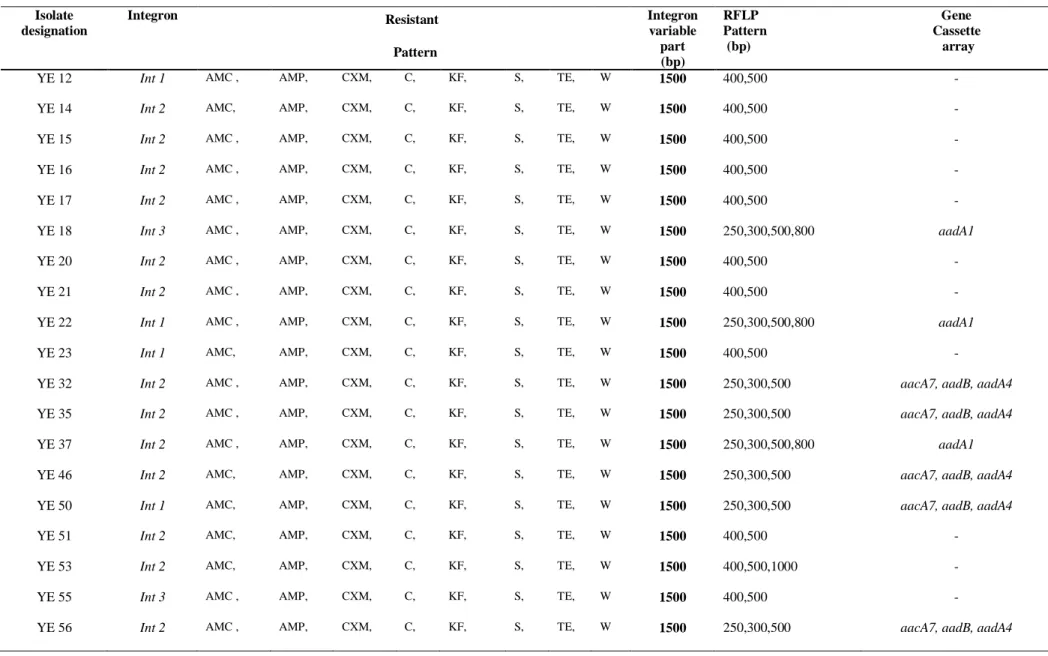
The integrase gene detection showed that the isolates had 3 classes of integrons, detected in 59%, 26% and 6% of the isolates, respectively. The plasmid-localized genes were detected in 3% of the isolates for both Vir/Lcr and yadA. The genotypic characterization of the tested isolates revealed two main clusters (A and B), with cluster A comprising the majority of isolates (68%) and including Y.
Introduction
- Maintenance of identified Y. enterocolitica isolates
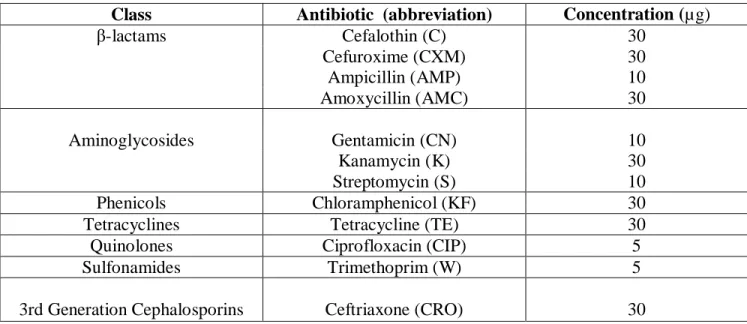
- Antibiotic susceptibility testing
- DNA extraction
- Integrase genes and gene cassette detection
- Restriction Fragment Length Polymorphism for the gene cassette array characterization
- Expression of pyv-associated phenotypic virulence determinants and metallo-β- lactamase (MBL) production by yersinia enterocolitica
- PCR detection of virulence genes
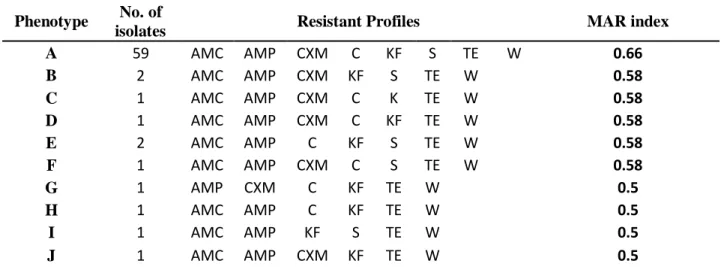
Antibiotic susceptibility profiles of the isolates were determined using the Kirby-Bauer disk diffusion assay as described previously (Bauer et al., 1966). MAR index values were calculated as described by Blasco et al. 2008) as follows: MAR = a/b, where a = number of antibiotics the isolate was resistant to; and b = total number of antibiotics tested. The isolates detected containing the integrase genes were further checked for the presence of the gene cassette as described by Laveqsue et al.
MBL-producing isolates were determined by an increase of ≥ 7 mm in the zone of inhibition from the Impenem + EDTA-containing disc compared to the area of the Impenem disc alone (Yong et al. 2002). Primers specific for ystA and ystB chromosomally encoded virulence genes and yadA and virF/lcrF plasmid-located virulence genes of Y. enterocolitica were synthesized by Inqaba biotech according to the sequences described by Theoner et al. 2002) and is used to detect virulence genes. A third chromosomal gene, the ail gene, was detected using the primers described by Wannet et al.
Results
- Antibiotic susceptibility profiles of Y. enterocolitica isolates
- Integrase genes and gene cassette arrays
- Expression of pyv associated phenotypic virulence determinants and metallo-β- lactamase production by Yersinia enterocolitica
- Virulence genes detection
- Genotypic fingerprint of Yersinia enterocolitica isolates by RAPD-PCR
Of the three integrase genes tested, Int II was the most dominant as it was detected in the isolates. The RFLP digestion of integron-positive isolates using EcoR1 showed that there were four different band patterns with the product sizes of and 800 bp. The gene cassette array associated with class 1, 2, and 3 integrons were aacA7, aadB, aadA, and aadA1. The PCR amplification of the virulence genes yielded the expected amplicon size for the different virulence genes, as shown in Figure 3.1.
The detection of virulence genes among the Yersinia enterocolitica tested isolates showed that some isolates harbored the virulence genes of interest as presented in Table 3.8. The agarose gel image obtained from the RAPD-PCR was analyzed using the GelcompareII software. Obtained from RAPD-PCR analysis, sixty-eight percent (37/54) of the isolates were grouped together in group A, with most of them showing aadA1 conserved region and belonging to phenotype A (Table 3.6).

Discussion
None of the isolates tested in this study showed resistance to ceftriaxone, ciprofloxacin and gentamicin, which is consistent with results from previous studies (Rastawicki et al., 2000). The results of the current study showed that all tested isolates were susceptible to gentamicin, which is also consistent with the results of Funk et al. These enzymes are known to have hydrolytic activity leading to degradation of the cephalosporins (Vettoretti et al., 2009).
The ail gene required for attachment and alignment with the host was detected in some of the tested isolates. In the present study, only 3% (2/70) of the isolates tested positive for each of the yadA and Vir/Lcr plasmid-located virulence genes. Analysis of the RAPD-PCR results obtained in this study indicates that considerable genetic diversity exists among the tested Y.
Conclusion
All these isolates were MBL negative, none of the isolates from this group were positive for integron class 3, they were negative for the Vir/Lcr gene located in a plasmid. The observed resistance can be linked to the tested isolates as an integron-mediated trait, as shown by the results that conserved regions confer resistance to some of the antibiotics tested. Clusters were also found to differ according to the class of integrons contained by the isolates.
This study also evaluated the correlation between certain physicochemical parameters of the wastewater and the Yersinia spp. Furthermore, the tested isolates were observed to be resistant to most of the β-lactam antibiotic family, such as amoxicillin (98%), cefuroxime (96%), and cephalothin (90%). There was a higher abundance of the chromosomal genes compared to the plasmid-located genes, which could be attributed to the fact that the Yersinia spp.
Potential future development of study
Overall, this study revealed the operational conditions of the WWTPs under investigation and reiterated the need for constant monitoring of the treatment process in order to ensure strict compliance of the treated wastewater quality with the established guidelines.
Direct detection and isolation of plasmid-bearing virulent serotypes of Yersinia enterocolitica from various foods. Virulence characteristics and epidemiology of Yersinia enterocolitica and Yersiniae other than Y. pestis isolated from water and sewage. Identification of virulence-associated traits in clinical isolates of Yersinia enterocolitica lacking classical virulence markers.
Development of a fluorogenic 5' nuclease PCR assay for detection of the ail gene of pathogenic Yersinia enterocolitica. 2000). The effect of temperature and selective agents on the growth of Yersinia enterocolitica serotype O:3 in pure culture. Prevalence and antibiotic susceptibility of Yersinia enterocolitica and other Yersinia species recovered from meat and chicken in Tehran, Iran.
LcrF is the temperature-regulated activator of the yadA gene of Yersinia enterocolitica and Yersinia pseudotuberculosis. PCR detection of virulence genes in Yersinia enterocolitica and Yersinia pseudotuberculosis and investigation of the distribution of virulence genes.