TOFWG looks forward to the development and sustainable future of the aquatic charter industry. The aquatic charter industry should be recognized as an important stakeholder in the management of recreational fisheries and the marine environment and included in any consultation process to develop the recreational management of the resource. The water charter industry should be represented by a subcommittee. and that the process is formulated in a 'whole of government' approach.
That the marine charter industry develop codes of conduct to encourage conservation-oriented fishing practices and environmentally sound business standards. That the marine charter industry encourages the development of industry associations to adhere to the above recommendations.
INTRODUCTION
WA’s aquatic environment - basis of the aquatic charter industry
Rationale
The ability of commercial fishermen to enter the water charter industry on a part-time basis is an issue that affects both of the points above.
Obtaining information on the aquatic charter industry
Consultation
WESTERN AUSTRALIAN AQUATIC CHARTER INDUSTRY
A working group involving the aquatic charter industry and the RFAC should be established immediately to determine, in consultation with CALM and Fisheries WA, how many operators should be in each region. Further development of zone access management must be subject to consultation with the aquatic charter industry and be consistent with regional fisheries management plans for recreational fisheries and marine conservation areas. This issue should be addressed during the preparation of regional management plans for recreational fisheries.
Attention should be paid to the prohibition of taking fish, crustaceans and molluscs using underwater breathing apparatus. That the apex association of the aquatic charter industry be given recognition on the Recreational Fishing Advisory Committee (RFAC) in the same manner as the Western Australian Recreational and Sporting Association.
Industry profile
To preserve fish stocks and fish habitats for the viability of the water charter industry. This ensures that growth is controlled until the impact of the water charter industry in each region is determined. That revenue from charter license fees be directed into a trust fund for the management and future development of the water charter industry.
The water sports charter industry is essentially a service provider to the recreational fishing industry and should be involved in consultation. 103 Future management of the water sports charter industry in Western Australia by the Tour Operators Fishing Working Group (September 1997).
Regulations governing aquatic charter industry
Department of Transport
The Department of Transport examines ships and issues permits to ensure the ship is safe for the intended type of work.
Department of Conservation and Land Management
Currently, Fisheries WA does not actively manage the parts of the water charter industry that fall under FRMA's jurisdiction. Another important strategy for mainstreaming the management and development of the water charter industry is to ensure that the industry is included in the government's 'Nature-based Tourism Strategy'. The working group sought to formulate positions for the future governance of the water charter industry that will be defensible in light of the necessary legislative reviews.
More formal recognition of the aquatic charter industry in the Recreational Fisheries Advisory Committee (RFAC), the Regional Recreational Fisheries Advisory Committees (RRFACs) and the Western Australian Fishing Industry Council (WAFIC) may also be appropriate to assist in the development of more integrated administration. 59 Proceeding of the charter boat management workshop (held as part of the 1st National Fisheries Manager Conference).
Fisheries WA
Integrated management
CONSERVATION AND SUSTAINABILITY ISSUES
That a new category of license be introduced under the Fisheries Management Act 1994 (WA) (FRMA) for the licensing of water charter operators that fall within the jurisdiction of FRMA. However, water charter operators must comply with the recreational fishing regulations (size, bag and possession limits) set out in the Fisheries Management Regulations 1995. It is clear that all three government agencies (Fisheries WA, CALM and Transport) have some regulatory roles and responsibilities in respecting the water charter industry.
The recognition of this report as a key element of the nature-based tourism strategy will help ensure that the aquatic charter industry is involved in shaping the direction of nature-based tourism. The aquatic charter industry will play an important role in determining the directions the nature-based tourism industry will take; help shape policy;.
Objectives
Current issues and recommendations
Resource allocation
Growth of industry
Excess capacity in industry
Dual licensing and risk of escalating effort
Lack of integration with management of other sectors
Unknown catch / impact on resource
Localised stock depletion
Fish conservation and management tools
ECONOMIC ISSUES
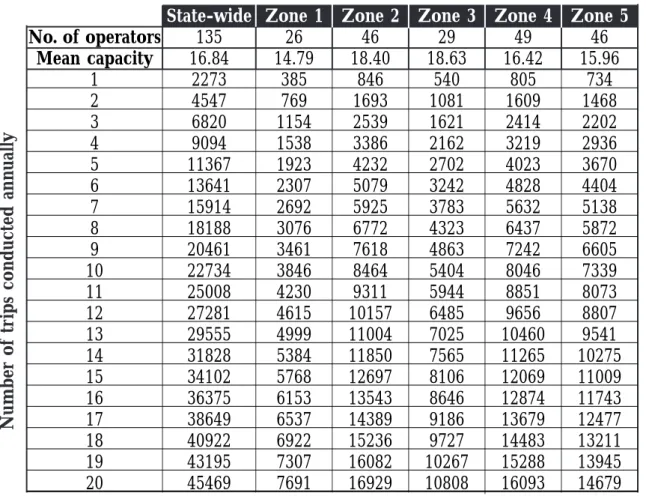
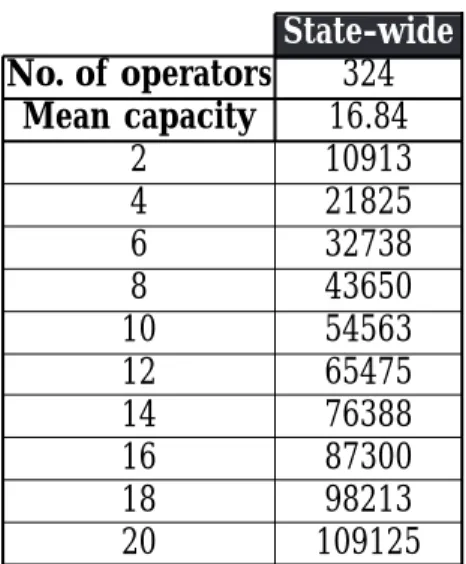
There are currently 135 approved water charter operators in WA providing services that include charter fishing. The TOFWG considered that there should be two classes of water charter license based on the above definitions. That a new category of permits be introduced under the Fisheries Management Act 1994 (FRMA) for the licensing of operators of water charters falling within the jurisdiction of FRMA.
Aquatic charter operators are not currently required to be licensed by Fisheries WA to operate in Western Australian waters. As explained earlier, the water sports charter industry is one of the three major user groups of water resources. However, only limited historical data through Fisheries WA's catch and effort database are available to determine the relative impact of the boating charter industry on fish stocks.
As described in 3.2.5, the proposed recreational fisheries management regions (Kimberley, Pilbara, Gascoyne, Lower West Coast and South Coast) are recommended for the aquatic charter industry.

Objectives
Current issues and recommendations
Level of potential effort is too great for operator viability
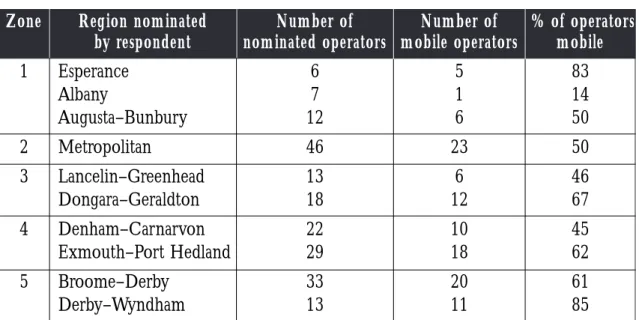
Mobility of fleet
Justification for licensing on a regional basis
Access fees and cost recovery
Management costs
ENVIRONMENTAL ISSUES
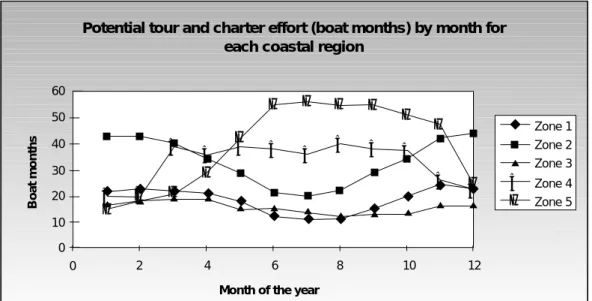
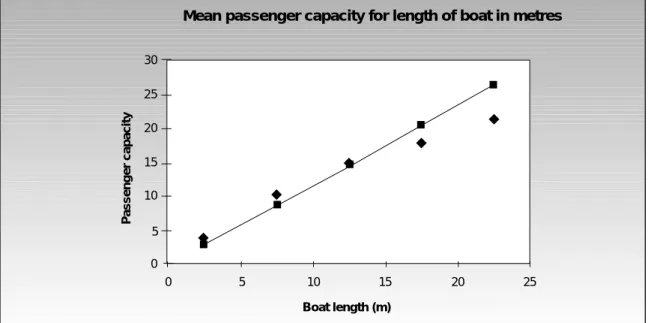
The TOFWG believes that it is essential that an agreement in the form of a Memorandum of Understanding between the three agencies be developed as soon as possible to ensure the effective and efficient management of the aquatic charter industry. During the seven-year period from 1990 to 1997, there was a 337 percent increase in the number of aquatic charter operators (Figure 1). The introduction of a licensing system for aquatic charter operators falling within the jurisdiction of the FRMA will enable the growth of the aquatic charter industry to be managed and ensure the long-term sustainability of the fishery resources on which the aquatic charter industry depends.
The introduction of a licensing system that could limit access where necessary to the water charter industry could be seen as introducing anti-competitive legislation. If it is necessary to limit the number of permits in a particular area for resource management purposes, a history of investment in the water charter industry prior to September 12, 1997 will be part of the selection criteria for determining access. A working group involving the water charter industry and the Recreational Fishing Advisory Committee (RFAC) should be established immediately to determine, in consultation with CALM and Fisheries WA, how many operators should be in each region.
These areas can be used as management units to help allocate fish resources between the recreational fishing, commercial fishing and charter industry sectors.
Objectives
Current issues and recommendations
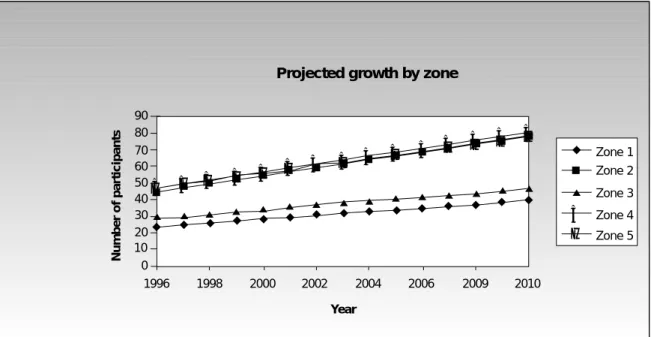
Number of participants in limited areas
SOCIAL ISSUES
In addition to this, aquatic charter operators throughout the state who interact with marine wildlife such as whales must be licensed by CALM. A number of aquatic charter operators are able to sell recreationally caught fish by virtue of a condition on their commercial fishing boat license (FBL) which contravenes the FRMA. It is expected that aquatic charter operators will initially be issued licenses based on entry criteria which include previous history in the industry.
However, the Working Group strongly believes that a legislative framework that can limit access is essential not only for the future management of the aquatic charter industry, but also for fish stocks and fish habitat in general. These license definitions do not include aquatic operators whose activities fall within CALM's management responsibilities. There are also other sectors of the water charter industry, such as those specializing in transport or hospitality charters, which are outside the jurisdiction of Fisheries WA and CALM.
That where there is a potential for over-exploitation of fish stocks or an unacceptable impact on the quality of the tourism experience, minimum performance criteria should be developed to maintain eligibility for water sports charter permits.
Objectives
Current issues and recommendations
Infrastructure
Industry image
That the formation of industry associations be encouraged and that these associations develop a code of conduct that will enable the industry to market its services based on the provision of a good, association approved charter operation. The peak industry associations should develop a relevant accreditation and training program in consultation with relevant training bodies.
Management advice - representative structure
The share of interstate and overseas customers (39 percent of the total) is certainly a significant part of the industry's clientele. August 1996 Questionnaire developed to ascertain the scale and scope of the industry in WA circulated to all identified aquatic charter operators. Annex E #Draft Recommendations Integrated Management 1. That a 'whole of government' approach to the management of the aquatic charter industry is recognized as most beneficial to the industry and the governing bodies. 2. That a study be adopted into the feasibility of a 'whole of government' management strategy through high-level discussions between relevant ministers and government agencies.
Allocation of resources 3 That the catch from charter fishing operations be recognized as part of the total recreational catch. 4 In recognition of the differences between the aquatic charter industry, the commercial fishing industry and the recreational fishing sector, the aquatic charter industry should be recognized as a separate group of water resource users for the purposes of industry management and consultation. Comments Changed to be more accurate. The inclusion of this report in the Nature Based Tourism Strategy will ensure that the water charter industry is involved in the development of WA's tourism industry.
Draft recommendations Overcapacity in the industry 13. That, where there is a likelihood of overexploitation of fishing resources or unacceptable impact on the quality of the tourism experience, minimum performance criteria should be developed to continue to be eligible for aquatic charter licences. That the charter fishing industry forms part of an integrated approach to fishery resource management, and that every review of the commercial wet line fishery takes into account the fishing zones of the leisure industry as a basis for resource sharing. 32 That revenue from license fees be channeled into a trust fund for the management and future development of the industry.
That income from charter license fees be directed into a trust fund for the management and future development of the charter industry. 12 Report of the Rock Lobster Industry Advisory Committee to the Honorable Minister for Fisheries 24 September 1987. 82 The impact of the new management package on smaller operators in the western rock lobster fishery R.
Proceedings of the National Workshop on Fishing Net Management held as part of the Third Australasian Fisheries Managers' Conference.