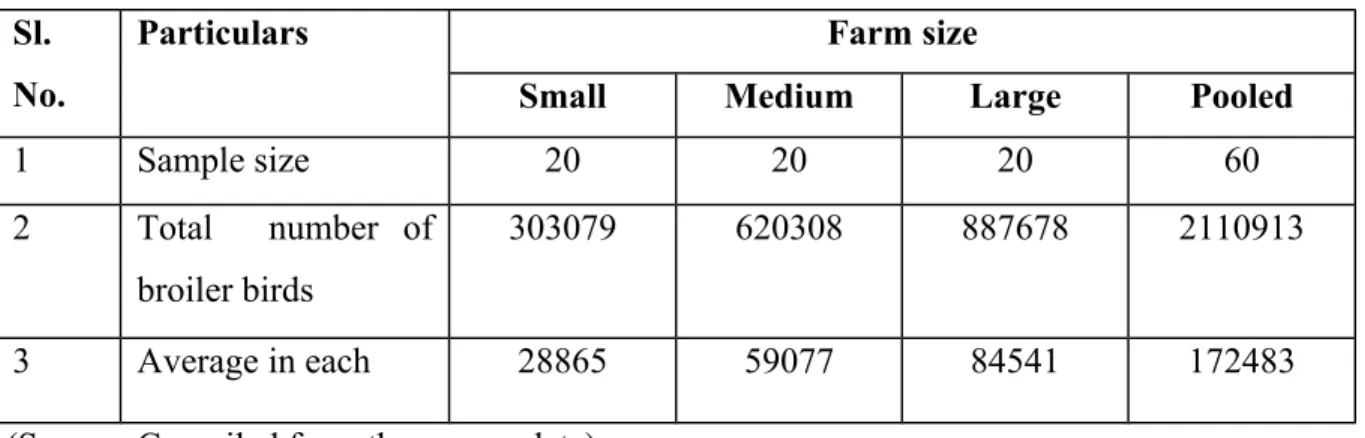
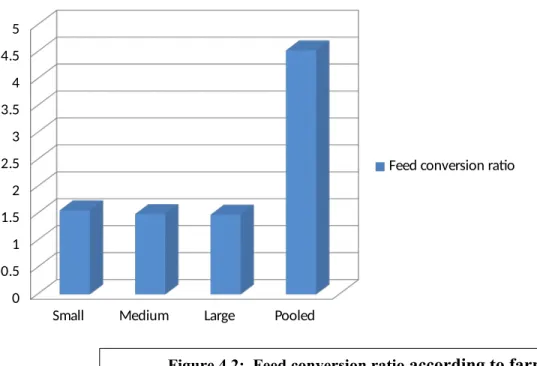
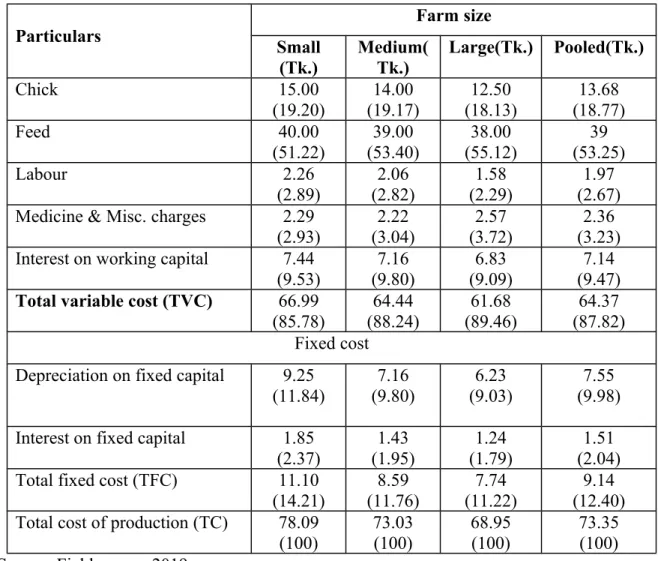
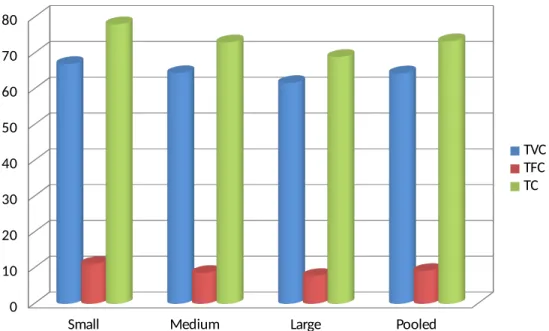
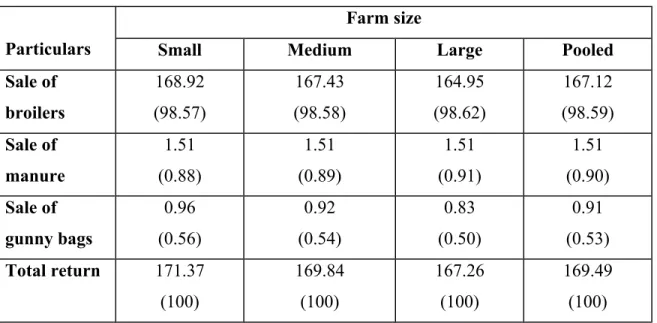
However, several factors are involved in the cost of producing broilers at market age. However, the production cost in this study was higher than the previous observations of Shah and Ranawat et al. 1989) which may be due to the higher cost of inputs such as feed, birds etc., the reason for the relatively lower cost of broiler production in large farms than in small and medium farms in the present study may be 'attributed to the fact that most large farms used their own mixed feed and continuously raised birds without rest. A total of 92 poultry farmers were selected from two LGAs in the state and used for the study.
The study revealed that backyard poultry production (Layers and Broilers) is a profitable business in the study area. This study also identified some problems in broiler production in the study area. Labor efficiency indicator (- 0.091) showed that farmers were not only grossly inefficient in the use of the resource, but also overused it.
MATERIAL AND METHODS
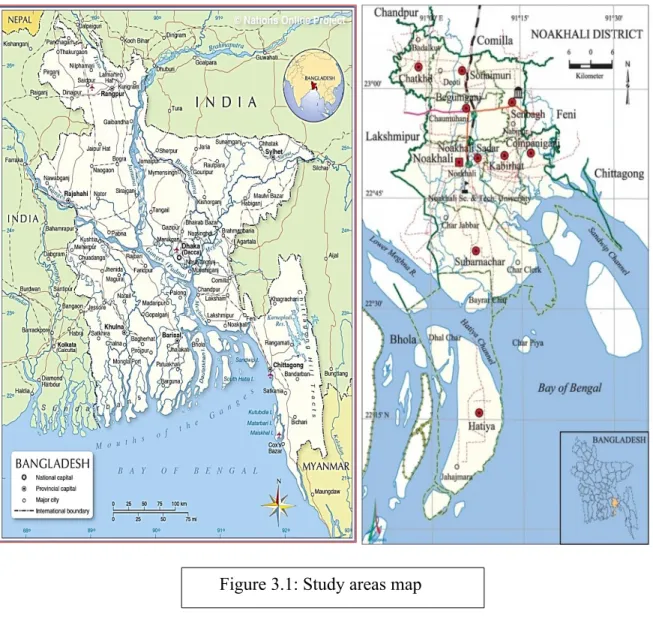
- Selection of the study area
- Sampling design and sample size
- Selection of farms
- Collection of sample
- Data coding, entry and cleaning
- Analytical Tools and Techniques .1 Costs and returns in broiler farming
- Break-Even output
- Resource productivity and returns to scale in poultry farming
- Returns to scale
The chick costs are the costs. The actual purchase costs of the chicks, including transportation costs, were taken into account to estimate the chick value. For hired labor, the actual wages paid were taken into account, and for family labor, the opportunity cost method was calculated. It was calculated at an interest rate of 12.5 percent per annum or at the actual interest rate at which the amount was borrowed.
Tabular analysis was used to present costs and returns by farm size in broiler production. A Cobb-Douglas production function was fitted to estimate resource productivity and returns to scale in broiler farming. Marginal value products were derived from this function and, by comparison with opportunity cost ratios, resource use efficiency was estimated for each farm category.
This is the summation of the estimated regression coefficients that have been taken as an indicator of returns to scale. The sum of the regression coefficients was tested against unity and it is found to be statistically significant, so it can be inferred. If Σbi> 1 it is increasing returns to scale If Σbi = 1 it is constant returns to scale If Σbi< 1 it is decreasing returns to scale 3.4.5 Marginal Value Products (MVP).
Marginal value products can be calculated from the Cobb-Douglas type production function as follows. Where bi = Partial regression coefficient of the respective input Y = output when all the inputs are held at their geometric mean levels.
RESULTS AND DISCUSSION
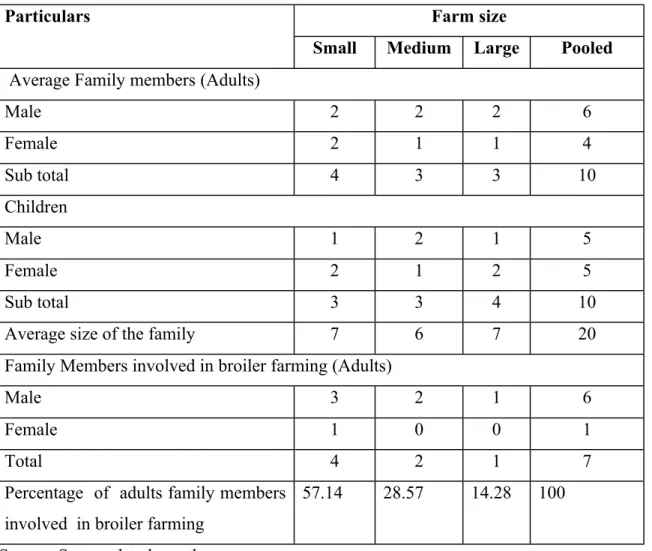
Efforts were made to help study the family composition of chicken entrepreneurs in groups of different sizes. The average sizes of family members and family members engaged in poultry farming in groups of different sizes are given in table 4.2. The percentage of adult family members involved in poultry farming was highest in small farms (57.14%) and lowest (14.28%) in large farms, showing an inverse relationship with farm size.
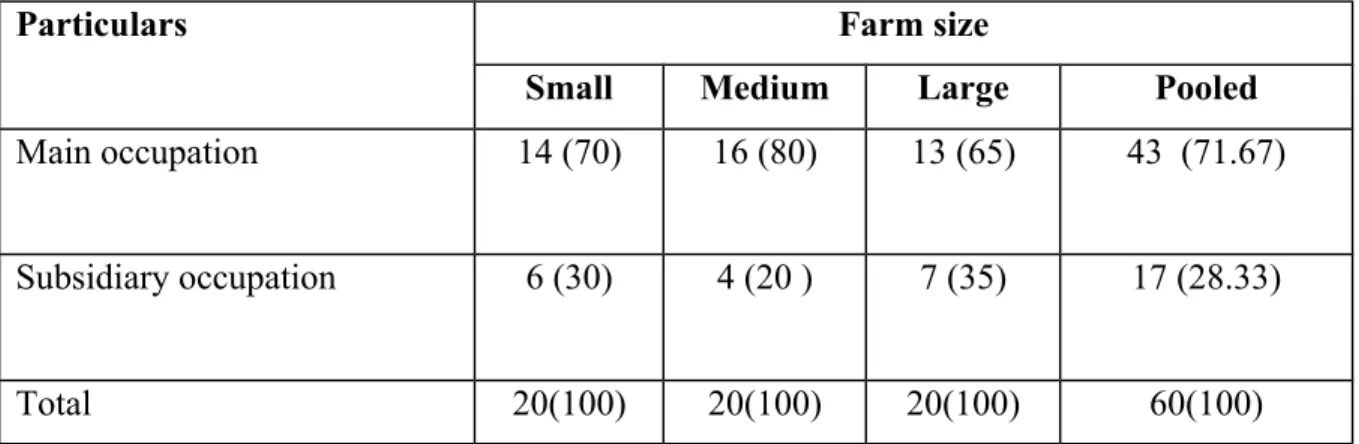
The research showed that in the sample of farmers selected for the study, many farmers chose broiler farming as their main or secondary occupation. It was observed that 71.67 percent of the total respondents chose broiler farming as their main occupation while 28.33 percent of the total respondents chose broiler farming as a secondary occupation in the study area. Based on the size of the farm, approximately 30 percent of small, 20 percent of medium and 35 percent of large farmers took broiler farming as a secondary occupation and 70, 80 and 65 percent of farmers as their main occupation for small, medium and large groups, respectively.
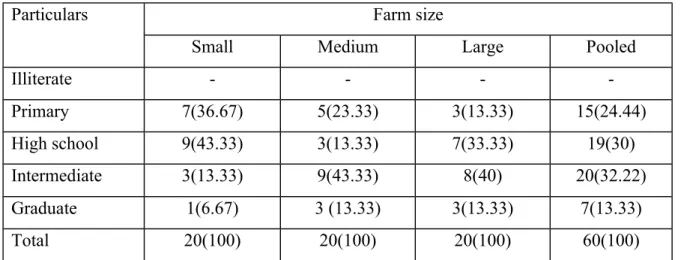
It was concluded that most large farmers took selected poultry farming as their main occupation and more medium farmers had poultry farming as a subsidiary occupation. To run commercial broiler farming on both scientific and commercial lines requires a certain level of education to understand production techniques as well as management. Within size groups, the lowest percentage of farmers on small farms (6.77) have university education compared to medium and large farmers (13.33 percent).
Other farmers in the three size groups were mostly educated up to middle and high school. It is interesting to note that there were no illiterates in the sample which can help them to operate the broiler farming on healthy lines and also to acquaint themselves with the modern management techniques to operate their farms on scientific lines.
Small farm
The analysis of the literacy level of the sample respondents was conducted to know its influence on the production of broiler farms. The results indicated that 13.33 percent of the total farmers had education up to university level, while 32.22 percent had high school education, 30 percent had high school education and 24.44 percent had primary school education.
Large farm
Medium farm
Resource productivity, returns to scale and resource use-efficiency in broiler production
- Feed cost (X 2 )
- Labour cost (X 3 )
- Miscellaneous cost (X 4 )
- Coefficient of Determinations (R)
- Resource-use efficiency
The elasticity of production together with the standard error, coefficient of multiple determination and returns to scale for different size groups are presented in Table 4.12. From Table 4.12 it was observed that the coefficients of herd size were statistically significant at one percent level in small and large farms. It can be deduced that one percent increase in herd size will increase the gross returns by and 1.46 percent on small, medium and large farms respectively.
For small and large farms, the value of the coefficient was positive but not significant (Table 4.12). In all size groups, the labor cost output coefficients were not statistically significant, although the values were positive for small farms and negative for medium and large farms, indicating overuse of labor in medium and large farms. large (Table 4.14). The (R) values showed that 65, 46, and 42 percent of the variation in total income in small, medium, and large farms, respectively, was explained by the four input variables in the model.
Low R value in the case of medium and large farms may be due to the non-inclusion of some of the variables such as investment. From the table it is observed that the scale coefficients were and 1.32 for the small, medium and large farms respectively. From the analysis, it was revealed that small, medium and large size farms show increasing returns to scale with all the inputs included together.
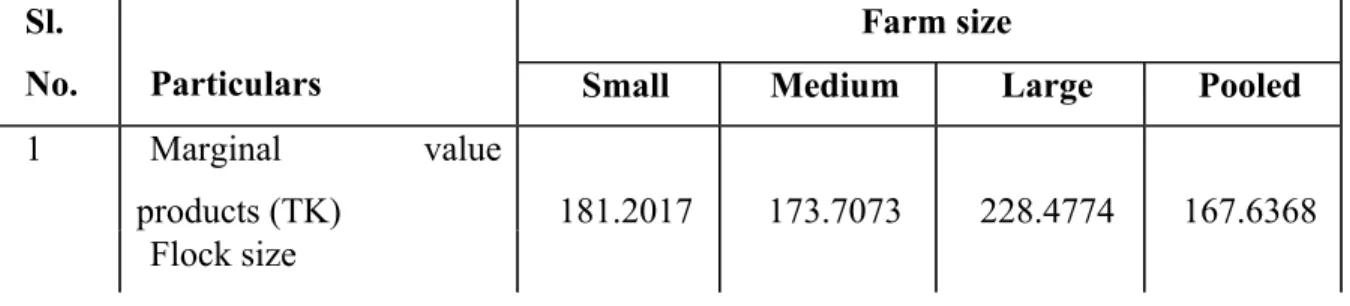
This was worked out by calculating the ratio of the marginal value product to opportunity cost. The marginal value products, factor costs and MVP to Factor cost ratios are presented in Table 4.13.
PROBLEMS AND SUGGESTION
Problems involved in Broiler farming
- Problems in the production of broilers
Small, medium and large broiler farms indicate increasing returns to scale with all the included inputs combined. In the employment distribution shows that the highest number of large farmers involve in secondary employment on the other hand, medium farmers involve in main occupation. Statistical data for education show that a large number of small farmers are educated from elementary and high school, but medium farmers educated from intermediate level and both in equal numbers medium and large farmers educated from graduate education.
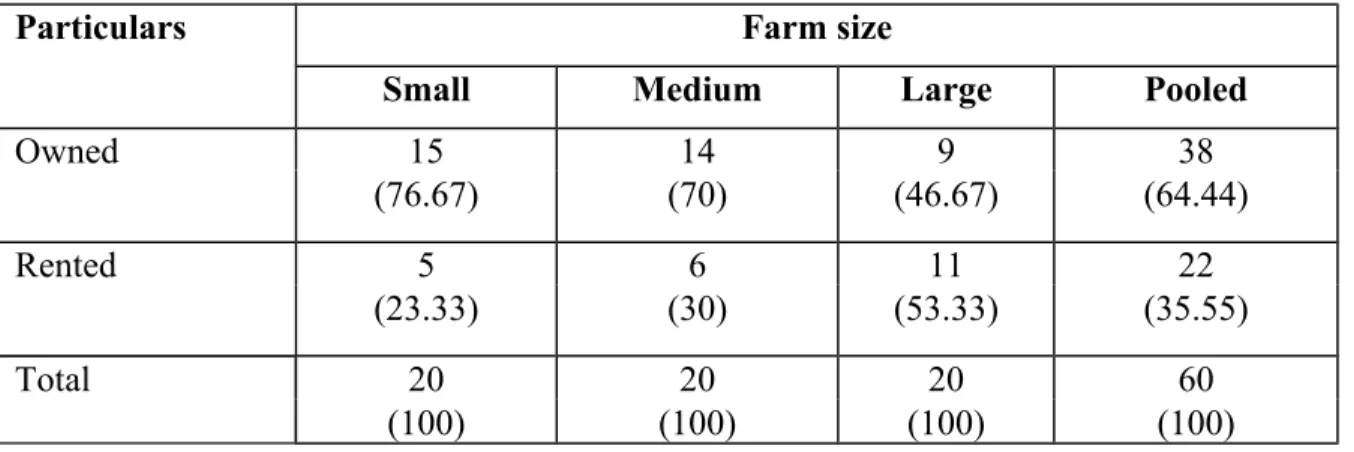
According to land amount, among farm size, small farmer has more owned land farm on the other hand more rented farm present in large farm. In infrastructure assets, breeding costs more in small farms, but low costs for large farms that will help lower production costs in large farms. On the other hand, due to large scale of birds present in large farms, which leads to less production costs but high costs for small farms, total returns are high in small farms and low in large farms.
For the cost and yield analysis shows that net income places high in large size but low in small size. More capital requirement for raising large scale farm production, but low capital requirement for small scale farmer raising. For this reason most of the farmer like to raise in small size farming. The study revealed that the major problems were high feed cost, high cost of day-old chicks, mortality and disease, high labor cost, high cost of medicine and miscellaneous charges.
So it can be concluded that commercial broiler farming is profitable for all categories of broiler farming such as small farms, medium farms and also large farms. The cost of feed must be reduced without compromising quality, or can be supplied with subsidized feed ingredients.
2013.Profitability of Broiler and Layer Production in the BrongAhafo Region of Ghana, Journal of Agricultural and Biological Science.8(5). The Constraints Faced by Poultry Farmers in Poultry Rearing and Marketing in Dibrugarh District of Assam, The Indian Journal of Field Veterinarians. 2007. Constraints Analysis of Poultry Farming in North Konkan Region of Maharashtra, Indian Journal of Poultry Science.
Problems of Poultry Farmers as Perceived by the Farmers, Extension Personnel and Technology Development in Tamil Nadu, Indian Journal of Animal Research. 2007. Profitability, input elasticities and economic efficiency of poultry production among youth farmers in Osun State, Nigeria, International Journal of Poultry Science. 2013. A study on costs, margins and price dispersion in broiler chicken marketing in Punjab, Indian Journal of Poultry Science.
Economic Analysis of Cost Returns, Income and Employment in Poultry Enterprise in Jaipur District of Rajasthan State, International Journal of Agricultural Sciences and Research. 2007. A study on socio-economic characteristics of contract and non-contract chicken farmers, Indian Journal of Poultry Science. 2010. Economics of Poultry and Layer Farming in Punjab, International Journal of Trade and Business Management.
Constraints in Adoption of Poultry Production Technology for Poultry Farming in Raipur, Journal of Soils and Crops. Vikash, P and Jheeba S.S 2015. Economic analysis of cost-return, income and employment in poultry business in Jaipur district of Rajasthan State, International Journal of Agricultural Science, Vol.
BRIEF BIOGRAPHY