Effect of Environmental Seasons in the Epidemiology of Waterborne Diseases: A Review
By Afifa Noor 19276002
A thesis submitted to the Department of Mathematics and Natural Sciences in partial fulfillment of the requirements for the degree of
Master of Science in Biotechnology
Department of Mathematics and Natural Sciences BRAC University
February 2023
© 2023. Afifa Noor All rights reserved.
Declaration
It is hereby declared that
1. The thesis submitted is my own original work while completing degree at BRAC University.
2. The thesis does not contain material previously published or written by a third party, except where this is appropriately cited through full and accurate referencing.
3. The thesis does not contain material which has been accepted, or submitted, for any other degree or diploma at a university or other institution.
4. I have acknowledged all main sources of help.
Student’s Full Name & Signature:
Afifa Noor Student ID: 19276002
Approval
The thesis titled “Effect of environmental seasons in the epidemiology of waterborne diseases: a review” submitted by
Afifa Noor (19276002)
of Fall, 2019 has been accepted as satisfactory in partial fulfillment of the requirement for the degree of Master of Science in Biotechnology on 23rd February 2023.
Examining Committee:
Supervisor:
(Member)
Dr. Iftekhar Bin Naser Associate Professor,
Department of Mathematics and Natural Sciences BRAC University, Dhaka
Program Director:
(Member)
Dr. Munima Haque
Associate Professor & Program Director, Department of Mathematics and Natural Sciences
BRAC University, Dhaka
External Expert Examiner:
(Member) Dr. Zahid Hayat Mahmud
Scientist & Head,
Laboratory of Environmental Health, icddr,b.
Departmental Head:
(Chair)
Professor and Chairperson,
Department of Mathematics and Natural Sciences BRAC University, Dhaka
Dr. A F M Yusuf Haider
Ethics Statement
This work is completely original and has never been published. It is based on my own sincere study and careful analysis. The study gives due acknowledgment to all of its sources (correct citation).
Dedicated to my beloved parents and son
Acknowledgment
The completion of my postgraduate dissertation would not have been possible without the Almighty's continual support in every aspect of my life.
My sincere gratitude and respect are extended to my supervisor Dr. Iftekhar Bin Naser, Associate Professor, Department of Mathematics and Natural Sciences, BRAC University. The study could not have been finished without his guidance, support, and helpful recommendations during writing my thesis.
I would like to express my gratitude to Dr. Munima Haque, Associate Professor, Department of Mathematics and Natural Sciences, BRAC University, for her valuable assistance and insights into my thesis. My further appreciation and gratitude is extended to each and every faculty member in the Department of Mathematics and Natural Sciences for imparting their teachings unto me and for their constant guidance and support throughout my master's program of BRAC university life.
It is an honor for me to express my sincere gratitude to respected Professor A F M Yusuf Haider, PhD, Professor and Chairperson of Department of Mathematics and Natural Sciences, BRAC University, for his active support and encouragement.
I am incredibly grateful to my parents for all the encouragement and support in completing my study and also to my younger brother, Abtahi Noor, student of the Department of Computer Science and Engineering of BRAC University for always being a well-wisher of my student life.
Afifa Noor February, 2023
Abstract
The effects of seasonal climate change are uncertain because of the complicated links between seasonal climate and waterborne illnesses. It is so challenging to predict which waterborne diseases will be most impacted, what the specific impacts will be, and over what time frames such alterations might take place. Since many infectious diseases are climate-sensitive, Bangladeshis are not only vulnerable to the direct consequences of climate change but also to its indirect effects, which are alarming due to the potential for epidemics. Therefore, it's crucial to concentrate on present capabilities and adaptability potential against waterborne infections. This review paper is intended, through analyzing the available literature, to highlight the anticipated effects of seasonal climate change on waterborne infections and to provide knowledge-based elements for more focused adaptation measures in Bangladesh. In order to improve readiness, a variety of advancements are examined in this study. Adoption of new surveillance techniques which can hasten detection and improve the efficacy of intervention for waterborne outbreaks and increased commitment to global information efforts can enhance preparedness for seasonal climate change and waterborne disease incidence in Bangladesh.
Keywords: Seasonal climate change, Waterborne disease, Epidemiology, Adaptation, Public health, Diarrhea, Enteric diseases, Temperature, Rainfall, Social Vulnerability.
Table of Contents
Declaration ii
Approval iii
Ethics Statement iv
Dedication v
Acknowledgement vi
Abstract vii
Table of Contents viii
List of Figure ix
List of Table ix
List of Acronyms ix
Chapter 1: Introduction 1
Chapter 2: Effects of Climatic factors on WBD 5
Chapter 3: Climatic impacts on WBD 7
Chapter 4: Potential WBD 10
Chapter 5: Prevention and Adaptation to WBD 16
Chapter 6: Comparison of WBD incidence in Eastern and Western world 22 Chapter 7: WBD surveillance on its incidence during seasonal climate change 26 Chapter 8: Moving public health research forward to inspire policy and practice 28
Chapter 9: Conclusion 31
References 34
List of Figure
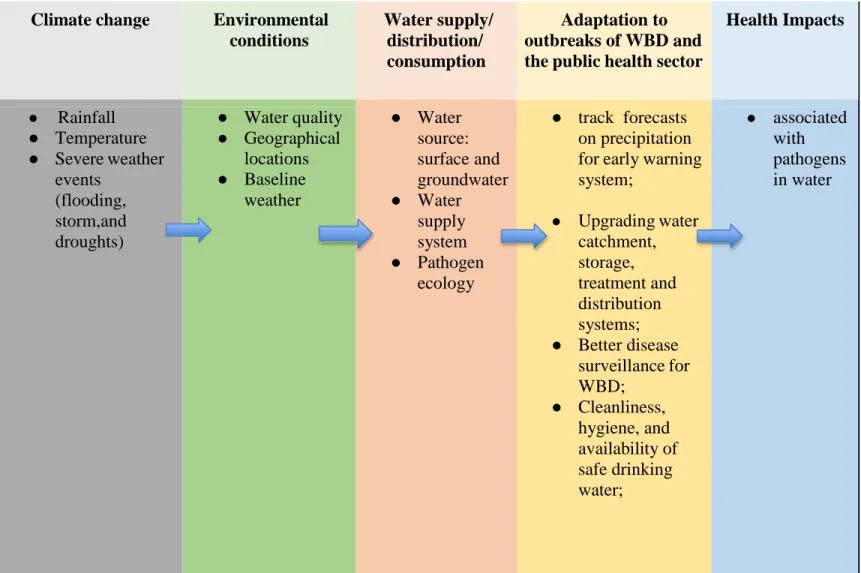
Figure 1: Pathways through which climate change may alter the health impacts associated with pathogens in water
4
List of Table
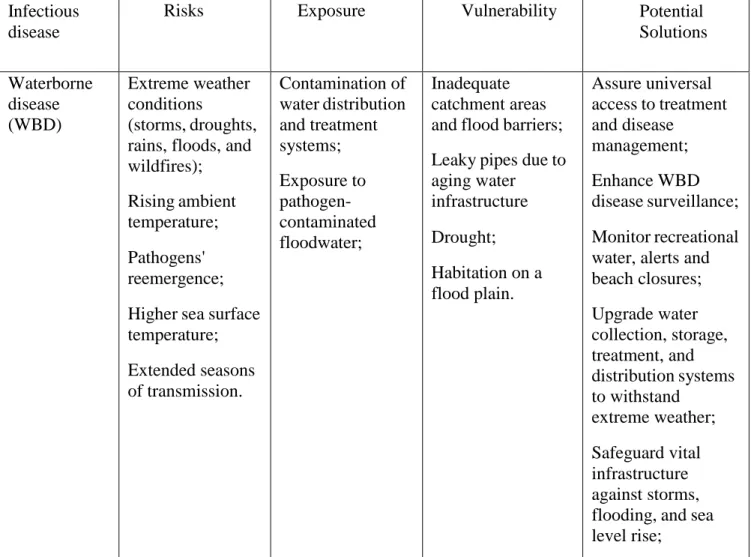
Table 1: Risks, exposure, and vulnerabilities related to climate change and waterborne diseases in Europe, along with potential solutions
17
List of Acronyms
CCC Climate Change Cell
CDC Centers for Disease Control and Prevention
EU European Union
EWARS Early Warning, Alert and Response System NGOs Non Government Organisations
OCVs Oral Cholera Vaccines
UNHCR United Nations High Commissioner for Refugees
UNICEF United Nations International Children's Emergency Fund WASH Water, Sanitation and Hygiene
WBD Waterborne diseases
WGS Whole Genome Sequencing WHO World Health Organization
Chapter 1: Introduction
Globally, waterborne disease is an important public health issue and the World Health Organisation (WHO) estimates that every year more than 3.4 million people die as a result of water-related diseases, making it the leading cause of disease and death around the world (Jessica Berman, 2009). The worldwide society continues to suffer greatly from waterborne infections, with developing countries, and young children in particular, bearing the majority of the burden of sickness and mortality. Two of the biggest obstacles in the global fight against waterborne disease continue to be a lack of basic sanitation and hygiene standards and deteriorating infrastructure (Ford & Hamner, 2018). This review considers the impact that environmental seasonal climate change may have upon the outbreak of waterborne pathogens and subsequent human illness in western countries as well as in Bangladesh and emphasizes on the variety of advancements and adaptation measures taken in the western countries against waterborne infections.
Climatic variations have been linked with waterborne infectious diseases and the pathogen’s reproduction, survival and its life cycle can be improved either explicitly or implicitly by climate change. Change in climate is usually the vital step to know about seasonal variations (Indhumathi
& Sathesh Kumar, 2020). Climatic changes can affect the constant water circulation on Earth in unexpected ways. The indications of the hydrological cycle such as severe weather events, flooding, storm surges, and droughts show that they have gone wrong (Fig.1). In contrast to progressively changes in climate, quick and rapid changes are even more difficult for public health practice (Semenza & Paz, 2021).
Due to seasonal climate change, the intensity of weather is predicted to increase which means that the areas at the risk of drought may undergo more extreme droughts and some areas will go through an increase in rainfall and flood risk. As well, the average temperature is supposed to rise; some areas will sustain more of a temperature rise than others. Certain areas with warmer surface temperatures would have an increase in the speed of the hydrological cycle which can lead to faster evaporation and more precipitation (Safe Drinking Water Foundation, 2017). A severe precipitation event can generate a causal chain of secondary events with unpredictable impacts.
The ripple effect caused by such cascading risk pathways can damage essential infrastructures.
Climate change can increase the vulnerabilities present in society upon which the cascading risks rely on. For instance, a heavy rainfall event can wash out animal pathogens from grasslands into waterways and overcome old water treatment and distribution systems and thus resulting in waterborne outbreaks (Semenza & Paz, 2021). During summer droughts, lower river discharges can cluster pathogens which leads to higher risks of infection and also increase the deactivation of pathogens through the rise in temperatures and residence times, leading to reduced infection risks (Levy et al., 2018). Heavy rainfall events may drench underground soils in low-income communities with little water treatment infrastructure, mobilizing pathogens and increasing human contact with these infectious microorganisms. Heavy downpours may make source water more turbid, overwhelming water treatment systems, especially areas with water treatment infrastructure (Levy et al., 2018). Through the impact of salinity, pH, or nutrient concentrations in aquatic settings, rainfall can affect the pathogen's growth and survival in addition to human exposure to the disease and sanitary conditions (Hashizume et al., 2008). Events of excessive or heavy rainfall can cause infectious microorganisms to become more active in the environment and increase water run-off from fields into rivers, coastal waters, and wells (Cann et al., 2013).
There is a high chance that waterborne diseases can rise due to development of fecal pathogens during the rainy season and heavy rainfall events may result in the outbreak of various disease pathogens after a long drought (Indhumathi & Sathesh Kumar, 2020).
It has been hypothesized in a research (Hashizume et al., 2008) that, the strong association between the surface temperature of the Bay of Bengal and the cholera outbreak is caused by warm coastal waters and plankton blooms, both of which are conducive to the growth of Vibrio cholerae. The apparent correlation between rainfall and cholera cases may only be present in areas with low lying water bodies that are subject to floods. The connection could also be strongly influenced by the level of sanitation and cleanliness in a place (Hashizume et al., 2008). An increase in temperature and sunshine hours has been found to have a favorable impact on the variability of monthly cholera occurrence, according to a study on the synergistic effect of temperature and sunshine hours in cholera outbreaks in Matlab, Bangladesh. The climatic characteristics of summer in Bangladesh include high temperatures and relatively fewer hours of sunshine. Higher temperatures and moderate sunlight hours were found to be favorable for cholera epidemics in summer, whereas in the winter even if the temperature is relatively low, the extended daylight hours compensate for the low temperature to increase the incidence of cholera (Islam et al., 2009). According to another study, the cholera pathogens surged from June to September while it was warm outside. So, cholera pathogens can multiply when there is little precipitation and a high temperature (Indhumathi &
Sathesh Kumar, 2020).
Figure 1 illustrates the main pathways through which climate change may influence the health impacts associated with pathogens in water.
In populations that have more access to safe water and sanitation infrastructure, the effect of temperature on waterborne disease may be reduced. It is more obvious that the effect of climate on diarrheal diseases relies on social and environmental conditions that influence pathogen exposure, host susceptibility, and a community’s ability to react to stress (Levy et al., 2018).
The aim of this paper is to review the available literature on the effects of environmental seasonal changes in the epidemiology of waterborne diseases and focuses on the need to improve current capability and adaptability potential against waterborne diseases such as diarrhea, cholera etc. due to climate change in Bangladesh.
Figure 1: Pathways through which climate change may alter the health impacts associated with pathogens in water
● associated with pathogens in water
● track forecasts on precipitation for early warning system;
● Upgrading water catchment, storage, treatment and distribution systems;
● Better disease surveillance for WBD;
● Cleanliness, hygiene, and availability of safe drinking water;
● Water source:
surface and groundwater
● Water supply system
● Pathogen ecology
● Water quality
● Geographical locations
● Baseline weather
● Rainfall
● Temperature
● Severe weather events
(flooding, storm,and droughts)
Health Impacts Adaptation to
outbreaks of WBD and the public health sector Water supply/
distribution/
consumption Environmental
conditions Climate change
Chapter 2: Effects of Climatic factors on WBD
Floods, droughts, intense storms, altered rainfall patterns, rising temperatures, and sea level are all global trends that will have a growing impact on water's biological, physical, and chemical constituents in many ways, raising the risk of WBD (Figure 1).
Based on seasonal climate, three factors are crucial for spreading infectious disease and the components are the environment (that allows the transfer of the disease), the agent (which causes the disease), and the host (a living thing impacted by the agent). The disease cannot exist without these three components (Indhumathi & Sathesh Kumar, 2020).
Unevenly distributed climate changes within and between European countries are linked to an increasing number of infectious health consequences. One of the main factors in the emergence, re-emergence, and spread of infectious disease has been demonstrated to be environmental weather characteristics, which contribute nonlinearly to infectious disease transmission. Additionally, they play a role in the spatial reproduction, transmission, and survival of disease pathogens and their vectors, as well as their spatial patterns and dissemination. Waterborne epidemics have been triggered by extreme precipitation occurrences (Semenza & Paz, 2021).
Climate and water cycle changes will make it harder to get water availability, but they will also expose more people to contaminated water. Waterborne disease risk is increased by a variety of factors, including droughts, heavy storms, changes in rain patterns, temperature rise, and sea level rise, all of which are on the rise globally. These factors all have an impact on the biological, physical, and chemical components of water in various ways. It is challenging to determine how seasonal climate change affects the spread of waterborne diseases due to the simultaneous impact of other factors, such as habitat destruction, extensive human travel and migration, drug and
pesticide resistance, urbanization and increased population density, and accessibility to health services (Funari et al., 2012).
Temperature has an impact on the growth and survival of pathogens and vectors, whereas precipitation has an impact on the transportation and spread of infectious agents, notably through water and sanitation systems. Humans are exposed to waterborne illnesses through drinking water contamination, recreational water contamination as well as flood water contamination. As a result, climate variability and change will have an impact on the prevalence of infectious diseases that are sensitive to the climate, particularly water-borne infections. There are concerns that the health hazards linked to inadequate access to water, sanitation, and hygiene will likely become worse in many parts of the world due to trends in climate change (Cissé, 2019).
Chapter 3: Climatic impacts on WBD
Waterborne diseases can be impacted by seasonal climate change in the following ways: - direct effects in the case of extreme events like floods and sea level rise, where water can be contaminated due to the presence of fecal-oral pathogens in the environment; and - indirect effects due to climatic factors (like temperature and humidity) that affect processes of pathogen multiplication and survival, as well as other problems (e.g. agriculture, water resource management, conflicts, displacements, etc.) (Cissé, 2019) (Hegde et al., 2021).
Climate variability and change may have a significant impact on human health, either directly- for example, by increasing the risk of trauma or drowning during extreme weather events- or indirectly- by changing the nature of natural habitats and surroundings, therefore increasing the risk factors to which human populations are exposed (Funari et al., 2012). Human health will be impacted by climate change and its variability in a variety of ways, and the distribution, survival, and growth of pathogens are key elements in the transmission of many diseases. These pathways are linked to many social, environmental, ecological, and economic aspects. Particularly, temperature and precipitation have a significant impact on how diseases spread (Confalonieri et al., 2015), (Dennis & Fisher, 2018), (Cissé, 2019).
The frequency, severity, and length of extreme weather events involving water, such as heavy rainfall, storm surges, floods, and drought, are predicted to vary due to global climate change (Cann et al., 2013). Climate change has the potential to influence the distribution and incidence of diarrheal diseases, as their transmission is enhanced by inadequate or unclean water. The number of warm days and nights, as well as the frequency and severity of both droughts and heavy rainfall events, have all increased as a result of anthropogenic climate change. Since high temperatures can affect pathogen survival, replication, and virulence, severe rainfall events can mobilize
pathogens and damage water and sanitation infrastructure, and drought can concentrate pathogens in scarce water supplies, these factors have an impact on waterborne diseases (Levy et al., 2018).
Extreme weather events are by far among the worst natural disasters in terms of their impact on human life, harm to the built environment, destruction of vital infrastructure, loss of property and economic activity, irreversible contaminations, forced population relocation, and the spread of both short-term and long-term diseases. Extreme weather events add a difficult-to-manage fecal- oral contamination pathway, which increases illness cases and mortality (Funari et al., 2012).
Extreme weather conditions have been shown to affect enteric pathogens, especially those that are fecal-oral and are present in the environment, increasing the risk of gastrointestinal and diarrheal disorders (Levy et al., 2018), (Cissé, 2019).
With an increase in heavy rainfall and a decline in water quality after longer drought events are predicted to lead to an increase in waterborne illnesses (Cann et al., 2013). According to a number of studies (Levy et al., 2018), (Lake & Barker, 2018), (Schijven et al., 2013), climate change will have an impact on the incidence of waterborne diseases worldwide, particularly diarrheal diseases (Cissé, 2019).
There is enough data to show that the climate, particularly periods of intense rainfall and high temperatures, may raise the risk of diarrheal infections, one of the main contributors to the burden of waterborne diseases. Extreme precipitation events, flooding, and storm surges, which are occurring more frequently owing to climate change, provide a higher risk of infrastructure disruption, failure, or system capacity exceeding even in places served by modern sanitation and drinking water systems. The progress made in recent decades to lower infectious illness rates globally is threatened by climate change. Due to the significant burden of diarrheal diseases, even
little changes in the risk of diarrheal diseases as a result of climate change can have significant effects on population health (Levy et al., 2018).
One of the biggest threats to public health today is the effects of climate change on health (Cissé, 2019) (DeJarnett et al., 2018). When pathogenic agents are transmitted through water contact, negative health consequences can result, including gastrointestinal illness/diarrheal disease, respiratory discomfort, reproductive and fertility issues, neurological diseases, and even death (Rhoden et al., 2021). Although diarrhea morbidity and mortality are decreasing globally, climate change may impede this trend, undermining international efforts to reduce the burden of diarrheal disease, with effects concentrated in some of the most vulnerable communities in the world (Levy et al., 2018).
The impacts of infectious diseases caused by climate change depend not only on climatic risks but also on other hazards like pathogens and vectors. The effects of climate change are actually the outcome of dynamic interplay between hazard, exposure and vulnerability. The new European Union (EU) Strategy on Adaptation to Climate Change, which was adopted in February 2021 by The European Commission, acknowledged the intricacy of the nexus of these three parts of climate change impacts. By accelerating adaptation planning and climate risk assessments, advancing adaptation action, and contributing to the global strengthening of climate resilience, the strategy's cornerstone is to expand the knowledge base on climate impacts and adaptation solutions (Semenza & Paz, 2021).
Chapter 4: Potential WBD
Water is essential to human life and health and the most frequent and pervasive health risk linked with drinking water contamination, either directly or indirectly, is by human or animal waste.
Potential WBDs such as diarrhea, cholera, dysentery, typhoid, and polio are just a few of the illnesses that can spread due to contaminated water and poor sanitation. Numerous harmful microbes, such as bacteria, viruses, protozoa, and helminths, are responsible for waterborne infections. This typically happens as a result of untreated wastewater and drinking water, as well as natural disasters such as flooding and environmental contamination (Nafiu Abdulkadir et al., 2018). Many infectious diseases have a tendency to emerge and reappear as a result of climate change.The incidence of waterborne infectious illnesses may increase as a result of climate-related increases in sea surface temperature and sea level (Chowdhury et al., 2018). For a number of infectious diseases, the climatic suitability for transmission may decline in some places while increasing in others. Bacteria require suitable climate and weather conditions in order to survive, reproduce, spread, and transmit. Unexpected weather conditions have an impact on all environmental resources. Therefore, changes in the environment or in the weather could spread infectious diseases to people (Semenza & Paz, 2021).
Diarrheal disease outbreaks have been linked to both heavy rainfall and dry seasons, demonstrating that dry periods can concentrate enteric pathogens and precipitation can mobilize them, allowing contamination of drinking water sources and enhancing the possibility of human-pathogen contact in both circumstances. Increasing amounts of evidence point to the possibility that diarrheal disease distribution may vary as a result of climate change, particularly as high temperatures, heavy rainfall, flooding, and drought rise. As the prevalence of diarrheal diseases rises, it is becoming more and more obvious that the effects of climate change on diarrheal diseases depend not only
on meteorological conditions but also on the underlying social and ecological contexts, including water and sanitation infrastructure, local pathogen distribution, and social capital, which affect a population's exposure, sensitivity, and capacity for adaptation (Levy et al., 2018).
The study (Indhumathi & Sathesh Kumar, 2020) notes that flooding and extremely high temperatures may promote the emergence of various infectious diseases such as cholera and salmonellosis. According to the research (Jofre et al., 2009), climate change may alter when and how much rain falls. As a result, climate change may result in more unanticipated precipitation at unanticipated times. Unexpected water-borne diseases are spread throughout the ecosystem as a result of this. The increase in sea surface temperature brought on by the rising global average temperature has a direct impact on how quickly harmful Vibrio bacteria reproduce in marine environments. The rise of Vibrio infections in the Baltic is caused by anthropogenic climate change, which is linked to morbidity and mortality among recreational water users (Semenza &
Paz, 2021).
A number of naturally occurring bacteria can be harmful to people, including different species of Vibrio (which can cause diarrhea and gastroenteritis), Shigella (which can cause Shigellosis, a type of dysentery), Salmonella (which causes Salmonellosis) and Verotoxic E. Coli ( which causes diarrhea).
Human and animal fecal pathogenic bacteria reach surface waters mostly through discharges of raw and processed wastewater as well as through runoff from the land. Higher pathogen concentrations in natural waters brought on by more frequent and intense heavy rainfall/floods will generally reflect in poorer quality of drinking and bathing waters, crops, and seafood. In fact, prolonged periods of heavy rain or flooding can ruin sewage treatment facilities, resulting in the
flow of animal waste and manure, and re-mobilize and redistribute polluted sediments (Funari et al., 2012).
Floods and storms can significantly affect the spread of cholera, which is brought on by the naturally occurring V. cholerae, by damaging the water distribution system and mixing drinking and waste fluids. The illness is one of the most severe types of waterborne diarrhea, especially in underdeveloped nations where seasonal epidemics are linked to poverty, inadequate sanitation, and the use of contaminated water. If environmental and public health measures are not put in place, it is projected that rising temperatures will broaden the geographic range and increase the prevalence of V. cholerae and cholera both at present and in the future. Inland locations will see more saltwater intrusion and a spike in marine and estuarine bacteria, including V. cholerae, as a result of sea level rise. Therefore, it is anticipated that a rise in temperature will endanger water quality, particularly in relation to the cholera epidemic in Asia and South America (Funari et al., 2012).
Increased amounts of insoluble iron boost V. cholerae's ability to survive in aquatic habitats during periods of heavy rainfall. Iron in moderate amounts also promotes the cholera toxin's expression.
Additionally, it has been proposed that heavy rains could eradicate the virophages that feed on V.
cholerae in water, causing cholera epidemics. Changes in the water supply and hygienic practices brought on by low rainfall may affect the prevalence of cholera (Hashizume et al., 2008).
Each year, cholera causes at least 100 000 cases and about 4500 deaths in Bangladesh alone.
According to one estimate, cholera has an incidence rate of 1.64 per 1000 persons, putting more than 66 million people at risk. Bangladesh still has an endemic cholera problem, with some regions experiencing a yearly increase. Both droughts and floods result in an increase in cholera
transmission. Along with rainfall, pond and river water temperature has a tenuous connection to the spread of cholera. Although cholera affects people of all ages, the majority of fatal cases involve children. A significant load is placed on children under the age of five, although adults are also at danger (Islam et al., 2018).
Over the past 20 years, there have been just over 70,000 instances of waterborne disease in Florida among children under five, which is more than twice the incidence of any other age group. This population is more susceptible to exposure to and infection from waterborne diseases due to poor hygiene in young children, exploratory mouthing behaviors, immature immune systems, and lower infectious dosage requirements. Waterborne pathogens have been found in gopher tortoises with Salmonella species and residents 0–4 years old made up the largest percentage of confirmed cases of salmonellosis, which accounts for the majority of waterborne infections in Florida (Rhoden et al., 2021).
A municipality of 6343 people in Spain experienced an outbreak of Shigella sonnei infection in August 2002. Acute gastroenteritis affected 756 person's overall, and shigella was confirmed in 181 individuals. On August 5 and 6, 2002, the incidence peaked. According to the environmental assessment, the 31st and 1st of July's heavy rains caused a significant movement of mud, which worsened the water quality at the capture point, a treatment facility lacking the infrastructure to handle extremely turbid water. Staff members without the necessary training were unable to stop potential river pollution and instead provided water with lower chlorine levels than what was advised (Arias Varela et al., 2006).
A total of 350 E. coli O157 outbreaks were recorded from 1982 to 2002 in the 49 states of the USA, of which 31 were waterborne outbreaks, with 21 occurring in recreational water and 10 in
drinking water. For the first time in 1991, outbreaks connected to recreational water occurred in 14 (or 67%) lakes or ponds and 7 (or 33%) swimming pools. From June to September, there were outbreaks. Continued educational initiatives aimed at parents of young children should assist in lowering the amount of fecal matter contamination in recreational water locations. Furthermore, the greatest E. coli O157 outbreak in the history of the United States happened in 1999 during a county fair as a result of contaminated drinking water, and the implicated water came from a temporary, uncontrolled well on the fairgrounds. This involved 781 sick people; 9% were admitted to hospitals, 2% developed HUS, and 2 died. Many American households at the time got municipal water that had not been chlorinated (Rangel et al., 2005). Therefore, it is determined from this case that in order to safeguard against E. coli O157 contamination in the municipal and well water system, properly operating water systems with adequate chlorine levels should be included. This is because drinking and recreational water have the potential to infect many people.
Due to its location along rivers, Bangladesh is prone to catastrophic flooding. The monsoons of 1988, 1998, and 2004 resulted in severe flooding. Epidemics of waterborne diseases have been linked to flooding. Following floods, it is hypothesized that water pollution from malfunctioning water filtration and sewage disposal systems is the main cause of water-borne outbreaks of diarrheal disease. The spread of diarrheal diseases may also be aided by flooding's secondary consequences, such as crowding and the fecal-oral transmission of gastrointestinal pathogens that results. In a study carried out by researchers in Bangladesh, published the findings of a focused investigation for enterotoxigenic E. coli during a 6-week span of the first Dhaka flood of 2004 where they discovered that patients with infection represented a sizable portion of those presenting to a diarrhea treatment facility in Dhaka and E. coli infection in particular made up 18% of cases (Schwartz et al., 2006).
The majority of diarrhea-related morbidity and mortality globally is caused by waterborne microorganisms. When animal or human waste is not adequately collected, stored, and treated before being released into a shared environment, such as a local water source, many waterborne infections are zoonotic and are spread. These microorganisms can be spread by agricultural and storm runoff across a variety of media, including soil, water, sand, and aerosolized particles, to settle in places where people or animals might be exposed to them and become ill. When people or animals consume, breathe, or come into touch with toxins or infectious agents through their skin, eyes, ears, or other mucous membranes when using contaminated water, it can result in disease. Most infections caused by water-based toxins and toxin-producers are contracted through ingestion of polluted water or aquatic creatures (Rhoden et al., 2021).
Since pathogen diffusion is dependent on the hydrodynamics of surface water bodies, it is reasonable to assume that floods and heavy rains will contradict the environment's natural pathogen inactivation by UV and warmth by accelerating water fluxes transporting pathogens.
Increased ambient concentrations of harmful microorganisms may lead to an increase in illness incidence and the emergence of new diseases (Funari et al., 2012).
Chapter 5: Prevention and Adaptation to WBD
Effective strategies are needed to prevent waterborne disease outbreaks such as maintaining the quality of raw water, ensuring acceptable margins of safety for surface water systems, construction and management of filtration facilities receiving more attention and disinfection must be done in treatment of surface waters (Craun, 1992).
Furthermore, monitoring of recreational water, alerts, and beach closures, better disease surveillance for WBD, upgrading water catchment, storage, treatment and distribution systems to sustain extreme weather events, protect key infrastructure from floods, storms, and sea level rise, limiting excessive water use to safeguard aquifers, water filtration devices for homes, community- based water collecting and storage, monitor projections for sea surface temperature or precipitation for early warning system, drinking water catchment management can be appropriate measures to control and prevent spread of WBD (Semenza & Paz, 2021) (Table 1).
The sensitivity and adaptive capacity of a community, or the social and environmental factors that influence pathogen exposure, host susceptibility, and a community's capability to cope under stress, are important factors in determining a community's vulnerability to climate change (Levy et al., 2018).
Infectious disease
Risks Exposure Vulnerability Potential
Solutions Waterborne
disease (WBD)
Extreme weather conditions
(storms, droughts, rains, floods, and wildfires);
Rising ambient temperature;
Pathogens' reemergence;
Higher sea surface temperature;
Extended seasons of transmission.
Contamination of water distribution and treatment systems;
Exposure to pathogen- contaminated floodwater;
Inadequate catchment areas and flood barriers;
Leaky pipes due to aging water infrastructure Drought;
Habitation on a flood plain.
Assure universal access to treatment and disease
management;
Enhance WBD disease surveillance;
Monitor recreational water, alerts and beach closures;
Upgrade water collection, storage, treatment, and distribution systems to withstand
extreme weather;
Safeguard vital infrastructure against storms, flooding, and sea level rise;
Table 1 Risks, exposure, and vulnerabilities related to climate change and waterborne diseases in Europe, along with potential solutions.
The adaptation to seasonal climate impacts which is adopted to prevent the outbreak of waterborne diseases in the US, Europe and Bangladesh is discussed as follows.
State and local health departments conduct investigations into disease outbreaks in the US and report their findings to the Centers for Disease Control and Prevention (CDC). The regulatory and public health agencies are obligated to evaluate prevention and control measures in order to prevent future outbreaks based on the results of the outbreak. Knowing the routes of transmission enables
the public to be informed about limiting dangerous activities that can lower their risk for waterborne illnesses (Rangel et al., 2005).
The new European Union (EU) Strategy on Adaptation to Climate Change, which was adopted in February 2021 by the European Commission, acknowledged the complexity of the relationship between vulnerability, exposure, and hazards of climate change impacts. The strategy's main objective is to increase understanding of climate impacts and adaptation options by expediting adaptation planning and climate risk assessments, increasing adaptation action, and enhancing climate resilience on a global scale. Cascading climate events that trigger a series of subsequent incidents that affect natural or human systems increase the risk of WBD. For instance, prolonged periods of extreme precipitation can saturate soils, mobilize pathogens from pastures and fields, and flood them into water treatment and distribution systems, which can lead to epidemics of waterborne diseases. Due to this risk, outdated water catchment, storage, treatment, and distribution infrastructure must be upgraded, and leaking pipes must be fixed (Semenza & Paz, 2021). Floods, hurricanes, and sea level rise must be prevented from damaging critical infrastructure. Forecasting meteorological conditions indicative of the advent of infectious diseases susceptible to climate change is a necessary component of adaptation strategies to stop cascading risk pathways. Heavy rain events or a rise in sea surface temperature in marine waters can be predicted by an early warning system using atmospheric forecasts. The environmental appropriateness of pathogenic Vibrio infections in marine waters can be predicted by remotely monitoring sea surface temperature and salinity in real time. During the sweltering summer months, a system like this has been put into use at the European Centre for Disease Prevention and Control with weekly alerts to state epidemiologists. Beach closures, public announcements, and
health care providers' notifications can reduce the likelihood that recreational water users will come into contact with such marine microorganisms (Semenza & Paz, 2021).
The WHO aims to advance national initiatives and financial commitments to support the case management of diarrhea and its complications as well as expanding access to hygienic conditions and potable water (WHO, 2017). Physical, microbiological, and chemical parameters that are deemed acceptable all affect the quality of drinking water. Drinking water is safe if it is devoid of pathogens, dangerous chemicals, and animal and human waste (Nafiu Abdulkadir et al., 2018).
Therefore, cleanliness, hygiene, and availability of safe drinking water are recommended in areas that are vulnerable to waterborne infections in South Asian countries including Bangladesh.
In Bangladesh, water and sanitation facilities faced a great deal of stress as a result of the inflow of Rohingya refugees. It was predicted that ahead of the monsoon season, flooding and heavy rains will make camp residents more vulnerable, raise the chance of cholera outbreaks, and endanger the already shaky infrastructure and services for water, sanitation, and hygiene (WASH). In the Kutupalong camp near Cox's Bazar, 203,000 people would be in danger due to the monsoon rains, according to a UNHCR assessment. The World Health Organization indicated that 62% of the household water in refugee camps is filthy, and according to a study from UNICEF and partners in February 2018, 312,691 people still require WASH support. Wells that are too shallow (less than 40 meters deep) and located too close to latrines (and hence potentially polluted with E. coli) as well as unhygienic water handling practices such as the usage of unclean containers and inadequate hygiene practices are likely to be the cause of this contamination. The World Health Organization has created an Early Warning, Alert and Response System (EWARS) to identify and respond to the outbreak of diseases that are prone to epidemics. They have also sent an environmental health team to Cox's Bazar to evaluate and monitor the quality of the drinking water
while also assisting with the improvement of WASH, particularly in healthcare facilities (Praem Mehta and Katie Kuschminder, 2018).
The government of Bangladesh announced their first national cholera control strategy in 2019, with the lofty targets of eliminating cholera and reducing morbidity and death by 50% by 2025 and 90% by 2030. To assess and gauge the decline in morbidity and mortality, Bangladesh has few comparative, nationally representative data sets. To target interventions to the areas with the highest burdens and track progress from endemic transmission to elimination, a cholera surveillance system with broad geographic coverage is required. Vaccination campaigns, water, sanitation, and hygiene interventions, and improved case management are the main tools for achieving these elimination targets (Hegde et al., 2021).
The use of cholera vaccine in the public health management of both endemic and epidemic cholera is now recommended by the World Health Organization (WHO) as of 2010. This suggestion relates to a family of related inactivated oral cholera vaccines (OCVs), which have shown to be consistently more effective and widely accepted than the previous injectable whole-cell vaccines, which were dropped in the 1970s. The WHO has so far endorsed and prequalified three of these OCVs—Dukoral, Shanchol, and Euvichol/Euvichol-Plus—so that United Nations organizations like Unicef and GAVI can buy them. Additional OCVs are in the works as well. The first OCV, Dukoral, has been accessible since the early 1990s, but it took a long time for the WHO to fully grasp the benefits of OCVs for public health. However, the situation has radically altered, and the WHO has referred to OCVs as a game changer in the global effort to combat cholera. The OCVs are a key component of the global action plan for Ending Cholera: A Global Roadmap to 2030, which was introduced in 2017 by WHO's Global Task Force on Cholera Control. The plan's
objectives include eliminating cholera transmission in the majority of the current affected countries and reducing cholera deaths by at least 90% by 2030 (Holmgren, 2021).
Therefore, the usability, affordability, and functionality of disease surveillance systems are all steadily improving. It is possible to strengthen public health agencies with prevention and mitigation measures by improving the capacity to respond to and even predict diseases and outbreaks among humans. Monitoring and reporting water-related illnesses can help allocate limited resources to the disease with the greatest impact, aim prevention efforts at vulnerable populations, or create environmental interventions in high-risk locations (Rhoden et al., 2021).
Chapter 6: Comparison of WBD incidence in Eastern and Western world
About 1.8 million people die each year from waterborne diseases, which are estimated to account for 4.1% of the world's disease burden. Of these deaths, 88% are due to unsafe water supplies, poor sanitation, and poor personal hygiene. 884 million people, including 159 million who rely on surface water like rivers and lakes, lack access to even the most basic drinking water services, according to the World Health Organization. In addition, 423 million people use unprotected wells and springs to get their water. At least 2.1 billion people utilize feces-contaminated drinking water sources worldwide. People are nevertheless compelled to use unimproved water sources since access to safe drinking water is still a concern in underdeveloped nations (Nafiu Abdulkadir et al., 2018).
In many parts of the world, particularly in Bangladesh and Countries in Africa and South America, cholera continues to be a serious public health issue. Rivers, estuaries, and coastal waterways are known habitats for the bacteria that causes cholera. Bangladesh's expansive estuary serves as a favorable environmental reservoir for Vibrio Cholerae, and these topographic features might be specific to Bangladesh (Hashizume et al., 2008).
In the USA, state, territorial, and municipal public health organizations are responsible for identifying and looking into WBD outbreaks, as well as voluntarily reporting them to the CDC on a standard form (CDC form 52.12). State and territorial epidemiologists as well as those designated as WBD outbreak surveillance coordinators are required to submit reports to the CDC on an annual basis. In the USA, the state's drinking water agency provides more details as necessary about water quality and treatment (Barwick et al., 2000)
Bangladesh, a low-income nation, contributes very little to the process of global warming itself yet ends up being one of climate change's most severely impacted victims. Extreme weather occurrences like floods and cyclones are frequent due to monsoon weather and the presence of the Bay of Bengal in the south. According to reports, it is the nation that is most susceptible to the effects of climate change due to its unique geographic and physical location. Poverty, population density, and a lack of adaptability make the situation worse (Chowdhury et al., 2018).
In Bangladesh, Taiwan, and China, increased temperatures have been linked to an increase in diarrheal illnesses, including dysentery. There are many different ways that heavy rain might affect the disease. For instance, in crowded and impoverished tropical and subtropical areas, flooding and heavy rain can influence people's behavior by increasing human contact and dispersing germs in floodwater, which can result in outbreaks of diarrhea (Chowdhury et al., 2018). It was found out in a study that precipitation increased the prevalence of diarrhea. One explanation could be that frequent and high levels of drinking water contamination increase the spread of waterborne illnesses. Following significant rainfall, areas with high infectious disease loads and inadequate sanitary infrastructure frequently see a rise in the prevalence of diarrheal diseases (Chowdhury et al., 2018).
A study was carried out to assess the habit of drinking water and its relationship to the onset of diseases in the inhabitants of the Farmgate slum in the city of Dhaka, Bangladesh. The purpose of the study was to evaluate the current state of the water supply, waterborne illness, treatment practices, sanitation, and general sanitation knowledge.The findings show that water-related illnesses such typhoid (23%), dysentery (24%), diarrhea (91%), and cholera (16%), affected the majority of the population.The main reasons for the prevalence of and suffering from waterborne diseases in this Farmgate slum are a lack of proper hygiene education, contaminated water
supplies, a lack of water management practices, unhygienic sanitation, an extremely high level of poverty, and a lack of easy access to registered doctors while easy access to retail pharmacies allows for the dispensing of medication without a prescription (Parvez et al., 2019).
International gastroenteritis outbreaks caused by ingestion of oysters collected from Tahu lagoon, in France, were twice caused by heavy rains and sewage treatment plant failure. One of the outbreaks was distinguished by a significant diversity of human enteric viruses (up to six different strains), which were found in both shellfish and patient stool samples. Other significant outbreaks linked to the ingestion of contaminated oysters and clams after heavy rainfall events were those that afflicted 2000 individuals in Australia in the summer of 1978 and 1000 persons in New York State in 1982, according to reports (Funari et al., 2012).
According to the World Health Organization, there will be around 5 million deaths of children under the age of five by 2025, 97% of which will occur in developing nations and be primarily brought on by infectious diseases, of which diarrhea will continue to be a major contributor. The most well-known waterborne illnesses, including cholera, amoebic dysentery, and typhoid, have been reported from nearly all African nations, particularly in the region's tropical parts, including Uganda. According to the results of the distribution of waterborne diseases by age groups, the 0–
5 age group has the largest prevalence of each disease, accounting for 1325 cases, followed by the age groups 6–15 and 16–30 with 270 and 205 cases, respectively. As seen above, 126 people are in the category of more than 30. This is a blatant indicator that young children (0–5) are more susceptible to infections transmitted via water. This is a result of their immature immune systems.
According to research, children are more susceptible to disease when there is a dearth of clean water to drink. They frequently have a reduced ability to respond to a water-related infection since their immune systems and detoxifying systems are underdeveloped (Nafiu Abdulkadir et al.,
2018). By 2030, according to WHO, there will be an additional 48,000 deaths among children under the age of 15 that are primarily caused by diarrheal illnesses, and by 2050, there will be 33,000 deaths. In Asia and Africa, the effects of climate change on diarrheal disease are anticipated to be greater. Sub-Saharan Africa is anticipated to bear the brunt of the mortality effects associated with climate change in 2030, whereas Southeast Asia is likely to take that role in 2050.WHO estimates that around 2150 people, including 1700 children under the age of 5, passed away from diarrheal illnesses each year in countries like Mauritania, and that roughly 90% of these deaths are directly related to inadequate WASH (Cissé, 2019).
Chapter 7: WBD surveillance on its incidence during seasonal climate change
Weather extremes are predicted to become more frequent as a result of seasonal climate change and waterborne disease pathogens may reappear. A key component of better readiness is the incorporation of increased investigative and diagnostic capabilities as well as the application of alternative prior beliefs throughout the water resources and sanitation system into risk-based surveillance and response strategies. Monitoring waterborne diseases and health concerns should go beyond only keeping a check on the water supplies, supply, and waterborne infections.This effort is collectively referred to as epidemic intelligence, which integrates indicator-based information (such as water and waterborne illness surveillance) with event-based surveillance, which collects information from sources like the media, case reports, and scientific publications.
Together, these elements may help identify any potential public concern-causing events quickly.
Enhanced molecular surveillance is a further element of increased preparedness. Molecular techniques, especially whole genome sequencing (WGS), support high-resolution tracking and tracing of microorganisms over global scales e.g. cholera in Haiti; so that emerging trends become noticed in almost real-time (Lake & Barker, 2018).
The degree to which a population will experience the health effects of changing climatic conditions, as well as the severity of an environmental exposure that will result in a health effect, depend on social factors related to sensitivity, such as water and sanitation infrastructure and healthcare access, and adaptive capacity, including available resources with which to intervene to prevent increased disease burden. Even slight fluctuations in temperature or rainfall can have a negative impact on health in low-income countries because of their inadequate infrastructure for water and sewage treatment and their underdeveloped healthcare systems. Areas with little water
and wastewater treatment are more susceptible to the direct consequences of these exposures because baseline disease rates are frequently high in these settings. Whereas in high-income countries, a higher threshold of exposure is required for effects to be felt due to their water and sanitation infrastructure, which serves as a buffer against the health effects of changing meteorological conditions and limits the spread of waterborne infections (Levy et al., 2018).
Effective seasonal waterborne infection surveillance and response depend on information. Sentinel monitoring, which tries to frequently gather high-quality data in predetermined areas or among particular individuals, could be added to various well-established and intricately linked national surveillance programs for waterborne diseases. The establishment of measures to safeguard the population against waterborne pathogens should result from the outputs of surveillance and monitoring.
Chapter 8: Moving public health research forward to inspire policy and practice
In order to update and modify future policies to lessen the burden of climate-related health events in Bangladesh and other nations, research can provide guidance to our public health professionals, physicians, and other policy makers (Chowdhury et al., 2018).
Projecting the effects of measures to minimize climate vulnerability and addressing the social and environmental aspects of the relationship between climate and disease are the most urgent research goals in the field. Focusing on the mechanisms by which pathogen exposure and illness outcomes are influenced by the climate is necessary, as is the use of systems-based methodologies and process-based models that include meteorological, health, demographic, engineering, and environmental data. Clarifying these pathways would make it possible to design intervention studies more effectively to lessen vulnerabilities in regions that are at risk of developing more waterborne infections as a result of slow climatic change and to prepare for responding to meteorological extremes. In order to select successful interventions in high-risk populations and promote community resilience to climate change, strategic research can assist identify the places most susceptible to increases in disease risks and the actions most likely to minimize vulnerability (Levy et al., 2018).
Bangladesh has one of the highest rates of Vibrio cholerae infection at the national level in the world; according to a nationally representative survey, 17% of the 165 million Bangladeshis who live there were infected in 2015. In order to monitor seasonal and geographic trends in acute cases and identify regions with a high burden of laboratory-confirmed clinical cholera, the International Centre for Diarrheal Disease Research, Bangladesh (icddr.b) and the Institute of Epidemiology Disease Control And Research (IEDCR), Bangladesh established a national sentinel surveillance
system in 2014 (Hegde et al., 2021). The Ganges Delta, where the disease is consistently present, has been the site of a large portion of cholera research, including in Bangladesh at the International Centre for Diarrheal Disease Research, Bangladesh (icddr.b) and in West Bengal at the National Institute of Cholera and Enteric Diseases (Sack et al., 2021).
The Delta Plan 2100 (BDP 2100) of the Bangladeshi government (GoB) divides Bangladesh's 64 districts into six ecological zones based on hydrological traits and climate hazards, and it identifies 58 districts as being "particularly vulnerable" to the effects of climate change. Different health issues are raised by the water crises' heterogeneity across the various hotspots.The hotspots include Urban areas, Barind, Coastal region, the Haor region, Riverine areas, and the Chittagong Hill Tracts. Urban regions continue to see outbreaks of water-borne diseases like cholera due to limited access to waste and refuse disposal, poor water, sanitation, and hygiene conditions and practices.The northwest Barind region, a drought-prone area, experiences a significant drop in cropped land areas and food production throughout the summer months, which exacerbates poverty and food insecurity. Salinity levels in the natural drinking water sources have been linked to an increase in diarrhea-related morbidity and death in the southern coastal region. Flash floods frequently occur in the Haor region, a wetland habitat in the northwest, contaminating water supplies with diseases and microorganisms and leading to unhygienic sanitary conditions.There has been a recent increase in flood frequency, according to patterns in riverine areas. Numerous water supplies in the Chittagong Hill Tracts have dried up as a result of climate change, displacing thousands of people, mostly tribal people, from their ancestral homes (Wameq Azfar Raza and Keiko Inoue, 2022)
Research may concentrate on figuring out how and where to intervene to lessen risk now that the most vulnerable individuals have been identified. Therefore, conducting scientific research to
confirm earlier findings need to be taken into account to reduce the likelihood of incidences of diseases that are sensitive to the climate. Governmental organizations of Bangladesh such as the Director General of Health should start separate surveillance programs for diseases that are climate-sensitive. For the purpose of facilitating future analysis and forecasting, the government should create a dataset for diseases that are vulnerable to climate change as well as vector data based on regional distribution. It is important to create effective adaptation techniques to combat climate change. Such plans can be developed by a Climate Change Cell (CCC) in collaboration with pertinent partners and governmental and nongovernmental groups.
Chapter 9: Conclusion
Climate change effects will make it more difficult for the public health sector to combat water- borne infections, which are a leading cause of mortality and morbidity worldwide. According to scientific data from developed countries, the prevalence of diseases linked to water use is managed at highly acceptable levels. Better knowledge of the water-borne pathogens, where they originate, how they persist or replicate in the environment, how they survive water treatments, and how they are transported in water and soil, allowed the experts of USA and European countries to take the necessary measures to prevent the effects of extreme climatic events foreseen for the future in climatic change. In February 2021, the European Commission acknowledged the complexity of the connection between hazard, exposure and vulnerability of climate change impacts and adopted the new “European Union (EU) Strategy on Adaptation to Climate Change”. The core goal of the approach is to increase understanding of climate effects and adaptation options by expediting adaptation planning and climate risk assessments, increasing adaptation action, and contributing to the global strengthening of climate resilience.
Inadequate infrastructure and a lack of basic sanitation and hygiene remain two of the biggest obstacles to the global fight against waterborne disease in the global community, with developing nations. In Bangladesh, waterborne illnesses are a major public health concern. So it is necessary for Bangladesh to take new measures to maintain the present situation as there are reasons to think that the situation might worsen as a consequence of the effects of the climatic change, the increase of population in certain areas and the deterioration of sanitation infrastructures. Urban regions of Bangladesh continue to see epidemics of water-borne illnesses like cholera due to inadequate waste and refuse disposal, poor water, sanitation, and hygienic conditions and practices in slum areas.
Enhanced management of the water supply and sewage disposal, conservation of the water resources and improved sanitary habits at the individual and community levels may lower the incidence of waterborne diseases in Bangladesh.
In order to handle upcoming adversities, health practitioners need to be educated on climate change and its effects on human health. Training programs for health professionals may be started by the government in collaboration with NGOs and research institutions that focus on climate change and health issues. Programs to raise awareness of the effects of climate change on human health might increase community's adaptability. There may be significant effects of climate change on waterborne diseases, but these relationships are complicated and ambiguous. Consequently, there is a great deal of debate in academic literature on which waterborne infections will be most impacted, along with the precise implications and potential timeframes for alterations.
Improvements in public health operations, and hence climate change preparation, are supported by the adoption of cutting-edge surveillance techniques, like syndromic techniques, which can hasten detection and improve the efficacy of intervention in waterborne outbreaks, increased commitment to global information efforts, in guiding future policy advances together. These facts show that research plays a significant role in regions around the complex problems of climate change and public health.
The primary objective of surveillance is to identify the presence and concentrations of microorganisms that cause waterborne diseases in areas that are at risk, as well as the illness burden related to those illnesses. Molecular surveillance such as whole genome sequencing (WGS) can facilitate the tracing and monitoring of microorganisms in high resolution immediately after
seasonal outbreaks of waterborne pathogens in and around hotspot areas of Bangladesh. On the basis of this, public policy and preventative measures are informed. Successful operations require efficient lab operations and competent collaboration. International institutions like the WHO and the International Center for Diarrheal Disease Research Bangladesh (icddr.b) are increasingly focusing on coordinated worldwide surveillance.
References
Arias, C., Sala, M. R., Dominguez, A., Bartolome, R., Benavente, A., Veciana, P., ... & Hoyo, G.
(2006). Waterborne epidemic outbreak of Shigella sonnei gastroenteritis in Santa Maria de Palautordera, Catalonia, Spain. Epidemiology & Infection, 134(3), 598-604.
Barwick, R. S., Levy, D. A., Craun, G. F., & Beach, M. J. (2000). Surveillance for waterborne- disease outbreaks--United States, 1997-1998.
Berman, J. (2009). WHO: Waterborne Disease is World's Leading Killer. VOA. Retrieved from https://www.voanews.com/a/a-13-2005-03-17-voa34-67381152/274768.html
Cann, K. F., Thomas, D. R., Salmon, R. L., Wyn-Jones, A. P., & Kay, D. (2013). Extreme water- related weather events and waterborne disease. Epidemiology & Infection, 141(4), 671-686.
Chowdhury, F. R., Ibrahim, Q. S. U., Bari, M. S., Alam, M. J., Dunachie, S. J., Rodriguez-Morales, A. J., & Patwary, M. I. (2018). The association between temperature, rainfall and humidity with common climate-sensitive infectious diseases in Bangladesh. PloS one, 13(6), e0199579.
Cissé, G. (2019). Food-borne and water-borne diseases under climate change in low-and middle- income countries: Further efforts needed for reducing environmental health exposure risks. Acta tropica, 194, 181-188.
Confalonieri, U. E., Menezes, J. A., & Souza, C. M. D. (2015). Climate change and adaptation of the health sector: the case of infectious diseases. Virulence, 6(6), 554-557.
Craun, G. F. (1992). Waterborne disease outbreaks in the United States of America: causes and prevention. World health statistics 1992; 45 (2/3): 192-199.
DeJarnett, N., Robb, K., Castellanos, I., Dettman, L., & Patel, S. S. (2018). The American public health association’s 2017 year of climate change and health: time for action. American journal of public health, 108(S2), S76-S77.
Dennis, S., & Fisher, D. (2018). Climate change and infectious diseases: the next 50 years. Ann.
Acad. Med, 47(10), 401-404.
Ford, T. E., & Hamner, S. (2018). A perspective on the global pandemic of waterborne disease.
Microbial ecology, 76(1), 2-8.
Funari, E., Manganelli, M., & Sinisi, L. (2012). Impact of climate change on waterborne diseases.
Annali dell'Istituto superiore di sanita, 48, 473-487.
Hashizume, M., Armstrong, B., Hajat, S., Wagatsuma, Y., Faruque, A. S., Hayashi, T., & Sack, D. A. (2008). The effect of rainfall on the incidence of cholera in Bangladesh. Epidemiology, 19(1), 103-110.
Hegde, S. T., Lee, E. C., Islam Khan, A., Lauer, S. A., Islam, M. T., Rahman Bhuiyan, T., ... &
Gurley, E. S. (2021). Clinical cholera surveillance sensitivity in Bangladesh and implications for large-scale disease control.
Holmgren, J. (2021). Modern History of Cholera Vaccines and the Pivotal Role of icddr. b. The Journal of infectious diseases, 224(Supplement_7), S742-S748.
Indhumathi, K., & Kumar, K. S. (2021). A review on prediction of seasonal diseases based on climate change using big data. Materials Today: Proceedings, 37, 2648-2652.
Islam, M. T., Clemens, J. D., & Qadri, F. (2018). Cholera control and prevention in Bangladesh:
an evaluation of the situation and solutions. The Journal of Infectious Diseases, 218(Suppl 3), S171.
Islam, M. S., Sharker, M. A. Y., Rheman, S., Hossain, S., Mahmud, Z. H., Islam, M. S., ... &
Cravioto, A. (2009). Effects of local climate variability on transmission dynamics of cholera in Matlab, Bangladesh. Transactions of the Royal Society of Tropical Medicine and Hygiene, 103(11), 1165-1170.
Jofre, J., Blanch, A. R., & Lucena, F. (2009). Water-borne infectious disease outbreaks associated with water scarcity and rainfall events. Water scarcity in the Mediterranean, 147-159.
Lake, I. R., & Barker, G. C. (2018). Climate change, foodborne pathogens and illness in higher- income countries. Current environmental health reports, 5(1), 187-196.
Levy, K., Smith, S. M., & Carlton, E. J. (2018). Climate change impacts on waterborne diseases:
moving toward designing interventions. Current environmental health reports, 5(2), 272-282.
Mehta, P., & Kuschminder, K. (2018, April 25). Preventing a Monsoon Health Crisis in Bangladesh. https://ourworld.unu.edu/en/preventing-a-monsoon-health-crisis-in-Bangladesh
Nafiu Abdulkadir et al. (2018). Prevalence of Waterborne Diseases in Relation to Age and Gender in Nakoloke Sub County Mbale District, Uganda. J. of Advancement in Medical and Life Sciences.
V6I2. DOI: 10.5281/zenodo.1162962
Parvez, A., Shaheen, S. M., Sultana, S. (2019). Prevalence of water-borne disease in farmgate slum of Dhaka city: A case study of disease propagation in Bangladesh. Pharmacologyonline. Volume 1. 55-63
Rangel, J. M., Sparling, P. H., Crowe, C., Griffin, P. M., & Swerdlow, D. L. (2005). Epidemiology of Escherichia coli O157: H7 outbreaks, United states, 1982–2002. Emerging infectious diseases, 11(4), 603.
Raza, W. A., & Inoue, K. (2022). Water and Health: Impact of Climate Change in 6 Hotspots of Bangladesh.https://blogs.worldbank.org/endpovertyinsouthasia/water-and-health-impact-climate- change-6-hotspots-bangladesh
Rhoden, K., Alonso, J., Carmona, M., Pham, M., & Barnes, A. N. (2021). Twenty years of waterborne and related disease reports in Florida, USA. One Health, 13, 100294.