Informasi Dokumen
- Penulis:
- Dhiah Agustina Qahar
- Pengajar:
- Septi Asri Finanda, S.Pd., M.Sn.
- Kadek P, S.Sn., M.Sn.
- Gusti M.H.F, ST.
- Aryo Bayu W, ST., M.Med.Kom.
- Heru Subiyantoro, ST., MT.
- Aditya Rahman Y, ST., M.Med.Kom.
- Ir. Naniek Ratni JAR., M.Kes.
- Sekolah: Universitas Pembangunan Nasional “Veteran” Jawa Timur
- Mata Pelajaran: Desain Komunikasi Visual
- Topik: Perancangan Multimedia Interaktif CD Belajar Aksara Jawa Yuk! Ngudi Ilmu Carakan Dhewe Karo BALA Untuk Anak SMP dan MTS Di Lamongan
- Tipe: tugas akhir
- Tahun: 2013
- Kota: Lamongan
Ringkasan Dokumen
I. Introduction
This section provides the background of the research, focusing on the declining interest in Javanese script (Aksara Jawa) among junior high school students in Lamongan, Indonesia. The researcher highlights the cultural significance of Aksara Jawa and its cognitive benefits, emphasizing the need for engaging learning resources to revitalize interest. The introduction establishes the problem statement, which centers on the lack of interactive learning materials for Aksara Jawa and the resulting limited proficiency of students in reading and writing it. The research aims to design an interactive multimedia CD to address this issue, promoting self-directed learning and cultural preservation.
1.1 Background
This subsection details the diminishing interest in Javanese script among SMP and MTS students in Lamongan due to the influence of global culture. It underscores the historical and cultural value of Aksara Jawa and its cognitive advantages, including balanced brain activation. The limited availability of engaging learning resources is cited as a key factor contributing to students' lack of proficiency. The researcher's personal observations and interviews with teachers and students are included to support the claims.
1.2 Problem Identification
This section identifies specific problems related to the lack of interactive learning media for Aksara Jawa in schools. It mentions the absence of interactive CDs, insufficient resources for cultural learning, and students' limited knowledge of Javanese history and culture. A survey's results are presented, showing students' preference for foreign languages over Javanese. These findings highlight the need for a more engaging and accessible approach to teaching Aksara Jawa.
1.3 Research Questions
This concise subsection clearly states the central research question: How can an interactive multimedia CD be designed to teach Aksara Jawa effectively to SMP and MTS students in Lamongan, using a self-learning concept and incorporating local landmarks as learning guides? This question guides the research methodology and design process.
1.4 Scope and Limitations
This section defines the boundaries of the research. The target audience is specifically SMP and MTS students (grades VII-IX) in Lamongan. The design incorporates local landmarks (BA and LA) as visual aids. The focus is on self-directed learning, using the concept of 'Ngudi Ilmu Dhewe' (self-learning). The CD's content covers all aspects of Aksara Jawa, including animated segments on its history. The research excludes a detailed analysis of the Javanese language curriculum, concentrating solely on teaching reading and writing skills.
1.5 Research Objectives
This subsection outlines the specific goals of the research, including providing a basic understanding of Aksara Jawa, facilitating self-directed learning, stimulating students' interest in the script, promoting appreciation for Indonesian culture, and creating a unique and innovative design. The final objective involves completing the final-year project for the Visual Communication Design program.
1.6 Benefits of the Research
This section details both the academic and practical benefits of the research. Academically, it aims to improve the Visual Communication Design curriculum and provide a new learning resource. Practically, it offers a new interactive CD for schools, assisting teachers and motivating students to learn Aksara Jawa independently, thereby contributing to cultural preservation.
1.7 Research Methodology
This section briefly outlines the research methodology. It includes observations, interviews with teachers and students, a student survey, analysis of existing materials, and a detailed design process focusing on visual communication principles and interactive media design. The design process incorporates user experience mapping (consumer journey) to inform design choices and ensure engagement.
II. Literature Review and Existing Studies
This chapter explores relevant theories and existing studies related to interactive multimedia, visual communication, and Javanese script. It examines the theoretical frameworks underpinning the design, including theories of multimedia learning, principles of visual communication, and the cultural context of Aksara Jawa. It also analyzes existing educational resources for learning Aksara Jawa to identify strengths and weaknesses and inform the proposed design.
2.1 Theoretical Framework
This subsection presents the theoretical foundation of the research, drawing upon relevant theories of multimedia learning, visual communication, and instructional design. It discusses the importance of integrating various media elements (text, graphics, audio, animation, video) to create an engaging learning experience, emphasizing the principles of visual design such as unity, variety, contrast, and harmony in the context of an interactive CD. The pedagogical implications of these theories are discussed within the context of teaching Aksara Jawa.
2.2 Javanese Script (Aksara Jawa)
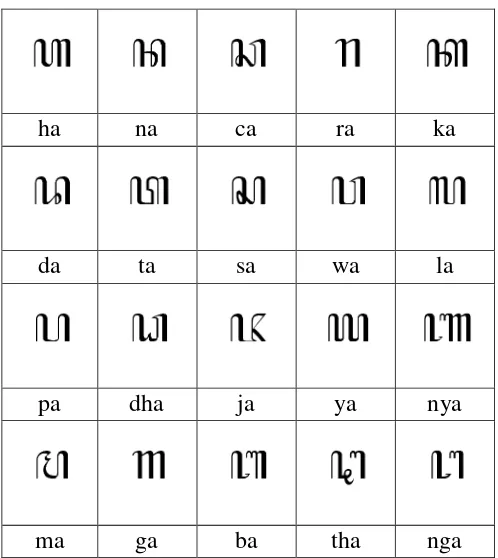
This section provides a detailed overview of Aksara Jawa, including its history, different types of characters (live characters, dead characters, numbers), and the use of diacritics. It explores the cultural significance of the script and its connection to Javanese identity. The section provides sufficient background information for understanding the complexities of the script and the challenges of designing an effective learning tool.
2.3 Analysis of Existing Interactive Learning Media
This section analyzes existing interactive learning media related to Aksara Jawa and similar scripts, drawing upon examples from other regions or languages. It examines the strengths and weaknesses of these existing tools to inform the design of the proposed interactive CD. The analysis considers factors such as interactivity, user interface design, learning outcomes, and overall effectiveness.
III. Research Methods
This section describes the research methodology used to design the interactive multimedia CD. It explains the data collection methods, including surveys, interviews, and observations, as well as the data analysis techniques used to interpret the findings. The research methodology is grounded in principles of user-centered design, ensuring the final product meets the needs of the target audience.
3.1 Defining the Title and Subtitles
This subsection explains the rationale behind the chosen title and subtitles for the interactive CD, clarifying the meaning and context of the chosen terms. The choice reflects the target audience, learning objectives, and the self-learning approach.
3.2 Sampling Technique
This subsection details the sampling strategy used to select participants for the research, justifying the chosen method. It provides information on how the target segment was identified and selected for the research, including sample size and representation of diverse student groups.
3.3 Data Type and Source
This subsection specifies the types of data collected (qualitative and/or quantitative) and their sources, such as surveys, interviews, and observations. The methods for gathering data are described, ensuring methodological rigor and transparency.
3.4 Data Collection Techniques
This subsection details the specific techniques employed to collect data, such as questionnaires, interviews, and focus groups. The rationale behind each technique is discussed, and potential limitations are addressed to ensure validity and reliability of the data.
3.5 Data Analysis Method
This subsection describes the methods used to analyze the collected data, including qualitative and/or quantitative approaches. The analysis techniques are selected to address the research questions and are appropriate for the types of data collected, ensuring a comprehensive understanding of the findings.
3.6 Research Design Methodology
This subsection provides a comprehensive explanation of the overall research design methodology, demonstrating the alignment between the research questions, data collection techniques, and analysis methods. It outlines the overall approach taken, justifying the choices made and ensuring that the study is appropriately designed to answer the research questions.
3.7 Flowchart of Thinking
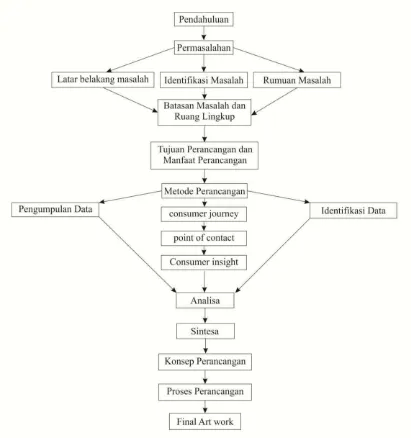
This subsection presents a visual representation (flowchart) of the research process, showing the steps involved from initial problem identification to the final design and implementation of the interactive multimedia CD. The flowchart illustrates the logical progression of the research and provides a clear overview of the research activities.
IV. Design Concept
This section presents the conceptual framework for the design of the interactive multimedia CD. It discusses the research findings, target audience analysis, and the development of the design concept, including the selection of visual elements, interactive features, and overall user experience. The design concept is informed by the literature review and research methodology.
4.1 Results of Research Analysis
This subsection presents a summary of the findings from the research conducted, including data collected through surveys, interviews, and observations. It discusses the key insights gained regarding student learning preferences, challenges in learning Aksara Jawa, and the effectiveness of different teaching methods. The analysis informs the design choices for the interactive CD.
4.2 Consumer Journey
This subsection presents a detailed analysis of the consumer journey, mapping the steps involved in a student's interaction with the interactive CD. It outlines the student's experience from the initial encounter with the CD to the completion of the learning modules. This analysis informs the design of the user interface and navigation system, ensuring a seamless and intuitive user experience.
4.3 Points of Contact
This subsection analyzes the various points of contact between the student and the interactive CD. It considers aspects such as the user interface, learning modules, interactive elements, and feedback mechanisms. The analysis focuses on creating engaging and effective interactions that promote learning and understanding. The design choices are justified based on the research findings and theoretical frameworks.
4.4 Consumer Insights
This subsection presents key insights derived from the consumer journey and points of contact analysis, summarizing the user needs and preferences. It highlights the key design considerations based on these insights, ensuring that the interactive CD effectively caters to the needs of the target audience. The discussion focuses on design elements that enhance engagement and promote effective learning.
4.5 Segmentation
This subsection details the segmentation strategy used to identify specific user groups within the target audience. It outlines the characteristics of these segments and how these differences inform design choices for the interactive CD. The goal is to create a product that is relevant and engaging to all segments of the target audience.
4.6 Target Segmentation
This subsection describes the specific target segment for the interactive CD, highlighting their characteristics, learning styles, and preferences. The discussion focuses on how these characteristics informed the design and development of the interactive CD, ensuring that the final product is relevant and engaging to the target audience. The rationale for targeting this specific segment is clearly articulated.
4.7 Unique Selling Point (USP)
This subsection identifies the unique selling points of the interactive CD that differentiate it from existing learning resources. It highlights the key features and benefits that make it attractive and effective for the target audience. The USP is clearly articulated and supported by evidence from the research and design process.
4.8 SWOT Analysis
This subsection presents a SWOT analysis (Strengths, Weaknesses, Opportunities, Threats) of the interactive CD. It identifies the internal strengths and weaknesses of the design, as well as the external opportunities and threats in the market. This analysis helps to assess the overall viability and potential success of the interactive CD. It informs the strategy for launching and marketing the product.
4.9 Keyword Concept
This subsection outlines the keywords that guided the design concept, reflecting the core themes and objectives of the interactive CD. It clarifies the key message and design elements that were prioritized during the design process. The selection of keywords is justified in the context of the research findings and target audience.
4.10 Concept Elaboration
This subsection provides a detailed description of the design concept, including content, visual elements, audio, and interactive features. It explains the design choices made for each element and the rationale behind these choices. The discussion focuses on creating an engaging and effective learning experience for the target audience, incorporating elements of interactive design principles.
4.11 Media Concept
This subsection details the different types of media used in the interactive CD and the overall media strategy for the project. It considers the choice of media formats, visual elements, audio, and interactive features, explaining the rationale for the selected media and their role in achieving the learning objectives. The subsection may also discuss the media supporting the product launch and promotion.
V. Design Implementation
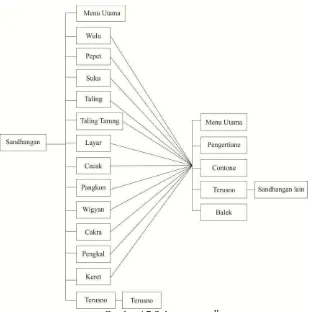
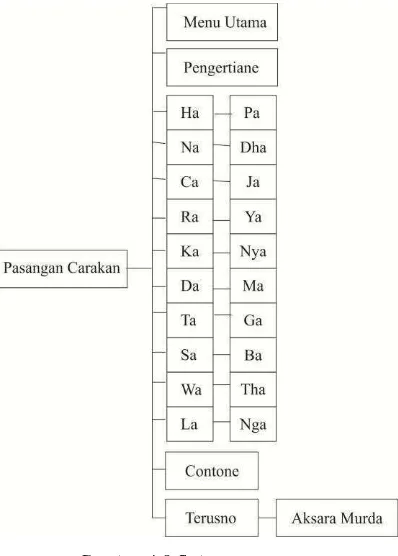
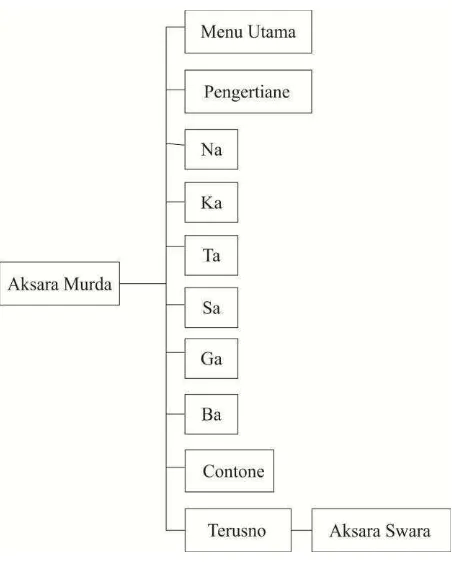
This section describes the implementation of the design, detailing the creation of the interactive multimedia CD and its supporting materials. It includes a detailed explanation of the CD's structure, content, and interactive features, as well as the design and production of accompanying marketing materials.
5.1 Main Media: Interactive Multimedia CD
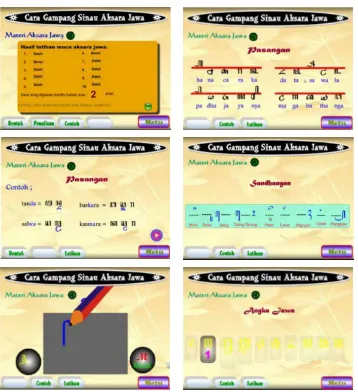
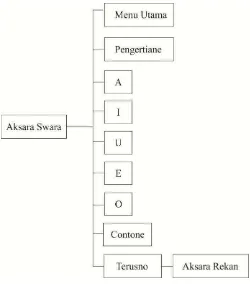
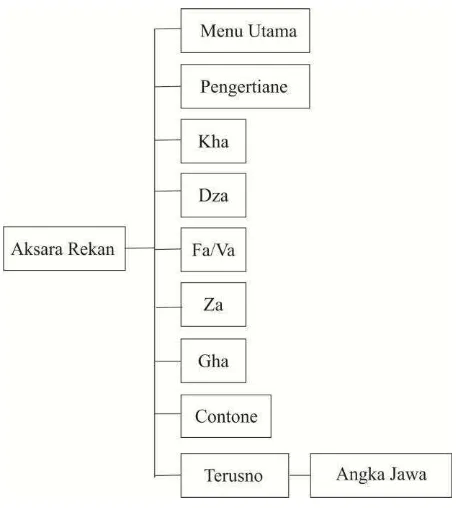
This subsection describes the design and implementation of the core interactive multimedia CD, explaining the structure, navigation, content, and interactive elements. It provides screen shots or visual representations of the user interface, illustrating how the design elements contribute to an engaging and effective learning experience. The implementation details highlight the technical aspects involved in creating the CD.
5.2 Supporting Media for the CD
This subsection details the design of the supporting materials for the CD, such as the CD jacket, label, and cover. It explains how these materials contribute to the overall branding and marketing of the CD. The design choices are justified in the context of the target audience and the overall communication strategy.
5.3 Supporting Media for Promotion and Events
This subsection describes the design and production of promotional materials for launching the interactive CD, including posters, mouse pads, wallpapers, screen savers, t-shirts, dolls, and other promotional items. It explains the rationale behind the choice of these materials and how they contribute to the overall marketing strategy. The design choices are justified in terms of their effectiveness in reaching the target audience.
VI. Conclusion and Recommendations
This concluding section summarizes the research findings and discusses the implications of the study. It reflects on the success of the interactive multimedia CD in achieving its learning objectives and its potential for wider application. Recommendations are made for future research and improvements to the design.
6.1 Conclusion
This subsection summarizes the main findings of the research, highlighting the effectiveness of the designed interactive multimedia CD in achieving its objectives. It reflects on the overall success of the project and the impact of the design choices on student learning and engagement. The conclusion summarizes the key contributions of the research.
6.2 Recommendations
This subsection offers recommendations for future research and improvements to the interactive multimedia CD. It suggests areas for further development and refinement of the design, considering factors such as user feedback and technological advancements. The recommendations are specific and actionable, offering suggestions for improving the learning experience and the overall effectiveness of the CD.
Referensi Dokumen
- Sinau Aksara Jawa untuk Anak ( Ali, Muhammad )
- Perancangan Sistem Pembelajaran Kurikulum Tingkat Satuan Pendidikan (KTSP) ( Anwar, Kasful dkk. )
- Media Pembelajaran ( Arsyad, A. )
- Belajar dan Pembelajaran ( Darsono, Max )
- Pengantar Desain Komunikasi Viual ( Kusrianto, Adi )