Informasi Dokumen
- Penulis:
- U.E. Wardhani
- Viverawati
- Mustafa
- Pengajar:
- J. Handoyo
- Sekolah: Sekolah Menengah Kejuruan
- Mata Pelajaran: Usaha Jasa Pariwisata
- Topik: Usaha Jasa Pariwisata Jilid 1
- Tipe: textbook
- Tahun: 2008
- Kota: Jakarta
Ringkasan Dokumen
I. CHARACTERISTICS OF HUMAN RESOURCES IN THE TOURISM INDUSTRY
This section emphasizes the fundamental qualities and skills required for individuals working in the tourism sector. It outlines the importance of personal, social, academic, and vocational skills that align with industry standards. The content also discusses the necessity for continuous knowledge updates to keep pace with the evolving tourism landscape. Key topics include effective communication, conflict resolution, and adherence to hygiene protocols, all of which are essential for providing quality service in the hospitality industry.
1.1 General Information
This subsection provides an overview of the skills and competencies expected from tourism professionals. It highlights the importance of understanding the tourism industry's dynamics and customer service excellence. The educational objective is to prepare students for real-world scenarios they will face in their careers.
1.2 Competency Map
The competency map outlines the specific skills required for various roles within the tourism industry, linking them to the relevant educational standards. This structured approach ensures that students are aware of the competencies they need to develop to succeed in their future careers.
1.3 Graduate Competency List
This list details the expected competencies for graduates, emphasizing practical skills that align with industry needs. It serves as a guideline for both educators and students to ensure that the educational outcomes meet the demands of the job market.
II. RESERVATIONS AND TRAVEL TICKETING
This section delves into the processes involved in making travel reservations and issuing tickets, which are critical components of the tourism industry. It covers various aspects such as airline reservation systems, ticketing procedures, and the practical exercises that help students gain hands-on experience. The educational objective is to equip students with the necessary skills to manage bookings and understand the operational aspects of travel agencies.
2.1 General Information
This subsection introduces the fundamental concepts of travel reservations, including the importance of accuracy and customer service. It sets the stage for understanding the complexities of travel logistics.
2.2 Airline Reservation
Detailed explanations of airline reservation systems are provided, including the technology used and the steps involved in making a reservation. This knowledge is crucial for students aiming to work in travel agencies or airline companies.
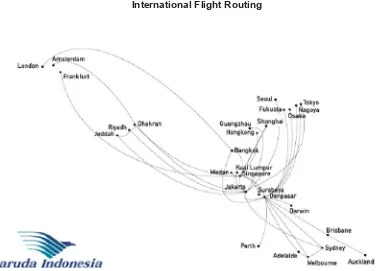
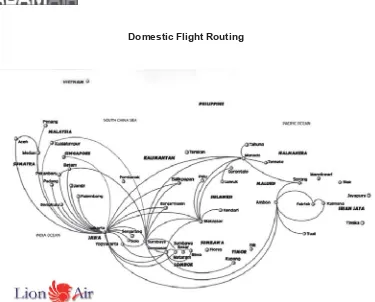
2.3 Domestic and International Ticketing
This part focuses on the differences between domestic and international ticketing processes. It includes practical exercises to reinforce learning, ensuring that students can apply their knowledge in real-world situations.
III. CONCLUSION AND RECOMMENDATIONS
The conclusion summarizes the key learning outcomes of the textbook, emphasizing the importance of practical skills in the tourism industry. It encourages students to engage with industry professionals and stay updated with technological advancements. Recommendations for further study and professional development are also provided, reinforcing the idea that continuous learning is essential in this dynamic field.
Referensi Dokumen
- Reference Guide to Basic Fare and Ticketing ( ABACUS )
- Pesona Indonesia ( Amex dan Budpar )
- Customer Service ( Cook dan Steve Macaulay )
- Istilah-Istilah Dunia Pariwisata ( Damarjati )
- An Introduction to Travel and Tourism ( Foster )