Health security in Amazonia
A report for the Amazonia Security Agenda Project
March 2013 amazoniasecurity.org
Ulisses E C Confalonieri
Oswaldo Cruz Foundation, Brazilian Ministry of Health
Ana Flávia Quintão Fonseca
Health Security in Amazonia was produced for this project by Ulisses Confalonieri1 and Anna Flávia Quintão Fonseca2 of the 1Oswaldo Cruz
Foundation, Brazilian Ministry of Health and the 2School of Public Health,
State of Minas Gerais, Brazil.
Suggested citation:
CONFALONIERI, U. E.C. & FONSECA, A.F.Q. (2013) Health Security in Amazonia. Report for Global Canopy Programme and International Center for Tropical Agriculture as part of the Amazonia Security Agenda project.
This report was conducted by the International Center for Tropical Agriculture (CIAT) and the Global Canopy Programme (GCP) for the
Amazonia Security Agenda. This report was supported with funds from the Climate and Development Knowledge Network (CDKN) and Fundación Futuro Latinoamericano (FFLA).
1. What are the interactions between Amazonian
ecosystem services and health security?
Although the issue of ecosystem services (ES) in the Amazon has not been explored in depth, either from the ecologic-economic or from the health perspective (Fearnside, 2008) we should expect to find variations in the types and magnitude of ES across the region. This is because the
Amazonian biome is, in fact, an association of several types of ecosystems: rain forest; wetlands; grasslands; savannas and even mountain areas (Capobianco et al, 2001). The functioning of these services differs according to these ecosystem differences, in different parts of the Amazon. There are important differences even among the freshwater ecosystems (rivers, streams, lakes) since according to the content and type of the sediments in suspension in the water (minerals, organic matter etc.) the major rivers in the Amazon can be classified into three quite distinct types: clear water, white water and black water (Sioli, 1984). The dominant ecosystem - the rainforest - is, in reality, a combination of several sub-types of forest, which differ in their physiognomies, species composition, distribution, water cycle and degree of conservation. There have also been very few attempts to discuss population health problems from the perspective of ES, the most important discussion being that provided by the Millennium Ecosystem Assessment (Patz, Confalonieri et al, 2005; Corvalan et al, 2005). In this section we will use the classification of ES provided by the Millennium Ecosystem Assessment (MEA). In short, it considers ES as belonging to four groups: provisioning, supporting, regulating and cultural services (Corvalan et al, 2005). We discuss below linkages between ES in the Amazon and selected categories of health outcomes, considered important for the region due to their wide distribution in the population and associated burden of morbidity and mortality. These are informed by Confalonieri (2000; 2005).
Provisioning Services
• Food
• Fiber
• Wood
• Genetic resources
• Freshwater
• Bio-chemicals
Regulating Services
• Pest and pathogen regulation
• Climate stabilization
• Water purification
• Seed dispersal and pollination
• Natural hazard protection
• Erosion regulation
• Invasion resistance
• Fire protection
Supporting Services
• Primary production
• Detoxification
• Water cycling
• Soil formation and retention
• Provision of habitat
• Production of atmospheric O2
Cultural Services (life-fulfilling functions) • Recreation, Education
• Aesthetic and religious values
The relationships of these ecosystem services with human population health can be either direct or indirect. The direct health linkages with ecosystem services involve goods that are essential for human survival, such as food and water. Most of the ES which have indirect benefits for humans are related to a balanced environment, necessary for human well-being.
The most important categories of health problems in the Amazonian population, to be related to the ecosystem services, are the following:
1. Endemic infectious diseases - malaria; visceral and cutaneous leishmaniases; yellow fever and other arboviral diseases; leptospirosis.
2. Malnutrition, especially in children.
3. Injuries/death in accidents, due to extreme meteorological events.
4. Respiratory and cardiovascular illnesses, both in rural and in urban settings (e.g. associated to biomass combustion).
5. Water-borne diseases (e.g. infectious diarrhea).
6. Toxic conditions (e.g. by mercury).
We discuss briefly below some of the linkages of ES with human health, in the context of the Amazonian region. It is important to emphasize that from the perspective of human life in the region (to be discussed in more detail in section 4), we can find striking differences between human groups living in large cities when compared, for example, with indigenous and riverine populations which derive their livelihoods directly from the natural environment.
Provisioning Services
Provision of Food
A large part of the Amazonian population consumes the so-called non-timber "forest products": fruits, fish, oils, palm tree products, honey. The traditional cultures (indigenous, rubber-tappers, fisherman) very often rely on these items as their main source of protein and energy. Some of these forest products are also intensively consumed by urban populations. In the year 2008, about 237,090 tons of seven types of non-timber forest products were processed from the Amazon region of Brazil, a harvest worth about US$ 32 million (Pinto et al, 2010, Almeida, 2010).
Wood and Fiber (durable materials)
Amazonian ecosystems are an important source of natural products useful for building purposes, especially for traditional populations. Some items are exploited on a larger scale (industrial), such as timber, and provide an important source of income. In 2011 it was estimated that 12.9 million cubic meters of timber were extracted from the Brazilian Amazon (Santos et al, 2013).
Freshwater
Genetic Resources
Plant and animal species are used as medicinal resources by the traditional population of the Amazon and also form the basis for the screening of active substances for industry (Brito & Brito, 1996).
Regulating Services
Pest regulation
It has been shown that infectious diseases which have animal reservoirs in the natural systems can have the risk of human infection increased when some animal species are selectively depleted. In the Amazon forest
disturbance is known to be associated with an increased risk of malaria (Vittor et al 2006; Pattanayak et al, 2008) and leishmaniasis (Brasil, 2010).
Fire protection
It is critical in the Amazon where thousands of forest fire foci occur annually in the dry season due to traditional land clearing practices.
Climate stabilization
It is important for human comfort, and also for security, due to the reduced probability of extreme events occurring.
Supporting Services
Atmospheric O2
Clean air and an adequate supply of oxygen are essential for well-being and for the appropriate functioning of human respiratory health and the general metabolism.
Detoxification
Plant species in wetlands are important for the elimination of toxics from the environment, especially from water bodies. In the Amazon mercury used in mining activities is an important item in ecotoxicology.
Cultural services
It is well know the beneficial influence of "green areas" for human well-being (Corvalan et al, 2005). Natural landscapes are also a source of revenue due to ecological tourism.
The relative importance of ecosystem services for health security in the Amazon
In the short term we can say that disturbances that affect Amazonian ecosystem services which have impacts on local food and water availability, and on the transmission dynamics of pathogens/vectors of infectious
diseases, are the most important. Also relevant, on a more immediate time frame, are those linked to the physics and the composition of the
atmosphere and the stability of its process. Pollution from forest fires affects respiratory health directly; atmospheric instability manifested by extreme climate can cause accidents and damage human health.
2. What are the existing security threats, through impacts
on ecosystem services supply, to health security?
Health security is an essential part of human security and it is considered the first line of defense against health emergencies. Although there is no universally agreed definition of health security, there are, in the literature, some recurrent themes (Aldis, 2008), such as:
• protection against threats: hunger; disease; bio-terrorism.
• emergence of new global conditions for which existing approaches are inadequate.
Chiu et al (2009) have analyzed reports from multilateral organizations and identified the categories most relevant to health security, including:
• emerging diseases and pandemics.
• food insecurity.
• natural disasters and environmental change.
• poverty, violence, conflict and humanitarian emergencies.
• deliberate release of chemicals and biological materials.
The World Health Organization (WHO), in its 2007 "Global Health Report", has defined global public health security, as those activities required to minimize vulnerability to acute public health events that endanger the collective health of populations living across geographical regions and international boundaries (WHO, 2007).
An alternative operational definition of Health Security is: Achieving widespread access to services required to minimize the vulnerability of the
population, living across international boundaries, to acute health events
emergence, bio–terrorism, conflicts, hunger, and humanitarian emergencies.
Although the Amazon region is a composite of different ecosystems, as
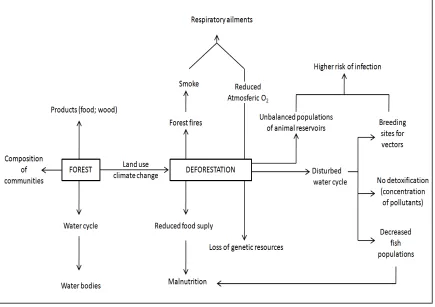
Figure 1. Effects of Amazonian deforestation on human health.
The standing forest, with its preserved composition of communities,
supports ecological processes that are essential for human life, both in the biological sense, but also from the economic perspective. Due to its large biomass, the role of the Amazonian rainforest in maintaining the climate of the region in relative stability, and also in having an important function in the water cycle and in the cycling of nutrients and soil fertility, is critical for the maintenance of the ecological balance of the region.
The conversion of forest to other types of land cover; such as industrial plants, cultivated landscapes, roads etc. is the end result of different types of land use practices, as recently reviewed by Confalonieri (2000). The most immediate threat to the forest ecosystems and their services in the Amazon is Land Use (Espíndola, 2012). Another important threat is projected to occur in the coming decades from global climate change. Some models have indicated that, during the 21st century, a progressive "drying" of the forest will take place, due to an increase in average temperatures and a reduction in rainfall. This process is expected to be more intensive in the eastern part of the basin, according to most models (Marengo et al, 2009; 2012; Lapola et al, 2011).
However, these two important ecosystems - the rainforest and wetlands - also harbor key elements of the fauna linked to the transmission of the so called "focal" infectious diseases of humans. This topic will be discussed more deeply ahead. We will now discuss separately the most important aspects of forest ecosystem services in relation to human health, in the Amazon.
Deforestation and forest degradation are ongoing processes, occurring at a fast rate, and have many negative and immediate impacts. On the other hand, climate change is developing slowly and there is still time to adapt to the changes. The main difference between these two major threats is that deforestation can be avoided, while the current levels of CO2 concentration in the atmosphere, globally, indicates that global warming will progress in the next few decades, regardless of current reductions in emissions. Water quality/quantity problems are linked to the former two threats and also to mining and other industries.
Some characteristics of these threats, which point to their relative importance, are presented in the table below.
Forest
Degradation
Fast Local
(cumulative)
Possible Not Relevant
Climate Change
Slow Global/Regional Not Possible
(in short term)
Possible
Water Issues
Fast Local,
non-cumulative
Possible Possible (for
scarcity)
i. Infectious diseases in natural foci
A large group of human infectious diseases in the tropics, particularly in the Amazon, depend on biotic and abiotic (e.g. water) elements in the natural environment, in order for their cycles to be maintained. Most of these cycles of infection are kept continuously, without the participation of humans as hosts for the pathogens and parasites. For the Brazilian Amazon alone (which includes 65% of the Amazon Basin) the following numbers of these diseases were recorded for the period 2007 – 2012:
Average number of cases/year
Malaria 301,422
Cutaneous leishmaniases 12,829
Dengue Fever 90,050
Visceral leishmaniases 1,140
Yellow fever 3
Diarrhea (mortality in childhood) 359
In Public Health, several criteria have been used, in the past decades, to rank problems according to their relative importance. For a given condition, the following aspects are considered:
1. Absolute number of people affected by the condition
2. The severity of the condition (measured by fatality rates; morbidity rates; etc.).
3. Availability of technologies for the control of the problem.
A condition for which there is an effective treatment, affects a small number of people and the pathology is not so severe, is considered to be less
important. Among the Amazonian infectious diseases, malaria has a great importance due to the large number of people affected and high morbidity of the cases but the mortality is low, because treatment is easily available. Yellow fever has a high fatality rate (up to 40% of cases) but occurs in very low numbers because it can be prevented by a vaccine. To allow a
comparison of the relative importance of different categories of problems (e.g. infectious diseases versus poor nutrition) appropriate indicators should be developed, such as the DALY (Disability-Adjusted Life Year). These are not routinely presented by health systems.
Particularly in the Amazon we find the following infectious diseases with foci in the forest and other connected ecosystems:
a) Malaria
2010; Parente et al, 2012). Well known examples are the opening of new roads (Vittor et al, 2006); non-industrial mining activities (gold, diamonds) and other activities that create new breeding sites for vectors, by altering the water flow of rivers and streams (Barros et al, 2011) or by creating permanent or temporary pools that are used by mosquitoes for breeding. However it should be emphasized that the distribution of the species of vectors of malaria in the Amazonian environment is not homogeneous. Recent mosquito surveys in pristine forest locations have shown that in some sites malaria vectors may not be found among thousands of mosquito specimens collected (Confalonieri & Costa Neto, 2012). This is an additional indication that human interference in the natural environment of the
Amazon is a critical factor for the production of malaria endemic/epidemic situations, through the formation of adequate habitats for the vectors.
b) Arboviral infections
These are also transmitted by several species of vectors, including
mosquitoes, midges and sand-flies. There are many types of these viruses circulating in the Amazonian ecosystems (mainly in forests) and, in the Brazilian Amazon alone, 190 different types of arboviruses have already been described (Vasconcelos, 2009). It is acknowledged that animals act as natural reservoirs (mostly mammals and birds) and, therefore, the
continuity of their cycles does not depend on the presence of humans. Humans are infected usually when they expose themselves to the bites of vectors, after penetrating infectious niches, during labor activities or
tourism. There are also reports of outbreaks associated to deforestation and urban expansion and encroachment in the forest. There have also been reports of "spill over" of some of these viruses from the forests to the periphery of urban areas, causing extensive outbreaks in human
Most of the Amazonian arboviral infections of humans (more than 30 different types were recorded) are benign infections, with limited
consequences in terms of pathology. However, there are two noteworthy exceptions to this:
• Yellow fever - it is a forest disease transmitted by mosquitoes and while it has a high fatality rate efficient vaccines have been available since the 1940s.
• Dengue fever - it is a strictly urban disease since its mosquito vector breeds in artificial containers in buildings. This vector species can also transmit the yellow fever virus and there is a risk of
re-urbanization of this disease in the Amazon and in other parts of Latin America. There is no vaccine to protect against this disease and the hemorrhagic form of the disease can be fatal.
c) Leishmaniases
Tese are parasitic diseases transmitted by sand-fly vectors and two main forms of presentation are known:
• cutaneous leishmaniasis
• visceral leishmaniasis
The cutaneous form is typically a forest disease and outbreaks were historically associated to forest encroachment and deforestation (Brasil, 2010). It is widespread in the Amazon and its cycle involves several wild animal reservoirs. As for the visceral form of the disease, it is supposed that it was introduced into the Amazon in the past four decades with migrants from the northeastern region of Brazil. It is currently observed mainly in peri-urban areas, involving dogs as the main reservoirs of infection (Brasil, 2010).
The relationships of the focal infectious diseases (as those presented above) with ES was reviewed by the MEA and the process was denominated
The main process involved is called the "dilution effect", in which the depletion of the population of some key species of animal reservoirs of infection, can determine an increase in the rate of infection in other species of vertebrates (and vectors) and, therefore, can increase the probabilities of humans becoming infected (Pongsiri et al, 2009). In short: changes in the composition/dominance of species in animal communities involved in foci of infections have an epidemiological relevance. It has been confirmed for different infections in some parts of the world, including the Neotropics (for hantavirus in Panama - Suzán et al, 2009), but appropriate field studies with this perspective have not yet been done in the Amazon.
d) Water-borne infections
In a region with poor coverage of sanitation infrastructure (IBGE, 2010), water-borne diarrheal diseases are a well-known public health problem. The so-called non-specific infectious diarrheas (caused by viruses and bacteria) affect mostly children under the age of 5, with an endemic type of
presentation (cases occurring throughout the year). On the other hand, some specific infections may cause outbreaks (epidemic presentation) and this was the case of cholera, which re-emerged in the Amazon in the 1990s. After a few years the disease has disappeared in the region, mostly due to its low human population density and large volumes of water in rivers.
ii. Respiratory ailments
Recent reports have indicated that smoke from forest fires affects the
iii. Pollution of water bodies
Historically in the Amazon, non-industrial gold digging utilized mercury in metallic form during its operations. This has caused an increase in the load of this pollutant in water bodies, with adverse consequences for the biota and for human health (Passos & Mergler, 2008).
iv. Loss of genetic resources
The reliance of modern therapeutics on natural resources for the development of medicines - either in their natural form or as basis for industrial transformations - is well known (Chivian, 2008). The Amazon basin covers a large extension of rainforest, with a rich biological diversity. Surveys of biological richness in the Amazon rainforest have been very limited spatially due to the vastness of the region and difficult access. The species already catalogued have not been extensively screened for new drugs (Brito & Brito, 1996). Uncontrolled and extensive deforestation may cause the extinction of species, especially the locally endemic ones, which could be studied for the development of new medicines.
v. Nutrition
Human nutrition in the Amazon in relation to forest ecosystem services can be approached in two ways:
• direct use of natural resources (fruits, fishes).
• cultivated food items (manioc, maize, etc.), in agro-ecosystems.
In both situations the parts of the population that are more vulnerable to the disruption of ecosystem services are indigenous populations located in traditional reserves and smallholders and riparian people (fisherman, rubber tappers etc.). These communities have very limited access to
industrialized food items and most of their nutritional requirements are met through the direct use of forest products, or items cultivated in small
Threats to the provision of these food items are caused mainly by:
• forest conversion (deforestation due to land use)
• alterations in the water cycle and water bodies (quantity/quality of water)
• adverse climate (e.g. droughts)
There is a consensus that the responses of plants to changing
environmental conditions, such as those caused by climatic change, are complex and not well understood and that individual plant species within ecosystems will react differently to climate change (Hawkins et al, 2008). Although the effects of climate change are geographically inequitable and, to a large extent, unpredictable, it is acknowledged that, in many regions, such as the Amazon, the loss of plant genetic resources, used for food, will
disproportionally affect the traditional communities, the rural poor and the most food insecure people, who often rely on wild plant resources for their livelihoods.
vi. Extreme weather events
Unstable climate can disrupt livelihoods and human health in several ways. Droughts in the Amazon affect the availability of food and water, the local transportation in rivers and the population dynamics of disease vectors. Droughts have been particularly adverse to rural populations while urban populations have been historically more impacted by heavy rains and floods. Specific aspects related to human health and extreme events will be
3. How does climate change exacerbate existing threats
and generate new threats to health security?
The major health risks posed by climate change, as recognized by the IPCC (Confalonieri et al, 2007) are:
a. Changes in patterns of vector-borne and rodent-borne diseases.
b. Changes in patterns of water-borne diseases.
c. Accidents and trauma due to extreme climatic events.
d. Nutritional problems due to decreased food production.
e. Worsening of cardiovascular and respiratory diseases due to air pollution exacerbated by climate change.
f. Indirect impacts due to social disruption and unrest (e.g. migration of refugees).
All these threats apply, in varying degrees, to the Amazon region and its sub-regions. We can state that, in general, no new health problems will be determined by climate change globally (and also in the Amazon) but rather that we should expect changes in the patterns of occurrence of well known problems that exist today (IPCC, unpublished).
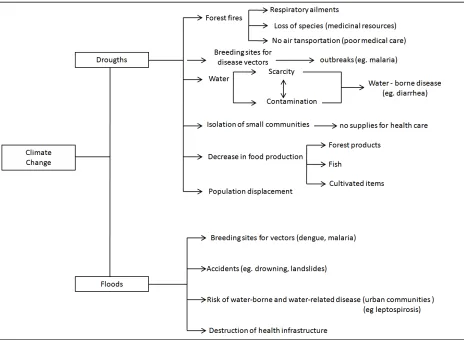
Figure 2. Effects of climate change on human health in the Amazon.
So far, no comprehensive assessment of the vulnerability of human
populations of the Amazon to the health impacts of climate change has been performed. However, based on the current knowledge of the
social-environmental characteristics of the region, the impacts of extreme events in the past few years and on the projected climatic scenarios for the region we can make inferences on how a changing climate might threaten health security in the region. These health impacts are expected to differ
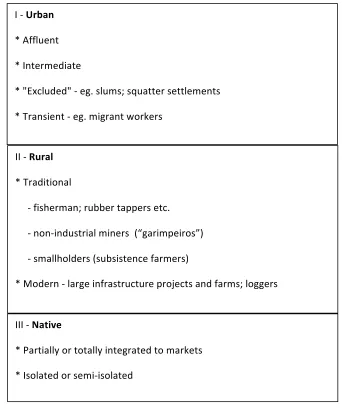
We will discuss the possible influences of climate on different categories of health outcomes, following the sketch in Figure 3.
Figure 3. A socio-environmental classification of human populations in the
Amazon.
i. Infectious diseases
Two endemic diseases present the greatest challenge in the Amazon:
malaria and dengue fever. Both are vector–borne and strongly influenced by climatic and hydrologic factors (Dias, 2003; Olson et al, 2009; Wolfarth, 2011).They are among the most important endemic infections in the region,
I ‐ Urban * Affluent * Intermediate
* "Excluded" ‐ eg. slums; squatter settlements * Transient ‐ eg. migrant workers
III ‐ Native
* Partially or totally integrated to markets * Isolated or semi‐isolated
II ‐ Rural * Traditional
‐ fisherman; rubber tappers etc. ‐ non‐industrial miners (“garimpeiros”) ‐ smallholders (subsistence farmers)
both in urban areas (dengue fever) and in rural parts (malaria) due to their high incidence, difficult control and morbidity.
In regard to malaria we know that the prevalent climatic pattern in the region is within the optimal range for the development of both the mosquito vectors and the parasite that causes the disease. Rainfall and humidity can be critical for the development of the main vector, the mosquito Anopheles darlingi (Barros et al, 2011; Rozendaal, 1992; Wolfarth, 2011) especially by influencing the flow of small rivers and streams, where the breeding sites for the species are usually formed. Heavy rainfall and flooding favour the development of breeding sites in the non-forested areas of the Amazon (e.g. savannas), whereas increased rainfall in normally “wet” areas (e.g.
floodplains) can contribute to the destruction of pools where mosquitoes breed.
The dynamics of the dengue fever as related to climatic factors is different since this vector–borne disease is transmitted by a strictly urban species of mosquitoes. Although it is considered a “climate-sensitive” disease, different authors have reported various degrees of the influence of rainfall and
temperature upon mosquito populations (Barreto & Teixeira, 2008). This is because the breeding sites of the vectors are relatively protected from the direct influences of climatic factors, due to their location in anthropic environments (e.g. buildings); at the same time the human use of water plays a significant role in habitat formations. In urban settings where water supply is difficult, (e.g. intermittent), water storage by humans, in artificial containers, may facilitate the breeding of Aedes aegypti, the main vector. This is associated with a situation of structural deficit in water provisioning services that can be enhanced during long droughts.
for this region, such as less precipitation and increased temperature, with possible changes in dengue risk.
Another vector-borne disease of the region is cutaneous leishmaniasis which is also known to be affected by climatic factors (Chaves & Pascual, 2006), as is also the case of kala-azar (visceral lesihmaniasis) (Franke et al, 2002). However, studies relating these diseases to climatic variability have only been developed outside the Amazon region. Outbreaks of cutaneous leishmaniasis are usually associated with human encroachment into the forest (also outside the Amazon), which is the natural habitat for this parasite, its vectors and the wild animal reservoirs.
The spread of kala-azar into the Amazon is considered a result of the migration into the region of infected humans or dogs coming from other regions of Brazil. Currently the disease is concentrated in the northernmost and, especially, at the eastern part of the Brazilian Amazon. Climate
scenarios point to the possibility of a drastic ecological change in the eastern Amazon with the rainforest being replaced by a savanna type of vegetation (Salazar, 2009). This is an environment considered as more adequate for the development of foci of kala-azar than the forest. Recent research has
projected future changes in the distribution of the sand-fly vector of
leishmaniasis in Brazil but these studies did not include the Amazon Region (Nieto et al, 2006).
epidemiological implications if we consider the climate scenarios that indicate a considerable reduction of rainfall in the eastern part of the Amazon.
There are several arboviral infections endemic to animals (n=196) and humans (n=32) in the Amazon Forest, transmitted by different types of insects (Vasconcelos, 2009). There are no systematic studies on the
influences of climate on these infections, except for vectors of yellow fever (Pinto et al, 2009). This disease may be lethal to humans but currently is, to a large extent, controlled by a preventive vaccination.
Water-borne or water-related diseases are also common in Amazonian populations, especially, in the first case, infectious diarrhea and, in the latter, leptospirosis. During the cholera outbreaks in western Amazon, in the early 1990s, it was observed that cases among the riverine communities were highly seasonal, occurring mostly during the short dry periods in the upper Amazon river area, in Brazil (Confalonieri, 2003). This periodicity was determined by the variation of the river flow, which formed
contaminated pools close to the margins, during the periods of low
precipitation. Cholera has been controlled but infectious diarrhea of other etiologies remain a significant public health issue in the Amazon, both in rural and urban populations, due to the lack of appropriate sanitation infrastructure.
Leptospirosis in the Amazon is a predominantly urban disease due to the contamination of floodwater with the urine of rodents (sewage rats), in poor districts where garbage disposal is deficient and where poor drainage allows floodwater to enter into houses (Donaires et al, 2012).
Increased temperatures can speed up the developmental cycle of vector species such as mosquitoes. This means a faster growth of the vector populations and, therefore, an increased risk of transmission of the
mosquito breeding sites are washed away during the rainy season due to the high volume of water in streams and lakes and its fast flow.
Flood water can carry the pathogen causing leptospirosis into households, increasing the risk of infection (they enter into the environment in the urine of rodents). This is common in the urban environment, in districts with deficient sanitation. Also in urban areas, rainwater can accumulate in artificial containers (discarded tires, flower pots, roofs, plants) and promote the developmental cycle of the mosquito species that transmits dengue.
Changes in the patterns of these diseases in the Amazon, under the influence of a changing climate, will vary according to several factors, namely:
• the direction, rate and speed of climatic change (increase/decrease in precipitation etc) and its geographical distribution in sub-regions;
• the ecological substrate of the sub-regions;
• the social, cultural, demographic and economic profile of the vulnerable populations;
• the actions promoted by the health care/disease control system;
• synergies between threats, especially forest degradation and climatic change.
ii. Health effects of extreme hydro-meteorological events
A distinction must be made initially in regard to the health effects of
more severe in poor urban settings, compounded with aspects related to settlements in risk areas (e.g. landslides) and poor sanitation (diarrheas and leptospirosis). Damage of health infrastructure (hospitals and health
centers) has also been reported during severe storms and floods (PAHO, 2004).
Droughts in the Amazon have historically affected more severely the traditional rural and riverine populations which live on subsistence
agriculture or forest products and do not have access to piped water. Urban communities have better access to governmental assistance: food, water supplies and health care.
Droughts
• Can determine crop failure and reduced food intake/malnutrition
• Can reduce local fish populations (in streams and lakes)
• Can reduce the availability of drinking water and promote the concentration of toxics and pathogens in water.
• Can isolate riparian communities, normally reached only by boat, and impair their access to health care services.
Storms/Floods
Direct impacts can cause property damage and loss, and post-traumatic stress. Accidents, such as drowning and those associated to landslides (urban areas), may also be an important consequence.
iii. Exposure to smoke from forest fires
with an increased frequency of both outpatient visits and hospital
admissions due to respiratory ailments (Gonçalves el al, 2012). Due to the geographical and climatic characteristics of the region even urban
populations were found to be affected by smoke from forest fires. A scenario of more frequent/prolonged droughts in the region, associated with
population growth, means an increase in future population exposure to adverse effects from forest fires.
iv. Exposure to mercury
In the Amazon human exposure to mercury is prevalent in numerous mining and fish-eating populations in many regions of this large territory. Although historically associated to uncontrolled gold mining activities, it is also known that natural reservoirs of mercury release substantial amounts of this metal into the aquatic ecosystems, through soil erosion and leaching resulting from deforestation practices (Passos & Mergler, 2008). Since seasonal inundation of rivers and their floodplains seems to govern the production and bioavailability of methyl-mercury to food webs (Webb et al, 2004) we can expect that deforested areas, which may be affected by
extreme hydro-meteorological events will mobilize more mercury and increase the risk of human contamination locally.
v. Loss of medicinal resources and other natural products
The Amazonian forest is considered a biological diversity center and may harbor up to 20% of the biological species in the world; it has been estimated that less than 1% of all tropical plant species have had their
pharmacological potential evaluated (Carneiro et al, 2008). Some of the screening of Amazonian plants for their pharmacologic potential have been targeted to the climate-sensitive tropical diseases endemic to the region, such as malaria (Carballo et al, 2004) and dengue fever and its vector species (Pohlit et al, 2004).
degradation of natural habitats, a consequence of ongoing developmental activities. Feeley & Silman (2009) have used maps with spatially explicit distributions of 40,000 plant species from the Amazon basin (representing more than 80% of the estimated Amazonian plant diversity) to infer
extinction risks due to habitat loss. They have found that 5-9% of the plant species are committed to extinction due to land use changes.
Swenson et al (2012) conducted a fine scale conservation prioritization across the Amazon watershed of Peru and Bolivia; they considered the Andes-Amazon basin of Peru and Bolivia one the most data-poor, biologically rich and rapidly changing areas of the world. They have
identified, for the first time, one of the areas with the highest endemism in the world and high irreplaceability, not protected by national governments. Miles (2002) projected a set of Amazonian plant species ranges and their response to climate change scenarios and found a possible dramatic loss of species viability in much of northeastern Amazonia by 2095, under different scenarios. Knowing that the size of endemic species distribution in the region may be no more than 20 km2 (Swenson et al, 2012) we must infer a high risk of potential extinctions of non-screened plant species due to forest loss, projected to occur with climate change.
vi. Nutrition
and the resulting situation of a decreased primary production, marginalized riparian and indigenous communities – which have a narrower range of food options - will be at a higher risk of malnutrition, due to economic, cultural and environmental factors.
vii. Compounded effects
The best way to infer future health risks associated to the regional
manifestations of climate change is by analyzing the significance of extreme events, rather than changes in baseline conditions, such as average surface temperatures. This is because extreme events are relatively well reported in relation to their impacts, which are tangible, while changes in average conditions – if not of great magnitude – tend to occur over long periods of time in the future and, in the case of infectious diseases, biological
adaptation, both of humans and vectors/parasites may take place. It is also extremely important to consider synergistic effects with more immediate drivers of deforestation, such as land use practices. These considerations were included in the mapping of hotspots of vulnerability to the health impacts of climate change in Amazonia (section 6).
4. What are the impacts on heath security across different
populations within and outside Amazonia?
Some authors have synthesized the possible impacts of a changing climate on human population health in Latin America and in particular countries (Confalonieri, 2009; Rodriguez-Morales et al, 2010; Confalonieri et al, 2012a; 2012b). In Latin America due to its social and environmental
characteristics, urban populations are in general, considered to be highly vulnerable to the impacts of climate change on health. What mostly contributes to this situation is the high urban concentration of the
malaria) (Rodriguez-Morales et al, 2010; Confalonieri et al, 2012 b). In Brazil, a recent study used specific criteria for the identification of critical areas where different types of impacts of climate change would be more significant across the regions of this country. While in the southern part of the country impacts on food production and accidents due to extreme events are likely to be more important, in the Amazon important impacts are expected changes in the patterns of infectious diseases associated with the forest/wetland environment, a decrease in local food availability and
outcomes associated to extreme events, especially droughts (Confalonieri et al, 2012b). In a similar study, the identification of the areas and problems more vulnerable to climate impacts was based on information provided by climatic scenarios, local patterns or food production/consumption,
demographic data, sanitation and urban infrastructure and the prevalence of climate-sensitive diseases (Confalonieri et al, 2012a).The Amazon is a vast and heterogeneous region both from the environmental perspective (ecosystems and their services) and also from the social and economic perspective. The region includes both large modern, industrialized cities such as Manaus, in Brazil, (about 1.8 million inhabitants) and, at the other end of the spectrum, native isolated populations which keep their
traditional way of life and culture. Some recent studies attempted to classify the social diversity of the Amazonian populations based on criteria such as ecological sustainability (Lima & Pozzobon, 2005). However there are many ways of considering the different social segments of the human population in Amazonia. A tentative and general sketch is presented below (see also Table 1 and Figure 3).
Understanding the diversity of human populations in Amazonia is important from the epidemiological perspective since the major
Another way of looking at the differences is to apply the concept of social-ecological systems (Janssen, 2006), defined as "a group of people, their natural and anthropic environments and the relationships between them". We can find striking differences in the pattern of occurrence of a given disease, such as malaria, depending on the Social-Ecological System considered (Confalonieri, 2005). Also, these different systems respond in different ways to the threats brought about by global climate change.
In terms of general health impacts of climate change, a summary can be found in chapter 8 of the Fourth Assessment report in the
Intergovernmental Panel on Climate Change (Confalonieri et al, 2007).
According to this report the main categories of impacts are:
1. Direct impacts of weather extremes.
2. Impacts on nutrition due to crop losses.
3. Increase in water-borne diseases.
4. Expansion/intensification of the transmission of vector-borne diseases.
5. Enhancement of air pollution causing effects on respiratory and cardiovascular health.
6. Indirect affects through social process affected by climate (e.g. migration of environmental refugees, causing social unrest/violence and the spread of infections).
A good example of a typical social-environmental system in the Amazon is the case of squatter settlements in the periphery of the city of Manaus. Migrants from the country-side build their makeshift houses very close to the forest edge and malaria vector species from the nearby forest
from the human dwellings (Saraiva et al, 2009). A contrasting situation can be found among workers (“garimpeiros”) in informal gold mining sites, where malaria outbreaks occur due to the modifications resulting from the digging of the river banks that create pools where mosquitoes breed.
Malarial infections also build up in these groups due to their low immunity (most are migrants from outside the Amazon) and due to the chronic
infections resulting from the absence of proper treatment in these remote areas. Introduction of the parasite in these population groups usually occur continuously due to the extreme mobility of miners, who move from one mining site to others.
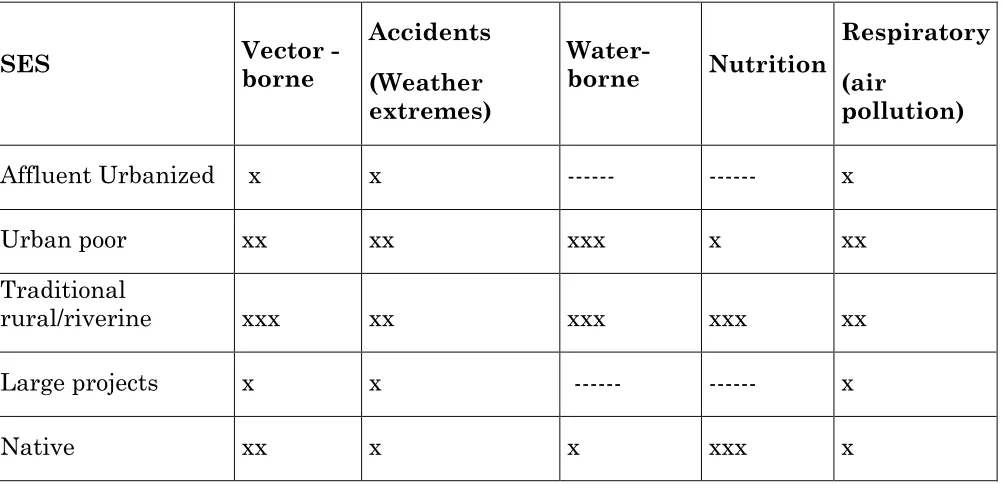
Although a thorough classification of the social-environmental diversity was not attempted here we will use some basic categories (Table 1) to illustrate some possible impacts on health securities, brought about by climate
change, according to the different exposure situations.
SES Vector -
Table 1 - Differential health impacts of climate change in some
social-ecological systems in the Amazon.
Taking the examples from this figure, we can state that the "affluent urbanized" segment of the human population in the Amazon is, to a great extent, protected from most impacts on health security expected to be caused by climate change. This is due to easy access to sanitation services and the market of food items not produced locally, and also to information targeted to health protection. The capacity to purchase private health care services is also important, in this context.
At the other end of this spectrum of social-ecological systems, we could place the indigenous populations and, to a lesser extent, also the
traditional/riverine non-native communities. These groups are much less able to cope with the projected health impacts of climate, due to the following key reasons:
They often live in geographically isolated communities, with difficult physical access and poor communication. Access to information on
environmental hazards, ongoing disease outbreaks and on means for self-protection is minimal.
They have poor access to health care services due to their physical location in remote areas distant from health centers and hospitals. Cultural barriers to full access to health care are often observed, especially among indigenous groups. Mobile health care teams may find difficulties in reaching the
communities during droughts, due to the drying up of streams that prevent boat travel, or due to forest fires that may impair the small aircraft
transportation of the teams.
They are more intensely exposed to biological hazards in the environment, such as mosquitoes vectors of disease that breed in the forest-wetland
systems, or to water-borne pathogens, due to the lack of adequate disposal of solid waste and no facilities for the provision of clean water.
consequence of disruptions in ecosystems, such as those brought by severe droughts and forest fires.
These contrasting situations are useful to illustrate the diversity of social-environmental systems in the Amazon, in relation to their vulnerability to the impacts of climate on population health.
A few comments will be briefly presented on the other social group shown in Table 1.
Urban Poor
Although not so distant from public services as the riverine/indigenous communities they are also vulnerable to the following health risks, associated with climate:
• accidents due to heavy rainfall, especially flooding and landslides, due to the poor quality of habitation and the settlement in risk areas.
• intense exposure to environmental infectious diseases, such as dengue fever (related to urbanization, housing and garbage disposal), malaria (proximity to the forest) and water-borne and water-related diseases, due to deficiencies in sewage treatment and disposal and clean water supplies.
• exposure to urban air pollution (due to the high density of motor vehicles), which can be enhanced by higher temperatures, expected by most climate scenarios for the Amazon.
Populations in large infrastructure projects (oil extraction; building of dams;
opening of roads, industrial mining)
These are usually exposed to accidents and hazards during the construction (workers) but epidemiological surveillance and treatment of endemic
Overall, it may be expected that marginalized groups in the Amazon, who already have higher rates of morbidity and mortality, as well as poor access to basic health care, will suffer the most due to the expected social and environmental changes related to climatic change. An especially vulnerable group is the natives since, besides bearing disproportionate disease burdens when compared with the remainder of the national population (Garnelo et al, 2005; Montenegro & Stephens, 2006; IBGE, 2009), they may not benefit fully from modern health services due to language and cultural differences.
Health profile of the Amazon
Amazonian populations may have a health profile different from other "more modernized" regions of South America. In general, this profile is characterized by the persistence of infectious and parasitic diseases (IPD), as an important cause of death.
In general, several of the social and health indicators are worse in the Amazon region, when compared with the general statistics for the country as a whole. Some of the Amazonian provinces in these countries (Brazil included) have, within the range of their political-administrative
boundaries, both the typical Amazonian biomes as well as other, non-Amazonian biomes, such as the slopes of the Andean mountains.
In Bolivia, the only Department entirely situated in the Amazon is Pando. In a set of ten randomly selected indicators (Bolivia, 2007) for only one this Department (equivalent to State or Province) had a better value than the national average. The other poor indicators for the Bolivian Amazon were: housing quality; municipal health index; supply of electricity; infant
mortality rates; under-nutrition of children (below five years of age); incidence rates of tuberculosis and dengue fever and the ratio of health center to population.
Amazon were the worst indicators for childhood health. Infant mortality in 2008 was 231/1000 live borne (national average: 17.6) and the percentage of fetal deaths due to undefined causes reached 10.4% in cities larger than 500,000 inhabitants (national average: 3.9%). As for the FIRJAN composite index of municipal development (which includes indicators of access to health care services) the northern region (in 2009) had the largest number of municipalities included in the lowest quartile (poor development): 25.4%. Among the seven states in the Amazon region, four ranked in the lowest quartile among the 26 states and the Federal District.
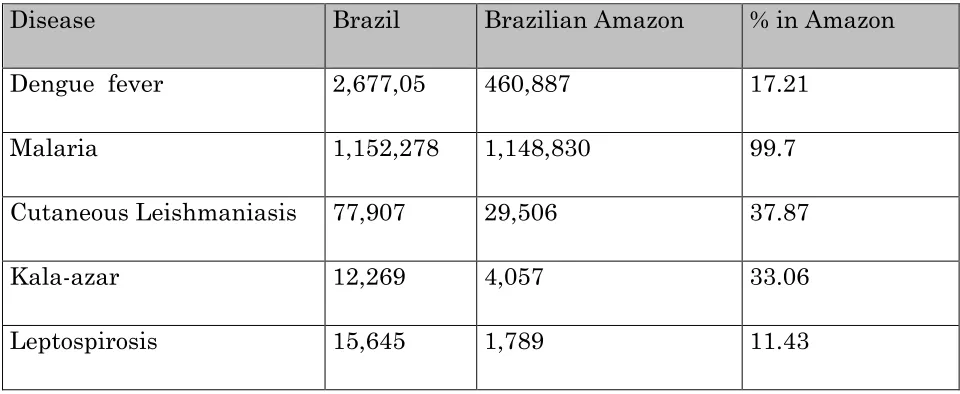
Table 2. The participation of the Brazilian Amazon in the share of infectious
disease burden in Brazil (2009-2012). Data are presented as absolute number
of cases and percentage. Yellow fever was not reported in the Amazon in this
period; it is now a rare disease due to eficiente and widespread vaccination.
Disease Brazil Brazilian Amazon % in Amazon
Dengue fever 2,677,05 460,887 17.21
Malaria 1,152,278 1,148,830 99.7
Cutaneous Leishmaniasis 77,907 29,506 37.87
Kala-azar 12,269 4,057 33.06
Leptospirosis 15,645 1,789 11.43
coverage for children (DPT) has lower rates in all six Amazonian departments, below the National rate of 92.2% (Colombia, 2012).
For the indicator "Poorly Defined Causes of Mortality", which is a good indicator of the quality of health care systems, four departments of the Amazon had, in 2008, higher rates than the national rate of 8.5/100,000.
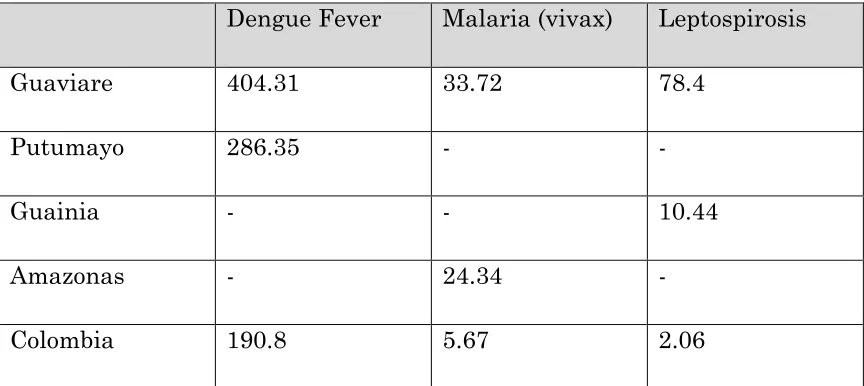
Two out of the six departments had incidence rates for climate-sensitive infectious diseases higher than the national average, as follows:
Dengue Fever Malaria (vivax) Leptospirosis
Guaviare 404.31 33.72 78.4
Putumayo 286.35 - -
Guainia - - 10.44
Amazonas - 24.34 -
Colombia 190.8 5.67 2.06
Table 3. Infectious diseases in the Colombian Amazon.
Ecuador has six "provincias" in the Amazon region, showing varying rates of development and also differences in health status. As an example, the percentage of death certificates with poorly defined causes of mortality in the Amazonian provinces ranged from 10.6% to 36.3%, compared to a national average of 9.8%. Deaths rates by Infectious Diseases in the Ecuadorian Amazon ranged from 3.0 to 20.8 (national average 2.6). As for the incidence rates of tuberculosis, three out of the six Amazonian provinces had rates worse than the national average; vaccine coverage was poorer in all six provinces of the Amazon than the national average.
Region; the Coast and the Amazon have similar prevalence rates. Dengue fever has a high incidence in the Coast and a low rate in the Amazon.
Incidence rates for Tuberculosis varied from 20.7 to 54.8 in the Amazon; the national average was 30.5/100,000. The Ecuadorian Amazon concentrated about 10% of the cases of diarrhea, despite having only 5% the total
population of the country. Infant death rates caused by under-nutrition and anemia ranged from 0.0 to 2.3 (National average: 3.5/10.000). As for the distribution of practicing physicians, the Amazon region had 3.7% of all doctors working in the country (5% of the national population lives in this region) (Ecuador, 2010; 2010a; 2010b).
In Peru, there are three provinces in the Amazon: Loreto (the northernmost one); Ucayali and Madre de Dios. For the following indicators, the rates of all three Amazonian Departments were worse than the national average for:
• infant mortality rates (deaths for 1000 live births)
• life expectancy at birth
• piped water supply (houses)
• supply of electricity
• sewage disposal facilities
• potential years of life lost
For the indicator "poverty rate", the only Amazonian department with a poorer rate, related to the national figure, was Loreto (Peru, 2009; 2011; 2012; Vega, 2008).
Summary
In practically all of the countries their States or Departments in the
Amazon have the following characteristics as far as public health and social aspects are concerned:
• high prevalence of endemic infectious diseases (sensitive to climate)
• poor coverage of basic health care services
• poor social indicators
These characteristics make this region and its population more vulnerable to the impacts of a changing climate and the environment at large. The high rates of climate-sensitive infections make the inhabitants of the Amazon more sensitive to the impacts of climate while poor social indicators and deficits in health care infrastructure characterize a poor response capacity, in the adaptation process.
5. Case studies
i. Hydroelectric dams
the outbreak were the creation of a large water body (breeding sites for vectors) and the exposure of non-immune human hosts (migrant workers). Another consequence was the increase in populations of mosquitoes of the genus Mansonia sp, vectors of arboviral diseases, especially in the western part of the lake. This insect species breed in macrophytes (plants) which have proliferated in the new lake, and cause a great nuisance. High levels of mercury were also reported both from fish species and humans in the
locality (Fearnside, 1999).
Field surveys have also investigated the impact of the Tucuruí dam on the ecology of arboviral infections (Dégallier et al, 1992; Vasconcelos et al, 2001). Although the infection rates in humans has not increased after the dam, new vector species (Aedes squamipennis) and viral types (eg. Gamboa) were reported, probably due to the concentration of wild animal populations at the margins of the lake.
Another case of possible health impacts of dams in the Amazon is the Jirau and Santo Antonio dams, in Rondônia, Brazil (southwestern Amazon). It is anticipated that new flooded areas are going to be formed close to human settlements, in an area of high malaria endemicity, and this will favor the creation of new breeding sites for malaria vectors (Katsuragawa et al, 2009).
A third case, also in Brazil, is the Belo Monte dam, which is being built in the large Xingu river, and where a dam with a 516 Km2 reservoir will be formed close to the city of Altamira, Pará (Brazil, 2011). An expert panel has published a large report on possible impacts of the dam and identified a high probability of the formation of new breeding sites for vectors of
ii. Droughts and Floods (Extreme events)
The Amazon region has been affected recently by two episodes of severe droughts, in 2005 and 2010, both associated with high water temperatures in the Atlantic Ocean (Marengo et al, 2011).
Among the observed social impacts of these dry spells are (Marengo et al, 2011):
• failures in water availability and supply
• isolation of communities due the impaired river transportation
• sharp decrease in fish populations
• crop losses
• respiratory affections due to persistent forest fires
In the year 2005 sixty two municipalities in the State of Amazonas and fifteen in the State of Pará, Brazil, were affected. In the municipality of São Paulo de Olivença, in 2010, seven deaths were attributed to the effects of the drought (UFSC, 2011).
In 2008/2009 pronounced floods occurred in the Amazon basin, especially in the Solimões (upper Amazon) and Negro rivers. The third biggest flood in 50 years was recorded in the State of Amazonas, Brazil, in April 2009: 41
municipalities were affected and about 80,000 people were displaced. Losses amounted to $ 380 million and included 50% of the agricultural production of the State (Sena et al, 2012).
iii. Trans-frontier migration of infectious diseases
infectious diseases (Rodriguez-Júnior & Castilho, 2010; Suárez-Mutis et al, 2010).
For many authors, there are no borders for infectious diseases but a "border effect" is sometimes acknowledged by some, and human populations in frontier areas are considered as more vulnerable to many health outcomes (Peiter, 2008).
According to Levino and Carvalho (2011), population mobility is an important determinant of health risks for people living in areas of "open borders" where there is an increased risk of emergence/re-emergence of diseases, especially among the more vulnerable groups such as ethnic
minorities and temporary and migrant workers. Population displacement in border areas also means an increased demand on already poor health care infrastructure (Levino & Carvalho, 2011). One illustrative example is the so-called "triple border area" in the Amazon, involving Peru, Colombia and Brazil. This region presents the typical health problems associated to frontier areas: high population mobility, economic activities with high
environmental impacts; disordered occupation of the territory; poor access to health care services and several social groups in situation of high
vulnerability (Levino & Carvalho, 2011). The city of Caballococha, in Peru, is considered as a reference point for commerce, to people from the three countries.
According to Peiter (2008) in the Amazon region of Brazil, where a large strip of territory 150 km wide is considered a security area, two state capital cities plus 27 other "twin cities", are located where there is a high level of integration of inhabitants from two different countries (trans-border population mobility). In the northern part of this border, covering 190 Brazilian municipalities, malaria transmission has been an important public health problem, in an area characterized by poor living conditions, high migration rates, a concentration of traditional communities and
population between Brazil and Venezuela, the presence of gold mining activities ("garimpeiros") and difficult access to health care teams were responsible for persistent outbreaks of malaria (Peiter, 2008).
Suárez-Mutis et al (2010) reported that, from 2003 to 2010, although malaria incidence in the Brazilian Amazon dropped 18.4%, in the
municipalities located in the border it had increased by 17.5% in the same period; 2.8% of the cases were imported from other countries. Among the fourteen border municipalities that have shown marked increases in incidence, six were in the northernmost part and five were in the northwestern.
6. What are the potential policy options to
mitigate or exacerbate the impacts of security
threats on health security?
In general we can classify the range of policy strategies to protect the health of the populations in Amazonia to the impacts of a changing climate in two main groups:
• Policy strategies within the health sector
• Policy strategies outside the health sector
The later are essential since the health status of populations is determined by their general living conditions, such as income, housing, education, food, leisure and sanitation. Having in mind that most threats to heath security, linked to climate change in the Amazon, are well known, we comment below on some priority actions for health protection, originating in other sectors.
Policies outside of the health sector
Housing is important for the reduction of exposure to weather extremes and their consequences (floods, landslides) and to insect vectors of pathogens.
Communication/education is necessary to convey knowledge about health protection strategies, as well as about access to health care facilities. It is also important for awareness about disease outbreaks and exposure to extreme weather events.
Land use policies. Ecologic-economic zoning may have multiple benefits but the most direct for health is the building of health facilities in areas to be developed, such as the opening of a new road or the pavement of existing ones. Large projects in Amazonia always depend on migrant labour that comes from outside the region and these workers are not immune to
diseases such as malaria, thus facilitating the occurrence of local outbreaks. An aspect which should be part of land use policies is the control of the use of fire to clean fields for agriculture, a traditional practice in the region. Action to prevent the occurrence of uncontrolled fire would reduce human exposure to smoke and some countries in the region do have legislation for this (Gonçalves et al, 2012).
Food security. The traditional communities of the Amazon – indigenous, small settlers, fisherman, collectors of forest products – are the most food insecure people in the region and those that show the highest level of malnutrition. This is due to their reliance on a narrow range of food items, produced by the forest ecosystem, or by agro-ecosystems, that respond drastically to climate shifts and hydro-meteorological extreme events. Nutritional surveys and, eventually, food aid interventions, should be part of regional policies related to food security. Food aid in the Brazilian
Amazon has taken place during severe droughts that have isolated riparian communities and during malaria outbreaks in native communities.
forests, national parks and others are essential for the preservation of both biological and cultural diversity of the region and can provide a supply of ecosystem goods used directly by traditional communities.
Multi-sector. Some of the policy options for health and social protection can be considered as multi-sector and one of the best examples is the
development of early warning systems for extreme events. This requires an integration of capacities from meteorological services (weather forecast), from civil defence agencies and from health care services. The use of these systems is particularly useful in urban settings, due to the higher risks of accidents and an elevated population density.
Policies in the health sector
Infectious diseases
With regard to policies specific to the health sector, some current strategies should be enhanced, or even adapted, having in mind that the
epidemiological profile of the region might change under the influence of a new regional climate regime. This is particularly important for infectious diseases, especially the vector-borne ones, which may undergo changes in their geographical distribution and/or degree of endemicity (rates of local transmission) as a consequence of the projected higher average
temperatures or changes in rainfall patterns. One desirable change would be to develop a geographically targeted epidemiological and entomological surveillance, focused on areas and sub-regions where the expected intensity of climate and land cover change would be more intense. The development of these novel surveillance strategies, in the context of a basin-wide program for disease control, would be the ideal situation. There are already
initiatives among the nine Amazonian countries to integrate activities for disease control, such as that for malaria.
Border areas
relatively free flow of people, goods and disease agents. The long frontier line in most Amazonian countries (up to 10,000 km in Brazil), a scarcely populated area and poor infrastructure, adds to the problems of public health. The Brazilian government established, in 2005, a special program for health at the Amazonian border (SIS-fronteira) targeted to the control of infectious diseases. The main objective of the program is to strengthen the local health systems, with the support of public universities in the region. As part of the program, six public health laboratories were established in different municipalities, to speed up the diagnosis of infections, including AIDS (Rodriguez-Júnior & Castilho, 2010).
Regional health care coverage
A special challenge for the government of Amazonian countries is the
organization of an integrated system for public health in the region, both at the national and international level, with a focus on primary care and endemic disease control. There are difficulties for a good regional health care coverage: the vast size of the region and a poor network of
transportation and communication; low socioeconomic development of the states, departments and municipalities; the frequent displacement of migrant workers (e.g. for informal gold mining); geographical isolation of many communities and the cultural differentiation of traditional societies, and also different conceptions and structure of the national health care systems. Therefore, there is the need for the regional governments to create health strategies specific for the region, such as is being developed in some countries (Brazil, 2011) and is being discussed on a regional level (Gallo & Costa, 2007).
In the last decade, the Brazilian government has intensified the public health interventions for the Amazon, through the Project “Saúde
Amazônia”, adapted to the environmental diversity and the social inequality prevalent in this region.
• Improvement of access to health care facilities.
• Support to the settling of health care professionals in remote areas.
• Strengthening of health surveillance strategies, with emphasis on endemic diseases.
• Expansion of the sanitation services and improvement of the quality of water supplies.
• Recognition of the value of the traditional knowledge of Amazonian communities and its integration with scientific research.
• Health of the native communities and other groups in situations of greater vulnerability.
One aspect that should also be considered in improving health care in Amazonia is access to “Telemedicine” a good technological tool that may speed up the circulation of information about patients in remote areas, and that has been successfully tested in other areas (Monteiro, 2009).
Regional cooperation
One critical issue for health promotion and the improvement of care in the Amazon region is cooperation amongst countries. This is due to the fact that the human health problems in the Amazonian areas of the nine countries are very similar and, in many areas, people move freely from one country to the other, a situation that will be enhanced with the construction of the road to open access to the Pacific Ocean (Leonel et al, 2008).
These programs on health for the Amazon have not yet considered the current and future risks posed by climatic change to population health. One step in this direction would be to produce more relevant information on climate-health linkages for the regional population, having in mind the projected climate and land use scenarios (Lapola et al, 2011). New research must be fostered with the aim of producing applied knowledge, especially those that could indicate, on a finer spatial scale, the most vulnerable areas, from the health, social and environmental perspectives. A vulnerability assessment of the region, at the level of municipalities, would provide decision makers with quantitative indicators to help the establishment of priorities for intervention. Such an approach has been used in Brazil, at the national, regional and municipal scale, for the identification of “hotspots” of vulnerability to climate change (Confalonieri et al, 2009; 2012; 2012a; 2012b; Torres et al, 2012). The development of vulnerability indicators for the Amazon would ideally include, at least, the following groups of variables and indicators:
Current incidence rates and historical trends of the major endemic diseases such as malaria, leishmaniases and dengue. These are climate-sensitive, neglected tropical diseases, for which most governments have good series of data.
• Information related to the occurrence of extreme hydro-meteorological events and their consequences, especially in terms of fatalities.
• Data on health infrastructure, especially on primary health care units and their distribution and staffing.
• Climatic scenarios for the region and their impacts on natural ecosystems, which could cause major changes in forests and their replacement by savanna-like vegetation (Salazar et al, 2009).
Although a detailed mapping of components of vulnerability is beyond the scope of this chapter we present below as an exercise a preliminary mapping of vulnerability hotspots, based on epidemiological, social and
environmental change variables, (Figure 4).
Figure 4. Climate and health hotspots in the Brazilian Amazon -
methodology
environmental changes that are more likely to affect the transmission dynamics of these diseases, most of which are vector-borne: land use and cover change (LUCC) and climate change (as understood by the climatic scenarios downscaled for the region). LUCC and climate change are the major social environmental processes that affect the integrity of the Amazon forest. "Land use Hotspots" and "Climate change hotspots" were previously identified by other authors.
From the social perspective we have considered the concentration of native populations in their original land since these are the social groups
considered to be more vulnerable due to intense exposure to risks and to their poor adaptive capacity.
Another important "marker" of health problems in the Amazon is the so-called "Frontier effect" in border areas. In these areas there is an
uncontrolled movement of people between adjacent countries, with
important epidemiological consequences (exchange of pathogens; increased demands on local health care prevision etc.).
An additional component included was the historical record of extreme climatic and hydro-meteorological events (floods/droughts) which are
socially relevant, due to their impacts, and also due to the possible linkages with climate change, on a larger scale.
When at least three to these characteristics (or "problems") overlapped in a given area we have marked it on the map as being a "social-environmental-health hotspot”.
It is important to note that all hotspots have endemic infectious diseases in their areas although they may not have some of the other seven
characteristics used.