The World Bank does not guarantee the accuracy of the data contained in this work. Addressing threats to tigers requires new and innovative interventions that address the root causes of the problem—the incentives to convert and destroy habitats and poach tigers. Supply-side interventions must be accompanied by vigorous efforts to address the root cause of the problem - the demand for tiger products.
Introducing the Problem
- Introduction
- Why Are Wild Tigers in a Precarious State?
- The Tiger Trade
- Conclusions
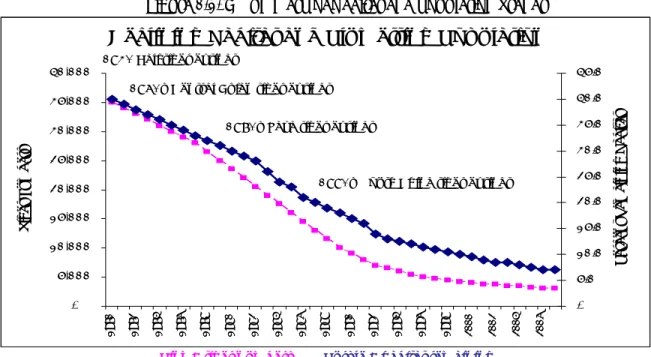
Tigers harvest about 10 percent of the available prey base, which roughly corresponds to the rate at which the prey population is growing.5 The implication is that a prey population of about 500 deer sizes. Tiger subspecies from the extreme ends of the range - the Caspian region, Java and Bali. The body is sold to traders who capture the bulk of the profits by smuggling tiger parts to retail markets in the urban centers of East Asia.9 All parts of a tiger—penis, paws, teeth, bones, and fur—can be traded for , with a total retail value in the area $10,000 up to $70,000.
The Current State of Tiger Conservation: Challenges and Opportunities 11
- The Conventional Approach to Wildlife Management: “Fences and Fines”
- Is Funding for Protected Area Management Adequate and Effective?
- An Assessment
- From Punitive to Participatory Approaches: Integrated Conservation and Development
- Conclusions
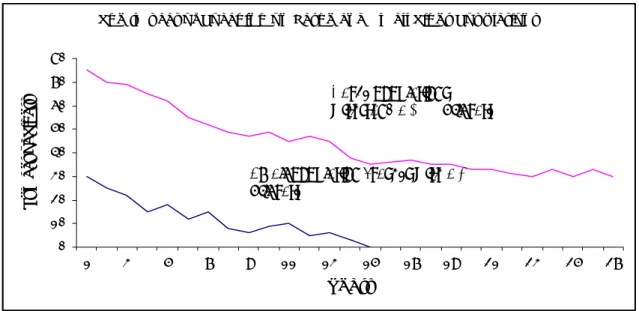
Many of the current protected areas are too small to sustain ecologically, demographically and genetically viable tiger populations in the long term. Even in India, with its advanced forest protection system and generally strong legal system, only ten poachers have been convicted in the past five years14, which represents a very small proportion of the likely actual number of offences. What is certain is that these figures do not reflect the true scale of the problem.
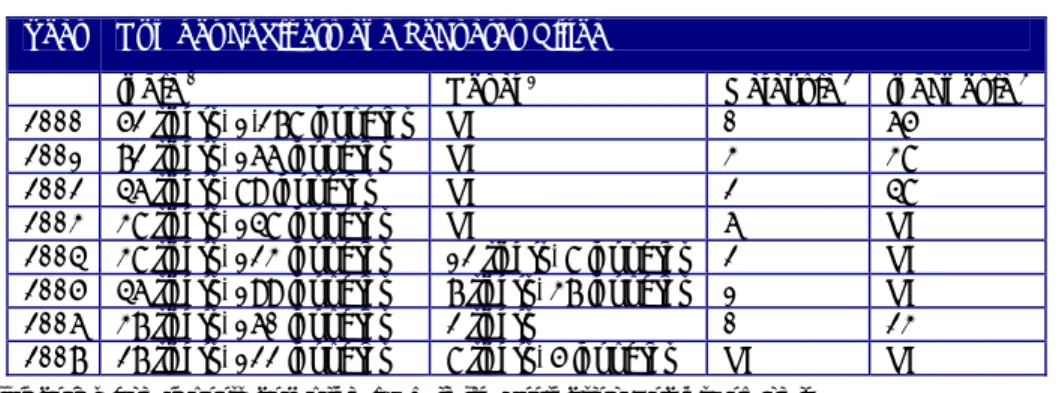
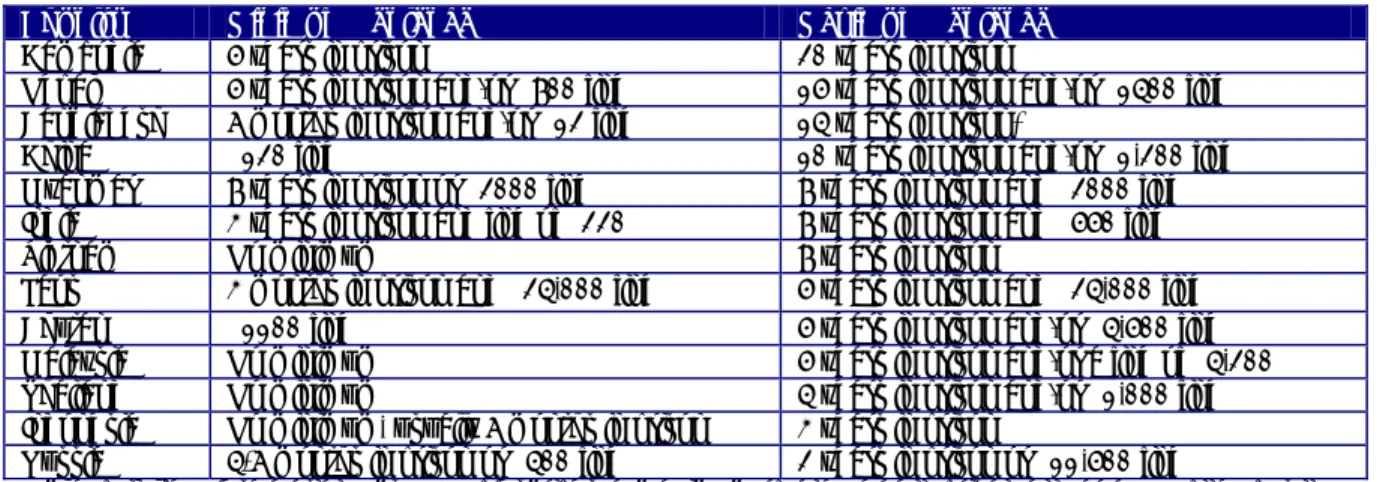
To estimate the likely extent of poaching, Indian customs authorities multiply known violations by a factor of ten. 15 The current minimum and maximum sentences for people convicted of illegal hunting or trafficking of tigers or endangered animals in states where tigers are found, ranked according to the severity of the maximum possible prison sentence. Improvements in enforcement may give wild tigers breathing space, but they do not address the real cause of the poaching problem: the demand for tiger parts.
Given the scale of the problem, a strategy to tackle the illegal trade requires intervention along the entire marketing chain: in tiger reserves where poaching occurs, in intermediate trade, at the retail level and, most importantly, at its source – the demand for tiger products. Pooled analysis of tiger reserve outcomes provides an indication of reserve management characteristics that may predict success or failure as determined by changes in tiger numbers. Kerinci Seblat National Park—the second largest protected area in Indonesia—is home to an impressive array of endangered mammals: the Sumatran tiger, the Sumatran rhinoceros, the Malayan tapir and the clouded leopard.
The results suggest that the goals of the ICDP may not have been met and that greater emphasis should be placed on changing incentives to make deforestation less attractive. These have often been among the most successful aspects of ICDPs, helping to build local "ownership" and support for protected areas. The long-term impact of these efforts on tigers, while encouraging, has yet to be fully assessed; in particular, there must be systematic monitoring of the tiger populations.
Options for the Way Forward
- Creating Direct Incentives: Environmental Service Payments
- Ecotourism
- Strengthened and Cost-Effective Management of Protected Areas
- Biodiversity-Sensitive Infrastructure: Are Trade-Offs Inevitable?
- The Trafficking of Wild Tigers
- Conclusions
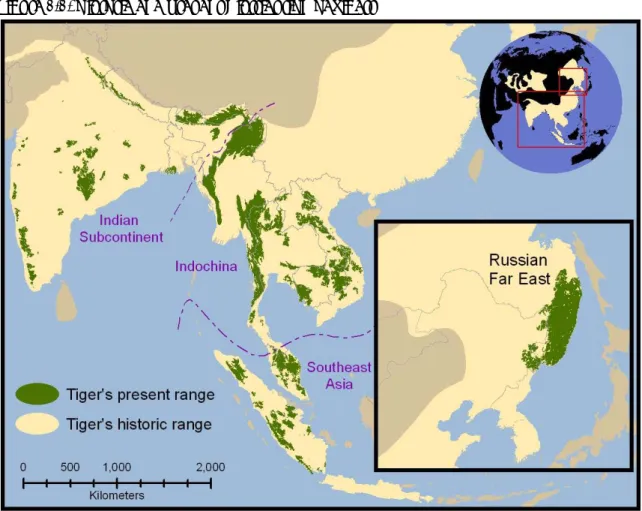
Despite the recent expansion of the PA system, only 8 percent of Amur tiger habitat is covered. An ongoing program of the Wildlife Conservation Society (WCS) aims to conserve tigers and tiger habitats outside protected areas by strengthening the capacity of local wildlife management organizations (groups of hunters who lease large areas of land and are responsible for hunting management, poaching control and monitoring wildlife populations in their leased areas) and by providing incentives to local communities. The explanation is in the "tragedy of the commons". Market-based economies excel at producing what people are willing to pay for.
The growth of the industry is related not only to the great demand for wildlife, but also to its scarcity. Stop the destruction of habitat important to the survival of twenty Sumatran tigers and 267 forest-dependent bird species that live in the forest;. Tiger tracking in the snowy tiger landscapes of the Russian Far East Photo courtesy: Save the Tiger Fund / Linda Kerley.
The mitigation measure acceptable to the World Bank - the offset - was the financial and institutional means of managing 4000 square kilometers of protected forest area in the dam's watershed, including two new forest corridors connecting the main protected area with adjacent established protected areas. In India, tiger core areas are less than 4 percent of the total land area. Responses are needed that tackle both the demand and supply sides of the illegal market.
Supply-side interventions must be accompanied by strong efforts to address the root causes of the problem – the demand for tiger products. The purpose of this chapter has been to outline some of the strategies available to achieve this. Some of the results of the study related to trade in tiger products for which information was collected from 11 experts are given below.
Conclusions
An Action Plan
Trust Funds, in which potential donors can pool resources that would be disbursed according to strict and verifiable criteria to ensure the economic and effective use of funds; (ii) the introduction of green (Tiger) bonds as a way to tap into new sources of ethical investment; (iii) biodiversity auctions, a new instrument used to generate private funding for specific conservation initiatives; and (iv) green lotteries, a variant of the biodiversity auction that has been used successfully to raise funds for public causes. Strategies must be developed to ensure that the final balance is not always one of environmental loss. There are many examples of good infrastructure projects that minimize negative footprint through sound design and improve environmental outcomes by providing resources for conservation.
A biodiversity filter developed to guide infrastructure development in the Tiger Conservation Landscapes can help achieve these outcomes. The trade in tiger parts transcends countries and cannot be solved by unilateral national action. Despite the immense scale of the illegal trade, there is little understanding of either the complex and underground web of suppliers or the factors driving demand for wild tiger products.
Develop strategies in partnership with other organizations to address the root cause of the problem - the demand for tiger products. It will take a major global and country effort to raise awareness and change consumer preferences. Awareness must be raised regarding the negative impact of the trade and the baseless justifications for the consumption of tiger parts, while sensitively dealing with beliefs that are often deeply rooted in cultural history and mythologies.
Tackle trade throughout the supply chain simultaneously, and strengthen the role of global and regional enforcement agencies, including SAARC and ASEAN.
The Role of the World Bank
The Natural Habitats Performance Policy (OP4.04) was issued in 2001 after more than a year of consultation. His activity did not significantly alter the "primary ecological functions" of the area; stipulates that "the bank does not support projects that involve significant conversion of natural habitats unless there are viable alternatives to the project and its location and a comprehensive analysis shows that the overall benefits of the project outweigh the environmental costs.". Certain natural habitats are defined as "critical" if they are existing protected areas and areas officially proposed as protected areas by the government, areas originally recognized as protected by traditional local communities, areas that maintain conditions that are critical for the survival of these protected areas, " or areas identified on additional lists prepared by the Bank or by a credible source determined by regional environmental departments." In this regard, "the Bank does not support projects that, in the opinion of the Bank, involve a significant change or degradation of critical natural habitats."
When deciding whether to support a project with potential adverse impacts, the institutional capacity of the implementing organization should be taken into account, and capacity-building activities should be included where necessary. The Bank supports and expects borrowers to take a precautionary approach to natural resource management to ensure opportunities for environmentally sustainable development. The Bank expects the Borrower to consider the views, roles and rights of groups, including local non-governmental organizations and communities, affected by Bank-financed projects involving natural habitats and to involve these people in the planning, design, implementation, monitoring and evaluation of such projects.
The World Bank has financed approximately 595 projects with biodiversity components in 122 countries (including 49 multi-country projects). With its global reach, the World Bank is among the few organizations that can respond at the scale needed to tackle the illegal trade in tiger parts. Its presence in most tiger range countries allows it to facilitate partnerships with international NGOs, governments and the scientific community to tackle illegal trade and help develop sustainable conservation solutions.
This will include actions such as a review of projects in tiger habitats to learn lessons from the past and share these with tiger areas; facilitating country workshops and other platforms for partnering with NGOs, governments and the scientific community in countries to develop new conservation models; assist in strategies to address the illegal trade and demand for tiger products and explore alternative and new funding mechanisms for tiger conservation.
List of World Bank Projects
Conservation Project 1994 GEF, IDA Nakai-Nam Theun, Nam Ma MBCA, Phou Deng Din, Phou Xang He, Phou Xiang Thong National Scenic Areas for Biodiversity Conservation. Vietnam Hai Van Range Green Corridor 2003 GEF MSP Phong Dien Nature Reserve, Bach Ma National Park. In Tigers of the World: The Science, Politics, and Conservation of Panthera Tigris, 2nd ed., ed.
The road to recovery or catastrophic loss: how will the next decade end for wild tigers?