Age differences in encoding versus retrieval 202 The emerging role of automatic retrieval 205 Misinformation and memory 206. Age differences in associative memory 215 The role of memory self-efficacy 216 Age differences in memory training 216 218.
Relationships 402
Theories Based on Life Transitions 335 Inferences About Personal Concerns 337 9.3 Life Stories, Identity, and the Self 338. The health care debate of 2009 brought many issues to the fore, including Medicare, end-of-life issues, and longevity.
Preface
He is Past President of Section 20 (Adult Development and Aging) of the American Psychological Association (APA) and is a Fellow of APA (Sections 1, 2, 3, and 20) and the Gerontological Society of America, and a Charter Fellow of the Association for Psychological Science. She is a member of the APA (Divisions 1, 3, and 20), the Gerontological Society of America, and the American Psychological Association.
About the Authors
He has held several leadership positions in these associations, including chairman of the Committee on Aging for APA. Fredda Blanchard-Fields, Ph.D., is professor and chair of the School of Psychology at the Georgia Institute of Technology.
Studying Adult Development
Perspectives on Adult Development and Aging
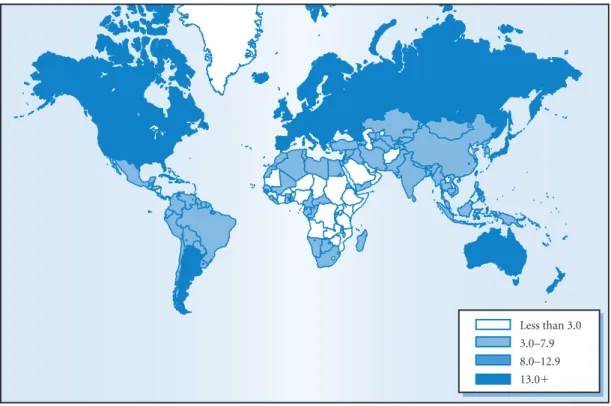
Through the first few decades of the 21st century, older adults will be a major economy. What are the primary consequences worldwide of a rapid increase in the number of older adults.

Issues in Studying Adult Development and Aging
Biological age is determined by measuring the functioning of the various vital or life-limiting organ systems, such as the cardiovascular system. What are the major issues in each of the controversies underlying adult development and aging.

Research Methods
Either way, questions are created that explore different aspects of the topic of interest. Confounding the three effects we consider here is the most serious problem in research on adult development and aging.
Summary
Perspectives on Adult Development and Aging
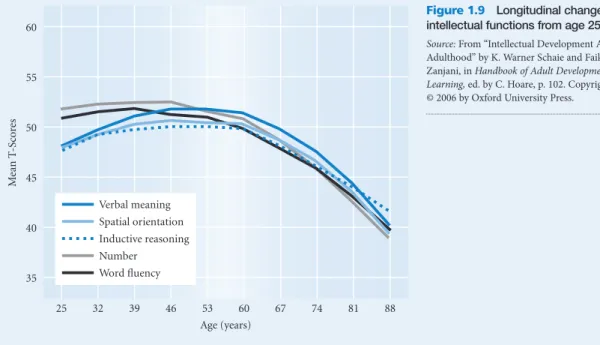
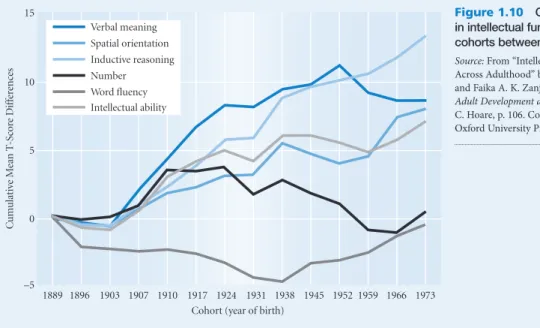
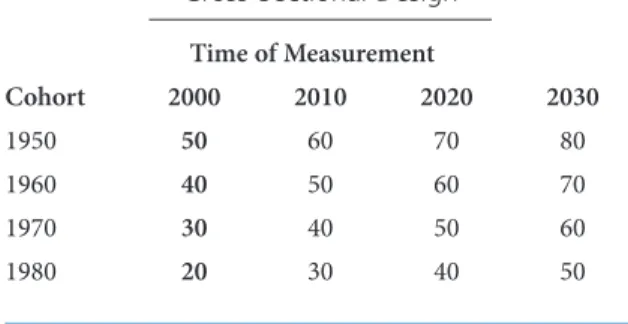
Effects on the time of measurement reflect the influences of the specific historical time at which information is obtained. Developmental study designs represent different combinations of age, cohort, and measurement time effects.
Review Questions
Group effects are changes caused by experiences and circumstances unique to the generation to which it belongs. Although complex and expensive, they are important because they help disentangle the effects of age, cohort, and time of measurement.
Integrating Concepts in Development
Key Terms
Resources
Neuroscience as a Basis for Adult
AS DEPICTED IN THE PHOTOGRAPH, YOU SEE
The Neuroscience Approach
For example, neuroscientific research shows that areas of the brain associated with visual processing decline with age. Magnetic resonance imaging (MRI) is a non-invasive technique that uses a powerful magnet (MRI scanner) and radio waves to create images of the brain.
Neuroscience and Cognitive Aging
In other words, compared to younger adults, older adults recruit different brain regions to perform cognitive tasks more effectively. On the one hand, this could reveal the neurological underpinnings of cognitive decline in older adults.
Neural Plasticity and the Aging Brain
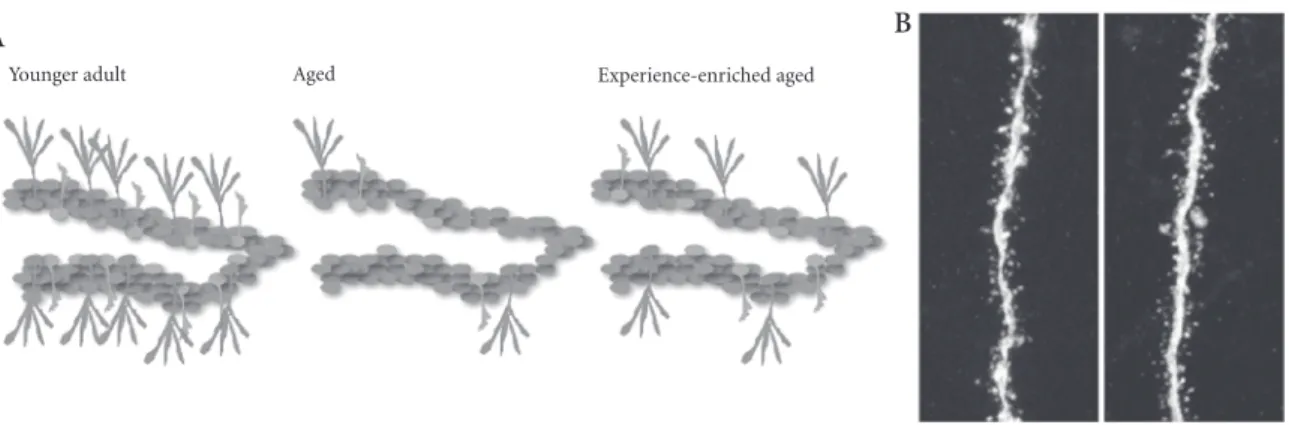
One of the most prominent behavioral findings in the literature is found in P. For example, although aging is associated with a marked decrease in the number of new neurons, this can change even with older age. The most compelling finding from this study is that the exercise began very late in the mice's lives.
Neuroscience and Socio-Emotional Aging
In contrast, other regions of the prefrontal cortex (PFC) undergo faster and earlier decline, such as the dorsolateral regions of the PFC ( Raz, 1996 ). Indeed, in both younger and older adults, activation of the amygdala and lateral orbitofrontal cortex corresponds to memory performance for positive and negative items ( Kensinger & Schacter, 2008 ). For example, older adults show activation of medial prefrontal cortex and cingulate gyrus regions when responding to positive stimuli, whereas younger adults do not (Kensinger & Schacter, 2008).
The Neuroscience Approach How do the basic developmental forces
It is therefore important for policy makers to obtain a more complete picture of ageing. Research in neuroscience and aging is extremely important, not only for health care policies, but also for psychological and physiological well-being. While behavioral research alone has been sufficient to move our understanding of aging forward, it is critical to incorporate all levels of understanding, including the neurological/biological aspects, into future work.
Neuroscience and Cognitive Aging What are the basic structural changes in the
Neural Plasticity and the Aging Brain How do animal models contribute to our
Neuroscience and Socio-Emotional Aging
Neuroscience and Cognitive Aging Describe the basic structural changes in the aging
Neural Plasticity and the Aging Brain What can animal models tell us about neural
Alzheimer's disease A disease usually found in the elderly that is characterized by a decline in memory and a progressive destruction of brain cells. Th e Society for Neuroscience is another good source of the latest research on neuroscience, aging, and brain facts. Rate of Living Theories • Cellular Theories • Theories of Programmed Cell Death • Implications of Developmental Forces.
Physical Changes 3
THE SUMMER OLYMPICS HELD IN BEIJING IN 2008
Why Do We Age? Biological Theories of Aging
The proteins in question, which make up roughly a third of the proteins in the body, are called collagen. Does this misinformation match the stereotypes about aging we discussed in Chapter 1? Finally, the results of all these studies must be placed in the context of the overall lifespan.
Appearance and Mobility
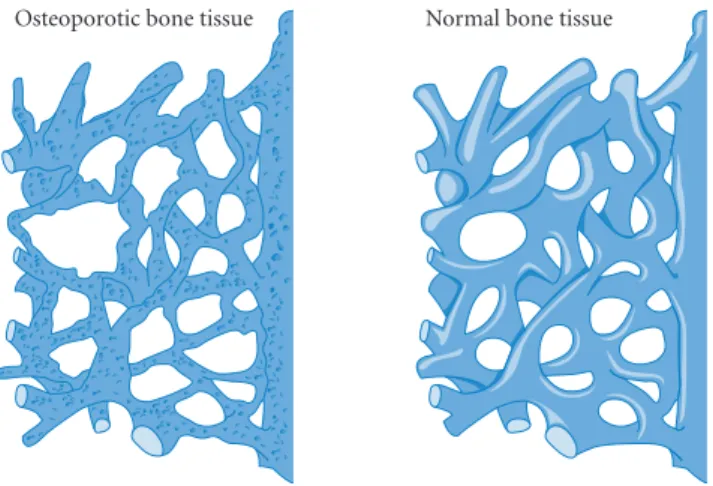
Loss of muscle strength is particularly important in the lower body (El Haber et al., 2008). Bone loss begins in the late 30s, accelerates in the 50s (especially in women), and slows by the 70s (National Institute of Arthritis, Musculoskeletal and Skin Diseases, 2005). Changes in the joints, especially in arthritis, have profound psychological effects (Aldwin & Gilmer, 2004).
Sensory Systems
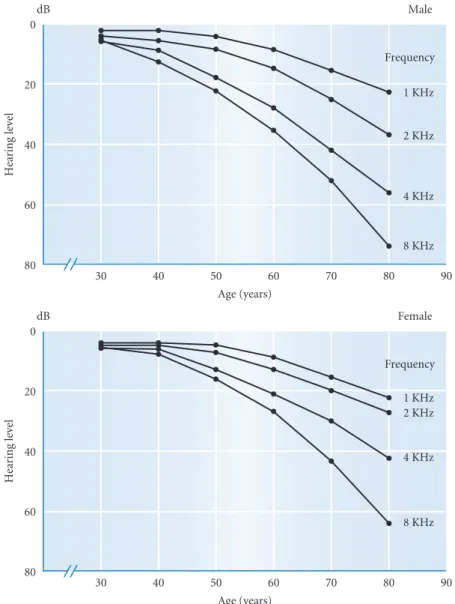
The combined effect of the structural changes in the eye creates two other types of changes. Presbycusis is the result of four types of changes in the inner ear (Gulya, 1995): sensory, consisting of. Age differences in the functional and structural organization of the auditory system in humans.
Vital Functions
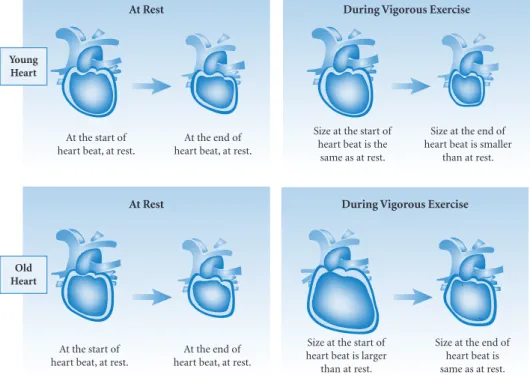
Two important age-related structural changes in the heart are the accumulation of fatty deposits and the stiffening of the heart muscle caused by tissue changes. The most important change in the circulation has to do with the stiffening (hardening) of the walls of the arteries. In the United States, someone dies every 33 seconds from cardiovascular disease (American Heart Association, 2004).
The Reproductive System
And the rate at which we can exchange oxygen for carbon dioxide decreases significantly as the membranes in the air sacs in the lungs deteriorate (Pride, 2005). Emphysema is the most severe type of COPD and is characterized by destruction of the membranes surrounding the air sacs in the lungs (American Lung Association, 2008). To date, research evidence on the long-term risks of HRT is clear in the case of the most common estrogen-progesterone combination.
The Nervous System
Changes in the brain occur mainly at the level of individual brain cells, called neurons. Changes in the level of neurotransmitters affect the efficiency of information transmission between neurons. A pathway in the brain that is responsible for controlling motor movements uses the neurotransmitter dopamine.

Why Do We Age? Biological Theories of Aging
As we have noted, the normative changes that occur in the brain with age have potentially profound effects, especially when these changes result in disease. How can they change with age? the respiratory system to be related to social policies for the environment. What would change in memory and intelligence. you expect based on the changes in the nervous system that occur with aging.
Discover Development: Take the Longevity Test • Average and Maximum Longevity • Genetic and Environmental Factors in Average Longevity. Ethnic differences in average life expectancy • Gender differences in average life expectancy • International differences in average life expectancy. Common Issues in Chronic Conditions • Common Chronic Conditions • Current Controversies: The Prostate Cancer Dilemma • Management of Pain.
Longevity, Health, and Functioning
WHEN YOU GET REAL OLD, HONEY,” SAID ELIZABETH (BESSIE)
How Long Will We Live?
People in different ethnic groups do not have the same average life expectancy at birth. For example, African American life expectancy at birth is approximately 6.5 years lower for men and about 5 years lower for women than for European Americans (National Center for Health Statistics, 2008a). What are some of the main reasons that life expectancy increased during the 20th century?

Health and Illness
Older adults may be more susceptible to HIV infection because of the changes in the immune system discussed earlier. Older adults may believe that condom use is no longer necessary, which also increases the risk (Tangredi et al., 2008). The stress frequently reported by older adults may be more age-related than role-related.
Common Chronic Conditions and Their Management
Part of the reason is the cumulative effect of poor health habits over a long period of time, such as cigarette smoking and poor diet. BPH is a non-cancerous enlargement of the prostate that first affects the inner part of the prostate. Prostate cancer often starts on the outer portion of the prostate, rarely causing symptoms in the early stages.

Pharmacology and Medication Adherence
What are some of the most common chronic conditions in older adults. Determining which option is best can be quite complex and serve as an additional barrier. As we age, more portions of the substance remain free; this means that toxic levels of a drug can build up more easily in older adults. Additionally, due to age-related physiological changes, several drugs are not recommended for use by older adults.
Functional Health and Disability
This implies that older adults in the United States are becoming disabled later in life, but a shorter time before they die than in previous generations. In the European American group, the ability to perform complex daily tasks, such as managing money, was more predictive of men's than of women's perceived health status. However, once drugs are in the small intestine, absorption rates are the same across adulthood.
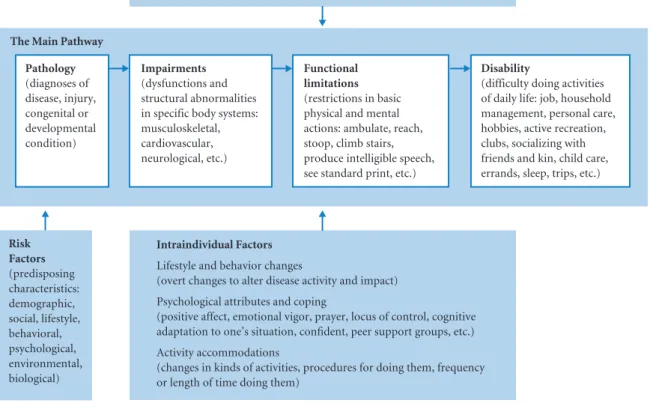
Functional Health and Disability What factors are important to include in a
Functional Health and Disability What are the key components in a model of
Numerous well-written pamphlets on topics related to cancer prevention, evaluation, and treatment can be obtained from your local chapter of the American Cancer Society. Easy to moderately difficult overview of career opportunities and the need to respond to an aging population. Easy-to-read summary of research on aging and steps you can take to stay healthy.
Where People Live
Person–Environment Interactions
YOU ENCOUNTER THEM EVERY DAY—
DEVICES SUCH AS GRIP BARS IN BATH- ROOMS, WIDER DOORWAYS, RAMPS
Describing Person–Environment Interactions
The range of optimal environments occurs at a higher level of environmental pressure (A) for the person with the highest level of competence than for the person with the lowest level of competence (B). For example, the changing balance between competencies and environmental pressures is a major factor in older adults' decisions to move (Sergeant & Ekerdt, 2008). These elements of the model reflect the basic ideas in the competence and environmental pressure model and the human-environment model.

The Ecology of Aging
Depending on the services received, Medicaid or other insurance may cover some of the expenses (Medicare does not). Traditional parish housing differs from assisted living in terms of the level of services provided. One of the main future challenges will be the blurring of community (independent) residential, assisted living and nursing homes into hybrids of these arrangements (Scheidt & Schwarz, in press).
Living in Nursing Homes
Involving nursing home residents in their care planning represents a major shift in culture and is an example of putting research into practice. Can nursing home residents move beyond these barriers and memories and achieve a sense of home. Groger's analysis of her interviews revealed that nursing home residents can truly feel at home.

The Ecology of Aging: Community Options
What are the key aspects of stress and coping theory regarding person-environment interaction? Schooler argues that older adults' adjustment depends on their perception of environmental stress and their attempts to cope with it. Patronizing and infantilizing language are examples of demeaning language, which are viewed very negatively by older adults.