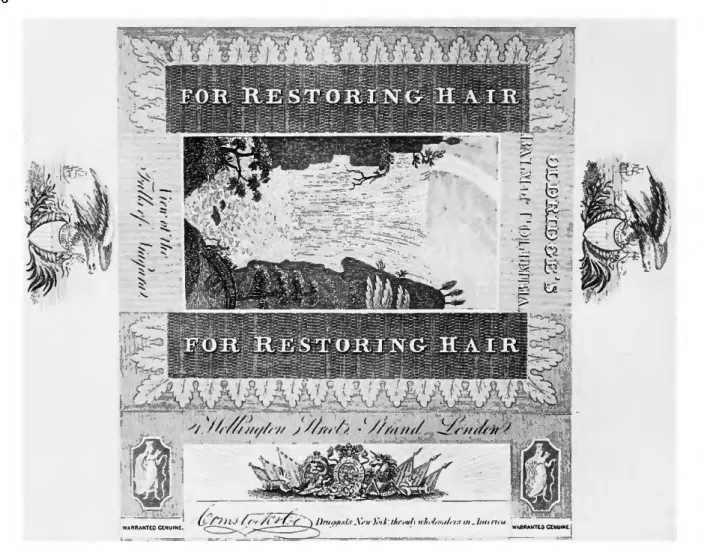
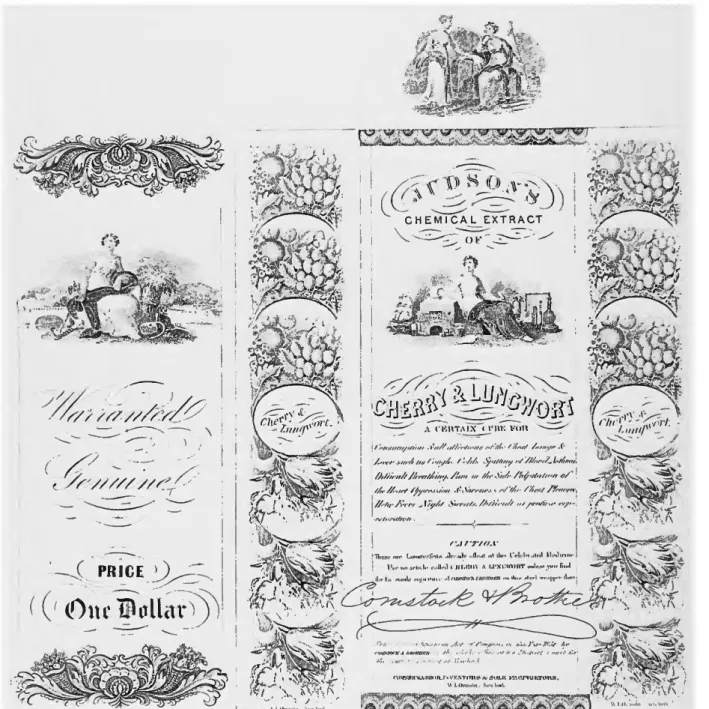
Carlton and George Wells on the other side to divide the property of Comstock &. This arose from his belief that his mail was being taken from the post office. Carlton and George, like Lucius, were heirs to the dissolved Comstock & Co. firm.
Most of the more recent remedies probably came from local doctors or drugstores. He had eight of the most celebrated doctors assisting him day and night.
A Short History of Dr. Morse's Father
B. MOORE, Proprietor
S^^^w^^ffiin^
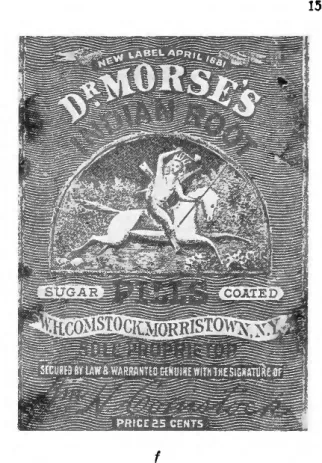
Morse's Indian Root Pills, under a close facsimile of the label already used by A. I think the pills should be entered here to avoid part of the enormous duty. But hundreds of notices about the settlement, addressed "To the debtors of the deceased company A.
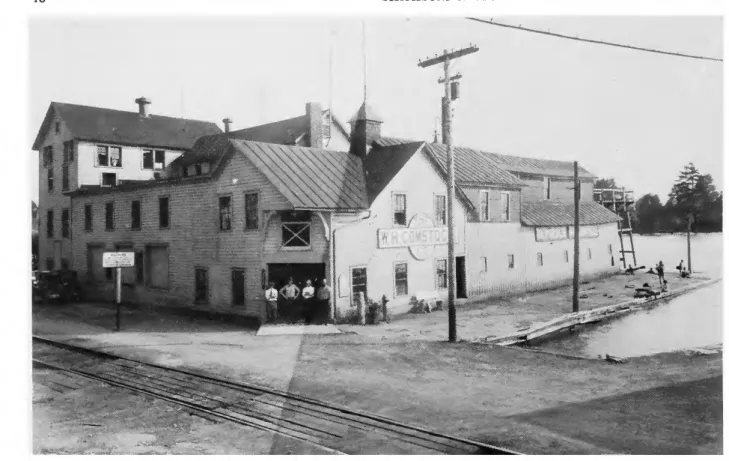
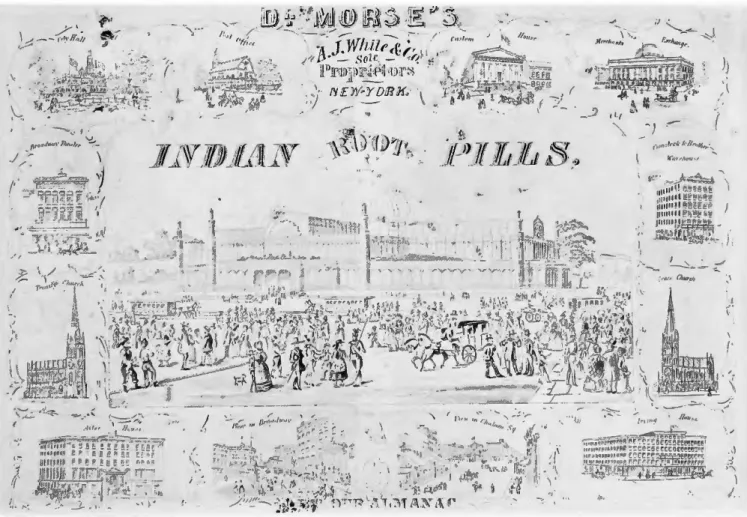
Morse's Indian Root Pills and other proprietary medicines were transferred from New York to Morristown, a village of 300 on the banks of the St. complete geographic distribution. Henry Comstock of Brockville Apothecary." And in July 1865, Comstock wrote from Brockville to E.
We have seen that he then entered into partnership with Judson in the purchase of the coffee roasting business. Thus, facilities on the other side of the border, but still close enough to be under joint management, should have. It is also strange that no record of transfer of land to Mr.
Comstock at the first establishment of the pellet mill in Morristown in 1867 can be found.

PANACEA
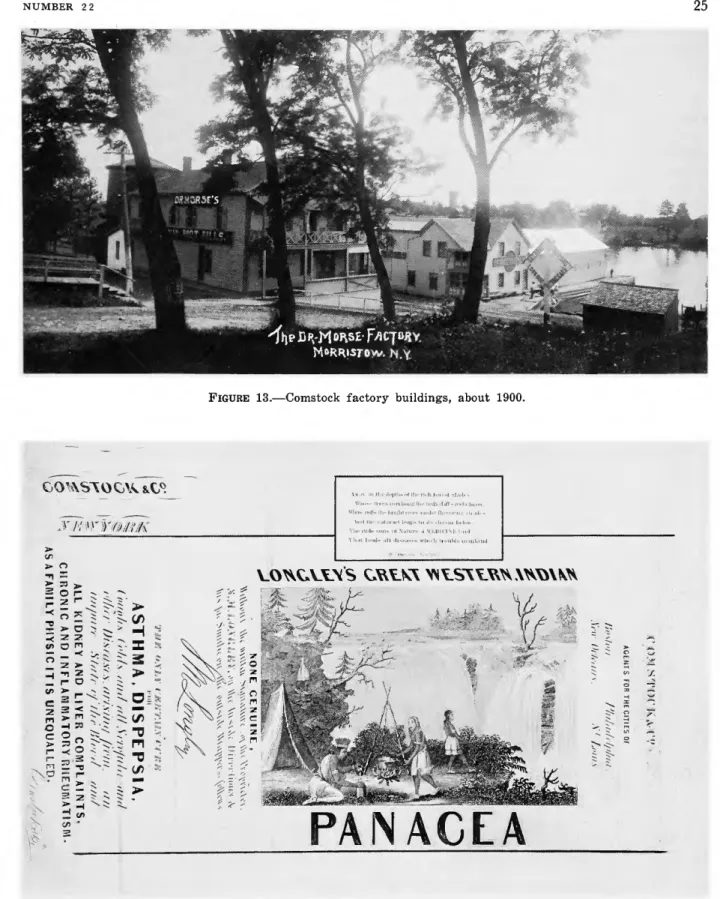
With the coming of the electric age, about the turn of the century, the Comstock factory also installed a generator to supply lighting, the first in the locality to introduce this device. Kingsland perhaps flattered the vanity of the former plant boss and later superintendent. MacKenzie, senior physician at the Throat Hospital (was there such a hospital?) in London, England.
Given the characteristics of the patent medicine business, its most difficult and essential function was the sale - or what the Comstocks. Cunard's rescue of the Aztec princess and his reward in the form of the secret of the Mountain Herb Pills. Any person who carefully reads the notices of the two remedies may have noticed with some surprise that Mountain Grass Pills and Indian Root Pills have been recommended somewhat frequently for many of the same ailments.
Unfortunately, newspapers were used extensively in the South just on the eve of the Civil War, and it undoubtedly proved impossible to serve customers in that region during the ensuing conflict. Force, whose correspondence, by some unexplained coincidence, was also deposited in the attic of the Indian Root Pill building in Morristown, although he was not exclusive agent and served clients other than the Comstocks. Testimonials volunteered by satisfied pill users have always featured heavily in almanacs, newspaper ads and flyers.
Cunard might suggest that there would be no hesitation in fabricating these testimonies, it is probable that they were genuine; at least many survived in letters scattered across the floor of India's Root Pill factory. Whether the formula for Indian root pills has been unchanged since their "discovery" - as all the company's advertising implied - we cannot know for sure. In the patent medicine business, it was of course necessary for the pills and tonics to be palatable, to neutralize the unpleasant taste of some of the active ingredients; therefore, large quantities of sugar and pleasant-tasting herbs were required.

WHOLESALE CHEMISTS, DRUGGISTS AND PERFUMERS,
East India Hair Dye, colors the hair and not the skin Acoustic Oil, against deafness. Azor's Turkish balm, for the toilet and hair Carlton's conditioning powder, for horses and cattle Connel's pain extract. Western Indian Panaceas Hunter's Pulmonary Balsam Linn's Pills and Bitters Oil of Tannin, for Leather Nerve & Bone Liniment (Hewe's) Nerve & Bone Liniment (Comstock's) Indian Vegetable Elixir.
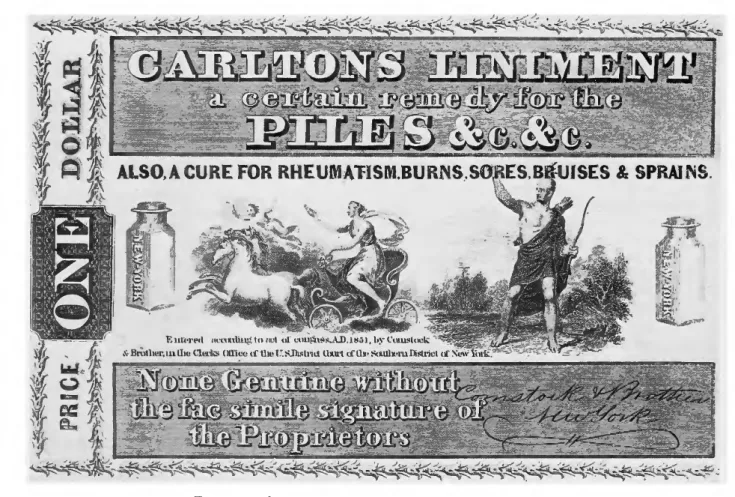
All of the foregoing were drugs of which Lucius claimed sole ownership. Carlton Comstock must have been the company's most important drug inventor; it seems that he specialized largely in veterinary remedies, although the hemorrhoidal liniment also did him credit. Despite Lucius's claim to sole ownership of these medicines, the departing brothers also manufactured and sold most of the identical items.
Carlton Comstock and Judson, the originators of most other preparations are shrouded in mystery; most of them were probably entirely fictitious. for whom some of the animal medicines were named, was an actual British veterinarian, and his prescriptions were probably genuine, but if he authorized them.
DEAFNESS
1AR OIL
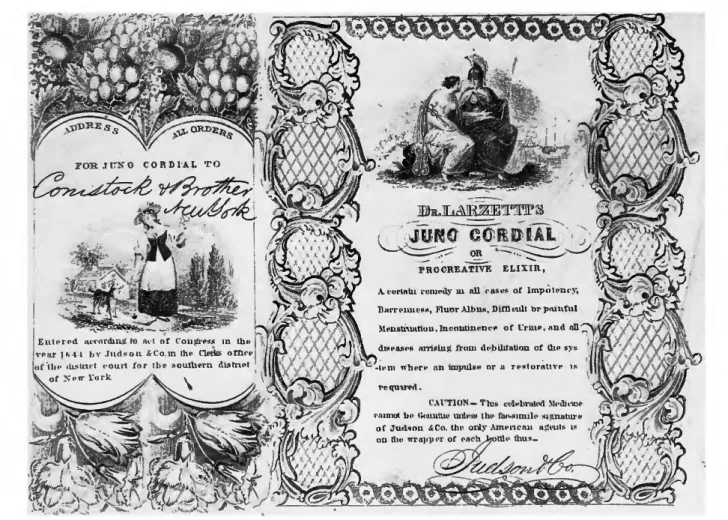
Larzetti appears to have experimented with both impotence and deafness, but his ear oil—a number of specimens of which were still on hand in the abandoned factory—was identical in every respect to Dr. McNair, as only labels and instructions. from the doctors' names, were exactly the same for both preparations. As the century turned, the Comstock factory in Morristown reduced the number of remedies it produced and concentrated on those that were most successful, which included, in addition to Indian Root Pills, Judson Mountain Herbal Pills, Judson Worm Tea, Carl. - ton's Condition Powders, Carlton's Nerve &.
Judson"—who had invented Dead Shot Worm Candy based on seventy years of medical experience. During the last years of the Comstock business in Morristown, in the 1930s, 1940s and 1950s, only three items were manufactured and sold. : Indian Root Pills, Dead Shot Worm Pellets and Comstock's N & B Liniment.12 Worm pellets were created by Mrs. In addition to its chemicals and plants, the Comstock plant was a large consumer of pill boxes and bottles.
In the success of the Indian root pills, the press was as important a contributor as the pill mixer. When William Henry Comstock, Sr., moved the Indian Root Pill business to Morristown in 1867, he was—at age 37—at least approaching middle life. Yet he was still to remain alive, healthy, and directly in charge of the medical business for more than half a century longer.
And it can be said that the golden age of the patent medicine business coincided very closely with Mr.
THE MEDICATED CANDY
THE POWERFUL COUNTERIRRITANT
THE TIME PROVEN VEGETABLE LAXATIVE
34;WORMS"
The sales volume of the Morristown plant, however, apparently reached a peak early in the present century—perhaps around 1910—and began a more rapid decline during the 1920s. While this did not fully compensate for the loss of domestic sales, it provided a large volume that undoubtedly extended the life of the Indian root pill factory by several decades. Meanwhile, the elder Comstock had become one of the most prominent citizens of Brockville, which he served three terms as mayor and once represented in the Canadian parliament.
As mentioned earlier, his steam yacht was also a familiar sight in the upper reaches of St. Lawrence County. All of these were of course highly visible in the 1920s when William Henry Comstock II began his career as head of the Indian Root Pill business.
The Comstock Company never seemed to have been too embarrassed by the embarrassing attacks surrounding the passage of the Federal Food and Drug Act of 1906. numerous reprints of articles in the Journal of the American Medical Association over a period of years. However, it seems it is possible that the general change in public attitudes and not any direct consequence of the implementation of the legislation caused the final death of Dr.
The number of employees, which at the height of business was apparently about forty, fell to thirteen according to the 1915 pay book, but recovered slightly to sixteen in 1922.
COMSTOCK'S
The foregoing data shows only the sales of the Indian carrot pills; this was by far the most important product, but the factory also sold Worm Pellets, Judson's Pills (until 1920) and N&B Liniment. Spanish-language almanacs and other advertising materials were usually included in the foreign packages, along with many copies of 'tapes' - the advertisements for the worm pills conspicuously illustrated with a gruesome image of a huge tapeworm. The domestic order book for 1941 shows sales of the Indian root pills, in quantities of one gross or more, of only 316 gross.
In fact, only 18 gross of the pills were sold that year – in quantities of one gross or more – on the domestic market, in stark contrast to the nearly 6,000 gross in 1910. Morse's remarkable discovery came during his long stay at the Indians of the Western Plains. The company's goodwill and a few assets were sold to the Milburn Company of Scarborough, Ontario, but the Comstock business was closed and Dr.
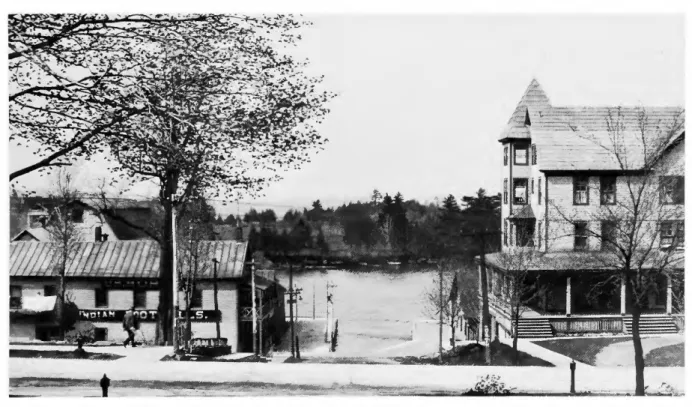
Only memories remain around the empty ferry slip, the vanished train station and the abandoned factory buildings – for many years the home of the eminent Dr. Morse's Indian Root Pills. The primary source of information for this history of the Comstock drug trade consists of the papers, letters, documents, and advertising materials found in the abandoned pill factory building in Morristown, New York. New York City: Macmillan Co. The Toadstool Millionaires, a social history of patent medicine in America before federal regulation.
At the beginning of the present century, during the "exposure" of the patent medicine industry, two major critical works were also published, each very specific and fearlessly naming.