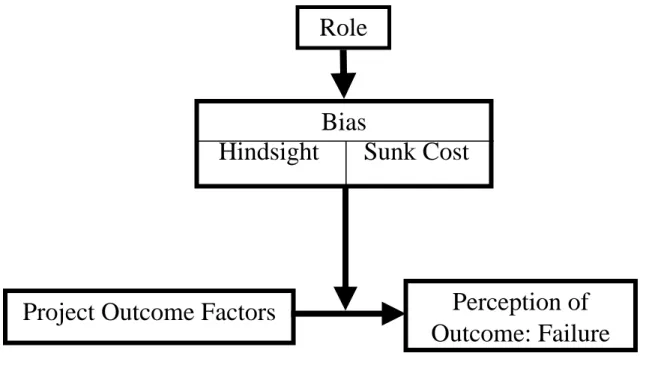
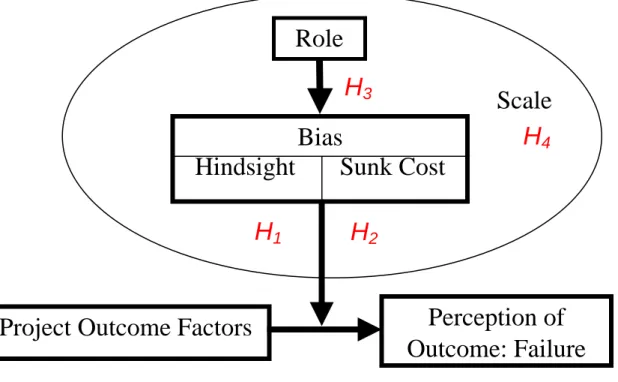
The role of the decision maker in the organization to influence the termination decision is not discussed. The interpretation of the information can then be based on how the information is presented in relation to the decision maker's role in the organization. Our research focuses on two types of bias: hindsight bias and sunk cost bias; which may differ depending on the role of decision makers in the organization.
Sunk cost bias (also referred to as escalation of commitment) is the tendency to continue an activity after an investment of money, effort, or time has been made (Kahneman and Tversky 1979; Arkes and Blumer 1985). Moderated decisions from the position of the decision maker (who is framing the decision) indicate that an investment in an endeavor appears to create a sunk cost effect when assessing the probability of success of that undertaking (Allison 1971; Arkes and Blumer 1985; Eisenhardt and Zbaracki 1992; Allison and Zelikow 1999; Arkes and Hutzel 2000). An increase in uncertainty provokes more scanning (more frequent scanning rate) for information (Daft, Sormunen et al. 1988).
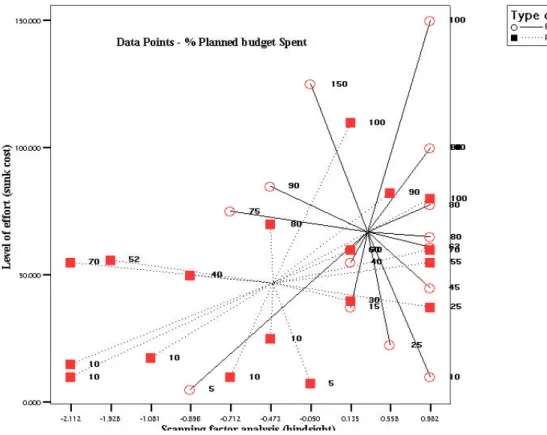
These factors were necessary to evaluate the degree of sunk cost distortion and, in the previous hypothesis, ex post bias. The Y-axis refers to the post bias factor (loading components by scanning at the start of the project and just before termination). So how does an individual's role in the organization (our unit of analysis) relate to biases in dismissal decisions?
Next, the level of effort (sunk cost) factor was plotted against the hindsight bias factor by role in the organization to see how they were related.
Effort
Decreased Scanning frequency
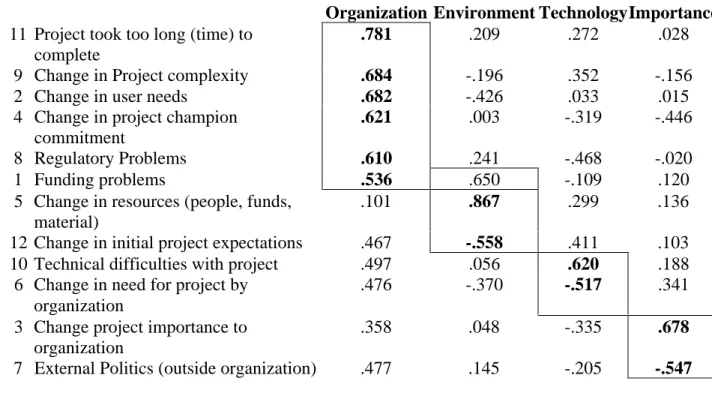
In the termination decision, hindsight bias was indicated, but without considering the role of the decision maker. This reflects Daft's findings where he says "the effect (scale effect through return on investment - ROI) is small and not statistically significant (Daft, Sormunen et al. 1988)". Managers showed the strongest correlation when they thought "the project took too long to complete." Taking too long was positively correlated with changes in initial expectations.
There are some similarities: executive and project managers look similarly at changes in user needs and the importance of the commitment of the project champion. Uncertainty played a role in our findings; it can be based on the role of the information collector in the organization. 2 Project managers are those individuals who are directly responsible for the work efforts of the project team to achieve the project objectives.
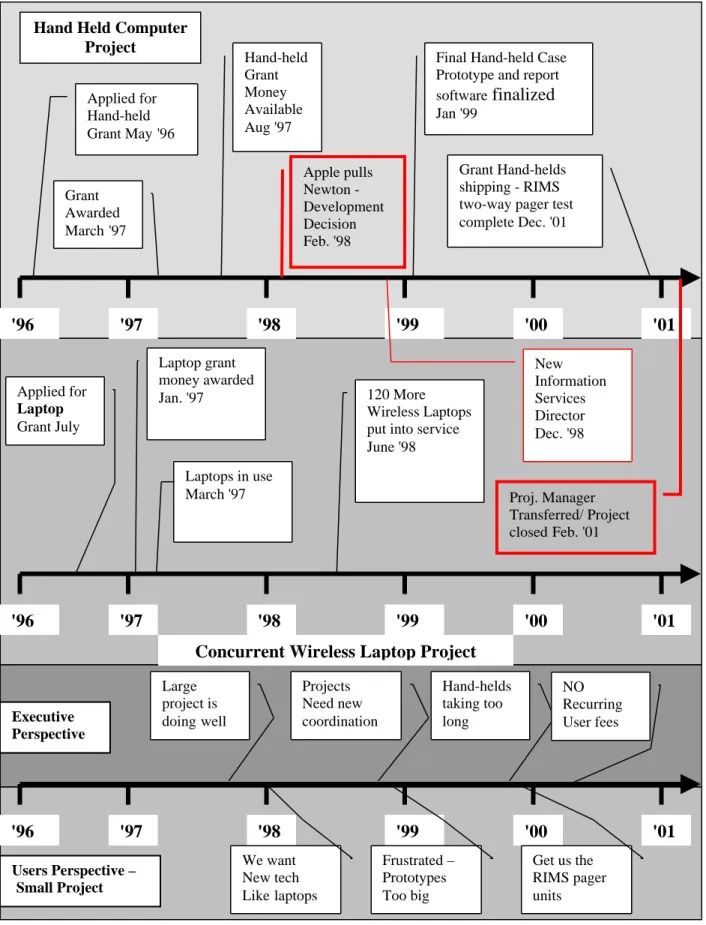
While hindsight bias may be a characteristic of executives and project managers, it is the executive's biased view that predicts the success of a project and, therefore, their evaluation of the project manager's handling of the project. The Police Planning and Research Division of the Metropolitan Nashville Police Department was to administer the hand grant. The decision to choose the integrator was made by a suggestion of a development firm that had a "good reputation". The initial decision was made between the owner of the proposed development company and the project manager.
At this stage, neither Integrale Data Systems nor the project manager of the Police Hand hero. When the original intention of the project was changed, the uncertainty regarding the operating system and platform increased and the likely positive outcome became marginal. The intention of the small project was never realized, even though the project was "successful" to the letter of the original intention.
Our case studies show that project management decisions were based on the project manager's assessment of the technological and resource-driven risks. The information to the managers was spotty at best for the smaller project of the two because the project manager considered it financially insignificant and other larger projects with the same project manager had been very successful. The success (impact) of the side project spurred unrealistic expectations from senior management in the handheld development project.
Analytical evaluation looks good until we look at the structure of the project as it progressed. They were using a new view of the project from brief comments during three (3) hour staff meetings and expected outcome measures (Bukszar and Connelly 1988). They were assessing how the success or failure of the project would affect their operations.
Research needs to be done on how communication influences decisions based on the role of the decision maker.
WHAT WAS LEARNED
Executive Technical Survey
Scan frequency scale 1 - Check less than once a year 2 - Check several times a year 3 - Monthly information search 4 - Weekly information search 5 - Daily information search N.A. How often do you usually search for information about your technology or related fields when you are preparing a technology project. How often do you search for information about your technology or related fields when preparing to break a project.
For example, a technical project that had a goal of adding voice recognition to a record keeping department, which was stopped after prototype testing, would be considered a terminated project. Scale of the terminated project Estimate the size 1 What was the total projected cost of the terminated project. For the terminated project: Percentage (%) 4 What percentage of the total planned man-hours was spent.
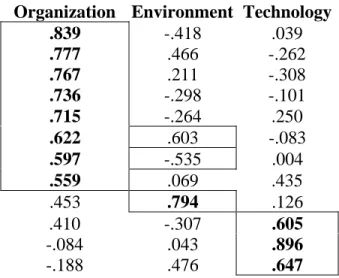
How many man-hours did you spend with the project manager during the next phases of the terminated project. 9 Project development (definition, design phase and implementation . which took place before the last month of the project) manure. How critical did you feel each of the following factors was on the decision to end a project.
Technical Project Manager Survey
How many man-hours did you spend on senior management in the following phases of the completed project? Critical factors in project completion Importance scale N.A. UNK 1 Change in original project expectations. different from what was presented).