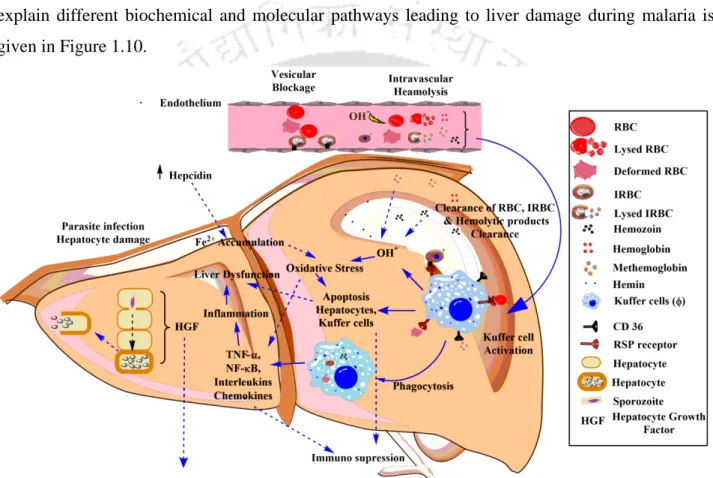
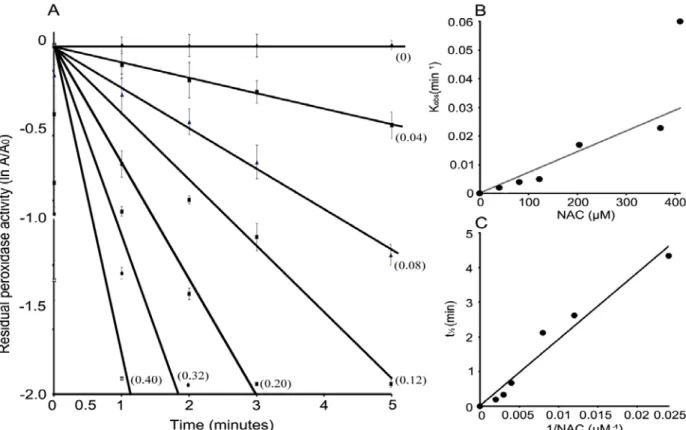
46 Figure 2.5 Proposed nuclear fission model of RBC damage by MetHb 47 Figure 3.1 Malaria culture supernatant induces RBC aggregation 54 Figure 3.2 Methemoglobin induces RBC aggregation dose-dependently 56 Figure 3.3 Oxidative stress of BC and the development of RBC oxidative stress. 71 Figure 4.4 Exposure of the peroxidative metabolite PQ disrupts RBC membrane structure 72 Figure 4.5 PQ Peroxidative metabolites are hemolytic in nature 72 Figure 5.1 NAC protects RBC cells from hemolysis-induced oxidative stress 80 Figure 5.2 Metb-mediated inactivation kinetics in the presence of hydrogen peroxide 81.
Malaria from Historic Period to Current: In View of Pathophysiology
Introduction
Historical account of malaria
Giovanni Battista Grassi and his colleagues reported on the life cycle of the human malaria parasite (P. falciparum, P. vivax and P. . malariae). In 1947, Henry Shortt and Cyril Garnham reported on the preerythrocytic liver stage of malaria parasites, the exoerythrocytic form of P.
Life cycle of malaria parasite
In 1937, Sydney James and Parr Tate discovered that there is a stage of pre-erythrocytic multiplication following sporozoite infections in chickens. In 1947, Henry Shortt and Cyril Garnham reported the pre-erythrocytic liver stage of Malaria parasites, the exo-erythrocytic forms of P. In 1948, the first rodent malaria parasite P. berghei was identified by Ignace Vincke and Marcel Lips .

Clinical Symptoms of malaria
Global malaria risk and distribution
Malaria eradication programs and achievements
- Adjuvant Therapy: Adjuvant therapy is an approach to enhance the efficiency of the primary drugs or to reduce the toxic effects of the primary drugs to provide faster recovery in
Chloroquine accumulates in food vacuole?: Chloroquine accumulation in parasitic food vacuole may be associated with its anti-malarial activity (Yayon et al., 1984). Other hypotheses such as protein synthesis inhibition, mitochondrial damage are not well explained (O'Neill et al., 2010).
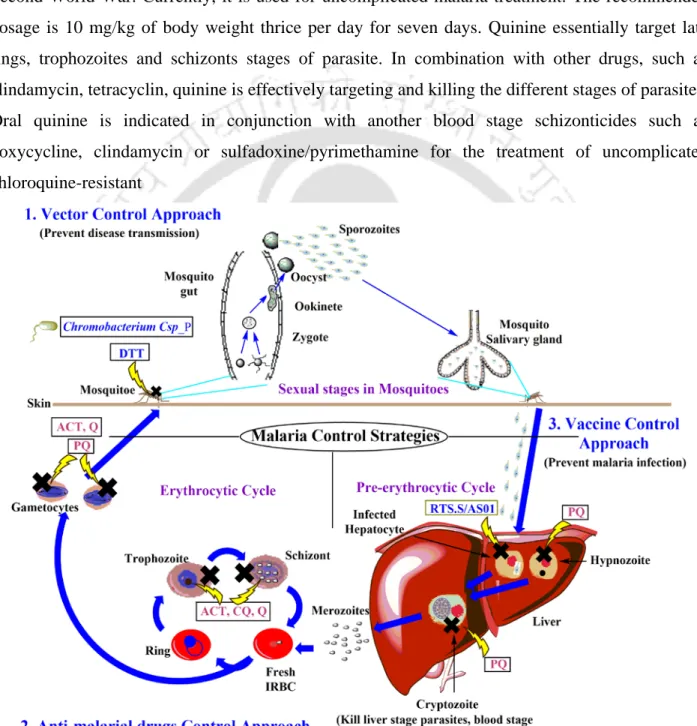
Acetyl Cysteine (NAC) in adjuvant therapy: Antioxidant NAC is used as an adjuvant during severe malaria to reduce oxidative stress related complications. NAC are thought to reverse the
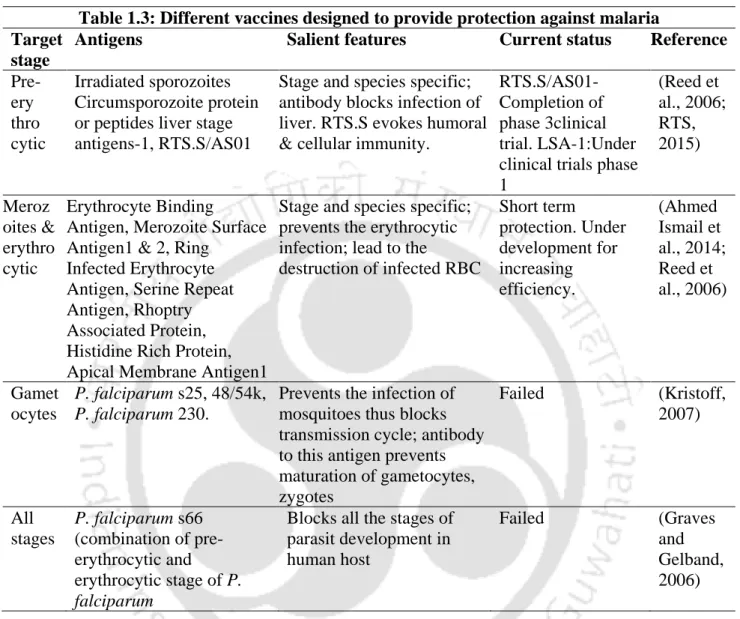
- Malaria vaccines: Development of vaccine is the simple way to develop immunity against malaria infection, but even after decades of research, malaria vaccine development is not been
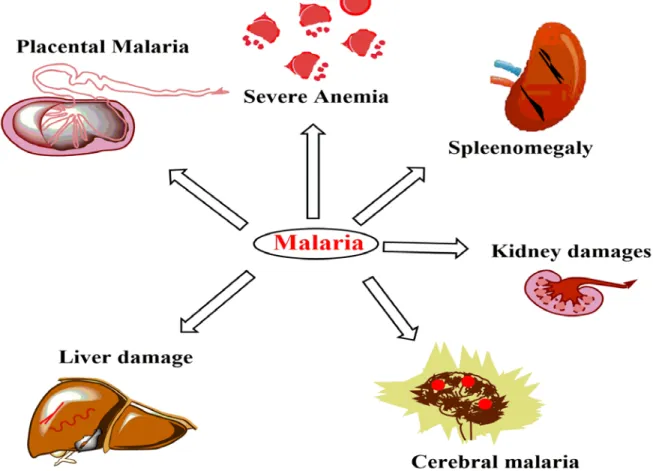
- Renal failure: Severe malaria develops acute kidney injury in around 40 % malaria patient
- Factors involved in malaria associated complications
- Environmental (physical) factors
- Biological factors: Parasites and malaria associated toxic products, different host cells and their secretary products, and immunological factors are the different biological components which
- Objectives
- Significance of the Work
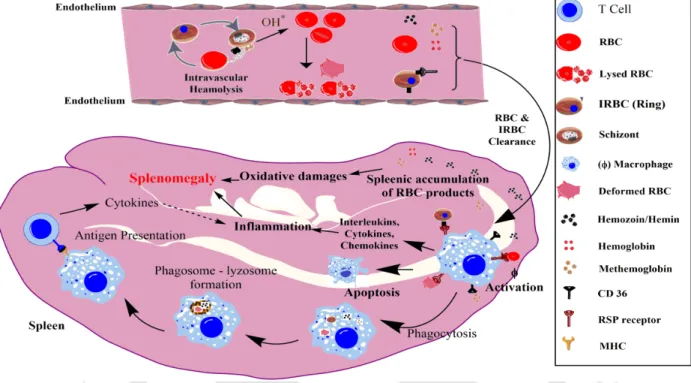
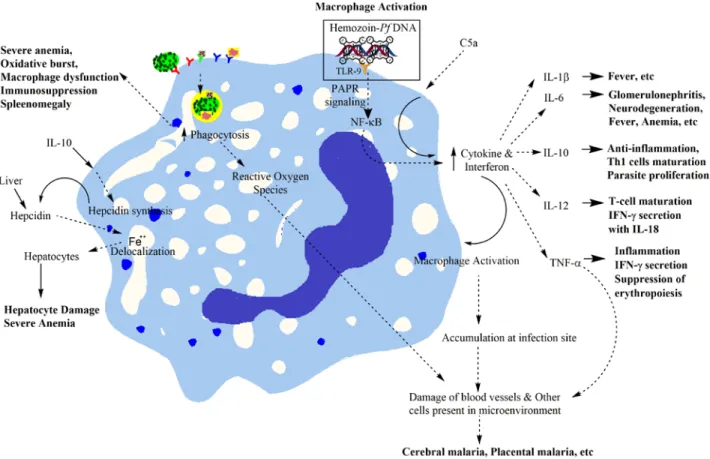
Red blood cell-derived microparticles (RMS) are the major microparticles produced during malaria (Nantakomol et al., 2011). Aggregation of platelets was observed from Malawian pediatric cerebral malaria patient brain samples (Grau et al., 2003). Hemozoin phagocytosis by monocytes and macrophages leads to the higher secretion of TNF-α (Santos-Martinez et al., 2008).
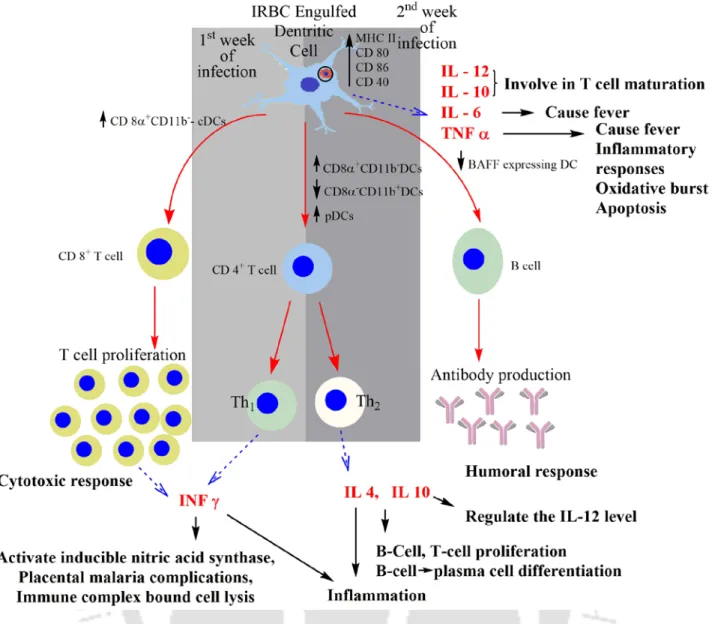
Moreover, IL-6 via B cells also causes the hypergammagluobulinemia, glomerulonephritis (immune complex disease) (Grau et al., 1990).
Extracellular Methemoglobin Catalyzes Rapid RBC Lysis to Explain Acute Anemia During Malaria*
- Introduction
- Methods
- Preparation of RBC from human blood: Human blood drew from healthy volunteers in EDTA containing tubes with informed consent. Whole blood was centrifuged at 1000 rpm for 10
- Measurement of oxidative stress within RBC by estimating lipid peroxidation level
- Measurement of oxidative stress within RBC by estimating protein carbonyl level: To measure the protein carbonyl level, till the MetHb exposed RBC lysate preparation process was
- Measurement of ROS production in external microenvironment by MetHb
- Results
- External MetHb exposure makes RBC susceptible for hemolysis: RBCs are very sensitive to osmotic stress and they maintain the osmotic balance by running energy driven proton pumps
- MetHb mediated initial ROS spike prime the RBCs to exhibit membrane defects: ROS pattern within RBC had two phases, a sharp increasing phase (spike) and then gradual increasing
- Discussion
- Summary
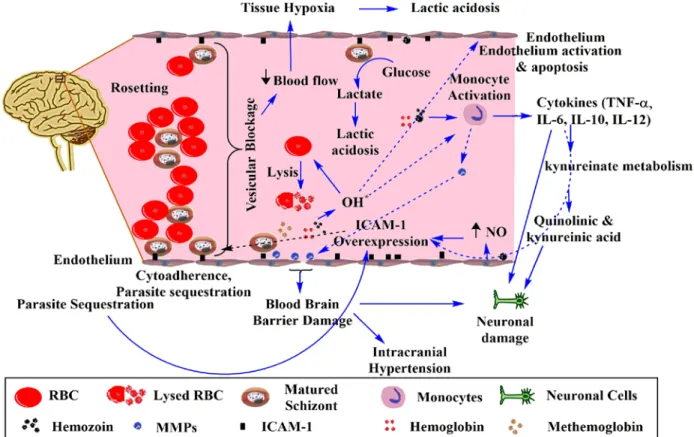
MetHb could be another potentiator molecule for neurological sequelae during cerebral malaria (Gram et al., 2013). Values were recalculated according to the protein level in the samples and converted to folds as mentioned previously in section 2.2.4 (Trivedi et al., 2005a). MetHb has the potential to produce large amounts of peroxide to accelerate oxidation-mediated tissue damage (Boretti et al., 2009; Goldman et al., 1998).
But a recent report suggests that peroxidase activity associated with MetHb attenuates H2O2-induced oxidative stress (Widmer et al., 2010). An additional physical damage (by passing through thin vessels) to cells causes hemolysis (Lisovskaia et al., 1994). Infusion of hemoglobin solution in healthy volunteers as well as a variety of acquired and iatrogenic hemolytic disorders suggest links between hemolysis and hemoglobinemia (Lamy et al., 2000; Przybelski et al., 1999; Rifkind et al., 2014; Sloan et al. ., 1999) internal oxidation/reduction balance of RBC to develop oxidative stress.
During malaria, accelerated RBC destruction is attributed to the induction of apoptosis-like process in uninfected RBCs and the development of oxidative stress (Totino et al., 2010). Recent studies show a cytoprotective antioxidant-like property of hemoglobin to reduce H2O2-mediated toxic effects on endothelial cells (Widmer et al., 2010). Compared to classical heme-dependent peroxidases, radicals originate in MetHb but flow into the microenvironment ( Reeder et al., 2004 ).

Extracellular Methemoglobin Primes Red Blood Cell Aggregation in Malaria like microenvironment*
- Introduction
- Methods
- Analysis of RBC aggregates in scanning electron microscope: RBC hematocrit (5%) treated with MetHb (200 µg) for 60 min at 37ºC and samples for scanning electron microscope
- Results
- Discussion
- Summary
Interestingly, immunodepletion of MetHb from malaria culture supernatant drastically reduces RBC aggregation (to ∼3%), with flow-through from control affinity purification with anti-IgG antibodies having the same degree of aggregation (∼80%) as crude P. Pictorial demonstration of MetHb-mediated RBC -aggregation in solution that is visible to the naked eye. In addition, antioxidants or free radical scavengers block parasite culture supernatant-mediated RBC aggregation (Figure 3.2-D).
RBCs were treated with MetHb (700 μg) for 60 min in buffered saline of different pH (4–10) and RBC aggregation was measured as described in the methods section. This clearly indicates the involvement of plasma membrane modification (changes in polarity or development of charge) with RBC aggregation. A partial purification of parasite culture supernatant indicates correlation of MetHb amount present in different fractions with RBC aggregation (Figure 3.1), but possibility of different.
In addition, obese patient shows a high level of RBC aggregation but does not develop a high level of MetHb (Sola et al., 2009). In this objective, we discovered a novel pathway of MetHb-mediated RBC aggregation in malaria-infected blood. Malaria culture supernatant contains a significantly high concentration of MetHb as an aggregant to display RBC aggregation.

Methemoglobin contributes into primaquine toxicity through single electron oxidation and modification*
- Introduction
- Methods
- Glutathione-s-transferase (GST) Assay: RBC hematocrit (5 %) treated with PQ peroxidation product (Pq ox ) for 30 min at 37 º C and activity of Glutathione-s-transferase (GST) was measured as
- SEM Sample preparation: RBC hematocrit (5%) treated with PQ peroxidation product (PQ ox ) for 30 min at 37ºC and samples for scanning electron microscope (SEM) was prepared as
- Hemolysis and osmotic shock measurement: RBC hematocrit (5 %) treated with PQ oxidation product (PQ ox ) for 30 min at 37ºC and osmotic shock and hemolytic assay was performed
- Results
- Primaquine peroxidation products hamper antioxidant potentials of RBC to cause oxidative stress: RBC antioxidant potential is determined by efficiency of antioxidant enzymes to
- Methemoglobin mediated primaquine peroxidation aggravate its hemolytic potentials: PQ resuspended in reaction buffer has potential to cause osmotic stress in RBC cells (Figure 4.5-A) and
- Discussion
- Conclusions and future prospectus
Co-incubation of PQ with recombinant cytochrome P450 isoform generates metabolites with the potential to induce MetHb formation and hemotoxicity (Ganesan et al., 2009). Reactive oxygen radical production, MetHb generation, and GSH depletion are associated with the hemotoxicity of PQ and PQ oxidative metabolites ( Ganesan et al., 2012 ). It binds to MetHb as evidenced by the reduction of for the successful oxidation of PQ to PQox.
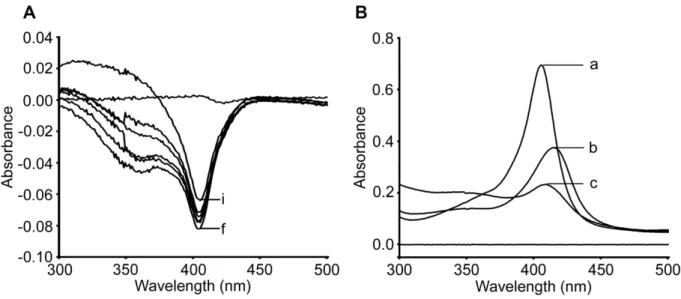
Addition of Pq causes a spectral shift back to 408 nm with single electron transfer to PQ for oxidation (Figure 4.1-B, spectrum c). To investigate the role of the PQ peroxidation reaction in forming oxidative metabolites, PQ was incubated with MetHb and H2O2 in the presence of spin trap, PBN (5 mM) for 30 minutes at 37ºC with intermittent shaking and PQ was isolated as described in the method chapter. The exact mechanism of PQ oxidation products-mediated inhibition of RBC antioxidant enzymes to disrupt oxidation/reduction could be of interest to control the toxic hemolytic effects of the drug.
Oxidative metabolites of PQ interact with RBC by different mechanisms to cause hemolysis (Bowman et al., 2005a; Bowman et al., 2005b; Bowman et al., 2004). 6-methoxy-8-hydroxylaminoquinoline (MAQ) causes oxidative damage to membrane lipids, while 5-hydroxyprimaquine (5-HPQ) causes damage to the cytoskeleton (Bowman et al., 2005a). MetHb-H2O2-mediated PQ hemolytic potentiation is sensitive to spin trap and indicates the role of PQ* radical or other distinct e-species in the process.
Suicidal inactivation of methemoglobin by generation of thiyl radical explains NAC mediated protection in RBC*
- Introduction
- Preparation of RBC from Human blood: Fresh blood collected in EDTA containing tubes and 5 % hematocrit was prepared in glucose containing PBS as described in chapter 2, section 2.2.2,
- Statistical analysis: Student t-test (MICROSOFT EXCEL 2007) used for statistical analysis and a p-value < 0.05 was considered significant
- Results
- NAC abrogates MetHb pseudoperoxidase activity to protect RBC from hemolysis
- NAC Serve as the suicidal substrate of methemoglobin: Peroxidases mediated oxidation and inactivation mechanism involves the production of oxidation products of suicidal substrate through
- NACox is the molecular species to provide protection against oxidative stress induced hemolysis: Results in figure 5.7 indicate that, NAC oxidation product (NAC ox ) is interacting and
- Discussion
- Summary
Furthermore, we demonstrated that NAC* formation is important for NAC binding to MetHb and provides protection against oxidative stress-induced hemolysis. Thus, the studies provide additional insight into the antioxidant mechanisms of NAC during oxidative stress-induced hemolysis. In the presence or absence of different concentrations of NAC (0 - 2.5 mM) for a period of 2 hours.
In the presence of the spin trap TEMPO, the NAC binding constant for the active complex (MetHb-H2O2) was comparable to that for native MetHb with negligible binding of NAC to catalytically active MetHb (Figure 5.7-B). Aromatic and halide substrates protect the inactivation of MetHb from NAC, suggesting a key role of NAC oxidation in the process (Table 5.1). Optical spectroscopy studies in the presence of TEMPO show that the low affinity of NAC for MetHb further supports NACox as an interacting and inactivating species (Figure 5.7).
Questions that can be investigated in the future are related to additional molecular targets of the NAC thiyl radical, the interaction of NAC with free radicals or other antioxidant enzymes in the presence of MetHb. The antioxidant mechanism of NAC to reduce oxidative stress in erythrocytes was studied by inactivating the prooxidant MetHb. Heme-NAC adduct dissociated from MetHb and identified (m/z 1011.19) as a 2:1 ratio of NAC:heme in the adduct.
Bibliography
Effects of para-aminobenzoic acid, insulin and gentamicin on Plasmodium falciparum development in anopheline mosquitoes (Diptera: . Culicidae). The resistance to physiological shear stresses of the erythrocytic rosettes formed by cells infected with Plasmodium falciparum. Growth of Plasmodium falciparum induces stage-dependent hemichrome formation, oxidative aggregation of band 3, membrane deposition of complement and antibodies, and phagocytosis of parasitized erythrocytes.
Serum Levels of the Proinflammatory Cytokines Interleukin-1 Beta (IL-1beta), IL-6, IL-8, IL-10, Tumor Necrosis Factor Alpha, and IL-12 (P70) in Malian Children with Severe Plasmodium falciparum Malaria and similar Uncomplicated malaria or healthy controls. Plasmodium falciparum pigment induces monocytes to release high levels of tumor necrosis factor-alpha and interleukin-1 beta. Matrix Metalloproteinase-9 and Haemozoin: Wedding Rings for the Human Host and the Plasmodium falciparum Parasite in Complicated Malaria.
Impairment of macrophage functions after ingestion of Plasmodium falciparum-infected erythrocytes or isolated malaria pigment. Fine structure of Plasmodium falciparum and its host erythrocytes in natural human malaria infections. Effects of chloroquine on the feeding mechanism of the human malarial intraerythrocytic parasite Plasmodium falciparum.
List of Publications
Conference Presentations
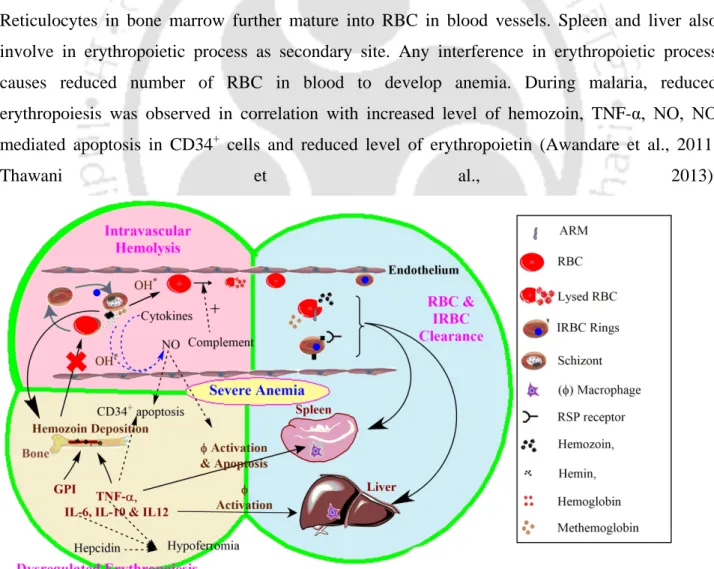
Extracellular methemoglobin-mediated early ROS spike induces osmotic fragility and RBC destruction: An insight into enhanced hemolysis during malaria. The data presented together in the current work explored the role of MetHb in the acceleration of humoral dysregulation during malaria, which may be responsible for severe pathological outcomes. According to a rough estimate, during malaria each infected RBC (IRBC) causes the lysis of ten or more uninfected RBCs to manifest hemolytic anemia [4].
A recent study correlates the increased destruction of uninfected red blood cells by apoptosis with the observed development of anemia during malaria [5]. In conclusion, we have discovered a novel pathway of methemoglobin-mediated RBC aggregation and its potential role in pathophysiological effects during malaria. A number of clinical, biochemical and immunological studies have attempted to explain the pathophysiological mechanisms during malaria, but our understanding is still limited and the underlying molecular events are not clear [5–9].
RBC aggregation during malaria is a complex process driven by adhesion ligand on infected RBC cells, receptor expression on uninfected RBCs, coagulation factors, platelet-mediated agglutination, and plasma proteins [ 10 – 16 ]. Heme released from infected RBC reduces RBC deformability (RBC-D), an important property of normal RBC to pass through small capillaries and avoid splenic clearance[22]. Oxidative stress within RBCs causes the externalization of phosphatidyl serine (PS) to generate adhesive patches to initiate aggregation [ 27 ].
Methemoglobin incites primaquine toxicity through single-electron oxidation and
Introduction
Suicidal Inactivation of Methemoglobin by Generation of Thiyl Radical: Insight into NAC Mediated Protection in RBC
Abstract The molecular modeling approach was applied to a series of nineteen curcumin analogs to find the potential inhibitory action of PfRIO2 kinase. A putative active site in the flexible loop (S1) of the PfRIO2 kinase was computationally explored to identify the molecular basis of ligand binding. The ligands (curcumin analogs; 3a–3s ) accommodated well in the selected active site (S1) due to their larger molecular size and length.
Furthermore, all these synthesized compounds (3a-3s) were evaluated for their in vitro antimalarial activity according to the reported method. This is an open access article under the CC BY-NC-ND license (http://creativecommons.org/licenses/by-nc-nd/4.0/). Malaria is a life-threatening disease caused by five species of parasites and transmitted through vector-infected mosquitoes.
An estimated 3.4 billion people are at risk of malaria, and there are 107 countries and territories where malaria is endemic. More than 65 protein kinases (PKs) have been reported in the parasite kinome with ambiguous cellular targets. This is an open access article under the CC BY-NC-ND license (http://creativecommons.org/licenses/by-nc-nd/4.0/).