The Paradoxical Brain
The Paradoxical Brain
Edited by
Narinder Kapur
with
Alvaro Pascual-Leone Vilayanur Ramachandran Jonathan Cole
Sergio Della Sala
Tom Manly
Andrew Mayes
Cambridge University Press
The Edinburgh Building, Cambridge CB2 8RU, UK Published in the United States of America by Cambridge University Press, New York www.cambridge.org
Information on this title:www.cambridge.org/9780521115575
#Cambridge University Press 2011
This publication is in copyright. Subject to statutory exception and to the provisions of relevant collective licensing agreements, no reproduction of any part may take place without
the written permission of Cambridge University Press.
First published 2011
Printed in the United Kingdom at the University Press, Cambridge A catalogue record for this publication is available from the British Library Library of Congress Cataloging-in-Publication Data
The paradoxical brain / edited by Narinder Kapur ; with Alvaro Pascual-Leone, Vilayanur Ramachandran, Jonathan Cole, Sergio Della Sala, Tom Manly, Andrew Mayes.
p. ; cm.
Includes bibliographical references and index.
ISBN 978-0-521-11557-5 (hbk.)
1. Brain. 2. Neurophysiology. 3. Brain–Diseases.
4. Paradox. I. Kapur, Narinder, editor.
[DNLM: 1. Brain–physiology. 2. Brain Diseases.
3. Cognition. 4. Mental Disorders. 5. Neurosciences–methods.
WL 300]
QP376.P345 2011 612.802–dc22
2010050211 ISBN 978-0-521-11557-5 Hardback
Cambridge University Press has no responsibility for the persistence or accuracy of URLs for external or third-party internet websites referred to in this publication, and does not guarantee that any content on such websitesis, or will remain, accurate or appropriate.
Every effort has been made in preparing this book to provide accurate and up-to-date information which is in accord with accepted standards and practice at the time of publication. Although case histories are drawn from actual cases, every effort has been made to disguise the identities of the individuals involved. Nevertheless, the authors, editors and publishers can make no warranties that the information contained herein is totally free from error, not least because clinical standards are constantly changing through research and regulation. The authors, editors and publishers therefore disclaim all liability for direct or consequential damages resulting from the use of material contained in this book. Readers are strongly advised to pay careful attention to information provided by the manufacturer of any drugs or equipment that they plan to use.
Sperry (1913–1994), this book is dedicated to the memory of Mahatma Gandhi (1869–1948), who viewed his life as one of a scientist, carrying out experiments in Truth, Love and Self-Denial.
Acknowledgements ix Preface xi
Foreword xiv Oliver Sacks
Author affiliations xvi Abbreviations xx
1. The paradoxical nature of nature 1
Narinder Kapur, Alvaro Pascual- Leone, Tom Manly and Jonathan Cole
2. Paradoxical effects of sensory loss 14
Alvaro Pascual-Leone, Souzana Obretenova and Lotfi B. Merabet 3. Paradoxical functional facilitation
and recovery in neurological and psychiatric conditions 40 Narinder Kapur
4. Paradoxes in
neurorehabilitation 74 Tom Manly, Ian H. Robertson and Narinder Kapur
5. The paradoxical self 94 Vilayanur Ramachandran and William Hirstein
6. Paradoxical psychological functioning in early child development 110 David J. Lewkowicz and Asif A. Ghazanfar
7. Cognitive ageing: a positive perspective 130
Shira Zimerman, Lynn Hasher and David Goldstein
8. Paradoxes of learning and memory 151
Henry L. Roediger, III and Andrew C. Butler
9. The paradox of human expertise:
why experts get it wrong 177 Itiel E. Dror
10. Paradoxes in Parkinson’s disease and other movement disorders 189 Ashwani Jha and Peter Brown
11. Paradoxical phenomena in epilepsy 204
Steven C. Schachter 12. Paradoxical creativity and
adjustment in neurological conditions 221
Indre V. Viskontas and Bruce L. Miller
13. Paradoxical functional facilitation with noninvasive brain
stimulation 234
Umer Najib and Alvaro Pascual-Leone 14. Unexpected benefits of allergies
and cigarette smoking: two examples of paradox in neuroepidemiology 261 Judith Schwartzbaum, Linda Karavodin, Narinder Kapur and James L. Fisher
15. The paradox of autism: why does disability sometimes give rise to talent? 274
Simon Baron-Cohen, Emma Ashwin, Chris Ashwin, Teresa Tavassoli and Bhismadev Chakrabarti
16. Paradoxes in creativity and psychiatric conditions 289
Jonathan Hurlow and James H. MacCabe 17. The paradox of psychosurgery to
treat mental disorders 301 Perminder S. Sachdev
18. The paradox of electroconvulsive therapy 321
Angela Merkl and Malek Bajbouj 19. Paradoxes of comparative
cognition 332 Howard C. Hughes
20. Paradoxical phenomena in brain plasticity 350
Bryan Kolb and G. Campbell Teskey
21. Immature neurons in the adult brain. Breaking all the rules 365
J. Martin Wojtowicz
22. The paradoxical hippocampus:
when forgetting helps learning 379 Howard Eichenbaum
23. Paradoxical effects of drugs on cognitive function: the
neuropsychopharmacology of the dopamine and other
neurotransmitter systems 397 Roshan Cools, Esther Aarts and Mitul A. Mehta
24. The paradoxical brain–so what? 418
Narinder Kapur, Tom Manly, Jonathan Cole and Alvaro Pascual-Leone
Index 435
I am grateful to a number of individuals for their support in producing this book. Firstly, and most importantly, I am grateful to the contributors of the chapters who agreed to write such excellent articles in the context of what for most of them must have been very busy schedules, with many competing demands. They were asked to provide a novel perspective on research findings in their field, and they all showed an admirable commitment in taking up this challenge.
My editorial support team (Alvaro Pascual-Leone, Vilayanur Ramachandran, Jonathan Cole, Sergio Della Sala, Tom Manly, Andrew Mayes) is listed on the front cover of the book, and I could not have managed without them.
I am particularly grateful to Jonathan Cole for his priceless and timely comments over many months on the drafts of every chapter. I am indebted to Tom Manly for the weekly sessions we had together, where his advice was illuminating and indispensable. Jonathan and Tom contributed many hours of their time on the book, and their input helped to shape both the chapters and the book itself in innumerable ways.
Alvaro Pascual-Leone provided advice and encouragement in the early stages of the project. I am also grateful to the original anonymous book proposal reviewers, who made helpful comments at the early stages of conception and planning of the project. Itiel Dror, one of the contributors to the book, kindly introduced me to the work of Escher, whose drawing forms part of the front cover to the book, and Cai Wingfield also helped with this cover.
I was fortunate to have general and specific comments on individual chapters from expert referees. I would like to thank Alan Baddeley, Roger Barker, German Berrios, Richard Bond, Carol Brayne, Tim Bussey, John Duncan, James Fawcett, Katerina Fotopoulou, Karl Friston, Chris Frith, Uta Frith, Fernand Gobet, Usha Goswami, Jordan Grafman, Rik Henson, Joe Herbert, Lee Illis, Gerd Kempermann, Franco Lepore, Paresh Malhotra, Roz McCarthy, Pat Rabbitt, Edwin Robertson, Allan Scott, Julie Snowden, Ed Wasserman, Roy Weller, Barbara Wilson, Andy Young and Adam Zeman.
I am grateful to Oliver Sacks for kindly writing a Foreword to the book.
I thank Richard Marley of Cambridge University Press for his advice and support throughout the various stages of this book, and also Katie James of Cambridge University Press for her input during the production phase of the book.
I thank those organizations and individuals who gave permission to reproduce items in question. If there are any individuals or organizations whom I have left out, my apologies and please let me know, so that any errors can be corrected in a future printing of the book.
Cambridge in England is an ideal environment in which to generate academic ideas and dreams, and in which to turn them into reality. The resources available to me in my particular neurosciences setting were only made possible by the dedicated, outstanding endeavours over the years of a number of key individuals in Cambridge, in particular Alastair Compston and John Pickard. It is also impossible to produce a book of this type without having good computing support at hand, and I am grateful to Simon Jones and Tulasi Marrapu for providing this support. My assistant, Kayleigh Kew, helped in a variety of ways, too many to mention. I also thank the other members of my department for their
assistance– Fiona Aschmann, Georgina Browne and Mariella Gregori. I have also been fortunate to retain my chair in Neuropsychology at the University of Southampton, and I thank both that university and my colleagues in the Department of Psychology for providing facilities that enabled me to carry out background research for the book and to support my funding of elements of the book.
My apologies to anyone I may have left out in the above listing.
When producing a major piece of work, it is right and customary to thank past colleagues who have directly or indirectly influenced the paths and destinations of profes- sional and scientific journeys – I would like to thank, in memory, Nelson Butters, Laird Cermak, Harold Goodglass, Derek Gordon, John Graham-White, Alan Parkin and George Seth.
Compared to the original caveman, we live in an interdependent world, whereby practic- ally everything that touches our daily existence is only made possible by the efforts of thousands of other people, past or present. I would like to acknowledge the resourcefulness and the kindness of the United States government and people, in making PubMed and similar academic resources freely available to citizens throughout the world. I would also like to acknowledge the genius and generosity of Sir Tim Berners-Lee and his colleague Robert Cailliau in developing the tools that allowed the internet to become a reality and amodus operandithrough which resources such as PubMed could freely and easily operate.
I am grateful to Dr B. K. Sharma for arranging for my share of royalties from sales of this book to go to the Gwalior Children’s Hospital near Delhi, India.
Finally, I thank my wife Ritu and my children Sarina, Soniya and Shashi for their love and support, and for putting up with my absences.
Narinder Kapur
The study of the human brain has been variously referred to as‘the last great frontier’, or a challenge equivalent to that of understanding the universe. Cosmology and neuroscience, in fact, probably have some things in common. Our galaxy, the Milky Way, has thousands of millions of stars, and some commentators have conjectured that the number of stars in the Milky Way may be similar to the number of cells in the human brain. In the past two decades, imaging and sensing technologies have transformed both the field of neuroscience and the field of cosmology. Perhaps a more interesting analogy is in the realm of awareness and human consciousness. With our current awareness mechanisms, we are usually only aware of a tiny amount of cognitive activity that mediates human behaviour – many cognitive and perceptual inferences take place at an unconscious level, we often fail to realize how our perceptions and beliefs may not be completely based on reality, and we often fool ourselves into believing that we have free will and full responsibility for all our thoughts and actions (Frith,2007). Similarly, in the case of cosmology, with our eyes alone we are only aware of a tiny part of our galaxy, and if we were to take our perceptions literally, we would fall for the simple delusion that the sun moves round the earth.
The human brain, in its present form, seems to have evolved over the past few hundred thousand years, and it is open to debate whether it is still evolving or will remain in its current state, either after a further few hundred thousand years, or towards the end of the existence of the planet (Renfrewet al.,2009). To date, the great achievements of mankind, and many of the great disasters of mankind, are probably directly or indirectly attributable in large measure to the workings of the human brain. It is likely that future achievements and calamities will also be largely due to activities of human beings that emanate from either the brilliance or the frailties of the human brain. To the extent that we can reach a better understanding of how the brain operates, its strengths and its limitations (Rees, 2008a), and how its operations may be modified for the benefit of the individual and of mankind, then it lies within the grasp of experimental and clinical neuroscientists to contribute to the welfare of humanity, and to help meet many of the daunting challenges that face human civilization (Rees, 2008b). From the perspective of the psychological sciences, here too there are major endeavours which can potentially bring about ‘greater good’across a range of global issues (Miller,1969; McKay,2008). The only neuropsycho- logist to win the Nobel Prize, Roger Sperry, explored such topics in some of his last writings:
The outlines of a value-belief system emerge that include an ultimate respect for nature and the evolving quality of the biosphere, which, if implemented, would set in motion the kind of social change needed to lead us out of the vicious spirals of increasing population, pollution, poverty, energy demands, etc. The strategic importance of neuroscience and the central role of prevailing concepts of the mind–brain relation to all of the foregoing remain evident throughout, as does also the direct relevance of efforts to bring added insight and substantiation of these mind-–brain concepts through further advances in brain research. (Sperry,1981, p. 15)
This book aims to contribute to an understanding of the human brain from a novel perspective. The book is based on the premise that studying anomalies, the counter- intuitive and the paradoxical may shed light on the workings of the human brain (cf.
Ramachandran, 2006). Therefore, I have put together, for the first time in one volume,
contributions from a range of researchers who have focused on paradoxical phenomena associated with the human brain. From the perspective of experimental neuroscience, Karl Pribram (1971) helped to set the scene by pointing out a number of paradoxes in more basic neuropsychological studies. From the perspective of clinical neurology, Oliver Sacks has also set the stage for this book by his own innovative and stimulating works and titles (Sacks,1985,1995,2007), including one title (An Anthropologist on Mars) with a‘paradox- ical’subheading (Sacks,1995). Sacks has eloquently noted
nature’s richness is to be studied in the phenomena of health and disease, in the endless forms of individual adaptation by which human organisms, people, adapt and reconstruct themselves, faced with the challenges and vicissitudes of life. Defects, disorders, diseases, in this sense, can play a paradoxical role, by bringing out latent powers, developments, evolutions, forms of life, that might never be seen, or even be imaginable, in their absence. It is the paradox of disease, in this sense, its
‘creative’potential, that forms the central theme of this book. (Sacks,1995, p. xii)
I fully accept that some of the content of this book is speculative, and may throw up more questions than answers. One of the primary purposes of this book is to raise questions, rather than to offer answers, and I will have achieved my goal if new questions and new methodologies have been brought to the minds of readers, both in the realm of a theoretical understanding of the human brain and in the realm of therapy for the human brain. In an emerging field, it is sometimes difficult to know when best to take stock and marshal evidence and viewpoints, but I feel that this is a timely opportunity in the light of recent findings and advances, both in neuroscience and in psychology. In addition to drawing attention to new or somewhat neglected experimental and clinical observations, I hope that the book will encourage new ways of thinking of established findings.‘The important thing in science is not so much to obtain new facts as to discover new ways of thinking about them’, once remarked the British scientist William L. Bragg, who was awarded the 1915 Nobel Laureate in Physics.
The two main aims in writing this book are first, to provide evidence and to suggest questions and methodologies that clinical and experimental neuroscientists may wish to consider in their journeys to understanding the workings of the human brain, while at the same time disseminating to a wider audience of clinicians and students the evidence and ideas that are the substance of this volume; second, to point to avenues by which the human condition may be improved–whether this be in the healthy population or in those with brain disorders.
I hope that the book will lead to a change in how we view the brain, and that the brain will now be seen as a dynamic, nonlinear and highly plastic device, rather than as a static, linear and rigid entity. I hope that this book will encourage more‘out-of-the-box’, lateral thinking as to how the brain operates and how it can be repaired. I also hope that the book will encourage a more enlightened view of people whose brains, in one form or other, fall outside the norm, whether it be due to acquired brain pathology or due to developmental or genetic factors. Many of the findings in this book suggest that we should view such individuals as‘brain different’, rather than ‘brain damaged’, that we should look at their positive coping strategies rather than their deficits and disabilities, and that we should focus on their achievements rather than their handicaps.
In his essay,The Habit of Truth, Jacob Bronowski (1961) alludes to three stages in‘the discovery of things’ – assembling data, putting the data into order, and producing a conceptual framework around the ordered data. I hope that in this scientific endeavour
I have been successful in the first two stages, and I appreciate that I have only made a humble beginning to the third stage.
This book marks the end of a 20-year journey in which I have viewed the beautiful and inspiring landscapes of paradoxes in brain and behaviour. The duration of this journey is possibly similar to one that might involve human exploration of the far reaches of the Milky Way Galaxy –perhaps this analogy is not too far-fetched if one accepts the folklore that there are a similar number of stars in the galaxy as there are cells in the human brain!
Such a journey would not of course have been possible without the dedicated efforts of those researchers who cultivated the findings which adorned the landscapes along my journey, and I thank them for their dedication.‘I have attempted to blaze a track through the jungle, but make no pretence at having reached the end of the journey. I can only hope that some ardent and adventurous spirit may follow my path’, wrote Sir Henry Head, the eminent British neurologist in the preface to his treatise on aphasia (Head, 1926, p. x).
I hope that‘some ardent and adventurous spirits’may take up the reins and pursue some of the paradoxes highlighted in this book.
Narinder Kapur
References
Bronowski, J. (1961).Science and Human Values. London: Hutchinson Press.
Frith, C. (2007).Making up the Mind. Oxford:
Blackwell Publishing.
Head, H. (1926).Aphasia and Kindred Disorders of Speech. Volume 1. Cambridge: Cambridge University Press.
McKay, T. (2008). Can Psychology change the world?The Psychologist,21: 928–31.
Miller, G. (1969). Psychology as a means of promoting human welfare.American Psychologist,24: 1063–75.
Pribram, K. H. (1971).Languages of the Brain:
Experimental Paradoxes and Principles in Neuropsychology. New York, NY: Prentice-Hall.
Ramachandran, V. S. (2006). Creativity versus skepticism within science.Skeptical Inquirer, 30: 48–51.
Rees, M. (2008a). Interview with BBC Religious Affairs Programme on topic of Belief.
April 13, 2008.www.bbc.co.uk/religion/
programmes/belief
Rees, M. (2008b). Ditchley Foundation Annual Lecture, XLVI, July 12, 2008.www.ditchley.
co.uk/page/331/ditchley-lecture-xliv.htm Renfrew Cet al. (2009).The Sapient Mind:
Archaeology meets Neuroscience. London:
The Royal Society.
Sacks, O. (1985).The Man Who Mistook His Wife for a Hat. London: Duckworth.
Sacks, O. (1995).An Anthropologist on Mars. Seven Paradoxical Tales. London:
Picador.
Sacks, O. (2007).Musicophilia. Tales of Music and the Brain. London: Picador.
Sperry, R. (1981). Changing priorities.Annual Review of Neuroscience,4: 1–15.
Damage to any part of the body, if severe enough, can cause a corresponding loss of function: cardiac failure, liver failure, renal failure, etc. That this could also occur with specific areas of the brain was supported, in the 1860s, by Broca’s demonstration that damage to a particular area of the left frontal lobe led to expressive aphasia–an indication, he felt, that this area constituted a‘centre’for speech. Classical neurology was founded on this deficit/lesion model, and the clinico-pathological method remains the foundation of neurology today. Indeed, in the last few decades, it has flourished, with the added power of brain imaging, which makes it possible to visualize brain lesions and their effects in living patients.
But there have been dissenting voices from the start–in particular, that of Hughlings Jackson, who also studied aphasic patients, but came to think that Broca’s view of aphasia– as no more than a loss of function–was inadequate. The loss of speech, Hughlings Jackson emphasized, was never the sole symptom in aphasia; there were always‘positive’ones as well, which were unmasked or released as a consequence of the lesion; one of his papers, for example, was entitled ‘Singing by Speechless (Aphasic) Children’ (Jackson,1871). In his 1884 Croonian Lectures on‘Evolution and Dissolution of the Nervous System’, Jackson wrote,‘The symptomatology of nervous diseases is a double condition; there is a negative and there is a positive element in every case’(1884, p. 591).
He saw the brain as having many functional levels, developed in the course of evolution and hierarchically arranged, with activity at higher levels making use of, but also restrain- ing, the activities of lower levels. For Jackson (and for Freud, an ardent Jacksonian, a few years later), the brain was not a static mosaic of fixed representations or points, but incessantly active, with certain potentials being actively suppressed or inhibited in a dynamic balance–potentials that could be‘released’if this inhibition was lifted. Among such release phenomena, Jackson included epilepsy and chorea (and Freud the violent affects and impulses of the‘id’, if it was uncapped by psychosis).
Hughlings Jackson’s views were largely ignored in his own time, as were attempts to reintroduce them (as when Henry Head published a collection of Jackson’s articles soon after his death).
In the 1960s and 1970s, the notion of release phenomena was resurrected in regard to hallucinations, especially the visual hallucinations of those who had lost their sight, or had grossly impaired vision. It became clear that visual perception itself was necessary to keep the brain’s visual mechanisms in order, and that in the absence of perception, there might be an eruption of images and patterns generated by unbridled, autonomous activity in the visual cortex. While visual hallucinations occur in only a minority of visually impaired people, there is, in almost all of them, a widespread activation of the visual cortex which may lead to exceptional powers of visualization or visual imagery, or to visual areas becoming available for nonvisual processing (reading Braille, for instance, or enhanced auditory sensitivity). These‘paradoxical’heightenings may be maladaptive, or they may be highly adaptive and useful to the individual, and it is especially in relation to these that Kapur speaks of ‘paradoxical functional facilitation’ (although the term has many other connotations too).
There has long been a tendency to see neurological damage or disease as‘incurable’, or treatable only to the extent that there is spontaneous recovery (as from a stroke), removal of a pathology (such as a tumour), or replenishment of something that is deficient (as with giving dopamine precursors to patients with Parkinsonism). However, it is equally import- ant to see what is preserved and even heightened in neurological syndromes–the‘positive’
elements that Hughlings Jackson spoke of – and to see these as allowing unexpected compensations and therapeutic powers. Thus, for example, the ability or propensity of aphasic patients to sing can be channelled and used therapeutically (as in music therapy or melodic intonation therapy for aphasic patients).
The great Soviet neuropsychologist Lev Vygotsky, almost a century ago (Vygotsky, 1929), emphasized the importance of positive abilities – what Kapur calls ‘paradoxical functional facilitation’ –in those who had no vision:
Blindness is not merely the absence of sight . . . [it] causes a total restructuring of all the strengths of both organism and personality. Blindness, in creating a new, unique cast of personality, brings to life new forces . . . It creatively and organically remakes and forms a person’s mind. Consequently, blindness is not merely a defect, a minus, a weakness, but in some sense also the source of manifestations of abilities, a plus, a strength (however strange or paradoxical this may seem!).
InThe Paradoxical Brain, Narinder Kapur has expanded this concept to cover many areas in neurology, neuroscience and neurorehabilitation, assembling a diverse and comprehen- sive group of world-class experts to explore the concept of paradox in many different disciplines. Their experience and ideas are of fundamental importance and deserve close attention from all who deal with disorders of brain function, so that we may focus on the uniqueness of the individual and their positive potentials, rather than thinking solely in terms of disorder.
Oliver Sacks
References
Jackson, H. (1871). Singing by speechless (aphasic) children.The Lancet,98: 430–1.
Jackson, H. (1884). The Croonian lectures on evolution and dissolution of the nervous system.British Medical Journal,1: 591–3.
Vygotsky, L. S., Rieber, R. W., & Carton, A. S.
(Eds). (1993).The Collected Works of L.S. Vygotsky, Volume 2, The Fundamentals of Defectology. New York, NY: Springer, p. 97 [1929, republished in 1993].
Aarts, Esther
Center for Cognitive Neuroimaging, Donders Institute for Brain, Cognition and Behaviour, Radboud University, Nijmegen, The Netherlands
Chapter 23–Paradoxical effects of drugs on cognitive functionpp.397–417
Ashwin, Chris
Autism Research Centre, University of Cambridge, Cambridge, UK
Chapter 15–The paradox of autism pp.274–288
Ashwin, Emma
Autism Research Centre, University of Cambridge, Cambridge, UK
Chapter 15–The paradox of autism pp.274–288
Bajbouj, Malek
Head of the Affective Neuroscience and Emotion Modulation Research Group, Charité, University Medicine, Berlin, Germany
Chapter 18–The paradox of
electroconvulsive therapypp.321–331 Baron-Cohen, Simon
Professor, Director of Autism Research Centre, University of Cambridge, Cambridge, UK
Chapter 15 – The paradox of autism pp.274–288
Brown, Peter
Sobell Department of Motor Neuroscience and Movement, Institute of Neurology, London, UK
Chapter 10–Paradoxes in Parkinson’s disease and other movement disorders pp.189–203
Butler, Andrew C.
Research Associate, Duke University, Durham, NC, USA
Chapter 8–Paradoxes of learning and memorypp.151–176
Chakrabarti, Bhismadev
Senior Researcher, Autism Research Centre, University of Cambridge, Cambridge, UK
Chapter 15 – The paradox of autism pp. 274–288
Cole, Jonathan
Honorary Senior Lecturer in Clinical Neurosciences, University of Southampton, Professor, University of Bournemouth and Consultant in Clinical Neurophysiology, Poole and Salisbury Hospitals, Poole Hospital, UK
Chapter 1–The paradoxical nature of naturepp.1–13
Chapter 24–The paradoxical brain–so what?pp.418–434
Cools, Roshan
Center for Cognitive Neuroimaging, Donders Institute for Brain, Cognition and Behaviour, Radboud University, Nijmegen, The Netherlands
Chapter 23–Paradoxical effects of drugs on cognitive function pp.397–417
Dror, Itiel E.
Institute of Cognitive Neuroscience, University College London, London, UK Chapter 9–The paradox of human expertise pp.177–188
Eichenbaum, Howard
Professor, Boston University, Center for Memory and Brain, Boston, MA, USA
Chapter 22–The paradoxical hippocampus pp.379–396
Fisher, James L.
Research Scientist, Ohio State University, Ohio, USA
Chapter 14–Unexpected benefits of allergies and cigarette smokingpp.261–273
Ghazanfar, Asif A.
Assistant Professor, Neuroscience Institute and Department of Psychology, Princeton University, Princeton, NJ, USA
Chapter 6–Paradoxical psychological functioning in early child development pp.110–129
Goldstein, David
Professor of Psychology, University of Toronto, ON, Canada
Chapter 7–Cognitive ageingpp.130–150 Hasher, Lynn
Professor, Department of Psychology, University of Toronto, ON, Canada Chapter 7–Cognitive ageingpp.130–150 Hirstein, William
Professor of Philosophy, Elmhurst College, Elmhurst, IL, USA
Chapter 5–The paradoxical selfpp.94–109 Hughes, Howard C.
Professor, Department of Psychological and Brain Sciences, Dartmouth College, Hanover, NH, USA
Chapter 19–Paradoxes of comparative cognitionpp.332–349
Hurlow, Jonathan
Institute of Psychiatry, Kings College, London, UK
Chapter 16–Paradoxes in creativity and psychiatric conditionspp.289–300 Jha, Ashwani
Sobell Department of Motor Neuroscience and Movement, Institute of Neurology, London, UK
Chapter 10–Paradoxes in Parkinson’s disease and other movement disorders pp.189–203
Kapur, Narinder
Visiting Professor of Neuropsychology, University College London;
Honorary Professor of Neuropsychology, University of Southampton; formerly Head of the Neuropsychology Department, Addenbrooke’s Hospital, Cambridge, UK Chapter 1–The paradoxical nature of naturepp.1–13
Chapter 3–Paradoxical functional facilitation and recovery. . . pp.40–73 Chapter 4–Paradoxes in
neurorehabilitationpp.74–93
Chapter 14–Unexpected benefits of allergies and cigarette smokingpp.261–273
Chapter 24–The paradoxical brain–so what?pp.418–434
Karavodin, Linda
Principal Consultant at Karavodin Preclinical Consulting
Chapter 14–Unexpected
benefits of allergies and cigarette smoking pp.261–273
Kolb, Bryan
Canadian Centre for Behavioural Neuroscience, University of Lethbridge, Alberta, Canada
Chapter 20–Paradoxical phenomena in brain plasticitypp.350–364
Lewkowicz, David J.
Professor, Florida Atlantic University, Boca Raton, FL, USA
Chapter 6–Paradoxical psychological functioning in early child development pp.110–129
MacCabe, James H.
Senior Lecturer and Honorary Consultant Psychiatrist, National Psychosis Unit, Section of General Psychiatry, Institute of Psychiatry, London, UK
Chapter 16–Paradoxes in creativity and psychiatric conditionspp.289–300 Manly, Tom
Research Scientist, MRC Cognition and Brain Sciences Unit, Cambridge, UK Chapter 1–The paradoxical nature of naturepp.1–13
Chapter 4–Paradoxes in neurorehabilitationpp.74–93
Chapter 24–The paradoxical brain–so what?pp.418–434
Mehta, Mitul A.
PET Psychiatry Group, MRC Clinical Sciences Centre, Institute of Psychiatry, Kings College, London, UK
Chapter 23–Paradoxical effects of drugs on cognitive functionpp.397–417
Merabet, Lotfi B.
Berenson-Allen Center for Noninvasive Brain Stimulation, Beth Israel Deaconess Medical Center, Harvard Medical School, Boston, MA, USA
Chapter 2–Paradoxical effects of sensory losspp.14–39
Merkl, Angela
Charité, University Medicine, Berlin, Germany
Chapter 18–The paradox of
electroconvulsive therapypp.321–331 Miller, Bruce L.
A. W. Clausen Distinguished Professor of Neurology, University of California, San Francisco, CA, USA
Chapter 12–Paradoxical creativity and adjustment in neurological conditions pp.221–233
Najib, Umer
Clinical Research Fellow, Department of Medicine, Division of Allergy and Inflammation, Beth Israel Deaconess Medical Center, Harvard Medical School, Boston, MA, USA Chapter 13–Paradoxical functional
facilitation with noninvasive brain stimulationpp.234–260
Obretenova, Souzana
Research Assistant, Berenson-Allen Center for Noninvasive Brain Stimulation, Beth Israel Medical Center, Boston, MA, USA
Chapter 2–Paradoxical effects of sensory losspp.14–39
Pascual-Leone, Alvaro
Berenson-Allen Center for Noninvasive Brain Stimulation, Beth Israel Deaconess Medical Center, Harvard Medical School, Boston, MA, USA
Chapter 1–The paradoxical nature of naturepp.1–13
Chapter 2–Paradoxical effects of sensory losspp.14–39
Chapter 13–Paradoxical functional facilitation with noninvasive brain stimulationpp.234–260
Chapter 24–The paradoxical brain–so what?pp.418–434
Ramachandran, Vilayanur
Professor, Center for Brain and Cognition, University of California, San Diego, CA, USA
Chapter 5–The paradoxical self pp.94–109
Robertson, Ian H.
Professor, School of Psychology, Trinity College, Dublin, Ireland
Chapter 4–Paradoxes in neurorehabilitationpp.74–93 Roediger, Henry L., III
Washington University, St. Louis, MO, USA
Chapter 8–Paradoxes of learning and memorypp.151–176
Sachdev, Perminder S.
Professor, The Neuropsychiatric Institute, Prince of Wales Hospital, University of
New South Wales, Sydney, Australia Chapter 17–The paradox of psychosurgery to treat mental disorderspp.301–320 Schachter, Steven C.
Professor, Department of Neurology, Harvard Medical School, Boston, MA, USA Chapter 11–Paradoxical phenomena in epilepsypp.204–220
Schwartzbaum, Judith
Associate Professor, Ohio State University, Columbus, OH, USA
Chapter 14–Unexpected benefits of allergies and cigarette smokingpp.261–273 Tavassoli, Teresa
Autism Research Centre, University of Cambridge, Cambridge, UK
Chapter 15–The paradox of autism pp.274–288
Teskey, G. Campbell
Professor, Department of Cell Biology and Anatomy and Psychology, University of
Calgary, Alberta, Canada
Chapter 20–Paradoxical phenomena in brain plasticitypp.350–364
Viskontas, Indre V.
Research Fellow, University of California, San Francisco, CA, USA
Chapter 12–Paradoxical creativity and adjustment in neurological conditions pp.221–233
Wojtowicz, J. Martin
Professor, Department of Physiology, University of Toronto, ON, Canada Chapter 21–Immature neurons in the adult brain
pp.365–378 Zimerman, Shira
Visiting Graduate Student, Rotman Research Institute, Baycrest Center, Toronto, Canada
Chapter 7–Cognitive ageing pp.130–150
AD antidepressant drug
ADHD attention deficit hyperactivity disorder
AED antiepileptic drug AS Asperger’s syndrome ASC autism spectrum conditions ASD autism spectrum disorder AV audio-visual
BDNF brain-derived neurotrophic factor BrdU bromodeoxyuridine
CIAT constraint-induced aphasia therapy COMT catechol-O-methyltransferase CRPS chronic regional pain syndrome CSF cerebrospinal fluid
CT computerized tomography CVS caloric vestibular stimulation
DA dopamine
DAT dopamine transporter DBS deep brain stimulation DG dentate gyrus
DLPFC dorsolateral prefrontal cortex DNA deoxyribonucleic acid (hereditary
material in living organisms) DPSD dual process signal detection DRM Deese–Roediger–McDermott ECS electroconvulsive shock ECT electroconvulsive therapy ED Executive Dysfunction EEG electro-encephalography EPF enhanced perceptual functioning FEF frontal eye fields
FFA fusiform face area GCL granule cell layer GOT gratings orientation task GP globus pallidus
GPe globus pallidus externa GPi globus pallidus interna HD Huntington’s disease HVA homovanillic acid IPL inferior parietal lobule LTD long-term depression LTP long-term potentiation MAO monoamine oxidase MCI mild cognitive impairment MEG magnetoencephalography MEP motor-evoked potential MNI Montreal Neurological Institute
MNS mirror neuron system mPFC median prefrontal cortex MRI magnetic resonance imaging MST magnetic seizure therapy NAcc nucleus accumbens NHL non-Hodgkin’s lymphoma OCD obsessive–compulsive disorder OFC orbital frontal cortex
ORE other race effect
PET positron emission tomography PFC prefrontal cortex
PFF paradoxical functional facilitation PNFA progressive non-fluent aphasia PPC posterior parietal cortex PTSD post-traumatic stress disorder RBD REM sleep behavioural disorder REM rapid eye movement
ROC receiver operating characteristics ROI region of interest
RSD reflex sympathetic dystrophy rTMS repetitive transcranial magnetic
stimulation
SCR skin conductance response SEM standard error of the mean SGZ subgranular zone
SMA supplementary motor cortex SNP single nucleotide polymorphisms SPL superior parietal lobule
SQ systemizing quotient SRTT serial reaction time task
SSRI selective serotonin reuptake inhibitor STS superior temporal sulcus
SUDEP sudden and unexplained death in epilepsy
SVZ subventricular zone TBI traumatic brain injury tDCS transcranial direct current
stimulation
TENS transcutaneous electrical nerve stimulation
TIA transient ischaemic attack TLE temporal lobe epilepsy
TMS transcranial magnetic stimulation VBM voxel-based morphometry VNS vagus nerve stimulation VR virtual reality
WCC weak central coherence
“I said, one of us is in trouble!”
1 Narinder Kapur, Alvaro Pascual-Leone, Tom Manly and Jonathan Cole
Summary
Paradoxes abound in nature and in the realm of the human condition. Paradoxes have been evident in fields of science–from plant biology to human biology to physics–and in areas of human endeavour, ranging through political, literary and social activities. Paradoxes often represent instances where current knowledge may be deficient, and thus predictions based on such knowledge may be inconsistent with actual events or findings. At the level of scientific methodology, paradoxical phenomena offer powerful opportunities to test models and conceptual frameworks, and to enable true‘paradigm shifts’in certain areas of scientific inquiry. Insights from paradoxical phenomena in clinical sciences not only help us to understand mechanisms of function and dysfunction, they also provide clues as to thera- peutic strategies, which may alleviate impairment and disability resulting from disease and injury. In addition, they may contribute towards a more positive, humanistic view of diverse states of the human condition.
Introduction
The word paradox is derived from the Greek: the prefixparameans contrary or opposed, anddoxosmeans opinion. TheShorter Oxford English Dictionary(2002) includes amongst its definitions of paradox ‘a seemingly absurd or self-contradictory statement or propos- ition which, when investigated or explained, may prove to be well-founded or true’. In his philosophical treatise on paradoxes, Sainsbury (2009) has highlighted the paradoxical nature of paradoxes themselves:‘Paradoxes are fun. In most cases, they are easy to state and immediately provoke one into trying to“solve”them . . . Paradoxes are serious . . . To grapple with them is not merely to engage in an intellectual game, but to come to grips with key issues’ (Sainsbury, 2009, p. 1). There are now a number of converging channels of scientific inquiry, across disciplines including the social, biological and physical sciences, that indicate the importance of harnessing paradoxical phenomena to advance our under- standing of nature.
Pribram (quoted by Prigatano, 1999, p. 21) has remarked that when science resolves paradox, true knowledge emerges. The Nobel Laureate and former Director of the US National Institutes of Health, Harold Varmus (2009), has commented on the paradoxical nature of the scientific process itself:‘Science is inherently a paradoxical activity. Nearly all great ideas come from individual minds, and they are often first tested experimentally by a The Paradoxical Brain, ed. Narinder Kapur. Published by Cambridge University Press.#Cambridge University Press 2011.
single person. But validation and acceptance of new information requires communi- cation, convening and consensus building – activities that involve a community’
(Varmus,2009, p. 270).
Social and behavioural sciences
From the perspective of social and behavioural sciences–covering diverse fields such as management, cognition and politics – several authors have pointed to a number of paradoxes (e.g. Handy,1995; Lewis,2000; Farson and Keyes,2002; Ofori-Danwa and Julan, 2004; Medawar and Pyke,2001; Ariely,2010). Thus, Lewis (2000) has commented‘Increas- ing technological change, global competition, and workplace diversity reveal and intensify paradox. Managers, for example, are asked to increase efficiency and foster creativity, build individualistic teams, and think globally while acting locally’(p. 760). Richards (2008) has discussed the paradoxes inherent in empires, such as that of the British Empire, where firm government and encouragement of self-government often went hand-in-hand. The political paradox of atomic science, with its inherent opportunities for good and for evil, has been highlighted by Alario and Freudenburg (2007).
Maurice Allais, who won the 1988 Nobel Prize in Economics, pointed to a paradox in economic behaviour that has become known as the Allais Paradox. Allais referred to the inconsistency of choices made when people make gambles, and how this contradicted the standard economic formulation at the time,‘Expected Utility Theory’(Munier,1991). This would predict that individuals will make choices according to simple weighted probabilities of risk, whereas in fact they change their attitude towards risk in the direction of certainty when large costs are at stake (i.e. being influenced by‘loss aversion’). Thaler (1992) has also discussed paradoxes in economic life, for example why someone will not pay more than a 100 dollars for a ticket to an event, but will not sell for less than 200 dollars a ticket that they themselves own. More recent studies have highlighted how high rewards can lead to paradoxical decrements in performance (Arielyet al.,2009; Mobbset al.,2009). Many of the observations of Kahneman (2003), for which he gained the 2002 Nobel Prize in Economics, were based around paradoxes in human reasoning. Droit-Volet and Gil (2009) have also observed the unfortunate paradox that, rather than speeding up when one is miserable, and enhancing pleasurable experiences by moving as slowly as possible, our subjective sense of time shows quite the reverse pattern.
Natural and physical sciences
Renfrew (2008) has referred to the‘sapient paradox’in evolutionary archaeology: why is it that the cultural and cognitive explosion in human development appears to have taken place only over the last 10,000 years, when the biological features necessary to support it seem to date back 60,000–100,000 years? Donald (2009) has discussed the nature of this paradox, and possible ways in which it may be explained–climactic factors such as the Ice Age may have impeded the development of human activities, peculiarities of the interaction between material culture and the brain which led to achievements such as symbolic communication, and a simple failure to detect key developments in the delay period (thus suggesting that there is in fact no delay and thus no paradox). McKay and Dennett (2009) have referred to another evolutionary paradox, where in some instances illusions and misbeliefs may have adaptive value.
In physical sciences such as meteorology, paradoxical phenomena have also been noted, such as types of rainfall normally associated with middle latitudes occurring in the tropics, or the observation that ‘rain dries the air’ as a result of using up water vapour (Humphreys, 1919; Houze, 1997). In the case of astrophysics, the Nobel Prize-winning Italian physicist, Enrico Fermi, calculated that our galaxy should be teeming with intelligent life, and that the absence of evidence for extra-terrestrial life was a major paradox –this observation came to be known as‘Fermi’s paradox’, and has generated much discussion (Landis, 1998; see also www.en.wikipedia.org/wiki/Fermi_paradox). Rees (1980) has also referred to a paradox in astrophysics as to how the different parts of the universe managed to start expanding in such a well-coordinated way, if there was at the time of the expansion no causal contact between them. Chandrasekhar’s Physics Nobel Prize Lecture (1984) referred to a resolution of the ‘Eddington Paradox’, named after the famous English astrophysicist, whereby a star which had cooled to absolute zero somehow found the energy to undergo major expansion. Twenty years later, in 2004, the Nobel Prize for Physics was won by Frank Wilczek. His prize lecture was entitled Asymptotic Freedom: from Paradox to Paradigm(Wilczek,2005). Wilczek referred to two paradoxical findings in physics that gave rise to the discovery of a new dynamical principle,‘asymptotic freedom’. The first paradox referred to the fact that one of the hidden building blocks of nature, quarks, are‘born free but everywhere they are in chains’. The second paradox related to the fact that two major theories in physics, Special Relativity Theory and Quantum Mechanics Theory, both seemed to be viable, even though they treated the concepts of space and time differently. Aharonov and Rohrlich (2005) show how errors and gaps in our understanding of phenomena in physics, together with contradictory findings, may result in paradoxes in quantum physics.
Clinical sciences
Entering the term‘paradox’into the online medical search engine PubMed yielded 7715 articles (August, 2010). Particularly in the realm of clinical science, paradoxes may be evident when what normally hinders may help, and what normally helps may hinder. While many medical advances are the result of slow, painstaking increments in knowledge (Sanghavi, 2010), the history of advances in medicine is one where paradoxical phenomena often have major prominence (cf.
Ovsiew,1997). One now-resolved paradox is vaccination, where the administration of a toxic agent results in long-term immunological benefits. Although forms of vaccination appear to have been part of folk medicine in countries such as India and China before 1700 (McNeill,2000), vaccination gained prominence in the west as a result of a discovery in the late eighteenth century, when Benjamin Jesty and Edward Jenner noted that dairymaids who were infected by cowpox seldom developed smallpox, and reasoned that their exposure to cowpox may have been a factor in their non-infection (Horton,1995; Pead,2003,2006). This led him to the development of vaccination against smallpox. Immunological paradoxes were at the heart of the observations made by Peter Medawar (1953) on the survival of the foetus within an alien female host–he posed the question,‘How does the pregnant mother contrive to nourish within itself, for many weeks or months, a foetus that is an antigenically foreign body?’Medawar gained the Nobel Prize in 1960 for his research into the immune system, and the immunological paradox about which he remarked has remained an active area of research (Billington,2003; Moffett and Loke,2004).
The Austrian psychiatrist, Julius Wagner-Jauregg, received the Nobel Prize in 1927 for his use of fever, by malaria inoculation, to cure mental disorders (Wagner-Jauregg,1927).
In recent years, there has been renewed interest in the possibility that, at least in some
circumstances, fever may have clinical benefits (Matthews,2010). An enlightened paradox- ical observation that led to a major advance in clinical medicine was made by Philip Hench, who was awarded the Nobel Prize in 1950. On 1 April 1929, when Hench was in clinical practice, a 65-year-old lady with rheumatoid arthritis told him an unusual story, of how a recent occurrence of jaundice had resulted in a remission of her arthritis (cf. Crockeret al., 2002). Hench (1950) built on this observation, and additional observations he made with regards to the remission of rheumatoid arthritis in pregnancy (cf. Straubet al.,2005), to discover the beneficial effects of cortisone and adrenocorticotropic hormone in rheumatic and non-rheumatic conditions.
The concept that ‘what normally hinders may help’ is evident in a number of other clinical settings (see Stiehm, 2006), and while some issues remain a subject of debate, relevant phenomena include the following.
Ischaemic preconditioning, whereby an initial transient reduction of blood flow/
oxygen will somehow reduce the impact of a subsequent major ischaemic event (Dirnaglet al.,2009; Kharbandaet al.,2009).
The reduction of certain forms of cancer in Down’s syndrome (Baker and Kramer,2007;
Threadgill,2008; Baeket al.,2009).
The obesity paradox in cardiac disease, which is controversial, but where it is claimed that some obese people with cardiac disease may have a better prognosis than non-obese individuals (LaVieet al.,2007,2009; Strandberget al.,2009; Bray,2009;
Frankensteinet al.,2009).
The beneficial effects early in life of genetic risk factors that may be harmful late in life, such as the APOEE4 allele that has been implicated in Alzheimer’s disease (Zetterberg et al.,2009); similarly, insulin/IGF-1 signalling enhances growth process during development, but later in life can potentiate the ageing process. This has been called the insulin/IGF-1 paradox (Cohen and Dillin,2008). The idea that some genes may be beneficial in some contexts but harmful in others, thus having multiple competing effects, has been termed‘antagonistic pleiotropy’; in this context, genes that enhance early survival and function may nevertheless be disadvantageous later in life.
The protective effects of an inherited blood disorder (alphaþthalassemia) against malaria and other infections (Allenet al.,1997; Enevoldet al.,2007).
The role of infections and immune responses in the treatment of cancer (McCarthy, 2006; Grayet al.,2006; Camuset al.,2009).
The reduced incidence of melanoma in those with vitiligo (Jinet al.,2010), and of some cancers in those with Parkinson’s disease (Foiset al.,2010) and multiple sclerosis (Handelet al.,2010).
Instances where immune-cell infiltration in the central nervous system may be beneficial as well as detrimental (Wekerle and Hohlfeld,2010).
Better adjustment after irreversible compared to reversible colostomies (Smithet al.,2009).
The dramatic, beneficial effects of propranolol–normally used for hypertension–in resolving lesions associated with severe infantile hemangiomas (Léauté-Labrèzeet al., 2008; Sanset al.,2009).
Paradoxes in the realm of human emotion–for example, the occasional beneficial effects of low mood (Forgas,2007); the negative hedonic consequences of instigating revenge (Carlsmithet al.,2008); and the pleasure that may sometimes be associated with uncertainty following a positive event (Wilsonet al.,2005).
The reverse side of this form of paradox is situations where what normally helps may hinder. Apart from well-established observations such as the side-effects/unintended consequences of medical treatments or the occasional harmful consequences of modern transportation systems (either directly as in the case of accidents, or indirectly by the transmission of infectious diseases), a number of relevant phenomena have emerged, some of which are discussed in more detail in subsequent chapters. These include the following.
The possible effects of exercise as a contributory factor to the origins of motor neurone disease (Chiòet al.,2005).
Situations where there may be detrimental effects from power and privilege, or from expertise (Sternberg,2002; Castelet al.,2007).
Increase in size or number of lesions after initiation of chemotherapy in neurotuberculosis (Kumaret al.,2006).
Lack of strict correspondence between wealth and happiness, sometimes known as the Easterlin Paradox, after the economist Richard Easterlin (Easterlin,1974; Graham, 2008), and the occasional adverse effects of wealth on happiness and efficiency (Kahnemanet al.,2006; Quoidbachet al.,2010).
The possible evolutionary influence of language on the development of psychiatric conditions such as schizophrenia (Crow,2000).
Paradoxes in public health medicine have also been pointed out (Worthman and Kohrt, 2005; Christakis, 2009; Partridge, 2009). These include increased longevity unmasking diseases associated with ageing, indirect side-effects of the treatment of infectious diseases, coupled with misuse of anti-infectious agents (antibiotics/antifungals/antivirals) where short-term use may alleviate symptoms, but may promote the survival of multi-resistant strains if the drugs are not taken for long enough to eradicate the entire population of the infectious organism. Perceived failures in health care delivery have been attributed to a basic paradox of training of staff to a high degree of excellence, but so stigmatizing errors that institutional learning from mistakes is impeded (Reason, 2008), with the result that excellence and incompetence may often go hand-in-hand (Kapur, 2009). Others have pointed to an ‘information paradox’, where the explosion of health-related information, and the concentration on evidence-based medicine, has detracted from the personal and social context of the individual patient, leading indirectly to limitations in patient care (Sweeney,1998).
In recent years, the field of ‘paradoxical pharmacology’ has emerged (Bond, 2001), where counter-intuitive effects of drugs have encouraged new ways of thinking about pharmacological intervention. For example, drugs that traditionally would be considered to inflict stress on biological systems in the short term may in fact yield benefits in the long term (‘short-term pain for long-term gain’). Bond points to a number of such paradoxes in the area of pharmacology, including the use of beta blockers in heart disease and also their possible use in treating asthma (Lipworth and Williamson, 2009). Venkatsubramanian (2010) has also noted instances where a drug may benefit one disease, while at the same time promoting another. Although the formalization and testing of the hypothesis that there may be a difference between the acute and chronic response of drugs may be a novel concept in pharmacology, there are numerous examples of it occurring not only in the treatment of disease, but even in nature itself. Indeed, as mentioned above, it could be
argued that even bacteria, fungi and viruses become more resistant as a result of exposure to drugs used to kill them (an example of natural selection). In the case of plant biology, commentators have remarked on the paradoxical presence of plant biodiversity in situ- ations where one would not logically expect it to occur (e.g. Shoreshet al.,2008; Silvertown, 2008), while others have pointed to unusually long life-spans of normally short-living tree species in certain circumstances (Larson,2001).
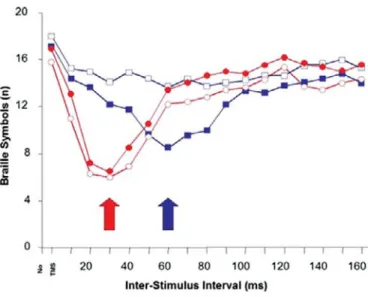
Lower doses of drugs may have contrasting effects on function, as in the case of stimulating effects of a sleeping tablet, Zolpiden (Brefel-Courbonet al., 2007) and the calming effects of low doses of a stimulant in Attention Deficit Hyperactivity Disorder (Arnsten,2006) –see Chapter 23 in this book. As Bond (2001) has argued, acute and chronic effects of interventions such as drug treatment, exercise, etc., may have opposite effects on a key outcome variable – e.g. exercise increases blood pressure in the short term but decreases it in the long term. One of the lessons from paradoxical pharmacol- ogy, argues Bond, is that incremental, chronic, intermittent exposure to a drug should be considered as a therapeutic option, especially in cases where the acute effects may be deleterious. Some of these observations have been subsumed in the emerging field of ‘hormesis’, where nonlinear dose–response curves for particular agents may sometimes result in paradoxical facilitation effects on human biological function (Ricci and MacDonald, 2007; Mattson,2008; Calabrese, 2008; Jolly and Meyer,2009). At the level of individual molecules, biological paradoxes have also been observed, as in the effects of acetylcholine on blood vessels, which sometimes produced relaxations and sometimes resulted in contractions of vessels. This paradox was both noted and resolved by Robert Furchgott, for which he subsequently gained the Nobel Prize, when he showed that the response of blood vessels depended critically on the innermost layer of cells lining the vessel, the endothelium – when the endothelium was present, acetylcho- line relaxed blood vessels, but when it was removed, they contracted (Furchgott and Zawadski, 1980).
Neurosciences
In the case of the human brain, we are traditionally taught to assume that the brain optimizes behaviour, and that superior brains result in better behavioural capacities. To many people, this traditional view implies that a lesion to the brain will invariably lead to a loss of function, that a second lesion will inevitably exacerbate the adverse effects of an initial lesion, that it is generally not possible to lose function by enhancing brain activity, and that mentally or developmentally delayed individuals or non-human species cannot outperform normally intelligent humans. However, all these assumptions appear to be incorrect. This has implications for how we understand brain–behaviour relations, and– critically–how we implement therapies in clinical settings.
‘Neurology’s favourite word is deficit, denoting an impairment or incapacity of neuro- logical function’, writes Oliver Sacks, in his widely readThe Man Who Mistook His Wife for a Hat(1985, p. 1). In his sequel, published 10 years later,An Anthropologist on Mars, Sacks also wrote, ‘Defects, disorders, diseases, in this sense, can play a paradoxical role, by bringing out latent powers, developments, evolutions, forms of life, that might never be seen, or even be imaginable, in their absence’ (1995, p. xii). In 1929, Vygotsky made a similar point in his treatise ‘The Fundamental Problems of Defectology’, in which he commented on the importance of considering compensatory strategies and mechanisms
in cases such as blindness (Vygotsky et al., 1993). Vygotsky noted ‘The doctrine of overcompensation has an important significance and serves as a psychological basis for the theory and practice of educating a child with a loss of hearing, sight and so forth. What horizons will open up to the pedagogue, when he recognizes that a defect is not only a minus, a deficit, or a weakness but also a plus, a source of strength and that it has some positive implications!’(1993, p. 29).
The study of brain–behaviour relationships from cases of cerebral pathology has traditionally been embedded in the lesion-deficit model. While this model has provided valuable insights into our understanding of the organization of function in the human brain, it suffers from a number of drawbacks. First, in focusing on negative changes, it potentially ignores gains in other domains, for example, that may result from plastic reorganization or from the release of another brain region from inhibition. Second, nature is not always so obliging as to provide clear-cut contrasts between what is impaired and what is spared after a brain insult. Third, the lesion-deficit model can lead us to misinterpret findings–we may attribute dysfunction to a single locus when the dysfunction is in fact the result of a general perturbation to the system, or disruption to several interconnected areas/
networks. Fourth, it may discourage thinking about positive compensatory and adaptive strategies that could be employed in rehabilitation.
There is an exciting appeal to maverick theories than can lead to greater attention and indeed high-impact publication than theories lying squarely within accepted thought.
Often, of course, there are solid statistical reasons why such outliers and the observations on which they are based are wrong, and why science is generally better advanced by convergence. However, entertaining different ideas about how we think about a topic, such as the effects of brain injury, by embracing paradoxes that do not fit within the prevailing deficit model could prove a fruitful method for illuminating underlying processes. To do so is not to decry other perspectives, or to suggest that, for example, most effects of an injury are not deleterious. However, thinking about exceptions may provide insights into how this highly complex organ functions, and how people who experience neurological, psychiatric or developmental difficulties may best be helped.
Recent years have seen a number of studies, which have begun to challenge the lesion- deficit model. There are instances where there may be limited correspondence between lesion load and dysfunction or disability (Rovaris and Filippi, 2005; Strasser-Fuchset al., 2008; Savvaet al.,2009), or where lesions may be‘silent’for a number of years without any clinical manifestation (Kramplaet al.,2008; Kuratsuet al.,2000; Hakikiet al.,2008). The paper by Kapur (1996) provided an earlier review of some paradoxical phenomena in brain research and offered a framework, such as competitive interaction between excitatory and inhibitory systems, that might explain some paradoxical findings. In human lesion studies (reviewed inChapter 3), the major sets of paradoxical cognitive phenomena generally take one of two forms – enhanced cognitive performance of neurological patients vis-à-vis neurologically intact individuals, and alleviation or restoration to normal of a particular cognitive deficit following the occurrence of a brain lesion. A third set of paradoxical cognitive phenomena represents what may be termed‘inverse effects’, where a variable that produces facilitation or detriment of performance in normal subjects results in opposite effects in neurological patients. A fourth set of similar paradoxical effects, sometimes seen in animal lesion studies and very occasionally evident in human studies, arises when there is an inverse relationship between lesion size and functional deficit, with larger lesions leading to less marked functional impairment. Other developments in recent years have included
emphasis on the positive features of conditions such as autism (Hermelin,2001; Frith and Happé,2009), and the large number of studies that have reported facilitation of function following transient disturbance induced by transcranial magnetic stimulation (Fecteau et al., 2006). The modulation or improvement of cognitive and psychological functions by ablative or blocking influences has hitherto been largely ignored in classical texts in neuropsychology and behavioural neurology.
Almost 40 years ago, Pribram (1971) alluded to more general indications of paradoxical phenomena in the study of brain–behaviour relationships that were evident at that time, including the co-existence of seemingly contradictory facts or observations about the brain, and the unexpected absence of predicted outcomes after brain lesions. For example, Pribram pointed to the ostensive contradiction between greater interconnectivity of the human brain compared to other species and the apparently greater regional specialization of function, to the surprising absence of effects resulting from frontal lobe lesions, to the dissociation between physiological and behavioural indices of a response, and to the unexpectedly close harmony between sensory and motor cortex. Although some of these findings might not now be seen as particularly paradoxical, Pribram’s observations and intuitions at that time provide an important historical context to current brain–behaviour paradoxes.
Conclusions
‘A prevailing paradigm is likely to be more strongly affected by a new concept than by a new discovery’, noted the evolutionary biologist Ernst Mayr (2004, p. 168). To the extent that embracing paradoxical phenomena entails a major change of paradigm in scientific meth- odology, it may fall under the rubric of Kuhn’s criteria for a paradigmatic shift in scientific thinking (Kuhn,1996).
Weatherall (1999) has alluded to the importance of applying fundamental approaches in biology to the clinical sciences. In particular, he notes the key questions–What, How and Why? This book is very much tentatively in the What mode–it is intended to give as fair and as comprehensive a picture as possible of paradoxes as they relate directly or indirectly to the human brain. Some authors have rightly and courageously offered to answer the How question, and to offer hints as to responses to the Why question, but these two questions will need to await replication of many of the observations that have been reported, and also documentation of the parameters/boundary conditions of particular findings.
The chapters in this book examine paradoxical phenomena from the perspective of clinical and cognitive neuroscience. From a general therapeutic perspective, a number of the chapters highlight the strengths that may accompany functional deficits, either directly or indirectly, and lend weight to the concept of ‘neurodiversity’ (Armstrong, 2010). This emphasis on strengths rather than weaknesses in neurological conditions has parallels in the field of positive psychology, which is now well established with books, journals, organizations and government reports devoted to the topic (Baumgardner and Crothers, 2009). There is also concordance with some approaches in clinical psychology, where there has been an increasing focus on phenomena such as‘post-traumatic growth’, whereby a major physical or mental illness may sometimes result in enhanced adjustment and well- being (Joseph and Linley, 2008). The field of positive neurology appears to be less well defined. To our knowledge, the term‘positive neurology’has only been briefly used on a couple of occasions (Eide and Eide, 2006; Chatterjee, 2004), and the term ‘positive
neuropsychology’ has only briefly been used once in a conference presentation (Eslinger, 2005). This book is intended to set the foundation for the field of positive neurology, and to demonstrate how it may have far-reaching theoretical and therapeutic implications. Such an approach in turn encourages a positive, more humanistic, view of differing or ‘impaired’
states of the human condition, a form of‘humanistic neuroscience’.
Acknowledgements
We are grateful to a number of referees for their comments on this chapter.
References
Aharonov, Y., & Rohrlich, D. (2005).Quantum Paradoxes: Quantum Theory for the Perplexed. Weinheim: Wiley-VCH.
Alario, M., & Freudenburg, W. (2007). Atoms for peace, atoms for war: probing the paradoxes of modernity.Sociological Inquiry, 77: 219–40.
Allen, S. J., O’Donnell, A., Alexander, N. D., et al. (1997). AlphaþThalassemia protects children against disease caused by other infections as well as malaria.Proceedings of the National Academy of Sciences, 94: 14,736–41.
Ariely, D. (2010).The Upside of Irrationality.
New York, NY: Harper Collins.
Ariely, D., Gneezy, U., Loewenstein, G., &
Mazar, N. (2009). Large stakes and big mistakes.Review of Economic Studies, 75: 1–19.
Armstrong, T. (2010).Neurodiversity.
Cambridge, MA: Da Capo Press.
Arnsten, A. F. (2006). Stimulants: therapeutic actions in ADHD.Neuropsychopharmacology, 31: 2376–83.
Baek, K. H., Zaslavsky, A., Lynch, R. C.,et al.
(2009). Down’s syndrome suppression of tumour growth and the role of the calcineurin inhibitor DSCR1.Nature,459:
1126–30.
Baker, S. G., & Kramer, B. S. (2007). Paradoxes in carcinogenesis: new opportunities for research directions.BMC Cancer,7: 151.
Baumgardner, S., & Crothers, M. (2009).Positive Psychology. New York, NY: Prentice Hall.
Billington, W. (2003). The immunological problem of pregnancy: 50 years with the hope of progress. A tribute to Peter
Medawar. Invited Editorial.Journal of Reproductive Immunology,60: 1–11.
Bond, R. A. (2001). Is paradoxical pharmacology a strategy worth pursuing?Trends in Pharmacological Sciences,22: 273–6.
Bray, G. (2009). Risk factors: the obesity paradox–an artifact of small sample size?
Nature Reviews Cardiology,6: 561–2.
Brefel-Courbon, C., Payoux, P., Ory, F.,et al.
(2007). Clinical and imaging evidence of zolpidem effect in hypoxic encephalopathy.
Annals of Neurology,62: 102–5.
Calabrese, E. J. (2008). Hormesis and medicine.
British Journal of Clinical Pharmacology, 66: 594–617.
Camus, M. Tosolini, M., Mlecnik, B.,et al. (2009).
Coordination of intratumoral immune reaction and human colorectal cancer recurrence.Cancer Research,69: 2685–93.
Carlsmith, K., Wilson, T., & Gilbert, D. (2008).
The paradoxical consequences of revenge.
Journal of Personality and Social Psychology, 95: 1316–24.
Castel, A., McCabe, D., Roediger, H. L., &
Heitman, J. (2007). The dark side of expertise.Psychological Science,18: 3–5.
Chandrasekhar, S. (1984). On stars, their evolution and their stability (Nobel Lecture).
Angewandte Chemie International Edition in English,23: 679–89.
Chatterjee, A. (2004). The controversy over enhancing movement, mentation, and mood.
Neurology,63: 968–74.
Chiò, A., Benzi, G., Dossena, M., Mutani, R., &
Mora, G. (2005). Severely increased risk of amyotrophic lateral sclerosis among Italian professional football playersBrain, 128: 472–6.