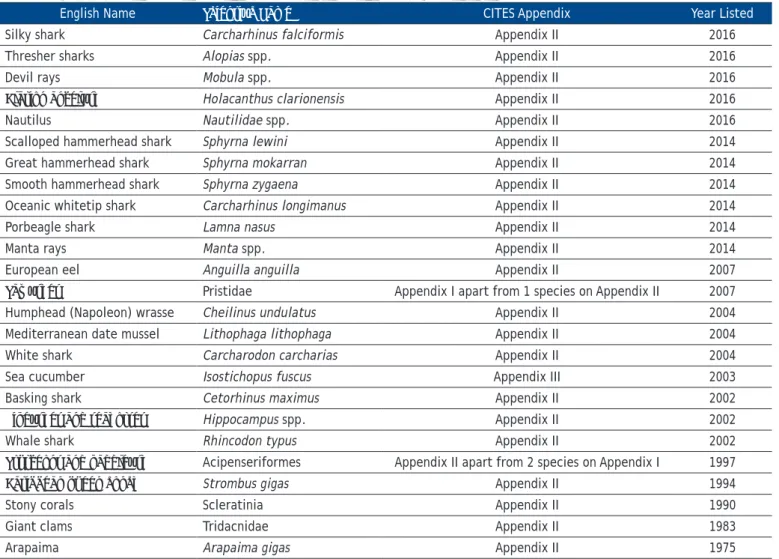
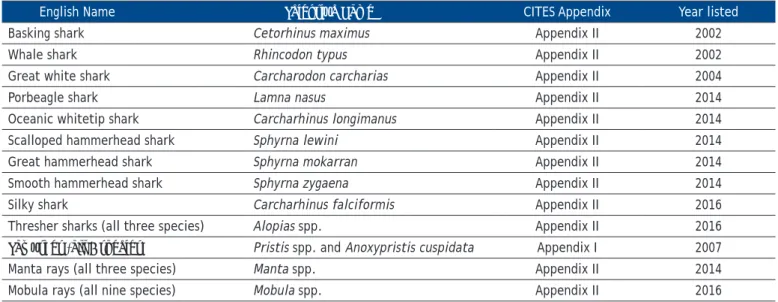
Out of the ten proposed species, six species are distributed in Southeast Asian waters. The listing of the proposed species in the CITES Appendix II may lead to increased illegal trade in the species in the future.
About the Authors
Paving the Way for the Development of Non-detriment
Improvement of Data Collection for Development of NDFs
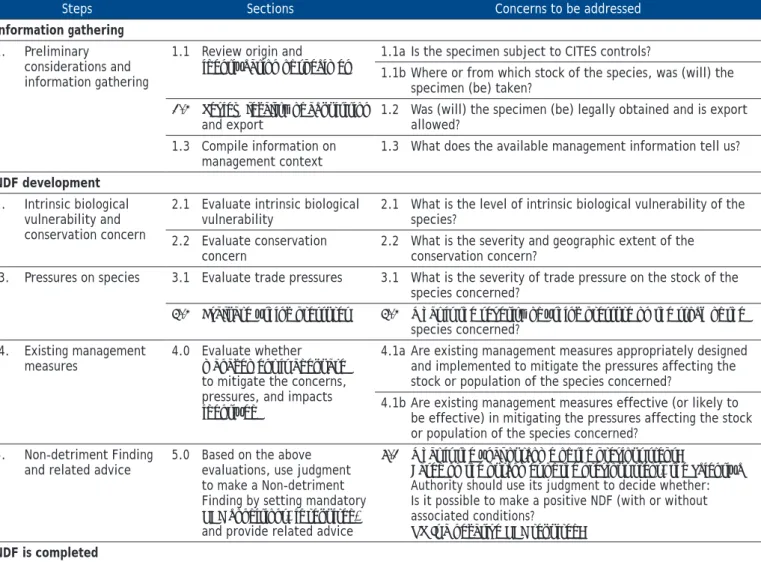
Structure of the NDF process for sharks and rays (adapted from Mundy-Taylor et al., 2014). Pressure on species 3.1 Evaluate trade pressure 3.1 What is the severity of the trade pressure on the stock of the species in question.
Capacity Building for Improved Collection of Information on Sharks and Rays
Thus began the process of systematic recording and reporting of shark and ray landings at the species level. Worawit Wanchana is the SEAFDEC Policy and Program Coordinator, based at the SEAFDEC Secretariat in Bangkok, Thailand, and Coordinator of the SEAFDEC Regional Shark and Ray Data Collection Project in Southeast Asia.
Way Forward
Sukchai Arnupapboon is the Head of the Fisheries Lands and Fisheries Oceanography Section of the SEAFDEC Training Department (TD) based in Samut Prakan, Thailand and has been involved in the capacity building activities of the SEAFDEC Regional Project on Sharks and Rays. Sulit is the Managing Editor of Fish for the People based at the SEAFDEC Secretariat in Bangkok, Thailand and has been involved in the capacity building activities of the SEAFDEC Regional Project on Sharks and Rays.
Ahmad Ali is a Senior Researcher from the SEAFDEC Marine Fisheries Resource Development and Management Department (MFRDMD) based in Terengganu, Malaysia and is the Regional Shark Expert and Regional Vice Chair of the IUCN Shark Specialist Group for the South East Asia Region . However, various issues and concerns faced by the recorders during their sampling activities were raised, including: the refusal of some operators and boat owners to disclose information on their shark and ray landings; difficulty in identifying species as most sharks and rays have already been cut into pieces before landing; the absence of gills, fins and other parts when sharks and rays are landed; difficulties in gathering information, especially for those species that are regulated by the Philippine Fisheries Administrative Order or FAO 193 or "Prohibition of Taking or Catching, Selling, Buying and Possessing, Transporting and Exporting Whale Sharks and Manta Rays". Additionally, a concern was raised by fishermen about the collection of data and information on sharks and rays, as the information could be used by BFAR to develop regulations to prohibit the capture of other species of sharks and rays.
Sustained Utilization of SEAFDEC Vessels through
Collaborative Research Surveys on Marine Fishery Resources and Marine
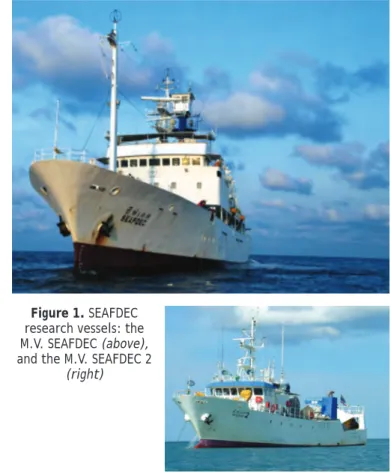
SEAFDEC/TD provides technical support to the Department of Fisheries (DOF) in Thailand, including the use of M.V. Indo-Pacific mackerel, which spawns in the eastern part of the Gulf of Thailand, but the parent stock is believed to straddle the waters of Cambodia, Thailand and Vietnam.
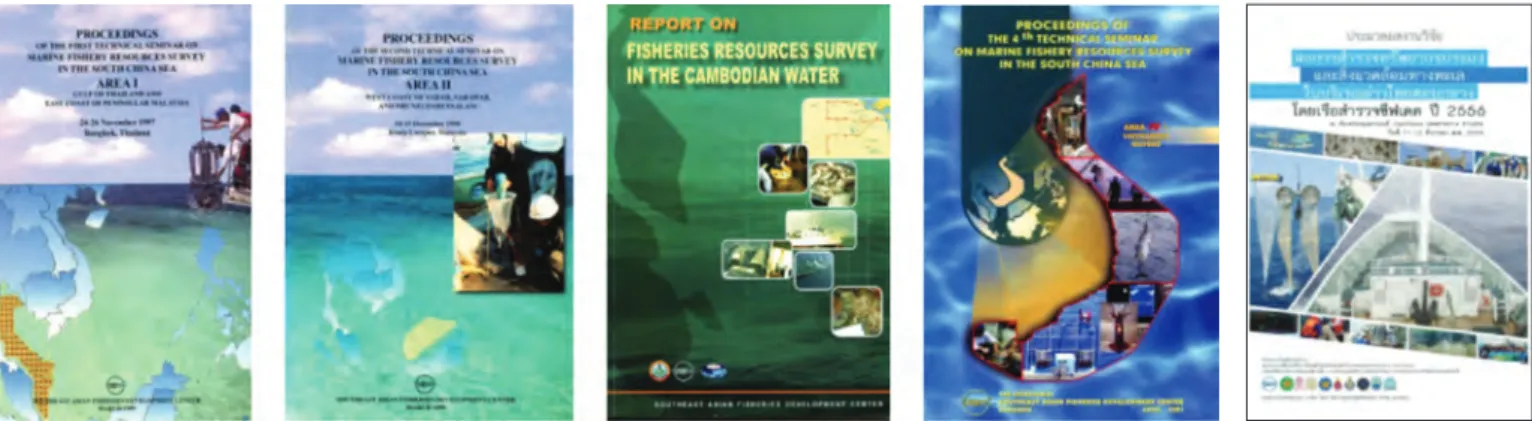
2018 Collaborative Survey: the Processes
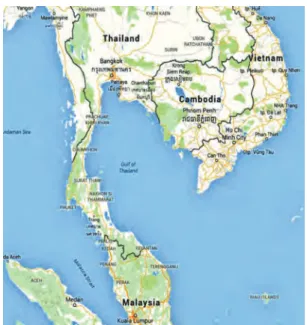
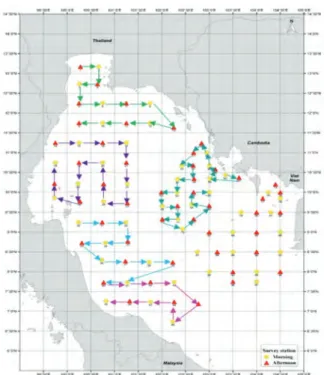
With SEAFDEC/TD at the helm, the survey was planned to be carried out in the Gulf of Thailand (Figure 4) in collaboration with the Fisheries Administration of Cambodia, the Department of Fisheries of Thailand and the Directorate of Fisheries of Vietnam through its Marine Fisheries Research Institute from 17 August to 18 August. on October 2018. Basic data on marine fisheries resources and the state of the marine environment and the status of marine fisheries resources in the Gulf of Thailand were then collected for use as a scientific reference during the aforementioned collaborative research.
The Actual Survey
50 in Cambodian waters given the noticeable number of squid traps found scattered in the area. The survey schedule for the six legs is detailed in Table 1, corresponding to the survey plan set out in Figure 5.
The Survey and Research Activities
Validation of the in-situ hydrographic data in the Gulf of Thailand compared with multi-satellite model data. Operations on board the bottom trawl in the waters of Thailand and Cambodia, using the M.V. During the RTM on the Evaluation of the Collaborative Research Survey on Marine Fisheries and the Marine Environment in the Gulf of Thailand (SEAFDEC,.

Utilization of Crocodilian Skins
International Trade of Crocodilian Skin
On a larger commercial scale, live crocodiles are also exported for agriculture (e.g. 268,000 hatchling Nile crocodiles from Mozambique to Zimbabwe and South Africa over a 7-year period, the Siamese crocodiles from Cambodia to Vietnam and Thailand), and also for food (e.g. .466,000 young Siamese crocodiles from Cambodia, Vietnam and Thailand were exported to China between 1998 and 2008).
Crocodile Farming Industry
"Crocodile farming" is the activity of breeding and/or cultivating crocodiles for commercial purposes, while "crocodile farming" then involves collecting wild crocodile eggs, hatchlings and/or juveniles and rearing them in captivity. For example, the Siamese crocodile (C. siamensis ) as a good "farm" species compared to the saltwater crocodile (C. porosus), as the latter is much more territorial and aggressive. For this reason, care is taken during husbandry to minimize damage to the stomach skin, either from the surface of the substrate or from social interactions with other crocodiles.
Crocodile Breeding in Myanmar
If unsuccessful on the first attempt, the male swims around the female two to four times before climbing onto the back of the female. The male on the back of the female turns the female ventrally to be in contact with its ventral side. The nest is constructed by the female by making mounds of leaves, twigs and soil.
Thaketa Crocodile Breeding Farm
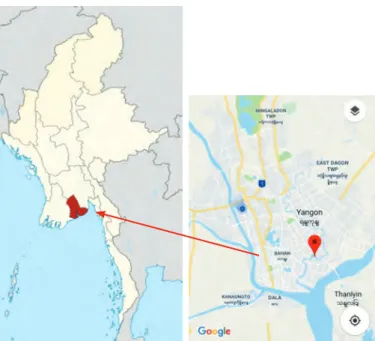
These adults nest from May to August in a 2.5-ha mangrove forest within the area of the Thaketa Crocodile Breeding Farm. Map of Myanmar (left) and Yangon Region (right) showing Thaketa Township (location of the Thaketa Crocodile . Hatchery). The hatching performance of the eggs of Crocodylus porosus at the Thaketa Crocodile Breeding Farm is shown in Table 3.
Issues and Constraints
Saltwater crocodile hatchlings at Thaketa Crocodile Breeding Farm are usually 28-30cm and are kept in the intensive care unit of the nursery for 7-10 months and reach about 45cm in length.
About the Author
Re-establishing the Sea Cucumber Resources in the Philippines: the Masinloc Experience
Sea Cucumber Resources of the Philippines
The Philippines is among the Southeast Asian countries that exploit various species of sea cucumber (Devanadera et al., 2015) as shown in Table 1, although information on total production from capture fisheries as well as aquaculture is quite scarce. However, the latest data available showed that the Philippines ranked second only to Indonesia as the largest producer of sea cucumbers from bycatch (Table 2). Although sea cucumber is a major export product of the Philippines, the assessment by Conand et al. 2014) indicating that the Philippines is a hot spot for sea cucumber fisheries had alerted the Philippines to explore means to restore the near-depleted resources of the cucumber.
Philippine Sea Cucumber R&D Program
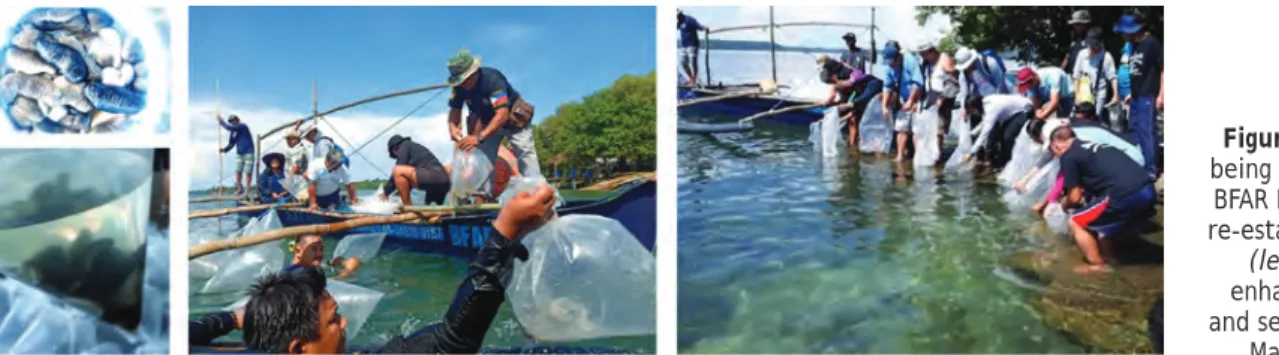
At the end of the culture period, 321 pieces of sea cucumber were found, showing a survival rate of 64%. Weight gain achieved by sea cucumber beyond eight months of culture in Masinloc Bay, and the presence of By increasing the population of sea cucumbers in the wild, the oceans would be cleaner and healthier.

Conclusion and Discussion
The release strategies developed for sea cucumber could be adapted to the local conditions of the potential release sites. This is considering that culture of sea cucumber is profitable and environmentally friendly and provides livelihood industry to coastal communities. Diversity, utilization and conservation status of commercially important sea cucumber (Class Holothuria) species in Southeast Asia.
Capacitating the Local Farmers to Enhance Global Marketing of Thailand’s National Aquatic Animal,
Cultural and Historical Legacy
Trade of Betta Fish in Global Market
Ecology and Biology of Betta splendens
Proper Care for Betta Fish as a Pet
Farming of Betta Fish
Betta Fish Supply Chain
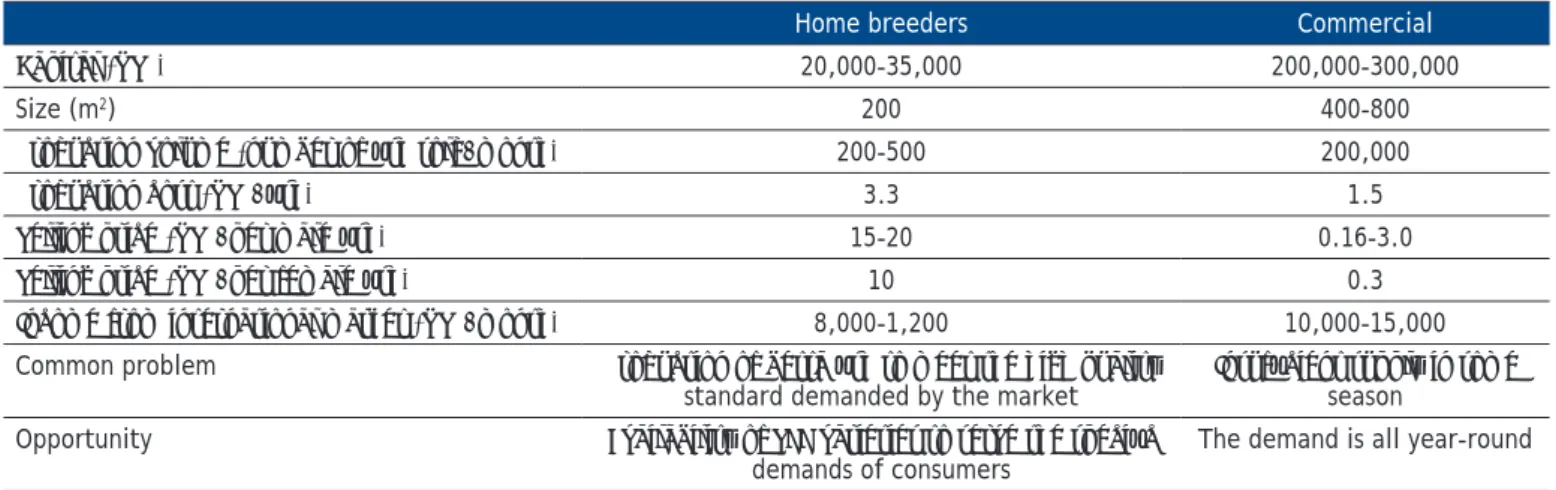
A common problem Producing betta fish that meet the high quality standards demanded by the market. Preparing betta fish for international delivery at JJ Betta Farm in Nakhon Pathum Province, Thailand owned by JJ Betta. For direct delivery of betta fish from the fish farm to the customer (breeder or pet store), each fish is packed in a double layer of plastic bags and sealed in a banana trunk for insulation before being placed in a delivery box (Figure 7).
Empowered Women and Men in Betta Fish Farming
It is hoped that the designation of betta fish as the country's national aquatic animal will lead to good conservation action. Betta fish farming could also be a promising livelihood opportunity for aspiring betta fish farmers from other ASEAN Member States (AMSs); especially that B. The first joint activity of the Ministry of Fisheries and betta fish farmers during the Children's Day organized at Government House, Bangkok, Thailand on January 12, 2019.

Acknowledgements
สืบค้นจาก https://www.change.org/p/พลเอก ประยุทธ์จันทร์โอชา-ประกาศ. ปัญหาด้านสวัสดิภาพที่อาจเกิดขึ้นของปลากัดไทย (Betta splendens) ในตู้ปลาขายปลีกและงานอดิเรก การศึกษาเชิงวิเคราะห์พันธุ์ปลาในลุ่มน้ำโขงในฐานะระบบการผลิตทางชีวภาพในป่า
Equipping Fishing Fleet with Vessel Monitoring System for Sustainability in Fishing Operations
Fisheries Industry in Khanh Hoa Province
Vessels Monitoring System
Management and monitoring of offshore fishing vessels in Khanh Hoa Province
Pilot Research Study on the Application of Modern VMS Technology
Results of the Pilot Research Study
The data transmission frequency of three (3) devices is good enough to meet the EU requirements (which usually requires transmission to be done every 2 hours). The results showed that the position of the vessels is the same and correct (Figure 5). Results of the survey to determine the level of satisfaction with the use of the BlueTraker Second Screen Software.

Conclusion and Recommendations
The VMS device showed that users appreciated the Secondscreen Software interface with a satisfaction level of 93% (20% were very satisfied and 73% were satisfied). The fishing respondents expressed willingness to equip their vessels with the most effective and efficient VMS system, but also suggested that the government partially subsidize the cost of the device. Such an installation will also help the fisheries authorities in the province to monitor and control fishing vessels at sea round the clock.
CALENDAR OF EVENTS
Sustainable management and development of fisheries and aquaculture to contribute to food security, poverty alleviation and livelihoods of people in the Southeast Asian region. Technology transfer and capacity building to increase the capacity of member countries in the application of technologies and implementation of fisheries policies and management tools for the sustainable exploitation of fisheries resources and aquaculture. Monitoring and evaluation of the implementation of the regional fisheries policies and management frameworks adopted under the ASEAN-SEAFDEC cooperative mechanism and the emerging international fisheries-related issues, including their impact on fisheries, food security and socio-economics of the region.