THE STRATEGIC MANAGEMENT FOR SUSTAINABLE AGROTOURISM DEVELOPMENT: A CASE STUDY OF MAEJO UNIVERSITY'S
AGROTOURISM LEARNING CENTERS
MARRY ANN R. NAVARETTE
DOCTOR OF PHILOSOPHY IN TOURISM DEVELOPMENT MAEJO UNIVERSITY
2019
THE STRATEGIC MANAGEMENT FOR SUSTAINABLE AGROTOURISM DEVELOPMENT: A CASE STUDY OF MAEJO UNIVERSITY'S
AGROTOURISM LEARNING CENTERS
MARRY ANN R. NAVARETTE
A DISSERTATION SUBMITTED IN PARTIAL FULFILLMENT
OF THE REQUIREMENTS FOR THE DEGREE OF DOCTOR OF PHILOSOPHY IN TOURISM DEVELOPMENT
GRADUATE SCHOOL MAEJO UNIVERSITY 2019
Copyright of Maejo University
THE STRATEGIC MANAGEMENT FOR SUSTAINABLE AGROTOURISM DEVELOPMENT: A CASE STUDY OF MAEJO UNIVERSITY'S
AGROTOURISM LEARNING CENTERS
MARRY ANN R. NAVARETTE
THIS THESIS HAS BEEN APPROVED IN PARTIAL FULFLLMENT OF THE REQUIREMENTS FOR THE DEGREE OF DOCTOR OF PHILOSOPHY
IN TOURISM DEVELOPMENT
APPROVED BY Advisory Committee
Chair
(Associate Professor Dr.Weerapon Thongma) .../.../ ...
Committee
(Assistant Professor Dr. Saisakul Fongmul) .../.../ ...
Committee
(Dr. Winitra Leelapattana) .../.../ ...
Program Chair, Doctor of Philosophy
in Tourism Development (Dr. Keerati Trakansiriwanich) .../.../ ...
CERTIFIED BY GRADUATE SCHOOL
(Associate Professor Dr. Kriangsak Mengamphan) Dean of Graduate School
.../.../ ...
C
ABSTRACT (THAI)
ชื่อเรื่อง กลยุทธ์การจัดการเพื่อการพัฒนาการท่องเที่ยวเชิงเกษตรอย่างยั่งยืน กรณีศึกษา ศูนย์การเรียนรู้การท่องเที่ยวเชิงเกษตรมหาวิทยาลัยแม่โจ้
ชื่อผู้เขียน Miss Marry Ann R. Navarette
ชื่อปริญญา ปรัชญาดุษฎีบัณฑิต สาขาวิชาพัฒนาการท่องเที่ยว อาจารย์ที่ปรึกษาหลัก รองศาสตราจารย์ ดร.วีระพล ทองมา
บทคัดย่อ
งานวิจัยชิ้นนี้ ศึกษาความสัมพันธ์ระหว่างการจัดการเชิงกลยุทธ์และผลการด าเนินงาน ขององค์กรความสัมพันธ์ระหว่างคุณภาพการบริการและความพึงพอใจของผู้เข้าใช้บริการด้านการ ท่องเที่ยวเชิงเกษตร การศึกษานี้ใช้เครื่องมือที่ดัดแปลงจากเครื่องมือ SERVQUAL ซึ่งได้รวบรวมจากผู้
เข้าเยี่ยมชมศูนย์การเรียนรู้การท่องเที่ยวเชิงเกษตรมหาวิทยาลัยแม่โจ้ จ านวน200 คน เพื่อก าหนดถึง คุณภาพและความพึงพอใจในบริการของศูนย์การเรียนรู้การท่องเที่ยวเชิงเกษตร มหาวิทยาลัยแม่โจ้
ในขณะที่แบบสอบถามเกี่ยวกับการจัดการเชิงกลยุทธ์ ซึ่งได้รวบรวมข้อมูลจากพนักงาน 25 คนที่ได้รับ การคัดเลือกเพื่อตอบแบบสอบถาม ส าหรับการวิเคราะห์ความสัมพันธ์ระหว่างตัวแปร รวมถึง การ วิเคราะห์เชิงพรรณนา ได้ด าเนินการเพื่อค้นหาคุณลักษณะพื้นฐานของการบริการจากข้อมูลที่รวบรวม ได้ ผลการวิจัยพบว่าการจัดการเชิงกลยุทธ์มีผลกระทบอย่างมีนัยส าคัญต่อผลการด าเนินทงานของ ศูนย์การเรียนรู้ซึ่งผลการวิจัยพิสูจน์ได้ว่าการจัดการเชิงกลยุทธ์และผลการด าเนินงานของศูนย์การ เรียนรู้มีความสัมพันธ์ในทางเดียวกันโดยมีนัยส าคัญทางสถิติ (F = 53.690, p <0.05) นอกจากนี้ยัง แสดงให้เห็นว่าความสัมพันธ์ระหว่างการจัดการเชิงกลยุทธ์และความสามารถในการแข่งขัน และสร้าง ความพึงพอใจให้กับผู้เข้าชมศูนย์การเรียนรู้ เป็นบวกอย่างมีนัยส าคัญทางสถิติ (r = .844, p <0.05) ยิ่งไปกว่านั้นผลลัพธ์ยังชี้ให้เห็นว่ามีคุณลักษณะทั้ง 7 ซึ่งก็คือ การตอบสนองของพนักงาน การจับต้อง ได้ ความน่าเชื่อถือ การเอาใจใส่ การพัฒนาอย่างยั่งยืนที่สัมผัสได้ ความไว้วางใจ และ แนวทางปฏิบัติ
อย่างยั่งยืน เป็นตัวแปรที่มีนัยส าคัญ โดยคุณลักษณะทั้ง 7 นี้มีอิทธิพลในทางบวกต่อการรับรู้ถึง คุณภาพการบริการ ความพึงพอใจ และ เจตนาเชิงพฤติกรรมของนักท่องเที่ยว การศึกษาครั้งนี้สรุปได้
ว่าการฝึกฝนในการจัดการเชิงกลยุทธ์มีความสัมพันธ์เชิงบวกต่อการเพิ่มประสิทธิภาพศูนย์การเรียนรู้
และจะสามารถสะท้อนถึงความพึงพอใจของผู้มาเยือนและเจตนาเชิงพฤติกรรมหรือความตั้งใจของ นักท่องเที่ยวได้ในที่สุด
ค าส าคัญ : คุณภาพการบริการ, ความพึงพอใจของนักท่องเที่ยว, พฤติกรรมความตั้งใจของ
D นักท่องเที่ยว, ผลการปฏิบัติงานของพนักงาน
D
ABSTRACT (ENGLISH)
Title THE STRATEGIC MANAGEMENT FOR
SUSTAINABLE AGROTOURISMDEVELOPMENT: A CASE STUDY OF MAEJO
UNIVERSITY'SAGROTOURISM LEARNING CENTERS
Author Miss Marry Ann R. Navarette
Degree Doctor of Philosophy in Tourism Development Advisory Committee Chairperson Associate Professor Dr. Weerapon Thongma
ABSTRACT
This study determined the nature of the relationship between strategic management and the organizational performance, the relationship between service quality and visitor satisfaction in the agrotourism sector. The study employed the modified SERVQUAL instrument that was distributed using a convenience sample technique to 200 visitors of Maejo University’s Agrotourism Learning Centers to determine their perceptions of service quality and satisfaction. While a structured strategic management questionnaire was administered to, 25 employees purposively selected as respondents of the agrotourism learning centers. An exploratory factor analysis was conducted to discover the underlying attribute of services and correlation analysis as well as descriptive analysis was employed to analyze the data collected. The results showed that strategic management had significant effects on the operational performance of the learning centers. This proved that there was a strong and positive relationship between strategic management practices and the learning center’s operational performance (F=53.690, p<0.05). In addition, it showed that there was a significant and positive relationship between strategic management and the learning center’s ability to attract and satisfy tourists (r=.844, p<0.05).
Moreover, results indicated that the 7 attributes were significant that included responsiveness, tangibility, reliability, empathy, tangible sustainability, assurance, and sustainable practices. Likewise, the 7 attributes positively influence the perceptions
E of service quality, tourists satisfaction and behavioral intentions. This study concluded that the practice of strategic management was positively related to boosting the learning centers performance and would eventually resonate to visitor satisfaction and behavioral intentions.
Keywords : Service Quality, Tourist's Satisfaction, Tourist's Behavioral Intentions, Employee Performance
F
ACKNOWLEDGE MENTS
ACKNOWLEDGEMENTS
Sincere gratitude is extended to the following who never ceased in helping me until this study is structured.
I would like to express my special gratitude and thanks to my adviser, Dr.
Weerapon Thongma for imparting his knowledge and expertise in this study. The Committee, that includes Dr. Saisakun Fongmul and Dr. Winitra Leepattana for the guidance and support. I am highly indebted to you, for your guidance and constant supervision as well as providing necessary information regarding this research and for your support in completing this endeavor.
Likewise to the distinguished members of my final defense committee headed by Dr. Zosimo M. Battad, together with Dr. Kangsadan, Dr. Budi Guntoro and Mr.
Norman Pavan for sharing their precious time and positive insights.
To the heads and employees of the different Maejo University’s Learning Centers and the tourists who have visited the learning centers for being my respondents and for sharing your time, your honest and cooperative response to all questions solicited for this study.
My statistician, Ajarn Lec, Ajarn Bee and Dew from the Department of Statistics, Faculty of Science, Maejo University for sharing your knowledge and technical expertise that indeed contributed positively in the analysis and interpretation of my data.
My thanks and appreciation goes also to my colleagues and people who have willingly helped me out with their abilities, Dr. Zosimo Battad, Chancellor University of the East Caloocan and the Commission on Higher Education for the unwavering guidance and support.
G I would also like to express my gratitude towards my friends for the encouragement, which helped me in the completion of this paper.
Special thanks to my family, for the unwavering moral, emotional and financial support.
Above all, utmost appreciation to the Almighty God for the divine intervention.
I want to offer this endeavor to our God Almighty for the wisdom He bestowed upon me, the strength, peace of mind and good health in order to finish this research.
This dissertation becomes a reality with the kind support and help from all of these people.
Marry Ann R. Navarette
TABLE OF CONTENTS
Page ABSTRACT (THAI) ... C ABSTRACT (ENGLISH) ... D ACKNOWLEDGEMENTS ... F TABLE OF CONTENTS ... H LIST OF TABLES ... K LIST OF FIGURES ... N ABBREVIATIONS ... Q
CHAPTER I INTRODUCTION ... 1
BACKGROUND... 1
RESEARCH PROBLEM ... 5
OBJECTIVES OF THE STUDY ... 11
EXPECTED RESULTS ... 11
SCOPE OF THE STUDY ... 12
LIMITATION OF THE STUDY ... 15
DEFINITION OF TERMS ... 15
CHAPTER II REVIEW OF RELATED LITERATURE... 19
THEORIES ... 19
THEORETICAL FRAMEWORK ... 42
RELATED LITERATURE ... 43
SERVICE QUALITY ... 46
TOURIST SATISFACTION ... 52
BEHAVIORAL INTENTIONS ... 55
STRATEGIC MANAGEMENT PRACTICES AND ORGANIZATION’S PERFORMANCE .. 57
THAILAND AGROTOURISM ... 60
HISTORY OF MAEJO UNIVERSITY ... 65
CONCEPTS ... 66
CONCEPTUAL FRAMEWORK ... 73
HYPOTHESES ... 74
CHAPTER III RESEARCH METHODOLOGY ... 75
LOCALE OF THE STUDY ... 75
POPULATION AND SAMPLING PROCEDURES ... 76
MEASUREMENT OF VARIABLES ... 78
RESEARCH INSTRUMENTS ... 80
PRE-TESTING ... 85
DATA GATHERING ... 86
ANALYSIS OF DATA ... 87
RESEARCH DURATION ... 88
CHAPTER IV THE MAEJO UNIVERSITY’S AGROTOURISM LEARNING CENTERS ... 90
CHAPTER V RESULTS AND ANALYSIS OF SERVICE QUALITY, TOURISTS’ SATISFACTION, AND BEHAVIORAL INTENTIONS ... 114
SERVICE QUALITY ... 117
TOURISTS SATISFACTION ... 128
TOURISTS BEHAVIORAL INTENTIONS ... 131
HYPOTHESES TESTING OF SERVICE QUALITY, OVERALL SATISFACTION ... 133
AND BEHAVIORAL INTENTIONS ... 133
CHAPTER VI RESULTS AND ANALYSIS OF MAEJO UNIVERSITY’S STRATEGIC
MANAGEMENT PRACTICES AND EMPLOYEES’ PERFORMANCE ... 144
STRATEGIC MANAGEMENT PROCESS ... 145
HYPOTHESES TESTING FOR STRATEGIC MANAGEMENT PRACTICES ... 152
CHAPTER VII SUMMARY, IMPLICATIONS, AND RECOMMENDATIONS ... 157
REFERENCES ... 167
APPENDICES ... 176
APPENDIX A INSTRUMENTATION (Questionnaire for Administrators and Employees) ... 176
APPENDIX B INSTRUMENTATION (Questionnaire for Tourist) ... 181
APPENDIX C PRE-TESTS ... 187
CURRICULUM VITAE ... 196
TABLE PAGE
Table 1 Theory of Change ... 36
Table 2 McKinsey 7-S Model ... 36
Table 3 Research Duration ... 88
Table 4 Gantt Chart of the Study... 89
Table 5 Respondents’ Demographic Profile ... 115
Table 6 Hierarchy of Service Attributes based on Mean ... 118
Table 7 Empathy Attribute Frequencies, Percentages and Mean Scores ... 119
Table 8 Responsiveness Attribute Frequencies, Percentages and Mean Scores ... 120
Table 9 Tangibility Attribute Frequencies, Percentages and Mean Scores ... 121
Table 10 Reliability Attribute Frequencies, Percentages and Mean Scores ... 122
Table 11 Tangible Sustainability Frequencies, Percentages and Mean Scores... 123
Table 12 Assurance Attribute Frequencies, Percentages and Mean Scores ... 124
Table 13 Sustainable Practices Frequencies, Percentages and Mean Scores ... 126
Table 14 Frequencies, Percentages and Mean Scores of Tourists Overall Satisfaction ... 128
Table 15 Frequencies, Percentages, and Mean Scores of Tourist’s Behavioral Intentions ... 132
Table 16 T-test of the 7 Service Attributes ... 134
Table 17 T-test Result of the Service Quality ... 135
Table 18 Correlations of Service Quality, Visitor Satisfaction, and Behavioral
Intentions ... 137
Table 19 Service Quality on its Relationship with Tourists Level of Overall Satisfaction... 139
Table 20 Empathy and Visitors Overall Satisfaction ... 140
Table 21 Analysis of Variance of Overall Agrotourism Service Quality and Tourist’s Behavioral Intentions ... 141
Table 22 Hypothesis 2 Regression Result ... 141
Table 23 Level of Significance of Overall Agrotourism Satisfaction and Visitors’ Behavioral Intentions ... 142
Table 24 Respondents’ Demographic Profile ... 145
Table 25 Strategic Management Process Frequencies and Percentages ... 146
Table 26 Implementation of Strategies Frequencies and Percentages ... 147
Table 27 Learning Centers’ Operational Performance Frequencies and Percentages ... 148
Table 28 Learning Centers Ability to Attract and Satisfy Tourists Frequencies and Percentages... 150
Table 29 Mean and Standard Deviation of Strategic Management Practices ... 152
Table 30 Correlations of Strategic Management Process, Strategies, Operational Performance and the Learning Center’s Ability to Attract and Satisfy Tourists ... 152
Table 31 Significance Level of Strategic Management ... 153
Table 32 Test on Strategic Management Process and Learning Center’s Operational Performance (R Square Result) ... 154
Table 33 ANOVAof Strategic Management Process and the Learning Centers Operational Performance ... 154
Table 34 Test on the Strategic Management Process and Learning Center’s
Ability to Attract and Satisfy Tourists ... 155 Table 35 ANOVA of Strategic Management Process and Learning Center’s
Ability to Attract and Satisfy Tourists ... 156 Table 36 Summary of the Hypotheses Testing Results ... 161
FIGURE PAGE
Figure 1 The Theory of Reasoned Action ... 20
Figure 2 Planned Behavior Model ... 22
Figure 3 Motivators and Hygiene Factors ... 26
Figure 4 The Systems Approach Diagram... 27
Figure 5 Structural Functional Model ... 29
Figure 6 Trip Bottom Line Framework ... 30
Figure 7 Management Functions ... 32
Figure 8 Strategic Stakeholder Management ... 33
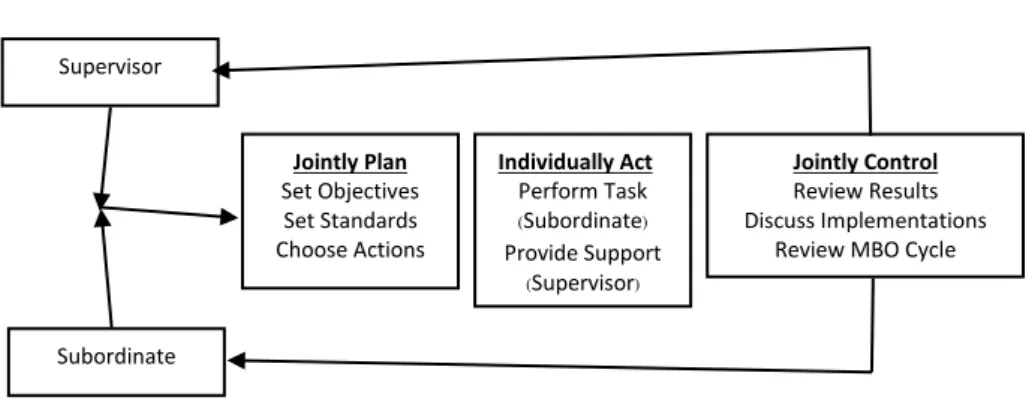
Figure 9 Management by Objectives ... 35
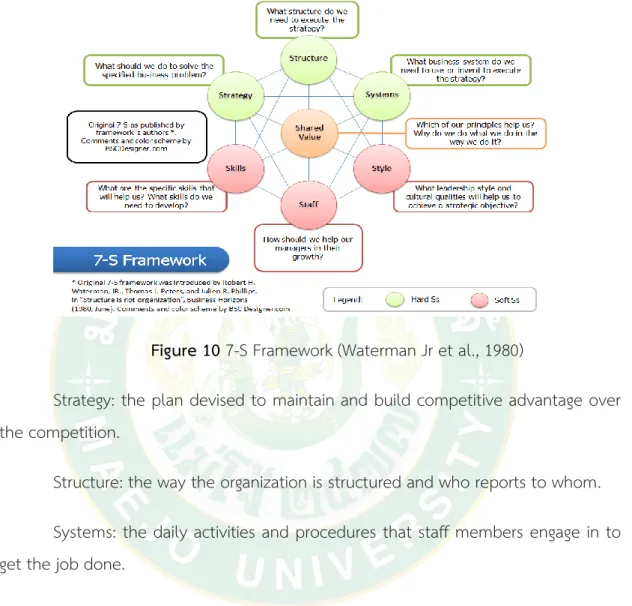
Figure 10 7-S Framework ... 37
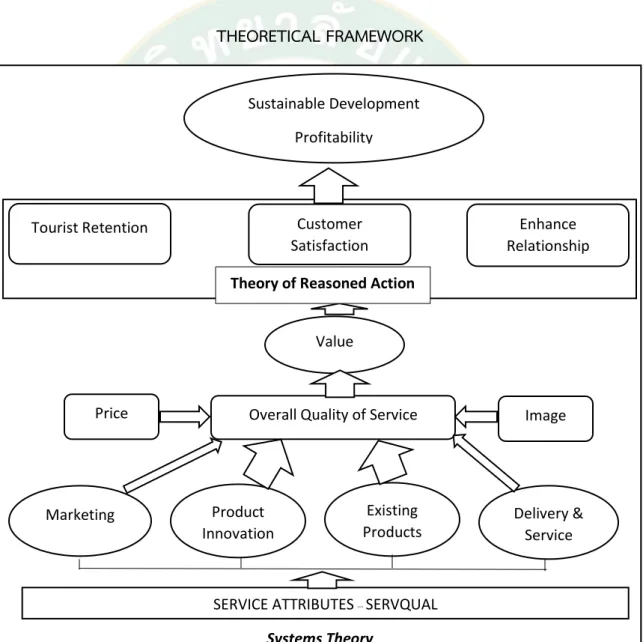
Figure 11 Theoretical Framework ... 42
Figure 12 Service Quality ... 52
Figure 13 Expectancy Confirmation Paradigm ... 54
Figure 14 Relationship among Service Quality, Satisfaction, and Behavioral Intentions ... 57
Figure 15 Map of Chiang Mai, Thailand ... 63
Figure 16 Human Relations Model ... 67
Figure 17 Human Resources Model ... 68
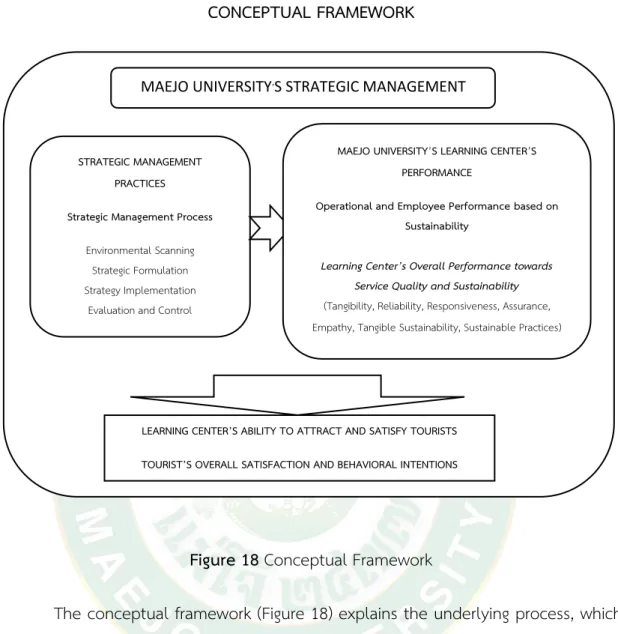
Figure 18 Conceptual Framework ... 73
Figure 19 Map of Maejo University ... 76
Figure 20 Maejo University’s Agrotourism Trails ... 93
Figure 21 Maejo University’s Agrotourism Map ... 93
Figure 22 Welcome Center ... 94
Figure 23 Welcome Center Interior ... 94
Figure 24 The Maejo Agricultural Museum Entrance ... 95
Figure 25 Maejo University’s Agricultural Museum Exterior ... 95
Figure 26 Vegetable Plantation Learning Center ... 96
Figure 27 Vegetable Plantation ... 96
Figure 28 Commercial Mushroom Production Learning Center ... 97
Figure 29 Commercial Mushroom Production – Maejo Farm... 97
Figure 30 Growing Mushrooms ... 98
Figure 31 Hydroponics Learning Center ... 98
Figure 32 Pomology Learning Center ... 99
Figure 33 Ornamental Learning Center ... 100
Figure 34 Ornamental Plants ... 101
Figure 35 Orchid Learning Center ... 101
Figure 36 Lanna Agricultural Heritage Learning Center ... 102
Figure 37 Lanna Agriculture ... 103
Figure 38 Mekong Giant Catfish ... 104
Figure 39 Mekong Giant Catfish Products ... 104
Figure 40 Mekong Giant Catfish Learning Center’s Achievements ... 105
Figure 41 Sex Reversal Process ... 106
Figure 42 The Tilapia Sex Reversal Learning Center... 106
Figure 43 Female Tilapia with the Fertilized Eggs in Its Mouth... 107
Figure 44 Organic Waste Decomposition by Earthworms Learning Center ... 107
Figure 45 Organic Fertilizer (Composting Without Turning) Learning Center ... 108
Figure 46 Tan-Khun Camp and Baan-Pong Community Forest ... 109
Figure 47 Tan-Khun Camp and Baan-Pong Community Forest ... 110
Figure 48 Complete Circle Pig Farming Learning Center ... 111
Figure 49 Complete Circle Pig Farming Learning Center's Interior ... 112
Figure 50 Swine Knowledge Learning Center ... 112
Figure 51 Visitors of Maejo Agrotourism Learning Centers ... 113
ABBREVIATIONS
AMOS - Analysis of a Moment Structures ASEAN - Association of Southeast Asian Nation CRM - Customer Relationship Management CSF - Critical Success Factor
EDP - Expectancy Disconfirmation Paradigm FTV - First - time Visitors
GDP - Gross Domestic Product
ISO - International Standards Organization
KPI - Key Performance Indicators
LPC - Least – Preferred Co-worker
MBO - Management by Objectives
MD - Management Development
MJU - Major University
RV - Repeat Visitor
SEM - Structural Equation Modelling SERVQUAL - Service Quality
SPSS - Statistical Package for Social Sciences TAT - Tourism Authority of Thailand
TBL - Trip Bottom Line
TCSC - Training and Consulting Service Center
TPB - Theory of Planned Behavior
TRA - Theory of Reasoned Action
UBC - Unit Brand Loyalty
UNEP - United Nations Environment Programme UNWTO - United Nations World Tourism Organization
VS - Visitor Satisfaction
WTO - World Tourism Organization WTTC - World Travel and Tourism Council
BACKGROUND
Tourism is a social, cultural, and economic phenomenon, which entails the movement of people to countries or places outside their usual environment for personal or business/professional purposes. These people are called visitors (which may be either tourists or excursionists; residents or non-residents) and tourism has to do with their activities, some of which involve tourism expenditure. According to Jafari and Ritchie (1981) tourism is an interdisciplinary and integrates a variety of subjects, disciplines and focuses and can be seen from numerous points of views and approaches. The tourism as a central study can be studied from many focuses and created into a new form of tourism development model. However, tourism development model can be made in varying forms such as focus on agriculture as agrotourism, ecology as ecotourism, culture as cultural tourism, religion as religious tourism, etc.
Formerly agrotourism was recognized as a part of ecotourism because both have similar principles to conduct nature attractions (Rilla, 1999). In this case, the history of ecotourism can also be seen as history of agrotourism. Agrotourism started from rural tourism as well. In addition, both have been identified as the fastest tourism development model in the world. They have been widely developed in developing countries as a potential development models as natural resources and support of local society economically. In the simple history of agrotourism, the development of the history itself is related to human development along with the world technologies. The experts from University of Tennessee Extension Publication discussed Agrotourism and its history by considering it as Agritainment. Agritainment (agrotourism and entertainment farming enterprises), created in 1800’s, when families visited farming relatives in order to escape from the city and experience the farming.
Mostly they do not really took the holiday as a part of the agrotourism because their main focus is to release tension and get some rest during that time.
Agrotourism is gaining recognition even in the developing countries, largely owed to the increasing worldwide awareness of sustainability and environmentalism.
Recognizing the importance of the tourism industry in the economic well-being of a country, governments have paid attention on campaigning for specific tourism products and destinations, with special promotions undertaken to market tourism products, such as agrotourism.
Agrotourism can be found in the literature as synonym for rural tourism or farm tourism. Thus, agrotourism includes a wide variety of activities for example tours, overnight stays, special events and festivals, on-farm stores, fee fishing and hunting, corn mazes, bird watching, self-recreational harvesting, etc. However, for the purpose of consistency, the term “agrotourism” will be used throughout this study to refer to the range of related labels, concepts, and products discussed in the literature as a whole. Agrotourism thus described in this study as a combination of agricultural tourism and products that encourages short or long-term visitors to farms or rural areas for the purpose of relaxation, enjoyment, education, and/or involvement in the activities of agricultural production and farming life. Furthermore, according to World Tourism Organization (2004), that agrotourism is part of rural tourism and relates to tourism on farms. It gives farmers options to expand their activities and receive more income. At the moment, agrotourism has been successfully developed in many countries, for instance Switzerland, New Zealand, France, Netherlands, Australia, and Austria (Rilla, 1999). According also to Esichaikul and Chansawang (2016), the agro-tourism model has been developed extensively in countries such as Australia, US, Canada, Japan as well as Thailand. Because of this agricultural model, fascinating and interesting attractions are reflected through agricultural activities.
In recent years, Thailand has become attractive to many tourists because this green country has a variety of spectacular attractions. Currently, the tourism sector is
an important contributor to the economy, bringing large amounts of revenue into the country. In fact, tourism, which is an asset to the economic growth of Thailand, is recognized as one of the major sources of foreign exchange. In Thailand, agriculture is considered as the backbone of the country. In order to gain a great amount of income from tourism, locals have to set up the idea of agrotourism based on the philosophy of sustainable development. Thailand being one of the 10 member countries in the ASEAN, has innovated ways to attract more tourists especially in agrotourism. The population of Thailand was estimated at 69 million persons in 2017, covered agricultural sector 24.863 million persons (39 percent of the total population). The total area is approximately 514,000 square kilometers. Forty-one percent of the total land area is used for agricultural purposes, thirty-one percent is forestland, and twenty-eight percent is unclassified land.
With an increasingly competitive worldwide tourism market and the importance, tourism plays in Thailand’s national economy, destination managers, and tourism agencies in Thailand need to understand how specific site conditions and characteristics contribute to visitor satisfaction at both a site and destination level. This task poses some challenges because it is difficult to understand and measure visitor satisfaction because judgments of quality are subjective measurements made by a visitor based upon their own standard (Bowen and Clarke, 2002) and preconceived notions.
The high level and sustained interest in the literature related to quality and satisfaction in the tourism derives from a widely held belief that the primary managerial criterion for success should be defined in terms of level of satisfaction (Bultena and Klessig, 1969). Implicit in this belief is the notion that improvement in performance quality and satisfaction will result in retention or expansion of tourist numbers, more determined and active tourism support, and ultimately enhanced profitability and political support. Higher quality of performance and levels of satisfaction are perceived to result in increased loyalty and future visitation, greater tolerance of price increases, and an enhanced reputation. Service quality and
customer satisfaction are very important concepts that companies must understand in order to remain competitive in business and hence grow. It is very important for companies to know how to measure these constructs from the consumers’
perspective in order to better understand their needs and hence satisfy them.
Service quality is considered very important because it leads to higher customer satisfaction, profitability, reduced cost, customer loyalty, and retention. Research suggests that a link exists between visitor satisfaction and future behavioral intentions (Tian-Cole and Cromption, 2003).
It is imperative for individuals involved in the planning, design, and management of a destination to understand how to design and manage destinations that create positive, satisfying, and memorable experiences for those that visit (Fuchs and Weiermair, 2004). It is essential for destination managers to create an environment where First Time Visitors and Repeat Visitors are consistently satisfied. If a visitor is satisfied with their experience, they are more likely to become Repeat Visitor themselves and/or tell friends and family about their experience, which is the least expensive yet most powerful form of advertising available (Tiefenbacher et al., 2000). First Time Visitors and Repeat Visitors often times have differing motivations for visiting a site and as a result, destinations offering a variety of activities and recreational opportunities are more likely to produce high levels of satisfaction within both groups (Lau and McKercher, 2004).
The literature suggests that a correlation exists between visitor satisfaction and a visitor’s choice to re-experience a product. The higher one’s satisfaction level, the more likely he/she is to experience the product again and/or provide positive word-of-mouth advertising to friends and family (Oliver, 2010; Parasuraman et. al., 1988; Tian-Cole and Cromption, 2003). By identifying various visitor characteristics and understanding their motivation for visiting a destination in conjunction with how and what destination characteristics contribute to higher levels of visitor satisfaction, destinations operators and managers can become better informed to develop and
maintain higher quality destinations that would promote repeat visits and the long- term success of the site (Mackoy and Osland, 2004).
The rapid changes in the environment often make it difficult for organizations to develop a competitive advantage that can be sustained for a long period. As expectations and demand for high quality visitor experiences increase, along with greater competition from existing and new destinations (both regionally and globally), the need for a coordinated and robust approach to visitor destination strategic management is vital.
RESEARCH PROBLEM
Worldwide, the increase of rural tourism is three times more than tourism in general as the World Tourism Organization (WTO) estimates an annual growth of approximately 6% as against 2% for tourism in general. From this tendency, it can be interpreted that the market for rural tourism has increased sharply. Additionally, according to the experts, the maturation of people leads to an increasing demand for nature and culture-related activities. Moreover, the growth of demand on tourism has now become an increasingly important alternative source of incomes for farmers and other rural inhabitants (World Tourism Organization, 2015).
According to World Tourism Organization (2015), total international arrivals to ASEAN are expected to increase to 123 million by 2020, 152 million by 2025 and 187 million by 2030. This raises issues concerned with the long-term sustainability of this growth, most especially the management of relatively static heritage tourism resources, increased distribution of direct and indirect income and employment benefits to less advantaged populations in the region. However, despite the enormous growth of agrotourism particularly in Thailand, the industry faces numerous arising challenges, due to external and internal factors in its business environment that affect its performance and efficiency. The external factors include stiff competition from neighboring countries and continuous uncertainties in the
hospitality industry life cycle. Besides that, the agrotourism operators have to deal with internal challenges that are related to efficient organizational management.
According to Asubonteng et. al. (1996), due to intense competition and the hostility of environmental factors, service quality has become a cornerstone marketing strategy for companies. This highlights how important improving service quality to organizations for survival and growth since it could help tackle these challenges they face in the competitive markets. This means that service-based companies are compelled to provide excellent services to their customers in order to have a sustainable competitive advantage. There is however, a need for these organizations to understand what service quality is in order to attain their objectives.
There is various literature focusing on the service quality evaluation of tourism service providers. However, because of the rising popularity of agrotourism, there is still a lack of research concerning how to establish an accurate service quality evaluation framework for agrotourism service providers, particularly in developing countries. Consequently, measuring service quality for a tourism destination is not an easy task because the characteristics of services are heterogeneous, inseparable, and intangible (Frochot and Hughes, 2000). In spite of a great deal of studies on the natural environmental aspects of ecotourism, mostly located in developing countries (Clifton and Benson, 2006), there is still a lack of research with respect to the assessment of service quality in agrotourism, especially in developing countries, notably in Southeast Asia.
Moreover, these agrotourism enterprises face many challenges among which the inability of local communities to combine the agricultural values with the guest – service values (Fleischer and Pizam, 1997) as well as the fact that the quality of products and services do not match customer’s expectations and demands (Sharpley, 2002). Researchers have proven that tourists to rural areas look for rest and new experiences (Iakovidou, 2000 and Albacete-Saez et al., 2007) while simply providing accommodation facilities is not sufficient to attract visitors (Sharpley, 2002) but rather active holidays with educational and natural activities (Spilanis, 2000). As
mentioned, service quality and customer satisfaction are very important concepts that service providers must understand in order to remain competitive in business and hence grow. It is very important for service providers to know how to measure these constructs from the tourists’ perspective in order to better understand their needs and hence satisfy them. Service quality is considered very important because it leads to higher customer satisfaction, profitability, reduced cost, customer loyalty, and retention.
According to Ghylin, K. et. al. (2008) since company managers believe that the power of quality guarantees high profits in business, companies try to understand how to keep the quality level high at every point within production, manufacturing, and even providing services. In this study, the researcher will apply the user-based approach because the study is focus in finding out what dimensions of service quality in the learning centers are tourists satisfied with and how they perceive this service quality.
Due to the intangibility, heterogeneity, and inseparability of a significant part of the agrotourism hospitality product, it is not easy for visitors to evaluate the quality of agrotourism services. However, monitoring their perceptions of quality is of vital importance to the viability of agrotourism providers; those agrotourism providers and organizations that demonstrate a commitment to excellent service provision will almost certainly emerge as more viable entities than their competitors will. The elements of service quality and satisfaction have both been central concerns in tourism and hospitality services marketing; improvement in guest satisfaction and service quality is assumed to result in increased profits for businesses and organizations operating in service sectors. Thus, practitioners in the agrotourism industry are interested in the roles of guest satisfaction and service quality in influencing post-consumption behaviors (Prentice et al., 1998). Factors as revisit intentions, word of mouth, and switching behavior are of interest, as they enhance future agrotourism firms’ revenues and assist the development of guest loyalty.
Service quality and guest satisfaction are key factors in winning market share in the
agrotourism industry; yet, it is not clear to agrotourism managers which of the two constructs is the means to an end, or even whether they are separate constructs (Haber and Lerner, 2002; Christou, 2003). For example, if they are the same construct, managers of agrotourism accommodations need to focus on improving either guest satisfaction or service quality. However, if they are two different constructs, agrotourism businesses must understand the interrelationship between them because, given limited resources, their managers might be unable to invest in improving both constructs simultaneously. Hence, a clear understanding of the relationship between the two constructs will enable agrotourism providers to know which of these factors is of greater significance in influencing the behavioral intentions of tourists.
Both service quality and guest satisfaction are important aspects of a hospitality service. The goal of agrotourism service providers is to improve both service quality and the level of guest satisfaction. However, it has been recognized that service quality is an elusive concept for researchers and practitioners to understand (Brown, 1999). The relationship between service quality and guest satisfaction is an important issue in agrotourism marketing. Understanding the relationship between them is likely to assist agrotourism organizations in determining those aspects of a service, that should be measured, which procedures should be associated with measurement of the constructs, and which are most likely to best predict the behaviors of their guests.
It is therefore fitting that the potential of agricultural tourism should be determined and evaluated. The mechanism to set standards for agricultural tourism management in Thailand is needed to give a sense of status and potential to accommodate growth and competitiveness in both the ASEAN tourism market and world tourism. Moreover, the operation of the Maejo University’s agrotourism learning centers needs to be evaluated on its progress in terms of service quality.
Such problems as tourist routes that lack some drive due to lack of development guidelines that is appropriate to the current situation including services of a lecturer
that does not know how to communicate with foreign tourists need to be addressed.
Furthermore, some learning centers are rarely ready to welcome and cooperate in the operation. Consequently, some of the learning center’s facilities are not maintained and supervised properly. In terms of marketing, there is less publicity due to limited budget that results to misunderstanding among the personnel.
For these reasons, that management should focus on the service quality that will influence the satisfaction, which, in turn, has an impact on a visitor’s intention to re-patronize. In practical terms, raising tourist satisfaction could improve the learning centers competitive positioning and facilitate understanding of which factors are creating higher tourists loyalty. Therefore, it is crucial for the agrotourism heads to understand the environment of the agrotourism business and the current state of services in order to be successful. The pursuit of sustainable development and the requirement to make the societies, economies, and systems of consumption and production more environmentally, socially, and economically sustainable will be the dominant challenge for management throughout the 21st century. Concern about the social and environmental impacts of business activity can be traced back through history. The conventional management mind-set that had dominated throughout the 20th century will also have to change during the 21st century.
Creating more sustainable agribusiness during the 21st century will require changes that go beyond technological innovations and new strategies to respond to the opportunities and threats created by pressing social and environmental issues.
Scientific evidence demonstrates clearly that the technologies, institutions, values, and business models that generated so much unsustainable economic development during the 20th century should now be capable of delivering progress toward sustainability without radical change. Furthermore, a leader for the 21st century will need to have the ability to integrate and balance the needs of a wide variety of stakeholders, to work with competitors, non-governmental organizations, policy makers, and communities to find solutions to sustainability challenges. Actively promote standards of governance, accountability, and corporate social responsibility
that go beyond anything organizations were required to demonstrate during the last century.
This study therefore seeks to investigate the relationship between quality management, agrotourism service quality, visitor satisfaction, and future behavioral intentions. It is aimed at determining the overall service quality perceived by tourists in the different agrotourism learning centers and identify those dimensions that bring satisfaction to tourists. This will enable management to identify the most effective ways of closing service quality gaps and choose which to focus on. This will be achieved by measuring the tourist’s expectations and performance on the various SERVQUAL dimensions hence evaluating the scores obtained between the tourist’s expectations and perception of service experienced. This will also enable management to identify the different learning centers employee performance in terms of providing quality service to the visitors.
Likewise, the central focus of this study is to examine the relationship between service quality and satisfaction of visitors and guests at the Maejo agrotourism learning centers. The purpose of studying this is to understand the extent to which each of these concepts influences the intended future behavior of tourists. The work carried out here is aimed at viewing overall service quality and overall tourist’s satisfaction as different attitudes. Thus, it aims to examine the process of how these attitudes are formed, the psychological processes that underlie them, and their behavioral consequences. Specifically, the results will assist agrotourism service providers in identifying any gaps between providers and tourists and to find out the problems related to specific services. This can also act as an effective tool to encourage long-term relationships with tourists and, subsequently, to increase destination loyalty.
In summary, the researcher’s goal is to understand both the expectations and perceptions of tourists and measure them from their perspective in order to identify gaps in delivering service quality and in order to ensure customer satisfaction. As Maejo University’s agrotourism learning centers expand, it is important that its
development and potential challenges be investigated extensively to ensure its sustainability. Thus, with the problems stated, this research focuses on the following research questions:
1. How do tourists perceive service quality in the different learning centers?
2. Are tourists satisfied with service quality offered by the different learning centers?
3. Are the tourists willing to re-visit the agrotourism learning centers?
4. What is the status of the Maejo strategic management practices and how effective are these strategies within the different learning centers?
OBJECTIVES OF THE STUDY
The purpose of this study is to measure the current service quality of Maejo University’s different learning centers and how tourist’s satisfaction leads towards future behavioral intention. This study focuses on three fold objectives:
1. To analyze tourist’s perception on the quality of service of Maejo University’s agrotourism learning centers in terms of sustainability.
2. To identify the effect of tourists’ satisfaction on the relationship between learning centers service quality and behavioral intentions.
3. To examine Maejo University’s strategic management practices in relation to employee performance and the ability to attract and satisfy tourists.
EXPECTED RESULTS
The results of the study are expected to instill awareness of the benefits of agrotourism and to specifically make:
1. The stakeholders of the MJU Agrotourism will be able to understand the present condition and appreciate the value of the development in the future.
2. The strategies for sustainable tourism development of MJU will be useful at both the policy and operational levels. Awareness on the potential of MJU agrotourism learning centers can be used as a guideline in planning the development of agricultural tourism standards both academically and professionally.
3. The development that will be implemented will boost stakeholder’s morale and would give them honor in their work.
4. The results of the study can contribute to the MJU Administration in making major decisions and in the promotion of the MJU agrotourism. To encourage stakeholders to apply appropriate information in the process of tourism planning and development (e.g. decision on priorities in policy implementation and resource allocation, marketing and promotion strategy, and involvement of stakeholders).
5. The results can aid in contributing relevant information for further research.
SCOPE OF THE STUDY
The study will focus on the different agrotourism learning centers of Maejo University. It will evaluate the potential of sustainability of Maejo University agrotourism, its service quality in terms of accommodating tourists and providing tourist activities.
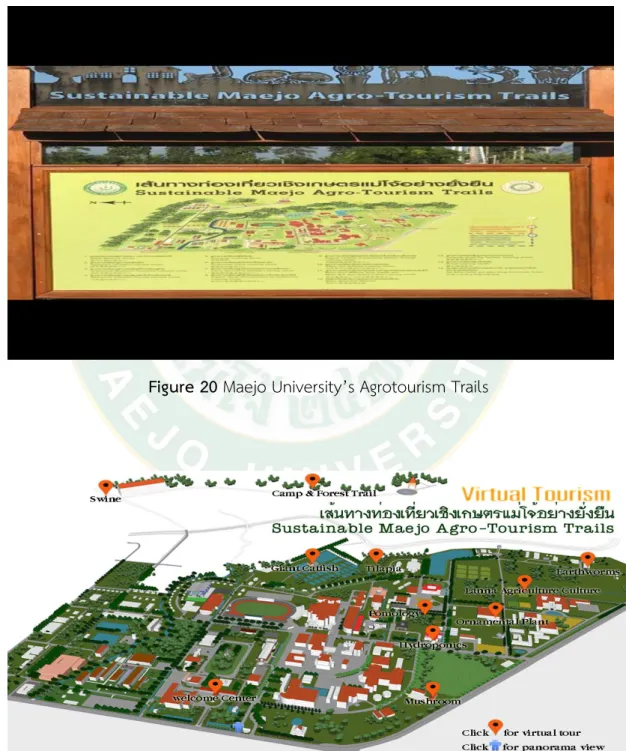
At present, Maejo University has established the Sustainable Maejo Agrotourism Trails under the Tourism Training and Consulting Service Center. This comprises of 15 agrotourism learning centers used as a facility for students to have actual application of knowledge and theories in agriculture. It also aimed to provide professional academic services especially in agriculture for tourists who want to visit the university.
This research includes the following Maejo Agrotourism Learning Centers:
1. The Welcome Center 2. Maejo Agricultural Museum
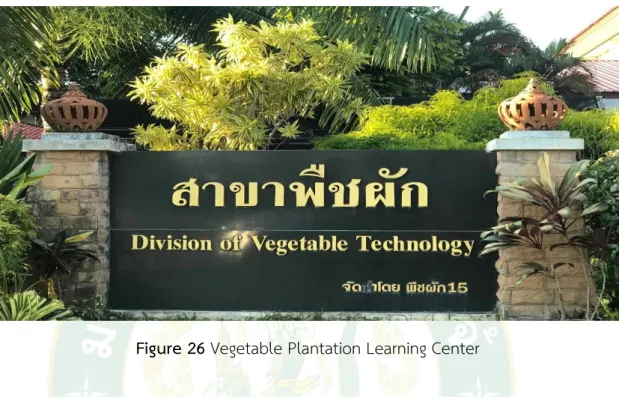
3. Vegetable Plantation Learning Center
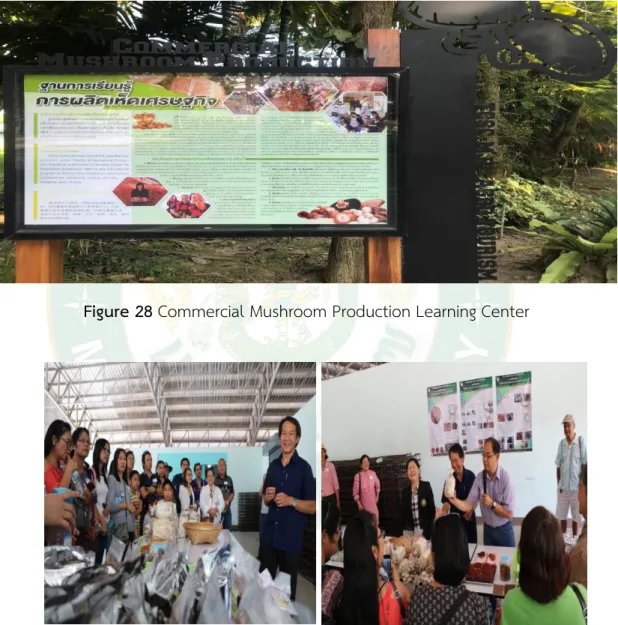
4. Commercial Mushroom Production Learning Center 5. Hydroponics Vegetable Farming Learning Center 6. The Pomology Learning Center
7. Ornamental Plants Learning Center 8. Orchid Learning Center
9. Lanna Agricultural Heritage Learning Center
10. Maejo Siam Mekong Giant Catfish and Maejo Buk Siam Hybrid Catfish Learning Center
11. Tilapia Sex Reversal Learning Center
12. Organic Waste Decomposition by Earthworms Learning Center 13. Organic Fertilizer (Composting Without Turning) Learning Center 14. Tan Khun Camp and Baan Pong Community Forest
15. Complete Circle Pig Farming Learning Center
Maejo University in collaboration with the School of Tourism Development and its umbrella office the Training and Consulting Service Center have conceptualized the different agrotourism learning centers in September 2013. It was established to market Maejo University as an agro-tourism destination and for the public to know about the area and the university. The University allocated budget to materialize the tourism project in response to the university strategy.
At present, these learning centers are now operational to welcome tourists and individuals interested to study and learn about agriculture. In order to promote the learning centers to tourists, the Tourism Training and Consulting Service Center launched a website (www.tcsc.tourism.mju.ac.th). TCSC also came up with a
brochure to disseminate tourist routes to government and private agencies interested in the agrotourism sustainable trails.
Moreover, these learning centers house an exhibition of activities and visits of the royal family in the university. The museum has a collection of all the valuable items, photos, and historic information since the founding of the university. The learning centers also offer educational programs that demonstrate the knowhow of growing plants. It focuses in providing knowledge on the ways to design and plan an actual agricultural facility. It uses different technology on how to plant fruits and vegetables using a more intelligent way. It has a demonstration and hands on training for fruit tree propagation techniques, production and breeding. The learning centers also offer visitors a personal experience in actual farming. These learning centers are a place that provides rich knowledge on the Philosophy of Green Agriculture and the Sufficiency Economy Philosophy of King Rama IX.
These different sustainable Maejo agrotourism trails are currently in place and serve as sites to visit when you are in the university. Based on the data gathered in 2016 from the Tourism Training and Consulting Service Center, there were around 649 tourists who have visited the different learning centers. These comprises of both local and foreign tourists.
As the hospitality industry plays the biggest role in the international tourism, developing and innovating the industry is one of the crucial aspects these days.
Regardless of the fact that hospitality industry can be developed in many ways, the most efficient and effective way of the development will be always the progress of the employees of the hospitality establishments or in this case an agrotourism site like the Maejo agrotourism learning centers.
LIMITATION OF THE STUDY
The major limitation of this study is the external validation. This study will be conducted in the different Maejo University’s agrotourism learning centers. The results may not be generalized to other agrotourism destinations.
The researcher is focusing on a study on the different Maejo University’s agrotourism learning centers. These will include the 15 learning centers located within the Maejo University, Chiang Mai Campus. The researcher is interested in evaluating how tourists perceive service quality in the different agrotourism learning centers in general. This study will focus solely on the MJU agrotourism learning centers that offer unique attractions and activities.
DEFINITION OF TERMS
AGROTOURISTS. These are people involved in any agriculturally based operation or activities. They take part in a farm or village activities as animal and crop care, handicrafts and entertainments. These tourists take part in the activities to learn about agriculture and their way of life, culture, and tradition (World Tourism Organization, 2001).
AGROTOURISM. Agrotourism could be the crossroads of tourism and agriculture. It is a form of creative tourism or another form of alternative tourism (Robinson and Novelli, 2005). It is a form of tourism-oriented learning. Tourists may participate in activities to learn about agriculture and their way of life, culture, and tradition and utilize existing resources to generate income for the families.
Stated more technically, agrotourism can be defined as a form of commercial enterprise that links agricultural production and/or processing with tourism in order to attract visitors onto a farm, ranch, or other agricultural business for the purposes of entertaining and/or educating the visitors and generating income for the farm, ranch, or business owner (Eurostat, 2001).
In this study, this refers to the different learning centers of Maejo University that serve as an agricultural setting that offer set of activities, entertainment, farming experiences and education.
STRATEGIC MANAGEMENT. Is the management of an organization’s resources to achieve its goals and objectives. It involves setting objectives, analyzing the competitive environment, analyzing the internal organization, evaluating strategies and ensuring that management rolls out the strategies across the organization.
This concept promotes a systematic approach to strategy formulation that is rooted in the mission, or purpose, of the organization and tests the implementation choices and actions of the learning centers against that mission. The mission forms the direct basis for the specific targets the learning centers will select and attempt to achieve. It also defines the nature, form, and extent of evaluation of the learning centers and its environment; as well as the nature of the corporate and business level decisions it makes. Finally, the mission defines the conditions by which the learning centers will determine the success of its actions.
SUSTAINABILITY. This is the ability of the learning centers to sustain developments and changes and the ability of the organization to survive. According to World Tourism Organization (2004) sustainability is a concept that involves a number of perspectives comprising of environmental, ecological, social, cultural, and economic issues. Furthermore, according to UNWTO (2005) to apply the sustainable tourism development, the strategies should be based on a formal expression of principles for sustainable tourism. Moreover, the guidelines, techniques, and principles are presented important for national governments, destinations, and organizations, which wish to be guided by the ethics of sustainable and responsible tourism. The guidelines and principles include: community participation, stakeholder involvement, local ownership, establishment of local business linkages, sustainability of the resource base, community goals, cooperation between local attractions, businesses and tourism operators, carrying capacity, monitoring and evaluating, accountability, establishment of education and training programs, and positioning.
SUSTAINABLE DEVELOPMENT. Sustainable development can be understood as a dynamic balance between economic and social development on one side and environment protection on the other. In order to understand sustainable rural development, analysis of relations between agricultural business environment, local ecosystems (providing natural resources), countryside (space relations and structure), local community (social infrastructure of an area), and service providing institutions (supplies of energy, fuel, tourism services, etc.) is needed. Systems approach to rural development shall be based on an analysis of the environment, obstacles, weak points and the following features: 1. Economic activities; 2. Natural resources; 3.
Technology used in agriculture; 4. Infrastructure; 5. Social capital of the rural locality;
and 6. Local customs. This development will enable the learning centers and the University to maintain a state of health that is necessary for survival at a higher level of quality.
SERVQUAL. It is a multi-dimensional research instrument, designed to capture consumer expectations and perceptions of a service along the five dimensions that are believed to represent service quality. It has become the dominant measurement scale in the area of service quality.
This will be used in this study to do a gap analysis of the different learning centers’ service quality performance against the service quality needs of the tourists.
It takes into account the perceptions of tourists relative to the importance of service attributes.
SERVICE. This is the valuable action, deed, or effort performed by the different learning centers to satisfy a need or to fulfill a demand of the tourists. This is defined as the overall assessment of a service by the customers, (Eshghi et al., 2008) or the extent to which a service meets customer’s needs or expectations (Asubonteng et al., 1996). Parasuraman et. al. (1985) defined service quality as “the discrepancy between consumers’ perceptions of services offered by a particular firm and their expectations about firms offering such services.”
TOURIST SATISFACTION. Was identified by a response (cognitive or affective) that pertains to a particular focus (i.e. a purchase experience and/or the associated product) and occurs at a certain time (i.e. post-purchase, post- consumption). This is the tourist’s response that pertains to a particular purchase or experience associated with the different learning centers (Parasuraman, 2002).
BEHAVIORAL INTENTION. This semantic differential scale measures a tourist’s stated inclination to engage in a specific behavior or in this study, the tourist intentions to re-visit the different learning centers. It is defined as a person's perceived likelihood or "subjective probability that he or she will engage in a given behavior" (Parasuraman, 2002).
A review of the literature developed for this study is divided into two parts as follows: First, the theories, concepts, principles, and models relevant to the study and information concerning tourism, agrotourism, sustainable development, strategic management, and SERVQUAL as the main measurement tool of the study. Second, the review of related literatures relevant to the study.
THEORIES
Since the focus of this study is on the behavioral aspect of tourists towards the different learning centers and employees’ behavior towards tourists and how these employees deliver quality service, behavioral theories will be used and adapted as the main theory for the study.
The first and foremost theory that will be adapted is the Theory of Reasoned Action (TRA). This is one of the three classic models of persuasion, and is used in communication discourse as a theory of understanding. The theory of reasoned action was developed by Martin Fishbein and Icek Ajzen in 1967 and was derived from previous research that began as the theory of attitude. The theory aims to explain the relationship between attitudes and behaviors within human action. TRA is used to predict how individuals will behave based on their pre-existing attitudes and behavioral intentions. An individual's decision to engage in a particular behavior is based on the outcomes the individual expects will come as a result of performing the behavior (Fishbein and Ajzen, 1981).
According to the theory, human behavior is guided by three kinds of considerations: beliefs about the likely outcomes of the behavior and the evaluations of these outcomes (behavioral beliefs), beliefs about the normative expectations of others and motivation to comply with these expectations (normative
beliefs), and beliefs about the presence of factors that may facilitate or impede performance of the behavior and the perceived power of these factors (control beliefs). In their respective aggregates, behavioral beliefs produce a favorable or unfavorable attitude toward the behavior; normative beliefs result in perceived social pressure or subjective norm; and control beliefs give rise to perceived behavioral control. In combination, attitude toward the behavior, subjective norm, and perception of behavioral control lead to the formation of a behavioral intention. As a rule, the more favorable the attitude and subjective norm, and the greater the perceived control, the stronger should be the person’s intention to perform the behavior in question. Finally, given a sufficient degree of actual control over the behavior, people are expected to carry out their intentions when the opportunity arises. Intention is thus assumed the immediate antecedent of behavior. However, because many behaviors pose difficulties of execution that may limit volitional control, it is useful to consider perceived behavioral control in addition to intention.
To the extent that perceived behavioral control is truthful, it can serve as a proxy for actual control and contribute to the prediction of the behavior in question.
Figure 1 The Theory of Reasoned Action
Interventions designed to change behavior can be directed at one or more of its determinants: attitudes, subjective norms, or perceptions of behavioral control.
Changes in these factors should produce changes in behavioral intentions and, given adequate control over the behavior, the new intentions should be carried out under appropriate circumstances. Because attitudes, subjective norms, and perceived behavioral control are assumed to be based on corresponding sets of beliefs, behavioral interventions must try to change the beliefs that, according to the theory, ultimately guide performance of the behavior. It is important to realize, however, that this explanatory function is associated only with salient beliefs or, to use the currently favored term, beliefs that are readily accessible in memory. Pilot work is required to identify accessible behavioral, normative, and control beliefs.
Respondents are given a description of the behavior and are asked a series of questions designed to elicit accessible beliefs. The responses can be used to identify personal accessible beliefs, i.e., the unique beliefs of each research participant, or to construct a list of modal accessible beliefs, i.e., a list of the most commonly held beliefs in the research population. Subjective norms are influence by perceptions of the beliefs of those around such as parents, friends, colleagues, partners, etc.
According to the TRA, this has a sense or belief about whether or not these individuals and groups would approve or disapprove of the behavior. However, there is also a need to factor in how motivated the people are to comply with their views.
This can vary from one situation to another.
TRA has been applied to redefine the brand loyalty. According to the theory of reasoned action, the antecedents of purchase behavior are attitudes towards the purchase and subjective norm. In 1998, Ha conducted a study to investigate the relationships among several antecedents of unit brand loyalty (UBL) by introducing TRA. Consumers are brand loyal when both attitude and behavior are favorable. In his study, Ha developed a table indicating 8 combinations of customers' brand loyalty based on their loyalty on 3 variables – attitude towards the behavior, subjective norm, and purchase behavior is loyal. According to Ha, marketing managers should not be discouraged by a temporary disloyalty and need to strive for
grabbing brand loyalty when customers are showing loyalty to two of the three variables, but they need to re-diagnose their customers' brand loyalty when customers are showing loyalty to only one of them. The main focus should be pointed at either enhancing the consumer's attitude toward their brand or adjusting their brand to the social norms (Lyong Ha, 1998).
In 1985, Ajzen extended TRA to what he refers as the Theory of Planned Behavior (TPB). This involves the addition of one major predictor—perceived behavioral control. This addition was introduced to account for times when people have the intention to conduct the behavior, but the actual behavior is disillusioned because of subjective and objective reasons. In the theory of planned behavior, the attitude, subjective norms, and behavioral control have "important although differently weighted effects on a person's intention to behave.”
Figure 2 Planned Behavior Model (Icek Ajzen, 1985)
This theory has been applied to studies of the relations among beliefs, attitudes, behavioral intentions and behaviors in various fields such as advertising, public relations, advertising campaigns and healthcare. The theory states that
attitude toward behavior, subjective norms, and perceived behavioral control, together shape an individual's behavioral intentions. To understand behavioral intent, which is seen as the main determinant of behavior, the TRA looks at a person's attitudes towards that behavior as well as the subjective norms of influential people and groups that could influence those attitudes while the theory of planned behavior suggests that people are much more likely to intend to enact certain behaviors when they feel that they can enact them successfully. Increased perceived behavioral control is a mix of two dimensions: self-efficacy and controllability. Self- efficacy refers to the level of difficulty that is required to perform the behavior, or one's belief in their own ability to succeed in performing the behavior. Controllability refers to the outside factors, and one's belief that they personally have control over the performance of the behavior, or if it is controlled by externally, uncontrollable factors. If a person has high-perceived behavioral control, then they have an increased confidence that they are capable of performing the specific behavior successfully.
Each judgment and feeling occurring at the transaction level helps to define and characterize how a person views and comes to understand for himself or herself what a service should be. Parasuraman et. al. (1988) viewed VS as only being transaction specific, but others have suggested that judgments made regarding Quality of Experience lead to and directly influence Overall Satisfaction, which influences individual’s Destination Selection Intentions. The stronger the visitor’s psychological outcome, the more influence it has on their behavioral intentions (Tian-Cole et al., 2002; Tian-Cole and Cromption, 2003).
Motivational theories will also be adapted in this study and the first of these is the Abraham Maslow’s Hierarchy of Needs. Many other theorists tried to explain the importance of the human resources approach and one of these individuals was Abraham Maslow (1943). In order to get employees to work, Maslow tried to understand what motivates people. Maslow came up with five needs that need to
be satisfied at one stage before moving on to another stage. Maslow felt that needs vary from person to person and those individuals want their need fulfilled.
Physiological Needs. The first level of Maslow’s Hierarchy of Needs is physiological, which means that physical needs such as food and water need to be met before moving to the next level. If workers do not make enough money to buy food and water, then it will be hard for them to continue working.
Safety Needs. The second level is called safety. Workers need to be in a safe environment and know that their bodies and belongings will be protected. If workers do not feel secure, then they will find it hard to work efficiently. According to Maslow’s basic theoretical premise, these individuals will have a harder time worrying about needs at the higher levels unless they can overcome the inherent lack of safety within these jobs.
Love, Affection, and Belongingness Needs. The third level is called love, affection, and belongingness needs. Maslow believed that if an individual met the basic physiological and safety needs, then that individual would start attempting to achieve love, affection, and belongingness needs next, “The person will hunger for affectionate relations with people in general, namely, for a place in the person’s group, and the person will strive with great intensity to achieve this goal.” Maslow, A.
H. (1943). Maslow believed that organizations would have better worker retention and satisfaction if they kept their employees in a cohesive environment.
Furthermore, if a worker feels isolated or ostracized from their environment, then he or she would feel less motivated to work, which will lead to a decrease in overall productivity.
Esteem Needs. The fourth level is called esteem, and is represented by two different sets of needs according to Maslow. First, individuals are motivated by the
“desire for strength, for achievement, for adequacy, for confidence in the face of the world, and for independence and freedom.” (Maslow, 1943). Maslow goes on to discuss a second subset of esteem needs, “we have what we may call the desire for