TRAUMA AND PHYSICAL HEALTH
Trauma research and clinical practice have taught us much about the widespread problems of child maltreatment, partner violence, and sexual assault. Numerous investigations have documented links between such trauma exposure and long-term negative mental health consequences. As we learn more about traumatic stress, however, increasing attention has been drawn to the less studied physical health effects of maltreatment and trauma.
Trauma and Physical Healthdescribes both the negative physical health effects of victimization in childhood as well as exploring theoretical models that explain these links. By bringing together new and current studies on the relationship between trauma and physical health, this edited collection assesses the clinical implications of these links. At a time when the mental health field is becoming increasingly cognizant of the value of collaboration with professionals in the physical health arena, this book suggests ways in which clinicians can work with primary care professionals to better meet the needs of trauma survivors across the lifespan. A key focus of the text is to clarify the relationship between the current knowledge base in trauma and physical health and directions for future research in primary care health settings.
With contributors from a wide range of clinical and psychological disciplines, this book will be of interest to researchers, clinicians and professionals in the trauma field and to primary care professionals concerned with compassionate care for the traumatized.
Victoria L. Banyardis Full Professor of Psychology at the University of New Hampshire, USA.
Valerie J. Edwardsis Research Psychologist at the Centers for Disease Control and Prevention, USA.
Kathleen A. Kendall-Tackettis Clinical Associate Professor of Pediatrics, Texas Tech University Health Sciences Center, USA.
TRAUMA AND
PHYSICAL HEALTH
UNDERSTANDING THE EFFECTS OF EXTREME STRESS AND OF
PSYCHOLOGICAL HARM
Edited by Victoria L. Banyard,
Valerie J. Edwards, and
Kathleen A. Kendall-Tackett
First published 2009 by Routledge
2 Park Square, Milton Park, Abingdon, Oxon OX14 4RN Simultaneously published in the USA and Canada
by Routledge
270 Madison Avenue, New York, NY 10016
Routledge is an imprint of the Taylor & Francis Group, an informa business
© 2009 selection and editorial matter, Victoria L. Banyard, Valerie J. Edwards, and Kathleen A. Kendall-Tackett; individual chapters,
the contributors
All rights reserved. No part of this book may be reprinted or reproduced or utilized in any form or by any electronic, mechanical, or other means, now known or hereafter invented, including photocopying and recording, or in any information storage or retrieval system, without permission in writing
from the publishers.
British Library Cataloguing in Publication Data
A catalogue record for this book is available from the British Library Library of Congress Cataloging-in-Publication Data
Trauma and physical health : understanding the effects of extreme stress and of psychological harm / edited by Victoria L. Banyard,
Valerie J. Edwards, and Kathleen A. Kendall-Tackett.
p. ; cm.
Includes bibliographical references.
1. Post-traumatic stress disorder–Complications. 2. Psychic trauma–Complications.
3. Adult child abuse victims–Health and hygiene. I. Banyard, Victoria L.
II. Edwards, Valerie J. III. Kendall-Tackett, Kathleen A.
[DNLM: 1. Stress Disorders, Post-Traumatic–therapy. 2. Adult Survivors of Child Abuse–psychology. 3. Domestic Violence–psychology. 4. Patient-Centered
Care–methods. 5. Primary Health Care. WM 170 T77725 2009]
RC552.P67T746 2009 616.85’21—dc22
2008026520
ISBN 10: 0–415–48078–7 (hbk) ISBN 10: 0–415–48079–5 (pbk) ISBN 10: 0–203–88501–5 (ebk) ISBN 13: 978–0–415–48078–9 (hbk) ISBN 13: 978–0–415–48079–6 (pbk) ISBN 13: 978–0–203–88501–7 (ebk)
This edition published in the Taylor & Francis e-Library, 2008.
“To purchase your own copy of this or any of Taylor & Francis or Routledge’s collection of thousands of eBooks please go to www.eBookstore.tandf.co.uk.”
ISBN 0-203-88501-5 Master e-book ISBN
Contents
Figure and tables vii
Notes on contributors viii
Introduction to trauma and physical health:
a framework and introduction to integrating trauma
practice into primary care 1
VICTORIA L. BANYARD, KATHLEEN A. KENDALL-TACKETT, AND VALERIE J. EDWARDS
1 The association between childhood abuse, health and pain-related problems, and the role of psychiatric
disorders and current life stress 5
NATALIE SACHS-ERICSSON, KIARA CROMER, ANNYA HERNANDEZ, AND KATHLEEN A. KENDALL-TACKETT
2 The role of childhood trauma in chronic pain and
fatigue 37
BOUDEWIJN VAN HOUDENHOVE, PATRICK LUYTEN, AND ULRICH TIBER EGLE
3 The impact of traumatic childbirth on health
through the undermining of breastfeeding 65
CYNTHIA GOOD MOJAB
4 The complexity of links between physical health
and trauma: the role of gender 91
VICTORIA L. BANYARD
5 Thinking outside the box: why research on self- efficacy and sleep disorders is relevant for trauma
survivors 112
KATHLEEN A. KENDALL-TACKETT
6 Where does it hurt? How victimization impacts
presentation and outcomes in primary care 134
STEPHANIE DALLAM
7 Client-centered care: integrating the perspectives
of childhood sexual abuse survivors and clinicians 163
CAROL A. STALKER, CANDICE L. SCHACHTER, ELI TERAM, AND GERRI C. LASIUK
8 Health care can change from within: a sustainable model for intimate partner violence intervention
and prevention 202
BRUCE AMBUEL, MARY BETH PHELAN, L. KEVIN HAMBERGER, AND MARIE WOLFF
Name index 238
Subject index 250
C O N T E N T S vi
Figure and tables
FIGURE
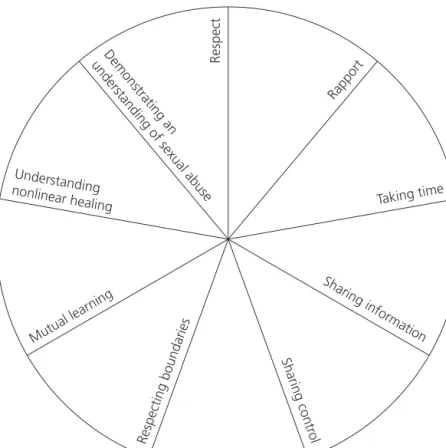
7.1 The safety umbrella 171
TABLES
2.1 Prevalence of childhood trauma in FM patients
and CFS/FM patients 39
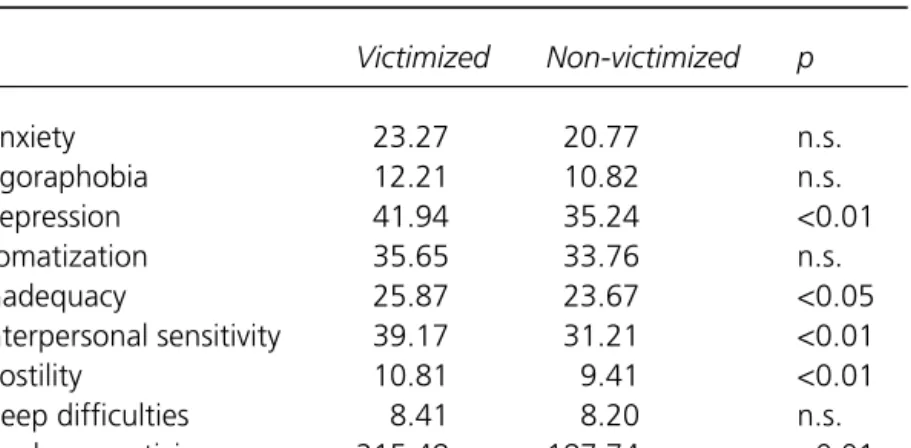
2.2 Comparison between the victimized and
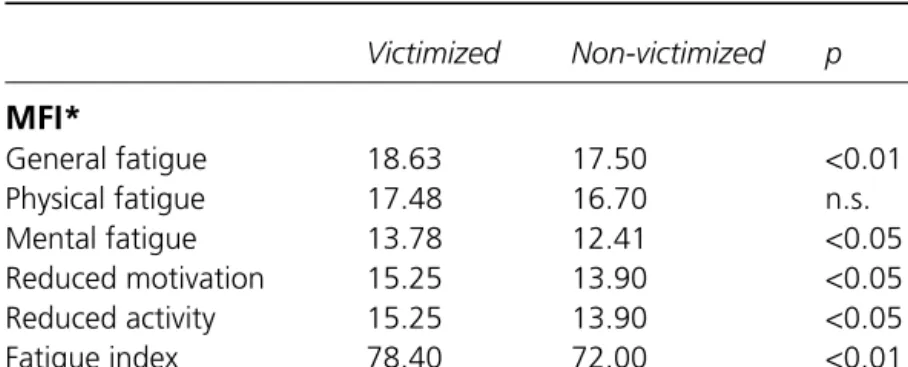
non-victimized CFS/FM subgroups on the SCL-90 42 2.3 Comparison of the victimized and non-victimized
CFS/FM subgroups on the MFI and AIMS 43 6.1 Medical situations which may cause re-experiencing
of trauma 144
6.2 “Red flags” that should increase suspicion of a
victimization history 150
7.1 The three components of task-centered inquiry 180 7.2 SAVE – a mnemonic for health professionals when
dealing with difficult or confusing situations 193
Contributors
Bruce Ambuel, PhD, is Associate Professor of Family and Community Medicine at the Medical College of Wisconsin.
He is an expert in health psychology, community research and action. Dr. Ambuel’s research and advocacy focus on primary and secondary prevention of intimate partner violence (IPV) through health care systems, and developing community partnerships to promote health in underserved, marginalized communities. He leads 2 grants, Health Care Can Change from Within: A Sustainable Model of Intimate Partner Violence Prevention in Health Care, and a grant implementing IPV education for medical students.
Victoria L. Banyard, PhD, is Full Professor in the Department of Psychology at the University of New Hampshire. She received her doctorate in clinical psychology with a certificate in Women’s Studies from the University of Michigan. She has completed postdoctoral research and clinical training at the Family Research Lab at UNH and the Trauma Center in Boston. She conducts research on the long-term consequences of trauma and
interpersonal violence including factors related to resilience and recovery. She was the principal investigator on a study
examining the efficacy of a college rape prevention program and has begun a program of research with several colleagues on broader community approaches to sexual and intimate partner violence prevention.
Kiara Cromer, MS, is a doctoral candidate in Clinical Psychology at Florida State University. She graduated from Whitworth College with a Bachelor of Science degree in Biochemistry. After graduation, she accepted a position at the Laboratory of Clinical Science within the National Institute of Mental Health investigating the neurobiology of neuropsychiatric disorders, using molecular, neurochemical and genetic
techniques. Kiara's primary research interests lie in
understanding the etiology, comorbidity, and maintenance of obsessive-compulsive disorder, focusing on risk factors and vulnerability mechanisms. She is particularly interested in linking behavior with underlying biological factors such as genetics, and examining the role that stress plays in the pathogenesis of psychiatric disorders. She also has been conducting epidemiological research in the area of childhood abuse, specifically the role stress plays in influencing genetic and
environmental risk factors for health problems among individuals who experienced childhood abuse.
Stephanie Dallam, RN, MS, is a doctoral candidate at the University of Kansas. She also is Research Associate for the Leadership Council on Child Abuse and Interpersonal Violence.
Prior to this, she worked as Nurse Practitioner in Pediatric Trauma and Surgery at the University of Missouri-Columbia.
She has written numerous articles and book chapters on issues related to the heath effects of childhood maltreatment and presents regularly at national conferences.
Valerie J. Edwards, PhD, is Research Psychologist at the
U.S. Centers for Disease Control and Prevention. For the past ten years, she has been a member of the Adverse Childhood
Experiences study team.
Ulrich Tiber Egle, MD, is Medical Director of the
Psychosomatic Clinic Kinzigtal, and Professor of Psychosomatic Medicine and Psychotherapy, Johannes Gutenberg University,
C O N T R I B U T O R S ix
Mainz, Germany. He is past president of the German College for Psychosomatic Medicine (DKPM) and president of the
Interdisciplinary Society for Psychosomatic Pain Therapy (IGPS).
He has written some 200 articles and edited three books (in German) on the psychobiological aspects of chronic pain, somatoform disorders, and the long-term psychological and physical consequences of childhood trauma.
Cynthia Good Mojab, MS, IBCLC, RLC, CATSM, is Director of LifeCircle Counseling and Consulting in Hillsboro, Oregon.
As a researcher, clinical counselor, and International Board Certified Lactation Consultant, she has a special interest in helping women recover from traumatic events related to pregnancy loss, birth, and infant death, as well as in the development of evidence-based approaches to the delivery of breastfeeding-compatible mental health care. She is a member of the American Academy of Experts in Traumatic Stress and of the National Center for Crisis Management and is Certified in Acute Traumatic Stress Management. Ms. Good Mojab is the founder of LactPsych, an international group of professionals working in the emerging field of lactational psychology. She formerly served as Research Associate at La Leche League International and was on the faculty of Parkland College. She has authored and contributed to numerous publications related to breastfeeding, culture, and psychology.
L. Kevin Hamberger, PhD, is Professor of Family and
Community Medicine at the Medical College of Wisconsin and Co-Chair of the Wisconsin Governor’s Council for Domestic Abuse. He has served as a consultant to the National Institutes of Health, National Institute of Mental Health, the National Institute of Justice, the Department of Defense, and the Family Violence Prevention Fund. He is on the editorial boards of six scholarly journals and has published 96 articles and chapters, and six books, including Violence Issues for Health Care Educators and Providers(The Haworth Press) and Domestic
C O N T R I B U T O R S x
Violence Screening in Medical and Mental Healthcare Settings with Dr. Mary Beth Phelan (Springer).
Annya Hernandez, MS, was born to Cuban political exiles in Santurce, Puerto Rico, grew up in Miami, Florida, and graduated from Harvard University with honors in the field of psychology. She is presently completing her doctorate in Clinical Psychology from Florida State University. She conducts research in the area of psychiatric epidemiology, and her research specialty is on the effects of culture on psychiatric and health problems among Hispanic population residing in the United States.
Kathleen A. Kendall-Tackett, PhD, IBCLC is Health Psychologist and an International Board Certified Lactation Consultant. She is Clinical Associate Professor of Pediatrics at Texas Tech University Health Sciences Center and Acquisitions Editor for Hale Publishing. Dr. Kendall-Tackett is a Fellow of the American Psychological Association in both the Divisions of Health and Trauma Psychology. She is Editor of Family and Intimate Partner Violence Quarterly, Associate Editor of the American Psychological Association’s journal, Psychological Trauma, and serves on the editorial boards of four other journals in family violence and perinatal health. Dr. Kendall-Tackett is author of more than 180 journal articles, book chapters and other publications, and author or editor of 17 books in the fields of trauma, women’s health, interpersonal violence, and depression. She is a founding member of the American Psychological Association’s Division of Trauma Psychology, and currently serves as Division Secretary
Gerri C. Lasiuk, RN, MN, PhD, CMHPN(C) is Assistant Professor with the Faculty of Nursing, University of Alberta, Canada. Dr. Lasiuk’s clinical and research interests include the health effects of childhood adversity, the experience of pregnancy and birthing among women with histories of child
C O N T R I B U T O R S xi
sexual abuse, and the sensitive health care of men and women who were abused in childhood.
Patrick Luyten, PhD, is Assistant Professor at the Department of Psychology, University of Leuven (Belgium). His main research interest focuses on the role of personality, stress and
interpersonal processes in depression, chronic fatigue syndrome and fibromyalgia. He is currently also involved in studies on the mentalization-based treatment of patients with borderline personality disorder. He is a visiting professor at the Department of Psychology, University College London, London (UK), a visiting research scholar at the Yale Child Study Center, New Haven (USA), and member of the Research Advisory Board and the Conceptual and Empirical Research Committee of the International Psychoanalytical Association (IPA).
Mary Beth Phelan, MD, is Associate Professor of Emergency Medicine in the Department of Emergency Medicine, and an affiliate faculty member of the Injury Research Center at the Medical College of Wisconsin. Dr. Phelan’s areas of interest include the health consequences of intimate partner violence, injury prevention and intimate partner violence education for health care providers. She has collaborated with researchers to determine the impact of intimate partner violence on women and men seeking emergency medical treatment. Dr. Phelan has co-authored the book Domestic Violence Screening in Medical and Mental Healthcare Settings(Springer).
Natalie Sachs-Ericsson, PhD, Clinical Psychologist, is on the faculty in the Department of Psychology at Florida State University. Her research expertise is in psychiatric and health epidemiology, and she has published extensively (over 50 peer reviewed journal articles and several book chapters) on genetic, environmental, family, and social influences in the development of psychiatric and health problems, including the influence of childhood abuse experiences on health and psychiatric disorders.
C O N T R I B U T O R S xii
Candice L. Schachter, PT, PhD, Adjunct Professor, School of Physical Therapy, University of Saskatchewan, is the principal investigator of the multi-phased, multidisciplinary Sensitive Practice Research Project that has sought to facilitate better health care experiences for adult survivors of childhood sexual abuse. She has lectured on Sensitive Practice internationally. Her research team has just completed the gender inclusive, second edition of the Handbook of Sensitive Practice: Lessons from Adult Survivors of Childhood Sexual Abuse(Public Health Agency of Canada).
Carol A. Stalker, PhD, RSW, Professor, Faculty of Social Work, Wilfrid Laurier University, has worked therapeutically with survivors of child sexual abuse (CSA) in mental health settings and in private practice. She teaches clinical social work courses and conducts research to increase understanding of the impact of CSA and to evaluate the effectiveness of mental health interventions with survivors
Eli Teram, PhD, Professor, Faculty of Social Work, Wilfrid Laurier University, is currently involved in research projects related to social work ethics, sensitive health practice, youth resilience and mergers between not-for-profit organizations.
Boudewijn Van Houdenhove, MD, is Clinical Head of the Department of Liaison Psychiatry, University Hospitals Leuven, and Professor of Medical and Health Psychology, Faculty of Medicine, University of Leuven, Belgium. He has been clinically and scientifically involved in the field of psychosomatic medicine for more than 35 years, with a special interest in stress-related physical disorders, particularly chronic pain and fatigue. His research focuses on the relations between these disorders and early-life stress, personality and lifestyle, and applies to
psychological as well as neurobiological aspects. His publications include some 200 articles and 7 books (in Dutch) on
psychosomatics and liaison psychiatry.
C O N T R I B U T O R S xiii
Marie Wolff, PhD, is Associate Professor in the Department of Family and Community Medicine at the Medical College of Wisconsin. Dr. Wolff has a research and programmatic emphasis on community academic partnerships to improve health.
Dr. Wolff was Project Director of a three year Health Resources and Services Administration (HRSA) Graduate Medical Education grant to strengthen the community health curriculum in four Family Medicine residency programs with a primary focus on the prevention of intimate partner violence. She has also developed and pilot tested an Objective Structured Clinical Exam (OSCE) to assess Family, Emergency Medicine and Pediatric residents on the skills necessary to competently conduct primary and secondary prevention of intimate partner violence.
C O N T R I B U T O R S xiv
Introduction to trauma and physical health
A framework and introduction to integrating trauma practice into primary care
Victoria L. Banyard, Kathleen A. Kendall-Tackett and Valerie J. Edwards
R
ESEARCH AND CLINICAL PRACTICEwith trauma survivors have taught us much about the widespread problems of child maltreatment, partner violence, and sexual assault. Numerous investigations have documented links between such trauma exposure and long-term negative mental health consequences.We have also identified risk and protective factors for more resilient functioning. As we learn more about the psychobiology of traumatic stress, however, increasing attention has been drawn to understanding physical health effects of maltreatment and trauma (e.g., Kendall-Tackett, 2003). In a recent book reviewing this research on the link between childhood abuse and adult health problems, Kendall-Tackett (2003) describes a model that explains these links. She points out that much more needs to be learned given that the majority of research on trauma and maltreatment has focused on mental health symptoms.
The appearance of growing numbers of empirical articles addressing trauma and physical health coincides with an
increasing interest in collaborating with professionals in medicine and nursing. For example, Frank et al.(2004), in Primary care psychology, outline important roles for mental health clinicians in primary care settings. Several sections of the book describe how trauma both directly and indirectly impacts physical health through its association with psychological distress. This book suggests ways in which clinicians with expertise in trauma treatment may partner in important ways with primary care professionals to better meet the needs of trauma survivors across the lifespan. Indeed, a recent article in Pediatrics(Borowsky et al., 2004) presents research on how primary care physicians can help prevent future violence and aggression when they screen for violence among children.
But where are we to go from here? Merrill and colleagues (2001, pp. 992–993) describe a useful framework for examining progress in research. Although their model focuses specifically on the field of child sexual abuse, it has applications as an
organizing frame for the field of trauma, physical health, and primary care intervention. They describe three levels of research that need to occur for a field to move forward. Contributors to this volume have written chapters that fall within each of these levels. These are described below.
“First-generation” research aims to establish clear links between trauma and its effects across a wide variety of samples, for a variety of outcomes. This has been an important focus of research on trauma and physical health to date given that most early research on the short- and long-term consequences of abuse focused almost exclusively on mental health outcomes.
Most of the chapters that follow review the extensive and
growing literature that establishes the negative impact of trauma on health symptoms and behaviors across the lifespan.
Vanhoudenhove et al., Sachs-Ericsson et al., and Good Mojab continue this line of work in their explorations of links between trauma and health outcomes that have received relatively less attention, including chronic fatigue and pain, and postpartum health.
V I C T O R I A L . B A N Y A R D E T A L. 2
“Second-generation” studies, according to Merrill et al., are those that move beyond comparisons of victims and non-victims to within-group analyses examining factors which moderate the degree of effects that trauma has on outcomes. In their particular review of research on child sexual abuse, they discuss variations in characteristics of the abuse that may impact patterns of distress and resilience among groups of survivors. Chapters in this volume point to ways in which more work is needed in this area for understanding trauma and physical health. In particular, Banyard points to ways in which gender has been an
understudied aspect of this topic and presents implications for both future research and practice. Further, the chapters in the current book demonstrate the impact of a wide array of trauma experiences on physical health, rather than focusing exclusively on child maltreatment as Merrill et al.do, or as was more common in early inquiry into links between trauma and physical health. This work encourages us to ask questions about how different types of trauma may be associated with different health outcomes and the need for different types of intervention and prevention efforts.
Finally, Merrill et al.describe “third-generation studies,” which aim to illustrate and gather evidence for processes through which trauma impacts outcomes. It allows us to ask questions about what variables may explain the powerful links we find between trauma exposure and physical health symptoms. Such research holds the key to important information for the design of effective intervention efforts. The chapter by Kendall-Tackett provides a review of two newly hypothesized mediating mechanisms in need of future study: self-efficacy and sleep deprivation. The links from such discussions to practice are highlighted in each chapter but particularly by Dallam, Stalker, and Hamberger, who describe guidelines for specific practices within primary care settings that may address such mediating processes and help interrupt the link between trauma exposure and negative physical health.
Indeed, a key aim of the current volume is to make clear the
I N T R O D U C T I O N T O T R A U M A A N D P H Y S I C A L H E A L T H 3
relationship between both what the field currently knows about trauma and physical health, and directions for future research as they may be applied to work within primary care health settings.
The chapters ground us in a review of what is known while then asking the next set of questions and discussing real-world implications that the answers may hold.
REFERENCES
Borowsky, I.W., Mozayeny, S., Stuenkey, K., and Ireland, M. (2004). Effects of a primary care-based intervention on violent behavior and injury in children.
Pediatrics, 114, 392–399.
Frank, R.G., McDaniel, S.H., Bray, J.H., and Heldring, M. (2004). Primary care psychology. Washington, DC: American Psychological Association.
Kendall-Tackett, K. (2003). Treating the lifetime health effects of childhood victimization. Kingston, NJ: Civic Research Institute.
Merrill, L.L., Thomsen, C.J., Sinclair, B.B., Gold, S.R., and Milner, J.S. (2001).
Predicting the impact of child sexual abuse on women: The role of abuse severity, parental support, and coping strategies. Journal of Consulting and Clinical Psychology, 69, 992–1006.
The views expressed in this introduction are those of the
author(s) and do not necessarily represent the official position of the Centers for Disease Control and Prevention.
V I C T O R I A L . B A N Y A R D E T A L. 4
The association between childhood abuse, health and pain-related problems, and the role of psychiatric disorders and
current life stress
Natalie Sachs-Ericsson, Kiara Cromer, Annya Hernandez, and Kathleen A. Kendall-Tackett
A
GROWING BODYof literature has established an association between childhood abuse and adult health problems. In the current chapter we review the literature which has generally shown an association between childhood abuse (physical and/or sexual) and subsequent health problems, as well as increased pain reports in association with health problems. We will also discuss our research based on the National Comorbidity Survey (NCS), a representative sample of men and women aged 15 to 54 from the US population. Using these data, we have shown that health problems are distinctly increased in individuals who have experienced childhood sexual or physical abuse, thatindividuals who experienced childhood abuse report more pain in association with their health problems, and that current life stressors moderate the relationship between abuse and health such that the presence of stress doubles the effect of childhood abuse on health problems. We also discuss the influence of
1
psychiatric disorders on the relationship between abuse and health problems.
We review theories underlying the association between childhood abuse and health functioning, including how early abuse may affect brain functioning to increase vulnerability to stress and decrease immune functioning. We discuss how childhood abuse is related to risky behaviors that are detrimental to health. Further, we discuss why there may be an association between childhood abuse and psychiatric disorders which in turn influences health and pain-related problems. Treatment
recommendations are reviewed.
CHILDHOOD ABUSE AND MEDICAL PROBLEMS IN CLINICAL SAMPLES
Early studies, predominately of clinical samples of women, have found that medical problems are often overrepresented among individuals who have experienced childhood sexual abuse or childhood physical abuse (Sachs-Ericsson et al., 2005). For example, studies have found sexual and physical abuse to be associated with diabetes (Kendall-Tackett and Marshall, 1999), gastrointestinal problems (Drossman et al., 1995), obesity (Williamson et al., 2002), and irritable bowel disease (Talley et al., 1995).
Many of these earlier studies have been based on patients seeking medical treatment. Childhood abuse has been found to be associated with increased use of health services (Biggs et al., 2003; Finestone et al., 2000) and, thus, firm conclusions regarding the relationship between abuse and health cannot be based on clinical samples alone. However, studies of
representative community population samples have generally confirmed the association between childhood abuse and health observed in clinical samples.
N A T A L I E S A C H S - E R I C S S O N E T A L. 6
EPIDEMIOLOGICAL STUDIES OF ABUSE AND MEDICAL PROBLEMS
In a series of epidemiological investigations, Golding and colleagues consistently found a relationship between lifetime sexual abuse (occurring either in childhood or adulthood) and measures of overall health (Golding, 1994, 2003; Golding et al., 1997). Using data from a large, nationally representative sample of men and women, researchers (Thompson et al., 2004) found that physical abuse in childhood was related to health problems in adulthood for the sample as a whole.
Other studies have found increased rates of specific health problems among individuals with abuse histories. Specific health problems, such as gynecological problems, headaches, diabetes, arthritis, breast cancer for women (Golding, 1994, 1999;
Golding et al., 1998; Stein and Barrett-Connor, 2000) and thyroid disease for men (Stein and Barrett-Connor, 2000) are higher for those who experienced sexual abuse in their lifetime.
Further, childhood sexual abuse has been found to be associated with chronic fatigue, bladder problems, asthma, and heart problems (Dong et al., 2004; Romans et al., 2002). In her review of the literature, Leserman (2005) concluded that childhood sexual abuse appears to be related to a greater likelihood of headache, gastrointestinal, and gynecological problems.
Childhood physical abuse has also been found to be associated with increased risk of specific health problems in adulthood. For example, both childhood sexual and physical abuse was found to be associated with ischemic heart disease (Dong et al., 2004).
Further, in a national representative epidemiological survey of adults, an association between childhood physical abuse and increased odds of gastrointestinal problems and migraine headaches were found (Goodwin et al., 2003).
In our studies using a population sample from the National Comorbidity Survey (NCS; Sachs-Ericsson et al., 2005), we found childhood sexual and physical abuse to be associated with the one-year prevalence of serious health problems for both men and women, even after controlling for an array of
C H I L D H O O D A B U S E A N D P A I N - R E L A T E D P R O B L E M S 7
family-of-origin problems (e.g., family-of-origin income, early parental loss, and parental psychiatric problems), as well as controlling for participants’ psychiatric problems. Specifically, we found that individuals who had been physically abused as children (controlling for the effects of sexual abuse and other covariates) were more than twice as likely as those who had not been physically abused to have a serious health problem. In addition, those who had been sexually abused (controlling for the effects of physical abuse) were almost one-and-a-half times as likely to have a current serious health problem compared to those who had not been sexually abused.
In further analyses of the data, we found that childhood physical and sexual abuse was associated with increased prevalence of a number of specific medical problems. After controlling for the influence of family-of-origin variables and participants’ current psychiatric diagnoses, the relationship between childhood abuse and several health problems remained significant including blindness or deafness; heart problems; and lupus, thyroid, or autoimmune problems (Cromer and Sachs-Ericsson, 2006).
CHILDHOOD ABUSE AND PAIN
Researchers from a wide range of medical specialties have noted that a relatively high percentage of patients with painful medical conditions and chronic pain have a history of childhood physical or sexual abuse (Kendall-Tackett, 2001). Specifically, clinical studies have found a higher proportion of child abuse survivors among patients with generalized pain (Finestone et al., 2000; Green et al., 2001; Kendall-Tackett, 2001;
Kendall-Tackett et al., 2003), pelvic pain and vulvodynia (Harlow and Stewart, 2005; Lampe et al., 2003; Latthe et al., 2006), fibromyalgia (Boisset-Pioro et al., 1995), chronic musculoskeletal pain (Kopec and Sayre, 2004), headache (Golding, 1999), and irritable bowel syndrome and
gastrointestinal illnesses (Drossman et al., 2000; Leserman et al., 1996; Talley et al., 1995).
N A T A L I E S A C H S - E R I C S S O N E T A L. 8
Epidemiological and case-controlled studies have generally supported findings from medically based samples.
Epidemiological studies have documented that several painful medical conditions (e.g., painful gynecological problems, headaches, arthritis, musculature pain, tender-point pain, back pain, and generally distressing physical symptoms) are
overrepresented in individuals with abuse histories (Golding, 1994, 1999; Goodwin et al., 2003; Linton, 2002; McBeth et al., 1999; Romans et al., 2002).
However, Raphael and colleagues have argued that the data are not altogether consistent. In their review of the literature of case-controlled and epidemiological studies, Raphael and colleagues (Raphael et al., 2004) point out that only cross- sectional studies with relatively large samples have consistently found a relationship between childhood abuse and painful medical conditions (i.e., pain associated with chronic pelvic pain, headache, back or neck pain, and general widespread pain).
Specifically, five out of six cross-sectional studies (including those involving community and primary care samples) reported higher rates of pain associated with childhood sexual abuse (Bendixen et al., 1994; Jamieson and Steege, 1997; Linton, 1997; Newman et al., 2000; Romans et al., 2002). For two cross-sectional studies on childhood physical abuse and pain (Goodwin et al., 2003;
Romans et al., 2002), only one found an association.
In a longitudinal study (based on participants’ retrospective reports of abuse), Linton and colleagues (Linton, 2002) found that among participants with no pain at baseline, childhood abuse was associated with an increased occurrence of new episodes of back pain one year later. However, for those already reporting back pain at baseline, no association between
childhood sexual or physical abuse and pain at follow-up was shown (Linton, 2002).
In another study, prospective findings (based on documented abuse cases in childhood) differed from retrospective findings (based on self-report in adulthood) for the same sample (Raphael et al., 2001). In this study, documented cases of sexually and
C H I L D H O O D A B U S E A N D P A I N - R E L A T E D P R O B L E M S 9
physically abused and neglected children were matched with non-abused children. Participants were followed prospectively and in adulthood were asked to report retrospectively about childhood abuse experiences. Interestingly, almost half (49 percent) of the “non-abused” matched control group
retrospectively reported childhood abuse experiences. Since the control group also had high numbers of abuse survivors, it is not surprising that there would be no difference between groups on rates of chronic pain syndromes. However, the retrospective data from these participants were consistent with previous studies finding an association between childhood abuse and pain.
DIFFERENCES DUE TO MEDICAL CONDITIONS
Differences in studies’ findings may reflect, in part, which medical conditions are being identified. Examining differences in the population between abused and non-abused participants for painful conditions that have relatively low base rates are less likely to show significant results than disorders that are more prevalent. In this regard, most of the studies have been limited to a specific type of painful medical condition (e.g., headache, back pain, musculoskeletal pain (Raphael et al., 2004)). Studies have commonly not identified the potential range of medical problems that may have been experienced by the participant, and the level of pain experienced in relation to current health problems. This may have attenuated the true relationship between childhood abuse and painful medical conditions.
In our research with the NCS sample, we examined a wide range of medical problems and the degree of reported pain associated with each of these conditions, and compared individuals with a history of childhood abuse (sexual and physical) to those with no abuse history. We found that
individuals who experienced abuse reported more pain in relation to their current health problems than those without abuse experiences (Sachs-Ericsson et al., 2007).
N A T A L I E S A C H S - E R I C S S O N E T A L. 10
ADDITIVE EFFECTS OF ABUSE ON HEALTH
Several studies have found an additive effect of different types of childhood abuse experiences in predicting the severity of poor health outcomes (e.g., Arnow et al., 2000; Diaz et al., 2000;
Felitti et al., 1998; Golding et al., 1997; Kessler 2000; Kessler et al., 1997). For example, researchers found an additive effect of childhood sexual, physical, and emotional abuse on the number of distressing physical symptoms experienced (Walker et al., 1999). In a large representative sample of women, those who experienced both childhood physical and sexual abuse were at increased risk of health problems in adulthood compared with women who experienced only one type of abuse (Thompson et al., 2002). Felitti et al.(1998) found a relationship between the number of childhood abuse experiences (e.g., psychological, physical, emotional, and household dysfunction) and the
occurrence of several specific medical problems (e.g., heart disease, cancer, chronic lung disease, skeletal fractures, and liver disease). However, in our research using the NCS data (Sachs-Ericsson et al., 2005) contrary to expectations, individuals who experienced a combination of sexual and physical abuse did not have a higher frequency of health problems than those who experienced either type of abuse alone.
Nonetheless, understanding the independent implications of childhood sexual abuse and childhood physical abuse for health problems is important and can be complex because they often occur together, as well as with other negative childhood events (Felitti et al., 1998; Kessler et al., 1997; Mullen et al., 1993;
Romans et al., 2002; Zuravin and Fontanella, 1999). For example, Felitti and colleagues (1998) found that when respondents experienced one childhood adversity, the probability of having experienced another was approximately 80 percent. Kessler (2000) argued that researchers often look at one childhood adversity, such as physical abuse, and assume subsequent
problems are related to that, ignoring the possibility that physical abuse often occurs within a cluster of other childhood difficulties that may themselves account for the subsequent problems.
C H I L D H O O D A B U S E A N D P A I N - R E L A T E D P R O B L E M S 11
Similarly, Mullen and colleagues (Mullen et al., 1993) argued that childhood abuse may be just one of several adverse experiences that occur within a context of family problems, and these other experiences may account for the relationship between abuse and negative life outcomes.
Researchers have documented that family characteristics associated with childhood abuse that contribute to the
development of subsequent health-related problems may include parental psychopathology, family conflict, low socioeconomic status, parental loss or absence, and parental divorce (Felitti et al., 1998; Fleming et al., 1997; Kenny and McEachern, 2000;
Molnar et al., 2001; Romans et al., 1995; Sidebotham and Golding, 2001; Zuravin and Fontanella, 1999). In order to understand the implications of each type of specific childhood adversity for health, it is important for researchers to try to distinguish their influence from other co-occurring childhood adversities.
In our work with the NCS sample, we have found that several family-of-origin variables were clearly associated with adult health problems (Sachs-Ericsson et al., 2005). Specifically, parents’ psychiatric disorders, parental abandonment, parental divorce, low levels of parental education, and family conflict were all associated with subsequent health problems. However, even after controlling for these family-of-origin factors, there
remained a significant relationship between childhood abuse and health status (e.g., increased health problems and pain reports).
Thus, our work supports the conclusion that both childhood sexual abuse and childhood physical abuse have an effect on subsequent health problems and pain reports independent of family-of-origin factors.
WHY DOES CHILDHOOD ABUSE AFFECT HEALTH FUNCTIONING?
Early abuse experiences may have an impact on adult health outcomes via several pathways. The physical and sexual abuse itself may cause physical damage resulting in subsequent health
N A T A L I E S A C H S - E R I C S S O N E T A L. 12
problems (Leserman et al., 1997). Sexual abuse may also result in sexually transmitted diseases (Hillis et al., 2000) or unwanted pregnancy (Dietz et al., 1999), and such problems may lead to subsequent health problems in adulthood. Further, individuals exposed to childhood abuse, as well as other childhood
adversities, have been found to exhibit risky behaviors that can negatively influence health (Kendall-Tackett, 2002). These behaviors include increased use of alcohol and other drugs, driving while intoxicated, early onset of smoking, risky sexual behavior including multiple sex partners, decreased physical activity, compulsive eating and severe obesity (Felitti et al., 1998;
Fleming et al., 1999; Kaplan et al., 1998; Nichols and Harlow, 2004; Springs and Friedrich, 1992; Walker et al., 1999;
Williamson et al., 2002). Several of these behaviors and problems are associated with the leading causes of morbidity and mortality in the United States (Anderson et al., 1997).
Moreover, researchers have speculated that childhood abuse may increase the risk of health problems through comorbid psychiatric disorders. Further, a body of research has investigated the impact of early abuse experiences on the developing brain that has been found to influence immune functioning and sensitivity to stress, which may in turn contribute to increased health problems.
DO PSYCHIATRIC PROBLEMS INFLUENCE THE RELATIONSHIP BETWEEN CHILDHOOD ABUSE AND HEALTH PROBLEMS?
Researchers have postulated that psychiatric problems may mediate the influence of childhood abuse on health problems (Golding, 1994). Psychiatric problems are consistently found to be higher among individuals who have experienced childhood abuse (e.g., Kendler et al., 2000) and have been found to be related to health status (e.g., Schnurr and Spiro, 1999).
Researchers have speculated that psychiatric disorders and the problems associated with such disorders, in turn, lead to higher rates of health problems. That is, childhood abuse may not be directly related to health problems but rather may have an
C H I L D H O O D A B U S E A N D P A I N - R E L A T E D P R O B L E M S 13
indirect effect through the increased risk for psychiatric problems (Golding, 1994).
Studies have shown some support for the theory that psychiatric symptoms mediate the relationship between child abuse and adult health problems (Golding, 1999; Sachs-Ericsson et al., 2005). However, the influence has been shown to be relatively minimal. For example, in their meta-analysis, Golding and colleagues (Golding et al., 1997) concluded that depression did not markedly change the influence of abuse on subjective health.
In our research with the NCS sample, we found that lifetime psychiatric problems partially mediated the relationship between abuse and the occurrence of the one-year prevalence of serious health problems. That is, we found that childhood abuse was associated with an increase in lifetime psychiatric disorders, and increased psychiatric disorders were associated with increased health problems. When psychiatric problems were included in the analyses, the relationship between abuse and health problems decreased but still remained significant. Although the influence of psychiatric problems on the relationship between childhood abuse and health outcomes was significant, we concluded that its effects were relatively minimal. Nonetheless, our work with the NCS data, as well as other research, has shown that psychiatric disorders contribute to the relationship between abuse and health.
WHY MAY PSYCHIATRIC PROBLEMS INFLUENCE THE RELATIONSHIP BETWEEN ABUSE AND HEALTH?
How is it that psychiatric problems influence the relationship between abuse and health? Some of the same underlying processes that lead to an increase in vulnerability to psychiatric disorders among individuals who have experienced childhood abuse may lead to increased health problems (Kendall-Tackett, 2002). Such problems may include low self-esteem, poor coping skills, disturbed self-identity, poor interpersonal skills, insecure attachment styles, and increased vulnerability to stress (Becker-
N A T A L I E S A C H S - E R I C S S O N E T A L. 14
Lausen and Mallon-Kraft, 1997; Romans et al., 2002; Waldinger et al., 2006). Further, individuals with a history of sexual assault were found to have less contact and received less support from friends and family (Golding et al., 2002). Social support, in turn, has been repeatedly shown to be a major protective factor against psychiatric disorders, depression in particular (Plant and Sachs-Ericsson, 2004), and has also been shown to influence health outcomes (Israel et al., 2002; Lett et al., 2005).
CHILDHOOD ABUSE AND THE BRAIN: IMPLICATIONS FOR IMMUNE FUNCTIONING AND REACTIVITY TO STRESS
Early abuse experiences have been shown to affect the development of the brain (Heim and Nemeroff, 2002;
Kendall-Tackett, 2002), which may contribute to suppressed immune functioning and increased physiological reactivity to stress, which, in turn, may increase vulnerability to health and psychiatric disorders. Specifically, abuse may cause chronic hyperarousal that may lead individuals to be more vulnerable to stress (Kendall-Tackett, 2002). Vulnerability to stress may be a diathesis for both psychiatric and health problems. For example, individuals with posttraumatic stress disorder (PTSD) and women who experienced childhood sexual abuse have been found to have enhanced sensitivity of the hypothalamic–pituitary–adrenal axis (Stein et al., 1997; Yehuda et al., 1995). Increased activity within this axis has been shown to suppress immune functioning (Altemus et al., 2003).
Clinical evidence indicates that childhood abuse may increase the impact of negative life events on individuals’ health by heightening their response to current stress. Thakkar and McCanne (2000) found that women with a history of abuse reported more physical symptoms in response to compounded daily stress than women with no abuse history. Researchers have demonstrated that the interaction between childhood abuse and adulthood stress is a strong predictor of adrenocorticotropin responsiveness to psychosocial stressors. This responsiveness, in turn, may influence physical health by suppressing immune
C H I L D H O O D A B U S E A N D P A I N - R E L A T E D P R O B L E M S 15
functioning (Altemus et al., 2003; Heim and Nemeroff, 2002). Parallel to these investigations are studies of general (non-abused) populations, which have found that an increase in daily stress is associated with a decline in general health
(DeLongis et al., 1988; Evans and Edgerton, 1991; Stone et al., 1987). Based on these converging findings, it appears that current stressful life events may influence the relationship between childhood abuse and adult health problems.
In our work with the NCS data, we indeed found that current stressful life events moderated the relationship between
childhood abuse and adult health problems. Specifically, the presence of stress more than doubled the effect of any abuse (physical or sexual) on health problems. In other words, current life stressors substantially contribute to poor health for those who have been abused (Cromer and Sachs-Ericsson, 2006).
Our findings are consistent with past research on the
relationship between childhood abuse and the sensitization of stress-responsive neurobiological systems, as well as the dysregulation of the immune system. Specifically, Heim and colleagues (Heim et al., 2002) have suggested that childhood abuse is associated with increased neuroendocrine stress reactivity. This reactivity is further increased in the presence of trauma in adulthood. A separate line of research has suggested that life stressors and childhood abuse are associated with a weakening of the immune system (Golding, 1994; Kimerling and Calhoun, 1994; Pennebaker and Susman, 1988), which could increase an individual’s vulnerability to disease when exposed to subsequent stressors (Koss et al., 1990).
It is also possible that there may be a hyperactivation of the immune system present in individuals who have experienced childhood abuse. Dysregulation of the immune system may also be related to the increase in psychiatric comorbidity among individuals with abuse histories. Specifically, individuals with PTSD (resulting from childhood sexual abuse) display several markers of increased immune activation (Wilson et al., 1999).
Moreover, depression, which is highly comorbid with childhood
N A T A L I E S A C H S - E R I C S S O N E T A L. 16
abuse, has also been associated with impaired immune
functioning, with increased cytokine secretion and dysregulation of cortisol implicated as mechanisms by which the immune system may be suppressed (Connor and Leonard, 1998; Maes et al., 1995).
This paradigm of immune dysregulation among individuals with childhood abuse is consistent with NCS data, which indicates that autoimmune problems are more frequent in individuals with a history of childhood abuse. Thus, it seems that immunological research, in conjunction with research on
childhood abuse, is a promising area for future investigations.
WHY IS CHILDHOOD ABUSE RELATED TO PAIN?
Several theories have been put forth to account for the
association between painful medical conditions and childhood abuse. Kendall-Tackett (2001) suggested that childhood abuse may contribute to a negative attributional style (Sachs-Ericsson et al., 2006) an inability to manage stress (Kendall-Tackett, 2001), and limited social support (Golding et al., 2002), each of which may exacerbate pain. Furthermore, according to the gate-control theory (Melzack and Wall, 1965), cognitions, beliefs, and emotion influence pain perception. That is, there are psychological and physical factors that influence the brain’s interpretation of painful sensations. Researchers have suggested that trauma-related alterations in neurosensory processing may amplify pain (Arnow et al., 2000), and childhood abuse may lower thresholds for labeling painful stimuli as noxious (Scarinci et al., 1994).
Interestingly, in a recent experimental study, findings suggest that individuals with a history of childhood abuse may have a
“decreased sensitivity” to experimentally induced pain; however, they may have more chronic pain-related difficulties. As the authors note, their research highlights the complexity of the relationship between abuse history and pain, thereby illustrating the need for further investigation of pain-related correlates of abuse (Fillingim and Edwards, 2005).
C H I L D H O O D A B U S E A N D P A I N - R E L A T E D P R O B L E M S 17
WHY MAY DEPRESSION INFLUENCE THE RELATIONSHIP BETWEEN CHILDHOOD ABUSE AND PAIN?
Researchers have suggested that the increased pain reports associated with individuals who have been abused may be related to increased psychiatric comorbidity and, in particular, depression. Depression is common among adult survivors of abuse (Goldberg, 1994; Levitan et al., 1998; Molnar et al., 2001;
Roosa et al., 1999; Turner and Muller, 2004; Zuravin and Fontanella, 1999), as well as among chronic pain patients (Faucett, 1994; Fishbain et al., 1997; Magni et al., 1994;
McWilliams et al., 2003). Moreover, past research has shown that depression increases pain reports among individuals with health problems (Hernandez and Sachs-Ericsson, 2006).
Biologically, the related neurochemistry underlying both depression and pain may enhance their association. Specifically, depression is associated with a neurochemical imbalance of neurotransmitters (Bair et al., 2003; Fava, 2003), including serotonin, norepinephrine, and dopamine (Andrews and Pinder, 2000; Blackburn-Munro and Blackburn-Munro, 2001). Analgesic effects are produced by serotonin and norepinephrine through descending pain pathways, and these effects may be disrupted by decreased levels of these neurotransmitters (Andrews and Pinder, 2000; Blackburn-Munro and Blackburn-Munro, 2001).
The pain modulation system influences affect and attention to peripheral stimuli and plays a role in suppressing minor signals coming from the body (Blackburn-Munro and Blackburn-Munro, 2001; Stahl, 2002). These signals may be less suppressed when serotonin and norepinephrine are depleted (Bair et al., 2003).
Thus, the association between pain and depression may be due, in part, to the neurochemical impact depression plays in the pain response (Blackburn-Munro and Blackburn-Munro, 2001).
Emotionally negative mood states may also reduce tolerance to aversive stimuli (Meagher et al., 2001; Zelman et al., 1991).
The motivational priming model proposes that negative emotional states enhance pain perception while pleasant
N A T A L I E S A C H S - E R I C S S O N E T A L. 18
affective states attenuate it. Specifically, studies have shown that negative affective states decreased pain tolerance to aversive stimuli while positive affective states increased tolerance to aversive stimuli (Meagher et al., 2001; Zelman et al., 1991). Thus, negative affective states of depressed individuals may magnify their experience of pain.
In our research using the NCS data, we found that participants who experienced childhood abuse reported more pain in relation to their health problems compared to those participants without abuse histories. We had also hypothesized that because
childhood abuse is associated with higher rates of depression and depression is associated with more reported pain, depression would mediate the relationship between childhood abuse and adult pain reports. Indeed, we did find higher rates of pain reports, as well as higher rates of depression, among abuse survivors. Whereas we found initially that depression mediated the relationship between childhood abuse and pain reports, after controlling for differences between the abused and non-abused participants on specific health problems (which were greater among the abused participants), depression was not found to mediate the relationship. Thus, we concluded that the higher rate of depression found among adults who experienced childhood abuse was not the primary factor for their increased pain reports. Rather, childhood abuse and depression contributed independently to pain reports (Sachs-Ericsson et al., 2007). Thus, both depression and pain, common sequelae of childhood abuse, need to be appropriately addressed within the context of medical and psychological treatments.
TREATMENT IMPLICATIONS
This chapter has highlighted the connection between abuse history and poor adult health functioning. Considering the costs, both personal and societal, that are associated with this
relationship, continued research on etiological mechanisms and the development of abuse-preventive measures is vital. Of more immediate and practical importance is a number of treatment
C H I L D H O O D A B U S E A N D P A I N - R E L A T E D P R O B L E M S 19
implications and recommendations that arise from the
association between abuse, medical problems, and mental health functioning (Schnurr and Green, 2004).
IDENTIFYING PATIENTS WITH A HISTORY OF CHILDHOOD ABUSE The first step necessary in attenuating the psychological and physical health consequences of trauma is to identify those individuals presenting for medical care or mental health
treatment who have experienced childhood abuse (Schnurr and Green, 2004). From a holistic perspective, the accurate diagnosis of both physical and mental illnesses is a key step in improving a patient’s overall health. Mental health professionals need to consider the patient’s physical as well as his or her mental health in the context of an overall treatment plan. Moreover, from a primary care standpoint, knowledge of trauma history and the state of a patient’s mental health can aid in developing the most appropriate and effective treatment plan (Schnurr and Green, 2004). This emphasizes the need for practitioners to identify individuals with past abuse history and to screen for health problems as well as for psychiatric disorders.
INITIAL SCREENING
For a typical medical setting, the most cost-effective method to identify psychiatric symptoms would be to employ a variety of initial screening methods, in combination with referrals to appropriate agencies (Green and Kimmerling, 2004).
Schoenbaum and colleagues (Schoenbaum et al., 2001) have discussed the success of using universal screening procedures with regard to depression, and it is possible that similar methods could aid in the identification of other psychiatric disorders that are commonly associated with childhood abuse, such as PTSD and other anxiety disorders. We also would hope that both medical and mental health practitioners who work with adult survivors of childhood abuse will assess their clients for chronic pain and make referrals as necessary. Chronic pain can impact both their clients’ physical and emotional well-being, and any
N A T A L I E S A C H S - E R I C S S O N E T A L. 20
treatment that ignores it will be incomplete. Screening for pain can initially be completed with the use of a one- or two-item pain measure. Pain is a subjective experience that is assessed predominately through the individual’s subjective self-report (e.g., Please rate your current experience of pain on a scale from 0 to 10, with 0 being “No pain”, and 10 being “Intense Pain”).
Researchers have used these single-item self-report measures of pain, and research supports the validity of such measures.
It will also be advisable for mental health professionals to identify those individuals within their care who may be at risk for serious health problems. One helpful step may be for clinicians to assess patients’ general physical health history in conjunction with their mental health history. Furthermore, mental health practitioners may wish to refer their patients to a non-psychiatric physician to aid in the detection of any potential medical
problems (DeVellis and DeVellis, 2001). It is important that individuals’ medical problems be appropriately addressed, and psychotherapy treatments should specifically address
psychological and behavioral variables that may contribute to or exacerbate the medically related conditions (e.g., risky health behaviors, catastrophizing cognitions related to physical symptoms). Clinicians should inform and educate their patients on the association between physical health, pain, and
psychological distress. Raising awareness in this way will lead to greater focus on the physical manifestation of mental illness, which can in turn aid in the individual obtaining appropriate treatment for both physical and mental health functioning.
IMPLICATIONS FOR HEALTH CARE PRACTICE
The connection between abuse history and mental and physical health has a number of general implications for health care practice, which may enhance the delivery of care to survivors of childhood abuse (Monahan and Forgash, 2000; Schachter et al., 2004). These include increasing a patient’s sense of safety, approaching the disclosure of childhood abuse in an open and empathic manner, and being sensitive to abuse-related issues
C H I L D H O O D A B U S E A N D P A I N - R E L A T E D P R O B L E M S 21
(e.g., boundaries, effects of trauma on the body, potential for flashback triggers). Consistent with the principles of self- determination theory (Sheldon et al., 2003), Schachter and colleagues (Schachter et al., 2004) found that a general
approach is to treat the clinician–patient relationship as a type of collaborative partnership. This approach encourages the patient to be more in control of deciding a treatment course. Further, by educating individuals on their illness and available treatment options, abuse survivors will feel more respected and are more likely to have greater treatment adherence.
MONITOR FOR HIGH-RISK BEHAVIORS
In addition to the more general implications discussed above, there are several specific treatment guidelines and
recommendations. These include the monitoring of health risk behaviors, the reduction of current life stress, and efforts to strengthen social support. Research has established a number of health behaviors and lifestyle factors (e.g., smoking and
substance use) as the leading causes of morbidity and mortality in the U.S. (Kendall-Tackett, 2001), and these health-risk
behaviors often represent the most proximal causes of disease or death. Researchers have furthermore shown that adverse
childhood experiences contribute to the development of these harmful health behaviors and lifestyle factors (e.g., substance use, driving while intoxicated, obesity, risky sexual experiences, and early onset of smoking (Kaplan et al., 1998; Springs and Friedrich, 1992; Walker et al., 1999; Williamson et al., 2002)).
With regard to treatment, it will be important for primary care physicians to screen and monitor these behaviors, given their connection to many medical problems. From a mental health perspective, it will also be efficacious to screen and monitor these behaviors as they may represent poor coping skills used to deal with trauma-associated psychological distress (e.g., Springs and Friedrich, 1992). Importantly, these coping skills can be replaced during therapy with healthier strategies from both a mental and physical health standpoint.
N A T A L I E S A C H S - E R I C S S O N E T A L. 22
REDUCE CURRENT LIFE STRESS
A second specific treatment recommendation is the reduction of current life stress. As outlined in this chapter, a growing body of literature indicates that current life stress can exacerbate the relationship between trauma and poor health (e.g., Cromer and Sachs-Ericsson, 2006; Evans and Edgerton, 1991). Moreover, stress is an important factor in the onset and relapse of most psychiatric disorders (Rende and Plomin, 1992). Education on this relationship can empower patients, and a component of treatment can be aimed at methods for reducing psychosocial stressors.
STRENGTHEN SOCIAL SUPPORT NETWORKS
A third specific recommendation is the strengthening of social support networks. Biggs and colleagues (Biggs et al., 2004) have found the greatest impairment in health functioning among individuals with a history of childhood abuse who also have a disparity in social support. Similarly, Kimerling and Calhoun (1994) found that supportive responses to disclosures of assault may act as a buffer against increased health problems. Further, social support has been shown to be an important buffer against psychiatric disorders, and in particular depression (Petty et al., 2004). Thus, one aspect of psychological interventions may be to incorporate a component that enhances a supportive
environment for individuals with an abuse history.
There are several psychotherapy protocols that focus on increasing interpersonal skills and reducing reactivity to stress.
For example, dialectical behavior therapy has a focus in building interpersonal relationships, increasing stress tolerance, and developing self-soothing behaviors (Comtois and Linehan, 2006).
Exposure-based therapies (proven to be efficacious for several anxiety disorders) appear to be helpful for individuals with an abuse history who have health-related problems (Leserman, 2005). However, as Leserman (2005) notes, we need more research examining psychological treatments that might be efficacious in treating the physical health problems associated with sexual abuse history.
C H I L D H O O D A B U S E A N D P A I N - R E L A T E D P R O B L E M S 23
CARE FOR PATIENTS WITH CHRONIC PAIN
In treating individuals with chronic pain, our research suggests that childhood abuse and depression contribute independently to pain experiences. For those individuals who have experienced childhood abuse and have comorbid pain and depression, addressing one problem without the other would likely be insufficient in adequately meeting their treatment needs. Many of the same recommendations described above for increasing social skills, increasing social support networks and decreasing stress are also applicable to the treatments of comorbid pain and depression among individuals with a history of abuse. In
addition, both depression and chronic pain can be treated with antidepressants, which will help alleviate both their pain and depression. Further, these health- and pain-related problems can be treated with exercise, physical and occupational therapy, stress management, and activity pacing. Patients’ catastrophizing beliefs about their health can also be addressed with the use of cognitive behavioral psychotherapy. All of these approaches have been found to be helpful in reducing chronic pain (Kendall- Tackett et al., 2003).
As Schnurr and Green (2004) and others have noted, the association between trauma, mental health, and medical problems has “systems” and policy implications. The above recommendations, when taken altogether, may seem daunting given our current health care system. However, there exists the need for primary care practitioners and mental health clinicians to collaborate on the delivery of the most effective care for individuals with abuse histories. An integrated care model can more effectively accomplish the preceding treatment
recommendations. Although more research needs to be conducted on the integration of physical and mental health treatment, initial studies indicate that the simultaneous treatment of psychological disorders can substantially reduce health care utilization, dramatically increase treatment adherence, and lead to better recovery (e.g., Kimerling and Calhoun, 1994). Until better abuse-preventative measures are
N A T A L I E S A C H S - E R I C S S O N E T A L. 24