This book is the result of research into the history of Japanese trade and industrial policy at the end of the twentieth century. The results of the project were presented in Japanese as Tsūsho Sangyō Seisakushi: dai 2 ki History of Japan's Trade and Industry Policy, The Second Era) in 12 volumes.
Introduction: Overview
1 The Mission of the Ministry of International Trade and Industry (MITI)
Although responsible for industrial policy in general, MITI did not have exclusive jurisdiction over it: coordination and cooperation was required with the Ministry of Foreign Affairs for trade-related matters and with the Ministry of Finance for foreign exchange administration and introduction. of foreign capital; shipbuilding, due to its relationship with the maritime industry, fell under the jurisdiction of the Ministry of Transport and border issues also arose with the Ministry of Posts and Telecommunications in relation to the information and communication sectors. However, even after this, the Ministry of International Trade and Industry continued to interpret policy issues along the lines of the previous era and to formulate and promote prescriptions for their resolution.
2 The Keynotes of Industrial Policy 2.1 The Organizational Reform of 1973
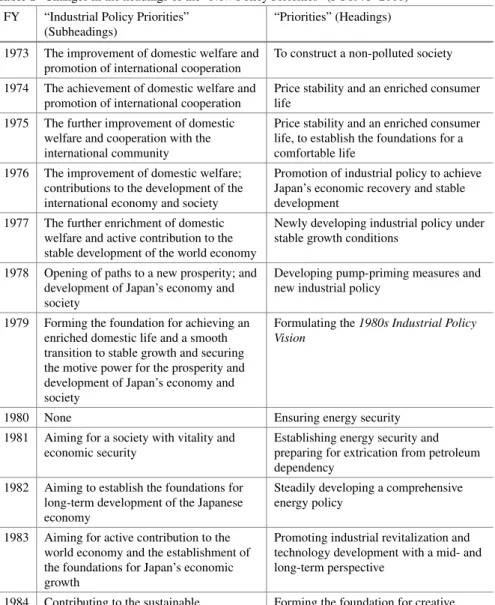
Toward a Shift in Industrial Policy
1977 The further enrichment of domestic welfare and active contribution to a stable development of the world economy. 1983 Aims to actively contribute to the world economy and establish the foundation for Japan's economic growth.
Emphasis on Free Trade and Deregulation
Nevertheless, MITI continued to promote the development of the Japanese economy while at the same time achieving a clear understanding of the new direction that Japan would have to follow in order to fulfill its international responsibilities. This approach did not change significantly even after the collapse of the bubble in the early 1990s.
Seeking Another Conceptual Shift at the End of the Centuryof the Century
Although industrial policy before the early 1990s indeed ultimately led to economic growth, this does not mean that the goal of the policy was economic growth itself. These were the various elements that led to a second phase in the change in the underlying principles of industrial policy.
Appendix to the Introduction
However, changes were rarely made to the content of the budget proposal and policy objectives. This reform appeared in the cases of top-down policymaking mentioned above.
Japan’s Industrial Structure: Forced to Change (1973–1982)
1 The Evolution of Japan’s Trade and Industrial Policy in the 1970s
Pursuing the Shift to a “Knowledge-Intensive” Industrial StructureStructure
The 1970 report was an early presentation of the framework that was further elaborated in an interim report by MITI's Council on Industrial Structure in May 1971 entitled A Vision for MITI Policy in the 1970s. The Interim Report listed five main tasks for the management of the industrial economy: (1) nurturing the overall development capacity of industry and the foundations for this development, (2) qualitatively improving the standard of living, (3) establishing a positive social and natural environment, (4) increasing the number of rewarding jobs and providing a comfortable working environment, (5) development of the Japanese economy in cooperation with the international economic community.
The Turbulent 1970s: The Nixon Shock and the Oil Crisis
Therefore, a new and ambitious approach was needed, even with regard to the promotion of technological development, not only to discover new industries, but also to increase the well-being of the people. The impact of the oil crisis reached every facet of daily life, prompting panic buying of essentials such as toilet paper and laundry detergent.
Policies on Industrial Structure in the 1970s
The Vision's conception of structural transformation ahead highlighted the machinery industries that would grow with heavy industrialization; it also envisioned a shift "from hard to soft," meaning a shift to industries that would contribute to consumer life and the development of a welfare society. Accordingly, internal measures were put in place to combat the ill effects of the higher yen, as well as energy policies.
2 The Vision of the 1970s and the Machinery and Information Industries
Toward a Knowledge-Intensive Industrial Structure and Machinery and Information Industry Policyand Machinery and Information Industry Policy
- The New Machinery and Information Industries Bureau
- From the Electronics and Machinery Industries Law to the Machinery and Information Industries Law
- Electronics Industry Promotion Measures
- Promoting Software Development
At a joint meeting of the Machinery Industry and Information Industry Committees in October 1977, as the Electronics and Machinery Industry Act was nearing its end, the Industrial Structure Council approved a report entitled "The Future machine and information industry direction and the formation of machine and information industrial policy.” The technical development plan for software production as described above produced programs based on four pillars: the “CPL-A language system”, the “program module/database system”, the “CPL-B language system” and “peripheral related technology and related tools.” These enabled greater efficiency in software design and manufacturing to improve software productivity and reliability.
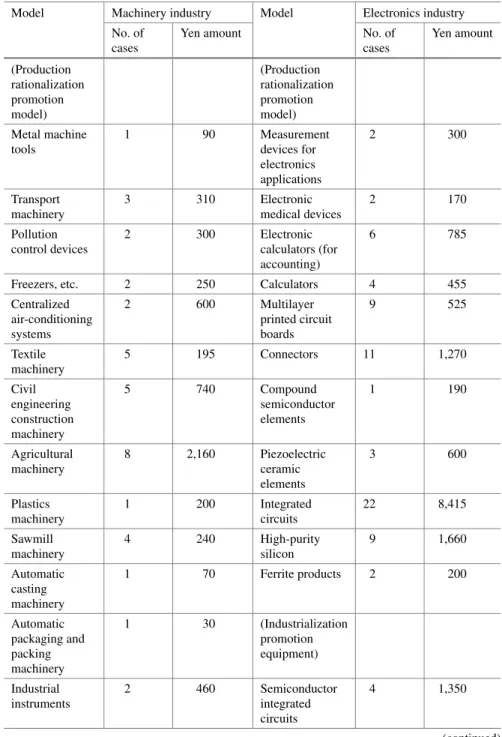
The Machinery Industry as a “Strategic Industry”
- Measures on Automobile Pollution and Electric Vehicle Development
- Measures to Promote the Industrial Machinery and Engineering Industries
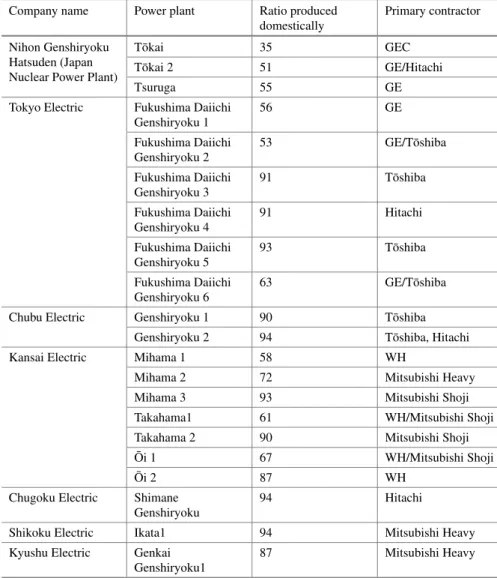
- Nurturing and Advancing the Nuclear Power Industry
- Promotion of the Aircraft Industry
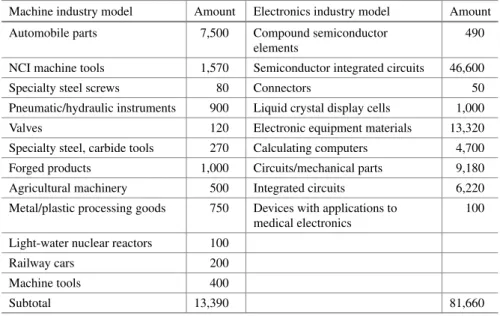
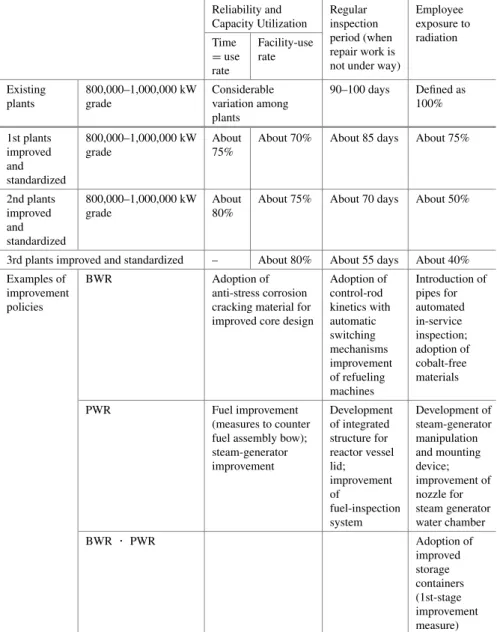
In November 1977, MITI established a Technical Round Table as a private advisory body to the Director General of the Machinery and Information Industries Bureau. The basic design of nuclear power plants involves immediate shutdown of the furnace when even small problems occur.
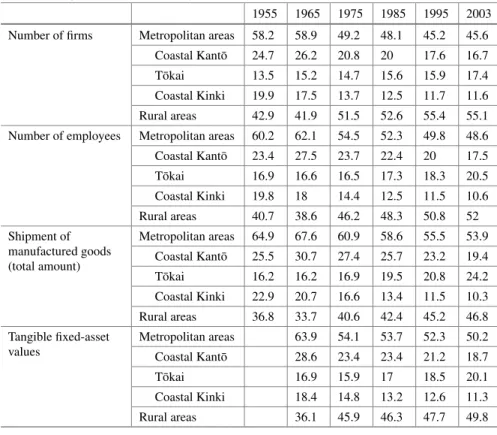
3 Industrial Relocation and Pollution Regulation 3.1 Promoting Industrial Relocation Plans
- Industrial Relocation Promotion Measures and Regional Recovery
- Adjustments to Industrial Locations and the Establishment of Infrastructure for an Industrial Environment
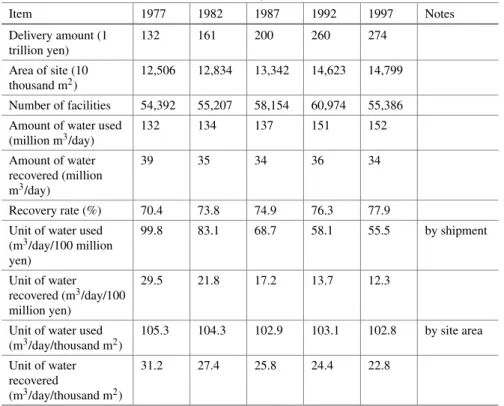
- Securing Industrial Water
- Strengthening the Regulation of Pollution
- Direct Regulation of Pollution: Air Pollution
- Direct Regulation of Pollution: Water Pollution
- Waste Disposal Law and Waste Management Policy
- Measures to Address Paper Waste
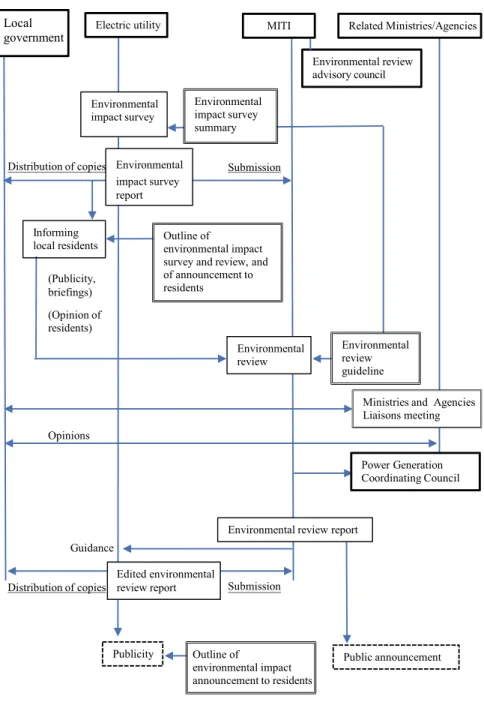
- Environmental Impact Assessment Legislation
- Expanding the Preliminary Surveys on Industrial Pollution
- Power Supply Sites and the Implementation of the Assessments The Cabinet Understanding, “Concerning environmental conservation measures
- Problems Concerning Environmental Assessment Legislation
- Strengthening Policies on Industrial Safety
- Promotion of Security Measures for High-Pressure Gas
- Measures to Prevent Mining Pollution
These concerns were consistent with the views that shaped MITI's cautious stance on enacting environmental assessment legislation. This was a political decision based on opposition from the business world and MITI to include them in the site assessment objectives.
4 The Challenge of Stable Energy Supplies and the Development of Industrial Technology
Responding to the Oil Crisis
The Two Basic Laws on Oil
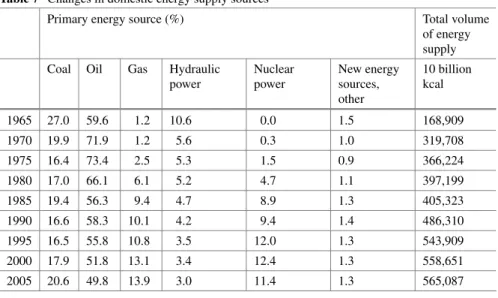
MITI evaluated the measures on supply and demand as a whole and determined the desired distribution of energy savings and of different supply options from the point of view of achieving a stable energy supply. This approach differed slightly from previous versions and represented a new philosophy aimed at securing a stable energy supply through diversification of energy sources and energy conservation.
The Basic Thrust of Comprehensive Energy Policy
Its basic goal was "to reduce dependence on imported oil and diversify non-petroleum energy as a basis for securing a stable energy supply." This rested on four conceptual pillars: (1) effective use of domestically produced energy and promotion of quasi-domestic nuclear power while spreading risk by diversifying Japan's overseas energy resources; (2) efforts to ensure the stable supply of oil, which will remain central to energy supply for the foreseeable future; (3) promotion of energy conservation to reduce the demand side of energy supply; and (4) promoting new energy development with a long-term perspective that extends beyond the 1980s. The following policies clarified the details: (1) developing domestic resources such as continental shelf petroleum, hydropower, and geothermal energy, stabilizing domestic mining activities, and promoting the development and importation of LNG and overseas coal; (2) development of nuclear energy and improvement of nuclear energy administration system; (3) strengthening the fundamentals of the petroleum industry and promoting oil reserves for 90 days; 4) securing the supply of secondary energy such as electricity and town gas; and promoting (5) energy conservation, (6) technological development and (7) international cooperation.
Formulation of an “Energy Strategy for the Twenty-First Century”
After reviewing the long-term energy supply and demand plan and the interim report on the comprehensive energy policy, the ministerial conference on 19 December 1975 agreed on a political draft entitled "Basic guidelines of the comprehensive energy policy". The first focused on construction. power plants that were not fueled by oil, and others on the diversification of industry's energy demand.
Electrical-Power Development and the Move Away from Oilfrom Oil
- Changes in Demand for Electricity and Issues in Electrical-Power Development
The policy was expanded in October 1971 with the establishment of a special subsidy system for power station locations. Power supply development thus lost some of its autonomy and instead became part of a wider policy coordination effort.
The Energy Conservation Act
These included: (1) the Electric Power Development Tax Act, which imposed a development promotion tax on general-purpose electric utilities, (2) the Special Accounts for Electric Power Development Acceleration Measures Act, and (3) the Act on the Development of Areas Adjacent to Electric Power Generation Facilities, which provided grants for the improvement of public facilities near power supply sites. The basic framework of the law included the creation of guidelines for the rationalization of energy use in factories, construction materials and machine tools, and guidance when necessary to ensure the implementation of the guidelines, but the measures with the strongest "left out. control” aspects.
Coal and Resources Policy
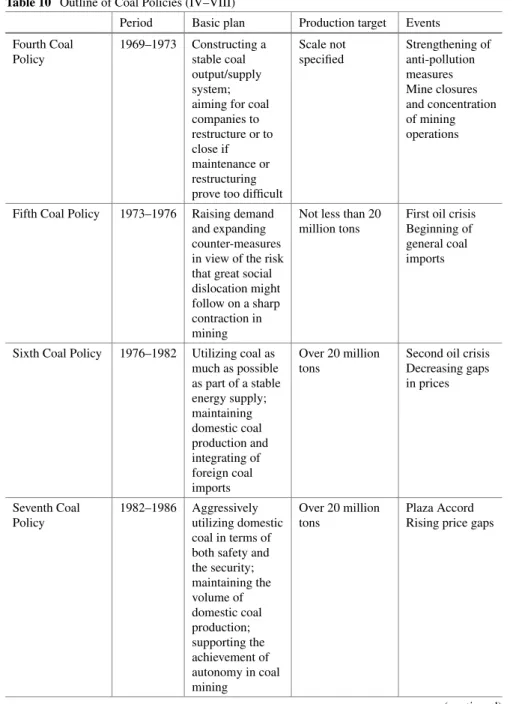
- The Development of Coal Policy
- Mineral Resources Policy
Post-Eight 1992–2001 Gradual reduction of domestic coal production to balance the declining economic role of coal and the burden it places on government, with the final phase of structural adjustment occurring in the 1990s. This was followed by the reorganization of the Agency for the Promotion of Metal Mineral Exploration with expansion in 1973 into the Metal Mining Agency of Japan (MMAJ).
Large-Scale Industrial Technology Development and the “Sunshine” and “Moonlight” Projectsand the “Sunshine” and “Moonlight” Projects
- An Emphasis on Basic Technology
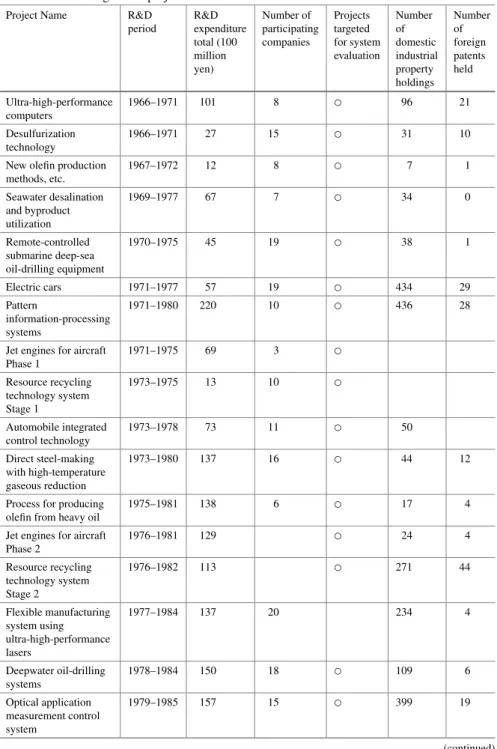
- The Large-Scale Industrial Technology R&D System
- The “Sunshine” and “Moonlight” Projects
- Grants to the Private Sector for Technology Development
- Patent Law Revision
A 1985 evaluation of the Large-Scale Projects by the General Coordination Division's Development Program Office concluded that they had four benefits. On New Developments in the Sunshine Project,” the August 1982 mid-term report of the Industrial Technology Trial/New Energy Technology Development Committee noted that there had been a gradual relaxation of oil supply and demand.
5 Policies to Address Structural Depression in Basic
There were four major revisions to the law, including revisions to renewal registration regulations.
Policies on Industrial Structure Adjustment (The
- Law on Temporary Measures for the Stabilization of Specific Depressed Industries
- Structural Improvements in the Petrochemical Industry
- Structural Improvements in the Textile Industry
- Structural Improvement of the Pulp and Paper Industry
In short, the report located the future of the textile industry not in the pursuit of modernization (in other words, the advantages of scale), but rather in knowledge intensity. The Special Textile Act was partially revised on the basis of the report and its name was changed to the Act on Extraordinary Measures for the Structural Improvement of the Textile Industry (Textile Act).
Measures to Modernize Distribution
- Establishment of Large-Scale Retail Store Law
- Revision of the Large-Scale Retail Store Law
- Approaches to Modernizing Distribution
- Policies to Promote Small and Medium-Sized Retail Businesses
- Revision of the Law to Promote the Modernization of Small and Medium-Sized Enterprises
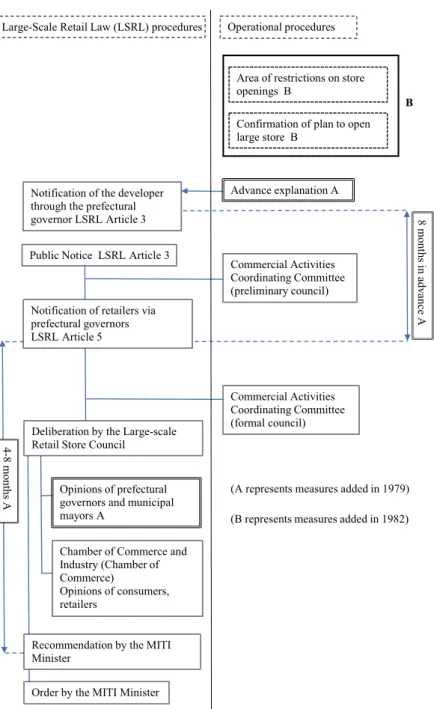
5 Procedures for processing store openings based on the Large Scale Retail Law (LSRL) (Ishihara 2011, p. 77). The Law Now—The Nature of Reconsideration of the Revised Law [Report of the Joint Meeting of the Industrial Structure Council, SME Policy Council]. In the case of the second type of large-scale retailers, replace "Minister of MITI" with "prefectural governors".
A New Emphasis on Quality of Life: Promotion of Consumer Protection and the Housing Industryof Consumer Protection and the Housing Industry
- Vision of the Household Goods Industry
- Establishing a Consumer-Oriented System
- Optimizing Business Transactions
After the passage of the Basic Law on Consumer Protection in 1968, related ministries and agencies decided to expand the administration of consumer affairs by increasing the budget for it. This resulted in the establishment of the Practical Living Information Online Network (PIO-NET) in December 1987.
6 Friction with Foreign Countries
Trade Imbalances and Negotiations with Europe and Americaand America
- US Criticism of Japan
- Full-Scale Trade Friction with Europe
While trade friction between Japan and the EC intensified in this way, the value of Japanese exports to the EC came to double that of the EC's exports to Japan, and Japan had a trade surplus of over $3 billion with Europe. As a result of the delegation's request on their return, government-level discussions were held in November 1976 between the EC Committee and the Ministry of Foreign Affairs.
Simplifying Import Procedures and Maintaining the Export Orderthe Export Order
- Efforts to Expand Imports
- Exploring Market-Opening Policies
- Simplifying Import Procedures
- Policies for Maintaining the Export Order
Interestingly, the Japanese side was clearly aware of the existence of a number of import barriers, even though it passively responded to external pressures by taking market opening measures. Images or other third-party material in this chapter are covered under the chapter's Creative Commons license, unless otherwise indicated in a credit line for the material.
The Global Responsibilities
1 Keynotes of the Japanese Economy and Trade Policy in the 1980s
- Fiscal Restructuring and Stable Growth
- Publication of the 1980s Vision
- Yen Appreciation and International Contributions
- Progress in Deregulation
Transforming the industrial structure required addressing expectations for both decline and growth. The rise of the yen in the second half of the 1980s brought new challenges to Japanese industry, starting with the basic materials industries.
2 Economic Superpower Status and International Contributions: Responses to Economic Friction
Japan–US Trade Friction and the MOSS Talks
Thus, deregulation was clearly positioned as one of the key points of administrative reform. A Third Administrative Reform Council was established in October 1990 and its first report, submitted in July 1991, confirmed the implementation of the final report of the Second Reform Council and stated that public regulations would be halved in number within 10 years.
Responding to US Super-301
Super 301 was said to be aimed at Japan, but in May 1989, the USTR designated India and Brazil, along with Japan, as "priority countries" of Super 301. In Japan's case, government procurement of supercomputers and satellites and technical import restrictions for forest products were singled out for negotiations. At the root of this problem was the decline in market share of the American companies that in the 1980s had dominated the world supercomputer market and the simultaneous increase in market share of the Japanese general-purpose supercomputers that had entered the market in the late 1980s. - them.
Japan–US Structural Impediments Initiative (SII) Talks
Negotiations on Specific Issue Areas Across Many Sectors
- The Issue of Voluntary Controls in Automobiles and Auto Parts
- Setting Numerical Targets for Semiconductors
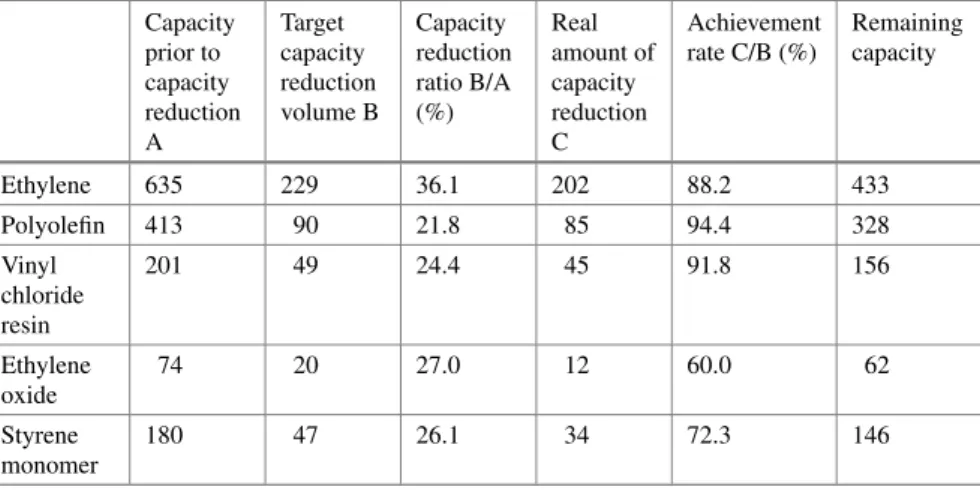
- Measures to Address Steel Industry Trade Friction with the US In the early 1980s, the US steel industry, whose profitability was deteriorating due
- Machine Tool Industry and Trade Friction with the US
- Japan-Europe Trade Friction and Negotiations
This limited imported products (not including semi-finished products) to 18.5% of domestic consumption and limited Japanese steel imports to the US to 5.8%. Meanwhile, Japanese steelmakers expanded their exports to Asia to offset the drop in exports to the United States.
Liberalization of the Domestic Market and Deregulation
- Market Liberalization
- Simplification of Standards and Conformity Procedures
- Advancing the Action Program
The March 1985 "Report" of the Government's External Economic Problems Advisory Committee" expressed regret that the six-phase market opening policy of. Further reforms of the standards and conformity system included: (1) reducing the number of targeted items, (2) promoting the shift from government certification to self-certification, and (3) eliminating or relaxing the number of planning and standard items.
Progress on the Uruguay Round Negotiations
- Moves to Opening a New GATT Round
- The Start of the New Round
- The Reduction of Tariffs on Industrial Goods
- International Agreement on Textiles and Clothing
- Issues in Trade in Services
- Japan-Related GATT Disputes
- Japan’s Economic Cooperation Policies and Asia
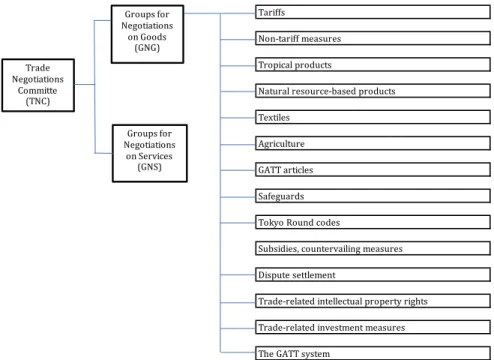
The results of the negotiations on the reduction of tariffs on industrial goods can be categorized as follows: (1) overall reductions, (2) sectoral approaches, (3) the treatment of high-tariff items and (4) developing countries. In the early stages of the negotiations that began in February 1987, the major countries exchanged various ideas.
International Harmonization of Intellectual Property RightsRights
- The Intellectual Property Strategy of the US and the Japan–US Problem in the 1980s
- The Uruguay Round and the TRIPS Agreement
- Revision of the Industrial Property Rights System
- Systematization of Software Protection
- Improvement of the Operational Foundations of the Intellectual Property System
Despite opposition from developing countries, the TRIPS Agreement was established on the basis of the adoption of the method of collective consignment in the Uruguay Round Agreement. Copyright approach.” In the discussions that took place from the 1970s, views on the patent approach were predominantly negative (Nakayama 2013, p. 266).
3 Coordination of Industrial Policy and the Antimonopoly Act
Coordination of Industrial Policy and the Antimonopoly ActAct
- Review of Guideline Methods
- Establishment of the Structural Improvement Law, Based on the Six Yamanaka Principles
- Establishment of the Law of Temporary Measures to Facilitate Industrial Structural Adjustment
- Creating New Industries and Improving the Business Environment
- Policy on Small and Medium-Sized Businesses Aimed at the Transformation and Integration of Operations
The new law will expand the number of target industries and will also include exemptions from the application of the Antimonopoly Act. This instruction was essentially based on the concept of "exemption from applicability" of the Antimonopoly Act.
Industrial Adjustment and Structural Improvement
- Structural Improvement of the Petrochemical Industry
- Conversion to Non-mercury Methods in the Soda Industry
- Structural Improvement of the Aluminum Smelting Business
- Structural Improvement Policies for the Electric Furnace and Ferrosilicon Industries
- Structural Reform of the Cement Industry
- The 1980s Vision of the Paper and Pulp Industry
- Introduction of Energy-Saving Equipment and Policy Support for Technological Development in the Steel Industry
- Conversion of the Textile Industry to an Advanced Industrialized Industry
- New Trends in Policies on Consumer Industries
- Promotion of Projects for the Development of New Housing
- New Issues in Distribution Policy
- Safety Improvements and Product Standardization
- Responses to the Growth of Service Industries
The corrugated fiber plan ended in June due to the repeal of the Industrial Structure Law. 6 History of housing technology development projects. Source Future Housing Industry Study Group [Kongo no Jyutaku Sangyo no Arikata ni Kansuru Kenkyukai] 2008.
4 Promotion of Domestic Demand and the Vitality of the Private Sector
Towards an Advanced Information Society
- Problems in the Liberalization of Data Communications
- Establishment of the Basic Technology Research Facilitation Act
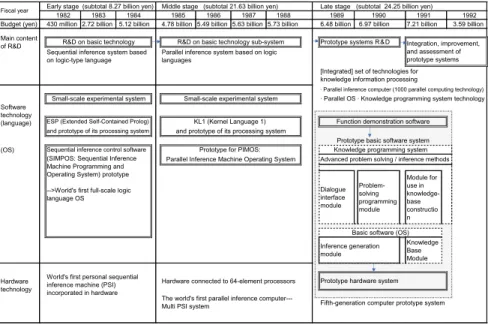
- Promotion of Fifth-Generation Computer Development Project
- Turning to International Cooperation
- Promotion of Unmanned Factories and the Robot Industry
- Quality Assurance for Nuclear Equipment
- The YXX Plan and Joint Development in the Aircraft Industry
- Exploring Space Industry Policy
The development of the fifth generation computer was addressed in the new policy of 1979 and the concept was refined on the basis of a three-year examination of the plan. One of MITI's policy emphases regarding industrial machinery in the 1980s was promotion of the robot industry (Hasegawa 2013, p. 208).
The Challenge of Next-Generation Technology DevelopmentDevelopment
- The Establishment of a New Research and Development System for Next-Generation Industrial Basic Technology
- Fostering Bioindustry
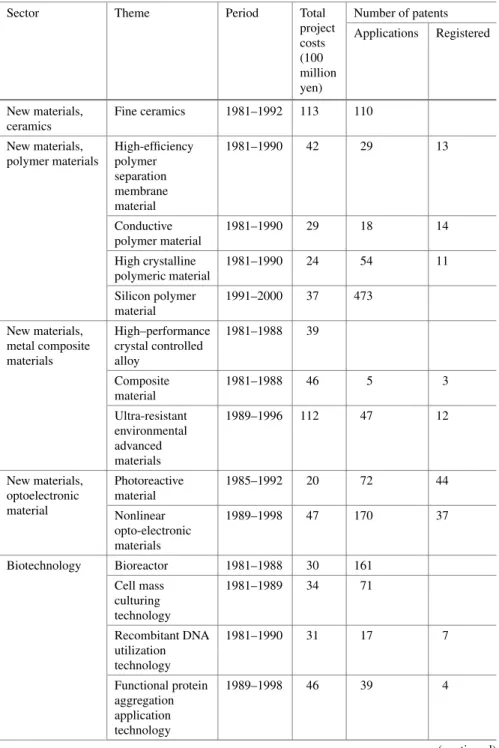
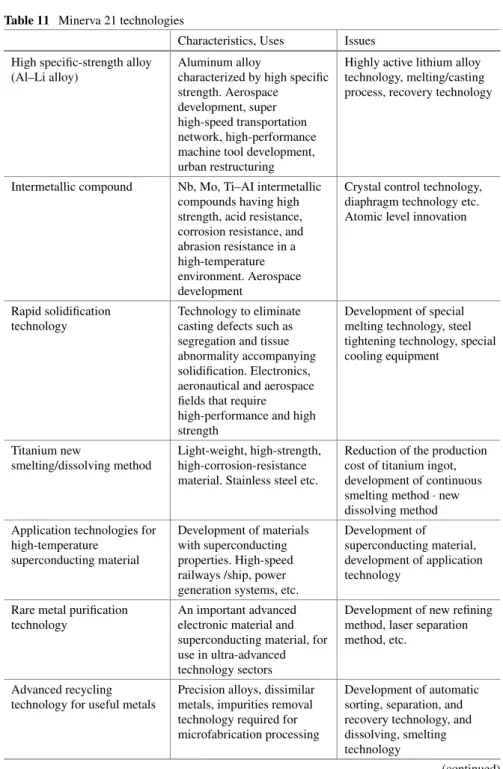
- Development of New Materials
- Grant Aid for Private-Sector Technology Development
With the expansion of the above-mentioned policy support, Japanese R&D expenditure increased in the 1980s, mainly in the field of advanced technologies. The makers continued to develop new materials through the 1970s through the establishment of laboratories and production and processing facilities, and by 1984 the excitement was so great that it was dubbed "Year One of the New Age of Materials".
New Regional Development Policy
- Development of a New Location (Siting) Policy
The Technopolis Plan ("Technopolis Plan"), which was the first under the new policy, was based on the March 1980 report of the Industrial Structure Board entitled "On the Nature of Trade and Industrial Policy in the 1980s." The report called for promoting the introduction of the latest technology industries and raising the technological level of existing regional companies. The purpose of this law was to promote industrial development based on advanced technology, mainly by local governments and enterprises in regions that did not have a high degree of industrial concentration, and to contribute to the revival of regional economies and the balanced development of the national economy.
![Fig. 1 VLSI research lab achievements and personnel. Soruce [II-7, p. 627]](https://thumb-ap.123doks.com/thumbv2/1libvncom/9202057.0/38.659.87.574.85.356/fig-vlsi-research-lab-achievements-personnel-soruce-ii.webp)
![Fig. 2 Changes in air pollution substance concentrations (Takeda 2011, p. 219). Sources Environ- Environ-ment Agency, Kankyo hakusho [Environment White Paper]](https://thumb-ap.123doks.com/thumbv2/1libvncom/9202057.0/51.659.87.528.528.736/changes-pollution-substance-concentrations-sources-environ-environ-environment.webp)