I declare to the best of my knowledge that the following statements are true and correct. I would like to express my gratitude to the following people who have made it possible to complete this document successfully and on time.
CHARACTERISTICS OF AFM HOLDINGS & AUTOMOTIVE INDUSTRY_89
ISSUES 99
PHASE 3 - DEVELOPMENT OF XCHANGE (AUT0S0LUTI0NS.COM) 105
LIST OF TABLES
Nature and history are not only about the survival of the fittest, but also about the survival of the wisest, fittest, and most aware." As far as I'm concerned, the organizations that are best suited to the new age of the Internet and adopt e-business models/strategies effectively with sound business principles will organizations be able to compete effectively in the 2020s.
EXECUTIVE SUMMARY
ECTION %JNE
CHAPTER ONE
The objective of the project is to develop a Business Strategy for A.F.M Holdings taking into account the opportunity that e-Business offers. The purpose of the questionnaire was to assess the e-business readiness of various stakeholders in order to ascertain what the impact of certain strategies would be on the industry from a macro point of view, and at the same time to gather further information about with the industry. dynamics.
STRATEGY
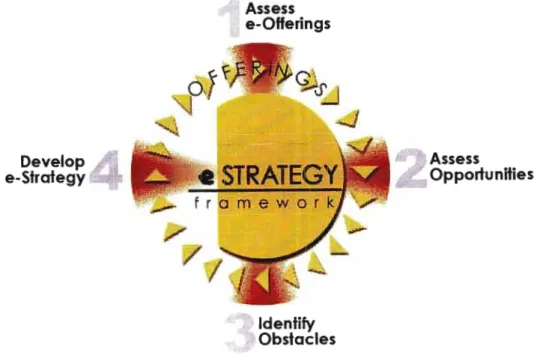
In order to develop any strategy, it is crucial that the understanding of the obstacles that may arise is thoroughly tested and discussed with themselves and industry stakeholders, to fully understand the implications of the e-business strategy. To proceed with the e-strategy framework, the reader must develop a necessary understanding of e-business so that they can understand the basics of this thesis.
ECTION1 WO
CHAPTER TWO
Eliminating waste in the supply chain through accurate forecasting and timing also contributes to bottom line savings. 34; Supply chain automation has enabled Tesco, the UK's largest supermarket group, to shift its focus to improving customer relationships.
ECTION M HREE
N%JVERVIEW
OF THE
CHAPTER THREE AUTOMOTIVE OVERVIEW
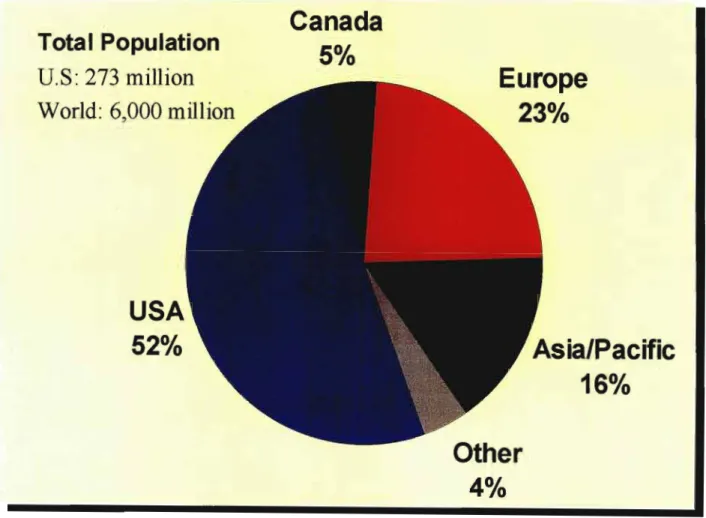
The company's main activity was then and still is the production and distribution of oil, air and fuel filters for the automotive industry. Although the company's shareholding is based offshore, the company is essentially South African.
HOLDINGS (PTY) LTD
F.M. FILTERS (PTY) LTD
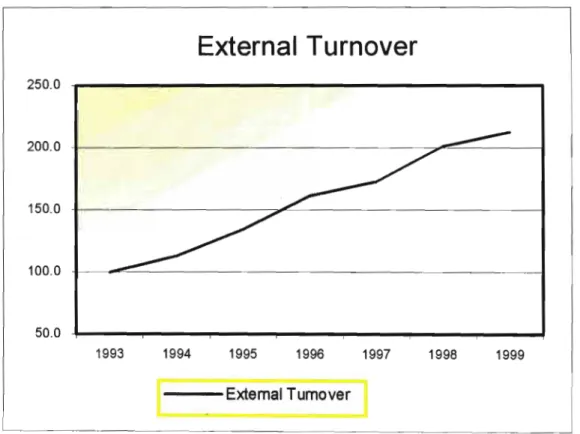
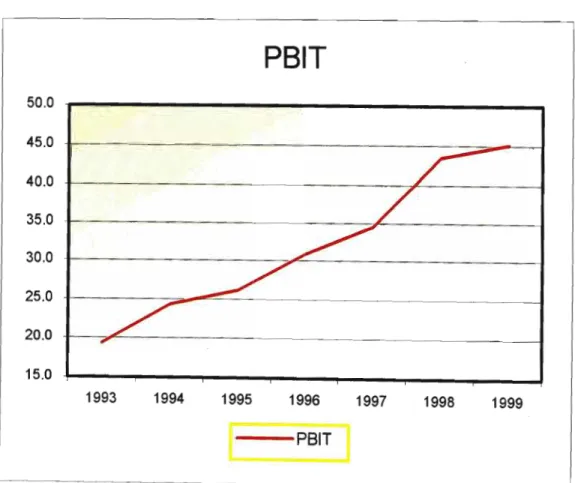
Foreign turnover and earnings before interest and taxes (PBIT) are shown below for the financial years 1993 to 1999 (Table 1; Figures 5 and 6). PBIT was chosen as opposed to profit before tax (PBT) as the interest is a nominal interest based on various criteria that are not necessarily related to the funding needs of the department.

PBIT
The seven-year review of external turnover and earnings before interest and taxes reveals a growth trend that has outstripped inflation over the period, while maintaining margins at the same time.
CHAPTER FOUR
New technology allows cabin air filters to be fitted to vehicles, filtering air entering the vehicle's cabin. In addition, the metal end caps currently in use must be thoroughly degreased, often using environmentally unfriendly chemicals such as trichloroethylene.
CHAPTER FIVE
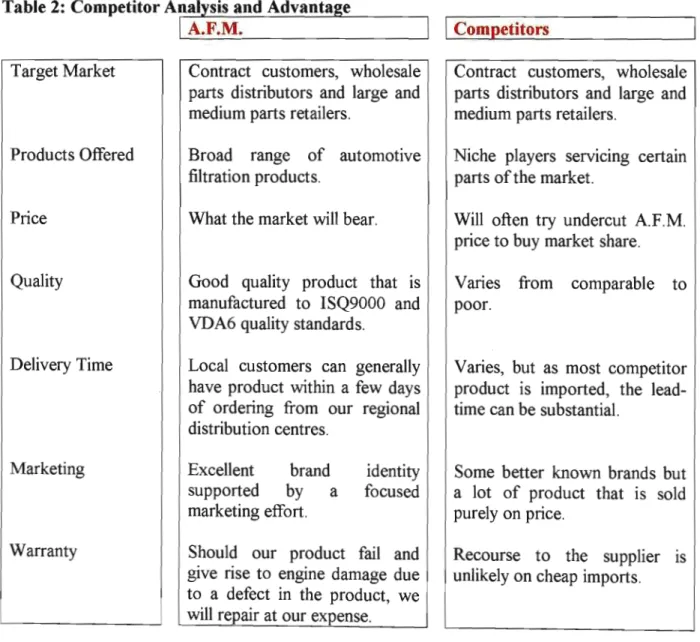
High capital requirements in terms of plant and machinery will have to be invested; access will need to be obtained to international filtration technology either in the form of a license agreement or equity interest; the new entrant will have to break into the auto parts distribution network which. New entrants who do not manufacture in South Africa will not face the first two setbacks, but will still have to face the other barriers mentioned. The rivalry between competitors is considered moderate to low due to the dominant position A.F.M.
The Filters Division is in a very strong position in the domestic market and should be able to continue in this dominant position provided the right strategy is followed. It is unlikely, given the dominant position in the domestic market, that additional large orders can be obtained in the domestic market.
CHAPTER SIX
Local customers can generally have product within a few days of ordering from our regional distribution centers. I will discuss the marketing message in the traditional format of defining the marketing mix in terms of the "Four P's" - Product, Price, Place and Promotion. The product description, qualities, guarantees, brand name, etc. have already been discussed in previous parts of the business plan.
For example, large wholesale distributors will be invoiced at list price with a deduction of 8% for orders at maximum volume breaks and will additionally receive a 20% settlement discount for settlement of the account within 30 days from the settlement date. Marketing of the product to potential customers as well as existing customers takes place through a coordinated marketing effort.
CHAPTER SEVEN
For example, they use a facility in a nearby township, which provides work for disabled members of the community to assemble waste valves used in spin-on filters. A model inventory for each part number is set up in the sales forecasting software. To do this, one must have confidence in the accuracy of the sales forecast as well as the ability of the factory to produce on schedule.
The supplier with the lowest offer is generally awarded 75% of the business, while the supplier with the second lowest offer is awarded 25% of the business. There is very little flamboyance or expenditure on luxury despite the very successful nature of the business.
CHAPTER EIGHT FINANCIAL
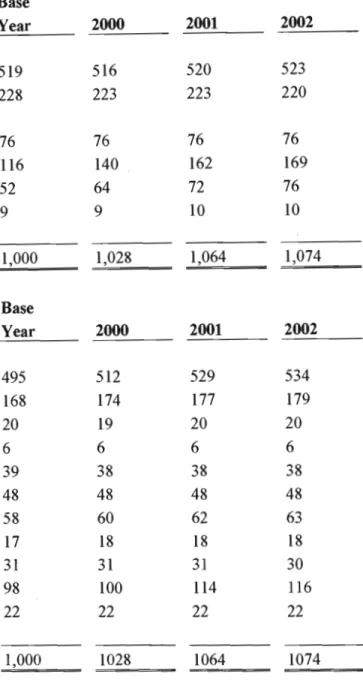
Unit sales were projected forward for the next few years by product and customer group. To simplify the schedules included in this business plan, I have summarized these projections by common customer groups and by product (Table 3). Due to the relatively weak economic environment that has prevailed in South Africa over the past year, it is not expected that there will be much growth in the local market for the year ending 30 June 2000.
As mentioned several times in this business plan, future growth is considered to be exports. Products likely to show the greatest growth over the 3-year period include spin-on, plate and cartridge.
CHAPTER NINE
FINDINGS, OBSERVATIONS AND ISSUES
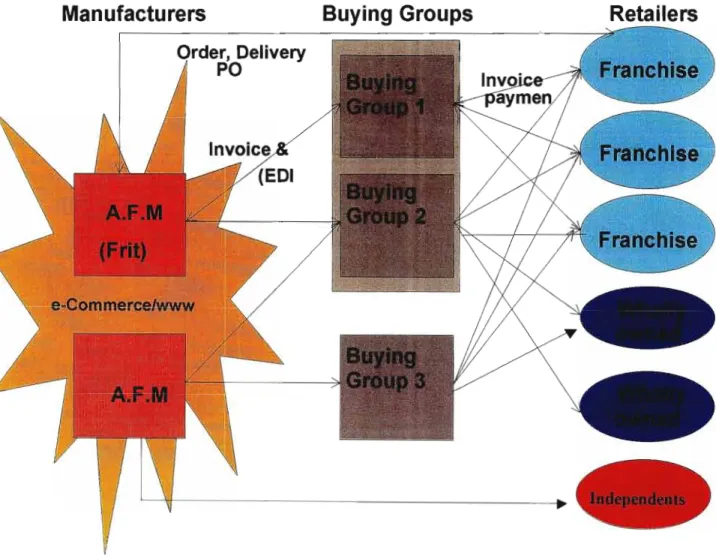
Collaboration on industry market research data and sharing of best practices among industry players. Within most industries and supply chains, intermediaries or agents are involved in the supply chain process. This is clearly seen in the auto parts industry and I have illustrated the problems prevalent within the industry.
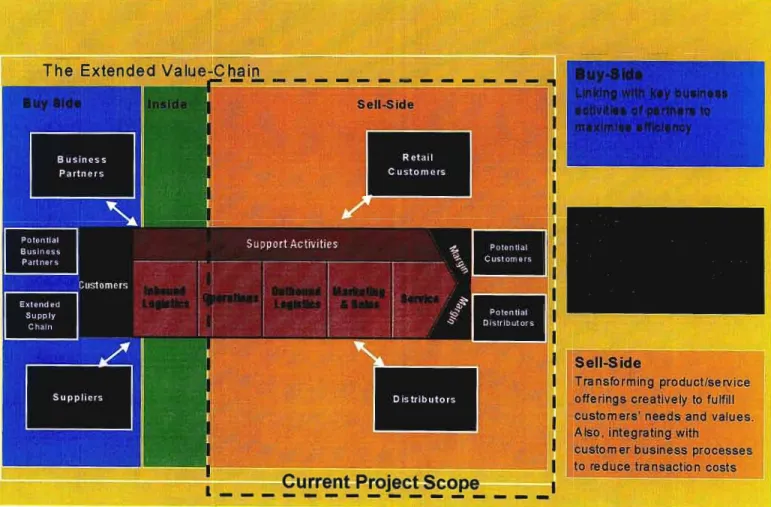
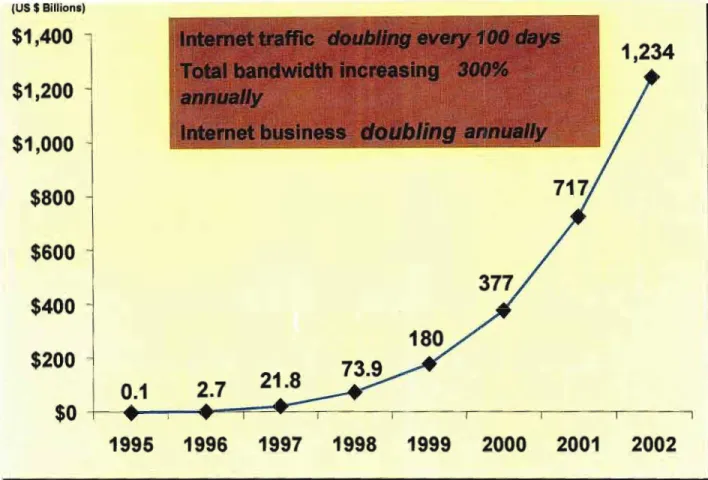
An understanding of the value chain is necessary to identify the value that the many actors in the supply chain add to the final product. The fact remains that the real growth of e-commerce will be in the business-to-business (B2B) market.
CHAPTER TEN
Prices and information regarding the end customer were not available for the manufacturers and the product - although the product from A.F.M. Another disadvantage is the persistent threat of parallel imports from the middlemen or their franchisees. Although there is a certain amount of exclusivity contracts between the purchasing groups and the manufacturers, the middlemen and even more so.
Finally, e-business is about adding value to the customer through a shortening of the supply chain and an increase in the value chain. The organizations that do not add value to the supply chain effectively stay in business by adopting this strategy.
CHAPTER ELEVEN
BUSINESS CASE 2: A NEW BUSINESS MODEL (Radical)
F.M Holdings
TRA TEGYMECOMMENDA TION
CHAPTER TWELVE
The features of AutoSolutions.com are discussed in terms of industry players, technology and then an in-depth analysis of the benefits and issues that can be expected when implementing AutoSolutions.com. Where it differs from the previous strategy (radically) is the fact that in this case the collaboration will be sector-wide and encompass the entire sector. In short, AutoSolutions.com's features will be potentially non-disruptive to the entire industry.
Instead, individual participants will be able to further develop their own brands by using AutoSolutions.com's value-added services. Catalog ordering is available to all industry players and can be searched by part number, attributes or design.
CHAPTER THIRTEEN
WAY FORWARD
Phasel: Set up e-commerce transacting facility (non-disruptive)
Once this assessment has been performed for A.F.M., the e-business team should perform a similar e-business readiness assessment as performed for this task of potential trading partners/customers. The reason for this is because of the value-added component that buying groups currently add to the value chain. At the same time an assessment of the e-business readiness of the "collaborating" partners should be undertaken.
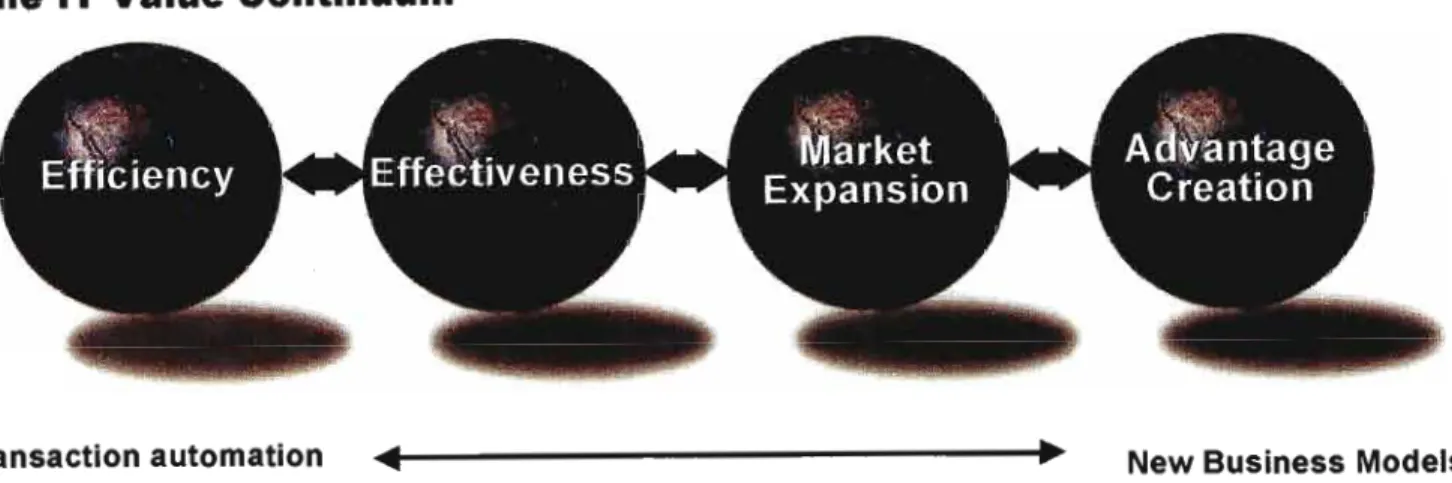
Both phases 1 and 2 are non-disruptive in their implementation in terms of supply chain and industry value. Below is a summary diagram (Figure 19) that describes the Phases and their impact on the industry's supply chain and value chain.
ONCLUSION
CHAPTER FOURTEEN
CONCLUSION
Each company must decide to what extent e-Business will be used to change the way they do business, from simple automation of their current business model to radical business model transformation. 34;Most companies don't die because they are wrong; they die because they don't commit.
BIBLIOGRAPHY
Roddy, D., The New Transaction Economy: The Evolution of Unique e-Business Internet Market Spaces, New York: Deloitte Consulting, May 1999. . fhtt.p://www Hr com/services/e business/transactions,asp). Roddy, D., The New Economics of Transactions: Evolution of Unique e-Business Internet Market Spaces, New York: Deloitte Research, May 1999. http ://www. d.c. com/services/e_business/transactions. asp).
WEB REFERENCES
AUTOMOTIVE WEB REFERENCES
GLOSSARY OF TERMS
APPENDICES
- Can your product (service), or parts thereof, be digitally delivered?
- Are there complimentary goods or services demanded by your customers that you currently
- Is paying a major portion of the purchase transaction? (An example of this would be that in order for a product to be purchased it would have to have a cheque requisition and other admin
- Are your products paid for with cash, credit card, and electronic funds transfer or purchase
- Would your customers be willing to pay via EFT (Electronic Funds Transfer)?
- Are your customers the ultimate consumers ofyour product or service?
- Are your customers technically savvy? (Give examples such as they can browse on the Internet, or they use a computer in their everyday office environment, or they have no
- Are your customers demanding Internet access to your company, products or ordering
- How often do your customers repeat purchase? How similar are the purchases each time?
- How integral to your product or service delivery is data collected on customer behaviour and
- Does your company experience relatively high turnover? (This is concerned with customers, and therefore the objective of this question is to ascertain whether the same customers
- How is your company viewed by the market? For example, do your customers purchase from you because ofthe quality or price of your product or the service that you provide?
- Have there been major new competitors for your customers in the last 5 years? If yes, what
- Are your competitors relatively more internet-enabled than you?
- Do you see well-known web-portals as potential competitors for your customers?
- What are your current strengths, weaknesses compared to your competitors?
- Have you identified any opportunities for your organisation or are their any perceived threats
- Is collaboration a part of your current culture, or is there a high level of competition between
- Would you describe your organisation as innovative and easily susceptible to change and improvement in the business environment? (Find out how proactive the organisation is with
- Is your compensation structure setup to incentivise change, improvements and performance?
- Ask interviewee to explain how they see their value-chain (from diagram supplied by us)
- Does your company currently have the skills required to succeed in e-Business? (The interviewer must give examples of some of the skills required by a firm to succeed in e-
- Are there any legal implications of conducting your business over the Internet, such as
Are your products paid for by cash, credit card and electronic funds transfer or purchase. For example, do your customers buy from you because of the quality or price of your product or the service you provide. you because of the quality or price of your product or the service you provide. Have there been any major new competitors for your customers in the last 5 years? they took advantage of the market gap.
Ask the interviewee to explain how they see their value chain (from the diagram we provide). How integrated is your organization in the value chain? . g) How active are the other players in the value chain online?