There is little research documenting teachers' experiences in implementing the HIV/AIDS curriculum. These statistics underline the central position young people occupy in the HIV/AIDS epidemic in South Africa (Whiteside 1998; Louw et al 2001:3).
The focus and context of the study
The purpose of the study
Critical Questions
Rationale for the study
Policies informing this study
Moreover, the election of a democratic government and the consequent adoption of the new Constitution ushered in a new chapter in the history of our country. In fact, this vision translated into the birth of the Implementation Plan for Tirisano that embraces the spirit of 'working together' (Implementation Plan for.
HIV/AIDS
Nine priorities were identified and a time frame of five years was set within which they would be realised. These priorities were further reorganized into five core program areas in the implementation plan, viz.
Awareness, Information and Advocacy The main thrust of the above project is to
Indeed, the priorities were the basic building blocks for the development of a fully functioning education system to propel South Africa into the 21st century and contribute to the general health and prosperity of the nation as a whole (Implementation Plan for Tirisano 2000:7).
HIV/AIDS within the curriculum Project two's central aim is to
HIV/AIDS and the education system The main goal of Project 3 is to
- Scope of the study
- Significance of the study
- Limitations of the study
- Outline of the chapters
A member of the School Management Team (Head of Department who also taught Life Orientation in the Intermediate Phase). It also describes and explains the research methodology used in the data collection and subsequent analysis of the study.
Literature Review
- Introduction
- HIV/AIDS -The disease
- HIV/AIDS and education
- The nature of HIV/AIDS education
- Gender and HIV/AIDS
- The influence of the media and its significance on HIV/AIDS
- HIV/AIDS and Life skills education
- Who should provide the education?
- Conclusion
A critical aspect of the study was the fact that relatively few respondents practiced safer sex. The other strategy involves aggressive detection and treatment of co-morbidities such as STIs that increase the risk of HIV/AIDS infection. The implications of the above reasons translate into the fact that the 'open' context for teaching and learning will be compromised.
The Department of Education (1999:11) states that a school's HIV/AIDS implementation plan should take into account the behavioral, social and cultural context of the specific community it serves.
3.1 Introduction
The interpretive paradigm
Bleicher in Cohen et al (2000:69) is quick to point out that while one can access other human beings through indirect means, for example, gestures, sounds and actions, it is only in the process of understanding that "we make the leap from external signs to inner inner life". Moreover, in trying to gain a sense of the other's social reality, the interpretive researcher must take into account individual motives even if they seem irrational, carry deep emotions and contain false facts and prejudices (Neuman, 2000:70).He does not attempt to be value-free, as it is believed that it is only through empathy or sympathetic participation that the researcher can adequately understand the emotional context within which he is an action occurred.
It is therefore imperative that the interpretive researcher dig deep to discover unique facts and add them to the existing body of knowledge if one seeks to represent a part of reality that is rooted in the direct experience of everyday life ( Cohen et al 2000:11). .
The approach
It strives to understand the 'subjective world' of human experience (their interpretations of the world around them). This can best be achieved through the use of qualitative research techniques that translate the individual experiences of educators into predetermined and predefined categories for questioning. Operating within the interpretive paradigm, obtaining a rich and detailed description of the educators' experiences with teaching HIV/AIDS education can best be achieved by using the qualitative approach.
The qualitative approach possesses the elements for this research as it aims to unravel and interrogate the individual experiences of the teachers responsible for providing life orientation in primary schools.
Research method
A qualitative methodology would facilitate greater access to data about their daily experiences in teaching life orientation. 34;interviews", in order to explore in as much detail as possible the experiences of the research participants in their role as educators of life orientation in school. It is about showing rich and vivid descriptions of events relevant to the case.
Essentially, the case study would help me in detail to see the situations through the eyes of the participants and provide a platform for in-depth exploration and analysis of their daily engagement with issues such as: sexuality, sexuality. abuse and HIV/AIDS-related matters.
The context
Geertz claims in Cohen et al. that 'case studies aim to portray 'what it is like' to be in a particular situation, to capture the up-close reality and 'thick description' of participants' lived experiences, thoughts about and feelings for , a situation.'. It focuses on individual actors or groups of actors and tries to understand their perception of events. They have a strong grasp of reality and can provide insight and help with the interpretation of events.
Alcohol, drugs and child sexual abuse are widespread and have contributed greatly to the social breakdown of the community.
The sample
Instrumentation
- Interviews
- The Survey
Cohen et al. define focus group interviews as 'contrived settings, in which a specifically chosen sector of the population is brought together to discuss a particular theme or topic, where the interaction with the group leads to data and outcomes.' Regarding the ethical dimension of the study, research participants were assured of confidentiality prior to the interview process. In terms of survey design, self-administered questionnaires were formulated to measure respondents' actual knowledge level of HIV/AIDS-related information.
These respondents participated in the study on the basis that they were all responsible for the formulation and development of the school's HIV/AIDS policy.
Data analysis
All the respondents from the same school site that participated in the study, namely the rest of the staff, consented to participate in the study after being briefed on the nature of the research. As a novice researcher, the above procedures guided me and kept me on track with the critical questions and objectives of the study.
Conclusion
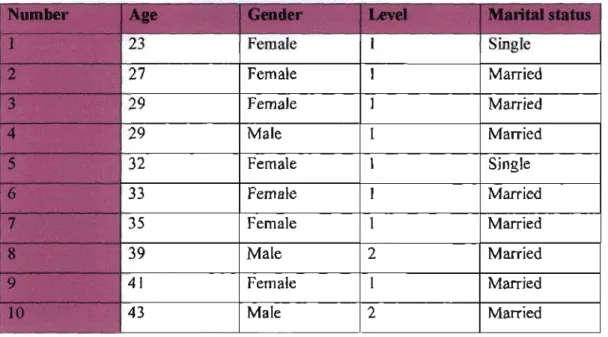
This chapter provides a synoptic overview of the survey participants' responses to understand their participation in HIV/AIDS education in primary school. This chapter will first present the biographical details of the respondents and then discuss the results obtained from the SMT member, followed by the results of the interviews of the three Life Orientation educators.
Biographical details of respondents
The analysis of this chapter will be conducted as the data are presented and the theoretical support for the analysis will be integrated into the process. 34;What are the gaps/silences that exist in teaching HIV/AIDS education in schools?”. To answer the above critical question, data was collected through personal interview using a semi-structured interview schedule with the head of department of the model school.
The questions in this interview focused on participation in HIV/AIDS workshops, the involvement of the local community in the fight against HIV/AIDS, the inclusion of sex education in the curriculum and the design of the school's HIV/AIDS policy.
Discussion of responses with (SMT) member (see appendix A)
The SMT was convinced that the workshops were beneficial for both students and teachers in terms of raising awareness of the causes and prevention of HIV/AIDS transmission. In response to the question “Have you involved the local community in workshops related to HIV/AIDS. In terms of policy issues, the maintenance substitution treatment response was that the school had an HIV/AIDS policy developed by educators.
On the issue of HIV/AIDS workshops for educators, the SMT claimed that the only workshops related to HIV/AIDS were those conducted for the drafting of the school's HIV/AIDS policy.
Discussion of responses with the focus group (see appendix B)
In fifth grade, the respondent claimed that students were taught about their bodies and then given knowledge about HIV/AIDS transmission and prevention. All three respondents expressed the positive impact that the HIV/AIDS curriculum has had on their students. To the question "Which aspects of the curriculum should be excluded and why?" all three respondents argued that nothing dealing with HIV/AIDS and sexuality education should be excluded from the current curriculum.
A fictional case study was read to three respondents to understand how context shapes their teaching of the HIV/AIDS curriculum.
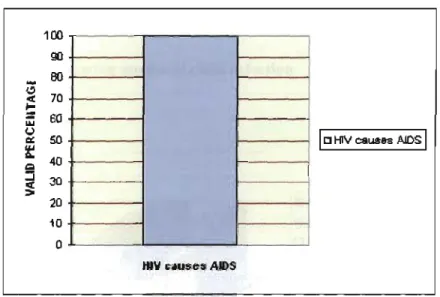
Responses to questionnaires (see appendix C)
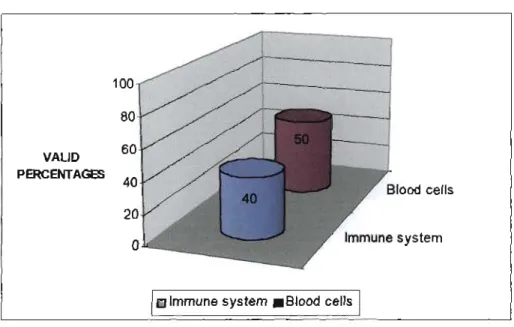
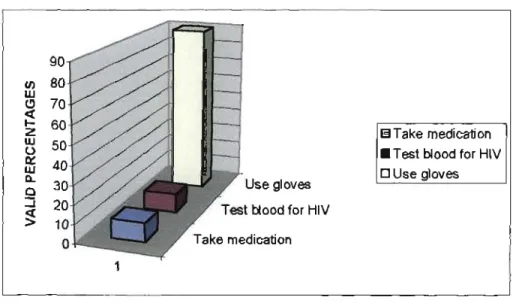
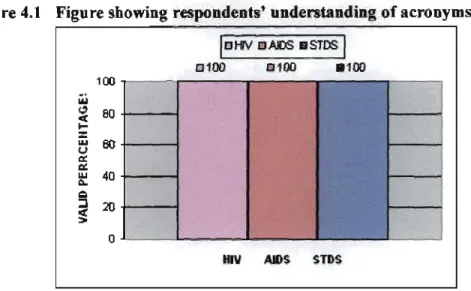
We told them that it was the Ministry's request to include HIV/AIDS education in the curriculum. Domestication of the subject: HIV/AIDS was limited exclusively to the study area Life Orientation. Data from the study revealed that the teachers' level of knowledge about HIV/AIDS education was very superficial.
What gaps/silences exist in the teaching of HIV/AIDS education in schools.
Recommendations
South African education policy expects that HIV/AIDS education should be effective and relevant to students. Respondents offered ideas about misconceptions that existed among students, which was consistent with Latham's (1992) view that there is a high level of misconceptions about HIV/AIDS among many individuals.
Conclusion
As such, the HIV/AIDS curriculum provides an effective and integral platform for dialogue, debate and intervention regarding abuse, the status of women, patriarchal power, women's reproductive choices and women's right to freedom of choice in sexual relationships; This ensures that these issues are brought to the fore rather than sidelined and subsumed within a broader human rights framework. HIV/AIDS and the education sector: the foundations of a control and management strategy in South Africa. Young women's access to reproductive health services in the context of HIV in Agenda 53.
HIV/AIDS: care and support for affected and infected students, a guide for teachers, Pretoria: Directorate of HIV/AIDS and Sexually Transmitted Diseases, Ministry of Health.
APPENDIX A
APPENDIX B
INTERVIEW SCHEDULE FOR THE FOCUS GROUP INTERVIEW WITH 3 LIFE ORD2NTATION EDUCATORS
APPENDIX C
EDUCATOR QUESTIONNAIRE
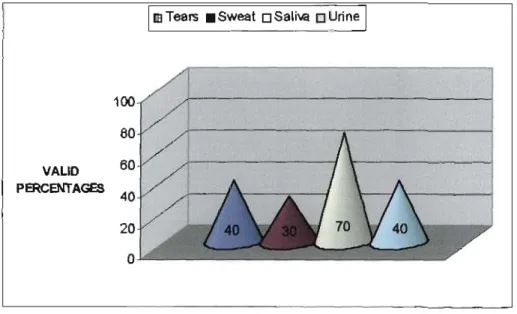
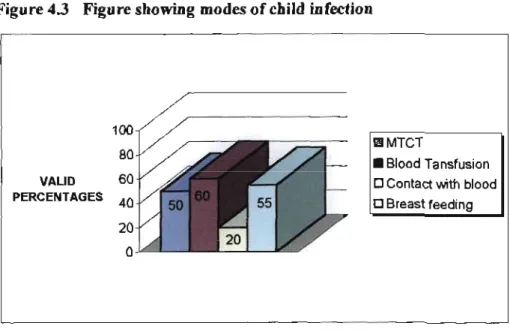
Rank the following modes of transmission of HIV/AIDS in children (0-10 years) in order of greatest risk. Rank the least infectious bodily fluids in order of least risk of HIV/AIDS transmission. In order of importance, rank two popular myths often cited about HIV/AIDS transmission.
GLOSSARY
Immune system A complex array of cells, chemical factors, and processes by which blood cells called lymphocytes respond to and eliminate foreign substances or substances in the body's tissues. Kaposi's sarcoma is a cancer often associated with AIDS in which slow-growing tumors in the blood vessels cause red to violet spots on the skin's surface that eventually become purple-brown nodules. The vision for Life Orientation is to facilitate individual growth to contribute to the creation of a democratic society, a productive economy and an improved quality of life in society.
Peer refers to any individual, other people of similar age and status in the community, peers or colleagues.