Foreign attention to Zambia and Sata's rhetoric was linked to a number of high-profile events involving Chinese people in Zambia. These nuances raise the question to what extent the image of Zambians' perceptions of Chinese people in their country, as presented in the media and in some academic publications, reflects the views of the wider population and the situation on the ground . However, to this author's knowledge, a comprehensive qualitative research of Zambian people's perceptions of Chinese people in Zambia has not yet been conducted.
But the questionnaire survey provides an in-depth and qualitative picture of Zambian views of the Chinese. The Zambian respondents answered the following two open-ended questions: "What positive impact does the presence of Chinese in Zambia have on Zambia?" and "What negative impact does the presence of Chinese in Zambia have on Zambia?". Almost half (48.7%) of the positive statements focus on the contribution of the Chinese to the development of Zambia and the Zambian economy.
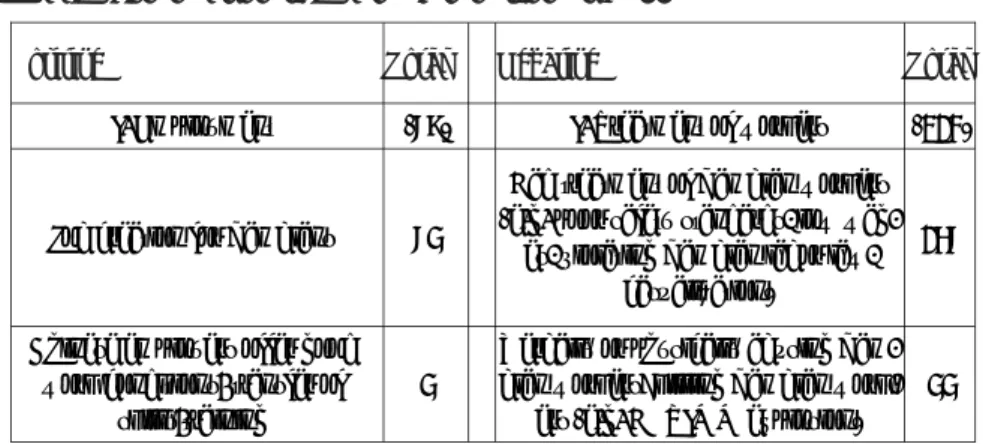
Another major area of complaint is the moral behavior of the Chinese in Zambia; 22.7% of complaints referred to this category. The questionnaire also included two questions about the impact of the Chinese presence on the individual: "What positive impact does the presence of Chinese in Zambia have on you, your family and friends?" and "What negative impact does the presence of Chinese in Zambia have on you, your family and friends?" Table 2 lists the results. The Chinese are competing with my family member/friend's business and/or negatively affecting their business.
It is important to be aware of these indirect positive and negative factors as they can significantly influence the perception of Chinese in Zambia.
Anti-Chinese prejudice?
From these indirect effects one can also learn that many respondents do not tend to make a distinction between what is "good/bad" for Zambia and what is "good/bad" for the individual respondent (or for his friends and family members). Although two-thirds of the 155 respondents expected to like “none” or “a few” Chinese people in Zambia, nearly fifty percent expected to like less than half of the Chinese people in Zambia. This implies that although there is no real dislike for Chinese people among the respondents, it cannot be argued that there is also a general fondness for them.
Although there is grievance and resentment about the Chinese people among Zambian respondents, there are also substantial reasons to believe that this resentment should not be interpreted as sincere anti-Chinese prejudice. Ashmore (1970) defines prejudice as "a negative attitude toward a socially defined group and any person who is perceived to be a member of that group" (p. 253). If we strictly apply these two somewhat authoritative definitions, then negative attitudes, antipathy and wrong generalizations of the Chinese people were certainly found among the Zambian respondents.
First, in two other questions on the survey, when asked about the impact of the Chinese presence on Zambia, 14 percent lean toward a negative impact and 53 percent lean toward a positive impact (for 33 percent, it's both positive and negative). . When asked about the impact on the individual respondent and their family and friends, 15 percent tended toward a negative evaluation and 47 percent toward a positive evaluation (for 37.5 percent, the impact is both positive and negative; one answer was missing for this question). Second, 78.6 percent of respondents in two additional questions reported that Zambia would be "not at all" or "not really" better off if all Chinese left the country.
Third, the most pressing issues for the Zambian respondents are concentrated in a few areas: the treatment of Zambian workers and the moral behavior of Chinese people, especially the pollution case in Luanshya. These are two areas that are most critical for the respondents and where Chinese people and companies in Zambia can improve. Fifth, many staunch critics of the Chinese can still see some positives about their presence.
A woman in Chambishi who lost a cousin and friends in the 2005 BGRIMM explosion said the Chinese “do not respect our culture, they have brought in counterfeit goods, but at the same time they have created jobs even for those who are illiterate and are reducing crime in the community because there are a lot of people working there now.”7 Conversely, Zambians who are very supportive of the Chinese presence will still point out areas that need improvement. A Zambian woman, who has lived in China for 14 years and now works for a Chinese company in Lusaka, noted that Chinese companies that “mistreat the workers, undermine the good name of the Chinese and the trust that Zambians have in the [Chinese-Zambian ] have partnership, destroy. 8 The general picture that emerges from this analysis is similar to Sautman and Yan's (2009) conclusion that Africans' views of the Chinese are varied and neither as negative as Western media portrays nor as positive as Chinese discourse makes them appear. .
Analyzing Zambian views of Chinese people in Zambia
A grocery store owner in Mufulira said that "the Chinese are corrupt, that's my biggest threat. 2 Interview with two experts from the Road Development Agency, Lusaka, 18 January 2012; Interview with expert from the National Road Fund Agency, Lusaka, 24 January 2012. 30 Interview with Chinese senior spokesperson of major state-owned Chinese construction company, Lusaka, January 19, 2012; Interview with Chinese engineer of major private Chinese construction company, Lusaka, January 21, 2012;.
Interview with Chinese restaurant owner, Lusaka, 13 January 2012; Interview with Chinese director of the private Chinese construction company, Livingstone, 10 December 2011. Chinese shops and the formation of a Chinese diaspora in Namibia.” The China Quarterly vol. Regulating Foreign Direct Investment in Weak African States: A Case Study of Chinese Copper Mining in Zambia.” Journal of Modern African Studies vol.
Raw Encounters: Chinese Managers, Workers in Africa and the Politics of Doing in Africa's Chinese Enclaves." The China Quarterly vol.