The purpose of this study is to determine whether businesses in Mooirivier show symptoms of small business failure. Based on the literature addressing small business failures, three common internal factors are identified: finance, management and marketing. The external reasons for small business failures that are beyond the owners' control have been identified as inflation, economic conditions and union problems.
Due to time and cost constraints, only 30 small businesses were surveyed using a systematic sampling method. Data analysis was performed using SPSS software and data were analyzed using frequency counts and statistical methods such as tests of significance and goodness of fit tests. From this study it can be concluded that the most important symptoms of failure demonstrated by the small businesses in Mooi River are external and marketing causes of failure.
However, the small businesses also show certain symptoms of financial problems and management causes of failure. Due to the high turnover of small businesses in South Africa, it is recommended that this study be expanded to other areas or regions in Kwa-Zulu Natal and South Africa to determine the factors that negatively impact small businesses as small businesses play crucial components for our economy.
INTRODUCTION
- Problem Statement
- Background
- Benefits Of The Study
- Limitations
- Research Context
- Structure
From the theoretical knowledge on small business failure, the purpose of this study is to ascertain whether small businesses in Mooi River are showing symptoms of failure. To determine whether small businesses in Mooi River are demonstrating managerial symptoms of business failure. To determine whether III Mooi River small businesses are showing money/financial symptoms of business failure.
To determine whether small businesses in Mooi River are exhibiting marketing symptoms of business failure. To determine whether small businesses in Mooi River show external symptoms of business failure. The results of this study could prove useful for small businesses in Mooi River that are showing symptoms of failure.
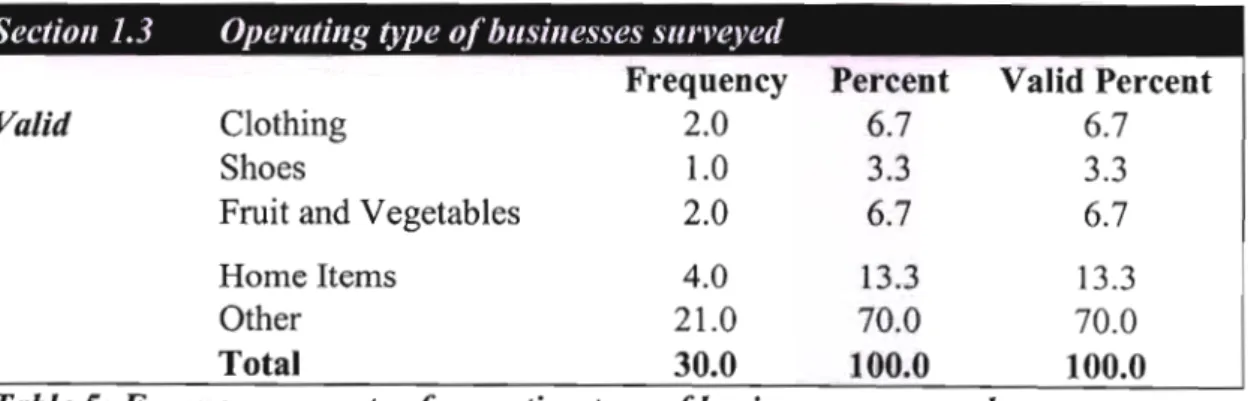
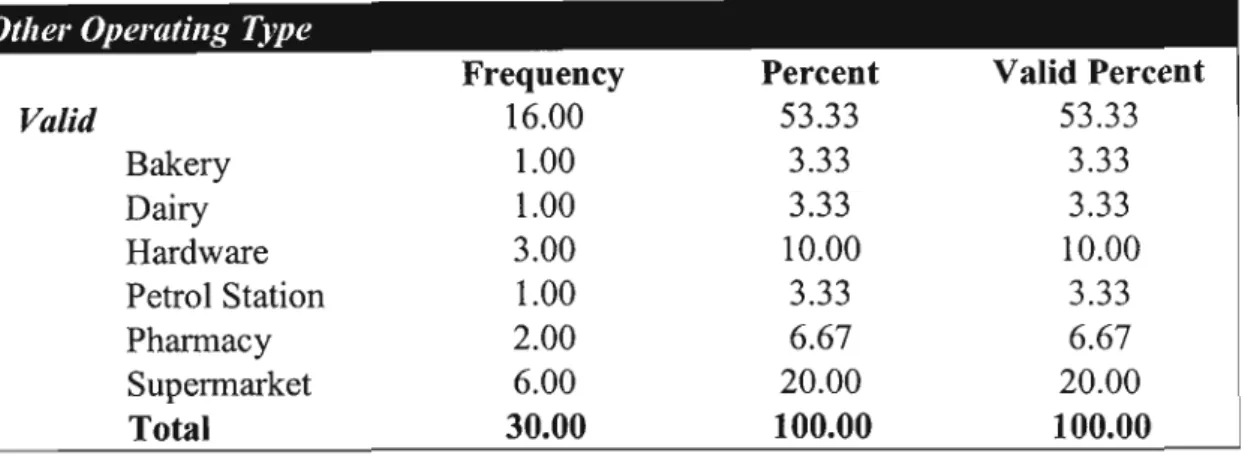
This study is based on prominent small businesses operating in Mooi River. The population at hand are small businesses operating in Mooi River.
LITERATURE REVIEW
Reasons For Small Business Failures
However, the amount and variety of factors identified in the small business failure literature results in fragmented findings. For example, poor management skills can lead to poor financial and asset allocation decisions, which can lead to financial distress and failure." Corporate bankruptcies do not capture the full range of business failures, as such failures result in the forced sale or closure of a business" (http: //www.businessaccess.vic.gov au/web/sbv/sbvite.nsf/pages/info_sheets_stats).
The external reasons for the failure of small businesses over which the owner has no control are about 18.6%, that is, 34%; statistics show that 81.4% of cases where businesses go bankrupt, the owners could have actually done something differently to prevent it" (Douglass, http://www.Halesdouglass.com.au/solutionlsmall_bus_.htm) Owners do not have well-trained experience in the company's essential activities such as finance, purchasing, sales and production.
Disaster refers to some unforeseen event or "act of God". 34;When you talk to people whose businesses have failed, it's not unusual to hear them blame everything and everyone but themselves. Remember that your business is not going to stand still; it will either go backwards or forwards" (http://www.lia.ie/seminar).
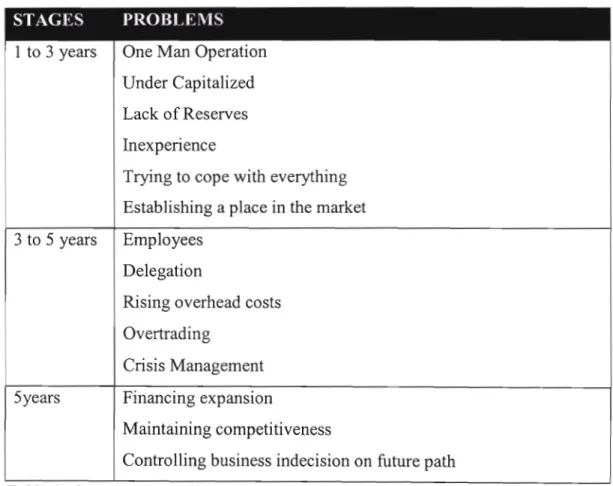
Internal Causes of Failure
- The Impact of Marketing on Small Business Failure
According to Snyder, companies fail for a number of reasons, but one of the main causes is undercapitalization. The owner lacks the administrative skills and time to do everything needed in the office part of the business. Inadequate data; this is where companies demonstrate that there are no record keeping systems in place, e.g. the company fails to keep track of expenditure and income data, while the company e.g. the company fails to maintain expenditure and income records, while the company has no basis for estimating its costs and taking corrective action.
Sole management, Where one person has built up a business and due to ill health sells the business. The causes of problems can occasionally be completely outside the control of the company and management. Feinberg (2003) argues that one of the main causes of business failure in South Africa is rising costs.
Entrepreneurs must understand that the business is not only about profit, but that they must also include the good of society. Coping with AIDS in the workplace is not like dealing with normal health problems because of the fear and misunderstanding the disease creates among workers.
RESEARCH METHODOLOGY 1. Population
Questionnaire
Because of the contribution that small businesses make to the economy, one would like to give them an insight into what can go wrong, if anything, to prevent failure. A pilot study of the questionnaire was conducted on 4 businesses to detect any weaknesses in the design of the questionnaire.
Measurements
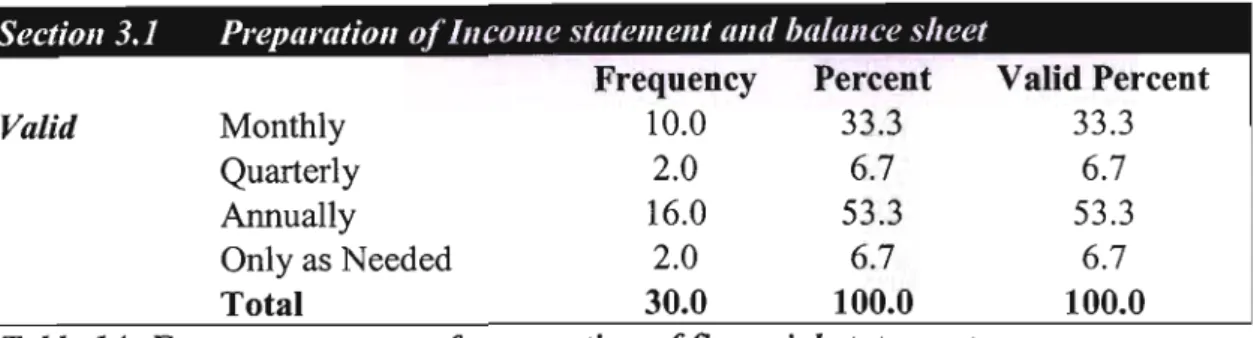
Ho (Null): Most small businesses would answer yes if their businesses are affected by economic changes, e.g. HA (alternative): Most small businesses would say no that their businesses are affected by economic changes, e.g. Ho (Null): Most small businesses would answer that they prepare financial statements only when necessary.
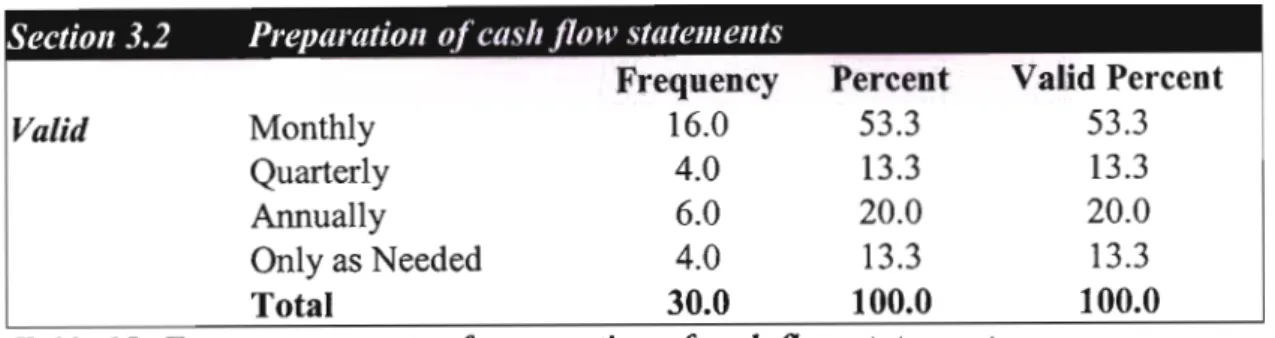
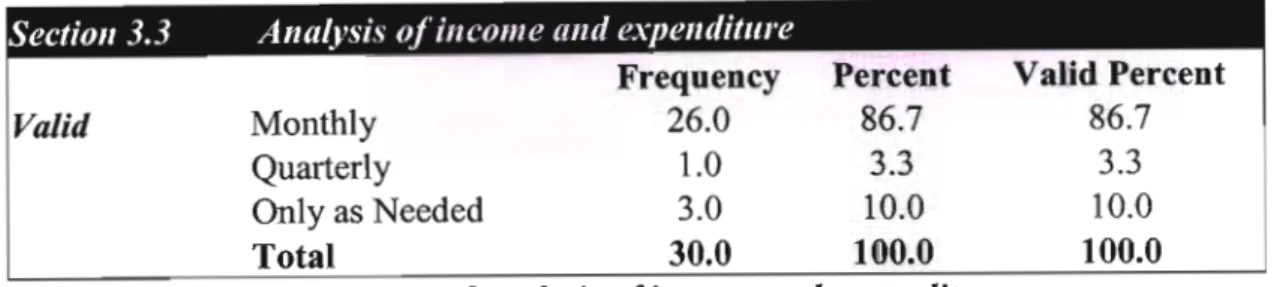
Ho (Zero): Most small businesses will respond that they only prepare cash flow statements as needed. HA (Alternative): Most small businesses will respond that they prepare cash flow statements more frequently. HA (Alternative): Most small businesses will respond that they do income and expense analysis more often.
HA (Alternative): Most small businesses would respond to frequent revision of product or service prices. Ho (Null): Most small businesses would respond that they do not monitor their level of drawings. HA (Alternative): Most small businesses would respond that they monitor their level of drawings.
HA (Alternative): Most small businesses will respond to having the appropriate skilled employees in their businesses. Ho (Zero): Most small businesses will respond to delegating tasks to just any family member. Ho (Zero): Most small businesses will respond yes to problems receiving their inventory.
HA (Alternative): Most small businesses would say no if they had trouble receiving their inventory. HA (Alternative): Most small businesses would respond that receipts and payments are made on time. HA (Alternative): Most small businesses would respond to goals other than business survival.
HA (Alternative): Most small businesses will respond to not having strong competition in the market. HA (Alternative): Most small businesses will respond that they are not affected by changing technology.
CONCLUSIONS and RECOMMENDATIONS
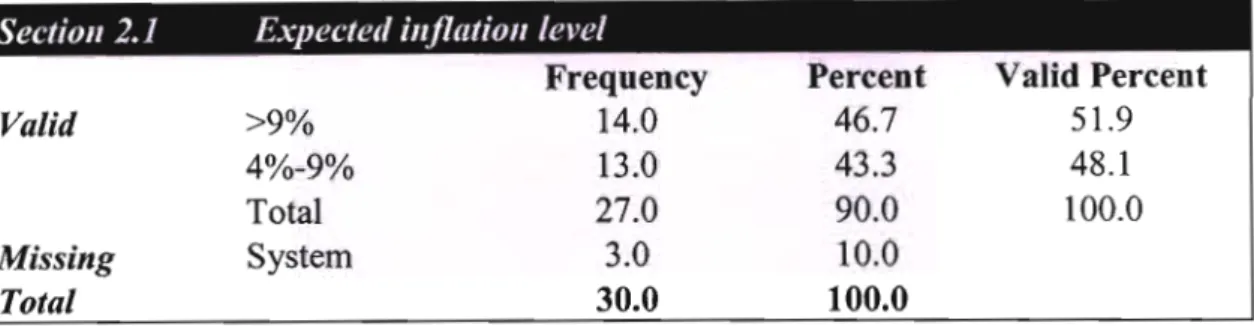
As can be seen in Figure I, many small businesses in Mooi River show signs of external causes of failure. 56.7% (Figure 2) of small businesses in Mooi River do not have access to finance to expand their business. Most small businesses in Mooi River do not show many symptoms of monetary/financial factors of failure.
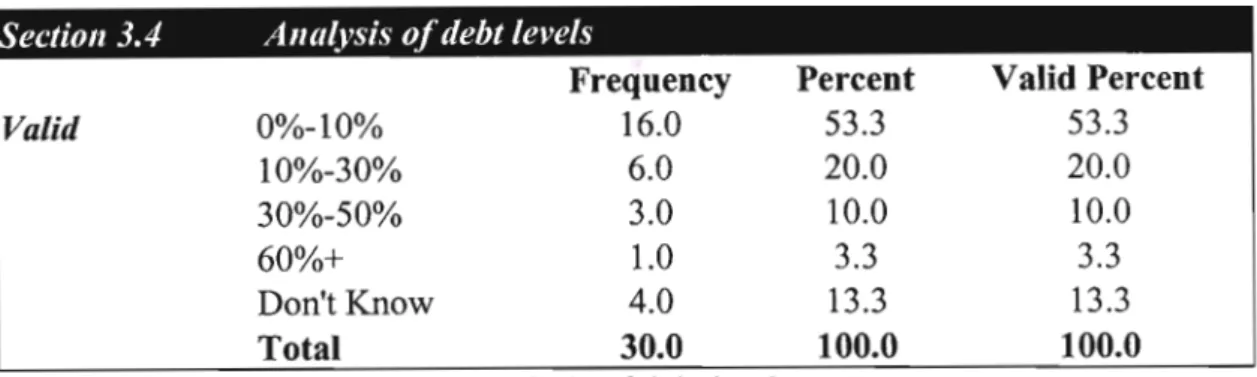
Under the broad construct of money/fmance, small businesses in Mooi River do not show money/financial symptoms of business failure. Small businesses in Mooirivier show to some extent symptoms of high debt levels and financial losses. Proper sequential filing and monitoring reports should be implemented so that small businesses can take timely action.
In the broad concept of governance, small businesses in Mooi River show no symptoms of business management failure. Requirement for skilled staff, management experience and remuneration and payment are some other symptoms that affect small businesses in Mooi River to a lesser extent. Some small businesses fail due to the lack of adequate skills, resources and opportunities to successfully face existing competition.
Small businesses need to understand the needs and wants of the market to take advantage of this opportunity and outpace the competition. It can be concluded from this study that the main factors exhibited by small businesses in Mooi River are external and market causes of failure. However, even small businesses show symptoms of financial and management failure.
A review of the literature shows that small businesses in South Africa absorb almost half of formal employment in the private sector and contribute about 37 percent to the country's gross domestic product. Due to the high turnover of small businesses in South Africa, it is recommended that this study be extended to other areas or regions in Kwa-Zulu Natal and South Africa to determine whether small businesses are showing symptoms of small business failure. A study of rural and urban small businesses to determine whether there are significant differences in terms of failure symptoms.
A factor analytic study of the perceived causes of small business failure.Journal of Small Business Management, Oct93, Vol. 49 Watson, J, and Everett, J.E., 1996. Do small businesses have a high failure rate? Journal of Small Business Management, Oct96, Vol.

High Interest Rates on Loans
Economic Change
Union Problems
Preparation of Cash Flow Statements
Analysis of Income and Expenditure
Year 3 - Financial Losses
Tax Knowledge
Adequate finances for expansion
Revision of coatings on products
Drawings from Business
MANAGEMENT FACTORS
Who Does Preparation of Financial Statements
Skilled Personnel
Managerial Experience
Time spent doing business activities
Delegation of Managerial Tasks
Record-keeping system
Problems receiving inventory
Timeousness of Debtors and Creditors payments
Absenteeism of Staff
Goal to Increase Profit
Goal - Survival of the Firm
Impact of Technology
Target Market
Other Factors affecting the Business
Confirmation of Business Size and Definition
1 Increasing profits 2 Manager's wealth 3 Company survival 4 Not having objectives 5 Other, specify.
Sign Tests
Insurance
High Interest Rates
Union problems
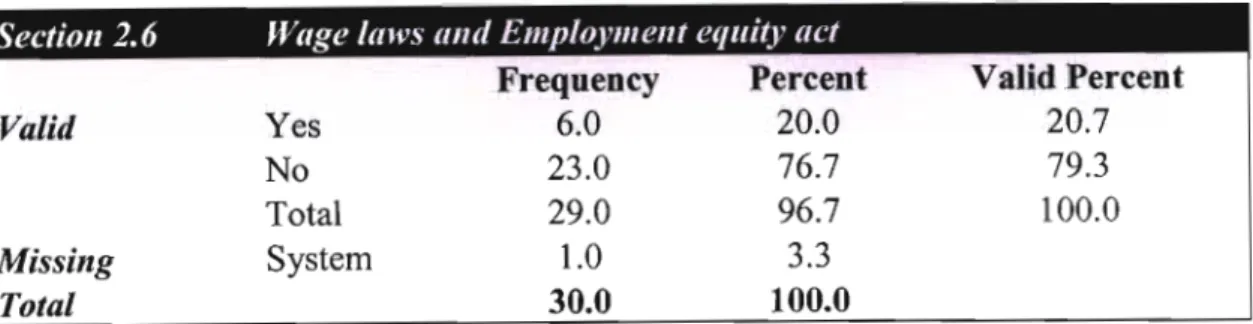
Wage laws and Employment Equity
Preparation of Financials
Preparation of Cash Flows
Analysis of Debt levels
Growth Rates
Year (1) - Financial Losses
Tax knowledge
Adequate finances
Revisions on Product Pricing
Monitoring of Drawings
Who Prepares Financials
Hours Spent in Business
Delegation
Payments and receipts
Absenteeism
Survival of the Firm
Technology
Reliance on Big Customers
Other Factors