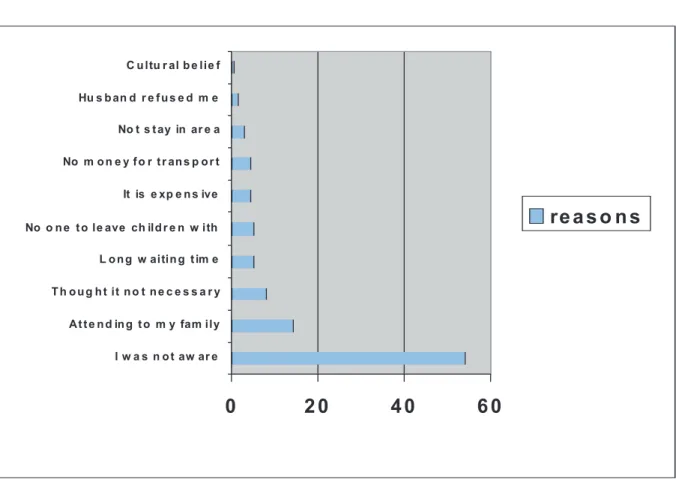
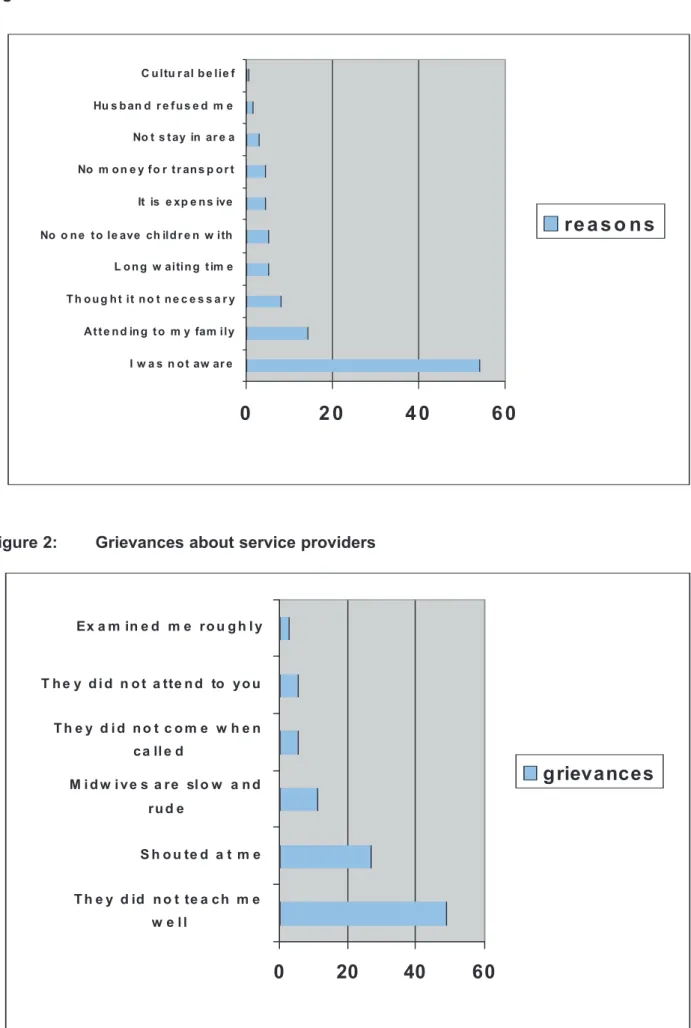
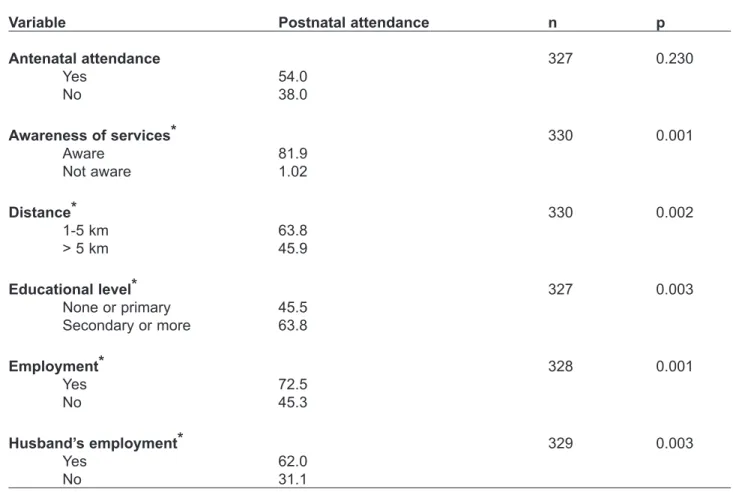
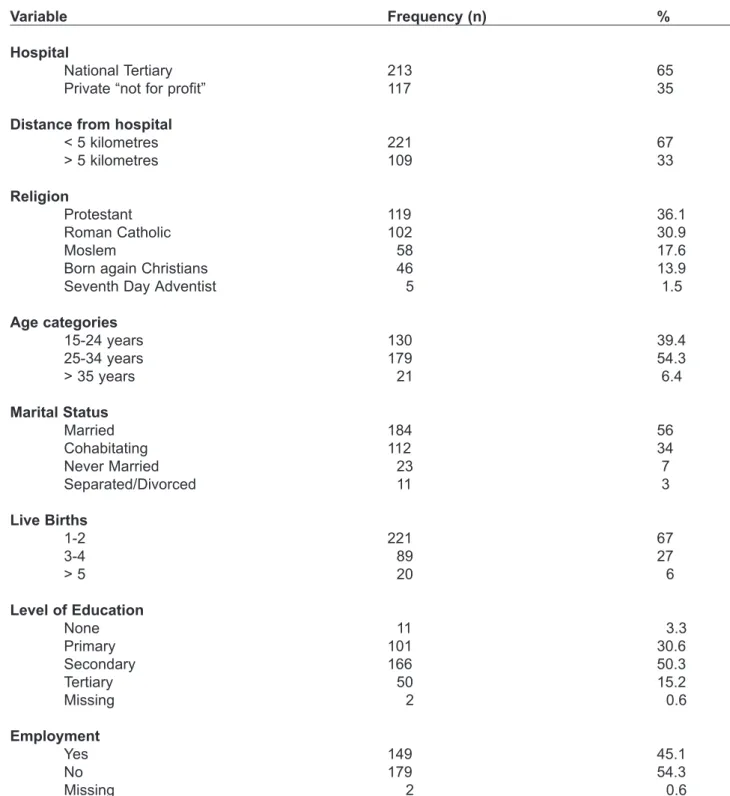
This study aimed to investigate mothers' knowledge of postnatal services and identify the barriers to utilization of postnatal care. Overall, nearly a third (30%) of participants were unaware of postnatal services and 42% did not attend these services. The results of this study highlight some of the factors that influence the utilization of postnatal services.
INVESTIGATING ASSESSMENT PRACTICES AS A STARTING POINT FOR CHANGE: THE CASE OF A HEALTH SCIENCES FACULTY
Van Rensburg (PhD)
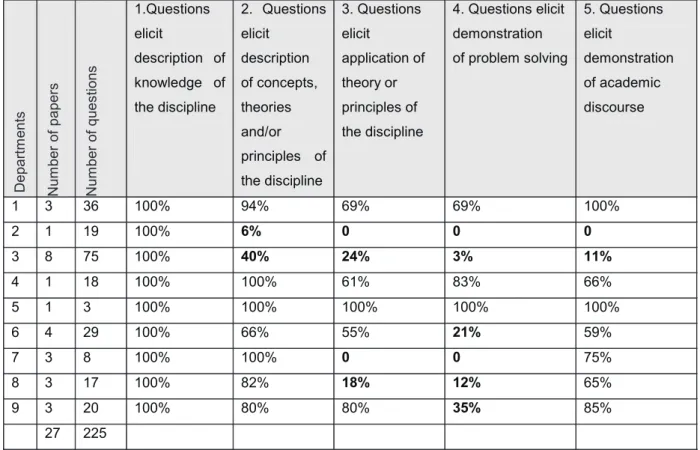
At the other end of the continuum, the learning paradigm emphasizes the learning process and the production of learning. One of the main features of the new assessments is that the assessment tasks are criterion-referenced. Secondly, the study aimed to uncover which strategies were needed to support lecturers in the implementation of the new policy framework by interviewing department heads.
KNOWLEDGE AND PERCEPTION OF CARDIOVASCULAR DISEASE RISKS OF FEMALE UNIVERSITY STUDENTS
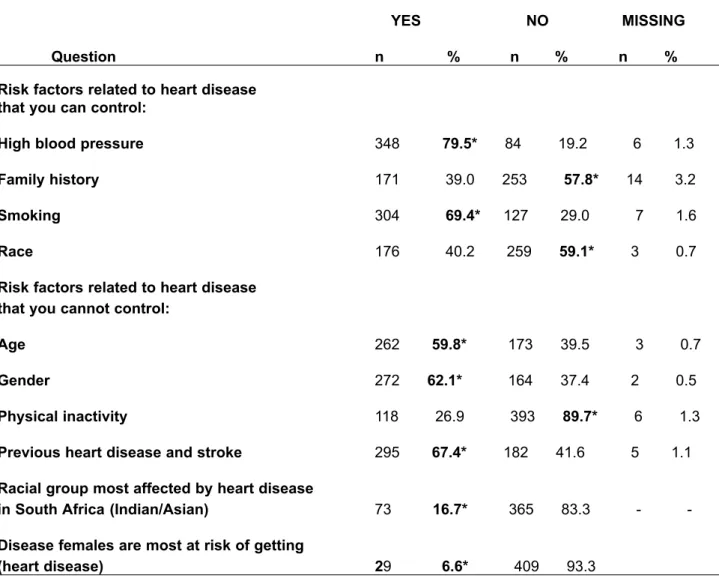
It is imperative that young people are educated about identifying and modifying the risk factors of cardiovascular disease. Nearly 71% of participants identified breast cancer as the biggest health risk for women at only 6.6%. Approximately 51% and 84% of the study population reported having a family history of CVD and having been informed about their risk of developing CVD, respectively.
More than 75% of the study population did not consider female college students to be susceptible to the onset and risk of cardiovascular disease. The results also showed that approximately 58% of participants did not feel they were at risk of developing cardiovascular disease. Nearly 20% of the study population smoked and used contraceptive pills, while nearly 40% reported alcohol use.
Another concern is the fact that breast cancer was identified as the biggest health risk for women by the majority of the study population at only 6.6%. This misconception of cancer as the leading cause of death is important because it embodies a misconception of the risk of chronic diseases such as heart disease. The study sample was non-randomized, therefore the generalization of the findings is limited to female students at the participating university.
Although more than 50% of the participants in the study were well informed about risk factors for CVD, it is still clear that women, specifically the younger population, need to be made aware of their risk of developing CVD.
A KNOWLEDGE ASSESSMENT QUESTIONNAIRE RELATING TO RISK FACTORS FOR CHRONIC DISEASE OF LIFESTYLE FOR
HIGH SCHOOL LEARNERS: VALIDITY AND RELIABILITY
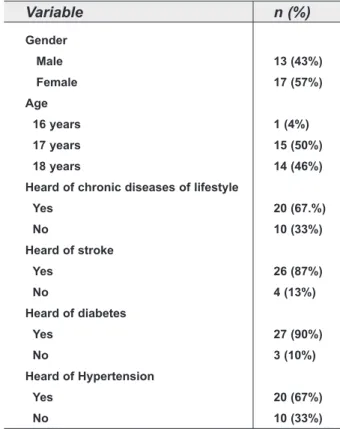
Educating the population about the risk factors for these chronic diseases can help control and prevent the escalation of these diseases. Nine steps have been defined in the design of the questionnaire and these are reflected in Table 1. The questionnaire was presented to health professionals and educators who were involved in educating the clients regarding chronic lifestyle diseases.
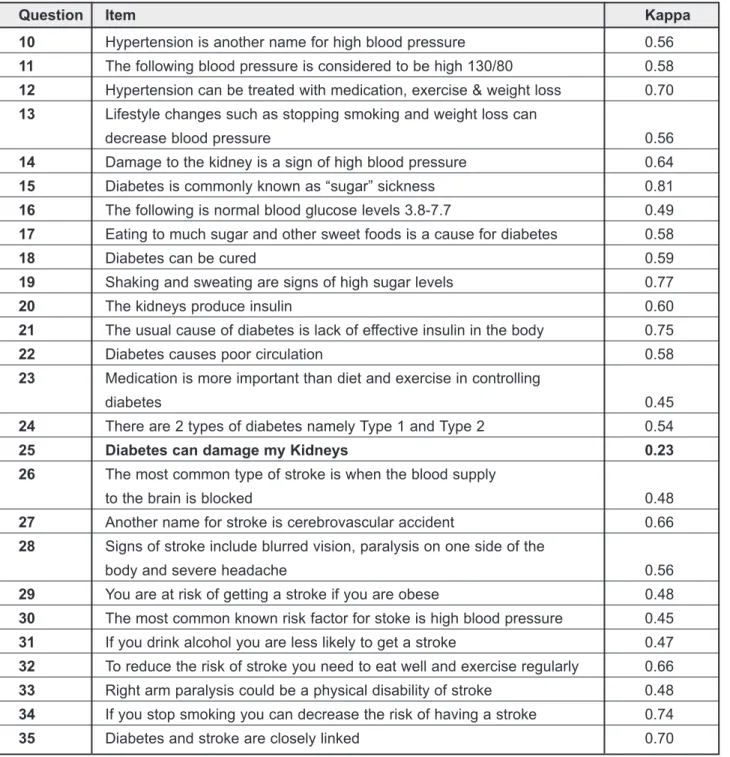
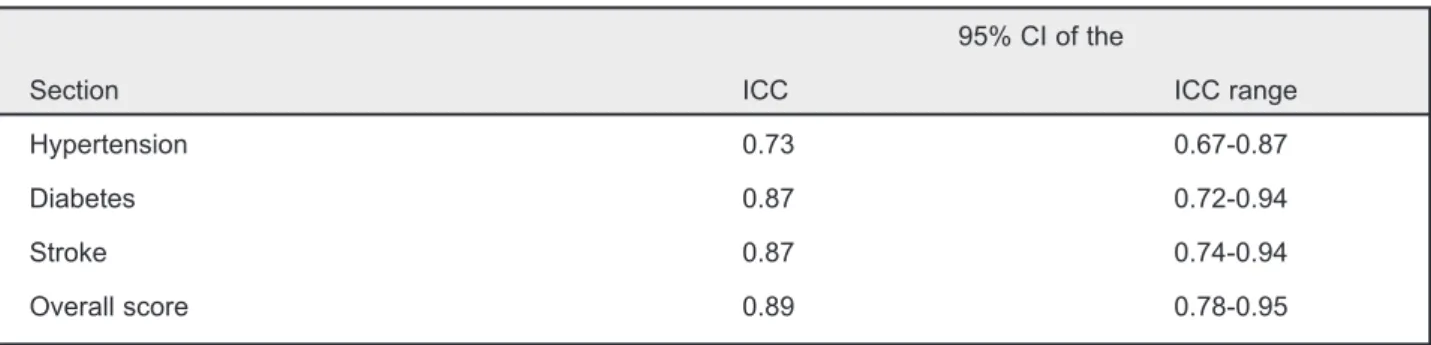
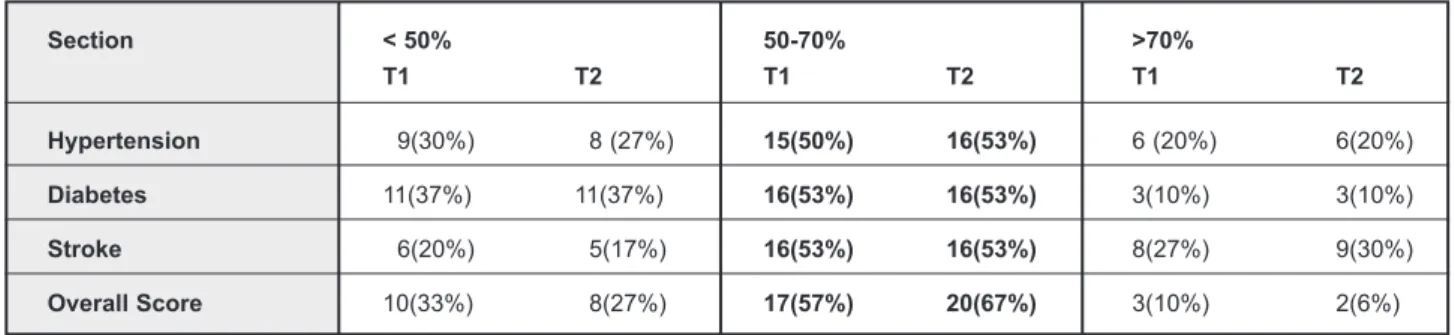
Thus, the questionnaire was tested on 40 12th grade students and then retested 2 weeks later on the same group to assess the reliability of the questionnaire. Questionnaire reliability can also be assessed for single items using Kappa agreement and finally for summary scores for the full questionnaire to determine internal consistency. To assess the test-retest reliability of the questionnaire, an intraclass coefficient (ICC) with a 95% confidence interval was calculated.
These questions were reformulated after the validity test of the questionnaire, and this reformulation affected the result of agreement on these questions. The procedures outlined in the methods section, including consultation with experts in the field and collection of literature regarding risk factors for chronic lifestyle diseases, ensured the content validity of the questionnaire. In addition, this questionnaire is designed around the possibility of implementing a health questionnaire focusing on risk factors for chronic lifestyle diseases and specifically hypertension, diabetes and stroke.
The development of this questionnaire aimed to help health professionals who advocate the prevention of non-communicable diseases and specifically chronic lifestyle diseases such as hypertension, diabetes and stroke to evaluate the knowledge of the target population before implementing preventive strategies.
PERINATAL ACTIVITIES AND SYMPTOMS FREQUENCY AND SEVERITY
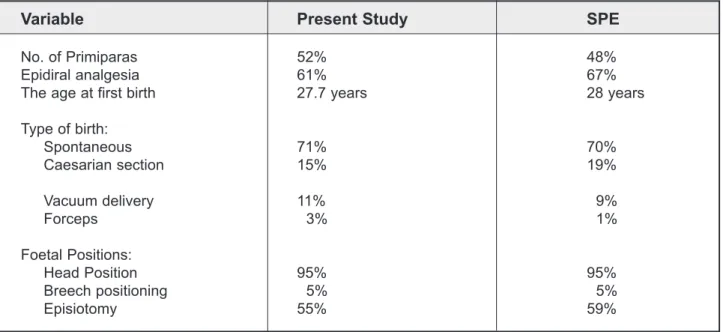
Regarding place of birth, Wiegers et al reported a home birth rate of about 30% in the Netherlands (Wiegers et al. 1996). On a scale of 0 to 10, morning sickness was the most unpleasant symptom in the first trimester with a score of 5.6. Although uncommon, pelvic girdle pain was the most serious symptom in the second and third trimesters (5.4 and 6.0).
No figures have been found in the literature on the prevalence of aids used during the first phase of labor. The prevalence of morning sickness in the first trimester was 61.3%, and urgency had a prevalence of 53% in the second trimester. Overall, breast pain, urinary incontinence, back pain, and mood disorders were the most common symptoms in the postpartum period.
Wu et al and Josefsson et al reported a prevalence rate of about 16% of psychological symptoms in the third trimester of pregnancy (26-27). Postnatal depression was experienced by 13% in the first month after birth, 10% in the second and third months, and 8% four to six months after birth in this study. In this study, half of the pregnant women had these disorders in the last trimester.
Most of the symptoms were found to occur most frequently in the third trimester with the exception of back pain.
A SYSTEMATIC REVIEW ON THE EFFECT OF STRETCHING IN SPORTS INJURY PREVENTION
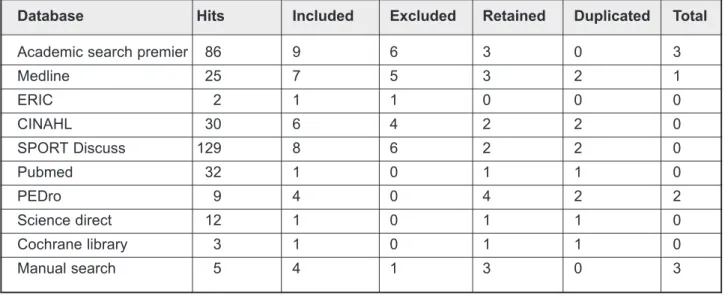
Stretching is believed to be one of the fundamental processes that prevent injuries (Cabbie, Brunell, Finch, Wajswelner, & Orchard, 2006) and is widely encouraged among athletes in various literatures (Arnheim & Prentice, 1993; Brukner & Khan, 1993). Similarly, many studies have documented the effect of stretching on increasing soft tissue flexibility and joint range of motion (Magnusson, Simonsen, Aagaard, Sorensen, & Kjer, 1996; Harvey, Herbert, . & Crosbie, 2002), however there is no conclusive evidence. on its impact on reducing the risk or occurrence of injuries. A computerized literature search was performed to obtain relevant articles using the MEDLINE, SCIENCE DIRECT, COCHRANE, EBSCOHOST, SPORTS Discus and CINAHL databases.
Of the 9 articles, 2 RCTs and 2 prospective cohort studies were retained, while 4 systematic reviews and 1 retrospective cross-sectional series were excluded. The CASP was developed by the Public Health Resource Unit of the National Health Service (NHS) in the UK with the aim of enabling individuals to develop the skills to find and understand research data, and to help them put knowledge into practice (CASP, 2006). According to Clyde (2006), it has some values in raising awareness of the need for critical appraisal of research as a basis for evidence-based practice.
This study further found a statistically significant difference (P<0.001) between the changes in hamstring flexibility between the intervention group and the control group. The results of this study show no significant effect of pre-exercise stretching on the risk of sustaining any of the five selected injuries (Achilles tendon lesions, lateral ankle sprains, stress fractures of the foot or tibial periostitis of the tibia and anterior tibial compartment syndrome) (HR=0.92, 95% CI. In addition, ankle dorsiflexion range of motion was measured and flexibility was found to be a strong predictor of injury risk (Likelihood Ratio LR=4.97; df=1; p =0.03) .
1) 7 teams: warm-up stretching and flexibility program 2) 7 teams: no use of the intervention program.
DISCUSSION
It is difficult to draw conclusions by comparing the findings of the RCTs and the cohort study. The two conflicting cohort studies are also of lower methodological quality compared to the two RCTs that did not provide evidence of the protective effect of stretching. The effectiveness of stretching for the prevention of exercise-related injury: a systematic review of the literature.
In qualitative epistemology, there is no separation or reduction of the observer and the observed (Tashakkori & Teddlie, 1998). There are interrelationships and other aspects of reality that are not evident from the quality of individual parts. The fundamental basis for knowledge is the conscious life experience of the individual (Merleau-Ponty, 1958).
If knowledge of the self beyond the sensory level requires communication, the intersubjective cannot be reduced to the subjective. A truly holistic research design must take into account the interdependent concerns of the objective, the subjective, and the intersubjective, all inherent to holistic philosophy. Is the purpose of the research to explore new ideas or confirm existing research.
Epistemological triangulation of the question suggests that objective and intersubjective correlates must be added to the subjective element to complete the epistemological picture.
INFORMATION AND COMMUNICATION TECHNOLOGY IN HEALTH: A REVIEW OF THE LITERATURE
The use of ICT within healthcare is becoming an increasingly important aspect of doctors' professional practice, improving the delivery of health services and communication between health professionals, as well as improving the decision-making process through the efficient flow of information. The use of ICT in education is commonly known as e-learning, where content in different formats (e.g. digital video, audio, images and text) can be distributed through different channels (e.g. telephone, radio, TV, compact discs and the Internet ). A study into the use of e-learning at two South African universities shows that it can play a positive role as an alternative form of education in higher education (Rohleder, Bozalek, Carolissen, Leibowitz & Swartz, 2007).
It has been suggested by some authors that the increased use of ICT can provide greater access to resources with which to conduct research. These studies show that the use of ICT (in its various forms) is able to facilitate CPD. It was suggested by Taylor and Lee (2005) that the use of ICT may affect the recruitment and retention of occupational therapists working in difficult settings.
WHO, in their document Health for the provision of Health Care (n.d.), have suggested that the use of ICT. The use of ICT in education has been shown to have several benefits, including the potential to improve communication, improve access to information and facilitate deep learning. The use of ICT in the field of health care is becoming an increasingly important aspect of the professional practice of clinicians, improving the delivery of health services and communication.
Student evaluations of the use of e-learning in a joint project between two South African universities.