A SURVEY OF THE LEADERSHIP STYLE IN THE PUBLIC SECTOR:
A CASE STUDY OF ETHEKWINI MUNICIPALITY
by
CHRISTINE K. DUBE
A dissertation submitted in fulfilment of the requirements for the degree of
MASTER OF COMMERCE IN MANAGEMENT
in the
School of Management, Information Technology and Governance UNIVERSITY OF KWAZULU-NATAL
2013
Supervisor: Mrs A. Beharry
i
DECLARATION
I, Christine Kwanele Dube, declare that:
(i) The research reported in this dissertation, except where otherwise indicated, is my original work.
(ii) This dissertation has not been submitted for any degree or examination at another university.
(iii) This dissertation does not contain other persons’ data, pictures, graphs or other information, unless specifically acknowledged as being sourced from other researchers.
(iv) This dissertation does not contain other persons’ writing, unless specifically acknowledged as being sourced from other researchers. Where other written sources have been quoted, then:
a) Their words have been re-written but the general information attributed to them has been referenced;
b) Where their exact words have been used, their writing has been placed inside quotation marks, and referenced.
(v) This dissertation does not contain text, graphics or tables copied and pasted from the internet, unless specifically acknowledged, and the source being detailed in the dissertation’s references sections.
Signature:______________________ Date:___________________
ii
ACKNOWLEGDEMENTS
My gratitude goes to the following:
• The almighty God for His endless grace that has brought me this far.
• My supervisor, Mrs Andrisha Beharry, for overseeing and directing my research with high interest and passion for my work. Her assistance and enthusiasm kept me going throughout the study.
• Dr Nobubele Potwana for her guidance and expertise that continually steered me in the right direction.
• Jennifer Lindsey-Renton for editing this thesis.
• Caili Forrest and the accommodating staff at eThekwini Municipality, who arranged meetings and organised convenient times for data collection.
• My siblings, Tshepiso Dube, Trevor Dube and Khotso Dube, for their support and encouragement.
• Last but certainly not least, I thank my friend Mabo Nxasana for the endless support and motivation.
iii
DEDICATION
This work is dedicated to my parents Alfred and Norah Dube, who have inspired me to excel and always achieve the best.
Thank you for your love and support.
iv ABSTRACT
The fluctuating rate of change in the external environment drives public sector organisations to constantly search for new ways to adapt to the changes and improve public service delivery. Public sector organisations need leaders who can simultaneously respond to the turbulent environment while meeting the requests of different stakeholders. They must adopt effective contemporary leadership styles and techniques that will enable them to be proactive to the prevailing pressures in the business environment, whilst attaining the organisational objectives.
The demand for public sector services increases as the economy attempts to recover from the global recession. This demand also arises from the communities which have been promised a better life by the new democratic government of South Africa. The significance of public sector leadership becomes apparent in the light of the important role of the public sector in providing services to the society at large. It is the leadership of an organisation that is vital in planning and implementing the processes and operations of the organisation.
The full range leadership theory, in particular transactional and transformational leadership styles, were used to survey the management in the municipality. The study adopted a combination of both qualitative and quantitative methodologies, in which both the management and employees of the municipality participated in the study. A purposive sampling technique was used in sampling the leaders, which yielded a sample size of three Unit Heads. To select the sample from the employees, stratified random sampling was used which yielded a sample size of 201 respondents. A descriptive research design was adopted for the qualitative aspect of the study and an exploratory design was adopted for the quantitative aspect of the study. The quantitative data was analysed using inferential and descriptive statistics and the qualitative data was analysed using the interpretative analysis method.
The key findings revealed that the surveyed leaders at eThekwini Municipality are transformational to a greater extent and transactional to a lesser extent. The transformational leadership style is more dominant and also influential in the units under study. It was concluded that the leaders share the organisational vision with the employees, motivate the employees to realise the vision, encourage innovative ways of thinking and show a personal interest in employees and their development.
v ABBREVIATIONS
CBD Cental Business District IDP Integrated Development Plan
iTrump Inner City Thekwini Regeneration and Urban Management Programme DCM Deputy City Manager
GCR Global Credit Rating
GIPO Geographic Information and Policy Office SOPS State of the Public Service Report
N Population
S Sample size
vi
TABLE OF CONTENTS
DECLARATION i
ACKNOWLEDGEMENTS ii
DEDICATION iii
ABSTRACT iv
ABBREVIATIONS v
LIST OF FIGURES xi
LIST OF TABLES xiii
CHAPTER 1 INTRODUCTION
1.1 Introduction 1
1.2 The research problem 2
1.3 Background to the problem 3
1.4 Main aim of the study 4
1.5 Rationale of the study 6
1.6 Significance of the study 7
1.7 Research questions 7
1.8 Research objectives 7
1.9 Assumptions and limitations 8
1.10 Structure of the thesis 8
CHAPTER 2 LITERATURE REVIEW
2.1 Introduction 10
2.2 The South African public sector 10
2.3 eThekwini Municipality 13
2.3.1 Eight point plan 14
2.3.2 Service delivery performance 17
2.3.3 Municipal leadership structure 20
2.4 Leadership 22
2.4.1 The importance of leadership 25
2.5 Evolving theories of leadership 26
vii
2.5.1 Great man theory 27
2.5.2 Trait approach 27
2.5.3 Behavioural approach 29
2.5.4 Participative leadership 33
2.5.5 Situational leadership 35
2.5.6 Contingency approach 37
2.5.7 Full range leadership theory 39
2.6 Concluding summary 40
CHAPTER 3 THEORETICAL FRAMEWORK
3.1 Introduction 41
3.2 Full range leadership 41
3.3 Transactional leadership 41
3.3.1 Characteristics of a transactional leader 44
3.3.2 Dimensions of transactional leadership 44
3.3.3 Limitations of transactional leadership 46
3.4 Transformational leadership 47
3.4.1 Characteristics of a transformational leader 49 3.4.2 Dimensions of transformational leadership 53 3.4.3 Limitations of transformational leadership 58
3.5 Concluding summary 59
CHAPTER 4 RESEARCH METHODOLOGY
4.1 Introduction 60
4.2 Main aim of the study 60
4.3 Research questions 60
4.4 Research objectives 61
4.5 Research design 61
4.5.1 Case study design 61
4.5.2 Cross-sectional design 61
4.5.3 Descriptive design 62
4.5.4 Exploratory design 62
4.5.5 Survey design 62
4.5.6 Justification of the research design 62
viii
4.6 Research philosophy 63
4.6.1 Positivism 63
4.6.2 Phenomenology 63
4.6.3 Justification of the philosophy 64
4.7 Sampling procedure 64
4.7.1 Target population 65
4.7.2 Geographic location 65
4.7.3 Sampling technique 65
4.7.4 Sample size 68
4.7.5 Characteristics of the sample 67
4.8 Research instrument 69
4.8.1 Qualitative Instrument: semi-structured interviews 69 4.8.2 Quantitative Instrument: structured questionnaire 71
4.9 Pilot testing 73
4.10 Data analysis 74
4.10.1 Qualitative data analysis 74
4.10.2 Quantitative data analysis 75
4.11 Reliability and validity 75
4.11.1 Tests for reliability 75
4.11.2 Tests for validity 76
4.12 Management of results 77
4.13 Ethical considerations 77
4.13.1 Permission to conduct the research was granted 78
4.13.2 Ensuring participants’ consent 78
4.13.3 Ensuring full disclosure of research information 78
4.13.4 Ensuring anonymity and confidentiality 78
4.13.5 Ensuring self-determination 79
4.13.6 Ensuring honesty in data management 79
4.14 Concluding summary 79
ix
CHAPTER 5 PRESENTATION, INTERPRETATION AND DISCUSSION OF RESULTS
5.1 Overview of the data analysis 80
5.2 The sample 80
5.2.1 Adequacy of the sample 80
PART A 81
5.3 Presentation of quantitative findings 81
5.3.1 Respondents’ gender 82
5.3.2 Respondents’ age 83
5.3.3 Respondents’ race 84
5.3.4 Respondents’ educational qualification 85
5.3.5 Respondents’ units 86
5.3.6 Number of years in current position 87
5.3.7 Respondents’ leaders 88
5.4 Extent of transactional leadership 88
5.4.1 Setting targets for every task 89
5.4.2 Recognition and rewards 90
5.4.3 Closely monitors performance 91
5.4.4 Keeping a record of mistakes 92
5.4.5 Timing of intervention 93
5.5 Extent of transformational leadership 94
5.5.1 Respondents’ respect for the leader 94
5.5.2 Collective organisational vision 95
5.5.3 Innovative thinking 96
5.5.4 Motivating high performance 97
5.5.5 Applauding high performance 98
5.5.6 Interest in employee development 99
5.6 Dominant and influential leadership style 100
5.6.1 Valuing the leaders’ decision 101
5.6.2 Having pride in the leaders 102
5.6.3 Ultimate inspiration 103
5.6.4 Confidence in achieving short-term goals 104
x
5.6.5 Positivity about the municipality’s future 105
5.6.6 Believing in the long-term vision 106
5.6.7 Complete faith in the leaders 107
5.7 Inferential statistics' results 108
5.7.1 Reliability 108
5.7.2 Skewness 110
5.7.3 Correlations 113
5.7.4 One-way Analysis of Variance (ANOVA) 118
5.7.5 Tukey’s Honest Significant Difference (HSD) 119
PART B 129
5.8 Presentation of qualitative findings 122
5.8.1 Leaders’ description 122
5.8.2 Outlining tasks 123
5.8.3 Monitoring and motivation 124
5.8.4 Mentioning rewards 126
5.8.5 Tracking mistakes 127
5.8.6 Vision and inspiration 128
5.8.7 Innovation 130
5.8.8 Employee development 130
PART C 132
5.9 Interpretation and discussion of findings 132
5.9.1 Biographical information 132
5.9.2 Extent of transactional leadership 133
5.9.3 Extent of transformational leadership 135
5.9.4 Dominant and influential leadership style 137
5.10 Concluding summary 140
CHAPTER 6 CONCLUSION AND RECOMMENDATIONS
6.1 Introduction 141
6.2 Addressing research objectives 141
6.2.1 Research objective one 141
6.2.2 Research objective two 142
6.2.3 Research objective three 144
xi
6.3 Recommendations to eThekwini Municipality leadership 145
6.4 Recommendations or future research 145
6.5 Concluding remarks 146
LIST OF FIGURES
CHAPTER 2
Figure 2.1 eThekwini Municipality Organogram 20
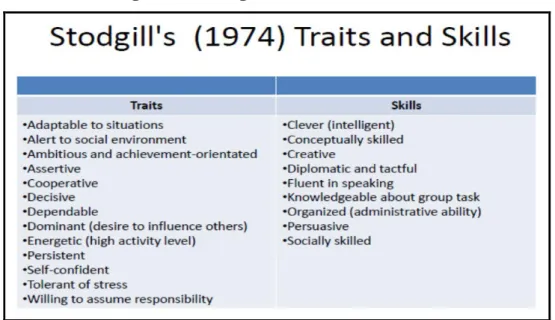
Figure 2.2 Stodgill's traits and skills 27
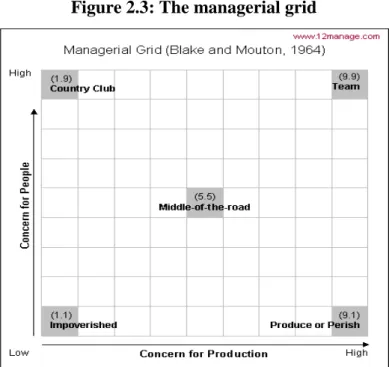
Figure 2.3 The managerial grid 29
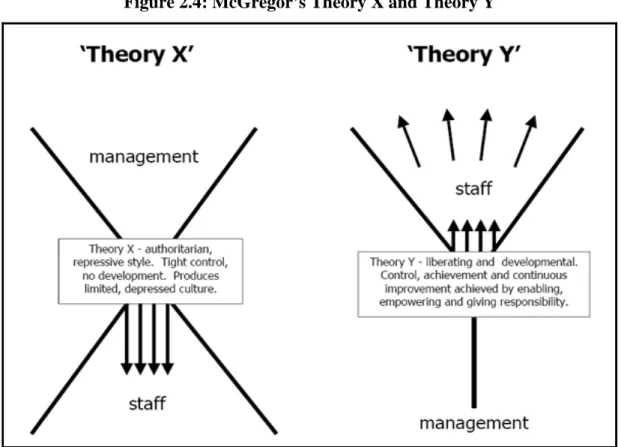
Figure 2.4 McGregor's Theory X and Theory Y 31
Figure 2.5 The participative leadership continuum 33
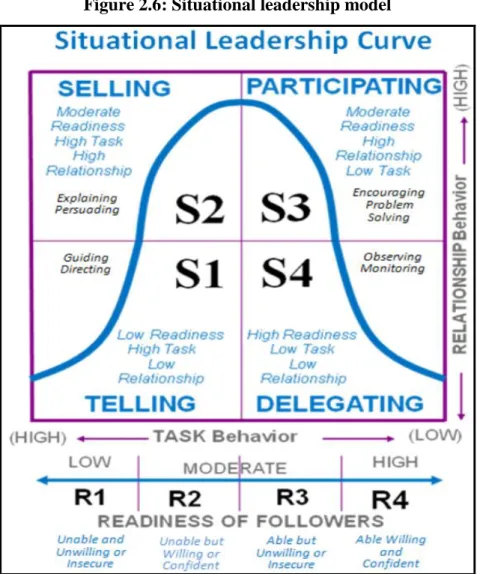
Figure 2.6 Situational leadership model 35
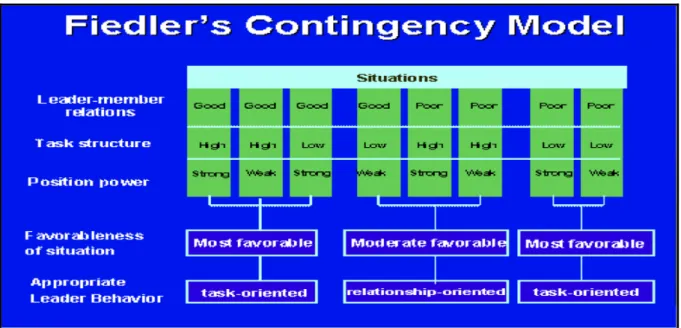
Figure 2.7 Contingency model 37
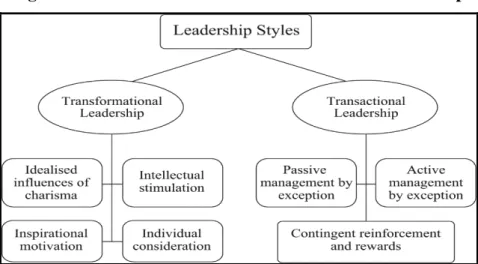
Figure 2.8 Transactional and transformational leadership 39
CHAPTER 5
Figure 5.1 Respondents' gender 82
Figure 5.2 Respondents’ age groups 83
Figure 5.3 Respondents’ race 84
Figure 5.4 Respondents’ educational qualifications 85
Figure 5.5 Respondents under each unit 86
Figure 5.6 Number of years in the current position 87
Figure 5.7 Respondents’ leaders 88
Figure 5.8 Setting clear targets for every task 89
Figure 5.9 Recognition and rewards 90
Figure 5.10 Monitoring employees’ performance 91
Figure 5.11 Keeping records of employees’ mistakes 92 Figure 5.12 Timing of the leader’s intervention 93 Figure 5.13 Respondents’ respect for the leader 94
Figure 5.14 Collective organisational vision 95
Figure 5.15 Innovative thinking 96
Figure 5.16 Motivating ultimate performance 97
xii
Figure 5.17 Applauding high performing employees 98 Figure 5.18 Leaders’ interest in the development of employees 99
Figure 5.19 Valuing the leaders’ decisions 101
Figure 5.20 Respondents’ pride in their leaders 102
Figure 5.21 Ultimate inspiration 103
Figure 5.22 Confidence in IDP goals 104
Figure 5.23 Positivity about the municipality’s future 105
Figure 5.24 Believing in the 2030 vision 106
Figure 5.25 Complete faith in the leaders 107
Figure 5.26 Transactional leadership skewness: negative distribution 110 Figure 5.27 Transformational leadership skewness: positive distribution 111 Figure 5.28 Influential leadership skewness: positive distribution 112
xiii LIST OF TABLES
CHAPTER 4
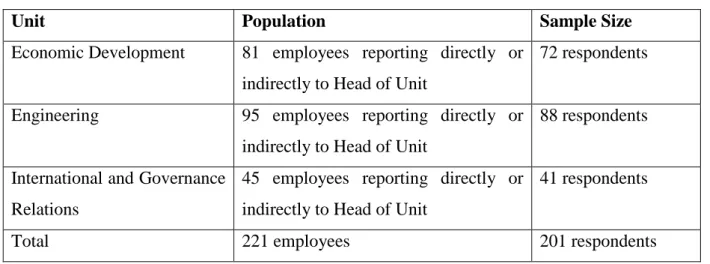
Table 4.1 Quantitative Sample: population and sample size 67
Table 4.2 Qualitative Sample: interviewees 70
CHAPTER 5
Table 5.1 Gender frequency table 82
Table 5.2 Age frequency table 83
Table 5.3 Race frequency table 84
Table 5.4 Educational qualification frequency table 85
Table 5.5 Departmental frequency table 86
Table 5.6 Years in current position 87
Table 5.7 Respondents’ leaders 88
Table 5.8 Setting clear targets 89
Table 5.9 Recognition and rewards frequency table 90
Table 5.10 Monitoring employees’ performance 91
Table 5.11 Record of mistakes 92
Table 5.12 Intervention frequency table 93
Table 5.13 Respect frequency table 94
Table 5.14 Collective vision frequency table 95
Table 5.15 Innovative thinking frequency table 96
Table 5.16 Motivation frequency table 97
Table 5.17 Applauding high performance 98
Table 5.18 Interest in employee development 99
Table 5.19 Respondents’ value for the leaders’ decisions 101 Table 5.20 Respondents’ pride in their leaders 102
Table 5.21 Provision of ultimate inspiration 103
Table 5.22 Confidence in achieving IDP goals 104
Table 5.23 Positivity about the municipality’s future 105
Table 5.24 Believing in the long-term vision 106
Table 5.25 Complete faith in the leaders 107
Table 5.26a Case Processing Summary 108
xiv
Table 5.26b Section B: reliability statistics 108
Table 5.27a Case processing summary 109
Table 5.27b Section C: reliability statistics 109
Table 5.28a Case processing summary 109
Table 5.28b Section D: reliability statistics 109 Table 5.29 Extent of transactional leadership 110 Table 5.30 Extent of transformational leadership 111
Table 5.31 Influential leadership style 112
Table 5.32 Correlations Q9/Q21 113
Table 5.33 Correlations Q10/Q22 114
Table 5.34 Correlations Q12/Q25 115
Table 5.35 Correlations Q14/Q24 115
Table 5.36 Correlations Q15/Q19 116
Table 5.37 Correlations Q16/Q21 117
Table 5.38 Correlations Q18/Q21 117
Table 5.39 ANOVA 118
Table 5.40 Inspiration at work 120
Table 5.41 Confidence in short-term goals 121
Table 5.42 Confidence in the leader 121
xv APPENDICES
Appendix 1 Ethical Clearance 154
Appendix 2 Turnitin originality report 156
Appendix 3 Editor’s letter 158
Appendix 4 Gatekeeper's letter: Engineering Unit 160 Appendix 5 Gatekeeper's letter: International and Governance Relations 162 Appendix 6 Gatekeeper's letter: Economic Development 164
Appendix 7 Leaders’ interview questions 166
Appendix 8 Researchers’ interview questions 168
Appendix 9 Multifactor leadership questionnaire 174
Appendix 10 Research questionnaire 176
Appendix 11 Final statistical output 180
1
CHAPTER 1 INTRODUCTION
1.1 Introduction
The instability of the global business environment has added complexity to the organisational landscape. Corporate leaders have found themselves in a turbulent business environment that challenges them to respond quickly and positively. They must rapidly shift away from the ancient management techniques and adopt contemporary leadership styles, which according to Burns’ (2003) multifactor leadership theory and Avolio and Bass’ (2002) full range leadership theory would be either laissez-fair, transactional or transformational. The leadership style within an organisation is a significant determinant of the attainment of goals and objectives, as well as the day-to-day operations of the corporation. It is for this reason that this study aims to explore leadership in the public sector.
In South Africa’s mixed economic model, the public sector is equally, if not more, significant than the private sector. The focus is on public interest and economic stability as opposed to self-interest and profit maximisation in the private sector. The demand for public sector services increases as the economy attempts to recover from the global recession. This demand also arises from the communities which have been promised a better life by the new democratic government of South Africa. In the prevailing, unstable global economic environment, the success of public sector organisations lies in the leadership’s ability to execute strategic initiatives and attain the organisational objectives.
This study applies the full range leadership theory as articulated by Avolio and Bass (2002).
The research set out to survey and analyse the leadership styles in the public sector and examine approaches pertaining to transactional and transformational leadership. The study also sought to ascertain which style is widely adopted and most effective. The research was conducted in Durban, eThekwini municipality, the third largest metropolitan area of South Africa.
2 1.2 The research problem
Pressures from the unstable global-economic environment and the complexity in the organisational landscape pose severe challenges for corporate leaders. On the one hand leaders are expected to deliver on their promise of profit making to the shareholders, and on the other they must respond to increasing customer and societal demands. At the micro level, employees are putting forward considerable demands which are powered by their collective bargaining ability. At the macro level, organisations are required to operate within the stringent framework of the rule of law. Never before has leadership been required to be this flexible and open-minded.
Krishnan (2008) pointed out that it is the leadership of an organisation that plays a major role in ensuring the attainment of organisational objectives and making sure the corporation reacts positively to the changes in the global environment. It is the leadership of an organisation that is vital in planning and implementing the processes and operations of the organisation, as Boga and Ensari (2009) have also observed. Chung-Kai and Chia-Hung (2009) further stated that leadership has a crucial responsibility to evaluate the performance of subordinates and the organisation as a whole, thus significantly influencing organisational citizenship behaviour (Paarlberg and Lavigna (2010).
During the global economic downturn the private sector quickly cut costs by downsizing and outsourcing. This resulted in numerous job losses, raising the levels of unemployment and overall economic instability. In order to survive in these difficult times, the economy extensively relies on the public sector to create employment and provide basic services. For public organisations to survive in today’s unstable environment, Mokgolo, Mokgolo and Modiba (2012) stated that they need to address leadership. Naidoo and Xollie (2011) argued that for the public sector to be successful, it requires a consideration of local narratives, local issues and an integrated leadership approach. The authors further advised that public organisations need leaders who, whilst operating within the stringent framework of the rule of law, also have the ability to apply effective leadership skills when tackling difficult challenges.
External factors have certainly played a role in the present challenges as indicated earlier, however they are not the sole cause. The lack of sustainable strategies for long-term growth and stability are also contributing factors, as Ispas (2012) observed. The emphasis now shifts
3
to just how important leadership and management are in the attainment of such strategies and to the continued success of public institutions. However experience has proven that no matter how well a strategy is plotted, the real challenge resides in the actual execution of the strategic initiatives (Avolio and Bass, 2002). This is where leadership plays a crucial role.
The responsibility for the execution of strategy lies directly with the leadership and management team.
Of the three leadership styles that were mentioned earlier, laissez-fair has not been widely adopted in business, if at all. Laissez-fair has been deemed to allow subordinates too much free-reign and authority (Pedraja-Rejas, Rodríguez-Ponce, Delgado-Almonte and Rodriguez- Ponce, 2006). This non-authoritarian leadership style often allows for numerous mistakes on the part of the subordinates, which can lead to irrational decision making. The result, according to Barroso, Villegas and Casillas (2008), delays the attainment of organisational goals and objectives. Zohar and Gazit (2008) argued that the two words ‘laissez-fair’ and
‘leadership’ are absolute direct opposites, which Barroso et al. (2008) added can only lead to anarchy and inefficiency. Pedraja-Rejas et al. (2006) maintained that the overall effect of laissez-fair leadership seems to be negative. In the public sector, the organisational structures are more bureaucratic, hence laissez-fair is irrelevant and unrealistic.
Barroso et al. (2008) point out that the laissez-fair leader lets group members make all decisions. Zohar and Gazit (2008) concur with Barrosso et al. (2008) and stated that the laissez‐faire style minimizes the leader's involvement in decision‐making; leaving room for irrational decisions to be made. Predraja-Rejas et al. (2006) highlighted that the laissez-fair leader has a low emphasis on employees’ performance and assumes that people are unpredictable and uncontrollable and that a leader’s role is to do enough to get by, keep a low profile, stay out of trouble, and leave people alone as much as possible. In a study by Salman, Riaz, Saifullah and Rashid (2011) laissez-faire was inversely associated with employees’ performance. This is unrealistic in the light of the public sector whereby employees’ performance is key to service delivery as Fraser-Moleketi (2007) observed. Roux and Naudé (2011) asserted that in the public sector, active leadership is required to ensure that organisational goals and targets are achieved. Naidoo and Xollie (2011) stressed the critical need for effective leadership to improve South African public service delivery.
4
Two key leadership styles from the full range theory of leadership were identified as being relevant to this study. These are transactional leadership and transformational leadership.
These two leadership styles were selected primarily because they acknowledge the important role played by the leader in employees’ performance and in the attainment of organisational objectives simultaneously. Hsin-Kuang, Chun-Hsiung and Dorjgotov (2012) pointed out that both transformational and transactional leadership have been described as having a direct effect on individual and organisational outcomes. Daft (2008) articulated that transformational leadership is characterised by setting clear objectives and monitoring the employees closely in order to control their performance outcomes. McMahon (2010) adds that there is a clear distinction of authority in transformational leadership whereby the leader ensures that organisational objectives are attained. Likewise, a transformational leader ensures organisational goals are achieved by defining a compelling vision of the future which elevates the performance of employees (Bass and Riggio, 2006). Empirical research has seen these two leadership styles being widely adopted as contemporary organisational leadership techniques (Pedraja-Rejas et al., 2006, Bass and Riggio, 2006, McMahon, 2010, Salman et al., 2011, Hsin-Kuang et al., 2012). For the purpose of this study, these two contemporary styles were used to survey the leadership in eThekwini Municipality.
1.3 Background of the problem
In his study of political leadership, Burns (1978) first introduced the concepts of transformational and transactional leadership. Burns conceptualised the multifactor leadership theory and Bass (1985) later extended it to the full range leadership theory.
Building on this work, Avolio and Bass (1991) subsequently applied contemporary leadership concepts to the study of formal organisations and began exploring the psychological mechanisms underlying both transformational and transactional leadership. The scholars further developed the theories of transactional and transformational leadership over the years (Bass, 1997, Avolio and Bass, 2002, Bass and Riggio, 2006).
Organisational leadership has been an extensive subject of scholarly enquiry. This enquiry has evolved from the trait approach by Burns (1978) and Bass (1985) to the behavioural approach by Bono and Anderson (2005) and Miller (2007), and the contingency approach by (Bromley and Kirschner, 2007) and Singh (2008). Warrick (2011) and Gandolfi (2012) approached leadership from a neo-charismatic perspective. Many scholars continue to
5
incorporate leadership into their studies; leadership has been and continues to be a critical subject of scholarly enquiry.
Public sector organisations are operating in a turbulent environment which is primarily the result of the unstable rate of change in the external environment. This increases the need for effective leaders who will steer public sector organisations to be proactive to the fluctuating rate of change. The recovery phase of global economic recession has increased the demand for public services. Therefore public service providers such as municipalities face the challenge of delivering quality services with limited resources (Roux and Naudé, 2011).
The importance of public sector leadership is perceptible in the light of the significant role municipalities play in providing public services to the South African society. Leadership is vital in the planning and implementation processes a well as in the attainment of organisational objectives. Barroso et al. (2008) emphasised the importance of leadership for organisational success. Paarlberg and Lavigna (2010) concurred with Barroso et al. (2008), and added that effective leadership is the most important means of developing public organisations. In today’s knowledge economy, many organisations are shifting away from traditional models of management originally developed for product-oriented firms, and now require a broader range of leadership skills and styles that are adaptive to the turbulent changes in the work environment (Eliyana, 2010). As the leadership techniques have evolved over the years, transactional leadership has been considered to be the most appropriate and realistic style, while transformational leadership has been deemed to be a more challenging leadership style (Warrick, 2011). Transactional leadership has been associated with consistency in individual and organisational performance, where there is little or no room for change and flexibility. On the contrary, transformational leadership becomes apparent in the light of organisational change, where employees and their leaders need to find innovative ways to adapt to the changes (Grant, 2012).
1.4 Main aim of the study
The central aim of this research was assessing the leadership styles at eThekwini Municipality’s Economic Development, Engineering, and International and Governance Units. The full range leadership theory was used to guide the leadership survey in the municipality using the transactional and transformational leadership styles. These leadership styles were used to assess the existing leadership practises in the municipality. The study
6
primarily sought to assess the degree of transactional and transformational leadership in the municipality according to the dimensions of these two leadership styles. The final purpose of the study was to ascertain which of the leadership styles mentioned above is more dominant and influential in the municipality.
1.5 Rationale of the study
Leadership style refers to the patterns and behaviours an individual leader uses across a full range of managerial and leadership situations (Bass and Riggio, 2006). Although leaders face an unlimited range of leadership situations, empirical research has shown that there are two basic styles that leaders apply to the situations they encounter; these are transactional leadership and transformational leadership. Burns (1978), being one of the key researchers on transactional and transformational leadership, pointed out that the distinction between these styles lies in the leader’s behavioural and personality differences. According to Burns (1978:4), “transactional leadership occurs when the leader takes initiative in making contact with the follower for the exchange of something valued”. Ruggieri (2009) suggested that transactional leadership is linked with the attainment of organisational objectives based on two factors; contingent reward and management by exception. Avolio and Bass (2002) stated that the prime concerns of transactional leaders are to maintain and improve the quantity of performance, while reducing resistance to particular actions and implementing effective decision making. Transactional leaders use rewards as positive reinforcement when standards and objectives are reached, and punishment and negative feedback if problems occur (Gandolfi, 2012).
Transformational leadership, in contrast, is based on more than just exchange; it involves shifts in the values, needs and beliefs of followers. Bass and Riggio (2006) posited that transformational leadership results in a relationship of mutual elevation. Transformational leaders, in Miller’s (2007) view, focus on improving the quality of performance, while raising followers’ awareness about the consequences of their actions and articulating a compelling vision of the future. Krishnan (2008) asserted that transformational leadership is deemed to be the best for transforming the employees’ individual needs into organisational goals, thereby assisting the employees to achieve self-actualisation. This will inevitably benefit the organisation and the community at large when satisfied and highly motivated employees perform their tasks to the best of their ability. Eliyana (2010) added that transformational leadership has been portrayed to achieve organisational goals through its clear link between
7
shared vision and organisational values. Transformational leaders therefore have the ability to deeply influence their followers to surpass self-interest and release their full potential of performance toward achieving organisational goals (Bass, 1997 cited in Gandolfi, 2012).
1.6 Significance of the study
The literature reviewed has shown the importance of leadership for the success of any organisation. The public sector is a vital part of the South African economy as indicated earlier, and it has a significant effect on economic wellbeing and society at large. The significance of this study is drawn from the important role leadership plays in any organisation, particularly in the public sector. This study will contribute to public sector management, particularly in eThekwini Municipality. The large amounts of research done on the municipality have been restricted to societal aspects such as local economic development, unemployment and healthcare, and little, if any, has directly focused on the municipal leadership (Vyas, 2004, Fraser-Moleketi, 2007, Wenzel, 2007, Roux and Naudé, 2011, Mubangizi and Gray, 2011).
This research also becomes relevant in the light of the limitations of previous studies. This study will use contemporary leadership styles from the full range leadership theory as primary leadership reference. The theoretical framework below articulates the two contemporary leadership styles in this study.
1.7 Research questions
1.7.1 Do the municipal leaders display contingent reward, active and passive management by exception?
1.7.2 Do the municipal leaders display idealised influence, inspirational motivation, intellectual stimulation and individual consideration?
1.7.3 Which leadership style is dominant and influential in the municipality?
1.8 Research objectives
To answer the foregoing research questions and to survey the leadership styles in eThekwini Municipality, the following objectives were formulated:
1.8.1 To determine the extent to which the leadership style in the municipality is transactional.
8
1.8.2 To determine the extent to which the leadership style in the municipality is transformational.
1.8.3 To establish which leadership style is widely adopted and influential within the organisation.
1.9 Assumptions and limitations of the study
The first assumption in this study was that transactional and transformational leadership are effective leadership styles based on previous studies, even though none have been directly related to eThekwini Municipality
A second assumption was that the heads of units are the leaders and the employees reporting directly or indirectly to them are the followers.
The third and final assumption was that the leaders and followers truthfully answered the interview questions and questionnaires respectively. Although this may not have been the case in other studies, the researcher was conscious of this and ensured that steps were taken to minimise any influences from occurring. This is explained in detail under ethical considerations in the methodology chapter.
One limitation was the difficulty the researcher experienced when attempting to get access to employee records from the Human Resources Department. In order to select an appropriate sample the researcher needed information on the number of employees in the units and particularly the number of employees reporting to the head of unit. Employees reporting to supervisors and managers were not targeted by this study.
The second and final limitation was the relatively long timeframe of data collection as it delayed the data analysis process.
1.10 Structure of the study
This thesis comprises of six chapters, as follows:
Chapter 1 introduces the study and background to transactional and transformational leadership, with an explanation of the research problem to be investigated as defined in the problem statement. The chapter then summarises the literature review and theoretical framework guiding the study. The chapter concludes with an overview of the research methods of the study.
9
Chapter 2 provides a literature review on leadership. A discussion of the South African public sector is followed by a review of the eThekwini Municipality and their Integrated Development eight point plan is outlined. The municipality’s service delivery performance and the leadership structure are articulated. An in-depth discussion of leadership and evolving leadership theories concludes the chapter.
Chapter 3 presents the theoretical framework on the full range leadership theory, particularly transactional and transformational leadership. The characteristics and dimensions of both transactional and transformational leaders are outlined. The limitations of both leadership styles are also deliberated.
Chapter 4 comprises the research methods of the study, which are a combination of qualitative and quantitative research design. The research instruments are identified and the sampling procedure is explained. This is followed by an outline of the data analysis process, ethical considerations and reliability and validity conclude the chapter.
Chapter 5 covers the presentation and interpretation of the study’s results. The research findings are graphically presented and the results are interpreted and discussed with reference to the theoretical framework.
The sixth and final chapter provides a summary, overview of the study and concluding remarks of the treatise. The chapter also provides some recommendations for future research.
10
CHAPTER 2
LITERATURE REVIEW
2.1 Introduction
Contextual analysis assists public sector leaders to understand their environment and cope with the external and internal challenges facing public leadership. Leadership literature provides insights into the development of contemporary leadership as well as the historical background of leadership perspectives. Leadership has been described according to approaches, theories and styles. Against this background the leadership style becomes significant in public sector leadership. It is important that public sector leaders take into account their influence on employees and the organisation. Organisational leaders are a contributing determinant of organisational success. In support of successful public sector service provision, it is vital that public sector leaders acknowledge the responsibility to address the needs of their employees, who in turn address the needs of the civilians.
The second chapter begins with an outline of the South African public sector, followed by an overview of the eThekwini Municipality. The public sector is described using reports from the Public Service Commission, the Department of Public Service and Administration and the State of the Public Service Report (SOPS). The description of the public sector then narrows down to an overview of eThekwini Municipality. The municipality’s vision is outlined and the Integrated Development Plan (IDP) summarised. A description of the municipal leadership structure is succeeded by a detailed discussion of leadership. Some definitions of leadership are summarised according to influence, power, behaviours and traits. The next section then highlights the significance of leadership in any organisation and particularly in the public sector, as public sector leaders have an obligation to report to the government and to ensure the delivery of public services to local communities. This is followed by the foundations and historical perspectives of leadership theories and how they have evolved over the years.
2.2 The South African public sector
The South African public sector is characterised by the democratic government, social services, community development, infrastructure development, sports and recreation, health care, education and the national defence force, amongst many other government bodies, with
11
the municipality being the focal point of this study. According to the Department of Public Service and Administration (2012), by the end of 2011 the public service sector had nearly 1.3 million employees, of which 21 000 were employed by the eThekwini Municipality.
Naidoo and Xollie (2011) affirmed that the South African government recognises that its public sector requires effective leadership. It is the leaders in the various departments of the public sector that are responsible for the attainment of the respective organisational and departmental objectives. The chairperson of the Public Service Commission, Dr R.R.
Mgijima, stated in the 2009 Public Service Leadership report that public service leadership plays a central role in ensuring that government’s promises to society are translated into tangible programmes (Public Service Commission, 2009). In his 2013 State of the Nation address, President Jacob Zuma also underlined the importance of leadership in the public service sector in building the South African economy and society.
Research conducted by Naidoo during 2004, 2006 and 2010 found that many managers in the South African public service have been trained in some elements of managerial leadership (Naidoo and Xollie, 2011). This is essential as the management of this vital part of the South African economy has a significant role to play in the growth and development of the country.
The leaders of the public sector organisations directly influence the employees in the public sector. These employees relate with the citizens on a daily basis and thus one can conclude that the leadership of public sector organisations has a significant impact on the South African society through their influence on employees. In 2007 the Department of Public Service and Administration developed a ‘Leadership Development Management Strategic Framework’, which defined the policies and performance mandates for public service leadership and management. At the Senior Management Service Conference in Cape Town in 2007, the Public Service and Administration Minister, Geraldine Fraser-Moleketi, pointed out that the above mentioned framework highlights the importance of leadership development to ensure that the objectives of the developmental state are achieved by public sector leaders (Fraser-Moleketi, 2007). There is a need for public service leadership to ensure effective coordination and collaboration of activities by providing the necessary strategic direction and technical support for the achievement of set objectives (Public Service Commission, 2009).
The South African public sector is not without its problems and challenges. President Jacob Zuma has highlighted that public service managers are currently under more pressure than in the past, including from advanced technology, legislation, diversity and a shortage of skilled
12
personnel (Naidoo and Xollie, 2011). The democratic government that inherited power in 1994 also inherited a contradictory legacy with a developed economy on the one hand and massive socio-economic inequalities on the other. In an attempt to eradicate these inequalities the government implemented public service reforms.
The South Africa public sector has undergone various transformation processes since the advent of democratic rule in 1994. Ten years after democratic rule, the 2004 edition of the SOPS focused on the progress achieved in broad terms in the first decade of democracy (Public Service Commission, 2008). While acknowledging the progress attained, the 2004 report also observed that it was important to shift perspective and focus on the good features of the South African public sector that consolidate and build upon the areas of education and healthcare that needed attention. The SOPS 2004 looked back at a decade of public service transformation, thus creating a meaningful base from which to carefully consider corrective measures in the next decade. Overall, the report indicated that the key challenges in the public sector were centred on improving the efficiency of the public service and making its various components work together more efficiently (SOPS, 2004 cited in Public Service Commission, 2008)
Following the above reflective report, in 2005 the Public Service Commission released an edition of SOPS which focused on the future of the South African public sector (SOPS, 2005 cited in Public Service Commission, 2008). The report identified key challenges for the second decade of democracy and proposed guidelines for solution implementation. The report concluded that a coherent policy and institutional base had been created and that authentic efforts had been made to ensure implementation. However the report also noted that there was a need to consolidate and improve the implementation of the public management frameworks. The challenges identified in 2005 highlighted the importance for the Public Service Commission to acquire and demonstrate the necessary capacity. While recognising the multi-faceted nature of capacity, the report emphasised the critical role of human resource capacity and how it can be optimally used to improve the public sector performance. The report also noted that significant progress had been made with regards to the legislative, normative and regulatory frameworks (SOPS, 2006 cited in Public Service Commission, 2008). The challenge in 2006 was to ensure that the public sector enhanced its capacity to effectively implement these frameworks, particularly on a sustainable basis.
13
The promotion of growth and development has been a priority for the South African government since the inception of the new democracy. In this regard, efforts to build public sector capacity were guided by the priorities which government intended to deliver on.
Guided by this priority, the 2007 SOPS report focused on promoting growth and development through effective public service. The report noted that significant milestones had been achieved in areas such as economic growth, improving international competitiveness, lowering the inflation rate and improving the governance ratings of the country. However the report also pointed out that the public sector needed to deepen its implementation programmes such that they could have a positive impact on the wellbeing of the citizens.
Consequently the Leadership Development Management Strategic Framework which was mentioned earlier was then implemented in 2007. The public sector has experienced numerous transformations since the beginning of democratic rule, with public sector organisations having developed and enhanced their capacity for service delivery over the years. Among these organisations is the eThekwini Municipality which is highly relevant to this study. The municipality is described in detail hereunder:
2.3 eThekwini Municipality
eThekwini Municipality is a category A municipality located in the province of KwaZulu- Natal, South Africa. Durban is the largest city in the province and eThekwini Municipality is the third largest metropolitan in the country (eThekwini Municipality, 2013a). The municipality spans an area of approximately 1 197km2 and has a population of 3.5 million people (Statistics South Africa, 2013). The city’s service delivery sectors are divided into seven clusters, each with focused and clear roles and responsibilities. They provide infrastructure and organisational support services to residents across eThekwini. According to eThekwini Municipality (2012b) IDP, the organisational vision is as follows:
“By 2030 eThekwini Municipality will enjoy the reputation of being Africa’s most caring and liveable city, where all citizens live in harmony”.
The IDP addresses the key strategic issues in the national development strategy. In the 2013/14 IDP review, the mayor, Councillor James Nxumalo, highlighted that the IDP affirms the municipality’s commitment to service delivery and good governance. To ensure the delivery of services in a more effective and efficient manner, the municipality has adapted its strategies, technologies and methodologies on a continuous basis using the IDP. The purpose statement, according to eThekwini Municipality (2013a), is stated hereunder:
14
“The purpose of the eThekwini Municipality is to facilitate and ensure the provision of infrastructure, services and support, thereby creating an enabling environment for all citizens to utilise their full potential and access opportunities, which enable them to contribute towards a vibrant and sustainable economy with full employment, and thus create a better quality of life for all.”
Significant strides have been made to address the socio-economic challenges in the country as a whole. While significant progress has been made in some areas, as local government, the eThekwini municipality is currently attempting to address the prevailing challenges.
According to the IDP Review (2013) the pressures and challenges that affect the eThekwini Municipality include:
High rates of unemployment and low economic growth;
High levels of poverty;
Low levels of skills development and literacy;
Limited access to basic household and community services;
Increased incidents of HIV/AIDS and communicable diseases;
Loss of natural capital;
Unsustainable developmental practices;
High levels of crime and risk;
Ensuring adequate energy and water supply;
Ensuring food security;
Infrastructure degradation;
Climate change;
Ensuring financial sustainability;
Ineffectiveness and inefficiency of inward-looking local government still prevalent in the municipality.
2.3.1 Eight point plan
To address the challenges listed above, the IDP presented a delivery plan that is organised into eight separate but closely related plans. These plans are interrelated and supportive of each other in order to ensure greater impact in service delivery and the goals and outcomes of the municipality. The eight point plan is outlined as follows:
15
Plan 1: Develop and sustain our spatial, natural and built environment
The goal of this plan is to direct and manage the use of the built and natural environment to ensure sustainable and integrated growth and development of the municipality (IDP Review, 2013/14). The desired outcome is that citizens will be able to access and use resources to meet their needs without compromising the amenity for others and the resource base of the municipality in the present and in the future. The eThekwini Municipality Organisational Performance Scorecard Report (2011/12) indicated that the annual target as at 30 June 2012 for basic service delivery was reached with regards to Plan 1.
Plan 2: Developing a prosperous, diverse economy and employment creation
The goal of the second plan is to develop the economic wealth of the eThekwini region for the material well-being of all its citizens. The desired outcomes include strong economic growth, sustainable job creation and poverty alleviation (IDP Review, 2013/14). The scorecard indicated that the annual target for implementing a strategic economic framework for the municipality was 100% and the actual achievement as at 30 June 2012 was 96%
(eThekwini Municipality Organisational Performance Scorecard Report, 2011/12). The reason for not achieving the target was that there were delays in finalising the economic review.
Plan 3: Creating a quality living environment
The third plan aimed to promote access to equitable, appropriate and sustainable levels of household infrastructure and community services, and facilitate access to housing. The desired outcome is to achieve and maintain appropriately serviced and well maintained, quality living environments (IDP Review, 2013/14). The scorecard indicates that the annual target for households with access to basic level of electricity was 65.3% and the actual achieved as at 30 June 2012 was 66.4% (eThekwini Municipality Organisational Performance Scorecard Report, 2011/12), i.e. the municipality exceeded its target in this section of the plan. The annual target for households with access to at least the basic level of solid waste was 100% and the municipality achieved this target. The percentage of households to at least the basic level of water was annually targeted at 92.2% and the actual achievement as at 30 June 2012 was 92.23% (eThekwini Municipality Organisational Performance Scorecard Report, 2011/12)
16 Plan 4: Fostering a socially equitable environment
The goal in this plan is to promote and create a safe, healthy and secure environment. (IDP Review, 2013/14). The scorecard report indicated that the municipality attained its annual target to deliver HIV/AIDS treatment, improve facilities, and ensure that citizens in the eThekwini area are able to reach emergency services when life and property are threatened by an emergency related to disaster (eThekwini Municipality Organisational Performance Scorecard Report, 2011/12).
Plan 5: Creating a platform for growth, empowerment and skills development
The goal is to establish eThekwini as a learning city which uses knowledge management techniques and processes to enhance the skills base of the eThekwini community as well as share good practice with other municipalities (IDP Review, 2013/14). The desired outcomes include being a skilled and capable community within the eThekwini Municipal Area, that shares in and contributes to the economic expansion and growth of the region; a skilled work force that delivers effective and quality services to the citizens of eThekwini Municipality;
and a learning city. The scorecard report indicated that the implementation of initiatives identified in multi-year plan to address skills gap in the eThekwini Municipal area was annually targeted at 30% and the target was achieved as at 30 June 2012. The percentage of students placed in the cooperative education programme as per request from units was annually targeted at 50% and 150% was reached as at 30 June 2012 (eThekwini Municipality Organisational Performance Scorecard Report, 2011/12). The municipality exceeded its target in this section of the plan.
Plan 6: Embracing cultural diversity, arts and heritage
This plan aims to create an enabling environment for social cohesion and economic development through arts, culture, sports, recreation and heritage. The desired outcome is to be a municipality that embraces arts, culture, sports, recreation and heritage as a catalyst for social cohesion and economic development (eThekwini Municipality IDP Review, 2013/14).
The scorecard report indicates that there was a 100% annual target of encouraging access and developing new audiences in arts, culture and heritage. As at 30 June 2012, the municipality had achieved 100% of three sub-projects as per the Service Delivery and Budget Implementation Plan (eThekwini Municipality Organisational Performance Scorecard Report, 2011/12).
17
Plan 7: Good governance and responsive local government
The goal is to ensure a strong, caring and democratic institution to promote and support a consultative and participatory local government. This enables all citizens to embrace, practise and benefit from the concepts of good governance (IDP Review, 2013/14). The desired outcomes include a stronger, more efficient public service which is capable of developing and implementing policy and delivering better services to all people at all levels; more transparent public management; more participative and responsive municipality, particularly at all levels;
a municipality which prevents and fights corruption and waste at all levels; and a municipality where all inequalities of the past are eradicated. The scorecard report indicates the annual target was 70% of stakeholders which was achieved as at 30 June 2013 (eThekwini Municipality Organisational Performance Scorecard Report, 2011/12).
Plan 8: Financially accountable and sustainable city
The final plan set out to maximise the municipality’s financial resources to ensure long-term financial viability and sustainability (IDP Review, 2013/14). The desired outcomes include gaining the confidence of all internal and external stakeholders in municipal financial management; excellence in the service delivery of municipal financial services; and compliance with prevailing municipal financial legislation. The scorecard indicates that in the key performance area the percentage of a municipality’s capital budget actually spent on capital projects identified for a particular financial year in terms of the municipality’s integrated development plan was targeted at 90%. As at 30 June 2012, 89.9% was achieved (eThekwini Municipality Organisational Performance Scorecard Report, 2011/12). The target was not fully achieved owing to project delays as a result of regularisation of irregular appointment of service providers, legal challenges, tender process delays, national supply problems, lower project costs than anticipated, and land disputes. In order to improve the performance, procurement scheduling has been put in place to ensure better planning.
2.3.2 Service delivery performance
According to eThekwini Municipality (2013a), the municipality’s core values include:
Stability
Economically successful city
Caring city
Smart city
18
Poverty reduction
Democratic and equal city.
The municipality’s 2012/13 IDP reported that 28.6% of the population were slightly satisfied with municipal service delivery, while 33.8% were satisfied and 4.3% were very satisfied.
Conversely 24.8% were dissatisfied and 8.5% were very dissatisfied (eThekwini Municipality, 2012b). Regarding overall satisfaction with municipal services, 66.7% of the population were satisfied and 33.3% were not satisfied. The eThekwini Municipality IDP 2012/13 highlighted that the main reasons for satisfaction among residents was that the services provided were reliable and the residents generally had no complaints. Reasons for dissatisfaction with services included undeveloped infrastructure, and some services were not reliable or maintained.
In the IDP 2012/13 residents were also asked to rate eThekwini Municipality in terms of the Five Key Performance Areas, with either a good or poor rating. The highest rating went to Institutional Development and Transformation at 73%, while Basic Service Development was second with a good rating of 72%. Municipal Financial Viability and Management was rated third with 67% and Good Governance and Public Participation was fourth with a good rating of 66.5%. Local Economic Development had the lowest score with a good rating of 63%.
Despite the challenges faced by local government, eThekwini Municipality has contributed to the achievement of a number of environmental, economic and social development advances since the ushering in of the new democratic municipal dispensation in December 2000 (eThekwini Municipality, 2012b).
eThekwini Municipality’s Annual Report pointed out that the municipality is committed to good governance (eThekwini Municipality, 2012a). Good governance is a term used in international development literature to describe how public institutions conduct public affairs and manage public resources (Mubangizi and Gray, 2011:217). Governance is the process of decision making and ensuring that the decisions are implemented and that all the constituents follow the established policies and procedures (Wenzel, 2007:49). According to the municipal’s annual report, the organisation is structured in such a way to ensure that the eight major characteristics required for good governance are enriched in its operations. These characteristics are as follows:
i. Participatory
19 ii. Consensus oriented
iii. Accountable iv. Transparent
v. Responsive
vi. Effective and efficient vii. Equitable and inclusive viii. Follows the rule of law.
The views of minorities are taken into account and the voices of the vulnerable in society are heard and considered in decision making. The municipality is reported to be responsive to the present and future needs of society. Above all, the commitment of administrative leadership is essential to the maintenance of good governance (eThekwini Municipality, 2012b).
In the eThekwini Municipality’s 2011/12 annual report, Councillor James Nxumalo pointed out that the success of any organisation is dependent on the cohesion of different role players whilst pursuing their objectives. In this regard, the Mayor stated that there is an ample evidence that eThekwini Municipality is a mature organisation both politically and administratively (eThekwini Municipality, 2012a). In the financial year 2011/12, eThekwini Municipality recorded a collection rate of 97.5% despite the severe economic recession. In the same annual report, the city manager, Mr Sibusiso Sithole, asserted that public leadership creates the foundation on which to build strong corporate governance principles and motivate the organisation (eThekwini Municipality, 2012a). He added that public leaders also subscribe to the values of integrity, humility, trust and delivering results. According to GCR, a global credit rating company (2011) cited in the 2013 Service Delivery and Budget Implementation Plan, the municipality maintained its credit rating of AA- and A1+ in the short term, which is the best in the municipal sector in South Africa. These credit ratings are indicative of very strong capacity to meet financial commitments. The city manager believes this is testimony to the calibre of people managing eThekwini Municipality (eThekwini Municipality, 2013c).
At the 2012 National Govan Mbeki Human Settlements Award, eThekwini Municipality earned the accolade of being named the Best Service Delivery Metro in South Africa for the provision of basic services and housing (eThekwini Municipality, 2012a). The annual report 2011/12 highlighted that the municipality intended to reduce backlogs and improve the quality of life for its citizens. A notable innovation to tackle the problem of service delivery
20
backlogs was the implementation of the Interim Service Policy by eThekwini Municipality in 2010. The programme is in the inception stage and a sustainable livelihoods intervention programme is anticipated to complement the delivery of interim services through a social participative process.
2.3.3 Municipal leadership structure
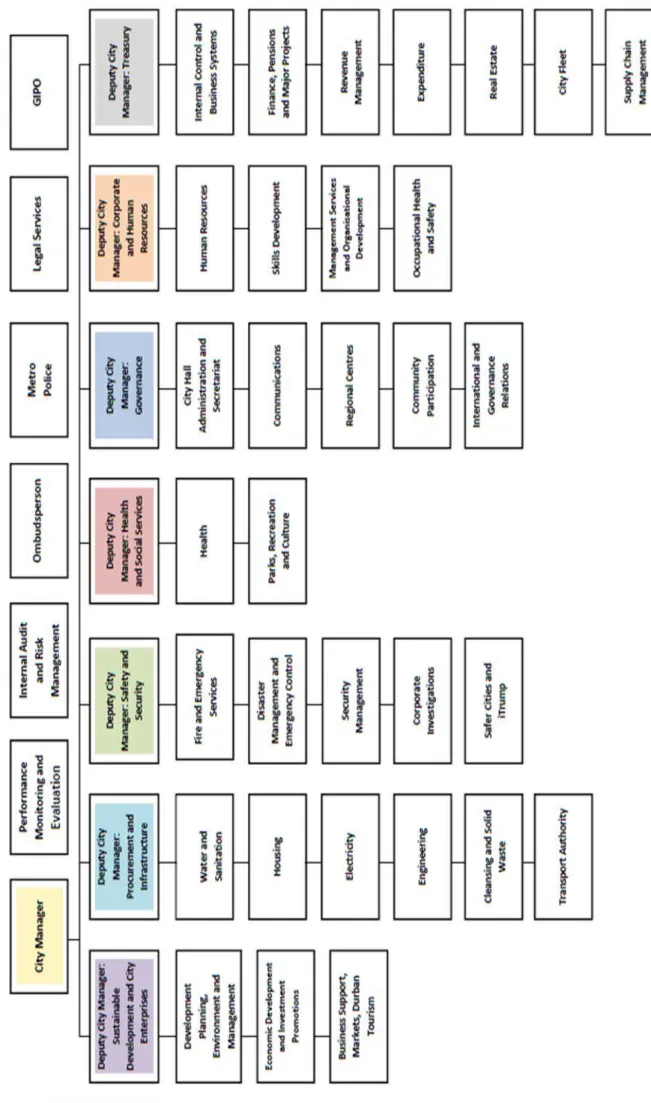
The City Manager is at the top of the municipal hierarchy in terms of chain of command and span of control and is responsible for the day-to-day administrative operations of the municipality. The manager has the responsibility of being the accounting officer of the municipality, thereby providing guidance to all the officials of the municipality and the entities which are under the sole control of the municipality. The City administration is led by the City Manager, supported by an Executive Management Team. Figure 2.1 reflects the organisational structure in the municipality in the form of an organogram. The City Manager, as illustrated in Figure 2.1, is also responsible for Performance Monitoring and Evaluation, Internal Auditing and Risk Management, the Ombudsperson, the Metro Police, Legal Services and the Geographic Information and Policy Office (GIPO).
The first three levels of organisational structure, as set out in figure 2.1, are the City Manager, Deputy City Managers (DCMs) and Heads of Units. The seven DCMs report directly to the City Manager, are responsible for a cluster and have Departmental Heads reporting to them.
In addition to the DCMs the Unit Heads report directly to the City Manager. The study targeted the Unit Heads.
As illustrated in figure 2.1, the DCM for Sustainable Development and City Enterprises is responsible for Development Planning; Environment and Management; Economic Development and Investment Promotions; as well as Business Support, Markets, and Durban Tourism. The DCM for Procurement and Infrastructure is responsible for Water and Sanitation; Housing; Electricity; Engineering; Cleansing and Solid Waste; and Transport Authority.
21
Figure 2.1 eThekwini Municipality Organisational Structure
22
The DCM for Safety and Security is responsible for Fire and Emergency Services; Disaster Management and Emergency Control; Security Management; Corporate Investigations and safer Cities, as well as the Inner City Thekwini Regeneration and Urban Management Programme (iTrump). The DCM for Health and Social Services is responsible for Health and Parks, Recreation and Culture. The DCM for Governance is responsible for City Hall Administration and Secretariat; Communication; Regional Centres; Community Participation; and International Governance and Relations. The DCM for Corporate and Human Resources is responsible for Human Resources; Skills Development; Management Services and Organisational Development; and Occupational Health and Safety. The final DCM is for Treasury and is responsible for Internal Control and Business Systems; Finance, Pensions and Major Projects; Revenue Management; Expenditure; Real Estate; City Fleet and Supply Chain Management.
The next section presents leadership and leadership theories.
2.4 Leadership
Leadership is a fascinating and controversial topic about which much is known but much remains to be learned. Leadership has long captured the attention of writers, scholars and the public. It is for this reason that a number of journals are devoted to the topic of leadership, such as the Leadership and Organisational Development Journal; the Journal of Leadership, Accountability and Ethics; the Global Leadership Review and the Leadership Quarterly.
Nevertheless some questions remain unsolved and this chapter sets out to answer the research questions guiding the study by reviewing scholarly papers, articles and cases on leadership.
In answering these questions, the section provides a review of what is known and what remains to be understood about leadership.
Bass and Riggio (2006:12) stated that leadership can be defined as the principal dynamic force that motivates and coordinates the organisation in the accomplishment of its objectives.
Grant (2012:158) described leadership as interpersonal influence run in a series of situations and directed in communication in order to achieve one or several goals. Dubrin (2007:135) saw leadership as the ability to inspire confidence and support among the people who are needed to achieve organisational goals. In Daft’s (2008:18) view, leadership is an influential relationship among leaders and followers which yields real challenges and outcomes that reflect their shared purpose. Ispas (2012:339) suggested that leadership is about coping with change; leaders react to change when they establish direction for the organisation by
23
developing a vision of the future, then the leaders align people by communicating this vision and inspiring them to overcome challenges.
There have been numerous definitions of leadership over the years. One can note that the different yet similar definitions of leadership are in some way interrelated in that they describe leaders’ characteristics and behaviours. Thus far the focus has exclusively been on leadership and leaders, however it is important to note that any act of leadership requires the committed involvement of followers. In order to fully understand the dynamics of leadership, the role of followers should not be overlooked. One of the main reasons why followers look to their leaders is the power they have over their followers. French and Raven (1960), cited in Van Zyl and Dalglish (2009:285), suggested that there are five sources of power. These sources are described hereunder:
i. Legitimate power
Legitimate power is also known as positional power. This form of power comes solely from the position of authority the leader holds in the organisation (Daft, 2008). Due to organisational protocol the subordinates are inclined to follow the leader’s instructions regardless of whether or not they support the decisions (McMahon, 2010). For example, in the eThekwini Municipality, job descriptions require junior employees to report to supervisors and this gives the supervisors the power to assign duty to their juniors.
ii. Reward power
Reward power arises from the ability of the leader to influence the allocation of incentives and rewards in an organisation (Dubrin, 2007). This form of power comes by means of promotion, salary increases, interesting assignments and positive appraisals. Leaders who exercise reward power in their organisations tend to influence their followers’ actions and performances (Northouse, 2004). Reward power has the ability to greatly motivate followers when used well, but conversely greatly demoralise followers when abused (Bryman, 2011).
iii. Expert power
Philanthropists often say that knowledge is power (Salman, Riaz, Saifullah and Rashid, 2011), and expert power comes from the leader possessing superior