Informasi Dokumen
- Sekolah: PT. Indonesia Asahan Aluminium
- Mata Pelajaran: Personal Protective Clothing
- Topik: Analisa Paparan Panas dan Redesign Personal Protective Clothing pada Pekerja Reduction Plant di PT. Indonesia Asahan Aluminium
- Tipe: thesis
Ringkasan Dokumen
I. Introduction
The study focuses on the analysis of heat exposure and the redesign of personal protective clothing (PPC) for workers in the Reduction Plant at PT. Indonesia Asahan Aluminium. This research is significant as it addresses occupational safety and health, particularly in environments where heat stress can adversely affect worker performance and health. The findings aim to enhance the educational objectives by providing insights into ergonomic design principles and their application in creating effective protective gear.
II. Literature Review
This section reviews existing literature on thermal comfort, heat stress indices, and the physiological impacts of heat on workers. Key theories such as the heat exchange processes (conduction, convection, radiation, and evaporation) are discussed. The relevance of these theories to the design of personal protective clothing is highlighted, emphasizing the necessity of integrating scientific principles into practical applications for improving worker safety and comfort.
III. Theoretical Framework
The theoretical framework outlines the concepts of thermal radiation, air temperature, air velocity, humidity, and their collective impact on human thermoregulation. It discusses how these factors influence thermal comfort and productivity. Understanding these principles is crucial for students and professionals in fields related to occupational health and safety, as they provide a foundation for designing effective protective clothing.
3.1 Radiation Temperature
Radiation temperature significantly affects body heat regulation, surpassing the influence of air temperature. This section elaborates on how thermal radiation from surrounding objects can impact heat retention and loss in workers, which is critical for ergonomic design in protective clothing.
3.2 Air Temperature
The body’s thermoregulation system strives to maintain an internal temperature of approximately 36.1°C to 37.2°C. This subsection discusses the mechanisms of heat exchange with the environment and the implications of physical activity on body temperature, underscoring the need for appropriate clothing insulation.
3.3 Air Velocity
Air velocity affects heat loss from the body. This section examines how varying air movement can influence thermal comfort and the design of protective clothing that facilitates adequate airflow while providing necessary insulation.
3.4 Humidity
Relative humidity plays a crucial role in thermal comfort by affecting sweat evaporation rates. This subsection highlights the importance of considering humidity levels in the design of personal protective clothing to enhance worker safety and comfort.
3.5 Heat Balance
Heat balance is essential for maintaining optimal body temperature. This section discusses the physiological processes involved in heat production and loss, providing insights into how protective clothing can help achieve thermal equilibrium.
IV. Research Methodology
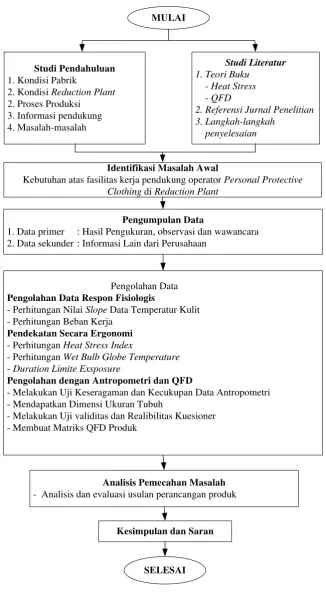
This section outlines the research design, including the descriptive comparative approach used to analyze the impact of environmental factors on worker health. The methodology emphasizes the importance of systematic data collection and analysis, which is crucial for students to learn in conducting their research effectively.
4.1 Research Location and Time
The research was conducted at PT. Indonesia Asahan Aluminium, focusing on the Reduction Plant during the months of July to September 2015. Understanding the context and timing of the study is essential for comprehending the environmental conditions affecting worker safety.
4.2 Research Type
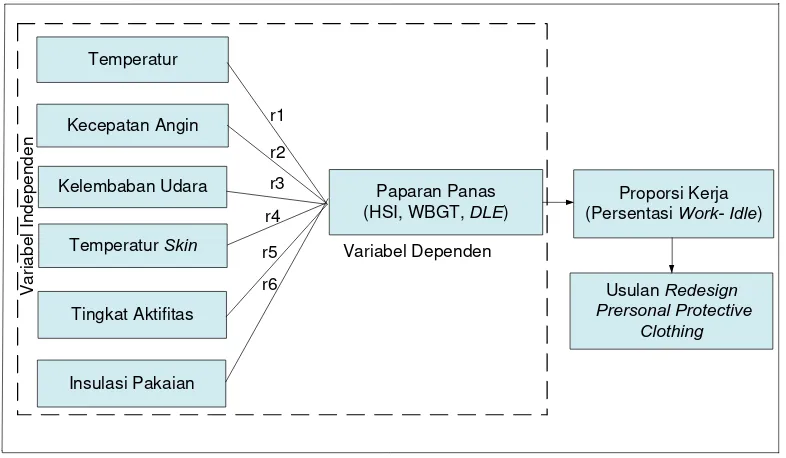
The study employs a descriptive comparative research type to explore the relationships between various independent and dependent variables, providing a framework for students to analyze data effectively.
4.3 Data Collection
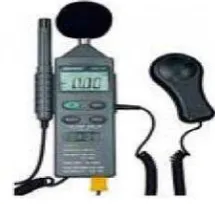
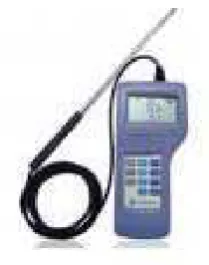
Various data collection methods, including primary and secondary sources, were utilized. This section emphasizes the significance of diverse data sources in enriching research outcomes and enhancing students' understanding of comprehensive data analysis.
V. Results and Discussion
The findings reveal critical insights into the thermal comfort levels of workers and the effectiveness of existing personal protective clothing. This section discusses the implications of the results for improving worker safety and productivity, highlighting the importance of evidence-based design in educational settings.
5.1 Heat Stress Index Analysis
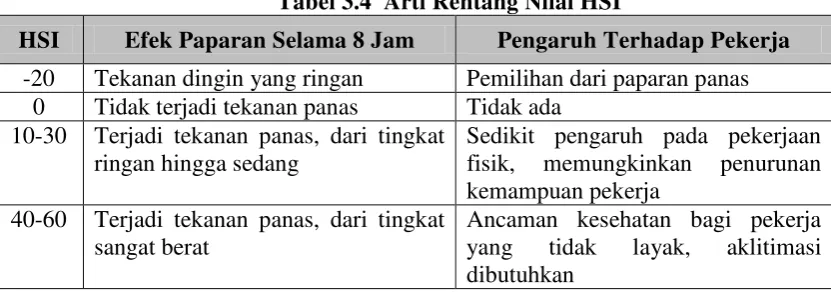
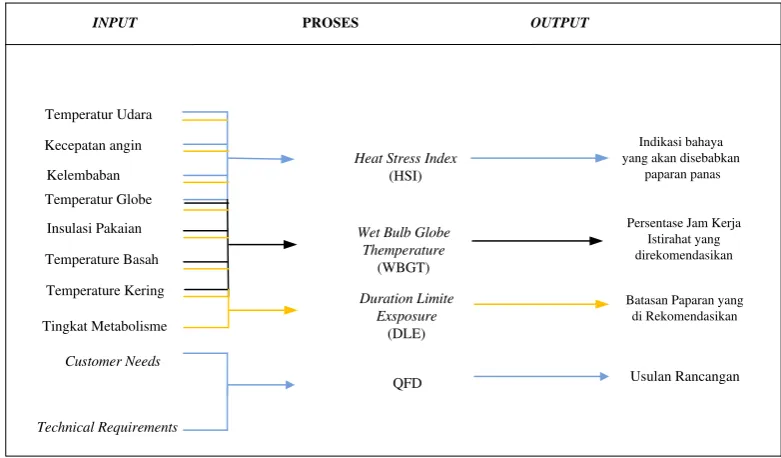
Analysis of the Heat Stress Index (HSI) provides valuable data on worker exposure to heat stress. This subsection discusses the implications of HSI findings for the design and selection of protective clothing.
5.2 Recommendations for Clothing Redesign
Based on the research findings, recommendations for redesigning personal protective clothing are presented. This section emphasizes the importance of integrating ergonomic principles into clothing design to enhance worker safety and comfort.
VI. Conclusion
The study concludes with a summary of the key findings and their implications for occupational health and safety. It reinforces the importance of applying theoretical knowledge to practical situations, which is a fundamental educational objective for students in related fields.
VII. References
A comprehensive list of references is provided, showcasing the scholarly works that informed the research. This section underlines the importance of academic integrity and the role of literature in supporting research findings.
Referensi Dokumen
- NIOSH Rekomendasi WBGT Limit, dalam o Panas pada Aklitimasi Pekerja ( NIOSH )
- Kriteria Nilai dari Tekanan Panas dari ISO 7933 (1989) ( ISO )