Direct the Rein
to Sail Along the Ocean
MONETARY POLICY RESPONSE
TO GLOBAL ECONOMIC CRISIS
CHAPTER
Indonesia Monetary Policy Response
amidst Global Economic Crisis
The global economic crisis, sill lingering in 2009, has
put enormous pressure on the country’s monetary
policy as manifested paricularly in the increasingly unstable domesic inancial system. Such a prolonged
global economic slump had led to a considerable
short-term capital ouflow in the irst quarter of 2009, signiicantly undermining the country’s stock and bond market performance, puing a strain on the rupiah exchange rate, and carrying added risks to the domesic banking industry. Such a blow to the country’s inancial system should not be let unchecked since it may undo the numerous posiive outcomes previously brought about by the country’s macroeconomic stability.
The monetary policy taken in response to such a pressure was aimed not only at striking a
harmonious balance between targeted price stability and economic growth, but also at safeguarding the country’s inancial system stability. By taking into account indicaions of decline in inlaionary
pressure, the country’s monetary policy has been
availability of short term liquidity to support money market aciviies, at the same ime opimizing the management of bank liquidity.
A series of policies taken since the last quarter of 2008 had been able to support the process of stability recovery in the inancial sector. This recovery has taken efect staring from the second quarter of 2009. This was relected in the decline of various risks within the inancial market, and in the prevenion of the rupiah exchange rate to further depreciate. This condiion was quite favorable in order to restore the performance of the real sector. The real sector itself has started to pick up since the beginning of the second semester of 2009.
In the future, the monetary policy will sill face various challenges. Firstly, the sill dominant share of porfolio investment within the capital inlow structure poses a risk of puing an increasing strain on the rupiah exchange rate in imes of capital
lows reversal. Secondly, the persistently vast excess banking liquidity has the potenial to reduce the efeciveness of monetary policy. Thirdly, there are sill unresolved structural issues in the real sector, including constraints in the supply side and market structure. Constraints on the supply side will make an increase in demand easily trigger inlaionary pressure. Meanwhile, the sill distorted market will make it harder for prices to go down.
3.1
Monetary Response in 2009
Throughout 2009, Bank Indonesia took a measured, loose
monetary policy stance to promote naional economic recovery. As inlaionary pressure remained low, the monetary policy was made in a measured response to ongoing economic development. Such a response was aimed not only at minimizing the negaive efects of global economic downturn, but also at maintaining the resilience of the country’s macro economy and domesic inancial system as a basis to reach a high quality economic growth. This stance was picked in line with the implementaion of a lexible ITF framework over the last ive years in a bid to reach a harmony between achieving inlaion target and economic growth (Box 3.1. Entering the 5th year of ITF Implementaion in Indonesia: Success and Challenges).
The measured, loose monetary policy stance can be
third episode was in September-December 2009 when BI Rate was kept on hold. As the inancial system condiion improved over ime, the unchanged level of BI Rate was consistent with the eforts to reach the inlaion target in 2010-2011, yet it sill provided ample room for the
economic recovery.
The widespread inancial crisis in developed countries weighing on global economic growth brought about quite strong pressure to the Indonesian economy chiely in fourth quarter 2008. The impact was observed in a signiicantly slower economic expansion due to a fall in exports. The balance of payments sufered from a surging deicit and rupiah exchange rate was severely depreciated. Foreign capital low reversal pushed the
risk in interbank money market up,44 sent stock market
indices to nosedive, and raised SUN yield to a high level.
The weakening economic acivity is also registered on slower expansion of liquidity and credit. Responding to a weak future inlaionary pressure, in January-March 2009 the BI Rate was lowered by 50 bps per month, making it stand at 7.75% in March 2009. In addiion, Bank Indonesia took a number of policies in the foreign exchange market to ease an excessive pressure in exchange rate volaility while maintaining liquidity adequacy in domesic foreign exchange market. Since 30 January 2009 Bank Indonesia also launched a foreign exchange repurchase agreement instrument (repo) by applying Republic of Indonesia Global Bond as transacion collateral.45 With the policy in
place, domesic banks could repo their own Indonesian Government Global Bond to Bank Indonesia to fulill their foreign exchange liquidity needs.
In subsequent developments, posiive seniment from the global inancial market began to rise in mid March 2009 bringing foreign capital lows back to emerging markets including Indonesia. This condiion in turn helped ease exchange rate pressure. The recovery in global commodity prices along with the posiive seniment over global inancial market recovery brought the Indonesia Composite Index up and SUN yield down albeit limitedly since mid March 2009. Posiive seniment also sparked over growing foreign exchange reserves generated from
44 Relected in some indicators, including the decline in PUAB
outstanding posiion, shrinking PUAB volume and actors, rising spread between PUAB O/N loor and ceiling interest rate, widening JIBOR spread in various maturiies, a shit in the augmentaion of banking excess liquidity stock placement to shorter term. 45 PBI No. 11/4/2009 on US dollar Transacion of Bank Repurchase
Agreement to Bank Indonesia dated on 30 January 2009.
the sales of Indonesian Government Global Medium Term Notes (GMTN). The posiive seniment grew stronger upon the enhancement of cooperaion to raise the amount of Bilateral Swap Arrangement (BSA) with Japan and Bilateral Currency Swap Arrangement (BCSA) with China. Those policies and posiive seniments could eventually relax the pressure on rupiah depreciaion in the whole irst quarter 2009. At the end of March 2009, the rupiah depreciated by 5.7% to Rp11,555 to the US dollar with a volaility of 1.0%.46 This depreciaion was lower than that of the last
quarter of 2008 recorded at 13.8% with a 2.4% volaility.47
Such an exchange rate development remained in line with condiions in regional countries.
The early signals of global economic recovery drove the improvement in risk percepion against both global and domesic economies. The efect of the improved global risk percepion was mainly supported by economic recovery momentum in the Asian region coninuing since early April 2009. The condiion served as one of the supporing factors in restoring domesic export performance, especially for natural-resourced based commodiies. In addiion, a growing opimism over the recovery of global economy, heightened by the improvement in risk percepion against assets in the emerging markets, drove foreign capital inlow back speedily. In the middle of insuicient economic growth and the expectaion for a mild inlaionary pressure in the future, the iniial global economic recovery served as a base for adjustment in BI Rate (a decrease of 25 bps per month). Thus in August 2009, the BI rate stood at 6,5%. In addiion, to give a guarantee and temporary cushion for
the banking liquidity availability Bank Indonesia launched
a 1-month windowrepo instrument since mid April 2009.
Gradual and consistent monetary policy easing taken
amid the coninued global economic recovery helped improve various domesic economic indicators. Increases in capital lows and exports were mirrored in the
balance of payments surplus. Foreign capital lows also contributed to the liting of Indonesia Composite Index, while SUN yield moved downward closer to the pre-crisis condiion (Chart 3.1). Improvement also occurred in the domesic foreign exchange market, as shown by rupiah appreciaion of 14.6% between the end of March to the end of August 2009, rupiah eventually closed at Rp10,080 per US dollar (Chart 3.2). Despite strengthening,
46 Or by an average of Rp11.578 per US dollar.
rupiah appreciaion remained supporive of Indonesian export compeiiveness. In the end, these developments help built conidence on a sustained recovery process in domesic economy; and yet, since domesic inlaionary pressure was expected to remain mild, the BI Rate was held constant at 6.5% between September and the end of 2009. Furthermore, in September 2009 Bank Indonesia also introduced a window repo instrument with a 3-month maturity, while in October 2009 BI implemented a
secondary Reserve Requirement (GWM) policy to beter
manage banking liquidity.
In the midst of improved seniment in the global
inancial market, the above menioned policies posiively contributed to the developments in various domesic economic indicators. The performances of the Indonesia Composite Index and SUN yield coninued to post achievements. The rupiah exchange rate also moved in a strengthening trend. Rupiah appreciaion that began in
the second quarter of 2009 went on, bringing the rupiah to Rp 9,425 against the US dollar at the end of 2009, or strengthening by 15.65% (ptp) from Rp10,900 for each US dollar at the end of 2008 (Chart 3.3). Along with those developments, inlaion expectaion coninued to subside (Chart 3.4). However, the improved condiion in inancial market along with the decline in BI Rate has not been responded opimally by domesic banks. This can be seen in the relaively high lending rates which in turn contributed to a weak credit demand. The withhold in credit expansion is one of the reasons behind the mouning excess liquidity stock in banking industry (see Box 3.2. Excess Liquidity and the Implicaion on Economy).
In addiion to achieving a fairly good performance in 2009, there has been remaining challenges which will potenially add to the complexity of future monetary policy. Among the challenges are the dynamics of short term foreign capital lows which is potenially inluenial to the rupiah
Chart 3.1 JCI, Governtment Bond, and BI Rate Chart 3.2 Exchange Rate and Internaional Reserve
Source: Bloomberg (processed)
JCI Yield of Goverment Bond (rhs) BI Rate (rhs)
percent index
Source: Bloomberg (processed)
Exchange Rate Internaional Reserve (rhs)
billions of USD Rp/USD
Chart 3.3 Exchange Rate and Volaility Chart 3.4 Inlaion Expectaion
Source: Bloomberg (processed)
percent Rp/USD
Volaility (average) Average Exchange Rate (rhs)
percent, yoy index
3.2
The Dynamics of Foreign
Capital Flows
As a small-open economy, developing countries generally
face a fundamental challenge when implemening
monetary policy in regard to the high dynamics in
foreign capital lows. The openness of capital account accompanied by the strong capital lows make exchange rate movement more afected by capital low acivity than the current account. It is worth noing, however, that exchange rate dynamics with open capital account may incite vulnerability in inancial system. A more luctuaive
capital account compared to the current account in the
midst of herding behavior can drive excessive lows or, on the contrary, a sudden stop in capital lows. Moreover, any increases in capital lows, especially the short term ones, will result in elevated volaility in the inancial market and will potenially turn into shock ampliier.48 in the middle
of weak infrastructure and minimal inancial market depth such that of a developing country.It will certainly
exacerbate the impact.
The foreign capital inlows in a form of large porfolio investment and the relaively weak structure of inancial market put developing countries into a vulnerable posiion against a sudden stop in capital lows. This could produce large exchange rate depreciaion, such as during the 1997/1998 currency crisis that rocked many developing countries, including those in East Asia. Other than a sudden stop in capital lows, a major depreciaion can also be caused by a shock to the terms of trade or to
48 Pruski, Jerzy and Piotr Szpunar (2008). ”Capital Flows and Their
the internaional interest rate. In a developing country adoping an open capital account and applying ITF as a framework in its monetary policy, the loaing exchange rate system is an opimum opion in accordance with the principle of “impossible trinity”.49
The growing role of capital lows is also experienced in Indonesia. In the 1990s period capitals inlow to
Indonesia were mainly foreign currency denominated debt
(foreign debt). In 1997/1998, when rupiah was severely depreciated, the vulnerability of corporaions having a foreign exchange exposure in their inancial structure increased. This added pressure to macroeconomic
stability and brought down the performance of the overall
economy. This state was due to a lot of imperfectness in the market and the inancial instruments. In 2000s, there are push and pull factor which accelerated the integraion of the domesic economy into the global economy through inancial markets (inancial linkage).
Increasingly rapid capital lows entering Indonesia were supported by interacions in the global developments serving as a push factor, while domesic developments act as a pull factor. Meanwhile, the global economy is
facing a global imbalance amid an overly loose monetary
policy and a large foreign exchange reserves accumulated by some developing countries. This will in turn trigger global excess liquidity. Meanwhile, pull factors were originated from various domesic condiions such as a deregulaion policy to set up a free exchange rate system,
49 Impossible trinity or the policy trilema is an internaional economic term which means that a country can only choose 2 out of the total 3 following policies: ixed exchange rate, free capital lows, and an independent monetary policy.
a favorable exchange rate regime, and a strong opimism among real sector actors. Furthermore, the appeal of capital lows is also inluenced by supports from a more prudent macroeconomic policy, both iscal and monetary paricularly ater 1997/1998 crisis.
In line with a further inancial integraion, the capital lows entering Indonesia have been increasingly more characterized by investments in the form of porfolio. In the 1999 – 2004 period and subsequent periods, the augmentaion of porfolio investment in Indonesia generally seemed to exceed the capital inlows in the form of Foreign Direct Investment (Chart 3.5). This kind of condiion brought posiive impacts such as a further diversiicaion in inancing sources, market deepening, and an incenive to improve governance. However, as the intensity of inancial linkage grows higher, any changes in global percepion will bring immediate repercussion to domesic market performance. In the case of a worsening global performance, such a relaionship can be asymmetrical. Meaning, any pressures in the global market can immediately trigger excessive asset price luctuaion, high inancial vulnerability, and inancial system tendency to act as a shock ampliier (as the domesic market is not yet eicient enough to absorb risks.50 )
The herding behavior and sudden stop phenomena
will further strengthen the characterisics of the inancial sector which tends to act as a shock ampliier.
50 This condiion is diferent from the assumpion commonly used in macroeconomic analysis that a inancial system endogenously follows macroeconomic developments while acts as a shock absorber within economic aciviies (shock absorber). Chart 3.5 Capital and Financial Account Composiion Chart 3.6 Current Account and Capital and Financial Account millions of USD
*annualized
Direct Investment Porfolio Investment Other Investment
millions of USD
* annualized
An excessive capital ouflow implicated by a herding behavior and a sudden stop takes its toll on shrinking rupiah exchange rate and domesic inancial asset value. Facts show that during 1997/1998 crisis rupiah’s plummet was accompanied by a severe luctuaion as it depreciated by around 85% during the July 1997-June 1998 period. Indonesia Composite Index sufered a sharp drop by 62% in June 1997-September 1998 period. In addiion, during a ‘mini’crisis in 2005SUN yield climbed sharply by 16%, while Indonesia Composite Index was down to the 1,058 level.51 In the 2008 economic crisis,
Indonesia Composite Index fell by 54%, while SUN yield was corrected by 20% during the period of February-November 2008.
The dominant role of porfolio investment in capital and inancial accounts push rupiah exchange rate volaility up. The growing share of porfolio investment within the balance of payment makes rupiah pricing vulnerable, since it is more afected by any changes in investors’ risk percepion within the global inancial market than by fundamental factors. This is made more complicated by the phenomenon that the capital lows from the current account, is not fully suppllied the domesic foreign exchange market (Chart 3.6). Some exporters prefer to put their export-generated foreign currencies in overseas placements due to a number of reasons such as (1) the
policy of their parent companies, especially for foreign
subsidiaries; (2) terms and condiion of the Master Loan Agreement, mainly for the exporters who rely their inancing on loans; and (3) eforts to opimize the advantage of services provided by overseas banking to the exporters who are also importers at the same ime.
The dynamics of an exchange rate which is more afected by porfolio capital low creates a complexity for monetary management. This is due to the changes in interest rate that will not automaically afect exchange rate movement both through domesic demand channels and inancial channels in referrence to the concept of Uncovered Interest Parity (UIP). A measured and prudent policy interest rate seing is indeed able to build up market conidence. However, in imes when global condiion is overwhelmed by high uncertainies, UIP postulate does not always work, even for developed countries adoping ITF. To the Indonesian economy, these things have added to the complexity of the policies given that exchange rate
51 In 20 October 2005, or depreciated by almost 2% since the end of
September 2005.
remains highly inluenial to domesic prices (pass-through impact).52
The strategy to manage capital lows and exchange rate should be done in line with a lexible ITF implementaion. Under general ITF framework, a loaing exchange rate system is a strategic choice for an economy. However, in a condiion where the role of rupiah exchange rate tends to act as a shock ampliier and where there is relaively high inlaion ‘pass-through’, the strategy in exchange rate management needs to be reinforced by
policy strategies other than one using interest rate as its
main policy instrument. The example of such policy is measured intervenion in the foreign exchange market to reduce excessive luctuaion in rupiah exchange rate (smoothing).53 It is worth noing that central bank’s
intervenion into the foreign exchange market brings a psychological efect to the exchange rate movement and serves as an efecive agent to inluence a short term exchange rate, especially when compared to the response against interest rate based policy.54 In this regard, the
strongest efect of this policy mainly hit developing countries as their markets are smaller while their central banks are relaively beter informed than the market players.
In the case of Indonesian economy, the applicaion of the highly lexible exchange rate system inclines to add a depreciaive pressure. In such a condiion, the Bank Indonesia’s policy toward foreign exchange market is
carried out in a measured way over a certain period and
degree, thus keeping a depreciaive pressure on hold and prevening inlaion expectaion from sparking.
However, the policy is not sustainable when not reinforced
with eforts to reach the inlaion target. Therefore,
commitment and consistency of monetary policy in order
to achieve the targeted inlaion level should always be coninued. This will increase monetary policy credibility,
which is in turn will help to create a low and stable
52 Conceptually, under a loaing exchange rate system the potenial of a pass-through efect from the exchange rate to domesic prices is low (Hufner, Felix. ”Foreign Exchange Intervenion as Monetary Policy Instrument: Evidence for Inlaion Targeing Countries”, ZEW Economic Studies 23. 2003). However, an idle UIP (caused by, among others, the dominaion in porfolio capital lows) leads to a high pass-through efect of exchange rate to imported goods prices.
53 Accompanied by sterilizaion (sterilized intervenion) to put a neutral
impact to liquidity.
54 Disyatat, Pii and Gabriele Galai (2005), “The Efeciveness of
inlaion expectaion. Such an achievement will also relax the ‘pass-through’ impact on an unexpected depreciaion.
Finally, it can be concluded that the rise in capital lows among countries in the world will in turn afect domesic policy. The development in global market nowadays
contributes to improved discipline in monetary and
iscal policies. This is done by punishing poor policies and rewarding excellent ones. The eforts to discipline
monetary policy are carried out by, among others,
implemening ITF, and by reinforcing the commitment
in the policy to improve transparency among economic
actors. The global inancial crisis shows that price stability
will not guarantee stability in inancial system. The strong capital lows among countries made exchange rate more afected by capital lows than the current account condiion, which serves as a beter relector on economic fundamentals. Therefore, the role of monetary
authority in developing countries will not only be limited to managing interest rate policy, but also to monitoring
3.3
Monetary Policy Transmission
in the Midst of High Risk Percepion
and Excess Banking Liquidity
Monetary policy face challenges from distorted transmission mechanism. In normal circumstances,
monetary policy is expected to be capable of direcing economic aciviies efecively. Theoreically, monetary policy response is transmited through a number of
channels such as interest rate, credit, corporate balance
sheet, asset value, and exchange rate. In Indonesian context, since the start of ITF implementaion in July 2005 monetary policy has put interest rate as its operaional target. In this case, policy signals are transmited through interest rate policy seing, namely BI Rate. By using various monetary instruments to afect the liquidity in money market, the Bank Indonesia’s policy is transmited through various channels, which in turn will afect domesic demand and inlaion. The logic of the interdependency among variables in policy transmission
mechanism is illustrated in (Diagram 3.1.)
Generally, the monetary policy transmission has run well in inancial markets, especially in stock, government bonds
and mutual funds markets. Loose monetary policy seems
to be favorable to support improvement in conidence amid the iniial recovery in fundamental condiion. In 2009 Indonesia Composite Index recorded an annual growth
of 87% underpinned by the mining sector (Chart 3.7). In
Asset Value posted a robust growth reaching Rp113 trillion or up Rp38.7 trillion compared to 2008 level. The types of mutual fund which contributed to the jump in NAB were mainly the protected and ixed-income ones.
During a recovery from crisis period, monetary policy transmission was indicated to work through liquidity channel. That was made possible as a consequence of Bank Indonesia’s efort in managing liquidity and the assumpion of a stable money muliplier of narrow economic liquidity (M1). In addiion, the relaionship
among the real M1, interest rate and the real economic
growth seemed stable enough in the long run. Under such a relaionship, the slowing M1 growth relects more on
the severity of the impact from deterioraing economic aciviies than the impact from a decline in deposit rates. This implicitly indicated that M1 condiion was in line with the real acivity needs within the economy (Chart 3.9).55
However, the global economic downturn forced monetary
policy transmission process to face some challenges.
The spreading efects of the global economic crisis were strong enough to drive the economy to slowdown and
55 Conducted by comparing test results using standard currency
demand funcion to actual currency demand condiion. If the relaive test result is equal with the actual condiion (deviaion within a standard error range) then the currency demand matches with economic needs.
Diagram 3.1 Monetary Policy Transmission Mechanism
Chart 3.7 BI Rate and JCI Chart 3.8 BI Rate and Yield Government Bond
Source: Bloomberg (processed) index
JCI BI Rate (rhs)
percent
Source: Bloomberg (processed)
Yield Government Bond BI Rate
later pushed economic actors, mainly in the banking industry, to be more prudent and risk averse. This was quite common due to the fact that inancial system
tends to be procyclical.56 However, under a crisis period
such behavior was reinforced by the existence of the inancial accelerator.57 Amid the persistency in excess
banking liquidity and the lack of response in the supply
side—thus reducing the efeciveness of macroeconomic policy simulus transmission toward the real sector— all of those factors menioned above became obstacles for
monetary policy transmission mechanism through the use of interest rate and credit channels.
g
Interest Rate Response
The efeciveness of the BI Rate’s inluence on various interest rates in money market and banks has improved over ime. Iniial tests on the hypothesis of
56 Bank Indonesia’s Directorate of Economic Research and Monetary Policy (2009),”Review on Inlaion Targeing Framework (ITF) Implementaion in Indonesia”, Working Paper, December.
57 Financial accelerator means that credit market distorion will further strengthen economic shocks. The distorion, which is supposed to be minimal under an eicient market, will turn to be an excessive and protracted one under an imperfect credit market condiion.
the “term structure of interest rates”58 during the ITF59
implementaion era shows that generally monetary policy
transmission mechanism through interest rate channel
works.60 Transmission efeciveness in the efect of BI Rate
onto Inter-Bank Money Market Overnight (PUAB O/N) interest rate improved very signiicantly (Table 3.1). This is related with the posiive aspect of operaional framework improvement including the narrowing of the interest rate corridor especially since early 2008. PUAB O/N interest rate,which was moving closely against BI Rate in a narrow range, has been transmited into PUAB interest rate in various maturiies in a relaively similar magnitude. However, it is worth noing that the efect of PUAB interest rate to deposit and lending rates and the efect
of deposit rate against lending rates are not as strong as
the efect of BI Rate against PUAB O/N interest rate. This is connected with a number of micro condiions faced by market players amidst the prevailing percepion against macroeconomic condiion which was not fully recovered ater the global economic crisis.
However, during a crisis period the magnitude of a
decline in lending rate turned to be much smaller than
the decline of BI Rate and deposit rate. Data observaion shows that the gap between lending rate and deposit rate has grown wider. The same thing also occurred to the gap between Lending Base Rate (LBR) and BI Rate. When further analyzed based on micro bank perspecive,
58 A long term interest rate is a weighted average of short term interest
rates (future short term interest rates).
59 Under an ITF regime with an interest rate as an operaional target basis ,the assumpion applied is that through a policy rate seing under a monetary operaion (liquidity management), a central bank can afect current and expected O/N interest rate (shortest market interest rates), fund/credit market interest rate (longer term interest rates), thereby, real economic aciviies.
60 Hypothesis test on “term structure of interest rates” was carried out by Vector Auto regression approach (VAR), by applying 2 lag periods. Exogenity assumpion on interest rate behavior in such systems, namely SBI 1 month (represents “policy rate”), PUAB O/N, Deposits ,and Credit. The predicion result is shown by Variants Decomposiion Analysis, namely a porion in a variaion change of a variable that is explained by a change in another variable.
Table 3.1 Variance Decomposiion: Impact of variable for the next 1 to 3 months Chart 3.9 Growth of Nominal M1 and M2
Chart 3.10 Spread of BI Rate-COF and Based Lending Rate-BI Rate Chart 3.11 Spread of Lending rate with Based
Lending Rate and Deposit Rate Source: Bloomberg
Spread of lending and deposit rates Spread of lending and based lending rates
percent percent
percent
Source: Bloomberg
Spread ob BI Rate and COF Spread of Based Lending Rate and BI Rate
some factors contributing to the lending rate movement include the cost of fund, risk premium
that tended to rise during lending rate formulaion, and proit margin.61 An iniial observaion using ex-post data
from banking inancial reports indicates that the decrease in an aggregate banking cost of fund throughout 2009 tended to be slower than the BI Rate decline (Chart 3.10). Furthermore risk premium in the economy was sill perceived to be high as relected in the spread between LBR and the actual lending rate (Chart 3.11). Addiionally, the 2009 also saw an indicaion that the banking industry prefers to maintain their proit margin.62
Eforts to strengthen the internal condiion of banks by compeing to draw public fund, charging a greater business risk (risk averse), and also accumulaing proit seemed contradicive as the real sector was sill in recovery process. On the contrary, this condiion can also be perceived as banking prudenial eforts given the sill nascent improvement in global inancial market.
The slow adjustment in lending rate has its root in the variety of the bank sizes and their targeted business sectors. In this condiion, banks were allowed to compensate their ineiciency on higher lending rates. Moreover, the high banking proit margin as seen in their Net Interest Margin (NIM) posiion was indicated to hinder the lending rate reducion. This situaion was
exacerbated by the tendency that the greater the bank is,
61 In line with Gambacorta, Leonardo (2004), “How Do Banks Set Interest Rates?” NBER Working Paper Series No. 10295.
that industrial structure, cost of loanable fund, overhead cost and risk premium afects credit pricing formulaion.
62 In the long run it is feared to heighten the risk due to an appearing
“adverse selecion”, namely the debtors who prefer to take a high lending rates tend to be those having a high risk.
the less responsive it is against any changes in monetary policy. This phenomenon was in line with several studies in the past on lending rate rigidity and banking eiciency.63
In addiion, within the general credit market, there is a leader and a follower behavior to determine interest
rate.64 Moreover, the year 2009 also saw an expanding
role of Small, Micro and Medium (SME) credit. Given their characterisics, MKM borrowers tend to focus on credit access compared to lending rate, making the formulaion
of lending rate more complex.
The banking excess liquidity, which tends to be persistent,
comes as another factor that can explain the hindered response against interest rate. A persistent and structural
excess liquidity is deemed as a heavy challenge in a bid to implement the monetary operaion framework. Such a challenge, if not well managed, will take its toll on a high volaility in PUAB interest rate, which in turn will undermine the exchange rate stability and the efeciveness of monetary policy transmission. The deviaion and volaility of PUAB interest rate, which are
63 On Agung, Juda, Bambang Muki Riyadi, and Nugroho Joko Prastowo (2002), ”Banking Interest Rate Rigidity”, Research Note, Directorate of Economic Research and Monetary Policy, Bank Indonesia; for instance, says that interest rate rigidity is related with, among others, banking balance sheet condiion and credit market structure tended to be more concentrated. This is relected in the highest
rigidity of the recap banking lending rates due to the asset structure
of the group of banks which is sill dominated by government bonds. Hadad, Muliaman D, Wimboh Santoso, Eugenia Mardanugraha, Dhaniel Illyas (2003), “Parametric Approach for Banking Eiciency in Indonesia”, Bank Indonesia’s Financial System Stability Bureau, Research Paper No. 4/5; says that major banks’ eiciency is not beter than in those of foreign banks and joint venture banks. 64 Kahn, Pennacchi and Sopranzei (2000), ”Bank Consolidaion and
higher than the BI Rate, will cost monetary policy its credibility. In addiion, some observaions show that
if excess banking liquidity is failed to be absorbed by
the authority, it will in turn pose a potenial pressure on monetary stability, inlaion and exchange rate. Empirical studies done in a lot of countries show that excess banking liquidity pose the potenial to undermine monetary
policy transmission.65 Responding to such a structural excess liquidity issue, the management of excess banking
liquidity needs further coordinaion among monetary, iscal and banking authoriies.
g
Banking Credit Extension
The retenion of the lending rate and the growing risk percepion caused by the fallout from the global crisis resulted in slower growth of banking credit. During 2009, credit expansion (including credit extension) only reached Rp117.2 trillion (8.7% yoy) adding to a total credit of Rp1,470.8 trillion, much lower than the credit expansion over the same period in 2008 which stood at Rp326.2 trillion (31.2%, yoy) (Chart 3.12). The coninued decline in credit growth was mainly atributable to a fall in foreign currency denominated credit growth, which was triggered by export reducion due to the global economic contracion. Meanwhile, rupiah credit also grew at a slower pace in line with the contracion in domesic economy as lending rates remained relaively high.66
65 Agénor P.R, J. Aizenman, A. Hofmaister (2000), “The Credit Crunch in East Asia: What Can Bank Excess Liquid Assets Tell Us?” NBER Working Paper Series No. 7951 and Saxegaard (2006),“Excess Liquidity and Efeciveness of Monetary Policy : Evidence from Sub-Saharan Africa”, IMF WP/06/115.
66 That is supported by the banking survey results showing that the slow credit expansion is in line with the remained high lending rate
Slowing credit growth occurred in all economic sectors, especially in manufacturing industry and service sectors. The fall in credit growth especially hit Working Capital Credit (KMK) in industrial and service sectors, billed
as one of the biggest credit absorbing sectors (Chart
3.13). Meanwhile electricity, water and gas sectors grew relaively high in line with the infrastructure development, especially in electricity sector, although when compared to the growth in previous year the sector also sufered a signiicant slowdown of growth. Such a sectoral credit condiion was due to low domesic economic growth caused by disrupion in overseas demands.67
A phenomenon of the slowing credit growth is predicted to be not only rooted in a weak credit demand, but also in the retenion of credit supply. A slump in domesic economy will automaically cut inancing needs.
Meanwhile, the real sector which has yet to fully recover poses to add risk to Non Performing Loans(NPL) making
banks more prudent in extending fresh credit.This seems
to be in line with the behavior of inancial system that
tends to be procyclical.68 In a normal situaion or while the
economy is expanding, the sensiivity of monetary policy against aggregate macroeconomic variables seems to work in accordance with a general concept. Any changes in policy interest rate correspond with changes in lending rate, and in turn credit extension. This is in line with the
hypothesis about the existence of risk taking channel, which stated that inancial insituions tends to drop its
and economic risk percepion among certain economic sectors. 67 The esimaion results show that the current actual credit posiion
is already relaively equal with potenial credit demand amid a not fully recovered economic condiion.
68 Report of the Financial Stability Forum on Addressing Procyclicality in the Financial System, Financial Stability Forum (2009).
Chart 3.12 Credit Growth Chart 3.13 Credit Growth and Working Capital Rate
Credit in Rupiah Credit in Foreign Currency Total Credit (rhs)
percent, yoy percent, yoy
Credit in USD
Growth of Working Capital Credit Working Capital Rate (rhs)
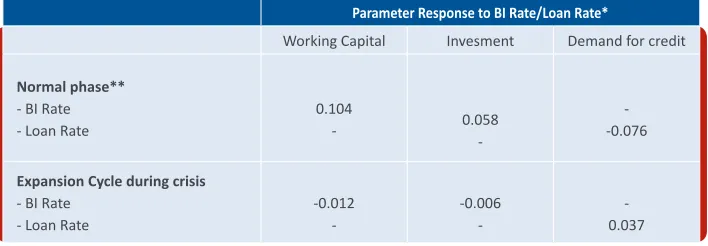
Table 3.2 Interest Rates and Monetary Policy Transmission Mechanism
* esimated using regression method with observaion periods started from January 2001 to June 2009 ** normal phase includes expansion and contracion cycles
Parameter Response to BI Rate/Loan Rate*
Working Capital Invesment Demand for credit
Normal phase**
- BI Rate - Loan Rate
0.104
- 0.058
--0.076
Expansion Cycle during crisis
- BI Rate - Loan Rate
-0.012
--0.006
-0.037
risk percepion by easing the credit extension standard. Meanwhile when opposite condiion occurs such as during
the ongoing global crisis a corrected response manifested
in lending rate cut following the drop in BI Rate.69 The slow
response in lending rate cut will later lead to the drop in credit extension (Table 3.2) while the existence of a inancialaccelerator will further shrink intermediaion.
69 In line with the study of Peersman and Smets (2001), “The Monetary Transmission Mechanism in the Euro Area : More Evidence from VAR Analysis”, ECB Working Paper Series No. 91; European region saw a sensiivity of the monetary policy against economic growth was indicated to be not strong in afecing economic growth when the economy was under a crisis cycle. One of the contribuing factors to such a condiion is the fallout from the inancial accelerator propagaion mechanism, which further worsens when
the economy is under a crisis cycle.
During a crisis, banking industry tends to avoid risk and focus more on maintaining liquidity adequacy. Even, when confronted to a situaion with a mouning counterparty risk in money market, banks opt to go on with liquidity hoarding, for instance, by increase their low-risk porfolio
placements such as in central bank instruments. This
will in turn expand banks’ capability in absorbing the possibility of deterioraing credit performance caused by the weakening real sector.
In the future, the recovering economy is expected to boost credit demand. With this in mind, banks can drop their risk percepion, and subsequently their lending rate, creaing a favorable environment to improve efeciveness of policy
3.4
Supply Side Condiion and Implicaion
on Inlaionary Pressure
The domesic economy coninued facing various problems in its supply side, among others were micro structural constraints. Such constraints were mainly in the forms of ineiciency or a high cost economy, disharmony between central and regional regulaion, a lack of infrastructure and energy supply, along with low skilled labor forces, which will not only afect the sustainability of economic prospect and macroeconomic stability, but also will decrease Indonesia’s relaive compeiiveness in comparison with other countries in the region. Such micro structural constraints brought about several constraints such as a less responsive supply side against any developments or policy simulus generated in the demand side, the imperfectness of the market structure for certain commodiies, and the ineiciency in trade regulaion/distribuion line.
g
Supply Side Response
The lack of response in the supply side developments in relaion to developments in the demand side is relected in a steep and less elasic supply curve during a post-crisis period. Empirical observaion on the behavior of the supply side as relected in the Phillips New Keynesian Curve,70 shows that during a pre-crisis period (1975 –
70 General speciicaion of Phillips New Keynesian Curve is underlied
1997) the short term elasicity of the inlaion against output development (output gap) stood at 0.1 – 0.2, whereas during post-crisis period (1998 – 2009) such an elasicity rose to between 0.3 – 0.4. The observaion also inds that the behavior of the Phillips curve was also afected by the fallout of the 2008 global inancial crisis, in which the short term elasicity of the inlaion toward output before 2008 global inancial crisis (1998 – third quarter 2008) was recorded at around 0.2 – 0.3.71
Furthermore, the inclusion of dummy variables in the basic equaion to difereniate the efect between the posiive and negaive output gap leads to a conclusion that during a crisis period there is a tendency that posiive output gap gets higher efect than negaive one, which is an indicaion of an asymmetrical or non-linear behavior of the Phillips Curve.72
71 The esimaion was conducted by using quarterly data. Theoreical assumpion was set as γb+γf = 1. Esimaion method used Generalized Method of Moments (GMM) technique with variables such as inlaion lag instrument, current value and exchange rate lag, current value and monetary magnitude lag (M0), and cyclical factor. Output gap variables were esimated by using Hodrick-Prescot Filtraion method. The theoreical restricion test showed that nil hypothesis of γb+γf = 1 was not rejected. The shown test result of parameter value within the range was related with the diferences in the result of esimaion between the one which incorporated extreme data behavior during crisis periods, between 1997.4 – 1998.4, and the one which did not.
72 This observaion was a revisit on a study about the Phillips Curve in Indonesia, (Solikin, 2004, “Structural Changes and Phillips Curve
The predicion further conirms three empirical indings on the alteraion of behavior in the supply curve which tends to be less elasic due to the structural changes in the economy. Firstly, in imes of crisis the slope of supply curve tends to be steeper, meaning that inlaion development tends to be more sensiive against output development. This way, with the same amount of demand side simulus, the afected change in prices tend to be larger. Secondly, the relaively steeper supply curve during 1998 – 2009 period compared to 1998 – 2008 period shows that the 2008 global inancial crisis has escalated the potenial constraints within the supply side (Chart 3.14). Thirdly, such a structural issue, which afects the behavior of Phillips Curve (tends to be convex in its shape), is in line with the hypothesis about the presence of capacity constraints within the Indonesian economy, mainly occurring during economic crisis periods. This is one of the main factors behind the inlaion rigidity.73
Behavior in Indonesia: Existence, Expectaion Formulaion, and Non-Linearity”, Bulein Ekonomi Moneter dan Perbankan, March). Substanially, the conclusion is similar, namely the structural changes afected by 1997/1998 inancial crisis resulted in the Phillips Curve which tended to be less elasic and non-linear in Indonesia. 73 This in line with the analysis conducted by Bank Indonesia that said
the movement of inlaion permanent component tended to decline, however, sill above 5% level. Afandi (2007) ”Economic Structure and the Implicaion against Inlaion Target in 2008-2009”, Research Notes, Directorate of Economic Research and Monetary Policy, Bank Indonesia, 30 October.
pre-crisis period post-crisis period global financial crisis in 2008
± 0.2 - 0.3 ± 0.1 - 0.2
The implicaion of the three empirical indings to the monetary policy implementaion is that the efeciveness of macroeconomic policy simulus transmission to the real sector is to decline. This condiion will cause the economy to heat up faster and the inlaionary pressure to be higher. A further impact is in the inlaion rate that tends to stabilize in a relaively high level, making interest rate relaively hard to be put down to a lower level. In a macro scale, such a condiion will cost economic resources allocaion ineiciency, and will further loosen the interconnecion between the real and inancial sectors (decoupling). The end result is an imbalanced economic growth structure as seen in recent years. Meanwhile, excess liquidity in the inancial market coninues to rise and remains beset by various vulnerabiliies.
Responding to such a problem, some structural steps need to be taken in the form of beter coordinaion between Bank Indonesia and the government. In the monetary policy side, Bank Indonesia is expected to formulate an appropriate policy stance by assessing the ongoing economic condiion. Taking into account, that the steeper the slope of the Philips Curve is, the less cost is needed to curb inlaion, and vice versa. Therefore, the monetary policy challenge in the future (recovery phase) is ied to a decision on short term policy preference, which is a choice between enforcing economic growth momentum versus reducing inlaion. In macro policy perspecive, policy coordinaion should be prioriized in order to strengthen the economy and accelerate infrastructure development so as to improve producion capacity and economy in general. Such a move is expected to inluence the behavior of the supply side to be more lexible in response to development in the demand side, thereby the
policy support to boost economic recovery process, amid the potenially persistent uncertainies ahead, will end up with opimum result.
g
Market Structure and Trade
Regulaion
The imperfect market structure of certain commodiies may create downward price rigidity. Bank Indonesia’s has observed that imperfect market structure in certain commodiies is relected in high concentraion raio (Table 3.3).74 With such a market structure, business actors has
the opportunity to transmit the rise in producion cost directly to consumers and hold prices in case of a drop in raw material prices. If this condiion is to coninue, it will lead to a state of downward price rigidity. The indicaion of the existence of such rigidity is shown on the price movements of certain strategic commodiies which were relaively stable or inclined to rise despite the dropping price of raw materials in the global market (Chart 3.15).75
Such downward price rigidity is one of the main factors behind the persistently high inlaion level in Indonesia. The inlaion rate tends to remain high despite the success in avoiding downturn. This sparks a hypothesis on the existence of a persistent inlaion. If persistence is deined as a ime period needed to return to the prior level ater a shock occurrence, then the above menioned fact implies the high persistence of inlaion in Indonesia.
74 Concentraion Raio (CR) is the amount of market share of a number
of large corporaions. An example: CR4 is a concentraion raio of 4 largest corporaions.
75 Due to, among others, its large porion in the CPI bracket. Chart 3.15 Internaional and Domesic Commodity Prices
index USD/bushel
Source: Bloomberg (processed)
Wheat (rhs) Wheat Flour CPO Cooking Oil (rhs)
USD/metric ton index
Some researches have conirmed such a condiion. An iniial research found that inlaion persistence degree stood at 0.8–0.9. The persistence degree of Consumer Price Index (CPI) inlaion and the disaggregaion based on good and service group categories also stood at 0.8–0.9, despite a generally declining trend in the post crisis period compared to the pre-crisis.76
Another issue contribuing to the high inlaionary pressure is the ineiciency of the distribuion channel. Long distribuion channels will not only lead to a higher price level received by consumers, but also create risks within the distribuion chain itself. Thereby, one of the key
76 The persistence esimaion used univariate model in the form of
autoregressive. By adoping the formula from Gujarai (2003), ”Basic Econometrics”, McGraw Hill Higher Educaion, applied by Alamsyah, Halim (2008), ”Inlaion Persistence and Impacts on the Choice and Response of the Monetary Policy in Indonesia”, Dissertaion in Doctoral Program, University of Indonesia. Inlaion Persistence of 0,8 – 0,9 means that when a shock occur, then 50% of the shock will be absorbed within 4 – 9 month period and the remaining will be absorbed during a period when the inlaion travelling back to its long term normal average level. The calculaion on the ime needed to absorb the 50% of the shocks used a calculaion formula mean lag ρ/(1-ρ), with ρ as a persistence degree. By using Phillips New Keynesian Curve Model, the research further conirmed the inding of post-crisis decline in inlaion persistence.
methods to reduce inlaion is by improving distribuion eiciency. The distribuion eiciency of a product highly depends on the length of distribuion channel and the amount of proit enjoyed by each chain. The longer the distribuion chain and the greater the proit margins imposed along the way, then the less eicient is such a distribuion acivity, leading consumers to sufer from a higher price. In addiion, longer distribuion chain creates potenial inlaion risk in the event that problem arise in the distribuion channel. Assessment on various distribuion channels found that agricultural products (rice and red chili) have the longest distribuion chain since it involves traders/middlemen.77 In this channel the greatest
proit margin lies in the hand of traders.78 Meanwhile,
other strategic food commodiies face other challenges
77 Agricultural commodity distribuion line generally consists of:
farmers, collector traders/middlemen, major traders, retail traders and consumers. The majority of respondents (84% for rice and 73% for red chili) prefer to sell their products to local collector traders/ middlemen due to a reason in sales conveniences as the traders pick the goods on the spot (“The Role of Distribuion in Food Commodity Price Seing”. Bank Indonesia, 2008).
78 Based on the survey on the trade regulaions on rice in West Java, West Sumatera, Yogyakarta and South Sulawesi, the largest proit margin is at trader level (“ Inlaion from the Supply Side Seminar”, Bank Indonesia, 16 October 2008).
Table 3.3 Raio Concentraion of Some Industries
Source: Large Manufacturing Staisic by Staisic Indonesia (processed) and Indonesian Economic Outlook (August 2009)
CR4>0.75 shows oligipoly or monopoly structure
No ISIC 5 Industry CR4
Food Product and Beverages
1 15431 Chocolate powder 1.00
2 15321 Wheat Flour 1.00
3 16003 Cigaretes 1.00
4 15144 Cooking Oil, made of palm Oil 0.83
Texiles
5 17111 Preparing of texile iber 0.98
6 18102 Other wearing apparel made of texile 0.89
Paper and Paper Products
7 21011 Pulp 0.99
Chemicals and Chemical Product
8 24132 Synteic rubber 1.00
9 24242 Cosmeics 0.99
10 23203 Product of petroleum reineries 0.98 11 24122 Straight ferilizer 0.95 12 24231 Pharmaceuical preparaion 0.88
No ISIC 5 Industri CR 4
Cement and Other Non-Metallic Mineral Product
13 26411 Cement 0.91
14 26501 Household ware made of marble and
granite 0.83
Basic Metals
15 27102 Steel rolling industry 0.96
16 27320 Non ferrous metal smeling
industry 0.90
Motor Vehicles, Machinery and Equipment
17 31101 Electric motors 1.00
18 34100 Motor vehicles 0.99
19 35911 Motorcycles 0.90
namely trade regulaion issue within the exising aucion system. In this case, winning bidders are dominated by distributors/major traders.
Distribuion issues can also be viewed from regional economic perspecive, as it is worth noicing that high inlaion in certain regions is basically caused by high dependency on supplies from other regions, especially Java. This is related to the limited producion of foodstuf and processed food in the regions. To make things worse, the distribuion chain is quite long with distributors and traders playing a dominant role in the price seing mechanism, especially for food commodiies. Moreover, Indonesia’s geographical condiion is also prone to problems related with goods distribuion in general.
In addiion to such problems, limited domesic supply and uneven spread of producion centers linger on. The high dependency on imported products and the limited ability to fulill certain supply of goods within a certain period pushes the inlaion to luctuate. The thin raio between producion and consumpion and the dependency on imports on certain strategic food caused prices of this commodiies to be highly vulnerable against shocks, both domesic and external. Moreover, the low producion of some food commodiies force such commodiies to coninue to rely on imports, making them vulnerable against the movement in internaional prices, such as in the case of wheat lour, soybean, animal feed79 and
79 As one of the producion components of beef and egg. The
animal feed price development will also afect the price of those commodiies.
3.5
Conclusion
In 2009, the monetary policy stance tended to be loose
as a manifestaion of BI’s commitment to help economic recovery and also to build up a strong foundaion for a
sustainable economic growth ahead. Such policies was
taken amid pressure from inancial system stability. Thus a number of policies efecive since the inal quarter 2008
remained kept in place, even reinforced, in order to keep
money market funcioning. All of those policies were made possible due to an easing inlaionary pressure.
With the various policies taken both in the monetary and
iscal fronts, the Indonesian economy posted a posiive growth, beter than several countries which currently sill face negaive growth. Meanwhile the balance of payments
recorded surplus, rupiah exchange rate appreciated, and
inlaion was kept lower than its targeted range.
In the midst of these encouraging achievements, the
Indonesian economy coninues to be beset by some structural issues. Special atenion needs to be paid to such issues since they have the potenials to undermine the achievement of the country’s economic performance
in the years ahead. Some main concerns on the monetary
policy front are foreign capital lows, monetary policy
transmission, and supply side.
Rapid lows of foreign capital may turn out to be a
double-edged knife. On the one hand, their presence is
so desirable since they can serve as a bufer for domesic
foreign exchange supply and thus prevent the exchange rate from being subjected to pressure, which in turn,
facilitate the achievement of the inlaion target. On
especially in the event of changes in global percepion which lead to capital ouflows. Therefore, a favorable
and coordinated macroeconomic policy is expected
to be able to manage both inlaion expectaion and market percepion on economic condiion, thus enabling improvement of foreign capital low structure making such lows able to support sustainable economic aciviies. In order to achieve the desired result, acive role on the part of the authoriies are needed to support domesic
foreign exchange market and to facilitate infrastructure
improvement which contributes to the inancial market
deepening.
The constraints in monetary policy transmission especially in interest rate and credit channels stemmed from
increasing economic risks. This condiion encouraged banks to be more averse to risks. Such a situaion can be
seen by the tendency of banks to maintain large spread on lending rate and deposite rate while increasing the credit
standard. These circumstances might further ighten
the weakening credit demand, already corrected by the slowing economic growth. Meanwhile, the large excess
liquidity remaining in naional banks needs to be managed since it could potenially increase the complexity and
burdens of monetary policy.
Related to several unresolved problems in the supply
side, demand side simulus tended to drive the economy to heat up easily and thus vulnerable to inlaionary
pressure. Therefore, in order to address the issue a
priority should be put on improved coordinaion between Bank Indonesia and the government. This coordinaion is necessary to strengthen economic insituion and
accelerate infrastructure development related with the
Box 3.1
: Entering the 5
thyear of ITF Implementaion in Indonesia: Success and Challenges
In the last ten years, and amid an economic situaion not fully recovered from the shocks triggered by the onslaught of 2008 inancial crisis, the ITF-based monetary policy challenges in Indonesia have become stronger. Various challenges have emerged taking their roots in the global, naional, and regional scopes. In the global scope, problems arise related with the impact of the inancial crisis and the high mobility of short term capital lows highly inluenial to the exchange rate development. In addiion, the changes in the inancial system behavior also could add complexity in a monetary control. In the naional scope, problems arise in regard to the presence of excess liquidity and the supply side structural rigidity phenomena. This in turn will fundamentally distort the works of the monetary policy transmission mechanism and bore down pressure on monetary stability. Meanwhile, in the regional perspecive, problems related to the high persistence in regional inlaion emerged, sparked by, among others, the escalaing inancial dynamics within regional governments and constraints along the inter-regional distribuion channel. Under such a dynamic environment, it is not easy for Bank Indonesia to bring inlaion to the target, thereby building the monetary policy credibility.
In relaion with such dynamics, Bank Indonesia conducted a study on the implementaion of ITF during the nearly last 5 years.1 The study was aimed to
conduct a comprehensive review on the performance of ITF implementaion in Indonesia and also to provide recommendaions to improve ITF implementaion strategy in Indonesia in the future. The special objecive of the study was to address some fundamental issues related with ITF format suitable for the characterisic of the Indonesian economy. Referring to the scope of the previous studies on ITF implementaions in some countries, the study covered ive basic aspects, namely inlaion target, insituional frameworks, operaional frameworks, policy coordinaion, and the quality of policy research and analysis. The review was done by comparing the performance achievement of ITF
1 Directorate of Economic Research and Monetary Policy (2009),”Review on the Inlaion Targeing Frameworks (ITF) Implementaion in Indonesia”, Working Paper, December.
implementaion in Indonesia against the rule or basic principles of the ITF implementaion, either originated from theoreical studies or the best pracices imposed in some countries.
Success and Challenges
The review results show that the ITF implementaion in Indonesia during the nearly last 5 years has recorded some success. The ITF implementaion has been beter managed accompanied by an increase in its quality, referring to best pracice principles, theoreical thoughts, and Indonesia’s empirical condiions. In general, related to some aspects of business process, some posiive developments have occurred, namely in the presence of target seing and the announcement of inlaion target, the management of insituional and operaional frameworks, the policy coordinaion improvement, and the improved quality of policy analysis and research.
During the ITF implementaion period, there were also some substanial improvements in fundamental aspects. This difereniates the beneit of ITF from other policy frameworks, namely in the aspect of (i) the insituional existence maturaion, (ii) the policy signal clarity, and (iii) the policy credibility improvement.
Insituional Existence Maturaion
In line with the improvement and consolidaion in ITF insituional frameworks, such as on independency, accountability, and transparency, Bank Indonesia has transformed itself from an inward-oriented organizaion at the beginning into an outward-oriented one. This raises awareness on the efort needed to build a win-win relaionship between Bank Indonesia and the public, where openness and communicaions are expected to serve as the main pillars in improving Bank Indonesia’s policy credibility as a central bank. Such facts are backed by some observaions.
posiive development, it is expected that Bank Indonesia monetary policy response can be more posiively interpreted by the public.
Secondly, in regard to the insituional frameworks, the result of FSAP – IMF analysis in 2009 shows that BI’s monetary policy transparency was classiied as reasonably high. This assessment was based on four criteria as follows: (i) the policy goal has been clearly stated in the Bank Indonesia act; (ii) Bank Indonesia act guarantees the central bank’s independency; (iii) the inlaion targeing framework is commited to improve the communicaion with the public; and (iv) regulaion guaranteeing the integrity of Bank Indonesia employees.
Policy Signal Clarity
In line with gradual improvement to this date, both on the aspect of seing operaional target interest rate and other money market instruments, the current perspecive of monetary policy operaional framework was now beter in accordance to both theoreical thoughts and best pracice principles. This condiion enables monetary policy signals to be beter interpreted by the market. This is diferent from the pre-ITF
implementaion condiion where Bank Indonesia’s signals using base money could not be quickly interpreted by the market, leading to unchanged or, even, worsening inlaion expectaion.
One of the posiive examples in ITF implementaion is the signal of ight monetary policy through BI Rate increase since July 2005 (ahead of the announcement of fuel price hike in October 2005) which were posiively responded by economic actors. That was relected on subsiding depreciaion expectaion and the decline in inlaion expectaion in the post-fuel price hike period. Such an episode shows that a clear cut policy signal transmission packaged with the right communicaion strategy has resulted in a success to build a posiive understanding over the Bank Indonesia’s policy measure, while simultaneously direcing the public expectaion on economic prospect and policy direcion ahead.
Policy Credibility Improvement
In line with the ITF implementaion, monetary policy credibility has enjoyed improvement. Some following indicators support such a conclusion.
Firstly, several observaions, both through surveys and empirical studies, show an ongoing or historical shit in the behavior of public inlaion expectaion buildup from an iniially backward looking tendency into a forward looking one ; and this is posiively inluenial to the reducion in inlaion persistence level. Such a condiion is conirmed by the result of empirical studies showing that during the ITF implementaion the monetary policy credibility degree has doubled, although not fully credible yet (imperfectcredibility).
Secondly, in line with the credibility buildup undertaken so far, the regular publicaion of Bank Indonesia’s policy stance through BI Rate seing became an important economic indicators referred by money market players and business community.
Outside those success stories, ahead, it is important to take some steps to further improve ITF, especially related with the change in inancial system behavior and the contribuion of ITF in responding to the current global inancial crisis, accompanied by, among others, excess liquidity phenomenon and the structural rigidity in the supply side. Another important aspect is how the ITF can be beneicial and later relected onto an economic development within a regional perspecive. Such issues eventually increase the complexity of monetary policy management in Indonesia.
Short Term Policy Implicaion and Future
Thoughts
The fundamental short term policy implicaion implied in the observaions is related to the need for lexibility and policy coordinaion, beter understanding on the important role of the inancial sector, a calculaion over the monetary policy regional impacts, and reinforcement of the monetary policy communicaion strategy.
inancial system, namely by accommodaing inancial stability indicators in addiion to having a longer forward looking horizon.
The lesson learned from the global inancial crisis shows that the quanitaive easing policy applied by many central banks indicated that monetary magnitudes, such as credit and currency in circulaion, played an important role in helping stabilize the inancial market and the overall economy during the crisis period. Therefore, the formulaion of Bank Indonesia monetary policy needs to pay more atenion to the development in monetary magnitudes to make them grow in line with the fundamental economic condiion.
In addiion, the presence of characterisic diferences within regional economies also bears an important implicaion on the execuion of the monetary policy. Thereby, the formulaion of monetary policy should also consider the regional economy developments.
Also important is the need for an excellent policy communicaion strategy. The monetary policy communicaion is no longer for the sake of the mere interest of transparency and accountability, but rather as an inluenial monetary policy instrument contributor.
In line with such short term policy implicaions, in future policy perspecive, crisis and change in inancial sector behavior jusify the need for a lexible ITF implementaion. This is not only based on the strategic perspecive, but also an operaional one. Flexible ITF is seen as an ideal format for the Indonesian economy. In this context, Bank Indonesia will consider some aspects in the implementaion of a lexible ITF in Indonesia in the future. Firstly, in the efort to reach price stability, inancial system stability will also be considered in formulaing monetary policy. Paricularly for the Indonesian economy, such inancial system stability indicators includes the exchange rate stability and also price developments in stocks and bonds. Secondly, aside from the remaining use of interest rate instrument and liquidity management, monetary policy implementaion will also be empowered by regulatory instrument in the inancial sector in a macro scope (macro prudenial regulatory framework). It is necessary to emphasize that consideraion will coninue to be made concerning aspects of inancial system stability in the formulaion and implementaion of monetary policy by referring to both insituional and operaional frameworks which have been doing well so that the credibility of the
Box 3.2: Excess Liquidity and The Implicaion on Economy
The current global condiion remains beset by various issues, namely, among others, the excess liquidity. This issue as the consequence of the response against the onslaught of the 2008 global crisis taken by some well known central banks in the world. This is relected in, among others, the level of the central bank’s Open Market Operaion (OMO) instrument, which relected the total excess liquidity that should be controlled by the central bank.
The same phenomenon is also seen in some countries in Asia such as in South Korea, China, and Thailand despite some diferences. The excess liquidity in those countries is mostly caused by the eforts to curb an excessive exchange rate appreciaion caused by the increase in foreign capital inlows. Such a large excess liquidity condiion is also experienced by other developing countries in other regions such as Egypt and Turkey due to the high iscal deicit in both countries. Meanwhile, the excess liquidity occurring in developed countries such as the United States and Britain is more related with the central bank liquidity supports in a bid to curb the 2008 inancial crisis, similar to what happened in Indonesia during a crisis ten years ago. In contrast to developing countries, as relected in the OMO posiion, the excess liquidity in those two developed countries is relected in saving accounts in commercial banks and non bank inancial insituions, not the central banks. The OMO level in the two countries has not yet increased due to the absence of an exit policy (reabsorbing excess liquidity).
The excess liquidity condiion in Indonesia remains quite high, although relaively lower than the ones in regional countries. Iniially the excess liquidity stemmed from the response of 1997/1998 economic crisis through the extension of Bank Indonesia Liquidity Supports (BLBI) as a reacion to an enormous public fund withdrawal from banks. To ward of the negaive impact of such a liquidity augmentaion within the public, Bank Indonesia manages the liquidity in such a way by absorbing excess liquidity through OMO operaion by using Bank Indonesia Ceriicate (SBI).
The crisis has reduced the absorbing power of the economy as relected in the decreased economic growth average from 7.2% (between 1990 to 1996) to 5.1% (from 2000 unil 2009). Such a low economic absorbing power will lead to a lower public currency demand or liquidity compared to the pre crisis period. Meanwhile, banks also tends to be more prudent and risk averse, resuling in a lower than expected credit extension. In addiion, the Indonesian economy also faces the shortage of inancial market instruments, leading the banks and the public to place their excess funds in limited inancial market instruments. The lack of inancial market instruments turns Bank Indonesia to be the sole “counterparty” in absorbing excess banking liquidity to safeguard the monetary stability.
Meanwhile, to help securing Bank Indonesia’s credibility in maintaining the trust of economic actors and the capability to pay foreign debts, while minimizing
Table 1. The Comparison between Excess Liquidity and Policy Response
Note:
The proxy for excess liquidity was ”bank’s claims” in Bank of Egypt
The proxy for excess liquidity was ”deposits of depository insituion” in the Federal Reserve
The proxy for excess liquidity was “Sterling Reserve Balance” in Bank of England
Source: Bloomberg, CEIC, Central Bank websites, dan Moody’s Staisical Hanbooks, Country Credit 2009
Indonesia Thailand South Korea Turkey Egypt USA UK
Open Market Operaion-OMO
(billion USD) 33.23 55.45 126.05 30.46 27.59 /1 977.0 /2 225.5 /3
OMO/GDP (%) 6.45 20.81 15.75 5.13 14.68 6.85 10.26
Fiscal surplus/deicit (% GDP) -1.60 -5.30 -2.90 -6.70 -7.50 -10.20 -12.10
Internaional Reserve (billion