I. Exam Structure
The exam document consists of a variety of sections that focus on different scientific topics. Each section includes a brief introduction followed by a series of questions designed to assess students' understanding of the material presented.
1.1 Format
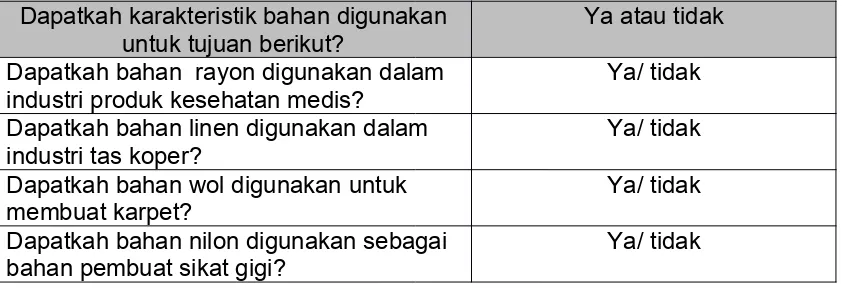
The exam is structured into multiple pages, each dedicated to a specific topic related to natural sciences (IPA). Each page contains a combination of multiple-choice questions, short answer questions, and practical application questions.
1.2 Question Types
The questions are primarily of three types: multiple choice, short answer, and essay-type questions that require explanation or reasoning. This variety allows for a comprehensive assessment of students' knowledge and critical thinking skills.
II. Topics Covered
The exam covers a wide range of topics within the natural sciences, including microbiology (penicillin production), physics (maglev trains), chemistry (combustion), environmental science (water processing), astronomy (moon phases), and disaster management.
2.1 Microbiology and Biotechnology
The section on penicillin production highlights historical context and the role of fermentors, assessing students' understanding of microbial processes and biotechnological applications.
2.2 Physics and Engineering
Questions about maglev trains focus on electromagnetic principles and their practical applications in transportation technology, encouraging students to connect theoretical concepts with real-world technology.
2.3 Chemistry and Environmental Science
The section on combustion discusses the chemical reactions involved in burning and the implications for fire safety, which is crucial for understanding environmental impacts and safety measures.
2.4 Astronomy
The moon phases section examines the cyclical nature of lunar visibility and its relationship with Earth, reinforcing concepts in astronomy and celestial mechanics.
2.5 Disaster Management
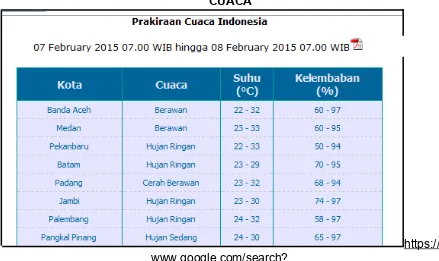
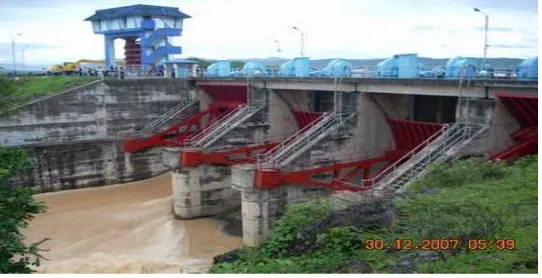
This section addresses natural disasters and preventive measures, emphasizing the importance of environmental awareness and safety protocols in disaster-prone areas.
III. Question Analysis
The exam features a range of question types that assess various cognitive skills, from basic recall of facts to higher-order thinking skills such as analysis and application.
3.1 Multiple Choice Questions
These questions require students to select the correct answer from provided options, testing their recall and comprehension of key concepts. For example, questions regarding the function of Milipore in fermentors assess basic understanding of microbiological processes.
3.2 Short Answer Questions
These questions prompt students to provide explanations or reasoning, encouraging deeper engagement with the material. For example, explaining why water extinguishes fire requires an understanding of chemical reactions.
3.3 Practical Application Questions
These questions assess students' ability to apply theoretical knowledge to practical scenarios, such as analyzing the benefits of using solar energy for water purification or understanding the mechanisms of maglev trains.
IV. Evaluation of Practical Applications
The exam is well-aligned with intended learning outcomes, focusing on both theoretical knowledge and practical application of scientific concepts. It effectively measures students' understanding of the natural sciences and their ability to apply this knowledge in real-world contexts.
4.1 Relevance to Learning Outcomes
The exam assesses critical thinking and problem-solving skills, which are essential for students' future academic and career pursuits in science-related fields.
4.2 Measurement of Knowledge and Skills
By incorporating various question types, the exam provides a comprehensive evaluation of students' knowledge, skills, and ability to apply scientific principles in practical situations.